
Reviewed · WALKING TOURS
The Dark Side of Osaka Walking Tour
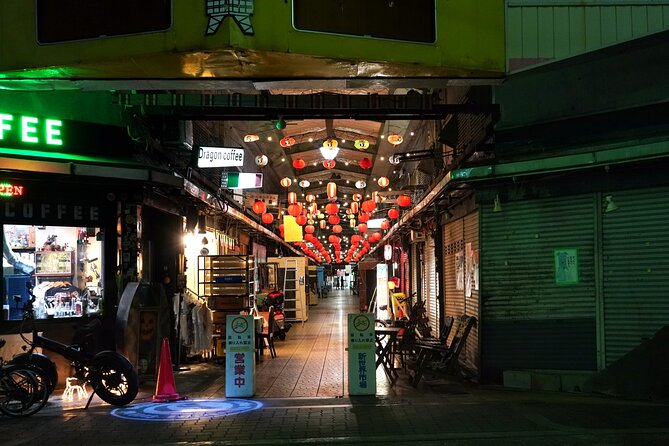
Osaka has more than neon and noodles. This two-hour evening walk takes you through Shinsekai, Nishinari, and Tobita Shinchi, areas that reveal a less polished but more complicated side of the city. I like the focus on social history, and I like that guides such as Jay, Matt, and Rico add local stories rather than simply pointing at buildings. The main drawback is that some of the walk involves looking at streets and districts rather than taking part in activities, so the experience may feel light on attractions if you expect constant action.
At $25 per person, the tour is fairly priced for a small group capped at 15 people, especially if you want context that is hard to gather on your own. I also appreciate the manageable two-hour length and the 5:30 pm start, which places the walk in the evening without making it a late-night commitment. Still, the subject matter requires tact. Tobita Shinchi is an active adult district, and Nishinari’s past as a day-labor area is not merely a curiosity for sightseeing.
In This Review
- Key points to know before you book
- Why this side of Osaka matters
- Starting at Shinsekai and meeting Osaka’s New World
- Nishinari Dobutsuen-mae and the working-class story
- Jan Jan Yokocho, a narrow street with old Osaka character
- Tobita Shinchi and the limits of sightseeing
- Tsutenkaku Hondori and the finish near the tower
- The guides are the main reason to book
- Is $25 good value for this Osaka walk?
- Who will enjoy it, and who may not
- Practical details for a smooth evening
- Should you book The Dark Side of Osaka Walking Tour?
- FAQ
- How long does The Dark Side of Osaka Walking Tour last?
- What time does the tour start?
- Where does the tour begin?
- Where does the tour end?
- How much does the tour cost?
- What locations does the walk visit?
- Are entrance fees included?
- Are snacks included?
- How large is the group?
- Can I cancel for a refund?
Key points to know before you book
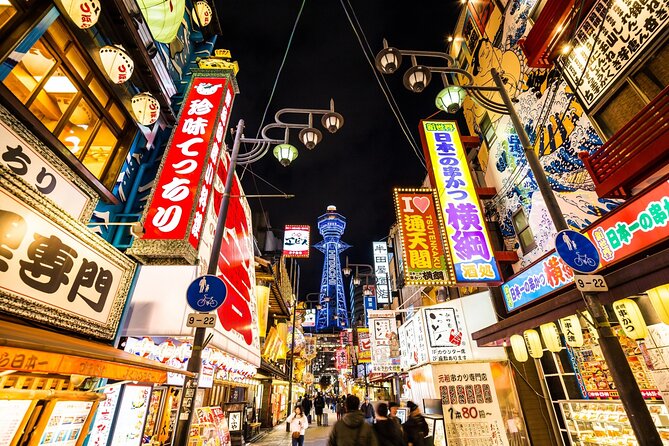
- A two-hour route through five Osaka districts and streets: You visit Shinsekai, Nishinari Dobutsuen-mae, Jan Jan Yokocho, Tobita Shinchi, and Tsutenkaku Hondori.
- Guides shape the experience: Jay receives repeated praise for his social history, local stories, clear answers, and useful area tips. Matt and Rico are also named as friendly and well-informed guides.
- The focus is social history, not rides or monuments: Much of the value comes from explanation and observation rather than admission-ticket attractions.
- The walk begins at 5:30 pm: Meet at Mega Don Quijote Shinsekai and finish near Tsutenkaku Tower.
- The group is limited to 15 people: That should make questions easier than on a large bus or crowded group walk.
- The route needs good weather: You receive a new date or full refund if poor weather causes cancellation.
Why this side of Osaka matters
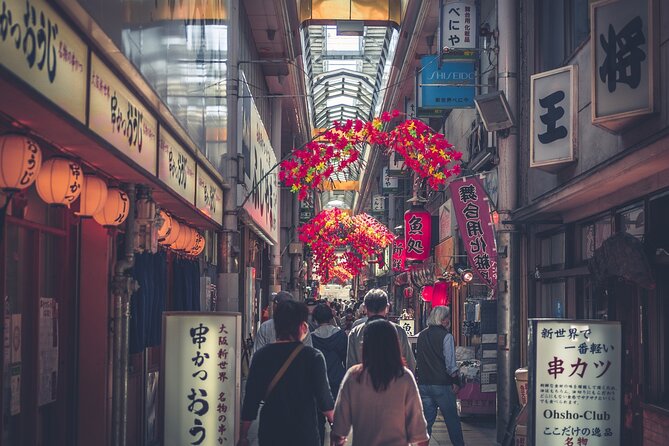
Many first visits to Osaka revolve around Dotonbori, Osaka Castle, shopping arcades, and food. Those places are worthwhile, but they can give you a narrow picture of the city. This walk shifts attention south to districts shaped by working-class life, entertainment, poverty, regulation, and changing public attitudes.
The title sounds dramatic, but the value depends on how the guide handles it. The best version of this tour is not a parade of shocking sights. It is a careful explanation of how these neighborhoods developed and why they still look and feel different from Osaka’s better-known visitor zones.
I would book this walk if you want social background and local stories. I would skip it if you prefer a classic sightseeing tour with major buildings, formal museum stops, or hands-on activities at every turn.
The route is free to enter at every stop. That does not mean the tour has no value. You are paying for the guide’s time, route planning, translation of local context, and ability to connect separate streets into a clear story.
More Walking Tours in Osaka
- Osaka: Hotspots & Hidden Gems Walking Tour Private or Group
★ 4.9 · 1,300 reviews - Osaka Local Foodie Walking Tour in Dotonbori and Shinsekai
★ 5.0 · 985 reviews - Osaka Bar Hopping Night Walking Tour in Namba (3 bars, 6 tastes)
★ 5.0 · 958 reviews
Starting at Shinsekai and meeting Osaka’s New World
The walk begins at Mega Don Quijote in Shinsekai at 5:30 pm. This is a practical meeting point because the district is easy to recognize, and the tour ends nearby at Tsutenkaku Tower.
Shinsekai means New World, an optimistic name for a district first developed in 1912. Its character today mixes older Osaka imagery with everyday local life. Tsutenkaku Tower gives the area a strong visual marker, while the surrounding streets provide a retro setting for shops and casual food businesses.
The first stop lasts about 30 minutes. That is enough time for your guide to explain why Shinsekai was planned as a modern entertainment district and how its identity changed over time. I like beginning here because the area is not presented as a sealed museum. You see a living neighborhood first, then learn how its past still affects the streets around you.
You should not expect an admission attraction at this stop. The ticket is free, and the experience comes from the walk and the explanation. Keep your attention on the street layout, signs, shops, and changing atmosphere rather than waiting for a formal show.
Nishinari Dobutsuen-mae and the working-class story
The next 30 minutes bring you to Nishinari Dobutsuen-mae Deep Osaka Street. Nishinari is associated with day laborers and working-class communities, and the tour uses this area to discuss parts of Osaka that are often left out of standard sightseeing routes.
This is likely the most serious portion of the walk. The district’s past involves economic hardship and social divisions, so a good guide needs to explain the setting without turning people’s lives into a spectacle. Jay’s repeated praise for his social history and local knowledge is important here. His role is not just to lead you from one corner to another, but to give meaning to what you are seeing.
I would approach this stop with respect and restraint. You are walking through an actual neighborhood, not a stage set. Listen carefully, avoid intrusive photography, and follow the guide’s advice about where to stand and how to behave.
The possible weakness is clear. If you expect constant visual highlights, this section may feel slow. One two-star assessment found that the first half involved wandering through slum areas and did not offer enough to see or do. That criticism is useful because it identifies the central choice: you are paying for explanation and perspective, not a packed schedule of attractions.
Jan Jan Yokocho, a narrow street with old Osaka character
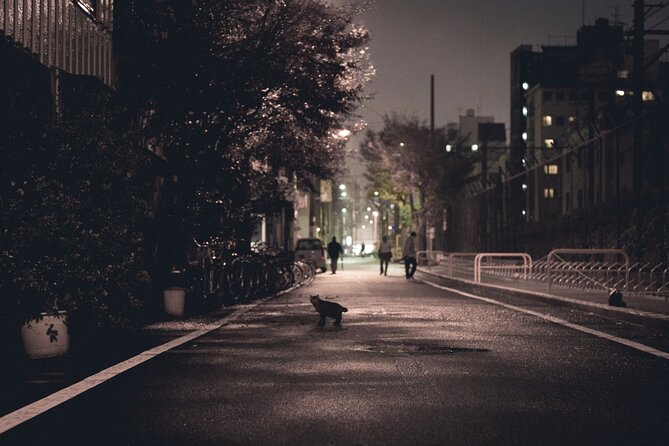
Jan Jan Yokocho, also called Nanyodori Shopping District, takes about 20 minutes. This narrow shopping and dining street sits in Shinsekai near Tsutenkaku Tower and carries a more playful, nostalgic tone than the Nishinari section.
The street helps connect the social history of the neighborhood with its present-day food and shopping culture. You might find the compact scale more interesting than a large commercial center because the street feels tied to the surrounding district rather than designed as a separate attraction.
The tour does not include snacks, so budget separately if you want to eat along the way. That is worth remembering at a food-centered stop. The guide may point out useful places or explain local habits, but your $25 fee covers the walking tour, taxes, and guide service, not refreshments.
I like this part because it gives the route a change of pace. After the heavier discussion in Nishinari, Jan Jan Yokocho brings you back to Osaka’s familiar pleasures: small businesses, food, signs, and a street made for wandering. You still have only about 20 minutes, so this is more of an introduction than a full food tour.
A completely different kind of day out:
- Osaka Go Karting Tour with Funny Costume
★ 5.0 · 2,658 reviews - Osaka Castle: Museum and Tower Entry Ticket
★ 4.5 · 2,380 reviews - Osaka: Shinsekai Food Tour with 13-15 Dishes at 5 Eateries
★ 4.8 · 2,204 reviews - Osaka Food Tour: 13 Dishes at 5 Local Eateries
★ 5.0 · 2,149 reviews
Tobita Shinchi and the limits of sightseeing
The 20-minute stop at Tobita Shinchi is the most sensitive part of the route. It is Osaka’s largest and best-known red-light district, with a history reaching back more than a century. The area is known for its distinctive architecture and tightly controlled setting.
This is not a stop where you should expect entertainment or participation. The point is to understand how the district operates as part of Osaka’s social and urban history. Your guide’s tone matters greatly, and the strongest feedback for Jay centers on thoughtful explanation, local detail, and willingness to answer questions.
I would treat this section as an observation walk, not a photo opportunity. Be discreet, do not photograph people without permission, and listen to instructions. The tour title may attract curiosity, but the area deserves more care than a quick search for something shocking.
The 20-minute limit is sensible. It gives you enough time to understand why Tobita Shinchi is significant without making the stop feel drawn out. It also keeps the walk moving toward the final shopping street and tower area.
Tsutenkaku Hondori and the finish near the tower
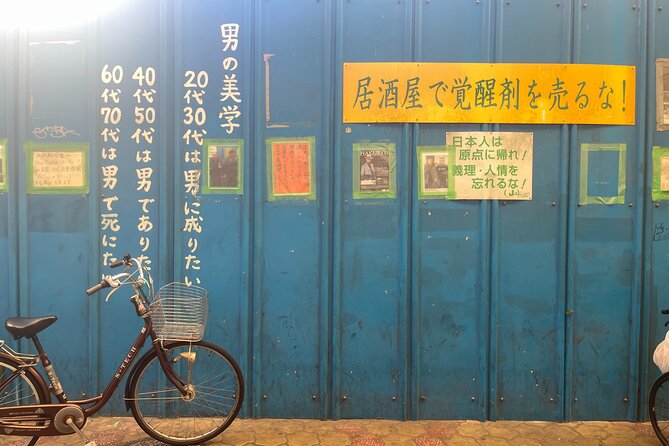
The final 20 minutes take place on Tsutenkaku Hondori Shopping Street at the foot of Tsutenkaku Tower. This arcade has a retro feel and a mix of shops that reflect Shinsekai’s long-running entertainment identity.
Ending here works well. The walk finishes in a familiar public area rather than leaving you in an isolated location, and the endpoint at 1-18-6 Ebisuhigashi is close to where you began. You can continue exploring, find food, or head back to your accommodation after the tour.
This final stop also gives the route a lighter finish. You have moved from social history and labor districts to a shopping street with a more casual mood. I would not expect a major guided activity here, but it is a useful place to get your bearings in Shinsekai.
The complete route is scheduled for about two hours. One review specifically praised the pace, while another noted that the walk requires nearly two hours on foot. Wear comfortable shoes and expect to remain outside for most of the experience.
The guides are the main reason to book
The strongest part of this tour is the guide. Jay is singled out several times for thoughtful explanations, local stories, strong knowledge of Japanese social history, and useful tips about the different areas. He also appears to handle questions well, which matters on a subject with no simple answers.
Matt is praised for being friendly and informative, while Rico receives credit for being accommodating and well informed. The guide may vary, so you should not book on the assumption that a particular person will lead your departure. Still, the repeated focus on guide quality tells you where the tour earns its fee.
A small group of no more than 15 people helps. You can hear explanations more easily, ask questions, and keep the walk from turning into a large procession. The mobile ticket also keeps the booking simple, and confirmation arrives at the time of booking.
The tour is near public transportation, and service animals are allowed. Most people can participate, though the walk lasts roughly two hours and requires steady movement between stops. The provided information does not give a precise accessibility assessment, so ask the operator directly if you have specific mobility needs.
Is $25 good value for this Osaka walk?
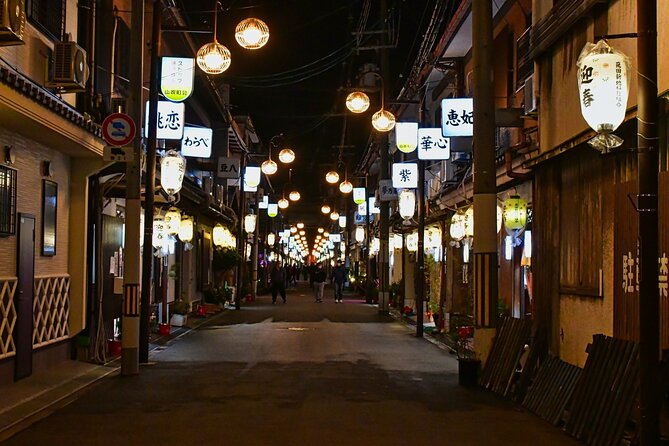
At $25, I see this as a guide-led context tour rather than a conventional attraction package. There are no entrance fees, snacks, or paid activities included. Your payment covers the route, guide, organization, and local interpretation.
That is good value if you would otherwise walk through Shinsekai and Nishinari without understanding their background. A guide can help you notice connections between the streets, explain why certain districts developed as they did, and answer questions while you are there.
The value is weaker if you judge tours by the number of sights entered. Every listed stop is free, and much of the route involves streets and neighborhoods. You need to be comfortable paying for informed company and discussion.
The 98 percent recommendation rate and 4.9 rating from 49 reviews suggest that the format works very well for most people who choose it. I would still read those figures with the tour’s limitation in mind: strong guide service cannot completely change the fact that the route is mainly observational.
Who will enjoy it, and who may not
I would recommend this walk to you if you:
- Want to understand Osaka beyond its famous food and shopping zones
- Enjoy urban history and social questions
- Prefer a small guided walk to a large sightseeing group
- Are curious about Shinsekai, Nishinari, and Tobita Shinchi
- Value local stories and practical area tips
- Can walk outdoors for about two hours
I would think twice if you:
- Want temples, museums, or major ticketed attractions
- Expect food tastings to be included
- Feel uneasy visiting an active red-light district
- Prefer a tour filled with activities and photo stops
- Need a fully detailed accessibility plan before booking
The tone is especially important. This experience should leave you better informed, not entertained by other people’s hardship. If you bring that attitude, the route can be useful and memorable for the right reasons.
Practical details for a smooth evening
Meet at Mega Don Quijote Shinsekai, 3-4-36 Ebisuhigashi, Naniwa Ward, Osaka, at 5:30 pm. The walk ends at Tsutenkaku, 1-18-6 Ebisuhigashi, also in Shinsekai.
Carry water, wear shoes suited to continuous walking, and bring a light rain layer if the forecast looks uncertain. Snacks are not included, so eat beforehand or plan to buy something after the walk. The tour requires good weather, and poor conditions can lead to a new date or a full refund.
You can cancel for a full refund up to 24 hours before the start time. Cancellations or changes made inside that 24-hour window are not refunded or accepted, and the cut-off follows Osaka local time.
Should you book The Dark Side of Osaka Walking Tour?
Book it if you want a thoughtful look at Osaka’s working-class districts, entertainment history, and adult-industry district, with a guide who can explain what you are seeing. Jay is a particularly strong name to hope for, based on the praise for his clear social history and local advice, while Matt and Rico have also received warm comments.
Do not book it expecting a traditional sightseeing circuit. The route has no admission attractions, snacks are extra, and some sections are simply streets where the guide gives context. At $25, it is a fair buy for curious visitors who value understanding a place more than collecting landmarks.
FAQ
How long does The Dark Side of Osaka Walking Tour last?
The tour lasts approximately two hours.
What time does the tour start?
The start time is 5:30 pm.
Where does the tour begin?
It begins at Mega Don Quijote Shinsekai, 3-4-36 Ebisuhigashi, Naniwa Ward, Osaka, 556-0002, Japan.
Where does the tour end?
The walk ends at Tsutenkaku, 1-18-6 Ebisuhigashi, Naniwa Ward, Osaka, 556-0002, Japan.
How much does the tour cost?
The listed price is $25 per person.
What locations does the walk visit?
The route includes Shinsekai, Nishinari Dobutsuen-mae Deep Osaka Street, Jan Jan Yokocho, Tobita Shinchi, and Tsutenkaku Hondori Shopping Street.
Are entrance fees included?
Yes. All fees and taxes are included, and each listed stop has no admission charge.
Are snacks included?
No. Snacks are not included in the tour price.
How large is the group?
The tour accepts a maximum of 15 people.
Can I cancel for a refund?
Yes. You can cancel at least 24 hours before the start time for a full refund. Cancellations made less than 24 hours before the start time are not refunded. If poor weather cancels the experience, you will be offered another date or a full refund.
Just added in Osaka
- 1.5〜2 Hours Traditional Kintsugi Work Shop in Namba Osaka★ 5.0 · 75 reviews
- Three Types of Ramen Cooking Class in Osaka★ 5.0 · 119 reviews
- Samurai Show, Tea Ceremony, Japanese Traditional Activities★ 5.0 · 56 reviews
- Traditional Japanese Music show & Experience Tour in Osaka★ 5.0 · 25 reviews
- Traditional Home cooking Experience in Osaka, Japan★ 5.0 · 14 reviews
- Sushi and Japnese foods cooking class in Osaka★ 5.0 · 51 reviews
- Osaka Street Food Festival :Takoyaki&Okonomiyaki for Families★ 5.0 · 13 reviews
- Guided Photography Tour in Osaka: Capturing Memories★ 4.5 · 20 reviews
Walking Tours, compared.
Kyoto Geisha Walking Tour: Gion District & Hidden Gems
Read our review →
Tokyo Tsukiji Fish Market Food and Culture Walking Tour
Read our review →
Gion Magical Night Walking Tour with Geisha Trivia
Read our review →
Imperial Palace and Shogun Historical Walking Tour
Read our review →
Gion Geisha District Walking Tour – Stories of Geisha
Read our review →
Shinjuku Local Bar and Izakaya Guided Walking Tour
Read our review →
Browse the lists this tour appears in