Reviewed · TOKYO TOURS
This is Asakusa! A Tour Includes the All Must-Sees!
Asakusa rewards a slower look. This private six-and-a-half-hour tour makes the crowded district easier to handle, and I especially like the one-party format and the wide route linking Senso-ji, Kappabashi, Gonpachi, and Tokyo Skytree. You get history, local customs, shopping time, and a meal stop in one well-filled day. The main drawback is the added cost: the advertised $137.29 price does not cover transportation, admission fees, food, or optional expenses, and the meeting point needs careful clarification.
You begin near Asakusa Station and finish at Oshiage Station by Skytree, so this works well as a sightseeing route rather than a return trip to your hotel. Guides such as Haruo, Macky, Walt, and Sayaka have earned praise for polite service, strong English, useful cultural explanations, and adapting the day to each group.
In This Review
- Key points at a glance
- Why a private Asakusa tour can be worth it
- Starting high above Asakusa at the Culture Tourist Information Center
- Senso-ji: the essential hour in Asakusa
- Asakusa Shrine and the Sanja Matsuri connection
- Nishi-sando and Hoppy Street: two different faces of Asakusa
- Kappabashi gives the tour a practical shopping stop
- Lunch at Gonpachi near the Sumida River
- Tokyo Skytree brings a modern finish
- Tokyo Solamachi: shopping and a flexible final stop
- What the $137.29 price really covers
- The guides make the private format useful
- Timing, weather, and practical planning
- Who should book this Asakusa route?
- Should you book it?
- FAQ
- Is this a private tour?
- How long does the tour last?
- Where does the tour begin?
- Where does the tour end?
- Are meals and admission fees included?
- Can the route change?
- Can I cancel for a full refund?
Key points at a glance
- Private guiding keeps Asakusa manageable: Your own guide can help you move through crowded streets and answer questions about local life.
- The route covers old and modern Tokyo: You visit Senso-ji and Asakusa Shrine before moving toward Kappabashi and Skytree.
- Kappabashi adds practical shopping: Knives, tableware, and kitchen tools give the tour a useful, hands-on stop.
- The food break has a view: Gonpachi offers handmade soba near Azumabashi Bridge, with views toward the Sumida River and Tokyo Skytree.
- The day ends at Japan’s tallest structure: Skytree and Tokyo Solamachi provide a polished finish with shopping, entertainment, and optional admission.
- Budget beyond the tour price: Allow about 4,880 JPY per person for listed transportation, admission, and meal costs, plus a possible 100 JPY optional expense.
Why a private Asakusa tour can be worth it
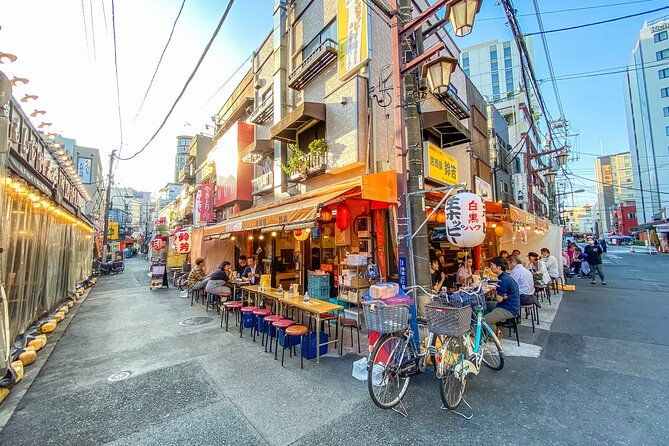
Asakusa is easy to reach but not always easy to read. Its streets bring together a major Buddhist temple, a Shinto shrine, old-style shopping arcades, casual drinking spots, souvenir stalls, and large crowds. Without context, it can feel like a sequence of red gates and photo stops.
A private guide changes the pace. You can ask why a temple and shrine sit so close together, how to behave at each place, or what the shops are selling. You also avoid the small frustrations of trying to find the right street, understanding local customs, or deciding which sights deserve your limited time.
I like that this is not only a temple tour. It gives you a broad picture of Asakusa, then carries you east toward the Skytree area. That makes the day feel like a connected walk through several sides of Tokyo rather than a visit to one famous landmark.
The private format is best for families, couples, older relatives, and small groups with different interests. One person can ask about Buddhism, another can browse kitchen tools, and another can focus on food or photography without forcing the entire group to follow a fixed public-tour pace.
A few more options to weigh up in Tokyo
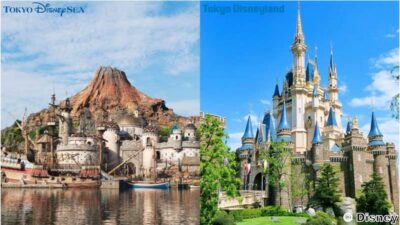
- Tokyo Disney Resort – Tokyo Disneyland & Tokyo DisneySea Park Tickets
★ 4.8 · 99,488 reviews - SHIBUYA SKY Ticket
★ 4.7 · 46,509 reviews - JR Whole Japan Rail Pass
★ 4.8 · 29,150 reviews
Starting high above Asakusa at the Culture Tourist Information Center
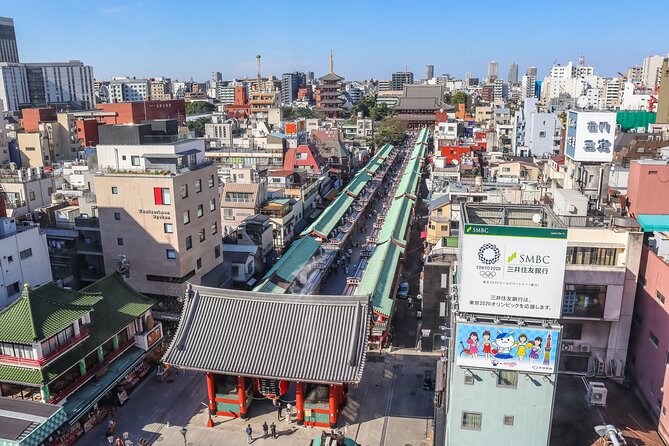
The first stop is the Asakusa Culture Tourist Information Center, where you spend about 15 minutes. The useful part is not simply the information desk. The building has an observation terrace with views over Asakusa, giving you a quick visual map before you start walking.
This is a smart opening stop because Asakusa can seem confusing at street level. From above, you can better understand the relationship between the temple district, shopping streets, the Sumida River, and the modern Skytree area.
The visit is short, so do not expect a long museum-style introduction. Its value comes from orientation and the chance to begin with a clear view of the neighborhood. Admission is free.
Senso-ji: the essential hour in Asakusa
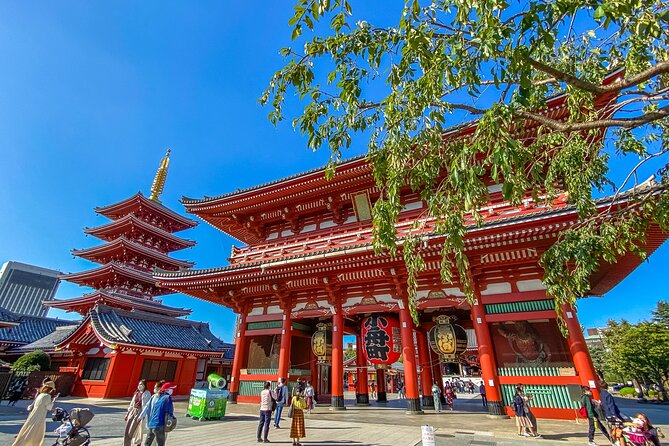
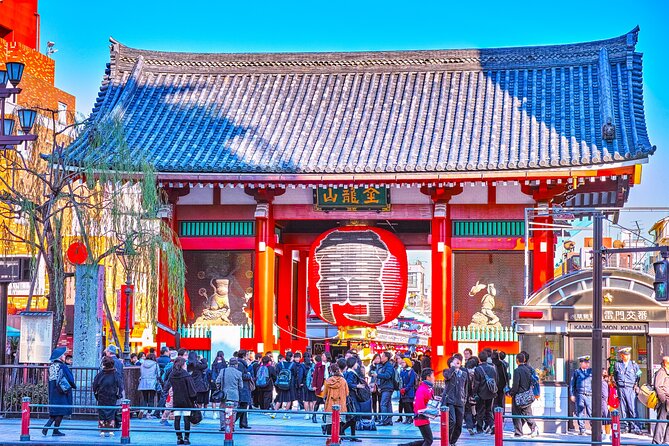
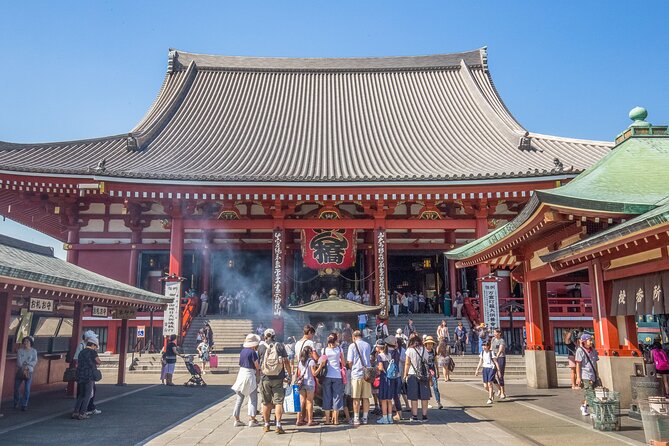
You spend about an hour at Senso-ji, Tokyo’s oldest temple and the district’s main draw. The large red lanterns at the entrance have become a symbol of Asakusa, and the temple buildings provide the strong visual center of this part of the city.
A guide is particularly useful here. Senso-ji is not just a pretty building for your camera. It is an active religious site, and your guide can explain the difference between Buddhist and Shinto customs, along with the meaning behind what you see.
The area around the temple can be very crowded, especially near the best-known entrance and along the approach. A private guide can help you keep moving and point out details you might otherwise miss. The crowd itself is part of the Asakusa experience, but it can make quiet observation difficult.
Admission is free. You should allow some flexibility around the one-hour estimate, since the exact pace may change with crowd levels, weather, and your group’s questions.
Asakusa Shrine and the Sanja Matsuri connection
Asakusa Shrine receives about 15 minutes. It is a Shinto shrine associated with Sanja Matsuri, one of Tokyo’s major festivals.
This short visit works well after Senso-ji because it gives you a direct comparison between two Japanese religious traditions. The temple and shrine are close together, but they are not the same institution. That distinction is easy to miss when you are exploring alone.
The stop is brief, so it is more about explanation and atmosphere than an extended shrine visit. If religious history interests you, ask your guide to explain the connection between the shrine, the local community, and Sanja Matsuri.
A completely different kind of day out:
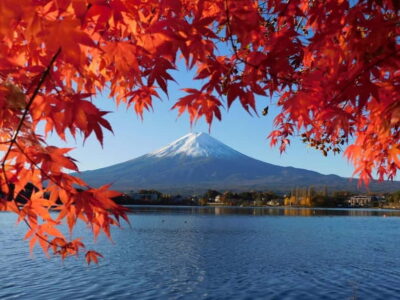
- Mt Fuji and Hakone 1-Day Bus Tour Return by Bullet Train
★ 5.0 · 26,383 reviews - TOKYO SKYTREE® Ticket
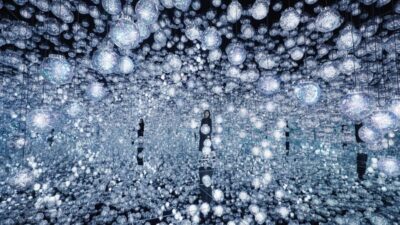
★ 4.7 · 25,136 reviews - teamLab Borderless Tickets: MORI Building DIGITAL ART MUSEUM
★ 4.7 · 24,126 reviews - teamLab Planets TOKYO Ticket
★ 4.7 · 21,663 reviews
Nishi-sando and Hoppy Street: two different faces of Asakusa
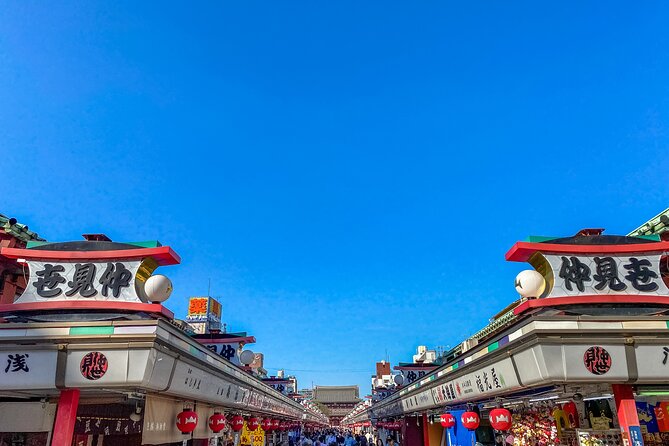
The 15-minute stop at Asakusa Nishi-sando Shopping Street brings a lighter, more commercial side of the district. Festival-themed decorations line the street, and the shops show how Japanese tradition and tourism overlap in everyday Asakusa.
You will not have much time for serious shopping here. Think of it as a quick look at the street atmosphere, with a chance to notice the visual style and browse if something catches your eye.
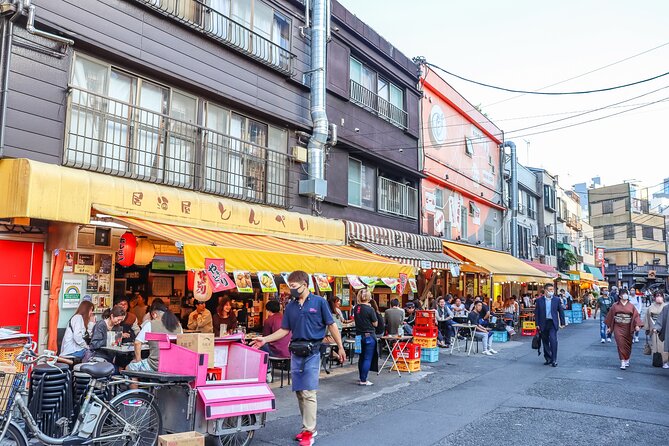
Next comes Hoppy Street, for about five minutes. The street is lined with casual restaurants, outdoor tables, and reasonably priced drinks. It is a lively place to walk through, though the short stop does not allow much time for sitting down.
This is one of the tour’s small compromises. The itinerary includes many places, but several are introductions rather than full visits. If Hoppy Street appeals to you as a food and drink area, tell your guide early that you would prefer more time there, if the day allows.
Kappabashi gives the tour a practical shopping stop
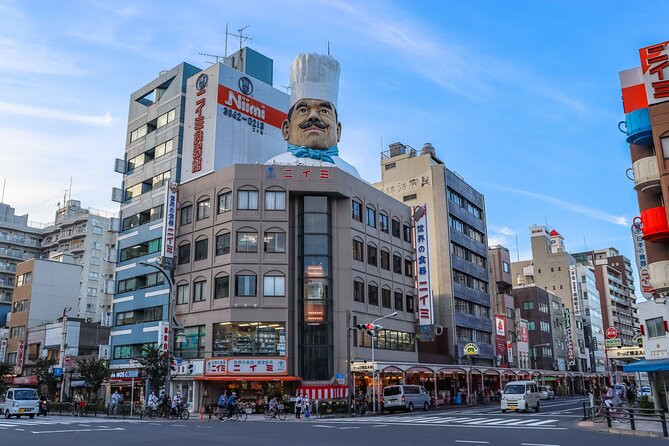
Kappabashi Dogugai, often called Kappabashi kitchenware town, receives about 30 minutes. This district is known for specialty shops selling knives, tableware, and other kitchen equipment.
I consider this one of the most useful stops because it offers something you can take home and use. You might find professional-style kitchen knives, dishes, cooking tools, or other items that feel more connected to Japanese daily life than a standard souvenir.
Thirty minutes is enough for an introduction, but it may feel short if you already know you want to buy a knife. You may need time to compare products, ask about shipping or care, and complete the purchase. The experience also includes a practical decision: large or delicate kitchen goods can be awkward to carry for the rest of the day.
A guide can help you communicate and understand what you are buying. One particularly positive account described help with a knife purchase, which is exactly the kind of small service that can make a foreign shopping experience easier.
Lunch at Gonpachi near the Sumida River
The planned meal stop at Gonpachi lasts about 50 minutes. This handmade soba restaurant sits near Azumabashi Bridge, with large windows looking toward the Sumida River and Tokyo Skytree.
The setting gives lunch a clear sense of place. You are not stopping at a generic restaurant in the middle of a shopping center. You are eating near the river, with the Skytree already visible as the next major point on the route.
Meal costs are not included. The listed estimate is 1,200 JPY per person, though your actual bill can vary based on what you order. The 50-minute timing suggests a focused meal rather than a long, leisurely lunch, so keep that in mind if food is a major part of your Tokyo plans.
Several guides have been praised for choosing restaurants that fit the group. Macky, in particular, received warm praise for planning the day around his group’s needs and taking them to a good lunch spot. That kind of flexibility is one of the private tour’s strongest benefits.
Tokyo Skytree brings a modern finish
The Skytree portion lasts about 1 hour and 10 minutes. At 634 meters, Tokyo Skytree is Japan’s tallest building and opened in 2012. The surrounding complex includes a mall, aquarium, and office buildings.
Admission is not included, and the listed estimate assigns 3,400 JPY per person to admission fees. Confirm what that amount covers when you book, especially if you are deciding between entering the observation decks and simply viewing the tower from outside.
The Skytree changes the mood of the day. Senso-ji gives you old Tokyo, while this enormous tower represents the city’s modern scale and ambition. The contrast is one reason the route works so well.
The tower visit can also be the busiest part of the day in a different way. Instead of narrow temple streets, you are dealing with a major attraction and a large commercial complex. Your guide can help you understand the plan, but your time may feel constrained if you want both observation-deck views and extensive shopping.
Tokyo Solamachi: shopping and a flexible final stop
Tokyo Solamachi sits next to Skytree and receives about 30 minutes. It is a commercial complex built around the idea of a new downtown style, with shopping, entertainment, dining, and other attractions.
This is a useful final stop because it gives you options. You can browse, pick up last-minute gifts, or simply enjoy the modern surroundings after the older streets of Asakusa.
The half-hour limit is again fairly tight. If you want a full shopping session, you may need to return another time. The tour is designed to show you the area, not to provide an entire afternoon inside the complex.
The day ends at Oshiage Station, which is convenient if you plan to continue from the Skytree area. It is important to remember that this is not the same place where you start. You can ask the guide about changing the finishing point, but you should make that request in advance or at the start of the tour.
What the $137.29 price really covers
The base price is $137.29 per person, with group discounts available. Since the tour is private, the value depends heavily on your group size. A family or group of four can spread the cost of one guide across several people, while a solo visitor pays more for the same private service.
The fee covers the guide, private touring, and the necessary expenses of the guide during the day. It does not cover your own transportation, entrance fees, meals, or drinks.
The estimated additional cost is 4,880 JPY per person:
- Transportation: 180 JPY
- Admission fees: 3,400 JPY
- Meal costs: 1,200 JPY
- Optional experience: 100 JPY
That estimate matters when you compare this tour with a standard group outing. You are paying for personal attention and route planning, then adding the direct costs of the day. I think the price can make sense if you value explanations, help with navigation, and a guide who can adjust the experience to your interests.
It makes less sense if you are comfortable navigating Tokyo alone, mainly want to see Senso-ji, or prefer to spend several hours shopping at one location. In that case, the tour may move too quickly and cost more than you need.
The guides make the private format useful
The strongest personal praise has gone to the guides themselves. Haruo was singled out for making the day smooth for a group of four adults, helping them handle the crowds, explore local shops, and manage a knife purchase.
Macky was praised for being polite, kind, and attentive to his group’s needs, including arranging a good lunch. Walt was valued for clear explanations about Japan, Buddhism, and history.
Sayaka has also received strong praise for her polished manner, excellent English, and efforts to meet individual requests. Her work as a flight attendant was noted as part of her professional approach.
Guide quality can vary from person to person, but these details show what you should expect from the best version of the experience: not a memorized speech, but a host who can answer questions and shape the day around your interests.
Timing, weather, and practical planning
Six hours and 30 minutes is a full half-day. Wear comfortable shoes, since the route includes several walking areas and crowded streets. The schedule includes nine stops, so you should be ready for short visits as well as longer ones.
Bad weather can change the transportation, destinations, and route. Temporary closures can also lead to alternative stops. That flexibility protects the day, but it means you should not treat every stop as absolutely guaranteed.
The meeting point is listed at Asakusa Station, at 1-chome-1-3 Asakusa in Taito City. Be precise about the station and the exact meeting instructions. One person had serious trouble because a taxi was directed to a train station after the address caused confusion. The problem was eventually resolved, but it is an avoidable start to the day.
Confirmation is provided at booking. The tour is near public transportation, and most people can participate. You should cancel at least 24 hours before the local start time if you need a full refund. Changes or cancellations inside that window are not accepted for a refund.
Who should book this Asakusa route?
I would choose this tour if you want one private day that joins old Asakusa with Skytree. It is especially helpful for first-time visitors who want cultural background, a clear route, and someone to handle the confusing parts of a crowded district.
It also suits families and groups with mixed interests. The temple visits satisfy history fans, Kappabashi works for cooks and shoppers, Gonpachi adds a meal with a view, and Skytree gives the day a major modern landmark.
You may want another plan if you prefer a slow temple morning, a long lunch, or several hours of serious shopping. The itinerary covers a lot, but it does so through a series of carefully timed stops.
Should you book it?
Book this tour if personal guidance matters more to you than keeping costs low. The private format, strong guide feedback, and mix of temples, shopping, food, river views, and Skytree make it a useful introduction to one of Tokyo’s most visited districts.
Before paying, confirm the meeting instructions, ask exactly which Skytree admission is included in the estimated costs, and decide if the additional 4,880 JPY per person fits your budget. If you do, this is a well-planned way to see Asakusa without spending your first day trying to decode it alone.
FAQ
Is this a private tour?
Yes. The tour is private, and only your group participates.
How long does the tour last?
The experience lasts approximately six hours and 30 minutes.
Where does the tour begin?
It begins at Asakusa Station, listed at 1-chome-1-3 Asakusa, Taito City, Tokyo 111-0032, Japan.
Where does the tour end?
It ends at Oshiage Station near Tokyo Skytree, at 1-chome-1-65 Oshiage, Sumida City, Tokyo 131-0045, Japan.
Are meals and admission fees included?
No. Transportation, entrance fees, food, and drinks at the visited places are paid by the customer. The estimated additional cost is 4,880 JPY per person, including transportation, admission fees, and a meal.
Can the route change?
Yes. Bad weather, temporary closures, transportation issues, or other conditions may lead to changes in transportation, destinations, routes, or stops.
Can I cancel for a full refund?
Yes, if you cancel at least 24 hours before the experience start time. Cancellations or changes made less than 24 hours beforehand are not accepted for a refund.
Just added in Tokyo
- Very popular in Harajuku♡Animal petting zoo★ 4.6 · 39 reviews
- Yokohama Port: Private Customizable Tour with Transfer★ 5.0 · 19 reviews
- Wagyu & Sake 8 Course Tasting Dinner in Shinjuku★ 4.9 · 20 reviews
- Warner Bros. Studio Tour Tokyo – The Making of Harry Potter★ 4.8 · 181 reviews
- Yanaka District: Historical Walking Tour in Tokyo’s Old Town★ 4.8 · 117 reviews
- Tokyo: Classic Tsukiji Food Tour★ 4.9 · 78 reviews
- Tokyo: Tsukiji Fish Market Tour with 6 Stops & Seafood Lunch★ 4.5 · 165 reviews
- Tokyo Wagyu & Sake Pairing Tasting Experience with Local Flavors★ 5.0 · 108 reviews
Tokyo Tours, compared.
Tokyo Disney Resort – Tokyo Disneyland & Tokyo DisneySea Park Tickets
Read our review →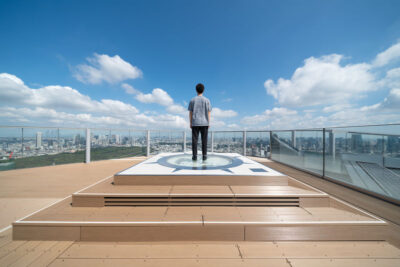
Mt Fuji and Hakone 1-Day Bus Tour Return by Bullet Train
Read our review →
teamLab Borderless Tickets: MORI Building DIGITAL ART MUSEUM
Read our review →