Reviewed · TOKYO TOURS
Time Travel in Tokyo Explore Old Town Asakusa and Local Food
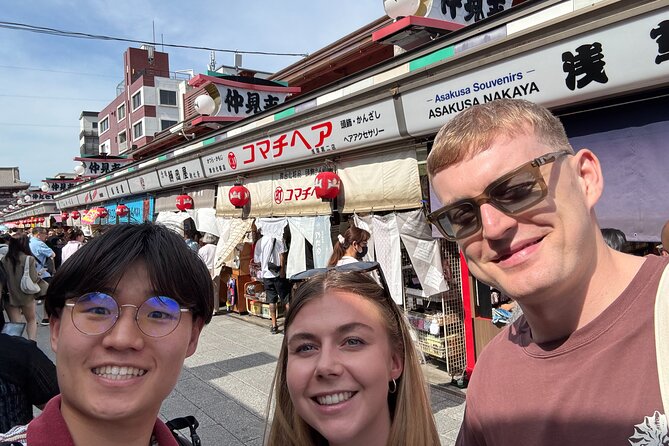
Old Tokyo still has plenty to eat. This two-hour Asakusa walk combines Kaminarimon Gate, Nakamise Street, Senso-ji Temple, local snacks, and quieter side streets with a guide who can help you read the neighborhood. I especially like the chance to try ningyo-yaki and senbei as you walk, plus the practical help with temple customs and tourist traps. The main drawback is its short length: you get a good introduction, but not enough time for a slow, detailed look at every corner.
The private format is another strong point, since only your group takes part. Guide Suno receives repeated praise for his patience, photography, food suggestions, and clear explanations of local customs. At $26.13 per person, the tour offers good value if you want an easy introduction to traditional Tokyo, though independent visitors who already know Asakusa may find the route too familiar.
In This Review
- Key points at a glance
- Why Asakusa makes a smart first stop in Tokyo
- Nakamise Street turns sightseeing into a snack break
- Senso-ji explains the spiritual side of Asakusa
- The backstreets add the most personal touch
- Don Quijote makes a playful final stop
- What $26.13 buys you
- Who will get the most from this walk
- How to make the two hours work well
- Should you book the Asakusa walk?
- FAQ
- How long does the Asakusa tour last?
- Where does the tour begin?
- Where does the tour end?
- What food can I try during the tour?
- Is this a private tour?
- Is Senso-ji included?
- Can I cancel for a full refund?
Key points at a glance
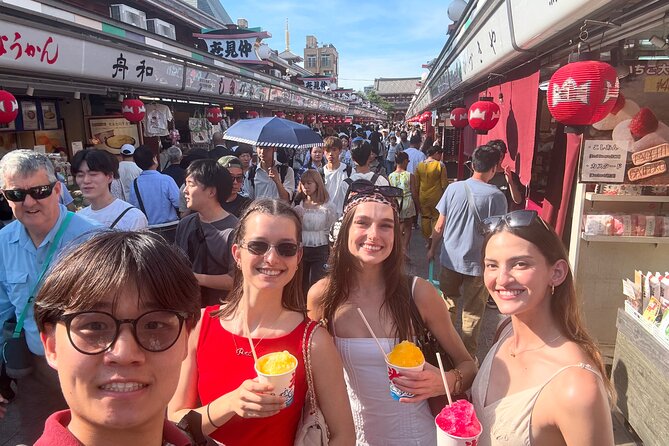
- Fresh street snacks: Try ningyo-yaki, senbei, kibi-dango, and age-manju while walking Nakamise Street.
- Temple guidance: Learn how to offer incense and pray properly at Senso-ji.
- Private group format: Your group tours together, which allows more room for questions and a calmer pace.
- Backstreet discoveries: Leave the main tourist route for local stories, photo spots, and quieter corners.
- Helpful guide service: Suno is praised for food advice, cultural explanations, patience, and taking photos.
- Convenient finish: The tour ends at Don Quijote Asakusa, useful for snacks, souvenirs, cosmetics, and pop-culture goods.
Why Asakusa makes a smart first stop in Tokyo
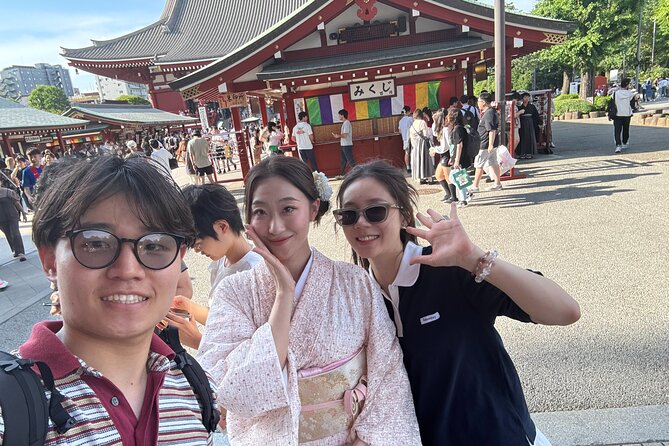
Asakusa gives you a quick lesson in old and new Tokyo without requiring a full day. Its main sights sit close together, so you can move from a famous temple to snack stalls, narrow streets, and a giant discount store in a short walk.
That mix is the real appeal. Tokyo can feel vast and hard to read at first. Here, your guide helps explain what you are seeing while you enjoy small bites along the way. You are not just checking off a temple. You are learning how the place works.
The tour begins at the Asakusa Culture Tourist Information Center, at 2-chōme-18-9 Kaminarimon. This is a practical meeting point near Kaminarimon Gate and public transportation. You should arrive ready to walk and snack, since the route spends most of its time outdoors.
Because the activity is private, the experience should feel more personal than a large group walk. You can ask questions about food, customs, or the neighborhood as they come up. The available information says most people can participate, and service animals are allowed.
A few more options to weigh up in Tokyo
- Tokyo Disney Resort – Tokyo Disneyland & Tokyo DisneySea Park Tickets
★ 4.8 · 99,488 reviews - SHIBUYA SKY Ticket
★ 4.7 · 46,509 reviews - JR Whole Japan Rail Pass
★ 4.8 · 29,150 reviews
Nakamise Street turns sightseeing into a snack break
The first major portion of the walk takes about an hour on Nakamise Shopping Street. This is the approach to Senso-ji, lined with shops selling food, small gifts, and traditional items.
I like this part because it gives you something to do while taking in the setting. Instead of listening to a long history talk with nothing else happening, you can examine the shop displays, smell freshly prepared snacks, and choose something to taste.
The food is central to the experience. You may try:
- Ningyo-yaki, small doll-shaped cakes traditionally filled with sweet red bean paste
- Senbei, crisp rice crackers with a savory bite
- Kibi-dango, soft millet dumplings
- Age-manju, a fried sweet bun
These are modest treats, not a full meal. That matters if you are booking this tour around lunch or dinner. Think of the food as a series of samples that help you understand everyday Japanese snack culture. If you have allergies or strong dislikes, ask the guide before buying anything, since the provided details do not explain the ingredients or dietary accommodations.
Nakamise can also be crowded and commercial. That is part of its character, but it may not feel quiet or particularly local at every moment. The guide’s value is practical here. Direct advice can help you avoid overpriced shops and focus on snacks or stores worth your time.
A guide can also explain what you are looking at without making every shop feel like a sales stop. That balance matters in Asakusa, where the main street is both a historic approach to a temple and a busy shopping strip.
Senso-ji explains the spiritual side of Asakusa
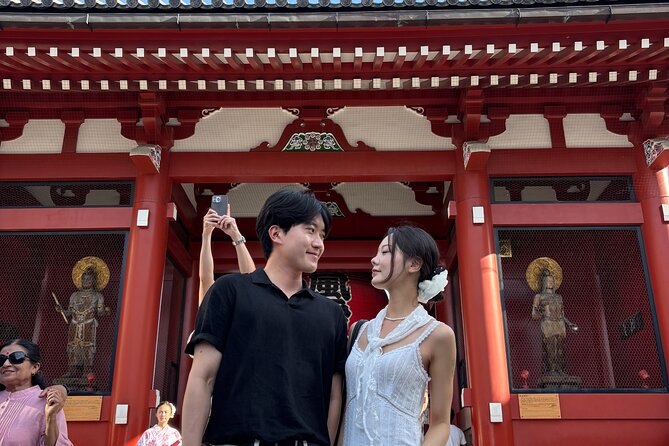
After Nakamise Street, the route spends about 45 minutes at Senso-ji. This is Tokyo’s oldest and most sacred temple, and the experience centers on more than taking a photo at the front gate.
You enter through Kaminarimon Gate, recognized by its huge lantern and guardian figures. From there, the route leads toward the temple grounds and the main worship area. The setting can feel grand and crowded, but your guide helps give the visit a clear purpose.
One useful part of the tour is learning the proper way to behave at the temple. You can join local worshippers in offering incense and prayers, while learning the basic customs that can be easy to miss when you visit alone.
For many first-time visitors, this is worth the tour price by itself. Japanese temples have procedures that are simple once explained, yet confusing if you are rushing through with a camera. Suno is repeatedly praised for explaining the rules patiently and helping families feel comfortable.
The tour also shares Senso-ji’s 1,300-year-old legend. The story gives the temple a human connection and helps explain why this place remains so important. You will not get an academic lecture in 45 minutes, but you should come away with enough context to understand why Senso-ji is more than a photogenic landmark.
One caution: Senso-ji is a public religious site, not a quiet museum. You may encounter crowds, noise, and people taking photos. The guide can explain respectful behavior, but cannot make the temple private or empty.
The backstreets add the most personal touch
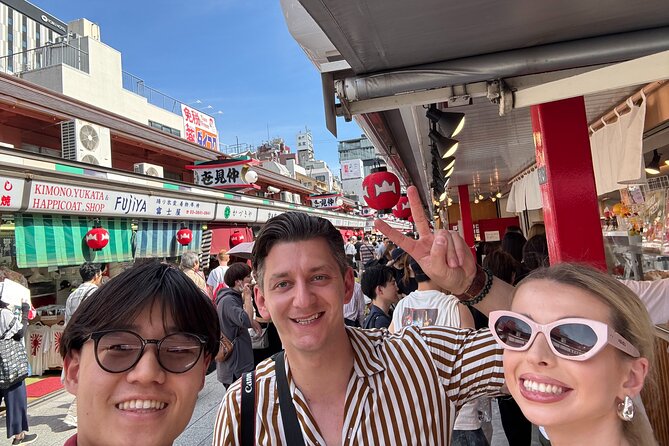
The route is not limited to the obvious sights. After the main temple area, your guide takes you into Asakusa’s backstreets for less obvious views and local stories.
This is where the private format becomes most useful. A standard route can show you Kaminarimon, Nakamise, and Senso-ji. A local guide can point out a better photo angle, explain a neighborhood detail, or show you a small place you might walk past on your own.
The exact side streets and photo locations are not specified, so you should not expect a fixed list of secret stops. That uncertainty is not necessarily a weakness. It suggests the guide can shape the walk around your group and the conditions on the day.
The guide also teaches a few useful Japanese phrases and cultural tips. This is a small feature, but it can make the rest of your Japan trip easier. Even basic phrases become more useful when you learn them in the setting where you might use them.
The strongest praise for Suno focuses on his manner as much as his information. He is described as charming, kind, patient, and good at making people feel at ease. Several people also highlight his skill with photography. If you want a few informal travel photos rather than only phone snapshots, that may be a welcome extra.
Still, two hours leaves limited time for long conversations or extensive exploration. If you want a serious study of Asakusa’s architecture, food history, or religious traditions, choose a longer tour or spend another half-day in the district after this walk.
A completely different kind of day out:
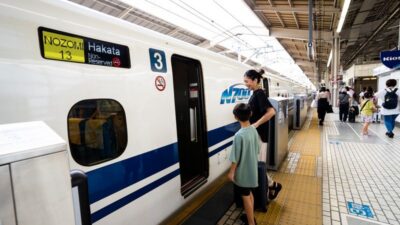
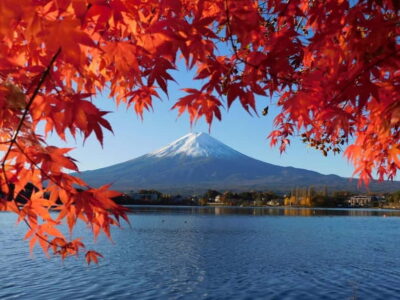
- Mt Fuji and Hakone 1-Day Bus Tour Return by Bullet Train
★ 5.0 · 26,383 reviews - TOKYO SKYTREE® Ticket
★ 4.7 · 25,136 reviews - teamLab Borderless Tickets: MORI Building DIGITAL ART MUSEUM
★ 4.7 · 24,126 reviews - teamLab Planets TOKYO Ticket
★ 4.7 · 21,663 reviews
Don Quijote makes a playful final stop
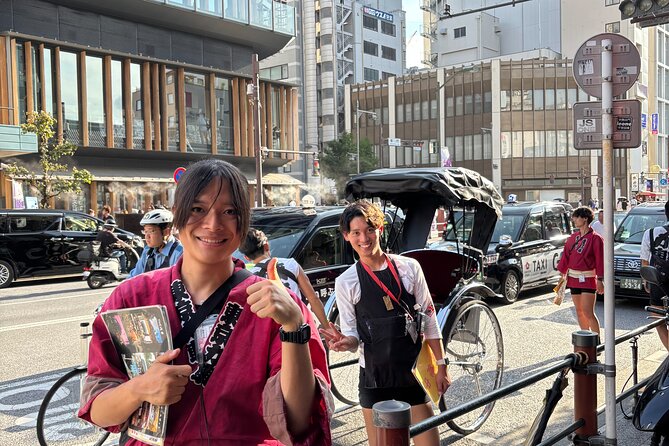
The tour ends in front of Don Quijote Asakusa, a large discount store at 2 Chome-10 Asakusa. The final 15 minutes introduce you to a very different side of Japan.
Don Quijote is known for its crowded aisles and wide mix of goods. You can look for quirky souvenirs, packaged snacks, cosmetics, household items, and pop-culture products. It is less polished than a department store and more entertaining for that reason.
Ending here is smart for practical reasons. You may want to buy gifts immediately while the snack names and local recommendations are still fresh. You also finish in a place where you can continue shopping after the guide leaves.
The store is not a cultural monument, and some people may prefer to end at Senso-ji instead. If shopping does not interest you, this final stop may feel like a brief commercial add-on. For many first-time visitors, though, it offers a fun contrast to the temple and traditional streets.
What $26.13 buys you
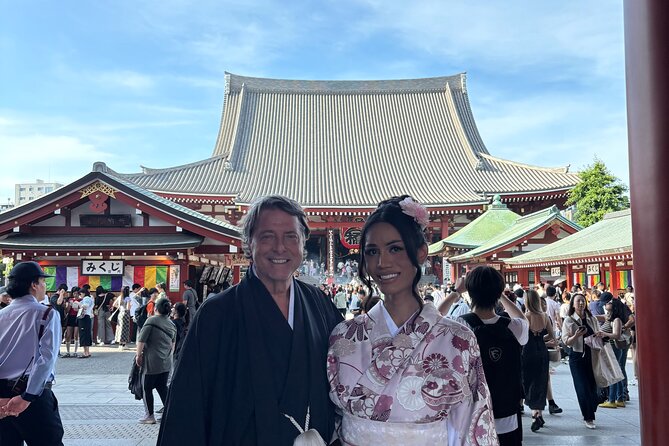
At $26.13 per person, this is a reasonably priced private introduction to one of Tokyo’s best-known districts. You are paying for roughly two hours of a guide’s time, help choosing snacks, explanations at Senso-ji, local orientation, and the convenience of moving through the area without planning the route yourself.
The price looks strongest for first-time visitors, families, and small groups who want structure without committing to a full-day tour. Food recommendations alone can save you from spending money on snacks you do not enjoy, and guidance on temple customs helps you avoid an awkward visit.
The value is less clear for repeat Asakusa visitors. You can walk Nakamise Street and see Senso-ji without paying an admission fee. The attractions themselves are free, so the fee is for interpretation, company, local tips, photos, and time saved.
Since only your group participates, the cost may make more sense when shared by several people. A private tour also lets you ask questions that may not fit a large group format. I would compare the total price for your party, not just the per-person figure.
The tour is commonly booked well ahead, with an average booking time of 81 days. That suggests you should reserve early if your Tokyo dates are fixed, especially if you want a particular guide or time. Confirmation arrives at booking, and free cancellation is available until 24 hours before the start time. Changes or cancellations inside that window are not refunded.
Who will get the most from this walk
I would recommend this experience most strongly to:
- First-time visitors who want a simple introduction to old Tokyo
- Families who need a patient guide and short walking route
- Food-focused visitors who want to sample several local sweets and snacks
- Repeat visitors looking for a few different photo spots and neighborhood stories
- Anyone unsure about temple etiquette
- Small private groups that enjoy asking questions as they go
It is also a good choice early in your Tokyo stay. You can learn a few Japanese phrases, understand basic temple manners, and get food ideas for later.
I would be more cautious if you want a long food tour, a quiet spiritual experience, or detailed historical research. The route is short, the main sights are popular, and the food samples are snacks rather than a substantial meal.
People with mobility concerns should note that this is a walking tour, although the supplied information says most people can participate. No detailed route information about stairs, seating, or rest stops is provided, so ask the operator before booking if those details matter to you.
How to make the two hours work well
Wear comfortable shoes and keep your schedule loose after the tour. The walk itself lasts about two hours, but you may want extra time at Don Quijote or to return to a shop on Nakamise Street.
Do not arrive expecting a sit-down meal. Eat something beforehand if you need a full lunch, then treat the listed foods as tasting stops. It is also sensible to tell the guide about allergies or foods you avoid before sampling anything.
Bring a phone with room for photos. Asakusa offers the formal view of Kaminarimon and Senso-ji, but the side streets may provide the more personal images. Suno’s photography skills are an added reason to keep the camera ready.
At Senso-ji, listen carefully during the explanation of incense and prayer customs. These details are easy to forget when you are focused on photographs, but they are among the most useful parts of the tour.
Finally, use the end point to your advantage. Don Quijote can be overwhelming, so decide in advance whether you want snacks, cosmetics, souvenirs, or pop-culture goods. A short shopping list will help you avoid wandering through every aisle.
Should you book the Asakusa walk?
Book it if you want a friendly, private introduction to Tokyo’s traditional side, with snacks and practical cultural guidance built in. The strongest reasons are the small-group format, the food stops, and Suno’s repeated praise for patience, photography, and temple explanations.
Skip it if you already know Asakusa well or want a longer, quieter, more specialized tour. The sights are free, the main street is commercial, and two hours passes quickly.
For a first visit, I think the price is fair. You get a clear route, useful context, and enough food to make the walk feel like more than sightseeing. It is a compact way to meet Asakusa before returning on your own for a slower look.
FAQ
How long does the Asakusa tour last?
The tour lasts approximately two hours.
Where does the tour begin?
It begins at the Asakusa Culture Tourist Information Center, at 2-chōme-18-9 Kaminarimon, Taito City, Tokyo 111-0034, Japan.
Where does the tour end?
The tour ends in front of Don Quijote Asakusa at 2 Chome-10 Asakusa, Taito City, Tokyo 111-0032, Japan.
What food can I try during the tour?
The experience includes local snacks such as ningyo-yaki and senbei. The route also identifies kibi-dango and age-manju as food examples.
Is this a private tour?
Yes. Only your group participates in the activity.
Is Senso-ji included?
Yes. The route includes about 45 minutes at Senso-ji, including guidance about its legend, incense, and prayer customs.
Can I cancel for a full refund?
Yes, if you cancel at least 24 hours before the experience start time. Cancellations or changes made less than 24 hours before the start time are not refunded or accepted.
Just added in Tokyo
- Very popular in Harajuku♡Animal petting zoo★ 4.6 · 39 reviews
- Yokohama Port: Private Customizable Tour with Transfer★ 5.0 · 19 reviews
- Wagyu & Sake 8 Course Tasting Dinner in Shinjuku★ 4.9 · 20 reviews
- Warner Bros. Studio Tour Tokyo – The Making of Harry Potter★ 4.8 · 181 reviews
- Yanaka District: Historical Walking Tour in Tokyo’s Old Town★ 4.8 · 117 reviews
- Tokyo: Classic Tsukiji Food Tour★ 4.9 · 78 reviews
- Tokyo: Tsukiji Fish Market Tour with 6 Stops & Seafood Lunch★ 4.5 · 165 reviews
- Tokyo Wagyu & Sake Pairing Tasting Experience with Local Flavors★ 5.0 · 108 reviews
Tokyo Tours, compared.
Tokyo Disney Resort – Tokyo Disneyland & Tokyo DisneySea Park Tickets
Read our review →
Mt Fuji and Hakone 1-Day Bus Tour Return by Bullet Train
Read our review →

teamLab Borderless Tickets: MORI Building DIGITAL ART MUSEUM
Read our review →