
Reviewed · CYCLING AND E-BIKE TOURS
Tokyo: 3-Hour Bike or E-Bike Tour of City’s Hidden Gems
Tokyo is easier to read on two wheels. This three-hour ride links Shiba Park, the Imperial Palace, Akasaka, Aoyama, Cat Street, Miyashita Park, and Shibuya Crossing in one well-packed outing. I especially like the small-group feel and the chance to cover ground that would take much longer on foot. The main consideration is that this is still a real ride, not a gentle sightseeing bus tour, and helmets cost an extra ¥1,000 in cash.
I also like the quality Bianchi and Fuji bicycles, plus the e-bike option for anyone who does not cycle often. Guides such as Shin, Casey, Naoki, Marika, Miguel, and KG have been praised for clear explanations, friendly service, and careful riding support. The meeting point near the Commodore Perry statue can be slightly tricky to find, so allow a few extra minutes.
This is a smart introduction to central Tokyo if you want more than isolated stops on a train map. You will see major sights, quieter streets, and modern neighborhoods, while the guide explains how old traditions and present-day Tokyo fit together.
In This Review
- Key points before you book
- Why cycling works so well in central Tokyo
- Starting near Commodore Perry in Shiba Park
- Zojo-ji Temple and the formal side of Tokyo
- The Imperial Palace and Ote-mon Gate
- Akasaka Palace and the Olympic-era city
- The quieter stops between major sights
- Cat Street, Miyashita Park, and Shibuya
- What the guides add to the ride
- Price, equipment, and the real value
- Who should book this Tokyo bike tour?
- Small drawbacks worth knowing
- Final verdict: should you book it?
- FAQ
- How long is the Tokyo bike tour?
- Where does the tour meet?
- Where does the tour finish?
- Are e-bikes available?
- Are helmets included?
- What type of bicycles are supplied?
- Is the tour suitable for children?
- Can I cancel for a full refund?
Key points before you book
- Three hours covers a wide slice of Tokyo: The route connects temples, imperial grounds, a ceremonial palace, the Olympic stadium area, Aoyama, Harajuku, and Shibuya.
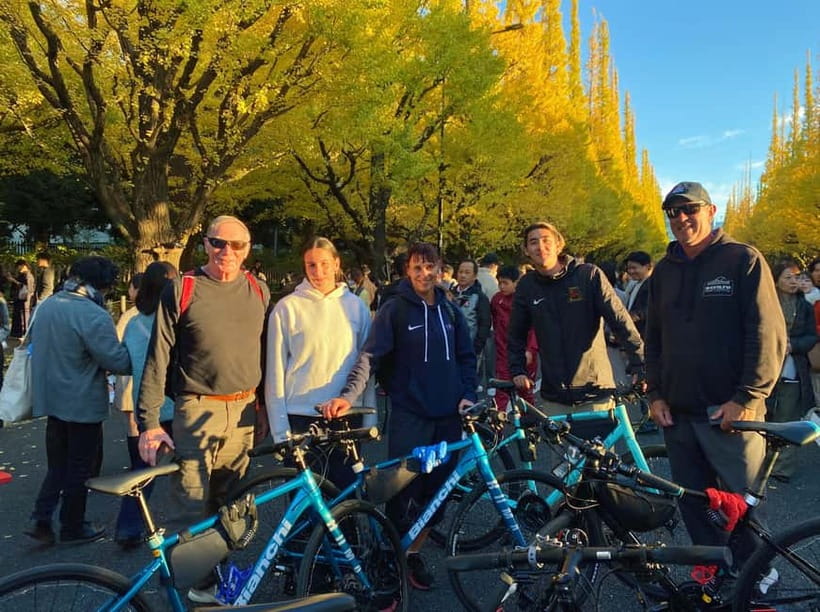
- The bicycles are a real strength: Bianchi and Fuji bikes are supplied, with e-bikes available for riders who lack stamina or rarely cycle.
- You ride with English-speaking guides: Guides including Shin, Casey, and Naoki have been praised for local knowledge, flexibility, and looking after the group.
- Expect stops, not long interior visits: Most landmarks receive five to 15 minutes for photos and explanations from outside or nearby.
- Bring cash for a helmet: Helmets are available for ¥1,000 each, and that fee is not included in the tour price.
- The route is active but manageable for regular cyclists: It is not suitable for children under 12, pregnant people, anyone with back problems, or anyone unable to ride a bicycle.
Why cycling works so well in central Tokyo
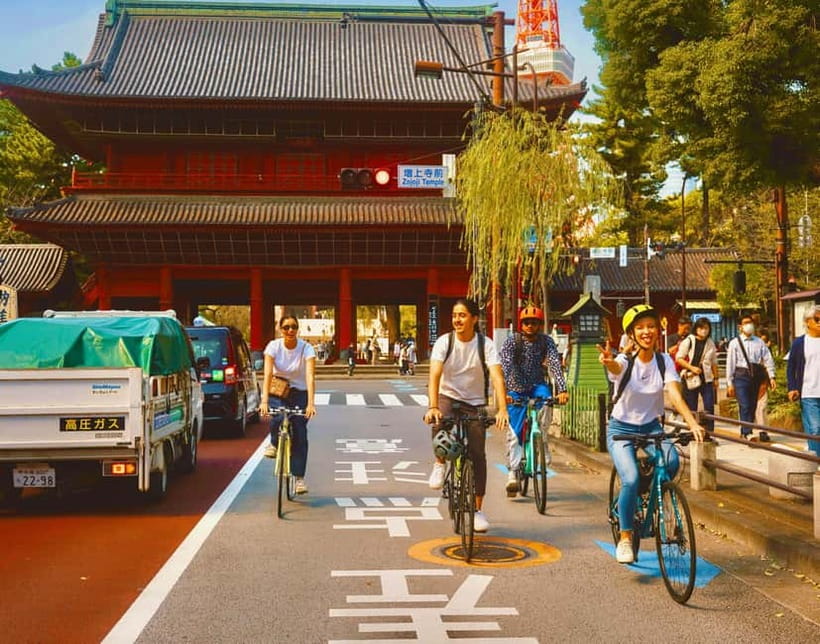
Tokyo can feel confusing at street level. A train gets you quickly from one district to another, but it also hides the connections between them. On a bicycle, you see the change from temple grounds to office streets, from formal palace avenues to creative Aoyama, and from quiet corners to the bright crush of Shibuya.
The route also saves your legs. Walking from Shiba Park to Shibuya while fitting in the Imperial Palace, Akasaka, and Yoyogi area would be a long day. Three hours on a bike lets you sample several districts without spending the whole morning underground.
This is not a race, but you should expect steady movement between stops. One direct comment from the feedback describes the route as extended cycling for this type of tour. That is useful warning: you do not need athletic ability, but you should be comfortable riding in a large city.
The guides provide the safety net. They lead through busy streets, explain the stops, and pause so you can get off the bike and look around. Several people particularly appreciated guides taking photos and watching out for the group. That matters in Tokyo, where the sightseeing itself is easy, but keeping a group together around traffic and crowded areas takes care.
More Bike Tours in Tokyo
- Tokyo Great Cycling Tour
★ 5.0 · 811 reviews - Tokyo Top Highlights 3h Guided E-bike Tour
★ 5.0 · 714 reviews - 3h Tokyo E-Bike Tour: Hidden Gems, and Local Life with guide
★ 5.0 · 670 reviews
Starting near Commodore Perry in Shiba Park
The meeting point is around the Statue of Commodore Perry, a three-minute walk from Daimon Station’s A6 exit. Perry’s arrival in Japan helped open the country to foreign trade in the 1850s, so the statue is an apt starting point for a tour that moves between Japan’s past and its modern international capital.
The location is close to Tokyo Tower and Shiba Park, which gives you an immediate sense of old and new Tokyo. The exact instruction is to meet the guide around the statue, not inside a clearly named shop or station building. One person found the meeting place difficult to locate, so check the map carefully and arrive early.
You will be fitted to a Bianchi or Fuji bicycle, depending on availability. The equipment is described as high-quality road and cross bikes, with an e-bike choice available when booking. A small pouch attached to the bike holds a phone, wallet, or key, and bicycle insurance is included.
Helmets are not included. You can get one on site by bringing ¥1,000 per unit in cash. If you need a child seat, that costs ¥3,000 per unit, but children under 12 are not permitted on the tour, so confirm the arrangement before booking.
Zojo-ji Temple and the formal side of Tokyo
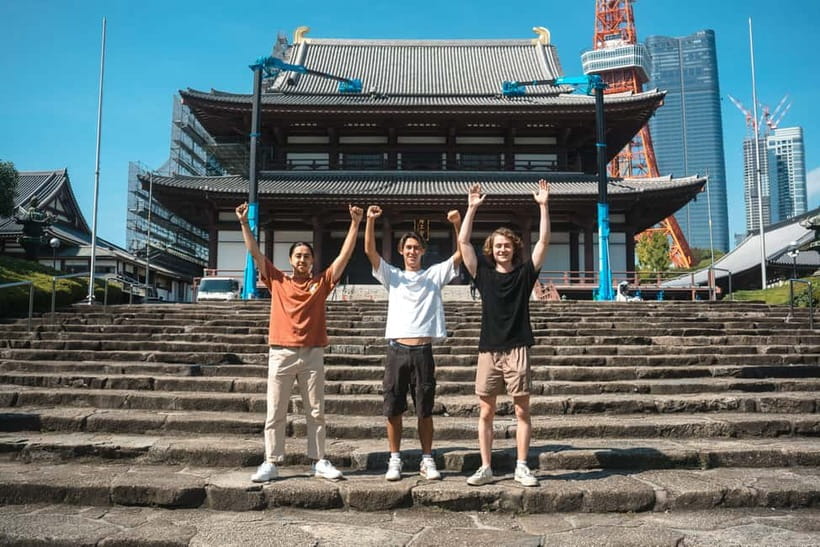
Zojo-ji Temple is the first major stop, with about 15 minutes for a guided visit and photographs. Its grounds sit beside Shiba Park and Tokyo Tower, making this one of Tokyo’s most effective city views: dark temple roofs and Buddhist buildings set against a tall modern landmark.
This is a good early stop because the guide can explain the difference between Buddhist temples and Shinto shrines. That distinction may seem simple once explained, but it is easy to blur the two when you are moving quickly through Japan.
Fifteen minutes is enough for orientation, photographs, and a short talk. It is not enough for a slow visit to every building or a quiet period of reflection. If you want a long temple visit, you would need to return separately.
The Imperial Palace and Ote-mon Gate
The bicycle then heads toward the Imperial Palace, with around ten minutes for photographs and explanation. You will see the broad formal setting of the palace grounds, a sharp contrast to the compact streets and packed stations that define much of central Tokyo.
Ote-mon Gate receives a shorter stop of about five minutes. It is one of the historic entrances associated with the former Edo Castle grounds, and the massive gate gives you a better idea of the defensive scale of the old castle than a quick glance at a modern palace building would.
The short timing is worth keeping in mind. This part of the ride is about seeing the setting and learning the basic story, not entering every area. The route gives you a useful first look, then keeps moving.
A particularly lucky group once saw the emperor during this section, but that was clearly an unexpected event, not something you should count on. The value here is the combination of open space, old stonework, and a guide who can put the site into context.
A completely different kind of day out:
- Tokyo Disney Resort – Tokyo Disneyland & Tokyo DisneySea Park Tickets
★ 4.8 · 99,488 reviews - SHIBUYA SKY Ticket
★ 4.7 · 46,509 reviews - JR Whole Japan Rail Pass
★ 4.8 · 29,150 reviews - Mt Fuji and Hakone 1-Day Bus Tour Return by Bullet Train
★ 5.0 · 26,383 reviews
Akasaka Palace and the Olympic-era city
State Guest House Akasaka Palace is another photo stop, planned for roughly ten minutes. Its grand European-style architecture feels unlike the temples of Shiba Park or the office towers around them. It shows a more formal side of Japan, where state ceremonies and visiting dignitaries take place.
The route continues to New National Stadium for another ten-minute stop. The stadium connects the ride to Tokyo’s modern sporting identity and the city’s recent Olympic-era development. Even if you are not interested in sports, it is a useful counterpoint to the older sites earlier in the morning.
Together, these stops give the ride a strong theme. Tokyo is not one single visual experience. You move from religious buildings to imperial grounds, from ceremonial architecture to large modern public spaces, all without changing trains.
The quieter stops between major sights
The itinerary includes a 15-minute visit to a lesser-known stop, followed by brief visits around Minamiaoyama 3 Chome. The exact character of the first stop is not specified, which means the guide may have some flexibility depending on the day and the group.
That flexibility can be a plus. Shin, for example, was praised for adjusting the route to suit the interests of two well-traveled riders. If you have a particular curiosity about Tokyo’s traditions, neighborhoods, or modern life, tell the guide early. A small group makes that kind of adjustment more realistic than a large coach tour.
Minamiaoyama offers a change of mood after the formal buildings. The area is known in the tour description as a place to visit briefly, so you should not expect a long neighborhood walk or a dedicated shopping session. Think of it as a street-level glimpse while cycling through the city.
This is where the ride feels less like a checklist. You are not only stopping at famous buildings. You are also seeing how ordinary districts connect the headline sights.
Cat Street, Miyashita Park, and Shibuya
Cat Street receives about five minutes, enough for a quick look at one of the city’s best-known youth-oriented corridors between Harajuku and Shibuya. The route does not promise time for shopping, cafés, or browsing individual stores, so save those activities for another visit.
Miyashita Park gets a very brief three-minute visit. Its role is mainly to show you a newer public space in the Shibuya area and prepare you for the city’s most famous pedestrian crossing. With such a short stop, you will likely look around, take a picture, and continue.
Shibuya Crossing is the final major photo stop, with about five minutes to visit and photograph the scene. You will not get the full Shibuya experience in five minutes, but arriving by bike gives the crossing a different meaning. You have traveled through several neighborhoods to reach it rather than simply emerging from a station below ground.
The stated finish is the Bell of Peace. That gives the tour a clear endpoint near the Shibuya area. If you plan to continue sightseeing afterward, you can use the finish as a springboard for your own time around Shibuya, though the supplied information does not specify onward transport details.
What the guides add to the ride
The strongest part of this experience is not simply the route. It is the human explanation between stops. Guides speak English and Japanese, and the English-language service is central to the experience for international visitors.
The feedback highlights several guide qualities: clear history explanations, humor, flexibility, safety awareness, and help with photographs. Casey was praised for providing the right amount of information, while Shin was described as personable and able to adjust the route. Miguel, KG, Nouchi, Georgie, Naoki, Marika, and Rinto also received warm praise.
Guide quality can vary from one departure to another, so I would not book solely because of a particular name. Still, the repeated pattern is encouraging. You are likely to get more than directions and landmark names. You can expect stories about Japanese culture, traditional sites, and modern daily life.
The amount of information also seems well judged for a bike ride. Long lectures would be hard to follow while standing beside a bicycle. Short explanations at each stop keep the pace moving and leave room for photographs.
Price, equipment, and the real value
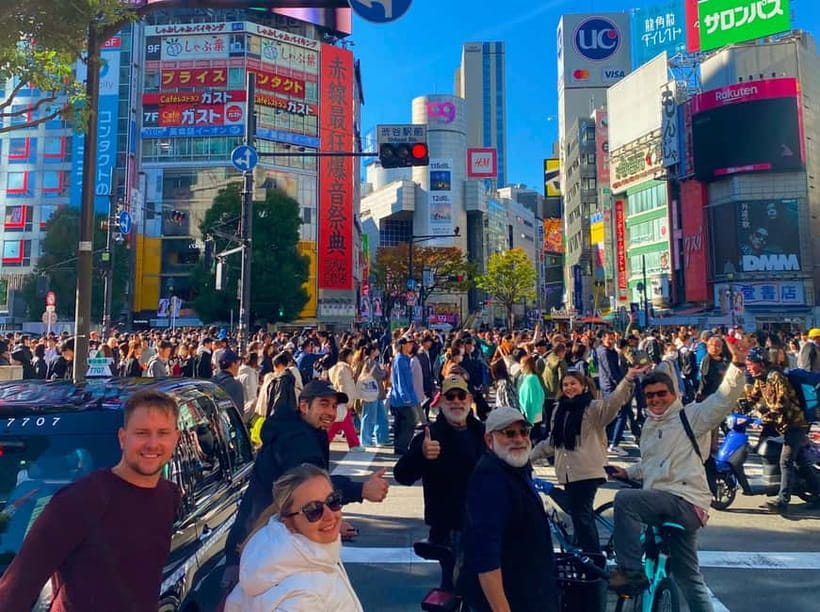
At $60 per person, the tour is fairly priced if you want to see many central districts in one morning or afternoon. You receive a bicycle, bicycle insurance, a guide, and three hours of route planning. The value grows if you are short on time and would otherwise pay for several train rides, walk long distances, and arrange your own visits.
The quality of the bikes is a meaningful advantage. A comfortable Bianchi or Fuji cross bike can make a city ride much easier than a heavy rental bicycle. The e-bike option is especially useful if you do not cycle often, have limited stamina, or are unsure about maintaining a steady pace.
The extra helmet fee slightly weakens the value, although ¥1,000 is modest in practical terms. Bring the cash, since the information specifically says helmets are available on site with cash payment. Comfortable shoes, water, and comfortable clothing are also essential.
There is no food or drink listed as included. One person appreciated the guide stopping for refreshments during a hot Tokyo summer, but you should not treat that as a guaranteed included service. Carry water, and consider the weather when choosing your start time.
Who should book this Tokyo bike tour?
I would recommend it to first-time visitors who want a broad introduction to central Tokyo. It suits people who prefer seeing a city from street level and want a guide to explain the meaning of temples, gates, palace grounds, and newer districts.
It also fits repeat visitors who have already seen the biggest sights and want a more connected route through Aoyama, Cat Street, Miyashita Park, and Shibuya. The lesser-known stops can add variety to a trip built entirely around major attractions.
The e-bike is the sensible choice if you rarely cycle. Do not choose a standard bike simply because it costs less if you are worried about stamina. You want enough energy left to enjoy the stops and the final stretch into Shibuya.
This is not suitable for children under 12, pregnant people, anyone with back problems, or anyone who cannot ride a bicycle. Smoking, alcohol, drugs, and littering are not allowed. The tour can be private or arranged for a small group, which is useful if you value a more personal pace.
Small drawbacks worth knowing
The itinerary is packed. Zojo-ji receives 15 minutes, several other stops receive five or ten, and Miyashita Park gets only three. If your ideal day means entering every attraction and sitting quietly at each temple, this will feel rushed.
The tour also combines busy roads with a long route. Cycling is what makes the schedule possible, but it is also the main physical demand. Summer heat can make the ride tougher, even though one group completed it during record-breaking heat with refreshment stops.
The meeting point is another minor nuisance. The Commodore Perry statue is near Daimon Station, but one person still had trouble finding it. Use the A6 exit and allow time to look around the statue area before the start.
Final verdict: should you book it?
Book this tour if you want efficient sightseeing with real street-level movement, especially during a short Tokyo stay. The route gives you temples, palace grounds, formal buildings, modern public spaces, and Shibuya in one compact outing, while the guides add the cultural background that a self-guided ride would lack.
Choose the e-bike if you are an occasional cyclist, bring ¥1,000 cash for a helmet, and expect an active three hours rather than a slow sightseeing loop. Skip it if you need long indoor visits, dislike city cycling, or want to focus on one district.
For the right rider, $60 buys more than a rental bike. It buys a carefully connected route and a local guide who helps Tokyo make sense.
FAQ
How long is the Tokyo bike tour?
The tour lasts three hours. Starting times vary, so you need to check availability when booking.
Where does the tour meet?
You meet the guide around the Statue of Commodore Perry, about a three-minute walk from Daimon Station’s A6 exit.
Where does the tour finish?
The tour finishes at the Bell of Peace in the Shibuya area.
Are e-bikes available?
Yes. An e-bike option is available when booking and is recommended if you do not cycle often or are concerned about stamina.
Are helmets included?
No. Helmets are available on site for ¥1,000 per unit, payable in cash.
What type of bicycles are supplied?
The tour supplies high-quality Bianchi and Fuji bikes, described as cross bikes and road bikes. A small pouch for a phone, wallet, or key is also provided.
Is the tour suitable for children?
No. The tour is not suitable for children under 12. A child seat is listed at ¥3,000 per unit, but the minimum age restriction still applies.
Can I cancel for a full refund?
Yes. You can cancel up to 24 hours in advance for a full refund. You can also reserve now and pay later.
Just added in Tokyo
- A One-of-a-Kind Sushi Experience in a Special Place of Japan★ 5.0 · 15 reviews
- Tokyo Cute Bento Cooking Class – Make a Kawaii Character Lunchbox★ 5.0 · 126 reviews
- Japanese Home Cooking Class & Walk in Todoroki Temple Tokyo★ 5.0 · 88 reviews
- Japan Tokyo Tower Observatory Deck E-Ticket★ 4.0 · 34 reviews
- Catch a Baseball Game in Tokyo with a Local – Tickets Included★ 5.0 · 24 reviews
- JDM Experience with Fast&Furious RX-7 (English speaking Driver)★ 5.0 · 57 reviews
- Tokyo Private Day Tour by Car with English speaking Driver Guide★ 4.0 · 29 reviews
- Japan Classic 10 Day – One Life Adventures★ 5.0 · 129 reviews
Cycling and E-Bike Tours, compared.
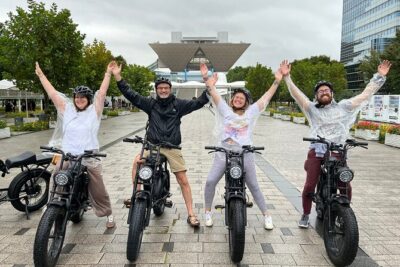
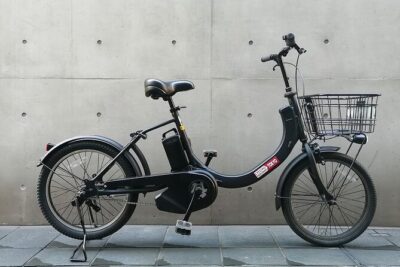
3h Tokyo E-Bike Tour: Hidden Gems, and Local Life with guide
Read our review →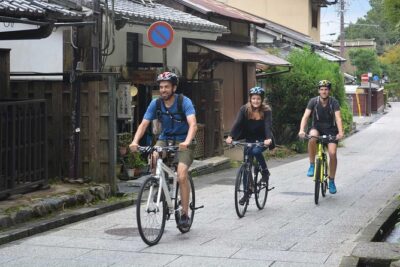
Arashiyama Bamboo Forest & Hidden Gems Bike Tour (Early Bird)
Read our review →
5 Top Highlights of Kyoto Full Day Bike Tour (E-bike option)
Read our review →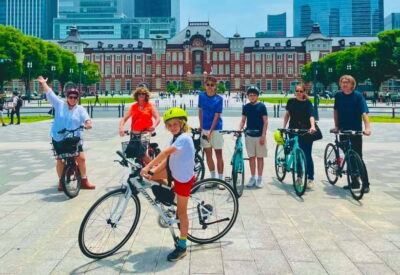
Hiroshima 2hr Peace Cycling Tour with Local Guide
Read our review →Browse the lists this tour appears in