
Reviewed · CYCLING AND E-BIKE TOURS
Tokyo: 3-hour Guided E-Bike Tour of the City’s Hidden Gems
Tokyo looks different from a bicycle seat. You can glide past the Imperial Palace, slip through quiet side streets, and reach places a subway ride would simply miss. I especially like the electric assistance and the chance to stop for a Japanese snack, though riding near traffic and pedestrians requires real bicycle confidence.
The tour also gives you a useful mix of famous sights and ordinary Tokyo scenes. Guides such as Hiro, Yota, Miki, and Shinobu are praised for clear English, local stories, and patient pacing. My main caution is simple: this is not a gentle park ride. Some routes use shared footpaths and roads, so you should already feel comfortable on a bicycle.
In This Review
- Key points at a glance
- Why an e-bike works so well in Tokyo
- Picking the right route for your day
- Tokyo City Route: central sights, gardens, and old Tokyo
- Tokyo Bay Route: bridges, Odaiba, and sunset views
- Tokyo Tower Route: temples, hills, and modern Tokyo
- What the three-hour ride feels like
- The real riding conditions in Tokyo
- Why the local stops matter
- Price and overall value at $65
- Who should book it
- FAQ
- How long is the Tokyo guided e-bike tour?
- What is included in the price?
- Which Tokyo routes are available?
- Does the tour visit the Imperial Palace?
- Does the tour include Tokyo Tower?
- Is the Tokyo Bay route suitable for sunset views?
- Are children allowed on the tour?
- Is the tour suitable for beginners?
- Is there a height or weight requirement?
- What happens if it rains?
- Should you book this Tokyo e-bike tour?
Key points at a glance
- Three routes, three different Tokyos: Choose between central Tokyo, Tokyo Bay, or a Tokyo Tower and historic architecture route.
- Electric power does the hard work: The e-bikes help with hills, heat, and a three-hour ride, though you still need to steer and brake confidently.
- Small discoveries are part of the appeal: Expect a Japanese garden, a quiet temple, shrines, local snacks, and side streets beyond the usual sightseeing circuit.
- Tokyo Bay suits sunset lovers: Bridges, open waterfront space, Odaiba landmarks, and evening skyline views make this the most scenic route.
- You cover serious ground: Bicycles give you close-up views unavailable from a bus while reaching more neighborhoods than a walking tour.
- The practical limits matter: Children under 13 are not permitted, a minimum height applies, and bad weather can cancel the outing.
Why an e-bike works so well in Tokyo
Tokyo is vast, and its best sights are spread across districts that do not always connect neatly by subway. Walking gives you detail but limits your range. A bus gives you distance but often leaves you looking through glass. An e-bike offers a useful middle ground.
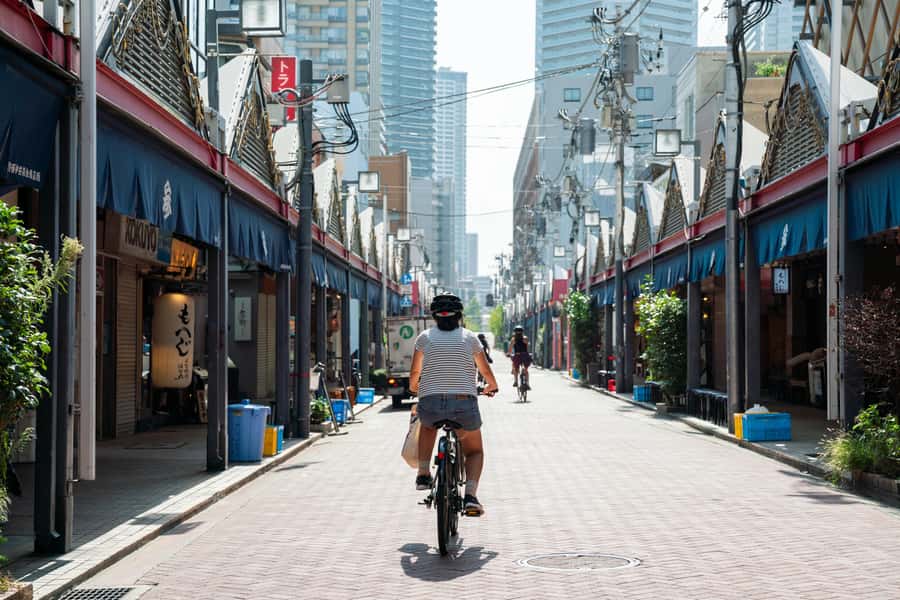
You move slowly enough to notice neighborhood life, yet quickly enough to connect the Imperial Palace with Nihonbashi, a garden with a shrine, or a waterfront temple with Odaiba. I like this style because the city becomes more than a string of famous photo stops. You see the spaces between them.
The electric motor matters. A traditional bicycle could make Tokyo’s heat, humidity, bridges, and hills tiring, especially on the Tokyo Tower route. Here, the assist helps reduce the strain. You still pedal, balance, turn, and pay attention, but the ride is not an endurance test.
Several riders found the bikes easy after a short adjustment. That said, the first few minutes can feel awkward because of the bike’s proportions and the unfamiliar streets. Give yourself time during the briefing to understand the controls and braking.
More Bike Tours in Tokyo
- Tokyo Great Cycling Tour
★ 5.0 · 811 reviews - Tokyo Top Highlights 3h Guided E-bike Tour
★ 5.0 · 714 reviews - 3h Tokyo E-Bike Tour: Hidden Gems, and Local Life with guide
★ 5.0 · 670 reviews
Picking the right route for your day
The route is not one fixed experience. Your choice changes the mood, sights, and physical character of the tour. Check the selected option carefully before booking.
Tokyo City Route: central sights, gardens, and old Tokyo
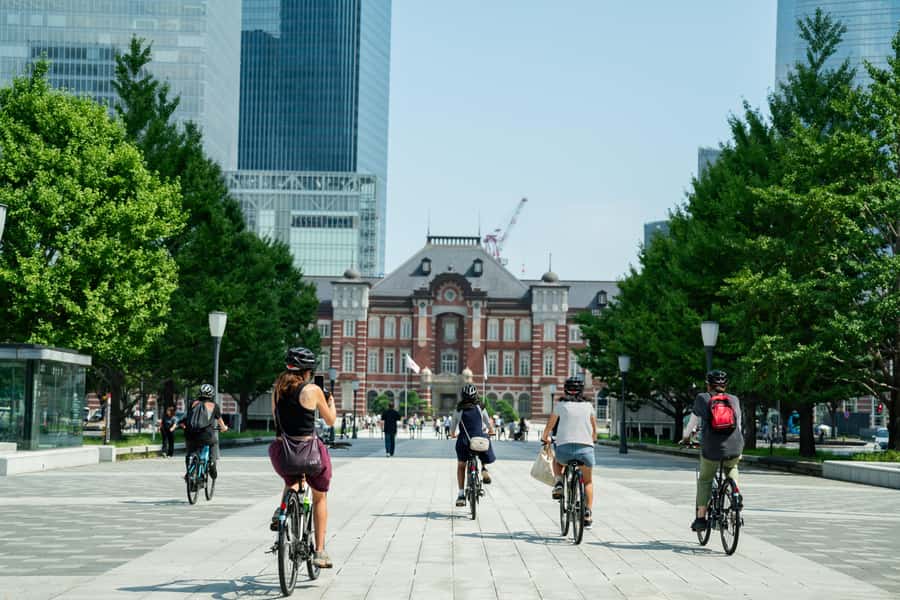
This is the best all-round choice if you want a broad introduction to central Tokyo. The route passes through Ginza, the Imperial Palace area, Tokyo Station, and Nihonbashi before moving toward a Japanese garden and Tomioka Hachimangu Shrine.
Ginza gives you a polished city introduction, with major streets and modern architecture. You pass through rather than spend time shopping, so do not choose this route expecting a long Ginza stop.
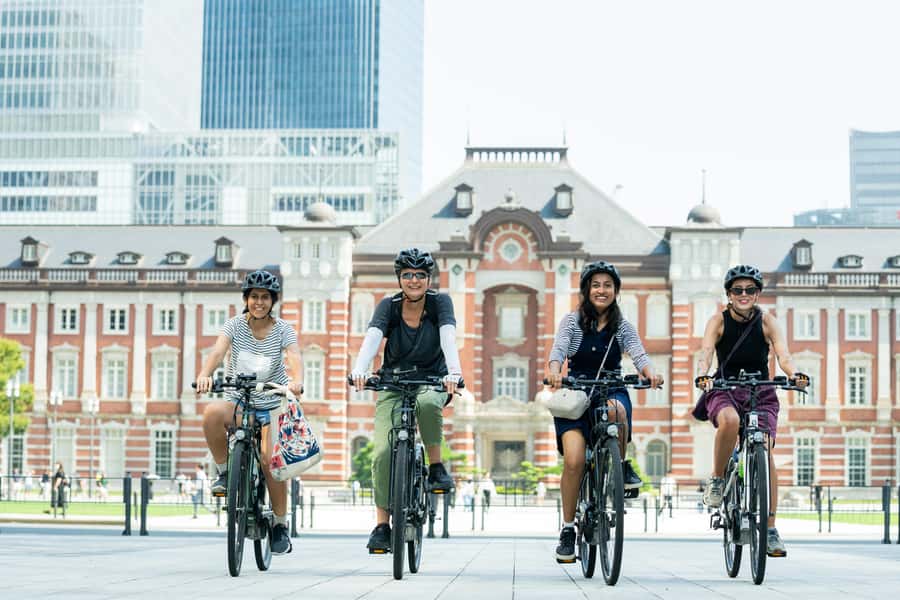
Tokyo Station is one of the strongest visual moments. Its grand red-brick exterior offers a sharp contrast with the glass towers around it. The Imperial Palace is also passed by rather than visited in depth. That distinction matters. You get a useful glimpse and city context, but this is not a palace tour.
Nihonbashi adds another layer. It is an old commercial center with a more traditional connection to Tokyo’s past, yet it sits among modern roads and offices. The route then includes a Japanese snack, which is a small but welcome pause. Snacks are not just fuel here. They give you a taste of everyday Japanese food culture without adding another formal meal to your schedule.
The Kiyosumi Japanese garden is likely to be the calmest stop of the day. You leave the bike and walk around for a while, giving your eyes and legs a break. The garden offers the kind of quiet, carefully arranged nature that many people hope to find in Japan but may not expect in central Tokyo.
At Tomioka Hachimangu Shrine, you get a closer look at religious architecture and local tradition. The temple and shrine stops are among the most valued parts of this experience because they offer something you would not necessarily find by following the main tourist route.
The drawback is that central Tokyo scenery can feel less dramatic than Asakusa, Shinjuku, or Akihabara. If your priority is instantly recognizable Tokyo imagery, another route may suit you better.
Tokyo Bay Route: bridges, Odaiba, and sunset views
Choose this route for open space and city views. Tokyo Bay is especially comfortable for cycling because reclaimed land creates broad, flat roads. The route includes several bridges, waterfront stretches, and Odaiba landmarks.
The ride begins with Sumiyoshi Shrine and Tsukuda Tendai Temple, a quieter place described as a particularly hard-to-find stop. This opening gives you old religious sites before the route shifts toward Tokyo’s modern bay development.
You pass TeamLab Tokyo and Tokyo Big Sight rather than enter them. That makes this a sightseeing ride, not an art-museum or exhibition visit. The tour then reaches the Gundam statue, one of Odaiba’s playful modern icons, followed by the Statue of Liberty replica.
The Odaiba Aqua City stop includes a Japanese local snack. It is a practical pause and a chance to take in the waterfront before the final bridge views. The route passes by Rainbow Bridge, which adds one of the tour’s best large-scale city scenes.
The timing changes by month, and this route may be arranged to catch sunset or nighttime views. That is a major reason to choose it. You may see the harbor and skyline change from daylight to evening, with the city lights appearing across the water.
I would choose Tokyo Bay for a second or third day in Tokyo, or for anyone who wants photographs rather than a concentrated history lesson. The open roads and sea breeze can also make it more comfortable than central streets in hot weather.
The tradeoff is that Odaiba can feel more modern and planned than old Tokyo. If you want shrines, gardens, and historic streets at every turn, select the city or Tokyo Tower route instead.
A completely different kind of day out:
- Tokyo Disney Resort – Tokyo Disneyland & Tokyo DisneySea Park Tickets
★ 4.8 · 99,488 reviews - SHIBUYA SKY Ticket
★ 4.7 · 46,509 reviews - JR Whole Japan Rail Pass
★ 4.8 · 29,150 reviews - Mt Fuji and Hakone 1-Day Bus Tour Return by Bullet Train
★ 5.0 · 26,383 reviews
Tokyo Tower Route: temples, hills, and modern Tokyo
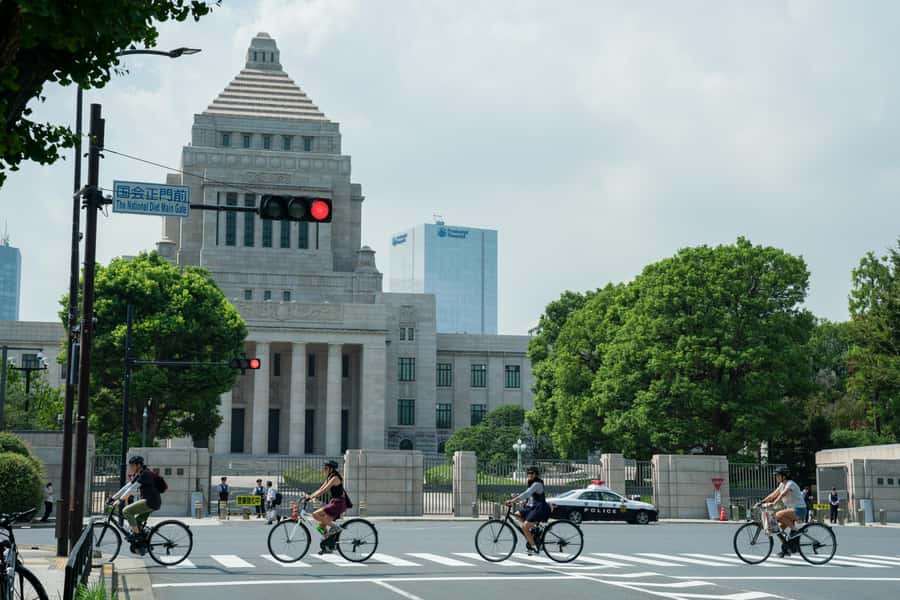
This route gives you the clearest contrast between old and new Tokyo. It includes Zojo-ji Temple, Tokyo Tower, Atago Shrine, the National Diet Building, the Imperial Palace, and Hibiya Park.
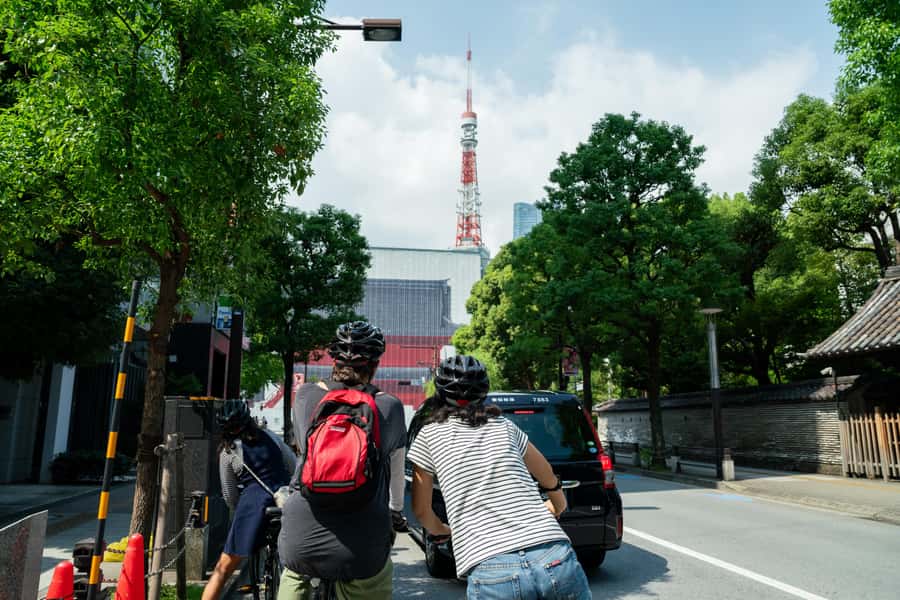
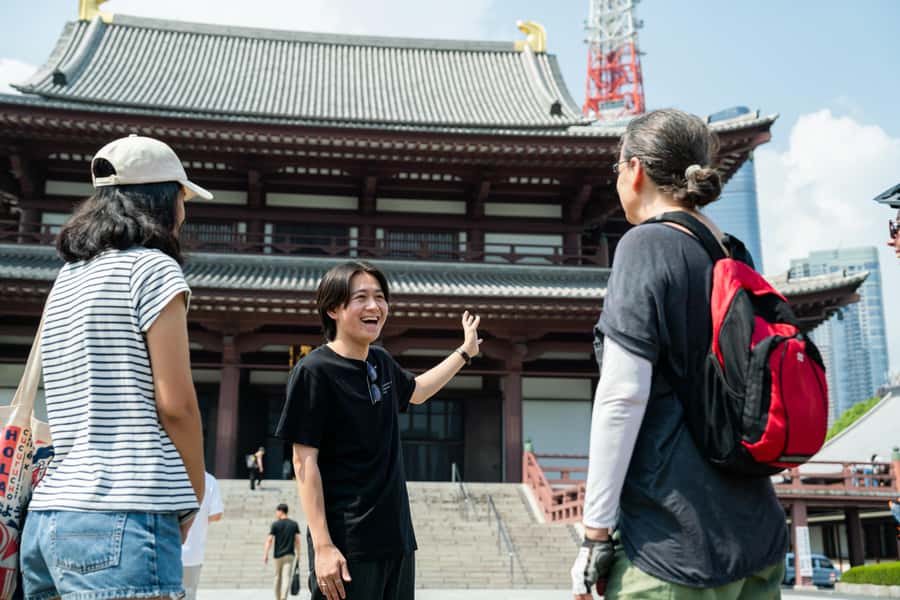
Zojo-ji Temple is an excellent first stop. Its traditional architecture and religious setting create a strong visual pairing with Tokyo Tower nearby. At the tower, you stop at a photo point, so you get the classic image without needing to spend time visiting the observation decks.
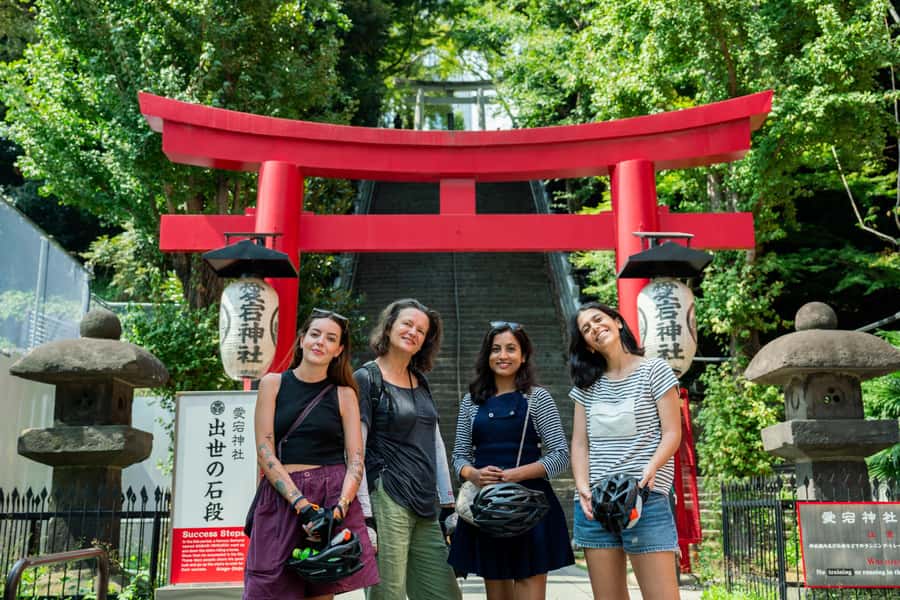
Atago Shrine adds a more local and tucked-away religious stop. The route includes a traditional Japanese snack here or nearby, giving you another short taste of local food.
The National Diet Building and Imperial Palace area bring politics, national history, and grand civic architecture into the ride. Hibiya Park then gives you a green pause inside the city. The route is not just a list of monuments. It is a lesson in how Tokyo places temples, government buildings, gardens, and skyscrapers side by side.
This is the hilliest option. The electric assist helps greatly, and several riders found the inclines manageable because of it. Still, you should expect more changes in elevation than on the bay route.
What the three-hour ride feels like
The meeting time is 15 minutes before departure. Use that time properly. You will receive a briefing, get fitted with a helmet, and become familiar with the e-bike before setting off.
A guide leads the group throughout the route. English is the tour language, and the guides are repeatedly praised for clear explanations and friendly care. Hiro is noted for entertaining facts and help finding the train station afterward. Yota is praised for setting a steady pace and making sure everyone could keep up. Miki is described as patient with photo stops, while Shinobu receives praise for strong commentary during the Tokyo Bay ride.
The experience is social but not built around long lectures. You ride, stop, listen, take photographs, and continue. That rhythm works well in Tokyo because you are constantly shifting between streets, landmarks, and local areas.
Expect the tour to take about three hours, but the finish may run roughly 30 minutes late because of traffic or other conditions. Avoid scheduling a train departure or restaurant reservation immediately afterward.
The group must complete the route together, and the e-bikes must return to the predetermined ending point. If you arrive late, you cannot simply join halfway through. Tokyo transport is efficient, but allow extra time to reach the meeting point.
The real riding conditions in Tokyo
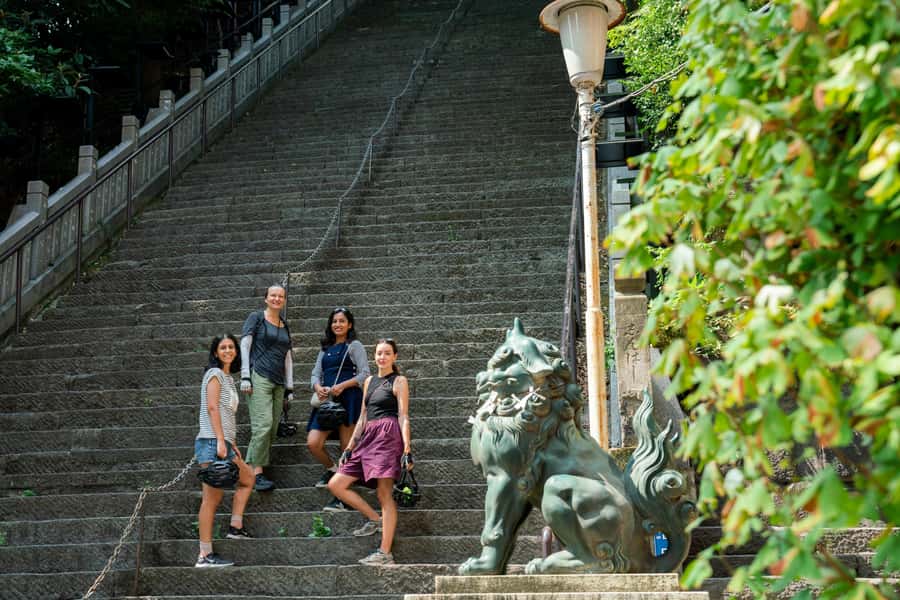
This is the part to take seriously. Some sections use footpaths shared with pedestrians, and some involve roads with moving traffic. One rider specifically cautioned that you need to anticipate pedestrian movements. Another found the traffic manageable, but the concern remains valid.
You do not need to be a serious cyclist, but you should be comfortable riding in an urban setting. If you are nervous around cars, crowded paths, or frequent stops, the guide can help, yet the bike cannot make those situations disappear.
The e-bike is a major advantage in hot and humid weather. It also helps on the Tokyo Tower route and over bridges. In winter, gloves are provided, which is a considerate touch. A knapsack and luggage storage are also available if needed.
The stated physical limits are important. Children under 13 are not permitted, and the tour is unsuitable for pregnant participants, wheelchair users, and people with heart problems. The information gives slightly different minimum heights, listing both 145 and 147 centimeters. If you are close to that limit, confirm the requirement before paying. The maximum listed weight is 120 kilograms, or 264 pounds.
Rain can cancel the outing. If the tour cannot run, notification is sent by email the day before, though a weather change on the day can also lead to cancellation for safety reasons. Bring a way to check email while in Japan.
Why the local stops matter
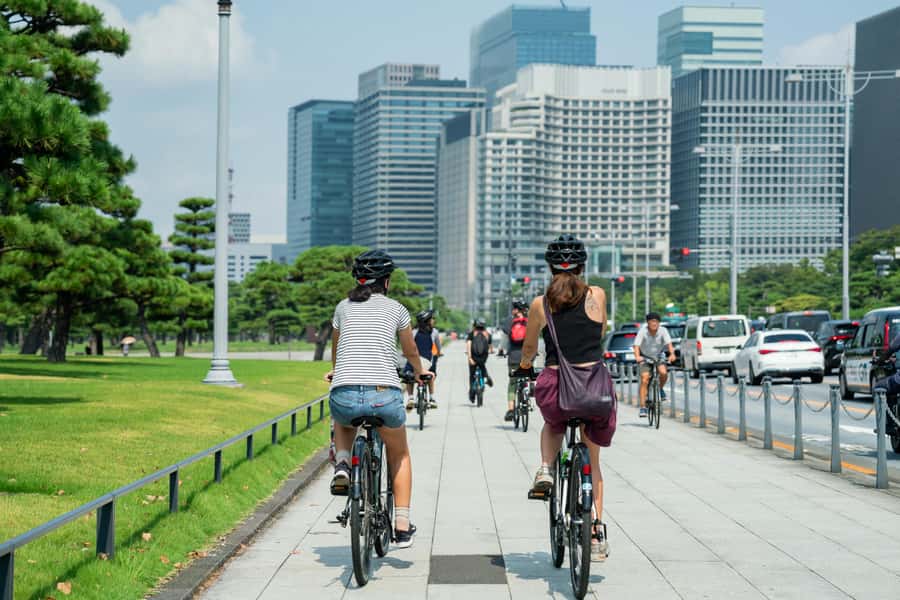
The big attractions help you recognize where you are. The small stops explain how Tokyo works.
A garden gives you quiet. A shrine or temple gives you a look at religious customs and architecture. A convenience-store-style snack stop, especially on the bay route, lets you eat in a way that feels closer to ordinary local life than a formal restaurant meal.
The guides add the connecting thread. Sho is praised for explaining details beyond the main sightseeing script. Jun is described as patient and helpful with Japanese culture. Daichi and Shou are noted for assisting the whole group and offering useful ideas for the rest of a Tokyo stay.
That personal element is one of the tour’s best features. You can ask questions while riding between stops, rather than waiting for a formal explanation at a monument. The experience becomes more flexible and human.
Price and overall value at $65
At $65 per person, the tour is fairly priced for a three-hour guided activity in central Tokyo. The fee includes the e-bike, guide, helmet, snack, luggage storage, and seasonal gloves. You are also paying for a route that links several districts without forcing you to work out the transport connections yourself.
The value is strongest for a first visit. You get an overview of several areas, learn how they relate to one another, and receive ideas for places to revisit later. It is also useful for repeat visitors who have already seen the main temples and shopping districts and want a different view of the city.
The price is less compelling if you want extended time at each sight. This is a moving tour, not a sequence of long visits. The Imperial Palace, Ginza, Tokyo Station, TeamLab Tokyo, Tokyo Big Sight, and Rainbow Bridge are passed by or viewed from outside.
You also need to compare the tour with your own comfort level. If you are a confident cyclist, the e-bike makes the price attractive. If you are uneasy in traffic, a walking tour or guided bus outing may give you more peace of mind, even if it covers less ground.
Cancellation is allowed up to 24 hours before departure for a full refund. You can also reserve and pay later, which is useful when your Tokyo schedule is still shifting.
Who should book it
I would recommend this tour to adults and older teenagers who can ride a bicycle comfortably and want more than a standard sightseeing loop. It suits couples, friends, solo riders, and families with children who meet the age and size rules.
Pick the Tokyo Bay Route for sunset, bridges, water, Odaiba, and nighttime skyline views. Pick the Tokyo City Route for a balanced mix of major central sights, a garden, a shrine, and local snacks. Pick the Tokyo Tower Route for temples, civic buildings, Hibiya Park, and the strongest old-meets-new contrast.
I would not choose it for anyone seeking a completely relaxed ride away from traffic. You need to stay alert, follow the guide, and be ready to share space with pedestrians. The tour rewards attention, but it does not remove the normal challenges of cycling in a major city.
FAQ
How long is the Tokyo guided e-bike tour?
The tour lasts three hours. The ending may be delayed by about 30 minutes because of traffic or other course conditions.
What is included in the price?
The price includes the e-bike, English-speaking guide, helmet, traditional Japanese snack, and luggage storage. A knapsack is available if needed, and gloves are provided during the winter season.
Which Tokyo routes are available?
The available options are the Tokyo City Route, Tokyo Bay Route, and Tokyo Tower Route. The sights differ according to the option you choose.
Does the tour visit the Imperial Palace?
The Imperial Palace is passed by on the Tokyo City Route and Tokyo Tower Route. The tour does not describe an extended interior visit.
Does the tour include Tokyo Tower?
The Tokyo Tower Route includes a photo stop at Tokyo Tower. It does not state that entry to the observation decks is included.
Is the Tokyo Bay route suitable for sunset views?
The Tokyo Bay Route can include sunset and nighttime views. Its starting time changes depending on the month.
Are children allowed on the tour?
Children under 13 are not permitted. The additional information also states that the activity is not suitable for children under 12, so families should confirm the age rule if a child is close to the limit.
Is the tour suitable for beginners?
The electric assistance makes the bikes easier to ride than traditional bicycles, and several riders found them simple after getting used to them. You should still be comfortable cycling near pedestrians and moving traffic.
Is there a height or weight requirement?
The stated maximum weight is 120 kilograms, or 264 pounds. The listed minimum height is given as both 145 and 147 centimeters, so anyone near that limit should confirm before booking.
What happens if it rains?
If rain or another safety issue makes the tour impossible, the provider may cancel it. Notice is normally sent by email the day before, although weather can change on the tour day.
Should you book this Tokyo e-bike tour?
Book it if you want to connect famous Tokyo sights with quieter streets, gardens, shrines, snacks, and waterfront views in a single outing. The high rating reflects what this tour does best: friendly guides, easy electric bikes, useful local stories, and a fresh view of a city you could otherwise spend days crossing underground.
For the most scenic ride, choose Tokyo Bay and aim for the evening option. For culture and variety, choose Tokyo City. For the strongest city-meets-tradition photographs, choose Tokyo Tower.
Skip it if you are not comfortable on a bicycle or if you need long, unhurried visits inside each attraction. For the right rider, though, $65 buys a lively three-hour introduction to Tokyo that feels active, personal, and pleasantly different from sightseeing by train.
Just added in Tokyo
- Tokyo Cute Bento Cooking Class – Make a Kawaii Character Lunchbox★ 5.0 · 126 reviews
- Japanese Home Cooking Class & Walk in Todoroki Temple Tokyo★ 5.0 · 88 reviews
- A One-of-a-Kind Sushi Experience in a Special Place of Japan★ 5.0 · 15 reviews
- Japan Tokyo Tower Observatory Deck E-Ticket★ 4.0 · 34 reviews
- Catch a Baseball Game in Tokyo with a Local – Tickets Included★ 5.0 · 24 reviews
- JDM Experience with Fast&Furious RX-7 (English speaking Driver)★ 5.0 · 57 reviews
- Tokyo Private Day Tour by Car with English speaking Driver Guide★ 4.0 · 29 reviews
- Japan Classic 10 Day – One Life Adventures★ 5.0 · 129 reviews
Cycling and E-Bike Tours, compared.
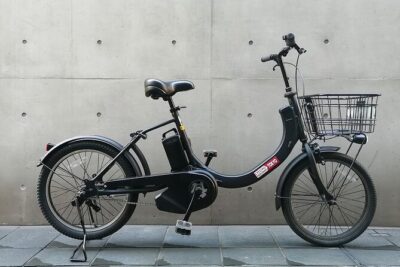
3h Tokyo E-Bike Tour: Hidden Gems, and Local Life with guide
Read our review →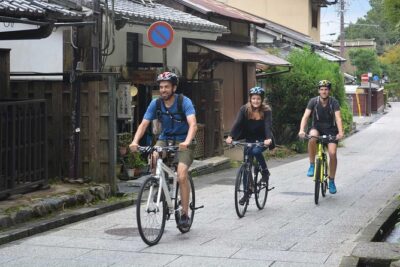
Arashiyama Bamboo Forest & Hidden Gems Bike Tour (Early Bird)
Read our review →
5 Top Highlights of Kyoto Full Day Bike Tour (E-bike option)
Read our review →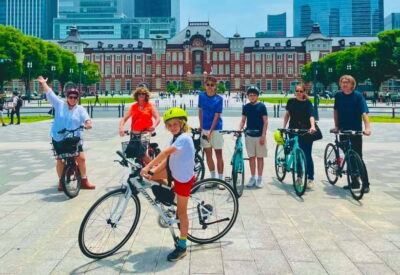

Hiroshima 2hr Peace Cycling Tour with Local Guide
Read our review →Browse the lists this tour appears in