
Reviewed · CYCLING AND E-BIKE TOURS
Tokyo: 3h Private E-bike Tours, Starting at Your Hotel
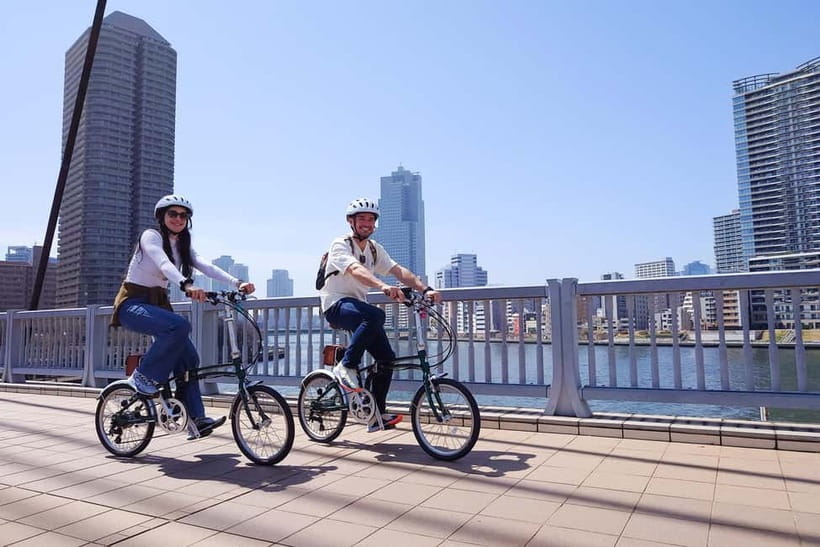
Tokyo is easier to understand on two wheels. This private e-bike tour links famous sights with quiet lanes, old neighborhoods, riverside paths, and small cultural stops that are hard to fit into a normal sightseeing day. I especially like the hotel pickup and drop-off, which removes the usual Tokyo meeting-point puzzle, and the electric bikes, which make a 15 to 20-kilometer route manageable without turning your morning into a workout.
The private format is another strong point. You can ask for Shibuya and Shinjuku, the Imperial Palace and Tokyo Station, or a more local route through Kitasenju and along the Arakawa Riverside. The main consideration is price: at $141 per person, this costs more than a shared bicycle tour or a day of train travel. You also need to be comfortable riding in city traffic and fit the stated height and weight limits.
In This Review
- Key reasons this tour works
- Why a bicycle gives you a better look at Tokyo
- Starting in your hotel lobby
- Tokyo Metropolitan Government Building and Shinjuku
- Shibuya, Aoyama, and the Olympic sites
- The Imperial Palace, Hibiya, and Tokyo Station
- Tsukuda, Tsukishima, and the waterfront
- Zojo-ji Temple, Tokyo Tower, and Asakusa
- What the guide adds to the ride
- Price, pace, and practical limits
- Who should book this Tokyo e-bike tour?
- Should you book it?
- FAQ
- Where does the Tokyo e-bike tour start and finish?
- How long is the tour?
- What languages does the guide speak?
- Is the tour private?
- What is included in the price?
- Who cannot take this tour?
Key reasons this tour works
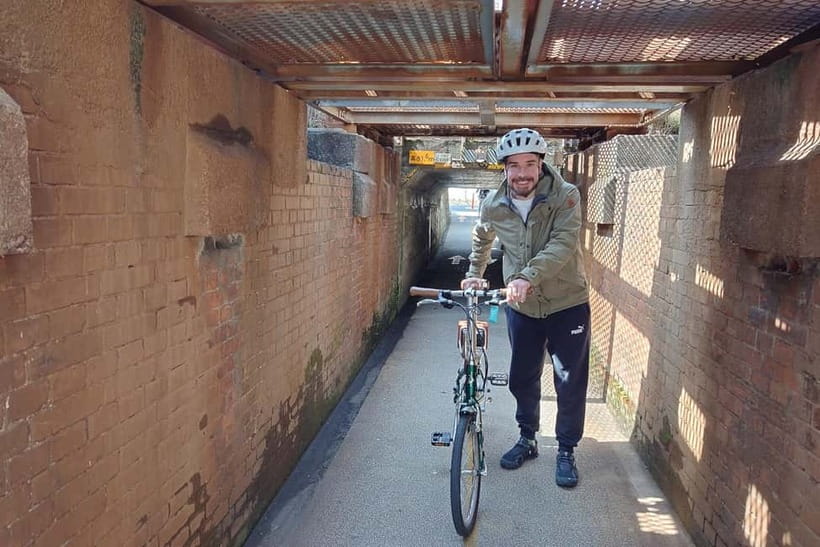
- Hotel-to-hotel convenience: Meet your guide in the lobby, then finish back at your hotel or another listed area.
- Electric assistance: The motor helps with hills and longer stretches, so you can cover much more ground than on foot.
- Private route planning: The guide can shape the ride around your interests, pace, and available time.
- Tokyo in several moods: The route may run from skyscrapers and Olympic venues to shrines, old lanes, waterways, and residential districts.
- Frequent short stops: You get time for explanations, water breaks, and photographs instead of pedaling past everything.
- A highly praised guide: Kazuma is repeatedly singled out for his English, patience, safety-first approach, local knowledge, and thoughtful service.
Why a bicycle gives you a better look at Tokyo
Tokyo is huge, yet many of its best moments are close enough to connect by bicycle. On a train, you see stations. On foot, you cover a small patch. An e-bike gives you a useful middle ground: enough range to cross several districts, with enough flexibility to stop when something catches your eye.
The planned distance is about 15 to 20 kilometers in three hours. That sounds like a lot, but the electric assistance and short stops make the pace more relaxed than a conventional cycling trip. You are not signing up for a race. You are signing up to move through the city while still having time to hear stories and look around.
I also like the way the ride can show Tokyo’s contrasts in one outing. You might pass a glass tower, turn into a narrow back street, pause at a shrine, and then reach a broad riverbank. That change of scale is one of the city’s defining pleasures, and a bicycle lets you feel the transition rather than simply teleporting between stations.
Still, Tokyo is a serious urban environment. You should be an active, reasonably confident cyclist, even though the bikes are designed to make the route easier. The operator does provide safety instructions, and the guide places strong emphasis on careful riding, but the e-bike does not remove the need to watch traffic and follow directions.
More Bike Tours in Tokyo
- Tokyo Great Cycling Tour
★ 5.0 · 811 reviews - Tokyo Top Highlights 3h Guided E-bike Tour
★ 5.0 · 714 reviews - 3h Tokyo E-Bike Tour: Hidden Gems, and Local Life with guide
★ 5.0 · 670 reviews
Starting in your hotel lobby
The tour begins with a guide wearing or carrying a bike helmet meeting you in your hotel lobby five minutes before the scheduled pickup. This is a small detail with real value. Tokyo has many hotels with similar names, and explaining a remote meeting point to a taxi driver can be needlessly awkward. Starting at your hotel also helps if you are still getting used to the city.
Pickup is available in a broad group of central areas, including Shibuya, Shinjuku, Ginza, Marunouchi, Roppongi, Asakusa, Ueno, Akihabara, Nihonbashi, Shinagawa, Hamamatsucho, and several parts of Minato. If your hotel falls outside the normal range, you can discuss another start point, but an extra fee may apply.
Allow a few minutes for the guide to adjust the bike to your height and explain how it works. One useful detail from the experience is that Kazuma has adjusted each bike for riders before setting off. That matters more than it sounds. A poorly adjusted seat can make three hours uncomfortable, while the correct fit helps you handle the bike with confidence.
The tour ends at your hotel or one of the available drop-off areas. The same general districts are covered, although the exact choices should be checked when booking. If you request a different starting time, a longer ride, or a distant stop, additional charges may apply.
Tokyo Metropolitan Government Building and Shinjuku
The listed route includes a 10-minute photo stop at the Tokyo Metropolitan Government Building. This is a practical opening stop because it gives you a clear sense of modern Tokyo: tall towers, wide roads, and the immense scale of western Shinjuku.
Nearby, Shinjuku Omoide Yokocho offers a sharp change of mood. Its narrow lanes and compact eating places preserve an older, more intimate side of the district. You may not spend a long time here, since this is a cycling tour rather than a food tour, and food and drinks are not included. Still, it is a worthwhile stop for a look at how Tokyo fits old, dense streets beside major office towers.
The Shinjuku and Shibuya section suits first-time visitors who want broad orientation quickly. Fiona’s family used the tour early in their Tokyo stay and found it a useful way to cover distance while stopping along the way. That timing makes sense: after three hours, you will have a better mental map for later train trips and walks.
Shibuya, Aoyama, and the Olympic sites
Shibuya Crossing is one of the obvious highlights, but it is only one piece of this part of the ride. The crossing gives you Tokyo’s famous rush of people and screens, while the surrounding streets can reveal a quieter, more polished side of the city.
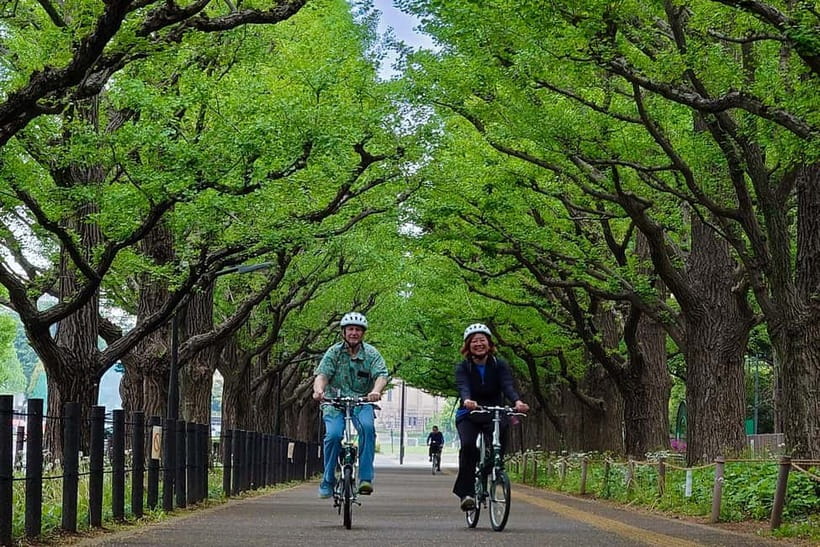
The possible route includes the National Stadium, the venue associated with the Tokyo Olympics, and Gaien Ginkgo Tree Avenue. The latter is known for its ordered rows of trees and broad boulevard. Seasonal conditions will affect how impressive the trees look, so do not expect the same view in every month.
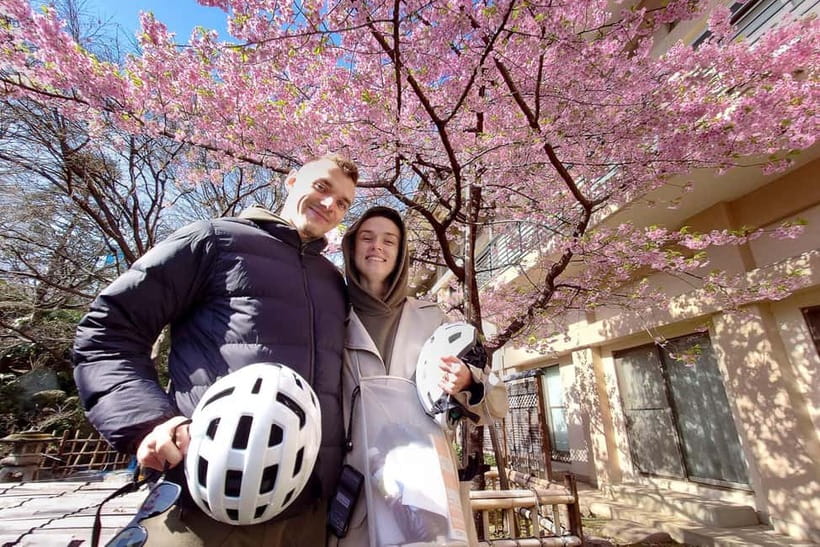
Aoyama Cemetery’s cherry blossom street is another possible stop. It offers a calmer setting and a chance to discuss Tokyo’s seasonal rhythm. Cherry blossoms are not guaranteed outside the spring period, of course, but the route can still be interesting for its contrast with nearby commercial districts.
This portion of the ride is a good example of why a private guide helps. You can prioritize the famous crossing, spend more time on architecture, or ask for a gentler pace through quieter streets. The guide can also suggest what is realistic within three hours. A request to add a faraway site may cost extra, and there is only so much ground you can cover before the tour becomes rushed.
A completely different kind of day out:
- Tokyo Disney Resort – Tokyo Disneyland & Tokyo DisneySea Park Tickets
★ 4.8 · 99,488 reviews - SHIBUYA SKY Ticket
★ 4.7 · 46,509 reviews - JR Whole Japan Rail Pass
★ 4.8 · 29,150 reviews - Mt Fuji and Hakone 1-Day Bus Tour Return by Bullet Train
★ 5.0 · 26,383 reviews
The Imperial Palace, Hibiya, and Tokyo Station
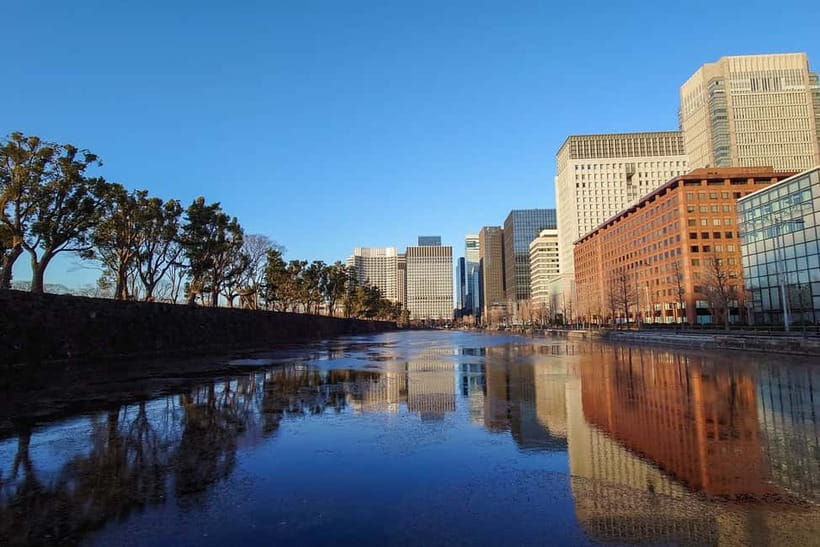
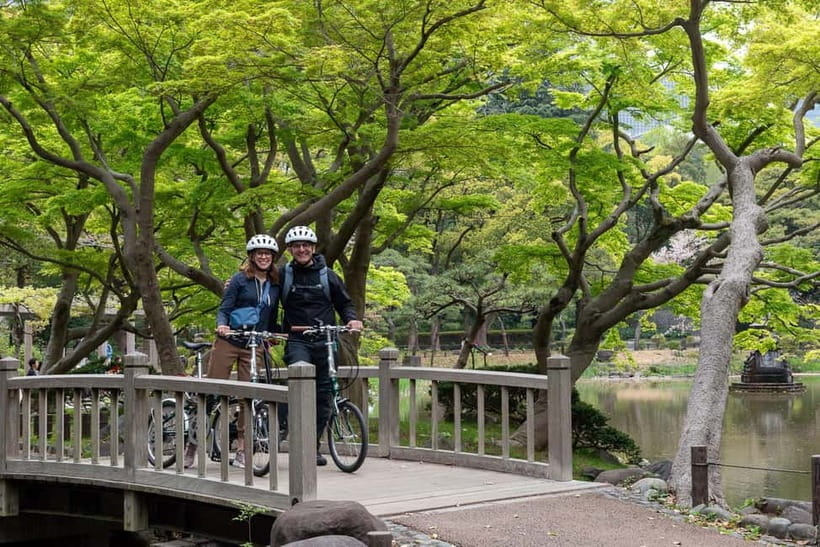
The Imperial Palace area gives the ride a different sense of space. Hibiya Park, described as Tokyo’s first Western-style park, is a useful pause from the dense blocks around it. It is not simply another photo stop. It helps explain how Tokyo has made room for formal gardens, public parks, and ceremonial districts within one of the world’s largest cities.
The route may continue toward Tokyo Station and Nihonbashi Bridge. These places bring together transport, commerce, and old city connections. Tokyo Station is a powerful architectural marker, while Nihonbashi has long been tied to the city’s road network and merchant past.
This section works well for visitors interested in how Tokyo developed, not just where to take a quick picture. You should ask the guide to include it if your interests lean toward civic history, architecture, and central Tokyo rather than anime, shopping, or nightlife.
A short stop does not give you time to explore every building or museum. That is the tradeoff. You get a broad, connected look at central Tokyo, but the experience is not designed for long interior visits.
Tsukuda, Tsukishima, and the waterfront
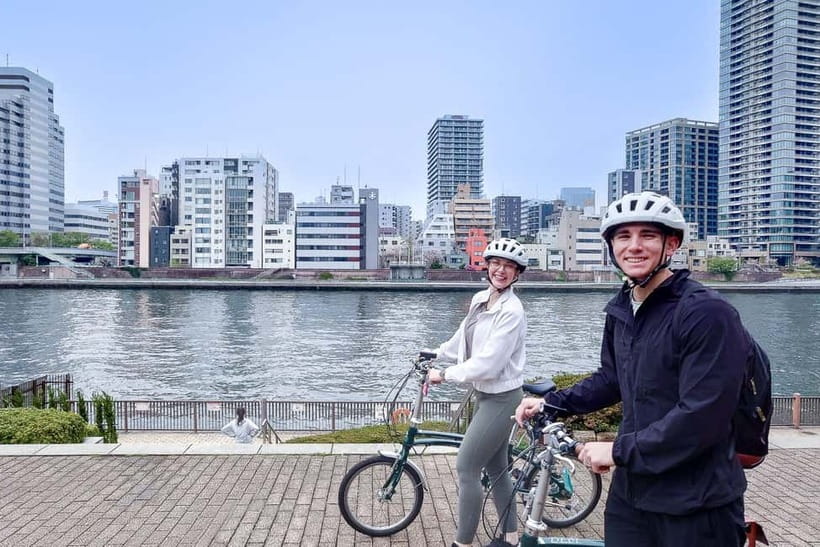
Tsukuda Island and Tsukishima offer a welcome shift away from the grand avenues. These waterfront areas show a more residential face of Tokyo, with older streets and local eating traditions. Tsukishima is especially associated with monja, a Tokyo specialty often cooked at the table, although meals are not part of the tour.
You will probably appreciate this part if you like seeing how residents use a city between the headline attractions. The bicycle is useful here because you can link small pockets that would take more effort to reach on foot. The guide can also explain the changing character of the waterfront as you pass from older streets toward newer development.
The possible ride along the Sumidagawa Riverside adds open views and a slower rhythm. Rivers are easy to overlook when you move through Tokyo by train, yet they help explain the city’s shape. The ride may also reach the Arakawa Riverside, depending on the agreed route and available time.
Do not expect a long riverside cruise or a dedicated food tasting. The waterfront sections are mainly about seeing another side of Tokyo and keeping the ride varied.
Zojo-ji Temple, Tokyo Tower, and Asakusa
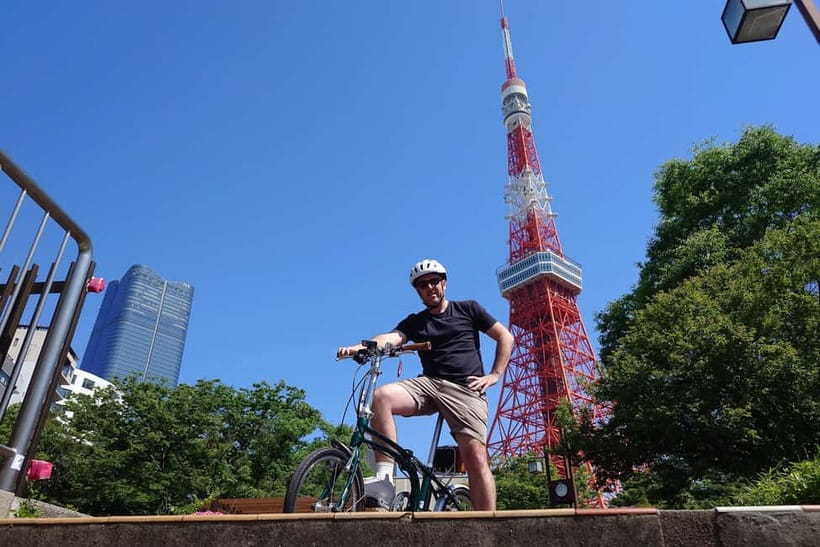
Zojo-ji Temple and Tokyo Tower make a strong pairing. The temple offers a traditional religious setting, while the tower represents postwar modern Tokyo. Seen close together, they show how older and newer Tokyo often share the same frame.
Asakusa’s Kaminarimon Gate is another possible destination. The gate is a major entrance to the Senso-ji area and a familiar symbol of old Tokyo. It can be crowded, so your experience may involve a brief look and commentary rather than an extended visit. The value here is the connection between the gate, the surrounding streets, and the larger Asakusa district.
Tokyo Skytree may also feature in the route. It provides a very different landmark from Tokyo Tower and can make a useful endpoint or visual reference near the eastern side of the city. A three-hour tour cannot fully explore both Asakusa and every western Tokyo district, so you should be clear about your priorities before departure.
The provider also lists Kitasenju, a local neighborhood with a less polished, more everyday feel. This is a good choice if you have already seen the central sights or want a look beyond the standard first-time itinerary.
What the guide adds to the ride
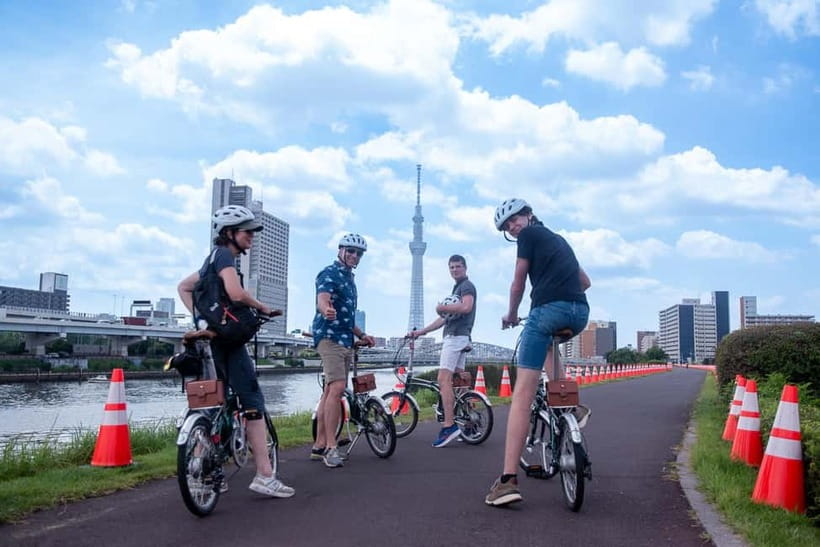
The strongest praise is directed at Kazuma. He is described as friendly, patient, careful, and excellent in English, with a strong grasp of Tokyo’s history and neighborhoods. That combination matters because a cycling guide has two jobs: lead you safely and help you understand what you are seeing.
Safety comes up again and again. Kazuma is known for putting careful riding first, which should reassure anyone who has not cycled in Tokyo before. He also adjusts the bikes, sets a suitable pace, and includes stops for water and explanations.
Another welcome touch is photography. Guests have appreciated the photos Kazuma takes during the tour and sends afterward. You cannot shoot photos or video while cycling, for good reason, but the guide can take pictures during stops. This lets you enjoy the ride instead of trying to operate a phone while moving.
The guide’s flexibility is also important. One rider had a friend join at short notice, and the arrangements were handled without trouble. Another received a route shaped around specific interests, including an old traditional house and garden. These examples suggest that you should share your priorities when booking rather than simply accepting the default route.
Price, pace, and practical limits
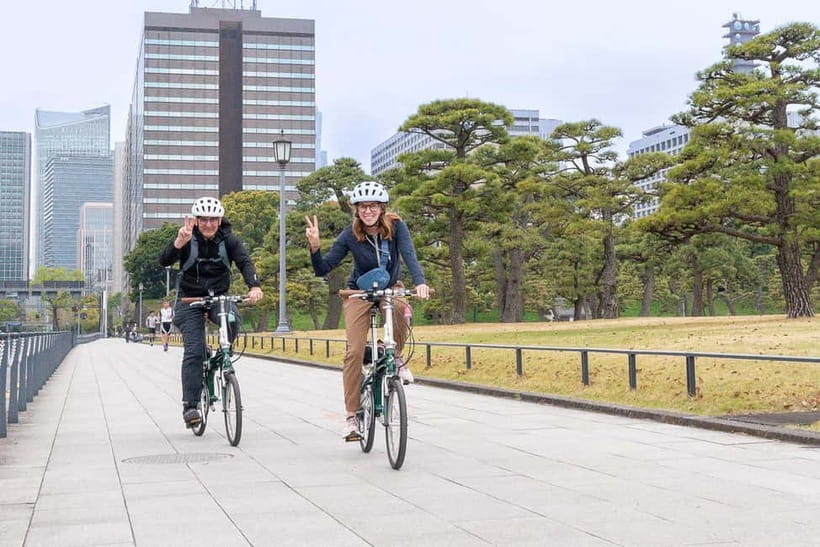
At $141 per person, this is a premium experience. The price includes the e-bike, helmet, safety briefing, insurance, hotel pickup, and a live guide in English or Japanese. It does not include food or beverages.
I see the value in the private format, especially for a first Tokyo visit or a short stay. You are paying for local route planning, door-to-door convenience, equipment, and the ability to adjust the ride to your group. If you are traveling with friends or family and would otherwise book several separate sightseeing activities, the price may feel reasonable.
The value is weaker if you only want to see one compact district. A train and walking tour may cost less and give you more time at individual sites. This e-bike trip makes most sense when your goal is to connect several parts of Tokyo in one outing.
The tour is not suitable for children under 10, riders below 145 centimeters, or anyone over 100 kilograms. The stated ideal height range is 145 to 185 centimeters. Wear practical clothing and closed shoes. High heels, sandals, flip-flops, and skirts are not allowed, and smoking, alcohol, and drugs are prohibited.
The operator contacts you by WhatsApp, iMessage, or SMS, so provide a working number and watch for messages. Free cancellation is available up to 24 hours before the start, and you can reserve now and pay later, which is useful when Tokyo plans are still shifting.
Who should book this Tokyo e-bike tour?
I would recommend it to first-time visitors who want orientation, active couples who dislike sitting on buses, families with older children, and repeat visitors looking beyond the standard shrine-and-shopping circuit. It is also a smart choice if your hotel is in one of the listed pickup areas and you value convenience.
You should think twice if you dislike cycling, have difficulty with city traffic, or want long visits inside museums and temples. The three-hour format is about connections and variety. You will see many parts of Tokyo, but most stops are brief.
If you book, tell the operator your top three priorities. You might choose Shibuya, the Imperial Palace, and Tokyo Station, or Asakusa, Tokyo Skytree, and the riverside. A clear request helps the guide create a route that feels personal rather than simply packed.
Should you book it?
Yes, if you want an active introduction to Tokyo and like the idea of moving between major sights and ordinary neighborhoods. The hotel pickup, private route, and easy e-bikes solve several common problems at once, while Kazuma’s careful guiding adds real substance to the ride.
At $141 per person, it is not the budget way to sightsee. But for a private three-hour route covering up to 20 kilometers, with equipment, insurance, a bilingual guide, and flexible stops included, it offers solid value for the right visitor. Book it early in your stay, state your interests clearly, and treat the ride as a city orientation rather than a checklist of every Tokyo landmark.
FAQ
Where does the Tokyo e-bike tour start and finish?
The tour starts at your hotel in one of the listed Tokyo pickup areas and can finish at your hotel or an available drop-off area. Hotels outside the normal range may require an additional fee.
How long is the tour?
The tour lasts about three hours. The usual route covers approximately 15 to 20 kilometers, depending on the chosen itinerary.
What languages does the guide speak?
The live guide service is available in English and Japanese.
Is the tour private?
Yes. It is a private group experience, and the route, pace, duration, and requested stops can be discussed with the operator. Some changes may cost extra.
What is included in the price?
The price includes hotel start, an e-bike, helmet, safety instruction, insurance, and a live guide. Food and beverages are not included.
Who cannot take this tour?
The activity is not suitable for children under 10, people below 145 centimeters, or people over 100 kilograms. High heels, sandals, flip-flops, and skirts are not allowed.
Just added in Tokyo
- A One-of-a-Kind Sushi Experience in a Special Place of Japan★ 5.0 · 15 reviews
- Tokyo Cute Bento Cooking Class – Make a Kawaii Character Lunchbox★ 5.0 · 126 reviews
- Japanese Home Cooking Class & Walk in Todoroki Temple Tokyo★ 5.0 · 88 reviews
- Japan Tokyo Tower Observatory Deck E-Ticket★ 4.0 · 34 reviews
- Catch a Baseball Game in Tokyo with a Local – Tickets Included★ 5.0 · 24 reviews
- JDM Experience with Fast&Furious RX-7 (English speaking Driver)★ 5.0 · 57 reviews
- Tokyo Private Day Tour by Car with English speaking Driver Guide★ 4.0 · 29 reviews
- Japan Classic 10 Day – One Life Adventures★ 5.0 · 129 reviews
Cycling and E-Bike Tours, compared.
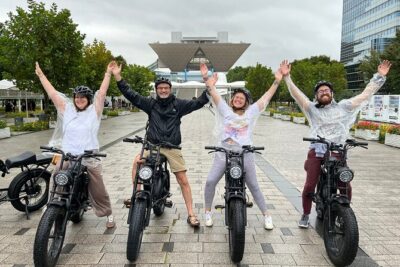
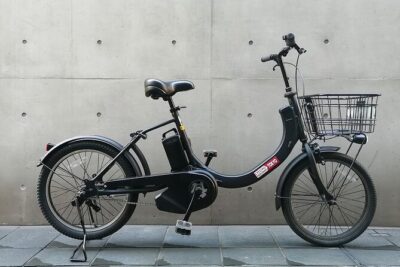
3h Tokyo E-Bike Tour: Hidden Gems, and Local Life with guide
Read our review →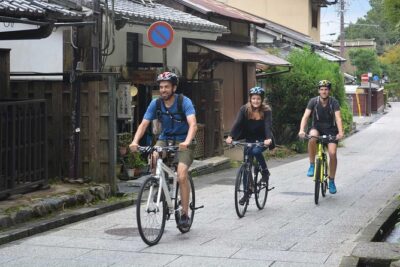
Arashiyama Bamboo Forest & Hidden Gems Bike Tour (Early Bird)
Read our review →
5 Top Highlights of Kyoto Full Day Bike Tour (E-bike option)
Read our review →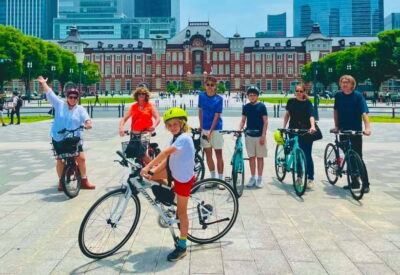
Hiroshima 2hr Peace Cycling Tour with Local Guide
Read our review →Browse the lists this tour appears in