
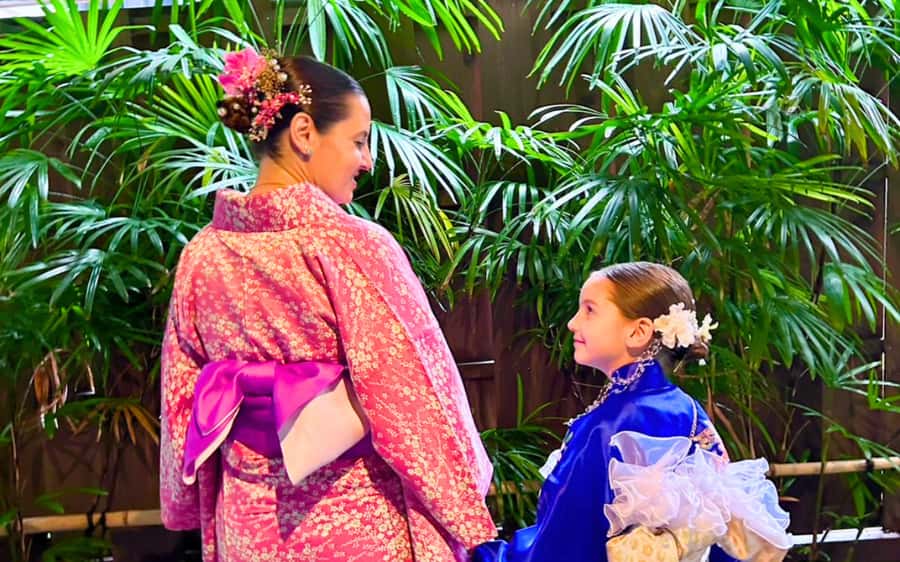
Reviewed · KIMONO AND CULTURAL DRESS
Tokyo: Asakusa Kimono Rental Experience
Old Tokyo starts with a bow. This Asakusa experience lets you wear a real kimono while exploring Sensoji Temple and the surrounding old streets. I like the three-minute walk to Sensoji and the warm, hands-on help from staff such as Wako, who is repeatedly praised for being kind and careful. The main catch is timing: you must return the kimono by 17:30 unless you pay extra to keep it overnight.
At $47 per person, the package covers the full kimono set, dressing, sandals, a bag, clothes storage, and simple hairstyling. That is a fair price for a traditional outfit and several hours in one of Tokyo’s most photogenic districts. Just remember that transportation, rickshaw rides, tea ceremonies, and upgraded clothing cost extra.
This is a dress-up experience, not a guided sightseeing tour. You choose your kimono, get dressed at the shop, and explore Asakusa on your own. That freedom is a strength, but you should be comfortable finding your way around and walking in traditional sandals. The shop offers English and Japanese service, and one staff member is a Japanese National Certified Kimono Dresser.
In This Review
- Key points to know before you book
- Choosing a Kimono in Asakusa
- Getting Dressed With Help From Wako and the Staff
- Walking From the Shop to Sensoji Temple
- Photographs, Comfort, and the 17:30 Return
- What the $47 Price Really Covers
- Finding the Shop Near Asakusa Station
- Who Will Enjoy This Experience Most
- Booking Advice for a Smoother Day
- Should You Book the Asakusa Kimono Rental?
- FAQ
- Where does the kimono rental begin?
- How do I find the meeting point?
- How far is the shop from Sensoji Temple?
- What is included in the $47 price?
- Can I add a rickshaw ride?
- Can I add a tea ceremony?
- When must I return the kimono?
- Can I keep the kimono overnight?
- Who cannot take part?
Key points to know before you book
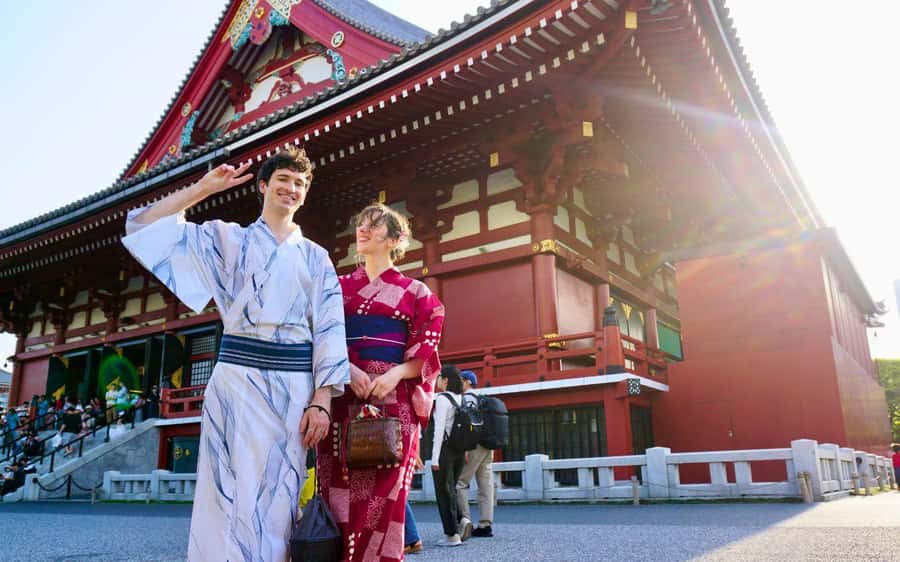
- Three minutes from Sensoji Temple: You can move from the dressing room to one of Tokyo’s best-known historic sights almost immediately.
- Wako receives special praise: Her friendly, careful assistance has helped make the dressing process easy and enjoyable for many customers.
- The $47 price includes the essentials: You receive the kimono, obi belt, zori sandals, bag, dressing help, storage, and simple hairstyling.
- Return time is 17:30: Plan your Asakusa visit around this firm same-day deadline, or arrange an overnight return for an extra fee.
- Optional extras are available: You can add a rickshaw ride, tea ceremony, or nicer clothing directly at the shop.
- The setting is perfect for photographs: Sensoji, old Asakusa streets, and traditional clothing give you a strong Tokyo memory without leaving the neighborhood.
Choosing a Kimono in Asakusa
Your experience begins at a kimono shop near Asakusa Station. The shop is only a few minutes from the station and about three minutes from Sensoji Temple, which is a major practical advantage. You do not need to build a long transfer or complicated walk into your morning.
Inside, you can choose from an authentic collection of kimonos. The information does not specify the exact number of designs, colors, or sizes available, so your preferred style may depend on what is in the shop that day. Some customers have also paid extra for nicer items, giving you the option to stay with the included selection or spend more on an upgraded look.
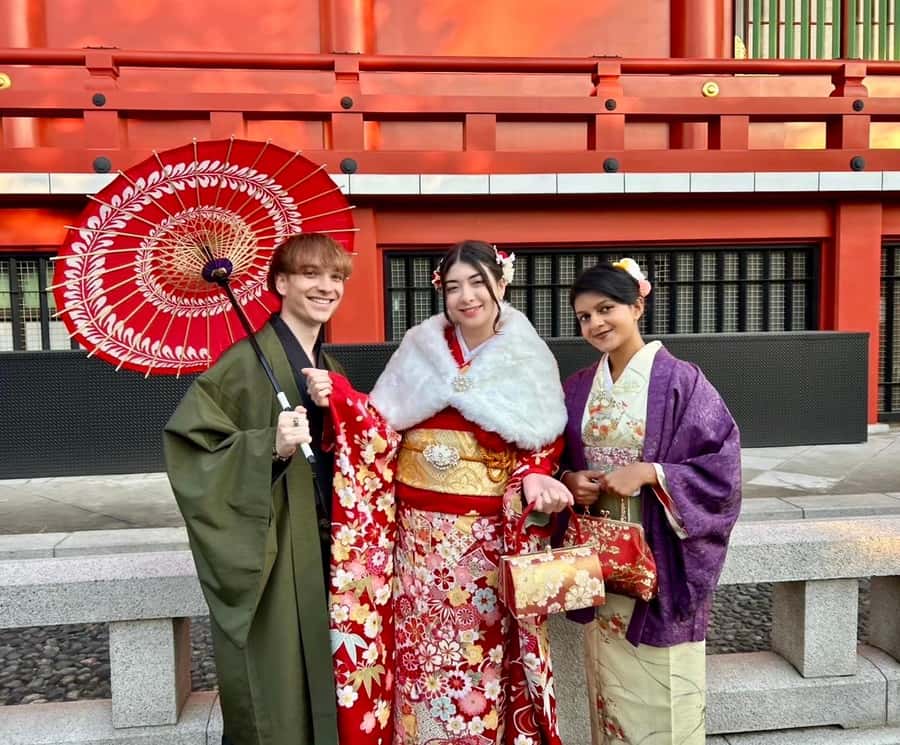
The outfit is more than a robe. The package includes the kimono, an obi belt, zori sandals, and a bag. These pieces give you the complete appearance, while the bag is useful for carrying a few personal items as you walk through Asakusa.
I like that clothes storage is included. You can arrive in your regular sightseeing outfit, change at the shop, and leave your belongings there during the rental. That keeps you from carrying a large bag through Sensoji or trying to manage loose clothing while taking photographs.
You should arrive at least 10 minutes before your reserved time. This is not just a suggestion for early birds. The staff needs time to prepare the clothing and get you dressed, so arriving late could shorten the time you have outside.
More Kimono Experiences in Tokyo
- Tokyo Asakusa Kimono&Yukata Rental at Kimono Miyabi Asakusa Station
★ 4.9 · 8,489 reviews - Tokyo Kimono, Furisode, and Yukata Rental Experience | Exquisite Hairstyling & Japanese Makeup & Photo Shoot (Ookini Asakusa Kaminarimon)
★ 4.8 · 767 reviews - Let’s make kimono !(Kimono is a gift for you
★ 5.0 · 252 reviews
Getting Dressed With Help From Wako and the Staff
The dressing process is the heart of the experience. You do not need to know how to wrap a kimono or tie an obi. Staff members help put everything in place, check the fit, and make sure the final look is presentable.
Wako receives especially warm praise for her kindness, cheerfulness, and attention to detail. She has helped groups of friends get properly dressed and has made the process feel relaxed rather than stiff or formal. That matters because the layers and belt can be unfamiliar, and a rushed or careless fitting would take much of the fun out of the day.
Another staff member is a Japanese National Certified Kimono Dresser. That gives the service a useful level of professional support, especially if you are unsure how the clothing should sit or how to move comfortably once dressed.
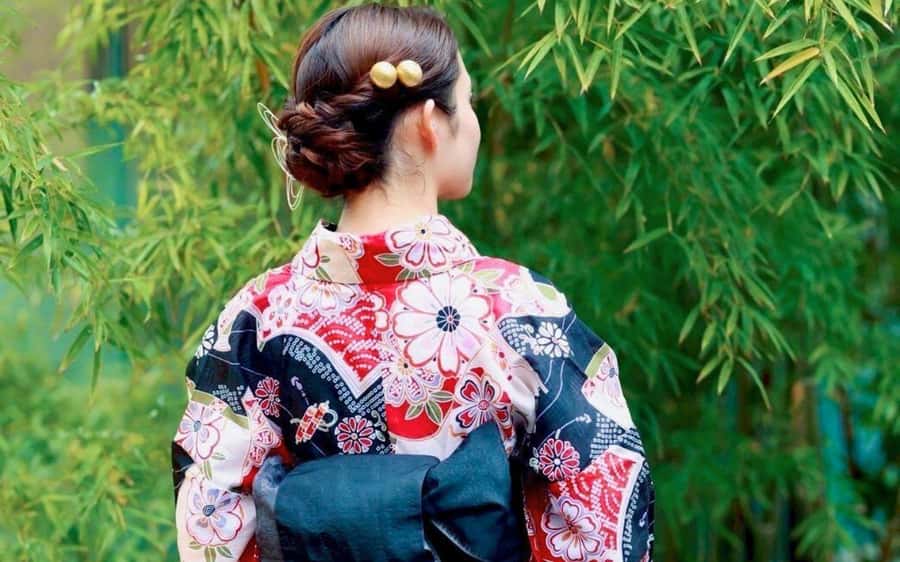
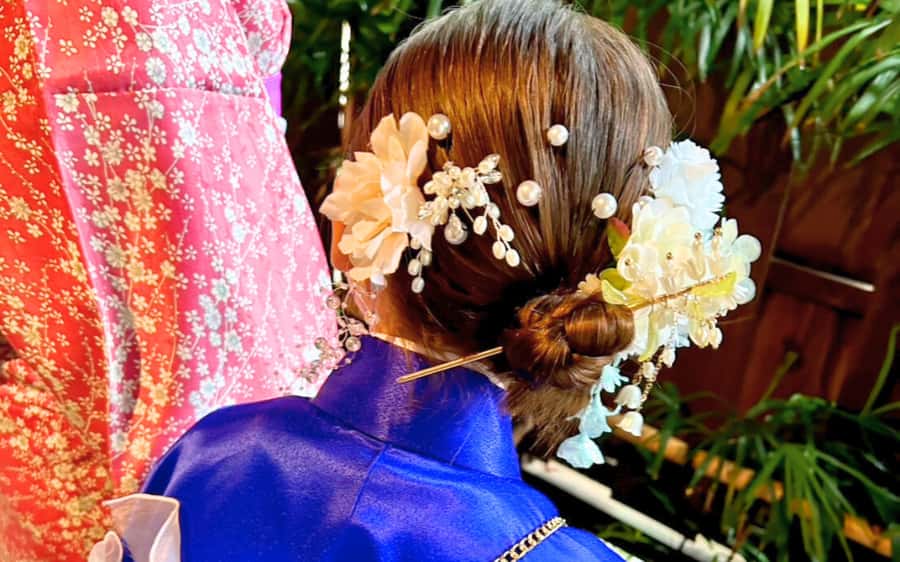
Simple hairstyling is included. One account describes receiving a traditional hairstyle with hairpins, which adds a nice finishing touch for anyone who wants the full traditional look. The exact hairstyle may depend on your hair and the shop’s arrangements, but you should expect something simple rather than a long salon appointment.
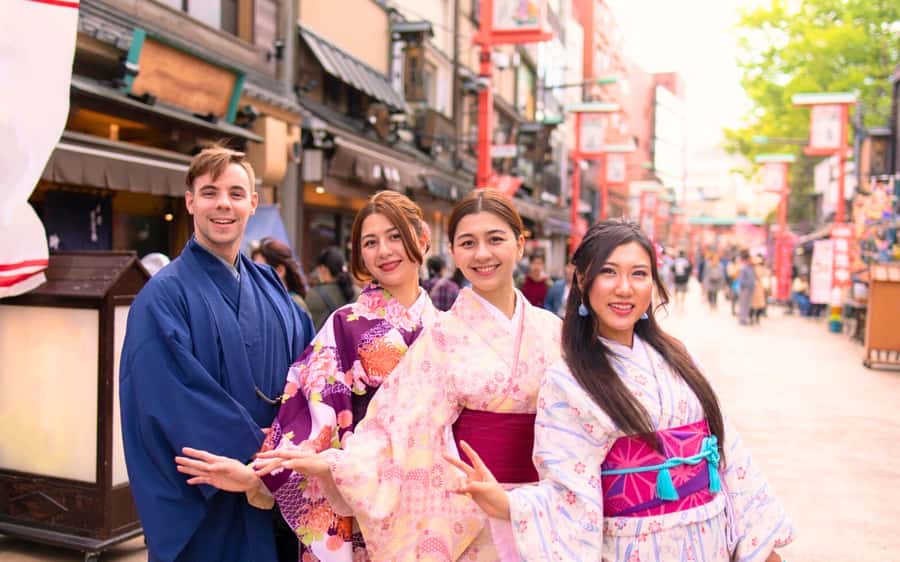
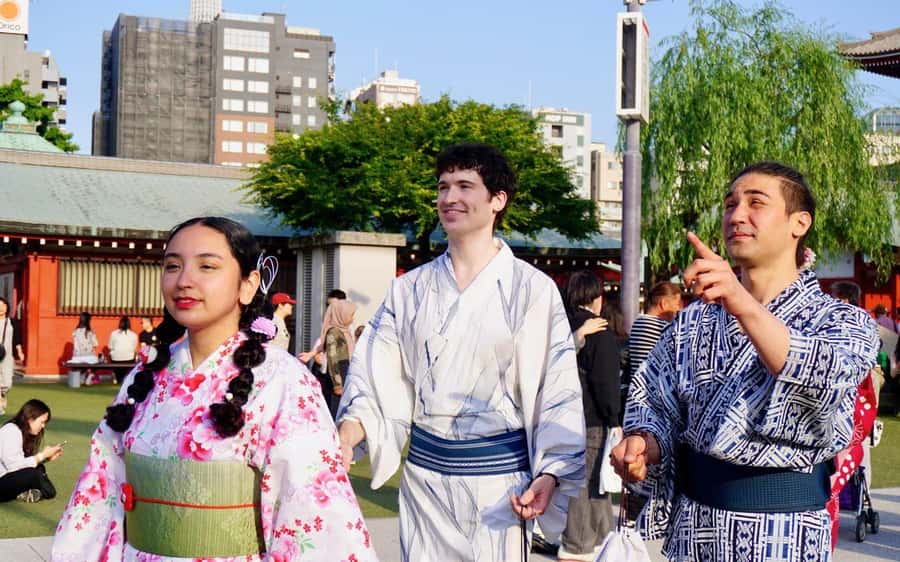
The dressing experience suits couples, friends, and mixed groups. One group included three men and a woman, and everyone found the activity enjoyable. Men are not an afterthought here. The shop can dress different members of your party in traditional clothing, allowing the whole group to appear in the photographs together.
Give yourself time to get used to the outfit before rushing out. A kimono changes your stride, and zori sandals feel different from ordinary walking shoes. You will have a better time if you treat the clothing as part of the experience rather than trying to move through Asakusa at your usual pace.
Walking From the Shop to Sensoji Temple
Once you are dressed, you are free to explore Asakusa. The shop’s close position near Sensoji means you can reach the temple and old streets without spending much of your rental time on transport.
Sensoji is the natural focus of the outing. Its famous temple grounds give you an instantly recognizable setting for photographs, while the surrounding streets provide a wider sense of old Tokyo. The appeal here is visual and cultural: traditional clothing paired with one of the city’s best-known historic areas.
You are not being led through the temple by a guide, so you control the pace. You can stop for photos, walk through the area, and take in the atmosphere without following a fixed route. That makes the experience easy to fit around other Tokyo plans.
The tradeoff is that you are responsible for your own sightseeing. If you want detailed explanations of Sensoji’s architecture, Buddhist customs, or Asakusa’s past, this rental will not provide them. It gives you the setting and the clothing, not a formal temple tour.
The short distance from the shop is especially helpful because a kimono is not ideal for a long cross-town journey. You can spend your rental time in the neighborhood where the clothing feels most natural. The combination works best when you slow down, take photographs, and enjoy the old streets instead of trying to cover half of Tokyo.
Photographs, Comfort, and the 17:30 Return
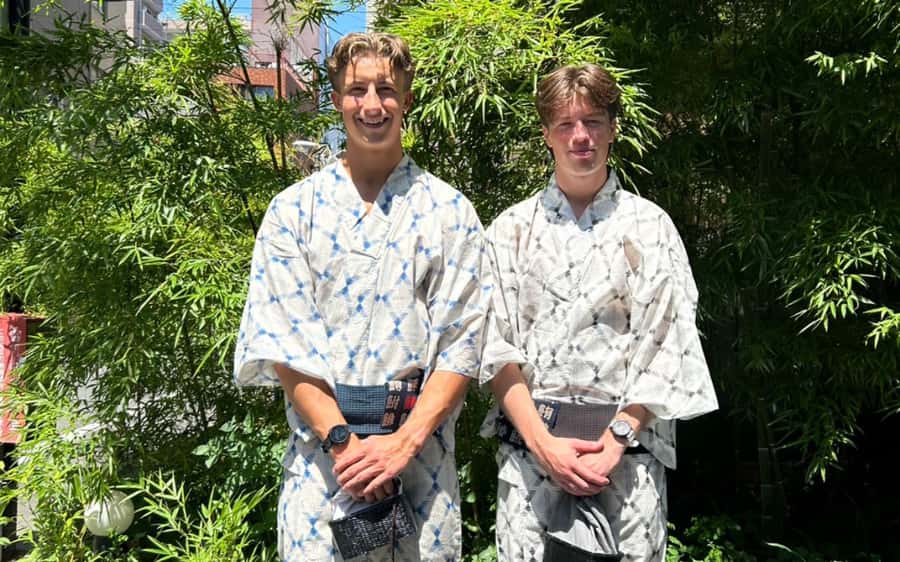
This experience is built for photographs, but the pictures work best when you allow the clothing and surroundings to do the work. Sensoji and Asakusa provide traditional backdrops, while the kimono gives your images a strong sense of place.
You can create a simple self-guided photo walk. Start near the temple, continue through the old streets, and pause whenever the setting looks right. Since the activity ends at the shop, you can return there after your walk without arranging a separate drop-off.
Keep the closing time in mind from the beginning. The kimono must be back by 17:30 on the same day. If you book a late appointment, your time outside will be limited. A morning or early afternoon booking gives you more room for dressing, temple visits, photos, and a relaxed return.
If you want to keep the kimono overnight, the shop can arrange that for a small extra fee. You handle this directly at the shop. On July 22, a special arrangement allows the kimono to be rented until 21:30 because of the Katsushika fireworks festival in Tokyo. That late return is a date-specific exception, not the normal schedule.
Comfort deserves honest attention. A kimono is traditional clothing, not loose sightseeing wear. The obi belt creates a fitted feeling around the middle, and zori sandals may make long walks less pleasant. The supplied information does not give a walking limit or a rental duration, so plan a neighborhood outing rather than a full-day trek across Tokyo.
A completely different kind of day out:
- Tokyo Disney Resort – Tokyo Disneyland & Tokyo DisneySea Park Tickets
★ 4.8 · 99,488 reviews - SHIBUYA SKY Ticket
★ 4.7 · 46,509 reviews - JR Whole Japan Rail Pass
★ 4.8 · 29,150 reviews - Mt Fuji and Hakone 1-Day Bus Tour Return by Bullet Train
★ 5.0 · 26,383 reviews
What the $47 Price Really Covers
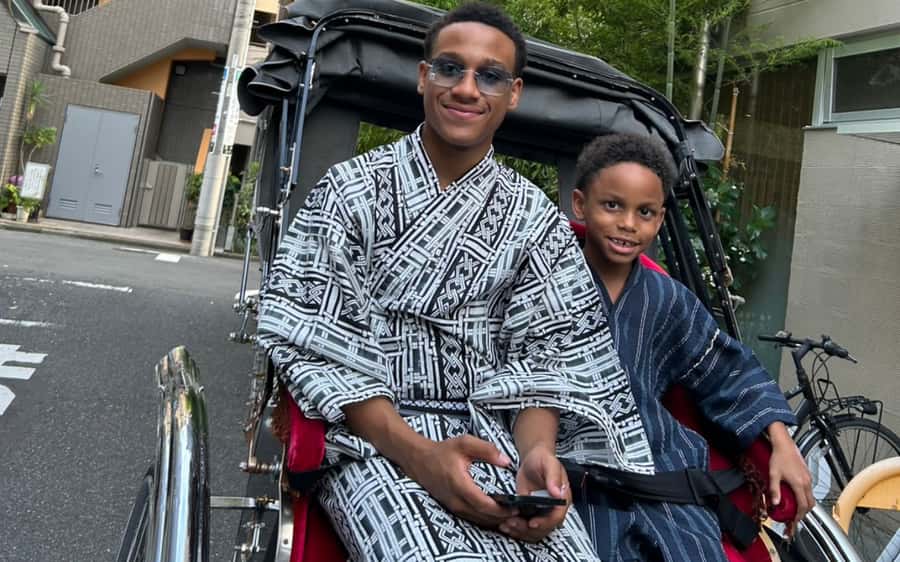
At $47 per person, this is a reasonably priced cultural activity if you want more than a quick costume photo. The package includes the main pieces you would otherwise need to arrange separately:
- A full kimono set
- Obi belt
- Zori sandals
- Traditional bag
- Dressing assistance
- Storage for clothing and belongings
- Simple hairstyling
The value comes from the personal service. You are not simply picking up an outfit and leaving. Staff help you choose, dress, adjust, and prepare for your walk. Wako’s friendly approach is an important part of why the experience feels welcoming, especially for first-time kimono wearers.
The price does not include transportation to the shop. That is easy to manage because the meeting point is near Asakusa Station on the Tokyo Metro Ginza Line and Toei Asakusa Line. It also does not include a rickshaw ride or tea ceremony. Both can be added for an extra fee at the shop.
Nicer kimono items may also cost extra. The included package should be enough for a traditional Asakusa outing, but you can ask about upgrades if the exact color, pattern, or quality you want is not part of the standard selection.
For a budget-conscious visit, the base price is the sensible choice. You get the full look, professional dressing help, hairstyling, and access to one of Tokyo’s classic areas. For a special occasion, the add-ons may make the day feel more complete, but they are not needed to enjoy the core rental.
Finding the Shop Near Asakusa Station
The meeting point is close to Asakusa Station, but the entrance has a particular appearance. Look for a building entrance with a black-and-white checkered pathway and a silver metal gate.
Walk through the gate and continue toward the elevator area inside. Staff will meet you there. This detail is worth saving before you leave your hotel because a distinctive entrance can be easier to find than a street address in a busy district.
The shop operates in English and Japanese. If you cannot locate the entrance, use the emergency contact number provided after booking. The activity begins and ends at the same meeting point, so you will return there to change back and collect your belongings.
No transportation is provided to or from the shop. You arrange your own route, but the nearby train lines make the meeting point practical for a Tokyo sightseeing day.
Who Will Enjoy This Experience Most
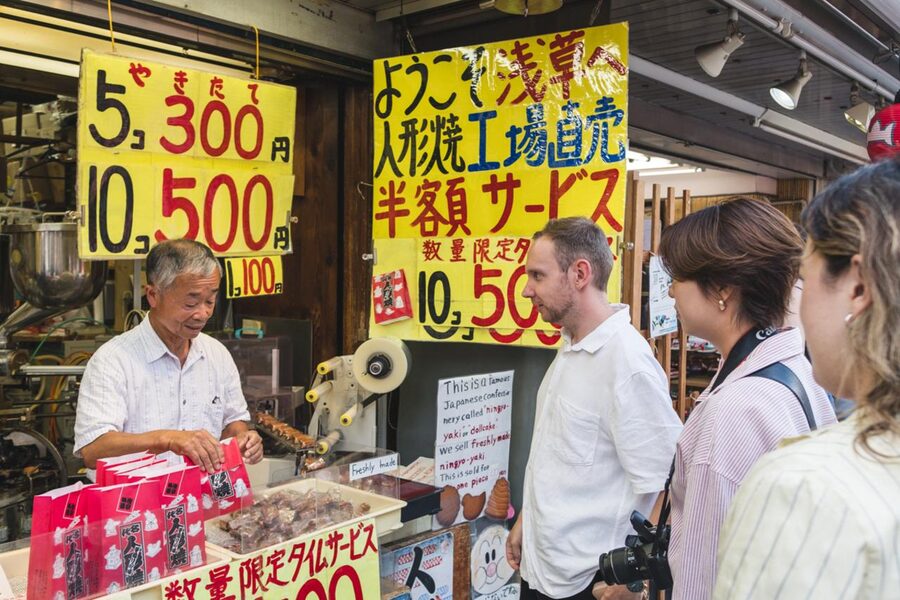
I would recommend this kimono rental to you if you want a cultural activity that is easy to fit into a Tokyo itinerary. It works particularly well for:
- Couples seeking memorable photographs
- Friends who want a shared activity
- Families with older children
- First-time visitors interested in traditional Japanese clothing
- Anyone already planning to visit Sensoji and Asakusa
The experience is also a good choice for mixed groups. Men and women can take part together, and the clothing creates a unified look for group photographs.
It is not suitable for children under two, babies under one, wheelchair users, or people over 264 pounds, or 120 kilograms. Those limits are important because the shop needs to dress you safely and comfortably.
You should also skip it if you dislike fitted clothing, walking in sandals, or posing for photographs. The activity has no formal sightseeing guide, so it is best for someone who enjoys setting their own pace.
Booking Advice for a Smoother Day
Book an early enough time to make the 17:30 return comfortable. Arriving 10 minutes early is required, and the dressing process takes time, so do not schedule another important activity immediately after the booking.
Wear or bring a practical outfit for changing. The shop stores your clothes and belongings during the rental, but you should still avoid arriving with more luggage than necessary.
Think about your priorities before you arrive. If photographs are the main goal, ask about hairstyling and nicer kimono options. If you want a broader cultural outing, ask about adding a tea ceremony. If you want to see Asakusa from a different angle, ask about the rickshaw ride.
You can reserve now and pay later, which helps if your Tokyo schedule is still changing. Cancellation is allowed up to 24 hours before the booking for a full refund.
Should You Book the Asakusa Kimono Rental?
Book it if you want an easy, friendly introduction to wearing traditional Japanese clothing in a classic Tokyo setting. The close location, included hairstyling, storage, full outfit, and careful dressing help make the $47 price good value.
The strongest reason to choose it is the staff service, especially Wako’s warm and attentive help. The main limits are the 17:30 return, extra fees for special additions, and the fact that you explore independently rather than joining a guided temple tour.
For a first visit to Asakusa, this is a simple way to turn a temple stop into a lasting memory. Plan a relaxed neighborhood walk, arrive early, and leave enough time to return the kimono without watching the clock every five minutes.
FAQ
Where does the kimono rental begin?
It begins at a shop a few minutes from Asakusa Station, served by the Tokyo Metro Ginza Line and Toei Asakusa Line.
How do I find the meeting point?
Look for a building entrance with a black-and-white checkered pathway and a silver metal gate. Walk through the gate toward the elevator area, where staff will greet you.
How far is the shop from Sensoji Temple?
The shop is about a three-minute walk from the famous Sensoji Temple.
What is included in the $47 price?
The price includes a full kimono set, obi belt, zori sandals, a bag, dressing assistance, storage for your clothes and belongings, and simple hairstyling.
Can I add a rickshaw ride?
Yes. A rickshaw ride can be added at the shop for an extra fee.
Can I add a tea ceremony?
Yes. A tea ceremony can be added at the shop for an extra fee.
When must I return the kimono?
You must return it to the shop by 17:30 on the same day.
Can I keep the kimono overnight?
Yes. You can arrange next-day return directly at the shop for a small extra fee. On July 22, a special rental period allows return by 21:30 because of the Katsushika fireworks festival.
Who cannot take part?
The activity is not suitable for children under two years, babies under one year, wheelchair users, or people over 264 pounds, or 120 kilograms.
Just added in Tokyo
- Japanese Home Cooking Class & Walk in Todoroki Temple Tokyo★ 5.0 · 88 reviews
- A One-of-a-Kind Sushi Experience in a Special Place of Japan★ 5.0 · 15 reviews
- Tokyo Cute Bento Cooking Class – Make a Kawaii Character Lunchbox★ 5.0 · 126 reviews
- Japan Tokyo Tower Observatory Deck E-Ticket★ 4.0 · 34 reviews
- Catch a Baseball Game in Tokyo with a Local – Tickets Included★ 5.0 · 24 reviews
- JDM Experience with Fast&Furious RX-7 (English speaking Driver)★ 5.0 · 57 reviews
- Tokyo Private Day Tour by Car with English speaking Driver Guide★ 4.0 · 29 reviews
- Japan Classic 10 Day – One Life Adventures★ 5.0 · 129 reviews
Kimono and Cultural Dress, compared.
![[Kyoto & Nara Day Tour] Sagano Scenic Railway & Nara Park & Fushimi Inari Taisha Thousand Torii Gates & Togetsukyo Bridge & Bamboo Grove & Kimono Forest (Departing from Osaka)](https://media.japanvisits.com/wp-content/uploads/kyoto-nara-day-tour-sagano-scenic-railway-nara-park-fushimi-inari-taisha-thousand-torii-gates-togetsukyo-bridge-bamboo-grove-kimono-forest-departing-from-osaka-k110001-400x257.jpg)

Tokyo Asakusa Kimono&Yukata Rental at Kimono Miyabi Asakusa Station
Read our review →
Kyoto Geisha Walking Tour: Gion District & Hidden Gems
Read our review →
Gion Magical Night Walking Tour with Geisha Trivia
Read our review →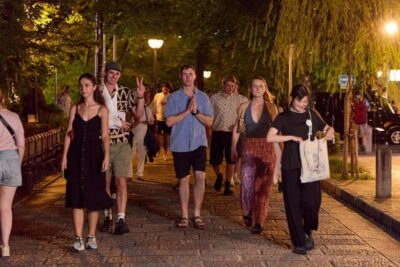
Gion Geisha District Walking Tour – Stories of Geisha
Read our review →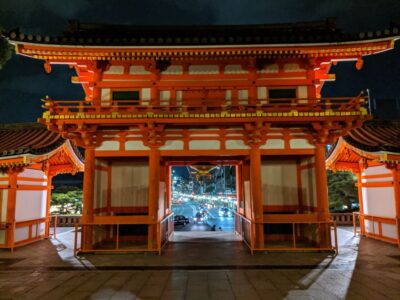
Best of Kyoto: Gion, Geisha, Pagodas & Cobblestones
Read our review →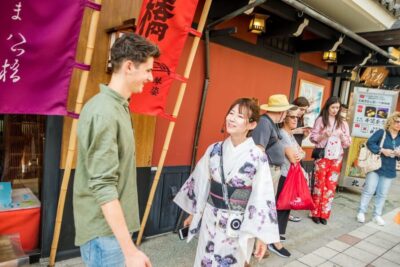
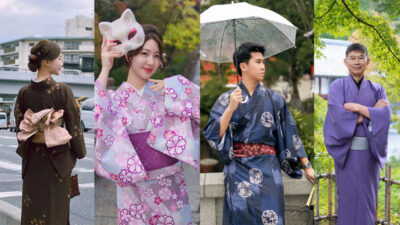
Kyoto Kimono Rental Experience (Optional Exquisite Hair Styling/Japanese Makeup/Photography) (Ookini Kiyomizu-dera Main Store)
Read our review →Browse the lists this tour appears in