
Reviewed · CASTLES AND HISTORIC SITES
Tokyo : Authentic Samurai Experience in a Private Space.
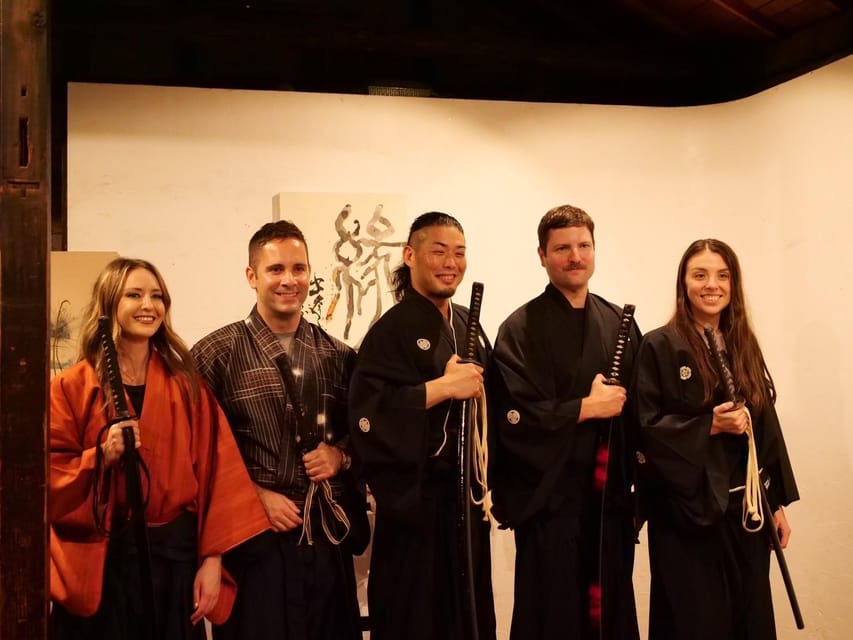
Step into Japan’s warrior tradition for 90 minutes. This small-group experience takes place in an old private house, where you dress in formal samurai clothing, learn sword etiquette, handle a real katana, and face a samurai instructor in a carefully controlled practice bout. I especially like the three-person group limit, which gives the instructor room to correct your movements, and the quiet tea service at the end, which adds a calm cultural note after the sword work.
I also like that beginners are welcome. You do not need martial arts experience, though people with a background in HEMA or Japanese sword arts may appreciate the extra detail. The main consideration is the price: at $322 per person, this is a costly 90-minute activity, so you should book it for the personal instruction and private setting rather than for a quick costume photo alone.
In This Review
- Key Points At a Glance
- Why This Tokyo Samurai Experience Feels Different
- Starting With Kimono And Samurai Dress
- Learning Bushido Before Swinging The Sword
- Using A Real Sword In A Controlled Setting
- Tatami Cutting And Other Extra Detail
- The Final Samurai Encounter
- Tea In A Traditional Japanese Home
- What The $322 Price Really Buys
- Who Should Book This Experience
- Booking Flexibility And Practical Details
- Should You Book The Tokyo Samurai Experience?
- FAQ
- How long does the samurai experience last?
- Where does the activity take place?
- How many people can join the group?
- Is the experience available in English?
- Do I need previous sword or martial arts experience?
- What does the activity include?
- Is the sword pointed at participants?
- Who cannot take part?
Key Points At a Glance
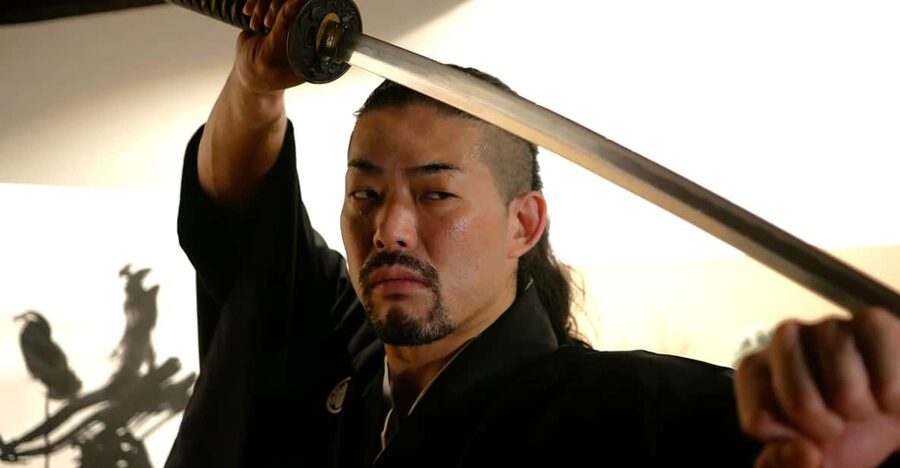
- Handle a real katana: Learn how to draw, hold, swing, and sheath the sword under close instruction.
- Dress in formal samurai clothing: The session begins with a kimono dressing experience, giving your photos a traditional setting and proper visual detail.
- Learn Bushido etiquette: The instructor explains the values and conduct linked to the samurai way, not just sword movements.
- Face a real samurai: The final practice fight is controlled with safety in mind, and no one points the blade at you.
- Relax over Japanese tea: Yukari helps with clothing, photographs, and tea service after the active part ends.
- Enjoy a private-house setting: The old Japanese home gives the activity a more personal feel than a large stage show.
Why This Tokyo Samurai Experience Feels Different
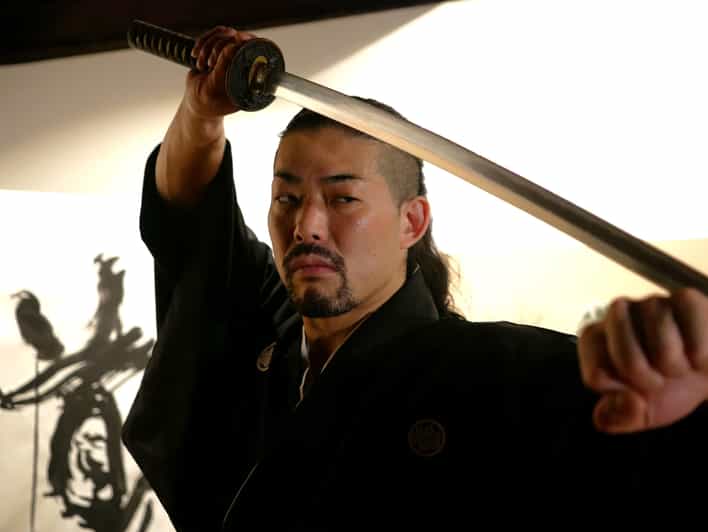
Many samurai-themed activities are built around a performance. You watch a trained professional swing a sword, take a photo, and leave with a few facts. This experience puts you in the center of the lesson. You wear the clothing, learn the basic movements, and use a real sword yourself.
That difference matters. The activity is not meant to turn you into a trained swordsman in an hour and a half. Instead, it gives you a short, guided look at the discipline behind the image of the samurai. You learn how posture, manners, movement, and control fit together.
The setting helps. An old private house offers a more intimate backdrop than a modern studio or a busy entertainment venue. With a maximum of three participants, you can ask questions without shouting across a room. You may also feel less self-conscious when trying unfamiliar movements for the first time.
The experience is offered in Japanese and English. The instructor’s patient style is especially useful for beginners. Detailed sword motions can be hard to explain across a language gap, but the teaching includes demonstrations, correction, and repeated guidance. The small group makes it easier to follow along.
More Castles and Historic Sites in Tokyo
- Tokyo: Imperial Palace and Shogun Historical Walking Tour
★ 5.0 · 2,251 reviews - Tokyo Castle & Imperial PalaceーShogun Walking Tour
★ 4.7 · 1,068 reviews - Tokyo: Samurai Ninja Museum Guided tour and Experience
★ 4.6 · 1,010 reviews
Starting With Kimono And Samurai Dress
The first stage is getting dressed. You change into formal Japanese clothing before the sword lesson begins, creating a stronger connection between the physical activity and the tradition behind it.
This is more than a quick costume change. The clothing affects how you move, how you stand, and how the final photographs look. Yukari assists with the dressing and also takes photographs during the experience, so you can focus on the lesson rather than trying to manage a phone at the same time.
Allow yourself a little patience here. Traditional clothing can feel unfamiliar, and the process may not be as quick as putting on a rental costume at a theme park. That is part of its value. You get a sense of the care involved in preparing for a formal practice.
The clothing is also helpful for the final photo session. In an old Japanese house, the combination of kimono, sword, and traditional interior creates a much more convincing image than a generic studio background. If a memorable photograph is important to you, this part of the experience earns its place in the schedule.
Learning Bushido Before Swinging The Sword
The sword lesson begins with etiquette and Bushido. That order is important. You are not simply handed a blade and told to copy a dramatic movie pose.
The instructor explains the conduct and philosophy associated with the samurai way, then demonstrates how to handle the sword properly. You learn about holding the katana, drawing it, sheathing it, taking a stance, and making a controlled swing. The emphasis is on form rather than force.
This approach suits first-time participants. You can arrive with no background in Japanese martial arts and still understand what you are doing. The instructor gives corrections in a friendly way, points out mistakes, and helps you improve each step.
If you have practiced HEMA or another sword discipline, you may notice that the session moves through basic material fairly quickly. One experienced participant found the standing technique manageable and then tried a seated tatami cut, which added a harder challenge. You can ask questions if you want more detail, including a request to see how the sword is taken apart and constructed.
A useful tip is to ask for extra practice on the cutting motion if time allows. The display sequence may combine several movements, while some people will want to repeat the actual swing a few more times. The instructor is willing to explain and adjust the lesson, but speaking up is the best way to get the focus you want.
Using A Real Sword In A Controlled Setting
The activity includes a real sword, which adds weight and seriousness to the lesson. This is not the same as waving a light plastic prop for a photograph. You can feel why posture, grip, and controlled movement matter.
Safety comes first. No one will point the blade at you, and the final confrontation is arranged with care. Still, you should tell the staff before the session if you feel uncomfortable being near the cutting edge. That simple conversation can help you decide how much of the activity you want to take part in.
The wording of the activity makes clear that you will fight against a real samurai. Treat this as a choreographed and supervised exchange, not an unscripted contest. The purpose is to apply what you have learned while keeping everyone safe.
That final section can be exciting because it gives the lesson a clear payoff. You move from watching demonstrations to using the sword in a structured encounter. It also shows why the earlier etiquette and stance work matter. A dramatic swing is easy to copy, but a controlled response requires concentration.
You should wear something comfortable underneath the provided clothing and follow every instruction closely. Mobility is needed, and the activity is not suitable for people with mobility impairments or pregnant women. Children under 10 are not allowed.
A completely different kind of day out:
- Tokyo Disney Resort – Tokyo Disneyland & Tokyo DisneySea Park Tickets
★ 4.8 · 99,488 reviews - SHIBUYA SKY Ticket
★ 4.7 · 46,509 reviews - JR Whole Japan Rail Pass
★ 4.8 · 29,150 reviews - Mt Fuji and Hakone 1-Day Bus Tour Return by Bullet Train
★ 5.0 · 26,383 reviews
Tatami Cutting And Other Extra Detail
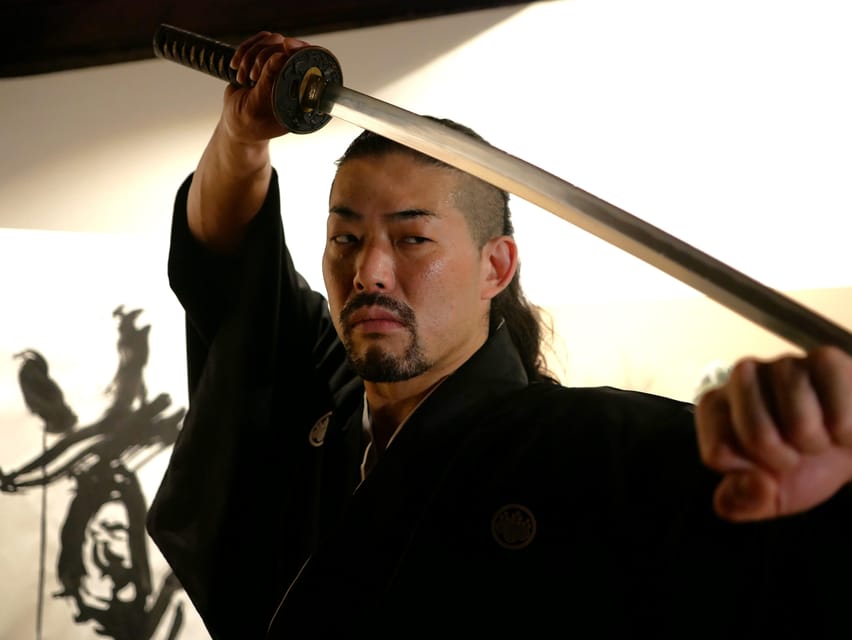
Tatami cutting appears in the hands-on sword work, adding a practical target to the session. For some people, this will be the highlight because it gives the blade technique a clear purpose. You can see how angle, motion, and follow-through affect the result.
The activity may also appeal to people interested in traditional weapons. One participant asked the instructor to take apart the sword at the end, and the explanation of its separate parts became a memorable extra. This is not listed as a guaranteed part of the schedule, so ask politely if you are curious and if time permits.
The seated cutting variation can make the exercise harder. It changes your balance and reduces the freedom of your stance, giving experienced participants an optional challenge. Beginners should not feel pressured to attempt it. The main lesson already offers plenty to concentrate on.
This is one area where expectations matter. You will not complete a full martial arts course in 90 minutes. You will get a carefully guided introduction, a chance to practice basic movements, and perhaps an added challenge depending on your ability and the instructor’s timing.
The Final Samurai Encounter
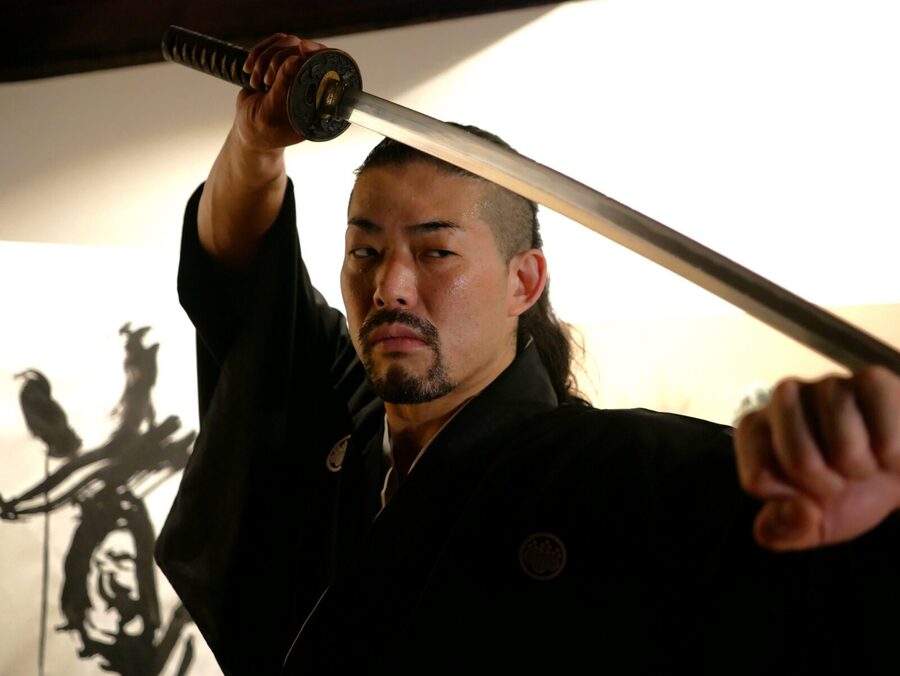
The final fight gives the session a sense of theatre, but it remains tied to the lesson. You use the movements you have practiced while facing the instructor in a controlled exchange.
For a first-time participant, this can feel like the most memorable moment. You have already put on the clothing and learned the basics, so the encounter feels earned rather than staged purely for a photograph. The instructor’s friendly manner helps keep the mood relaxed.
Do not expect a free-form duel. The safety instructions matter, and the activity is designed for mixed ability levels. The aim is to let you experience the focus and rhythm of a samurai exchange without creating a dangerous situation.
If you are nervous around blades, say so before the lesson begins. The staff can explain the boundaries, and you can decide what feels comfortable. No one will point the blade at you, but the presence of a real sword is central to the experience.
Tea In A Traditional Japanese Home
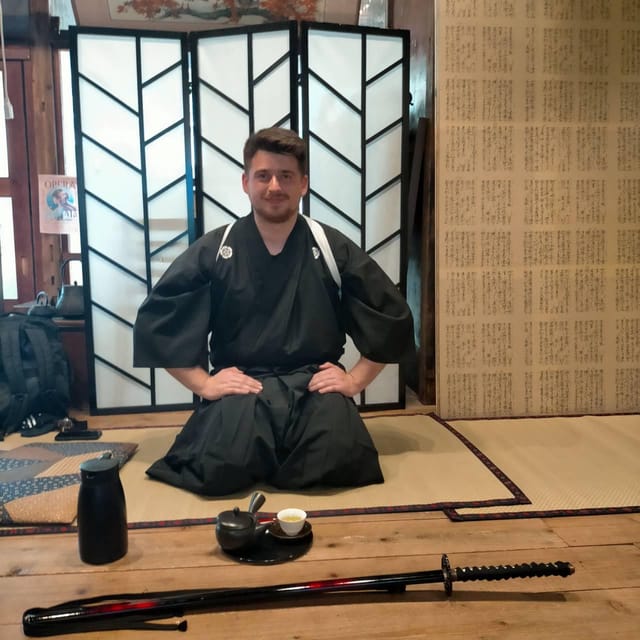
After the active portion, you sit down for Japanese tea. This quiet ending is one of the strongest parts of the program because it gives you time to recover, talk, and think about what you have just learned.
Yukari serves the tea and helps create a welcoming atmosphere. The break also gives you a chance to ask questions about the sword, Bushido, clothing, or the old house. The tea is described as delicious, but its value goes beyond taste. It changes the pace from physical practice to conversation and reflection.
I like this ending because it avoids the usual quick finish. Some activities end as soon as the photograph is taken. Here, the tea provides a natural closing ritual and gives the cultural side of the experience equal weight with the action.
The house itself adds to the mood. You can take a typical Japanese photograph in the traditional interior, surrounded by the clothing and objects connected with the session. It is a personal setting, not a large public attraction, so the atmosphere should appeal to you if you prefer quieter cultural activities.
What The $322 Price Really Buys
At $322 per person, this is expensive for 90 minutes. You should compare it with other Tokyo activities honestly. If you mainly want to dress up and take a photograph, a lower-cost costume experience may offer better value.
The price makes more sense if you want private instruction, a three-person maximum, a real sword, kimono dressing, Bushido teaching, a supervised fight, and tea in one visit. You are paying for access to a specialist-led activity rather than a standard group demonstration.
The small group is the key value point. Sword handling needs correction, and a crowded class would reduce your practice time. With up to three participants, the instructor can watch your stance and give individual advice.
The experience also includes details that are difficult to reproduce alone. You can ask about the sword’s construction, try tatami cutting, and learn how to draw and sheath the blade under supervision. Those extras make the price more defensible for people with a strong interest in samurai culture, martial arts, or Japanese craftsmanship.
I would not recommend booking it casually if your budget is tight. I would consider it worthwhile for a special Tokyo day, especially if you value personal teaching and an authentic-looking setting more than a long itinerary.
Who Should Book This Experience
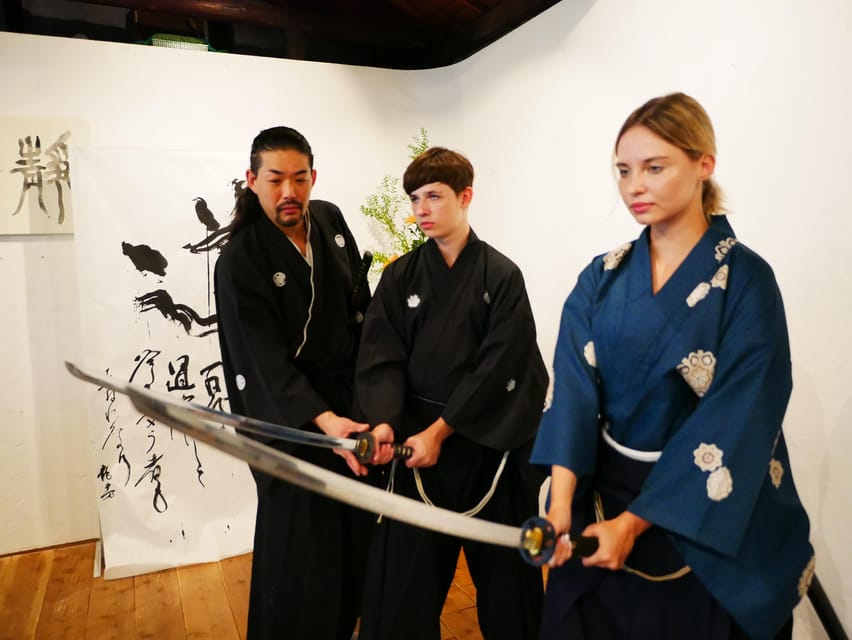
This activity suits adults and children aged 10 or older who are interested in Japanese culture, martial arts, history, photography, or traditional clothing. You do not need previous sword experience. The instructor starts with basic guidance and uses a calm, supportive teaching style.
It is also a good choice for couples, friends, or a very small family group who want something more active than a museum visit. Since the group is limited to three participants, booking together can make the session feel more personal.
People with martial arts or HEMA experience may enjoy asking for more technical detail. You can focus on sword construction, drawing and sheathing, stances, cutting technique, or a harder seated cut if the schedule allows.
I would avoid it if you dislike blades, have limited mobility, are pregnant, or are traveling with children under 10. A scooter is not allowed, so plan your arrival accordingly. The meeting place has a signboard near the entrance, and you should follow the arrow into the building.
The 90-minute duration is useful in a packed Tokyo schedule. It is long enough to include dressing, instruction, practice, the final exchange, photographs, and tea, but short enough to fit between other plans. Check the available start times before booking.
Booking Flexibility And Practical Details
You can cancel up to 24 hours in advance for a full refund. The reserve-now, pay-later option also helps if your Tokyo schedule is still changing.
The activity is taught in Japanese and English. Since sword movements are shown as well as explained, the language arrangement should work for many international participants, especially in a group of only three.
The experience ends at the house, with no onward transport included. You are disbanded on the spot after the program, so plan your next stop independently.
Bring a respectful attitude and be ready to follow instructions. The sword is not a toy, even when the atmosphere is friendly. Tell the staff early if the blade makes you uncomfortable, and ask questions when you want more practice or historical detail.
Should You Book The Tokyo Samurai Experience?
Book it if you want an intimate, hands-on introduction to samurai culture rather than a quick performance. The patient instruction, real sword, formal clothing, tea, and old-house setting work well together. The most praised qualities are the friendly teaching, clear corrections, helpful attitude, and warm service from Yukari.
Skip it if $322 feels too high for a 90-minute activity or if you mainly want a staged photograph. The program is brief, and beginners may spend much of the time learning basic form rather than performing advanced techniques.
For the right person, this is a memorable Tokyo experience with real substance. You leave with photographs, a taste of Japanese tea, and a better sense that Bushido was tied to discipline and conduct, not just swordplay.
FAQ
How long does the samurai experience last?
The experience lasts 90 minutes.
Where does the activity take place?
It takes place in an old private Japanese house in Tokyo on Honshu.
How many people can join the group?
The group is limited to three participants.
Is the experience available in English?
Yes. The instructors offer the experience in Japanese and English.
Do I need previous sword or martial arts experience?
No. The program teaches beginners how to handle and swing a sword, so previous experience is not required.
What does the activity include?
It includes the samurai experience, a real sword, kimono dressing, Japanese tea, and instruction in an old Japanese house.
Is the sword pointed at participants?
No one will point the blade at you. If you feel uncomfortable around the cutting edge, tell the staff before the activity begins.
Who cannot take part?
The experience is not suitable for pregnant women, people with mobility impairments, or children under 10. Scooters are also not allowed.
Just added in Tokyo
- A One-of-a-Kind Sushi Experience in a Special Place of Japan★ 5.0 · 15 reviews
- Tokyo Cute Bento Cooking Class – Make a Kawaii Character Lunchbox★ 5.0 · 126 reviews
- Japanese Home Cooking Class & Walk in Todoroki Temple Tokyo★ 5.0 · 88 reviews
- Japan Tokyo Tower Observatory Deck E-Ticket★ 4.0 · 34 reviews
- Catch a Baseball Game in Tokyo with a Local – Tickets Included★ 5.0 · 24 reviews
- Tokyo Private Day Tour by Car with English speaking Driver Guide★ 4.0 · 29 reviews
- Japan Classic 10 Day – One Life Adventures★ 5.0 · 129 reviews
- JDM Experience with Fast&Furious RX-7 (English speaking Driver)★ 5.0 · 57 reviews
Castles and Historic Sites, compared.



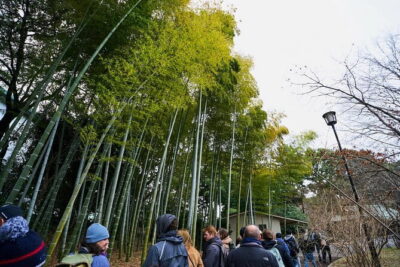
Imperial Palace and Shogun Historical Walking Tour
Read our review →
Tokyo Castle & Imperial PalaceーShogun Walking Tour
Read our review →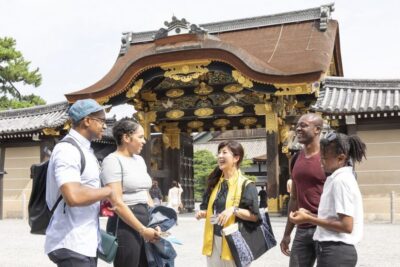
Nijo-jo Castle and Ninomaru Palace Guided Tour
Read our review →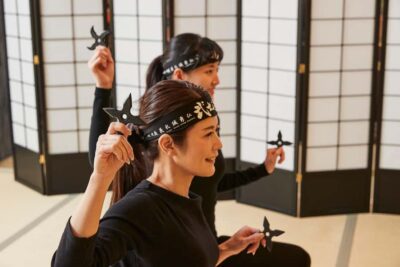
Samurai Ninja Museum Guided tour and Experience
Read our review →Browse the lists this tour appears in