
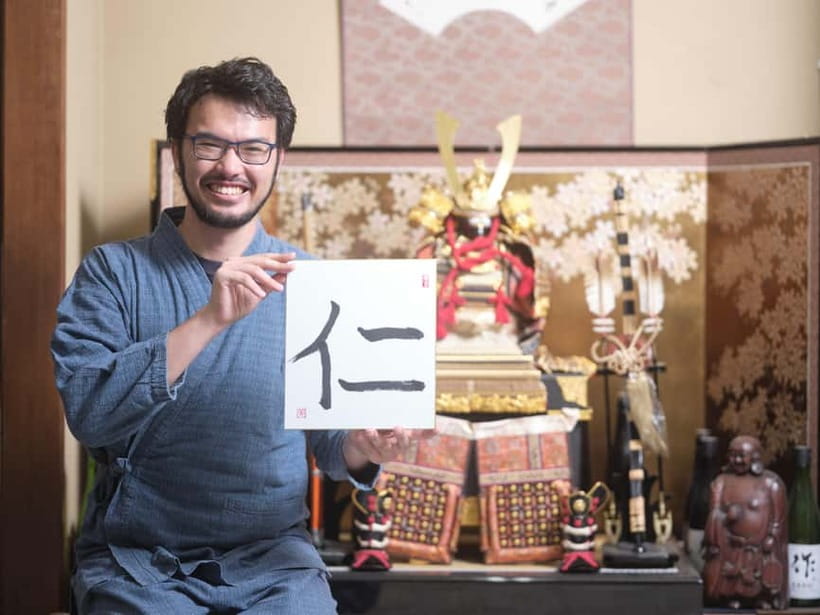
Reviewed · KIMONO AND CULTURAL DRESS
Tokyo: Calligraphy Experience with yukata or Samue
Brushwork turns a Tokyo visit into something personal. This 90-minute class lets you learn Japanese calligraphy from a professional teacher, wear a yukata or samue, and create artwork you can take home. I especially like the patient, step-by-step teaching and the chance to learn what the characters mean, not just copy their shapes. The tea, snacks, and warm welcome also give the class a calm pace.
I like that the class stays small, with no more than 10 people. That matters when you are learning to control a brush, since you need room for questions and corrections. I also like the language choice: instruction is available in English or French, and past sessions with teachers such as Hana, Tomo, and Koushi have included careful demonstrations and personal help.
The main consideration is the meeting point. The directions identify a nursery and Kaideiji next door, rather than offering a familiar Tokyo landmark, so check the location carefully before setting out. You should also wear clothes that can get dirty, and the class is not suitable for children under four or people over 70.
In This Review
- What makes this Tokyo class worth your time
- Arriving beside the nursery and Kaideiji
- Putting on a yukata or samue
- The first lesson: lines, pressure, and brush control
- Understanding the spirit behind each character
- From practice strokes to your finished kanji
- Tea, snacks, and a gentle finish
- Is $64 a fair price?
- Who should book this experience?
- Practical details before you reserve
- Should you book the Tokyo calligraphy class?
- FAQ
- How long does the Tokyo calligraphy experience last?
- How much does the calligraphy class cost?
- What languages are available?
- Is the group private?
- Are calligraphy tools included?
- Can I take my artwork home?
- Is tea included?
- What should I wear?
- Can I cancel for a refund?
What makes this Tokyo class worth your time
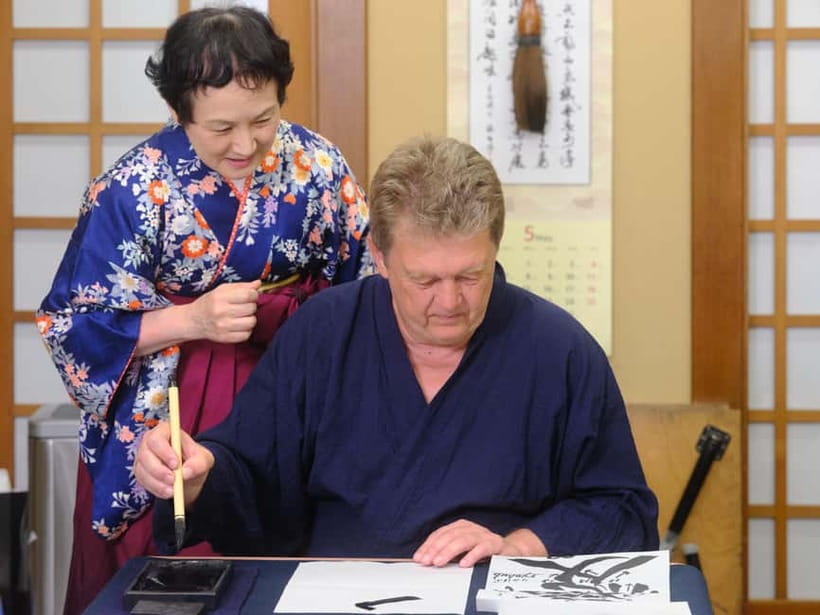
- You wear traditional clothing first: Choose a yukata or samue for a more hands-on cultural experience before picking up the brush.
- You learn the brush basics: The class covers lines, brush handling, and the correct way to form a kanji.
- You discover the meaning behind the characters: Your teacher explains the spiritual ideas, history, and symbolism tied to Japanese writing.
- You create a final piece: After practice, you produce a finished work on card or paper to take home.
- You can receive a personalized souvenir: Teachers have written participants’ names in Japanese as an extra keepsake.
- You finish with Japanese tea: Tea and snacks add a gentle pause to an activity that demands concentration.
Arriving beside the nursery and Kaideiji
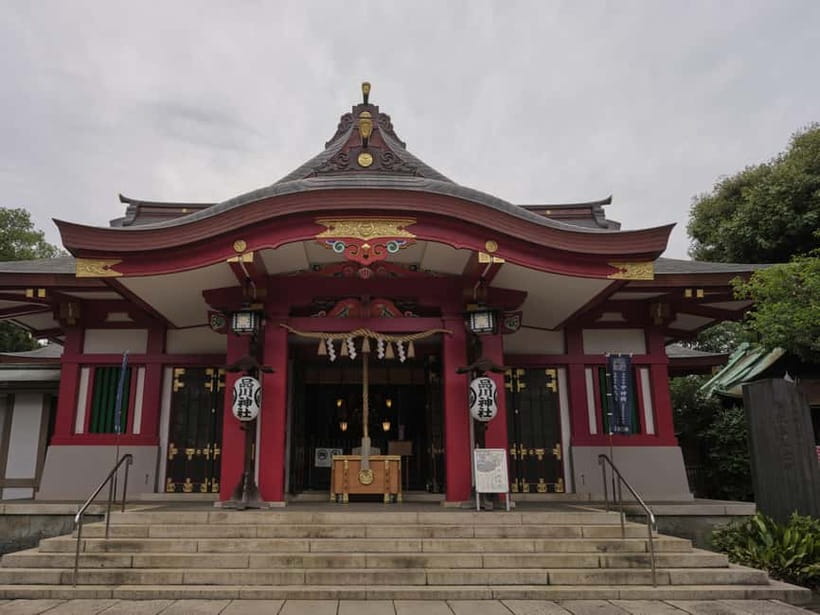
This is not a sightseeing tour with a long list of Tokyo stops. It is a focused cultural class, and the meeting point reflects that. You are told to look for a place next to a nursery and beside Kaideiji, so I would save the address and map pin before leaving your hotel.
That small bit of preparation matters. The meeting instructions are less instantly clear than a major station exit or a famous Tokyo landmark. If you are arranging a taxi, the experience provider can help, as one family found when staff assisted with booking a ride after the class. Still, you should not leave the arrival details until the last minute.
Once you arrive, expect a welcoming start rather than a rushed roll call. Tea and snacks have been served at the beginning of past sessions, giving you time to settle in. The atmosphere appears to be friendly and personal, with instructors and assistants helping participants get ready for the clothing portion.
The group limit is 10 people. That is large enough to give the class energy, but still small enough for a teacher to watch your grip and brush movement. For calligraphy, that personal attention is important. A quick demonstration alone will not tell you why your line is too heavy or why the brush is bending in the wrong direction.
More Kimono Experiences in Tokyo
- Tokyo Asakusa Kimono&Yukata Rental at Kimono Miyabi Asakusa Station
★ 4.9 · 8,489 reviews - Tokyo Kimono, Furisode, and Yukata Rental Experience | Exquisite Hairstyling & Japanese Makeup & Photo Shoot (Ookini Asakusa Kaminarimon)
★ 4.8 · 767 reviews - Let’s make kimono !(Kimono is a gift for you
★ 5.0 · 252 reviews
Putting on a yukata or samue
The clothing is more than a photo opportunity. Wearing a yukata or samue changes the feel of the class and gives you a direct connection to the setting. Past participants have described wearing kimono and samue before starting the writing lesson, with staff helping them along the way.
You should treat this part as a cultural introduction, not a full kimono fashion session. The available information does not promise an extended dressing ceremony or a professional photo shoot. The value is simpler: you begin by stepping into traditional Japanese clothing, then sit down to practice a traditional art.
This is especially appealing for families and couples who want more than a museum visit. One family booked the experience for a daughter’s birthday and found the combination of clothing, teaching, and personal attention made the occasion feel special. Another family appreciated help from the staff when buying a calligraphy set afterward.
Wear something practical underneath, and follow the instruction to choose clothes that can get dirty. Ink and water are part of the activity. Even careful beginners can make a splash while loading the brush.
The first lesson: lines, pressure, and brush control
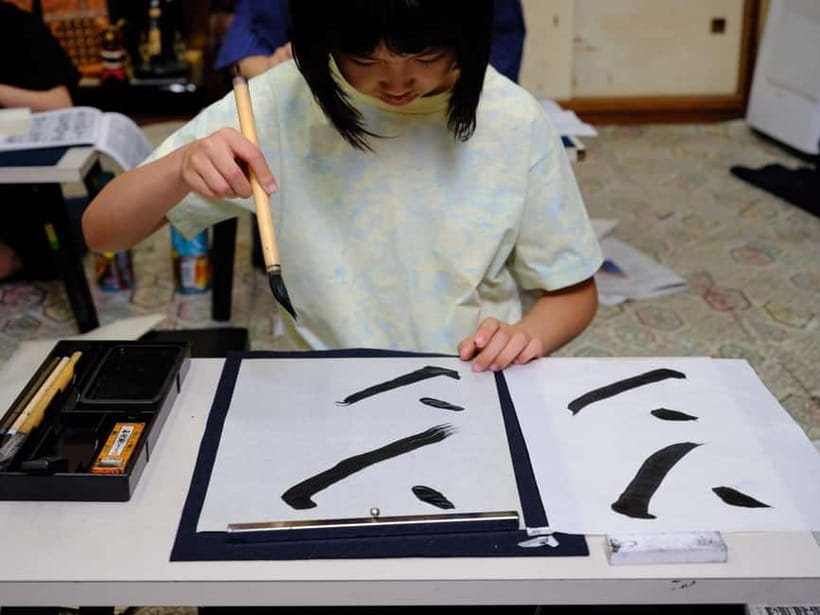
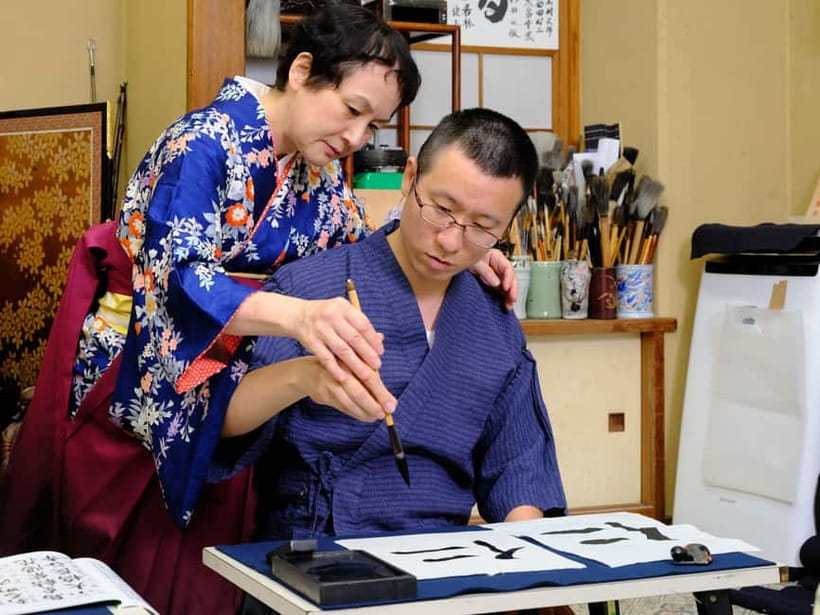
The class begins with the foundations of Japanese classical calligraphy. You learn how to hold and use the brush, how to draw basic lines, and how pressure affects the result. This is where the experience earns its value. You are not simply handed a brush and asked to copy a finished character.
A calligraphy brush behaves differently from an ordinary pen. Your hand must guide it, but your pressure also changes the width and strength of the stroke. The teacher shows you how to make controlled marks, then gives you time to practice before asking you to create the final work.
I like this practice-first approach. It removes some of the pressure from the finished piece. Your first lines may wobble, and that is fine. You get a chance to understand the tools before your final artwork matters.
Teachers have included Hana, Tomo, and Koushi, along with assistants and interpreters. Hana has been praised for explaining each stage clearly and guiding students from basic lines to a complete kanji. Tomo has taken time with participants who wanted a careful introduction to the art. Koushi has been described as an experienced teacher with strong artistic skill.
The exact instructor depends on the date, but the format is designed for beginners. You do not need previous calligraphy training. You only need patience and a willingness to slow down.
Understanding the spirit behind each character
The best part of this class is not simply learning how to make a clean mark. You also hear about the spirituality, history, and meaning connected to the characters. That gives your finished piece more weight than a random decorative symbol.
Japanese kanji can carry an idea as well as a sound. The teacher explains the character you are practicing and helps you understand why its form matters. This cultural context gives you something to remember after the ink dries. You take home not only a piece of art, but also a small lesson in how language and visual form meet in Japan.
The class has been taught in both English and French. French-speaking participants have found the explanations clear, and English-speaking families have appreciated help from interpreters and assistants when needed. If your language is English or French, you can select the available option when booking.
The lesson also rewards concentration. One participant described the activity as demanding focus, which is fair. Calligraphy asks you to slow your breathing, watch the brush, and accept that a small change in pressure can alter the whole character. That quiet focus makes a pleasant contrast to a full day of Tokyo streets and screens.
A completely different kind of day out:
- Tokyo Disney Resort – Tokyo Disneyland & Tokyo DisneySea Park Tickets
★ 4.8 · 99,488 reviews - SHIBUYA SKY Ticket
★ 4.7 · 46,509 reviews - JR Whole Japan Rail Pass
★ 4.8 · 29,150 reviews - Mt Fuji and Hakone 1-Day Bus Tour Return by Bullet Train
★ 5.0 · 26,383 reviews
From practice strokes to your finished kanji
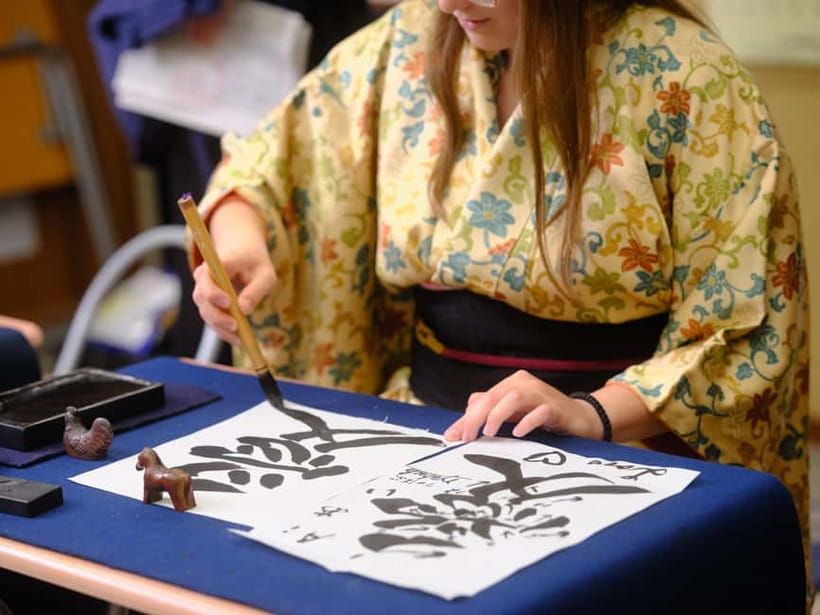
After practicing, you move on to your final artwork. You write a kanji on a sturdier piece of card or paper, using the skills you have just learned. This is the moment when the earlier exercises become useful.
Do not expect a perfect result on the first attempt. The point is not to produce work equal to your teacher’s. Professional calligraphers have spent years building that control. Your finished piece is valuable because you made it during a guided introduction to the art.
The teacher helps you choose and form your work, then you take it home as a souvenir. Some participants have also had their names written by the instructor. That personal touch is particularly nice if you are looking for a souvenir that cannot be picked up in a Tokyo shop.
You may also be able to buy a calligraphy set afterward. Staff helped one participant purchase one for a family member, but this should be treated as extra assistance rather than a guaranteed part of the package. The included tools are for the class, while your finished artwork is the confirmed take-home item.
Bring a way to protect the work during the rest of your trip. The information does not specify a tube, folder, or protective case, so it is sensible to ask the instructor how best to carry it before you leave.
Tea, snacks, and a gentle finish
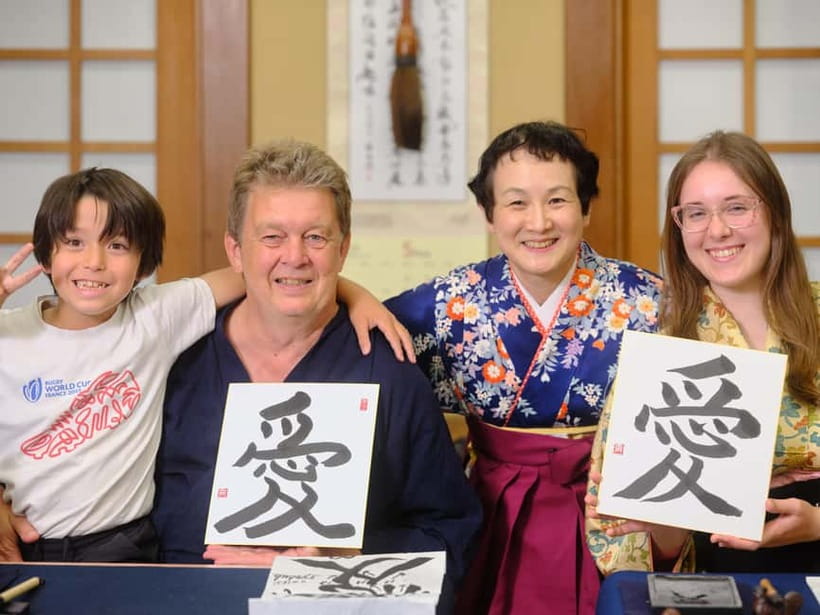
Japanese tea and snacks are included. The tea is not the central activity, but it helps give the 90-minute session a natural rhythm. You begin with a welcome, move into instruction and practice, create your final work, and finish with a quiet refreshment.
That pacing suits the subject. Calligraphy is not a loud or hurried attraction. The tea gives you a moment to look at your work and ask final questions. It also helps the class feel like a cultural exchange rather than a basic craft workshop.
I would not book this experience expecting a full tea ceremony. The information promises Japanese tea, not a formal ceremony with an extended explanation of tea preparation. Its role here is modest and useful: a warm welcome and a calm break.
Is $64 a fair price?
At $64 per person, this is not the cheapest souvenir activity in Tokyo. You are paying for more than ink and paper, though. The price includes professional instruction, all necessary calligraphy tools, the completed artwork, tea, an English or French guide, and the use of traditional clothing.
The small group limit improves the value. If 10 people attend, the class still has a personal teaching element that would be harder to get in a large workshop. You are paying for instruction and attention, not just access to a room with brushes.
The price makes the most sense if you care about the process. If you only want a quick photo in Japanese clothing, you can likely find simpler options. If you want to understand the brush, practice the lines, learn the meaning of a kanji, and create a souvenir under professional guidance, $64 is reasonable.
The finished work also adds practical value. You do not leave with a generic printed souvenir. You leave with something you made, plus the memory of the lesson behind it. For a birthday, family activity, or rainy-day plan, that personal element helps justify the cost.
Who should book this experience?
I would recommend it to first-time visitors who want a quieter side of Tokyo culture. It suits people who enjoy learning by doing, rather than only looking at displays. You do not need artistic talent, but you should be comfortable concentrating and accepting a few imperfect lines.
Families can enjoy it, especially with older children. One family found the atmosphere particularly good for children, but the stated minimum age is four. The class is not suitable for children under that age, and the experience also lists people over 70 as not suitable.
Couples and solo visitors can get a lot from it too. The final artwork makes a thoughtful shared souvenir, while the name-writing option gives solo visitors something personal to keep. French-speaking visitors should find the language option especially helpful.
I would think twice if your schedule is very tight or if you dislike activities that require patience. Ninety minutes is not long, but the class is structured around careful practice. You cannot rush the brushwork and get the full benefit.
Practical details before you reserve
The activity lasts 90 minutes, with starting times based on availability. You should check the time carefully against your other plans, since the experience is fixed-length and includes several stages.
Professional instruction, tools, tea, a guide, and your finished artwork are included. Individual transportation is not included, so you must make your own way to the meeting point. The directions refer to the nursery and Kaideiji, so confirm the exact location in advance.
The available instructor languages are English and French. The group is limited to 10 participants. You can reserve now and pay later, which helps if you are still arranging your Tokyo schedule.
Cancellation is free up to 24 hours before the activity for a full refund. That policy gives you some flexibility, but you should still check your booking time and cancellation deadline rather than relying on memory.
Pack clothes that can get dirty. You will use ink and brush tools, and the class specifically advises against wearing anything precious or difficult to clean. The necessary calligraphy equipment is provided, so you do not need to bring your own brush.
Should you book the Tokyo calligraphy class?
You should book this class if you want a personal souvenir, patient teaching, and a calm cultural activity in Tokyo. The strongest reasons are the small group size, the professional instructors, the English and French support, and the chance to understand the meaning behind the characters.
I would especially choose it for a family birthday, a couple’s shared activity, or a day when you want to slow down. The class has received a top rating from 21 reviews, and the repeated praise centers on the welcoming teachers, clear instruction, traditional clothing, and beautiful final artwork.
Skip it if you only want a quick dressing experience or if the meeting-point directions feel too hard to manage. Also remember the age limits and wear clothes that can handle ink. For the right visitor, though, this is a thoughtful way to bring home a piece of Tokyo that you made yourself.
FAQ
How long does the Tokyo calligraphy experience last?
The class lasts 90 minutes.
How much does the calligraphy class cost?
The price is $64 per person.
What languages are available?
Instruction and guiding are available in English and French.
Is the group private?
It is a small-group experience limited to 10 participants.
Are calligraphy tools included?
Yes. All necessary calligraphy tools are included.
Can I take my artwork home?
Yes. Your finished calligraphy work is included and can be taken home as a souvenir.
Is tea included?
Yes. Japanese tea is included, and snacks have also been provided during the welcome in past sessions.
What should I wear?
Wear clothes that can get dirty because you will work with calligraphy ink and tools.
Can I cancel for a refund?
You can cancel up to 24 hours in advance for a full refund. You can also reserve now and pay later.
Just added in Tokyo
- A One-of-a-Kind Sushi Experience in a Special Place of Japan★ 5.0 · 15 reviews
- Tokyo Cute Bento Cooking Class – Make a Kawaii Character Lunchbox★ 5.0 · 126 reviews
- Japanese Home Cooking Class & Walk in Todoroki Temple Tokyo★ 5.0 · 88 reviews
- Japan Tokyo Tower Observatory Deck E-Ticket★ 4.0 · 34 reviews
- Catch a Baseball Game in Tokyo with a Local – Tickets Included★ 5.0 · 24 reviews
- JDM Experience with Fast&Furious RX-7 (English speaking Driver)★ 5.0 · 57 reviews
- Tokyo Private Day Tour by Car with English speaking Driver Guide★ 4.0 · 29 reviews
- Japan Classic 10 Day – One Life Adventures★ 5.0 · 129 reviews
Kimono and Cultural Dress, compared.
![[Kyoto & Nara Day Tour] Sagano Scenic Railway & Nara Park & Fushimi Inari Taisha Thousand Torii Gates & Togetsukyo Bridge & Bamboo Grove & Kimono Forest (Departing from Osaka)](https://media.japanvisits.com/wp-content/uploads/kyoto-nara-day-tour-sagano-scenic-railway-nara-park-fushimi-inari-taisha-thousand-torii-gates-togetsukyo-bridge-bamboo-grove-kimono-forest-departing-from-osaka-k110001-400x257.jpg)

Tokyo Asakusa Kimono&Yukata Rental at Kimono Miyabi Asakusa Station
Read our review →
Kyoto Geisha Walking Tour: Gion District & Hidden Gems
Read our review →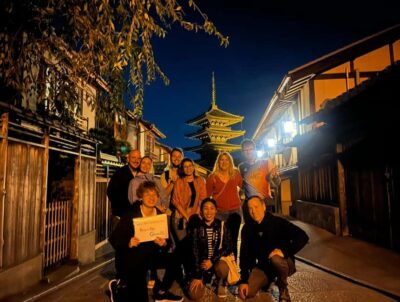
Gion Magical Night Walking Tour with Geisha Trivia
Read our review →
Gion Geisha District Walking Tour – Stories of Geisha
Read our review →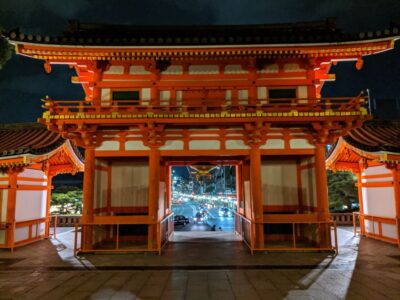
Best of Kyoto: Gion, Geisha, Pagodas & Cobblestones
Read our review →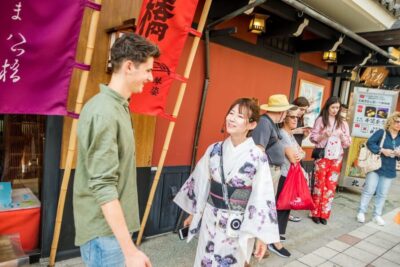
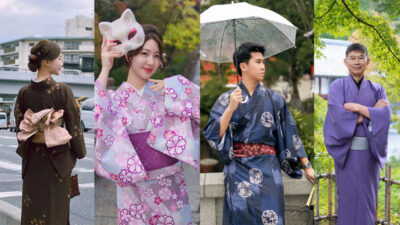
Kyoto Kimono Rental Experience (Optional Exquisite Hair Styling/Japanese Makeup/Photography) (Ookini Kiyomizu-dera Main Store)
Read our review →Browse the lists this tour appears in