
Reviewed · WORKSHOPS
Tokyo: Chopstick Making Workshop with Artisan
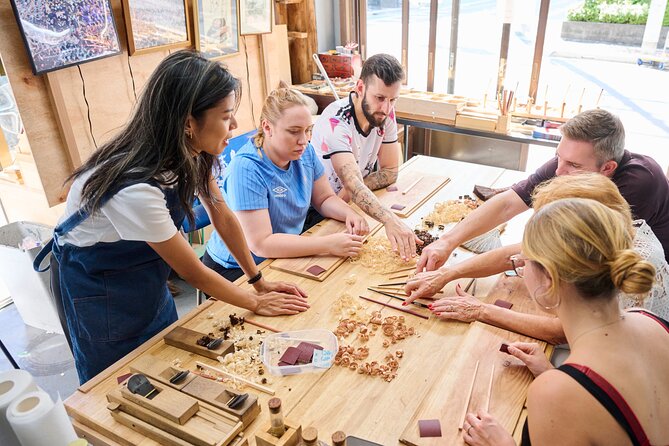
Make a useful souvenir with your own hands. This one-hour Tokyo workshop lets you shape wooden chopsticks with traditional tools, learn why chopsticks matter in Japanese culture, and leave with something you can actually use. I especially like the hands-on work and the chance to choose among more than 10 kinds of wood. The main thing to consider is timing: one hour can feel tight when the room is full.
The workshop costs $16 per person, which is a fair price for instruction, materials, and a personalized pair of chopsticks. The English-speaking staff, including instructors such as Yuki, Angie, Chihiro, and Victoria, receive especially strong praise for their patience and clear guidance. If you want engraving, plan on paying about ¥1,000 extra.
In This Review
- Key details before you book
- Entering Tokyo’s Misuji craft neighborhood
- Choosing wood before the shaping begins
- Shaping chopsticks with traditional tools
- Sanding and finishing your personalized pair
- Engraving and the finished souvenir
- Is one hour enough?
- Why the $16 price is reasonable
- Who will enjoy this workshop most?
- Helpful booking advice for your Tokyo day
- Should you book the chopstick workshop?
- FAQ
- How long does the chopstick-making workshop last?
- How much does the workshop cost?
- Where does the workshop take place?
- How many types of wood can I choose from?
- Can I take my chopsticks home the same day?
- Is engraving available?
- Are tools and materials provided?
- Is the workshop suitable for beginners?
- What languages do the instructors speak?
- Is the workshop wheelchair accessible?
Key details before you book
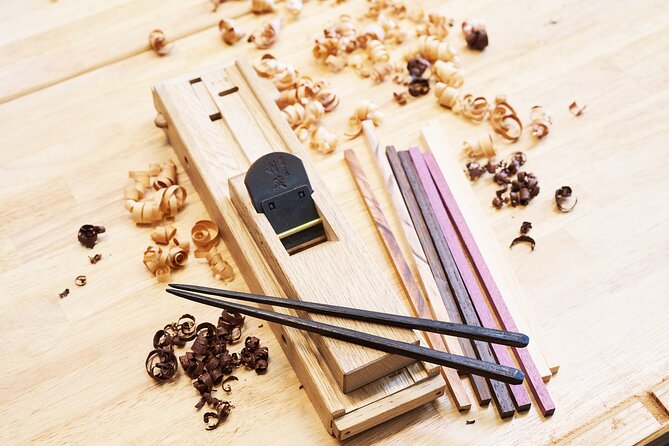
- You make the chopsticks yourself: Shape, smooth, and finish the wood rather than simply decorating a ready-made pair.
- You can compare more than 10 woods: Three types are included at no extra cost, while higher-grade choices require an additional payment.
- The finished pair goes home with you: Your chopsticks are wrapped, making them a practical souvenir or gift.
- The group is small: Up to 10 people can join, though the compact workshop may feel busy when fully booked.
- English instruction is available: Staff speak English and Japanese, with simple guidance designed for beginners.
- The activity suits a quiet break: Several participants found the process calming, especially after time in Tokyo’s crowded streets.
Entering Tokyo’s Misuji craft neighborhood
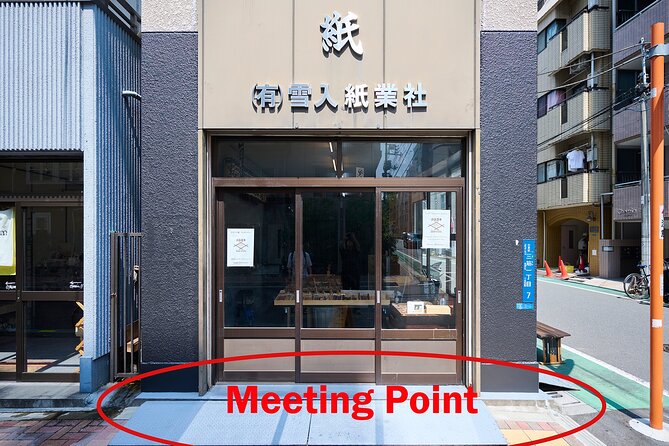
The workshop takes place at Hashiyuki Chopsticks Shop & Workshop in Misuji, Taito-ku. The address is 1-7-1 Misuji, and the Japanese name shown at the meeting point is 雪入紙業社, or Yukiirishigyosya. The listed coordinates are 35.7032168, 139.7853879, useful if you are checking the location on a map.
This part of Taito is described as one of Tokyo’s timeless craft neighborhoods. That setting adds something important to the activity. You are not simply sitting in a generic tourist studio making a souvenir. You are visiting an area associated with small-scale Japanese workmanship, where an ordinary household item becomes the focus of a careful craft lesson.
The shop itself is the workshop, so you should expect a practical setting rather than a large museum-style attraction. That is part of the appeal. The experience feels close to the workbench, and the small size lets staff keep an eye on your progress.
I would allow enough time to find the address before your start time. The supplied information does not give a detailed route from a particular station, so use the full street address, Japanese name, or coordinates rather than relying only on the English shop name.
A few more options to weigh up in Tokyo
- Tokyo Disney Resort – Tokyo Disneyland & Tokyo DisneySea Park Tickets
★ 4.8 · 99,488 reviews - SHIBUYA SKY Ticket
★ 4.7 · 46,509 reviews - JR Whole Japan Rail Pass
★ 4.8 · 29,150 reviews
Choosing wood before the shaping begins
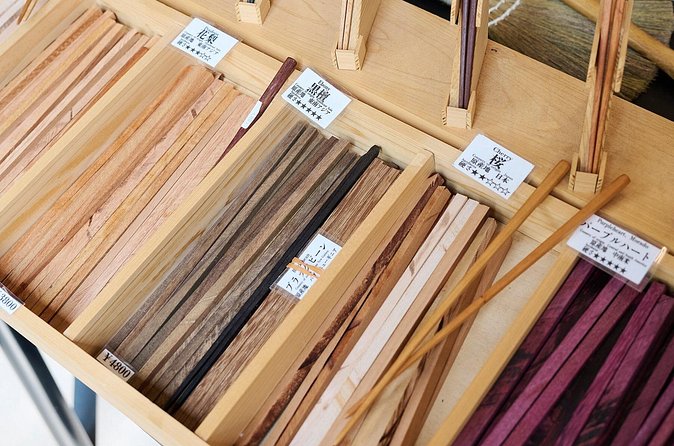
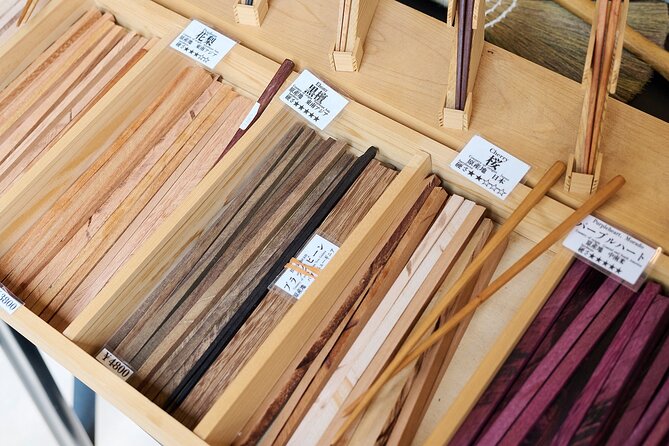
A key part of the workshop is choosing your material. You can select from more than 10 kinds of wood, with three wood types included in the basic price. Higher-grade woods cost extra, so ask about the price before you commit to one.
This choice gives the activity more character than a standard paint-your-own souvenir. Different woods can vary in color, grain, feel, and weight, and the act of comparing them helps you see chopsticks as crafted objects rather than disposable dining tools.
You do not need to arrive with woodworking experience. The activity is designed for beginners, and the staff explain the differences between the wood types as part of the process. Tomo and Angie, for example, are praised for explaining both the shaving and sanding stages, as well as the wood choices.
If you are watching your budget, stick with one of the three included woods. At $16, the base price already offers good value. Paying extra only makes sense if you care about a particular grain, color, or more premium finish.
Shaping chopsticks with traditional tools
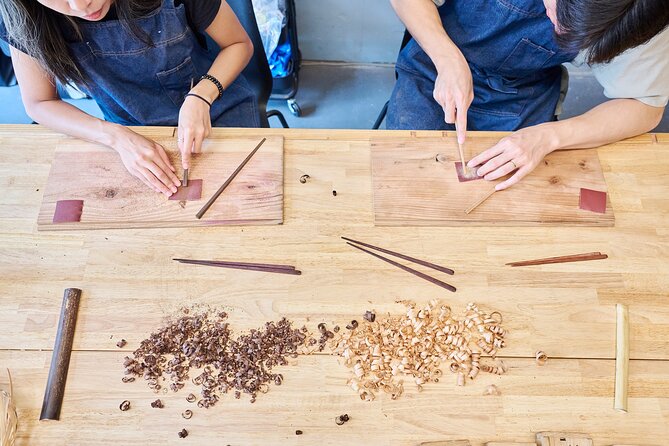
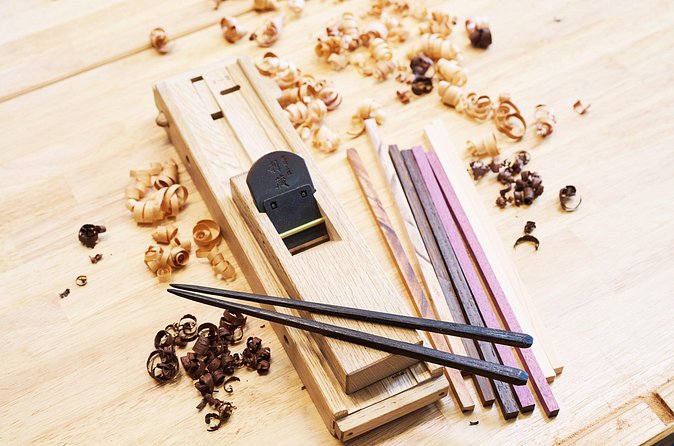
Once you have your wood, the practical work starts. Under guidance from the artisan, you shape the blanks, gradually bringing them closer to the familiar chopstick form. You will shave the wood, check your progress, and correct small mistakes with help from the staff.
This is the heart of the experience. You are not expected to work alone, and you do not need perfect technique at the start. The instructors show you what to do, then let you try. If your shape goes a little wrong, staff can guide you back on course.
That balance is why the activity works well for first-time makers. It offers enough challenge to feel real, but it is not presented as a test. One participant described the process as difficult enough to be fun without becoming stressful. Another noted that a skilled person could finish in about 30 minutes, although the scheduled session lasts an hour.
You should take your time during this stage. The goal is not merely to finish first. The pleasure comes from seeing rough wood become a pair of objects that match your hand and your choices.
Sanding and finishing your personalized pair
After shaping, you smooth the surface. Sanding takes patience, especially if you want chopsticks that feel comfortable between your fingers. The instructor can help you spot rough sections and explain how to improve the finish.
This stage is quieter than the initial carving. Several people found the workshop peaceful, and that makes sense. The work is repetitive, focused, and far removed from the speed of Tokyo’s main shopping streets. You have something simple to concentrate on, with a finished result taking shape in front of you.
The workshop is also social without requiring constant conversation. Staff speak with participants in English and Japanese, and the small group format makes it possible to ask questions. Yuki has been praised for clear English and for offering a ramen recommendation, while Angie, Chihiro, and Kaana are noted for being warm and encouraging.
The final result will reflect your own handwork. That is a strength, but it also means the chopsticks may not look factory-perfect. Small differences in shape are part of the story. If you want a flawless manufactured pair, buy one in a shop. If you want a useful object connected to your time in Tokyo, making it yourself is more rewarding.
A completely different kind of day out:
- Mt Fuji and Hakone 1-Day Bus Tour Return by Bullet Train
★ 5.0 · 26,383 reviews - TOKYO SKYTREE® Ticket
★ 4.7 · 25,136 reviews - teamLab Borderless Tickets: MORI Building DIGITAL ART MUSEUM
★ 4.7 · 24,126 reviews - teamLab Planets TOKYO Ticket
★ 4.7 · 21,663 reviews
Engraving and the finished souvenir
Personalization does not stop with the shape. An engraving option is available for an additional ¥1,000. You can use it to add a name or create a more personal gift. One participant had a best friend’s name engraved, while another recommended paying the extra charge because the engraving was beautifully done.
Ask about the engraving cost and available choices before finishing your booking or workshop session. It is not included in the $16 base price, and the supplied details do not specify the exact lettering options.
At the end, your personalized chopsticks are wrapped beautifully and ready to take home the same day. That immediate finish matters if you are near the end of your Japan trip or do not want another item shipped later.
As a souvenir, chopsticks are easy to pack and useful after you return home. They can also make a thoughtful gift for someone who appreciates Japanese food or craft. The personal connection is stronger than it would be with a mass-produced pair picked up at an airport.
Is one hour enough?
The official duration is one hour, and most people should plan around that full allocation. The work itself may take less time if you move quickly, but the hour allows for explanation, wood selection, shaping, sanding, and finishing.
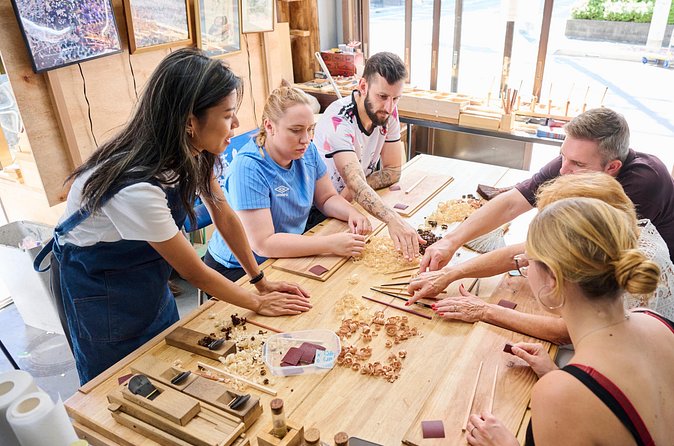
There is one practical warning. When about 10 people are present, the room can feel crowded, particularly if groups begin at different times. One participant felt rushed because two employees were assisting a full group in a small space, and the staggered starts made the staff move quickly between people.
That does not make the activity a poor choice, but it affects how you should approach it. Do not book this expecting a long, slow woodworking class. Think of it as a compact introduction to Japanese craft. If a calm pace matters most to you, a less busy time may be preferable, although no specific time can be guaranteed from the information provided.
At quieter sessions, the experience can feel much more personal. A 9 a.m. booking once had only two participants, and the staff still ran the workshop for them. That kind of flexibility is a real advantage for couples or solo visitors.
Why the $16 price is reasonable
At $16, the workshop sits in the affordable range for a Tokyo cultural activity. You receive the lesson, tools, materials, access to the included wood choices, and a finished pair of personalized chopsticks to take home.
The value is not just in the item. A ready-made pair may cost less elsewhere, but it will not carry the memory of shaping and sanding it yourself. You also get a short introduction to Japanese craftsmanship and the cultural importance of chopsticks in daily life.
Budget for extras if you want them. Higher-grade woods cost more, and engraving costs about ¥1,000. The base price remains attractive if you choose one of the included woods and skip optional engraving.
I see this as particularly good value for families and small groups. A family of five, with ages ranging from 8 to 42, found the activity suitable for everyone. That range suggests the session can bridge age gaps better than many sightseeing stops, since each person works at their own level.
Who will enjoy this workshop most?
I would recommend this activity to you if you like practical cultural experiences, small workshops, and souvenirs with a story. It is also a good choice if you have already spent several days visiting temples, shopping districts, and major sights and want a slower hour.
Solo visitors can fit in comfortably, especially because the staff are willing to offer conversation and Tokyo suggestions. Couples can make matching or contrasting pairs. Families can share the work while each person creates something individual.
The workshop is also suitable for first-time crafters. Instructions are described as simple and direct, and the staff help repair mistakes. English and Japanese are available, so you do not need to speak Japanese to follow the activity.
You may want to skip it if you dislike hands-on work or prefer a polished souvenir with no chance of uneven shaping. You should also think twice if you need a very spacious, unhurried studio setting. A full group can make the one-hour schedule feel brisk.
The activity is wheelchair accessible, which makes it a useful option for visitors checking practical access needs. The group limit is 10 people, though the exact feel depends on how many people are booked and whether sessions overlap.
Helpful booking advice for your Tokyo day
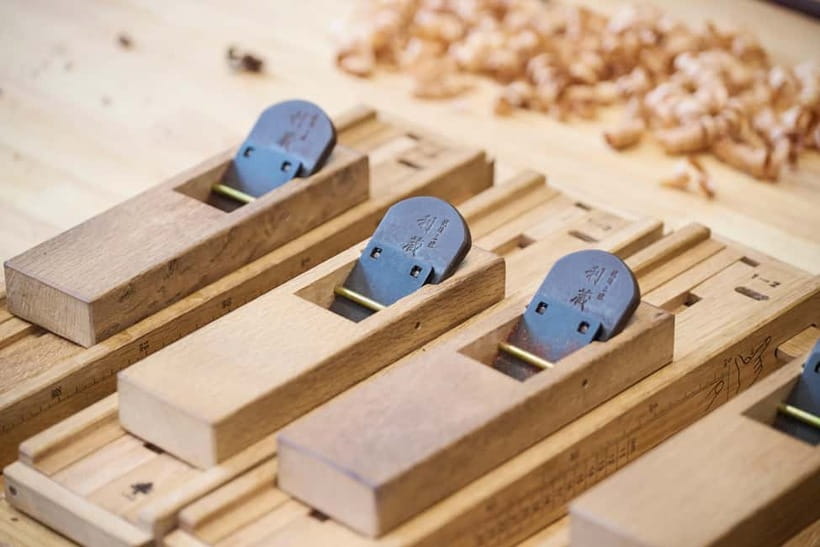
Keep the experience to one compact hour, but allow extra time around it for finding the shop and moving on to your next activity. The workshop is in Taito, so it can fit well into a day focused on Tokyo’s traditional craft and old neighborhood atmosphere.
Choose your wood with care, but do not feel pressured into the most expensive option. The three included types are enough to make the experience worthwhile. Ask about the higher-grade woods before selecting one, and confirm the ¥1,000 engraving charge if you want names added.
If you are traveling with children, explain beforehand that the finished chopsticks may show small handmade differences. That turns any imperfection into part of the fun instead of a disappointment.
The strongest part of the experience is the staff support. Yuki, Angie, Chihiro, Victoria, Kaana, Tomo, and others are repeatedly praised for patience, friendliness, and clear explanations. That matters in a craft class. Good instruction keeps the process relaxing rather than frustrating.
Should you book the chopstick workshop?
Yes, if you want an affordable, useful souvenir and an hour of focused activity in Tokyo. The $16 price is fair, the small group limit is helpful, and the English-speaking staff make the process accessible to beginners.
Book it with realistic expectations. It is a compact workshop, not a full-day apprenticeship, and a full room may feel rushed. Choose one of the included woods to keep the cost down, add engraving only if the gift matters enough to justify ¥1,000, and give yourself time to enjoy the shaping instead of racing to the finish.
For families, couples, solo visitors, and anyone who values handmade objects, this is an easy recommendation. You leave with chopsticks, but the better souvenir is the memory of making something ordinary with your own hands.
FAQ
How long does the chopstick-making workshop last?
The scheduled duration is one hour. Some people may finish in about 30 minutes if they work quickly, but you should plan for the full hour.
How much does the workshop cost?
The listed price is $16 per person. Higher-grade wood options and engraving cost extra.
Where does the workshop take place?
It takes place at Hashiyuki Chopsticks Shop & Workshop, 1-7-1 Misuji, Taito-ku, Tokyo. The Japanese name shown for the meeting point is 雪入紙業社, or Yukiirishigyosya.
How many types of wood can I choose from?
You can choose from more than 10 types of wood. Three types are included in the basic price, while other high-grade woods require an additional fee.
Can I take my chopsticks home the same day?
Yes. You take your personalized chopsticks home at the end of the session, and they are wrapped for you.
Is engraving available?
Yes. Engraving is available for an additional cost of about ¥1,000.
Are tools and materials provided?
Yes. The workshop includes all tools and materials needed to make your chopsticks.
Is the workshop suitable for beginners?
Yes. The experience is designed for beginners, and staff provide step-by-step guidance while you shape and smooth the wood.
What languages do the instructors speak?
Instruction is available in English and Japanese.
Is the workshop wheelchair accessible?
Yes. The activity is listed as wheelchair accessible, and the group size is limited to 10 participants.
Just added in Tokyo
- A One-of-a-Kind Sushi Experience in a Special Place of Japan★ 5.0 · 15 reviews
- Tokyo Cute Bento Cooking Class – Make a Kawaii Character Lunchbox★ 5.0 · 126 reviews
- Japanese Home Cooking Class & Walk in Todoroki Temple Tokyo★ 5.0 · 88 reviews
- Japan Tokyo Tower Observatory Deck E-Ticket★ 4.0 · 34 reviews
- Catch a Baseball Game in Tokyo with a Local – Tickets Included★ 5.0 · 24 reviews
- Japan Classic 10 Day – One Life Adventures★ 5.0 · 129 reviews
- JDM Experience with Fast&Furious RX-7 (English speaking Driver)★ 5.0 · 57 reviews
- Tokyo Private Day Tour by Car with English speaking Driver Guide★ 4.0 · 29 reviews
Workshops, compared.
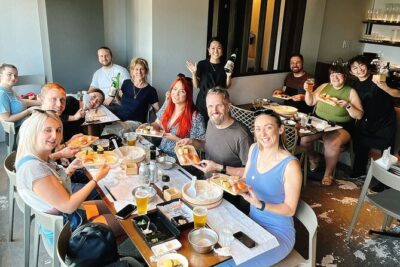
Sushi Making Tokyo Roll and Authentic Japanese Sushi Class
Read our review →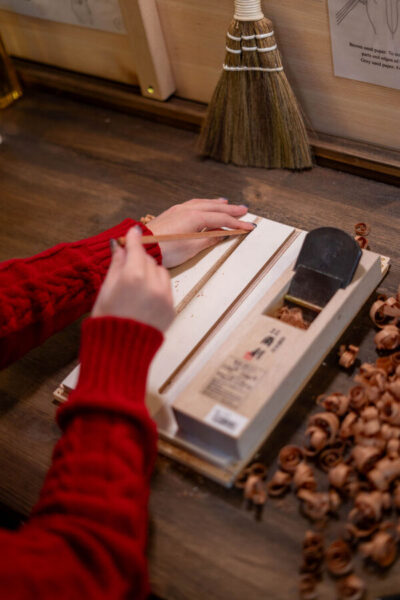
Gion Make Your Own Chopsticks with Engraving Option
Read our review →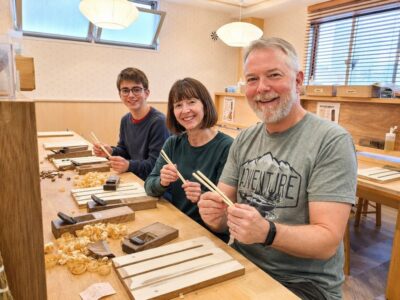
Roll and Authentic Sushi Making Class in Asakusa
Read our review →
Ramen Cooking Class at Ramen Factory in Kyoto
Read our review →
Tokyo Asakusa Chopsticks Workshop: Make Your Own Pair
Read our review →
Ring Making Workshop : Vintage Japanese Coin Ring
Read our review →Browse the lists this tour appears in