

Reviewed · WORKSHOPS
Tokyo: Edo Kiriko Traditional Glass Carving Class
Small craft, lasting souvenir. This 90-minute Edo Kiriko class lets you make a real Japanese glass artwork instead of simply buying one, with a lecturer nearby to guide your hand. I especially like the choice of more than 20 glasses and dozens of patterns, plus the calm, small-group setting praised by participants. The main consideration is simple: carving takes patience, and your first lines may come out crooked.
I also like the easy Asakusa location, only about 30 seconds from the station and close to Senso-ji. English instruction is available, and instructors such as Ze are praised for being calm, clear, and encouraging. Still, this is a hands-on craft class, not a polished demonstration, so the finished glass may show a few marks of your learning.
In This Review
- Key points to know before you book
- Why Edo Kiriko makes a better souvenir
- Finding Sokichi near Asakusa Station
- Choosing your glass and pattern
- The practice session saves beginners
- What the 90-minute class feels like
- English instruction and the role of the lecturer
- What you take home
- Is $30 a fair price?
- Who should book this class?
- Smart tips for a smoother visit
- Should you book the Edo Kiriko class?
- FAQ
- How long does the Edo Kiriko glass carving class last?
- How much does the class cost?
- Where does the class meet?
- Is transportation included?
- What languages are available for instruction?
- Do I need previous glass-carving experience?
- Can I choose my own glass?
- Can I choose my own pattern?
- What should I bring?
- Can I cancel for a full refund?
Key points to know before you book

- Edo Kiriko has more than 180 years of Japanese craft tradition, giving the activity cultural value beyond the finished souvenir.
- You choose your own glass and pattern, with six types of clear and colored glass, including blue, pink, and yellow.
- Practice comes before the final design, which makes the class friendly for beginners who have never cut glass.
- English and Japanese instruction is available, and instructor Ze has earned special praise for patient, supportive teaching.
- The class is near Asakusa Station, with Senso-ji about five minutes away and Tokyo Skytree roughly 15 minutes away.
- At $30 per person, the class offers a personal souvenir and 90 minutes of guided activity for a reasonable Tokyo price.
Why Edo Kiriko makes a better souvenir
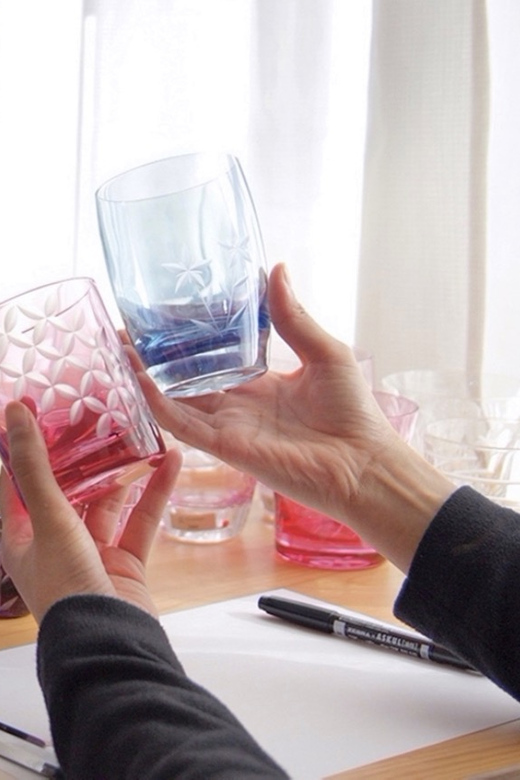
Edo Kiriko is a traditional Japanese glass-cutting craft with more than 180 years of history. Instead of shaping hot glass, you carve patterns into the surface of a finished glass. The cuts catch the light, creating the sharp, decorative effect that makes Edo Kiriko famous.
That distinction matters. You are not just painting a cup or assembling a quick craft kit. You are learning one small part of a long-established Japanese art form, using a technique that rewards control and care.
Your finished piece will not look like the work of a master. That is part of the appeal. The instructors may refine a line or correct an uneven mark, but you still leave with something you helped create. One participant described bringing home a piece with some corrected etching and still feeling proud of the result. That is a fair way to think about the class.
A few more options to weigh up in Tokyo
- Tokyo Disney Resort – Tokyo Disneyland & Tokyo DisneySea Park Tickets
★ 4.8 · 99,488 reviews - SHIBUYA SKY Ticket
★ 4.7 · 46,509 reviews - JR Whole Japan Rail Pass
★ 4.8 · 29,150 reviews
Finding Sokichi near Asakusa Station
You begin at Sokichi, a shop about a 30-second walk from Asakusa Station. The workshop room is above a glassware shop, a fitting location that makes the arrival feel connected to the craft rather than tacked onto a sightseeing route.
The shop staff will direct you to the class room. One participant noted that the entrance is on a small side street, but easy to find, with someone waiting outside at arrival time. Even so, I would allow a few extra minutes to locate the correct doorway, especially if you are arriving in Asakusa for the first time.
This location works well in a Tokyo itinerary. Senso-ji is about five minutes away, and Tokyo Skytree is roughly 15 minutes away according to the practical directions provided by a participant. You can place the class between sightseeing stops without losing a large part of your day.
Transportation is not included, but that is less of a problem here than it would be for a workshop outside central Tokyo. The short walk from the station keeps the logistics simple.
Choosing your glass and pattern

Once you reach the workshop, you choose the glass that will become your artwork. You can select from more than 20 kinds of glasses and dozens of pattern samples, giving you plenty of room to make a personal choice.
The course includes six types of clear and colored glass. The colored options include blue, pink, and yellow. Your selection affects how the cuts appear, so the pattern is only half of the decision. A design that looks delicate on clear glass may appear bolder on a colored piece.
The instructors can explain how different designs may look on different glasses. This is useful because a pattern sample is not always enough to show how your finished cup will catch light. If you are unsure, ask before making your selection. The choice is one of the best parts of the session, but it can also take a little time.
You will find beginner and more advanced pattern options. The levels are designed to remain friendly to first-time participants, but the difference in difficulty still matters. Simple stars or other basic marks give you a better chance of producing clean lines. More detailed patterns may look impressive, but they demand steadier control.
The practice session saves beginners
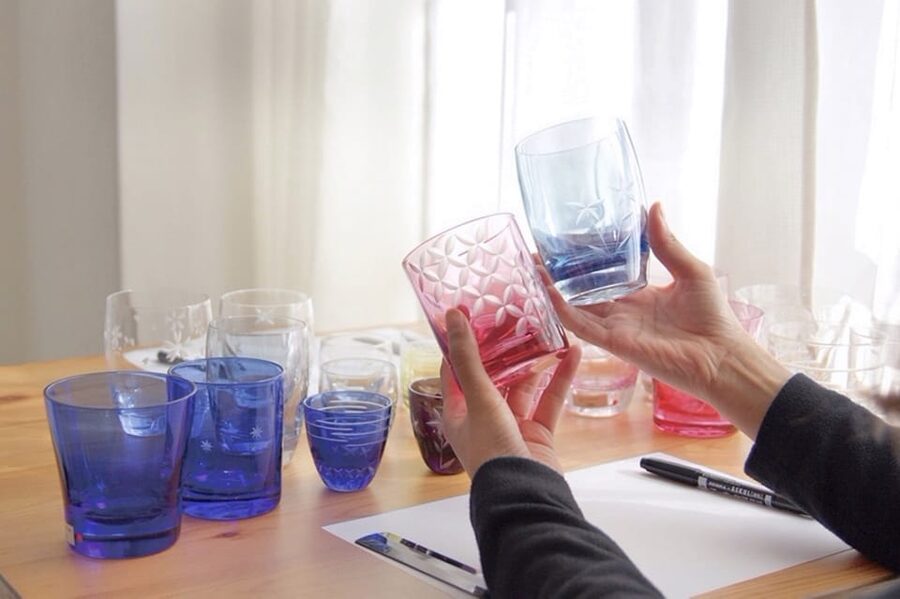
The class does not send you straight into your final glass. You first get a chance to practice, including simple star shapes. This is a major strength because the cutting tool requires more precision than you might expect.
The basic motion is straightforward. Accuracy is the hard part. You may learn the technique quickly, but getting every line to land exactly where you want it takes practice. That balance makes the activity satisfying: you can begin at once, but there is still a real skill to work toward.
I would take the practice stage seriously. Use it to learn how much pressure feels comfortable and how the tool responds when you change direction. If your first attempt looks rough, that is useful information rather than a bad start.
Participants have specifically praised the chance to practice as much as needed before working on the actual glass. The instructor may point out mistakes, offer a correction, or suggest a simpler approach. That support makes a difference, especially when you are trying to create a neat pattern while also enjoying the moment.
A completely different kind of day out:
- Mt Fuji and Hakone 1-Day Bus Tour Return by Bullet Train
★ 5.0 · 26,383 reviews - TOKYO SKYTREE® Ticket
★ 4.7 · 25,136 reviews - teamLab Borderless Tickets: MORI Building DIGITAL ART MUSEUM
★ 4.7 · 24,126 reviews - teamLab Planets TOKYO Ticket
★ 4.7 · 21,663 reviews
What the 90-minute class feels like
The full session lasts 90 minutes. That is long enough to learn the method, practice, choose your glass and pattern, and work on the final piece without turning the activity into an all-day commitment.
One participant described spending the entire hour and a half in the class while feeling that the time passed quickly. That fits the format. You have several small decisions to make, then the carving itself keeps your attention. This is a quiet activity rather than a high-energy attraction, which gives you a useful break from Tokyo sightseeing.
Group size can affect the quality of the class. A small group of four was described as peaceful, with enough support time for each person. No fixed maximum group size is provided, so you should not assume every session will have exactly four people. Still, the available feedback points to a setting where the instructor can offer individual help.
The class includes a lecturer and colored glass. Transportation is not included, and you handle your own journey to Sokichi. A hair tie is listed as something to bring, so long hair should be secured before you begin.
English instruction and the role of the lecturer
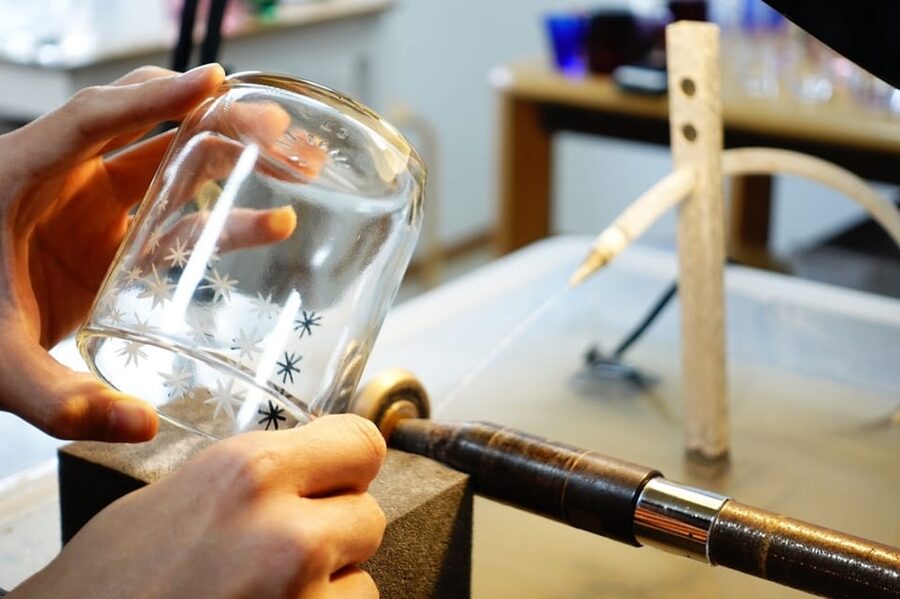
Instruction is available in English and Japanese. The strongest praise centers on patient, clear teaching rather than a fast lecture followed by trial and error.
Instructor Ze is singled out for being kind, patient, and thorough. Another participant noted that the English instruction was fully proficient, with clear and supportive corrections. An instructor also explained how certain designs would look on different glasses, which is precisely the kind of practical help you want before starting the final piece.
The tone seems encouraging. Beginners have described early attempts as less than perfect, then ended up happy with the final result. That is important because glass carving can feel intimidating at first. You are not expected to produce expert work on the first try.
The cultural background is present, though you may need to ask questions or request a pamphlet for more information. If learning about Edo Kiriko matters to you, do not simply focus on the tool and glass. Ask the lecturer about the craft, the patterns and what makes the technique traditional.
What you take home
The main reward is a handmade glass that you can keep. It becomes a useful reminder of Tokyo because it connects your souvenir to an activity you actually did, rather than to a shop shelf.
The finished object may not be perfect. Expect a few uneven lines, especially if this is your first time. That is not a flaw in the class. It is the normal result of learning a precise craft in 90 minutes.
The instructor may refine parts of your work. This does not erase your contribution. It helps protect the final appearance of the glass while keeping the design your own. One participant explained that the instructor corrected crooked etchings, yet the finished piece still felt like a work of art they had made.
Some participants reported taking home two fine glasses. Since the exact number of pieces is not clearly guaranteed in the activity details, you should confirm what your booking includes if that point matters to you. The safe expectation is a handmade glass artwork, with the final result shaped by the class format and your chosen design.
Is $30 a fair price?
At $30 per person, this is a good-value activity if you want more than a quick photo stop. The price includes the glass carving class, lecturer and colored glass. You receive 90 minutes of instruction and leave with a personal souvenir.
Tokyo offers plenty of ways to spend $30, but many purchases provide only a memory of where you went. Here, the money covers a guided skill session and a physical item that carries your own marks. That gives the price more weight than a standard souvenir purchase.
The value is strongest for couples, friends or family members who want a shared activity. You can choose different colors and patterns, then compare the results afterward. It also suits solo visitors who enjoy making things and do not mind concentrating quietly for part of the afternoon.
The value is weaker if you want a quick, effortless activity. You must listen, practice and work carefully. A rushed approach may leave you disappointed with the neatness of your pattern.
Who should book this class?
I would recommend it to first-time craft participants, because the practice stage and patient instruction lower the barrier to entry. You do not need prior glass-cutting experience, and both beginner and expert levels are available in a beginner-friendly format.
It is also a strong choice for families with older children or teenagers, though the supplied details do not specify a minimum age. Check the booking conditions if you are planning to bring young children.
Couples may appreciate the personal nature of the souvenir. Instead of buying matching items, you can make pieces with different colors and patterns that still belong to the same Tokyo memory.
This class is less suitable for anyone who dislikes detailed handwork or expects a fully polished professional result. The technique is accessible, but mastery takes far longer than 90 minutes.
Smart tips for a smoother visit
Arrive with your hair secured if it is long. A hair tie is specifically recommended, and keeping hair out of your face will make it easier to focus on the glass.
Wear something that lets you sit and work comfortably. No special clothing is listed, so there is no need to prepare like you are heading to a formal ceremony.
Ask about the pattern before you commit. The samples are useful, but the lecturer can explain how a design may change when placed on blue, pink, yellow or clear glass.
Use the practice time fully. Try the stars or other simple forms, test your pressure and ask for corrections. The class becomes more rewarding when you treat practice as part of the craft rather than something to hurry through.
If you want more cultural context, ask for the pamphlet or invite the instructor to explain the background of Edo Kiriko. The technique has a long Japanese tradition, but the amount of explanation may depend on the questions you ask.
Book with some flexibility if possible. You can cancel up to 24 hours in advance for a full refund, and the reserve-now, pay-later option lets you keep your plans open. Starting times vary, so check availability for your chosen date.
Should you book the Edo Kiriko class?
You should book this class if you want an affordable, creative stop near Asakusa and like the idea of taking home something made by your own hands. The best reasons are the patient instruction, the wide choice of glass and patterns, the practice period and the easy station location.
I would be especially confident recommending it to beginners. The results may not be perfect, but the format gives you a fair chance to make something attractive and meaningful. If you prefer passive sightseeing or have little patience for careful handwork, choose another activity.
For $30 and 90 minutes, this is a sensible addition to a Tokyo itinerary, particularly before or after Senso-ji. Ask questions, use the practice glass well and choose a pattern that matches your skill level. You will have a better time, and your finished souvenir will have a story behind it.
FAQ
How long does the Edo Kiriko glass carving class last?
The class lasts 90 minutes.
How much does the class cost?
The listed price is $30 per person.
Where does the class meet?
The experience begins at Sokichi, about a 30-second walk from Asakusa Station.
Is transportation included?
No. Transportation to and from the meeting point is not included.
What languages are available for instruction?
Instruction is available in English and Japanese.
Do I need previous glass-carving experience?
No. The class is beginner-friendly, and you can choose from beginner through expert-level designs.
Can I choose my own glass?
Yes. You can choose from more than 20 kinds of glasses, including six types of clear and colored glass. Colored options include blue, pink and yellow.
Can I choose my own pattern?
Yes. Dozens of pattern samples are available for you to review before starting.
What should I bring?
You should bring a hair tie.
Can I cancel for a full refund?
Yes. You can cancel up to 24 hours in advance for a full refund.
Just added in Tokyo
- A One-of-a-Kind Sushi Experience in a Special Place of Japan★ 5.0 · 15 reviews
- Tokyo Cute Bento Cooking Class – Make a Kawaii Character Lunchbox★ 5.0 · 126 reviews
- Japanese Home Cooking Class & Walk in Todoroki Temple Tokyo★ 5.0 · 88 reviews
- Japan Tokyo Tower Observatory Deck E-Ticket★ 4.0 · 34 reviews
- Catch a Baseball Game in Tokyo with a Local – Tickets Included★ 5.0 · 24 reviews
- JDM Experience with Fast&Furious RX-7 (English speaking Driver)★ 5.0 · 57 reviews
- Tokyo Private Day Tour by Car with English speaking Driver Guide★ 4.0 · 29 reviews
- Japan Classic 10 Day – One Life Adventures★ 5.0 · 129 reviews
Workshops, compared.

Sushi Making Tokyo Roll and Authentic Japanese Sushi Class
Read our review →
Gion Make Your Own Chopsticks with Engraving Option
Read our review →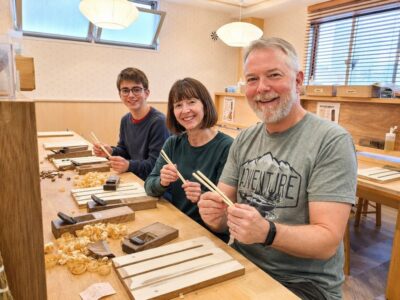
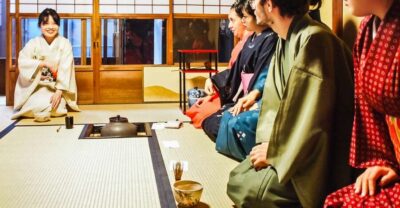
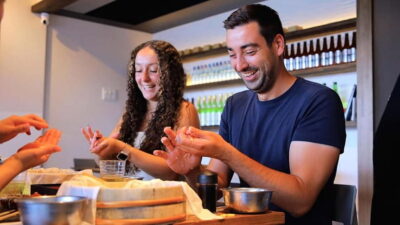
Roll and Authentic Sushi Making Class in Asakusa
Read our review →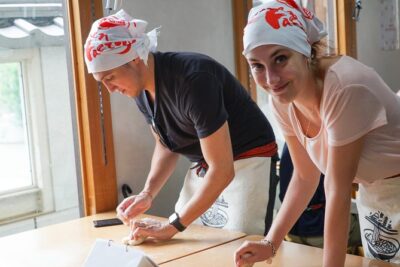
Ramen Cooking Class at Ramen Factory in Kyoto
Read our review →
Tokyo Asakusa Chopsticks Workshop: Make Your Own Pair
Read our review →
Ring Making Workshop : Vintage Japanese Coin Ring
Read our review →Browse the lists this tour appears in