Reviewed · TOKYO TOURS
Tokyo Food and Culture tour (Shibuya and Harajyuku)
Tokyo rewards curious walkers. This private tour links Harajuku’s kawaii shops with Shibuya’s famous crossing, then adds Japanese snacks, lunch, and stories you could easily miss alone. I like the personal format, since you can ask questions as they arise, and I like the care taken with the food stops, especially for families who want more than a standard sightseeing walk. The main consideration is the price: at $150.24 per person, it makes the most sense if you value a private guide and a food-focused introduction to two busy Tokyo districts.
The experience lasts about four and a half hours and begins at the Hachiko Statue at 10:30 am. It ends on Takeshita Street, so you finish in the middle of Harajuku rather than returning to Shibuya. Guide Mami received special praise for making a family of six feel comfortable, patient, and well fed without repeating food they had already tried in Tokyo.
In This Review
- Key points at a glance
- Why this private Tokyo tour works
- Starting with Hachiko and Shibuya’s famous crossing
- Tasting Tokyo beyond the usual food list
- Harajuku and the energy of Takeshita Street
- A quick stop at Miyashita Park and the KITKAT Chocolatory
- What the four and a half hours feel like
- Is $150.24 per person a fair price?
- Who should book this experience?
- Should you book the Shibuya and Harajuku food tour?
- FAQ
- How long is the Tokyo Food and Culture tour?
- What time and where does the tour begin?
- Where does the tour end?
- Is this a private tour?
- Are food and drinks included?
- Can I cancel for a full refund?
Key points at a glance
- A private group of your own: You can ask as many questions as you like, and only your group takes part.
- Hachiko gives Shibuya a human story: The famous Akita dog statue is more than a meeting point, with a loyal story shared for a century.
- Food goes beyond familiar sushi: The tour includes traditional Japanese treats, sumo wrestler food, Tokyo-style pancakes, locally made candy, snacks, and lunch.
- Harajuku is your colorful finale: You have time around Takeshita Street for kawaii boutiques, candy stores, and souvenirs.
- Miyashita Park adds a shopping stop: The fashion arcade includes the KITKAT Chocolatory, where you can look for Japanese KitKats.
- The walking is manageable but real: You need a moderate fitness level, and the tour is best for people comfortable spending much of the morning on foot.
Why this private Tokyo tour works
I see the appeal of this experience in its mix. Shibuya and Harajuku are easy places to visit on your own, but it is also easy to spend the day taking photos, buying sweets, and missing the stories behind the streets.
A private guide changes the pace. You can ask why a place matters, check the meaning of an unfamiliar food, or adjust the conversation to suit your group. If you are traveling with children, older family members, or people with different levels of interest in fashion and food, that flexibility has real value.
The food element also gives the walk a purpose. Instead of simply moving from one famous sight to another, you get chances to taste items tied to Tokyo’s everyday food culture. The exact food sequence is not specified, so you should not book this expecting a fixed menu. You can expect snacks and lunch, with traditional treats that may include food associated with sumo wrestlers, Tokyo-style pancakes, and locally made candy.
The tour has a perfect five-star rating from 15 reviews, with 100 percent recommending it. That is a small sample, so I would not treat it as proof that every departure will suit every person. Still, the strongest praise is specific: Mami was patient with a family of six, kept the day fun, and introduced foods that felt different from what they had already eaten during four days in Tokyo.
A few more options to weigh up in Tokyo
- Tokyo Disney Resort – Tokyo Disneyland & Tokyo DisneySea Park Tickets
★ 4.8 · 99,488 reviews - SHIBUYA SKY Ticket
★ 4.7 · 46,509 reviews - JR Whole Japan Rail Pass
★ 4.8 · 29,150 reviews
Starting with Hachiko and Shibuya’s famous crossing
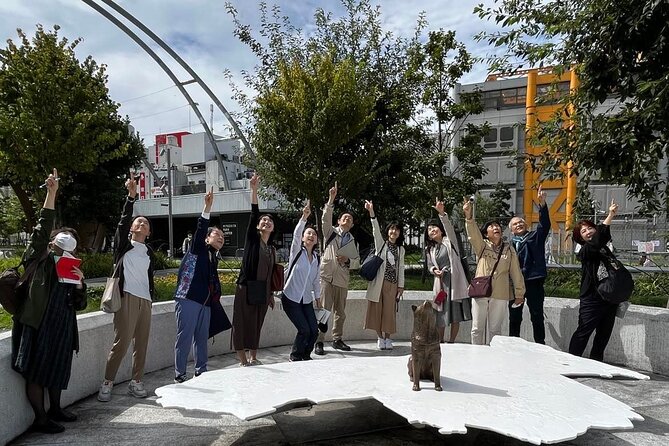
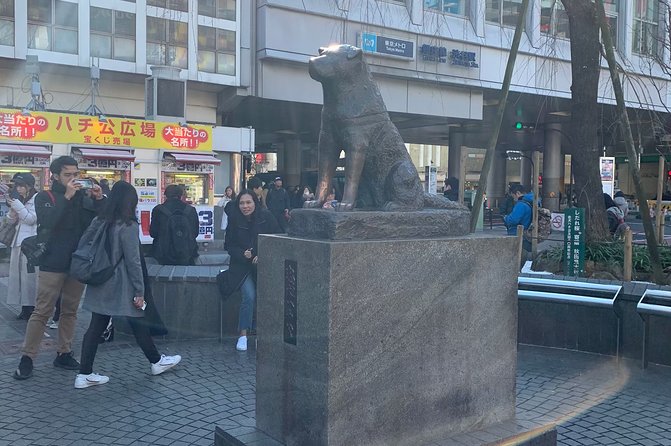
The meeting point is the Hachiko Statue at 2 Chome-1 Dogenzaka in Shibuya. This is a practical place to begin because Hachiko is one of Tokyo’s best-known meeting points, but it can also be crowded and confusing around the station.
Your first stop is Hachiko itself, with about 10 minutes for photos and the story of the loyal Akita dog. The tale has been shared for a century, and it gives the morning a warmer beginning than a quick photo stop at an ordinary monument. I like that this part puts Shibuya’s famous public space into a human frame.
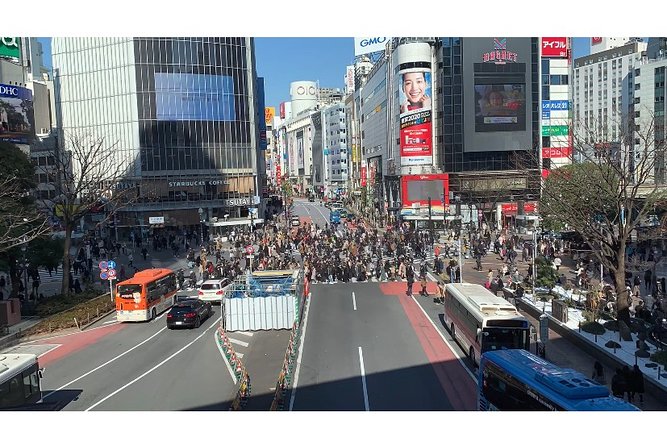
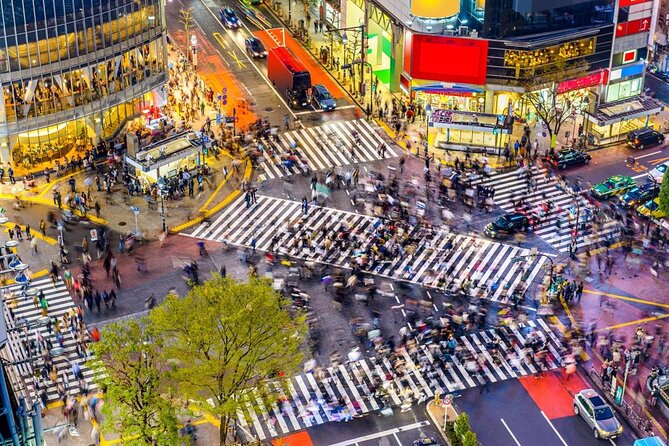
From there, you see Shibuya Crossing, the intersection recognized around the world. The scheduled visit lasts about 20 minutes, enough time to watch the crossing and take photos without allowing it to consume the whole tour.
You should keep your expectations sensible. Shibuya Crossing is a short experience, not a full attraction with an extended visit. Its value comes from seeing the movement in person and having a guide explain the setting while you are there. A private guide can also help you decide where to look and when to cross, rather than leaving you to guess from the edge of the crowd.
This is one reason the walking format helps. The tour is not built around long vehicle transfers or distant viewpoints. You see the street at ground level, where signs, storefronts, people, and small details compete for attention.
Tasting Tokyo beyond the usual food list
Food is the part that gives this tour its strongest identity. The experience includes snacks and lunch, and the description points to a range of Japanese treats rather than one formal restaurant meal.
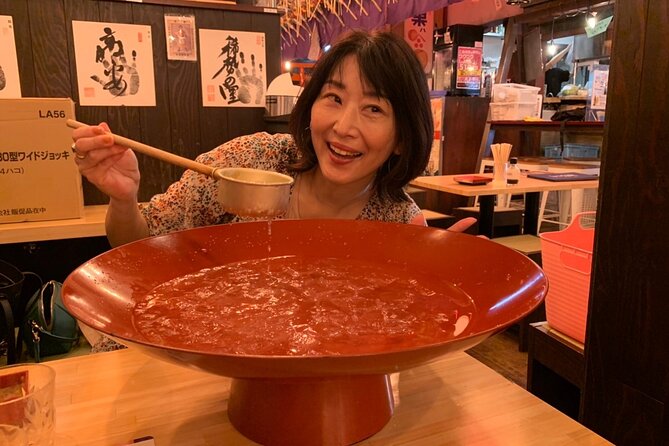
You may try food connected with sumo wrestlers, Tokyo-style pancakes, and candy made locally. Those examples suggest a casual, varied tasting experience. I would see it as a chance to learn how food fits into Tokyo’s popular culture, not as a specialist culinary class.
The family experience with Mami is useful here. After four days in Tokyo, the group still found that the foods offered did not repeat items they had already eaten. That tells me the guide made an effort to keep the food choices distinctive, although no tour can promise that every group will receive exactly the same selections.
A private setting is particularly useful when food preferences become part of the conversation. You can ask what you are eating and how it is usually enjoyed. If you have dietary restrictions, the supplied information does not confirm that the tour can accommodate them, so you should ask the provider before booking rather than assume.
Alcohol is not included. That keeps the experience focused on food and sightseeing, but you should budget separately if you want drinks during or after the tour. Insurance is also not included.
Harajuku and the energy of Takeshita Street
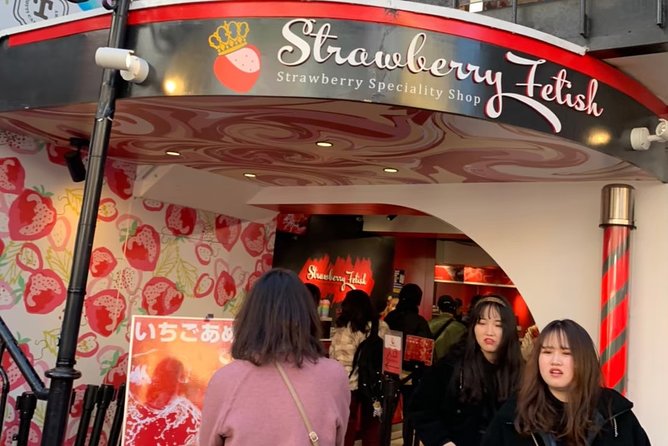
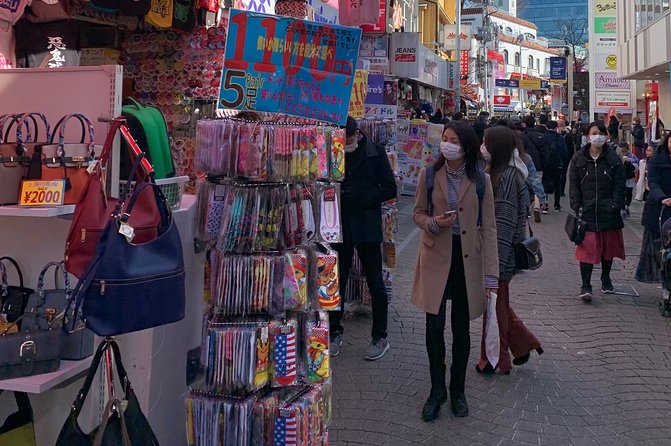
The tour gives Harajuku its longest named stop, about 40 minutes. Harajuku is presented as the center of Japanese kawaii, or cute, culture, with trendy boutiques and candy stores packed around Takeshita Street.
Takeshita Street is a useful place to see a very different side of Tokyo from Shibuya. Shibuya is known for scale, traffic, and a famous intersection. Harajuku turns your attention toward fashion, character goods, sweets, and youthful street style.
Forty minutes is enough for an introduction, a few photos, and some browsing. It is not enough to examine every boutique or shop slowly, so the tour wisely includes free time for shopping and exploration. If you already know you want a particular souvenir, note it before you arrive. The street offers many distractions, and time can disappear quickly.
The tour ends at Takeshita Street, at 1 Chome-6 Jingumae. That is convenient if you want to continue exploring Harajuku afterward. It also means you should not plan on returning to the starting point as part of the experience. If your next activity is in Shibuya, allow time and arrange your own transport after the tour.
Harajuku can be crowded, and the shopping areas are visually busy. I would not choose this tour for someone who dislikes dense commercial streets. For everyone else, the guide’s commentary and food stops can make the area feel less like a shopping maze.
A completely different kind of day out:
- Mt Fuji and Hakone 1-Day Bus Tour Return by Bullet Train
★ 5.0 · 26,383 reviews - TOKYO SKYTREE® Ticket
★ 4.7 · 25,136 reviews - teamLab Borderless Tickets: MORI Building DIGITAL ART MUSEUM
★ 4.7 · 24,126 reviews - teamLab Planets TOKYO Ticket
★ 4.7 · 21,663 reviews
A quick stop at Miyashita Park and the KITKAT Chocolatory
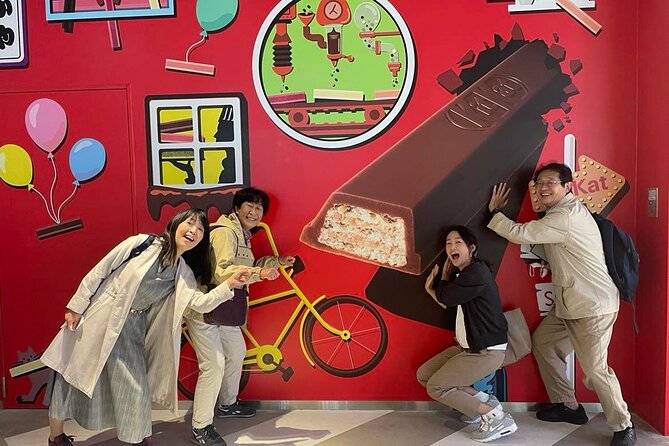
Miyashita Park adds a modern shopping break to the food walk. The stop at the KITKAT Chocolatory lasts about 10 minutes and admission is included.
You can look for different kinds of KitKat and choose a souvenir. This is a small stop, but it fits the theme well: Japanese snack culture often includes unusual flavors, attractive packaging, and gifts designed to travel home easily.
The time limit matters. Ten minutes is enough to browse and make a quick purchase, but not enough for a long shopping session. If you are serious about buying gifts, you may want to return after the tour or use the free time in Harajuku for additional shopping.
Miyashita Park is described as a fashion arcade, so the stop is not only about chocolate. It gives you another look at the way food, fashion, and retail overlap in modern Tokyo. For a first visit, that connection is more useful than a string of unrelated photo stops.
What the four and a half hours feel like
The named sightseeing stops account for about 80 minutes: 40 minutes in Harajuku, 20 minutes at Shibuya Crossing, 10 minutes at Hachiko, and 10 minutes at Miyashita Park. The rest of the roughly four-and-a-half-hour tour allows time for walking between areas, eating, conversation, and free exploration.
That is important when you plan your day. This is not a rushed checklist of major attractions, but it is also not an all-day neighborhood tour. You get a half-day introduction with enough room for food and questions.
The start time is 10:30 am. I like this for visitors who want a morning that does not begin at dawn, though you should remember that Tokyo’s popular areas can already be active by then. Wear comfortable shoes and expect regular walking. The physical requirement is listed as moderate, so the tour is not designed for someone who needs to avoid walking or standing for long periods.
Because the tour is private, the group size is determined by your booking rather than mixed with strangers. That is a major benefit for families and friends. It also explains part of the higher price.
Is $150.24 per person a fair price?
At $150.24 per person, this is not the cheapest way to see Shibuya and Harajuku. You can visit Hachiko, Shibuya Crossing, Takeshita Street, and Miyashita Park without a paid guide.
The price becomes easier to justify when you value the combination of a private guide, lunch, snacks, food interpretation, and time saved organizing the route. You are paying for a more personal morning, not just admission to attractions. Hachiko, Shibuya Crossing, Harajuku, and the shopping areas do not require entry tickets, so the price is mainly tied to the guide service and included food.
For a family or small group, the private format can be good value because the guide can speak directly to your interests. The example of a family of six is useful: Mami was described as accommodating and patient, and the group found the food varied even after several days in Tokyo.
For a solo visitor, the calculation is tougher. You still receive the private attention, but the per-person cost is harder to spread across a group. I would book it if food discovery and local explanation are central to your plans. I would skip it if you mainly want photographs of the crossing and Hachiko, since those are easy to visit independently.
Group discounts are available, which may improve the value for larger parties. Confirmation arrives within 48 hours of booking and depends on availability. Free cancellation is offered up to 24 hours before the local start time, while later cancellations and changes are not accepted.
Who should book this experience?
I think this tour suits first-time Tokyo visitors who want a gentle introduction to two major districts without having to plan every turn. It also fits families, especially those who appreciate a patient guide and a flexible private schedule.
Food-focused visitors will get the most from it, provided they want an informal tasting experience rather than a restaurant-by-restaurant culinary tour. The inclusion of unusual treats, sumo-related food, Tokyo-style pancakes, and locally made candy gives the morning a wider reach than a standard sightseeing walk.
It can also work well late in a Tokyo stay. The family experience suggests that the food choices may remain interesting even after several days of eating around the city. Just remember that the exact menu is not guaranteed.
I would be more cautious if you have limited mobility, dislike crowded shopping streets, or need firm dietary assurances. The activity calls for moderate fitness, and the supplied details do not confirm special meal arrangements.
Should you book the Shibuya and Harajuku food tour?
Book it if you want a private half-day built around food, stories, and street life rather than a simple list of landmarks. The strongest reasons are the personal guide format, the chance to ask questions, the varied snack focus, and the smooth route from Hachiko and Shibuya Crossing to Harajuku’s Takeshita Street.
I would especially consider it for a family or group that can use the group discount. Mami’s patient handling of a six-person family is a good sign for groups that want a relaxed pace.
Skip it if you are comfortable planning your own walk and do not care much about guided food stops. At $150.24 per person, the value depends on how much you want the guide and included lunch and snacks. For the right group, it turns two heavily visited districts into a more personal morning with plenty to taste and talk about.
FAQ
How long is the Tokyo Food and Culture tour?
The tour lasts approximately 4 hours and 30 minutes.
What time and where does the tour begin?
It begins at 10:30 am at the Hachiko Statue, 2 Chome-1 Dogenzaka, Shibuya, Tokyo 150-0043, Japan.
Where does the tour end?
The tour ends on Takeshita Street at 1 Chome-6 Jingumae, Shibuya, Tokyo 150-0001, Japan.
Is this a private tour?
Yes. Only your group participates, and you can ask your guide questions throughout the experience.
Are food and drinks included?
Snacks and lunch are included. Alcoholic beverages are not included.
Can I cancel for a full refund?
Yes. You can cancel at least 24 hours before the local start time for a full refund. Cancellations or changes made less than 24 hours before the tour are not accepted for a refund.
Just added in Tokyo
- Very popular in Harajuku♡Animal petting zoo★ 4.6 · 39 reviews
- Yokohama Port: Private Customizable Tour with Transfer★ 5.0 · 19 reviews
- Wagyu & Sake 8 Course Tasting Dinner in Shinjuku★ 4.9 · 20 reviews
- Warner Bros. Studio Tour Tokyo – The Making of Harry Potter★ 4.8 · 181 reviews
- Yanaka District: Historical Walking Tour in Tokyo’s Old Town★ 4.8 · 117 reviews
- Tokyo: Classic Tsukiji Food Tour★ 4.9 · 78 reviews
- Tokyo: Tsukiji Fish Market Tour with 6 Stops & Seafood Lunch★ 4.5 · 165 reviews
- Tokyo Wagyu & Sake Pairing Tasting Experience with Local Flavors★ 5.0 · 108 reviews
Tokyo Tours, compared.
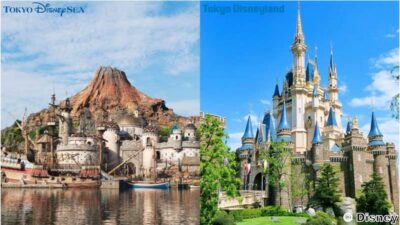
Tokyo Disney Resort – Tokyo Disneyland & Tokyo DisneySea Park Tickets
Read our review →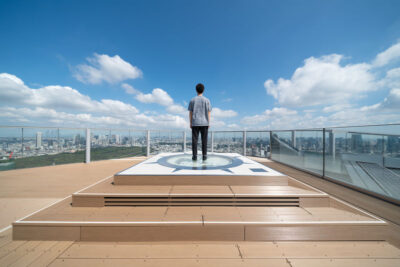
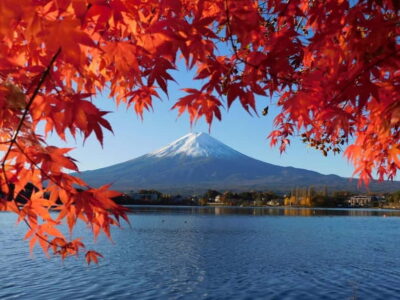
Mt Fuji and Hakone 1-Day Bus Tour Return by Bullet Train
Read our review →

teamLab Borderless Tickets: MORI Building DIGITAL ART MUSEUM
Read our review →