
Reviewed · KIMONO AND CULTURAL DRESS
Tokyo : Kimono Rental in Asakusa Provided by KanoWafuku
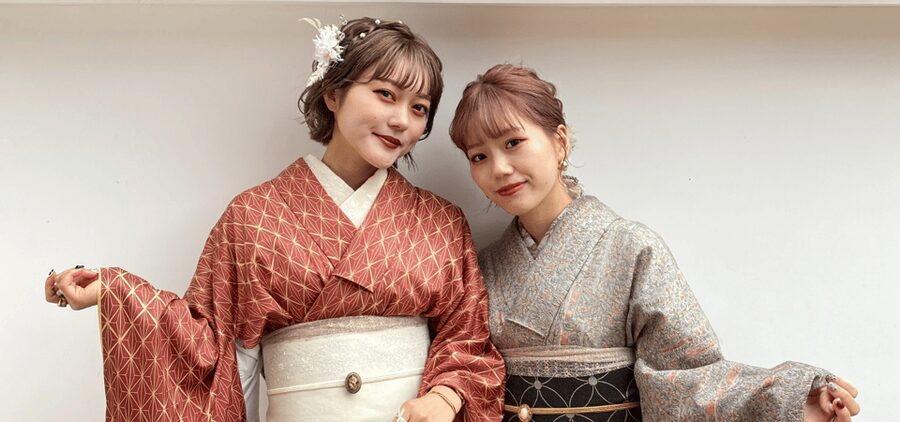
Kimono turns a short Asakusa stop into a full Japanese experience. I like KanoWafuku’s three-minute walk to Sensoji Temple and the freedom to choose from more than 300 kimono and yukata items without paying more for a particular style. The empty-handed setup is another plus, since the shop supplies the clothing, accessories, dressing, and women’s hair styling.
The main catch is the clock: you must return the kimono by 5:30 p.m., no matter when you arrive. The basic $19 price also covers a standard kimono set, while more decorated accessories, such as pearl and flower pieces, cost extra and require cash.
In This Review
- Key details before you book
- Why a Kimono Changes Your Asakusa Walk
- Starting at KanoWafuku Near Sensoji
- Choosing From More Than 300 Kimonos
- Dressing Takes Most of the One-Hour Visit
- Women’s Hair Styling and Accessories
- Walking From Sensoji to the Rest of Asakusa
- What $19 Includes, and What It Does Not
- The Best Fit for This Experience
- Booking Tips for a Smoother Kimono Day
- Should You Book KanoWafuku?
- FAQ
- Where is KanoWafuku located?
- How long does the kimono rental process take?
- What time must I return the kimono?
- Can I choose any kimono from the shop?
- Is hair styling included?
- Do I need to bring clothing or accessories?
- Are optional decorations included in the $19 price?
Key details before you book
- Three minutes from Sensoji Temple: You can leave the shop and start sightseeing around Asakusa almost at once.
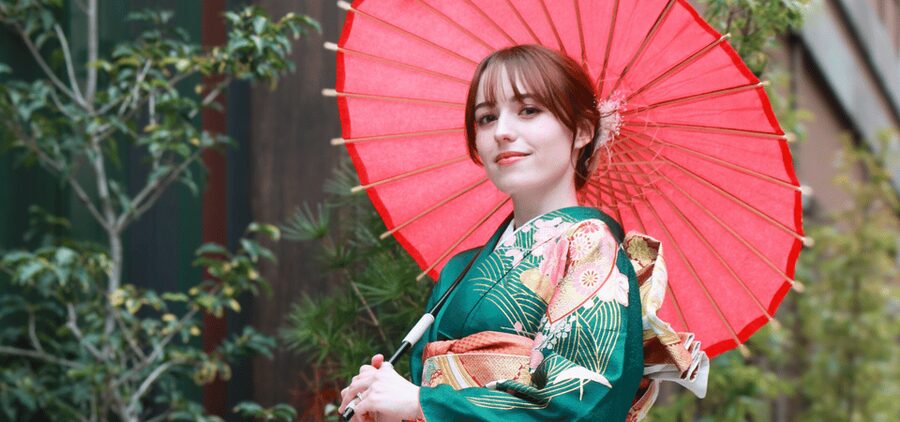
- More than 300 items: You may try as many kimonos or yukatas as you like, with no price change based on the selected design.
- About 45 to 70 minutes inside: Reception, selection, dressing, hair styling, and accessory fitting usually take about an hour.
- Women receive hair styling: Five hairstyle patterns, hair ornaments, and styling with irons are included.
- Return by 5:30 p.m.: A late fee applies if you miss the final return time.
- Small groups of up to six: The setting is more personal than a large costume-rental operation, though service is provided in Japanese.
Why a Kimono Changes Your Asakusa Walk
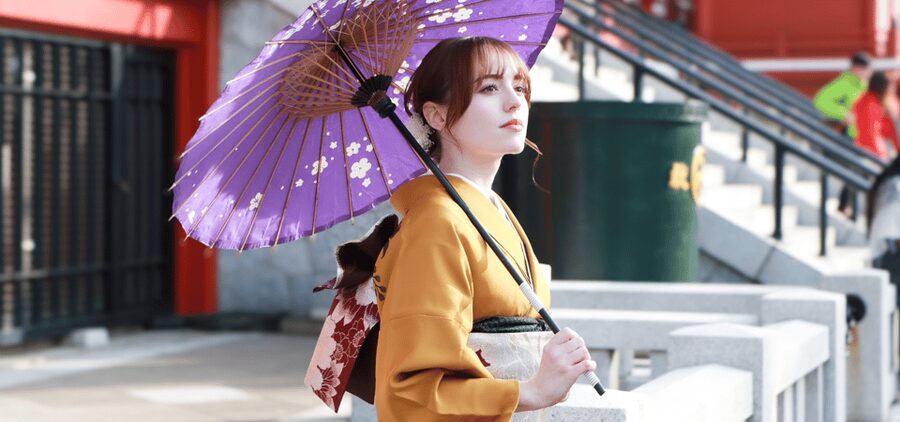
Asakusa is one of Tokyo’s easiest areas for a traditional Japanese outing. Sensoji Temple, its approach, nearby restaurants, and sightseeing streets are all close together, so a rented kimono fits naturally into the day rather than requiring a long trip across the city.
I like this experience because it gives you a clear reason to slow down. Instead of simply taking a quick photo at Sensoji, you can spend time choosing clothes, learning how the outfit is assembled, and walking through the district dressed for the setting.
KanoWafuku opened on July 1, 2023, and offers a large stock of clothing. You are not limited to one rack or one fixed design. You can compare colors, patterns, sleeves, and obi belts, then ask the staff for help if you are unsure what works together.
There is also a practical benefit. You do not need to arrive carrying a kimono bag, special shoes, or hair accessories. The rental package covers the main items, and you can leave the clothes you remove at the shop. That makes this a simple add-on to a Tokyo sightseeing day.
More Kimono Experiences in Tokyo
- Tokyo Asakusa Kimono&Yukata Rental at Kimono Miyabi Asakusa Station
★ 4.9 · 8,489 reviews - Tokyo Kimono, Furisode, and Yukata Rental Experience | Exquisite Hairstyling & Japanese Makeup & Photo Shoot (Ookini Asakusa Kaminarimon)
★ 4.8 · 767 reviews - Let’s make kimono !(Kimono is a gift for you
★ 5.0 · 252 reviews
Starting at KanoWafuku Near Sensoji
Arrive at your reserved time. The shop is about three minutes on foot from Sensoji Temple, which is the key location advantage. You can plan the rental around your Asakusa visit without building in a long transfer or worrying about getting back from a distant neighborhood.
At reception, the staff confirms whether you have booked kimono or yukata rental. You can also ask about optional decorations or other extras at this point. These add-ons are not part of the $19 base price, and any optional purchases must be paid for in cash.
That cash-only rule applies to extras, so I would keep some yen ready before you arrive. The basic reservation price is one thing. Decorative pieces are another. Knowing the difference helps you avoid a surprise at the counter.
The group limit is six people. That is small enough to keep the process fairly organized, but the experience is still a shop service rather than a private cultural lesson. The host language is Japanese, so communication may be easiest when you arrive with your booking details and a clear idea of what you want.
Choosing From More Than 300 Kimonos
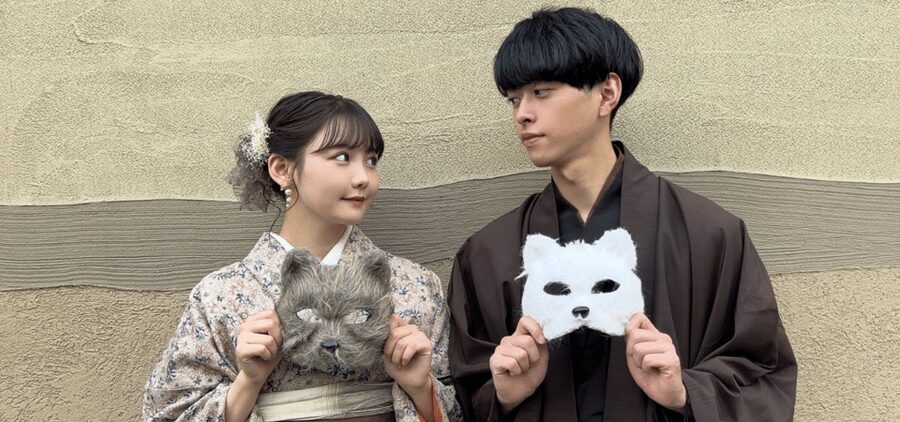
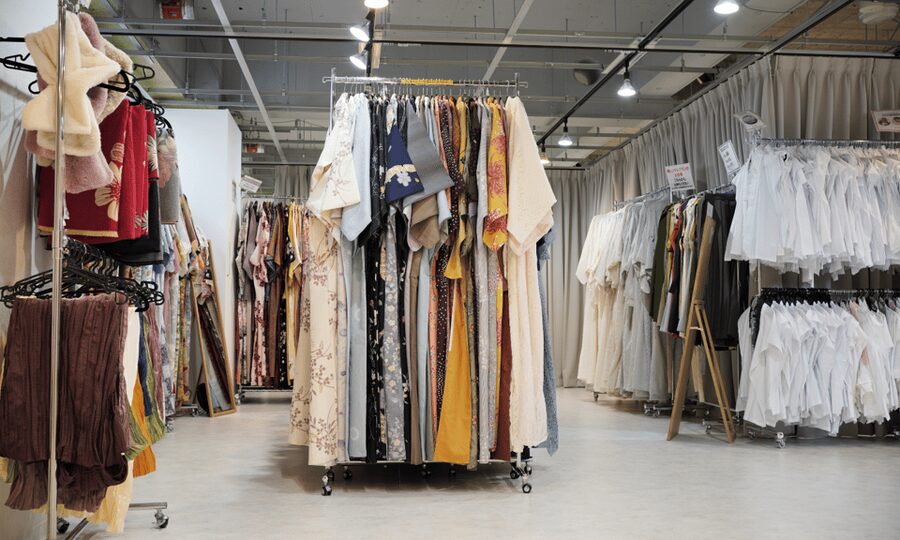
The clothing selection is the heart of the experience. KanoWafuku has more than 300 items, and the price does not change according to the kimono or yukata you choose. You can select as many options as needed before settling on one.
That flat pricing is useful. You can focus on color and fit rather than worrying that a prettier pattern will cost more. If you have a favorite color, think about it before arrival, but leave room for the staff’s advice. The right obi can change the whole look.
You can choose between kimono and yukata depending on your plan. The supplied information does not give a seasonal rule for which one you must wear, so ask the staff what suits your reservation and the day. Experienced kimono and hair stylists can advise on the garment and obi.
One point deserves careful attention. The included outfit is the normal rental kimono set, and it can still be beautiful. More elaborate looks with pearls, flowers, or other decorative touches may require an extra payment. The difference is not that the standard option is poor. It is simply useful to know that the most decorated styles seen around Asakusa may not be included in the base price.
I would treat the selection as part of the fun, not just a quick fitting. You have time to compare choices, and the price structure gives you a fair chance to pick what you like.
Dressing Takes Most of the One-Hour Visit
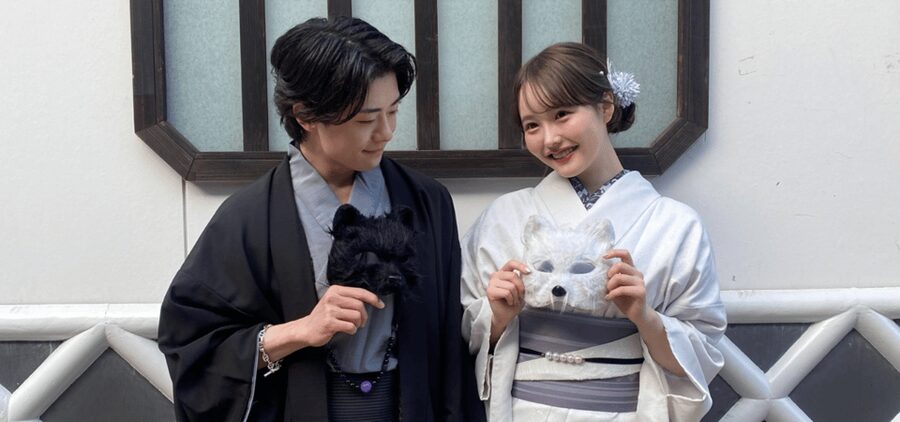
After you choose your clothes, you move to the dedicated dressing area. Experienced staff fit the kimono or yukata for you, so you do not need to know how to tie an obi or prepare any special undergarments.
The full process usually takes 45 to 70 minutes from reception to departure. That includes checking in, choosing your clothing, dressing, styling your hair if included, and selecting footwear. The published duration is one hour, so I would plan on an hour rather than assuming you will be out in a few minutes.
The time can change with the season and with your clothing choice. A popular time of day or a more involved selection may take longer. If you have a temple visit, meal, or train reservation immediately afterward, leave a sensible buffer.
You can also leave the clothes you remove and luggage you do not need for sightseeing. This empty-handed option makes the rental easier for people who are already carrying day bags. Large luggage, including carry cases, may incur a storage fee, so do not assume every suitcase is included.
A completely different kind of day out:
- Tokyo Disney Resort – Tokyo Disneyland & Tokyo DisneySea Park Tickets
★ 4.8 · 99,488 reviews - SHIBUYA SKY Ticket
★ 4.7 · 46,509 reviews - JR Whole Japan Rail Pass
★ 4.8 · 29,150 reviews - Mt Fuji and Hakone 1-Day Bus Tour Return by Bullet Train
★ 5.0 · 26,383 reviews
Women’s Hair Styling and Accessories
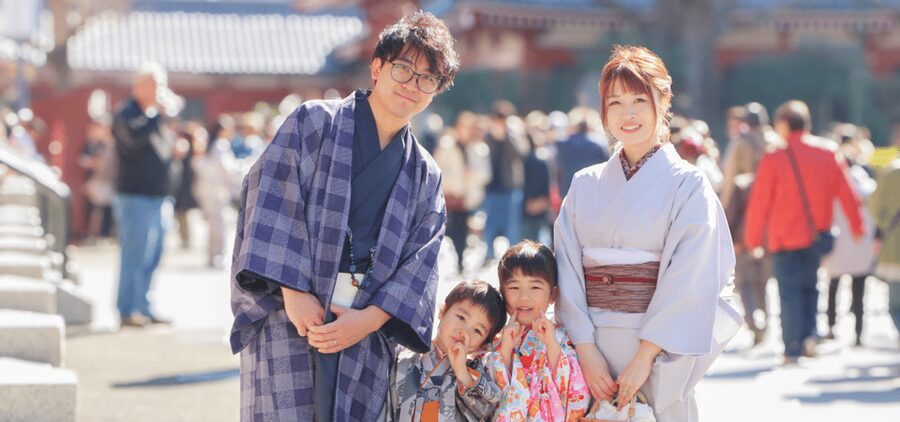
Women receive a hair set after putting on the kimono. The stylist uses irons and curling irons, and hair ornaments are included. Five hairstyle patterns are available, and the service is designed for all hair lengths.
That last point matters if your hair is short or medium length. You are not required to arrive with a particular cut or elaborate preparation. The stylist matches the hair arrangement to the kimono and adds the included ornament.
Men do not receive hair styling as part of this experience. Men can still rent the kimono or yukata, but the included hair service is for women only. This is one of the clearest differences in the package, especially for couples or family groups planning matching photos.
The selection of sandals or geta comes after the clothing and hair work. Staff help match your footwear to the rented kimono or yukata. KanoWafuku also offers custom-made zori sandals that fit current kimono styles, but these are part of the optional side of the experience rather than something you should assume is included.
If you want a more decorated appearance, ask about every extra before making your final choice. Optional decorations are available locally, but the additional cost is paid in cash.
Walking From Sensoji to the Rest of Asakusa
Once dressed, you are free to go sightseeing until return time. The location is especially convenient because Sensoji Temple is only about three minutes away. You can begin with the temple area, then continue around nearby tourist spots and restaurants.
The short walk is more valuable than it may sound. Kimono dressing can be uncomfortable if you have to cross a large city immediately afterward. Here, your first sightseeing stop is close, and you can get used to the outfit without a long train ride or complicated route.
The final return time is 5:30 p.m. This is fixed regardless of your booking time. A late fee applies if you return after the deadline, so plan your walk around the clock, not just around the rental start.
For an early booking, you get more sightseeing time before the afternoon cutoff. For a later booking, you have less time outside, even though the in-store process still takes roughly an hour. Check the available start times carefully and choose one that leaves enough room for the kind of Asakusa outing you want.
A simple plan might be: arrive at the shop, allow about an hour for dressing and hair, visit Sensoji, walk nearby streets, stop for a meal, and return with plenty of time before 5:30. The exact route is yours, but the return rule should shape the day.
What $19 Includes, and What It Does Not
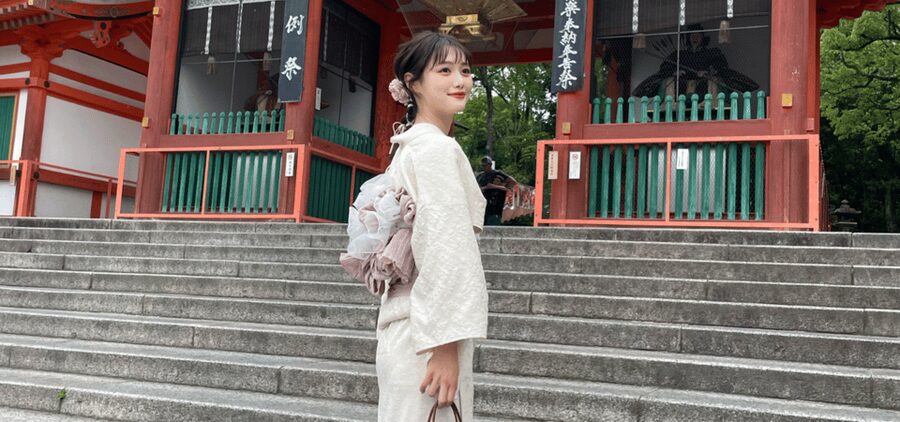
At $19 per person, this is a low-cost way to add traditional clothing to a Tokyo visit. The basic package includes:
- Kimono or yukata rental
- Dressing
- Women’s hair styling
- Women’s hair ornaments
You can also choose matching sandals or geta with staff assistance. The main value comes from having the clothing fitted for you and receiving the hair service without arranging those pieces separately.
The price is strongest for someone who wants a complete visual change for a short outing. You get the outfit, dressing, footwear selection, and, for women, hair styling in one visit. The close location also keeps transport costs and planning time low.
Still, $19 is a starting price, not an all-inclusive promise of the most decorated look in the shop. Optional decorations cost extra, and large luggage storage costs extra. Extras require cash, so bring some if you want the freedom to consider them.
One recent booking experience described the standard kimono as beautiful and the staff as kind and reassuring, while also wishing the extra charge for highly decorated pieces had been clearer. That is fair advice. I would book this for the included set, then decide on upgrades only after you know their price.
The Best Fit for This Experience
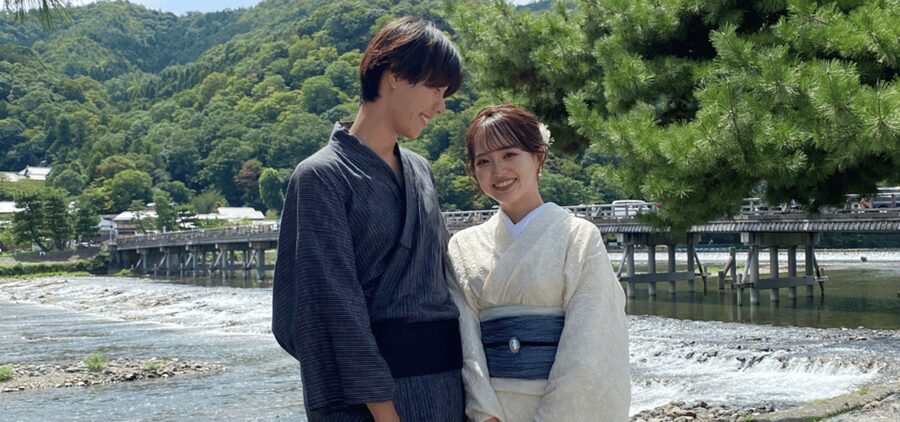
I would recommend KanoWafuku to you if you want a short, easy cultural activity in Asakusa rather than a full-day formal program. It suits visitors who want photographs, a traditional outfit for temple sightseeing, or a memorable change from ordinary Tokyo clothes.
It is also a good match for couples and small groups. The six-person limit keeps the booking from becoming a large crowd, and everyone can choose from the same broad stock of items.
Women gain the most from the full package because hair styling and ornaments are included. Men can still enjoy the clothing rental, but should know there is no men’s hair setting service.
The experience is not suitable for children under three or for pregnant women. The provided information does not list other restrictions, so if you have a special clothing or mobility concern, ask the provider before booking.
I would be less keen on it for a very tight schedule. The one-hour duration is an estimate, the dressing process can take up to 70 minutes, and the 5:30 return time leaves no room for a long late-afternoon outing. It also may not suit anyone who expects every ornate accessory in the shop to be included in the base rate.
Booking Tips for a Smoother Kimono Day
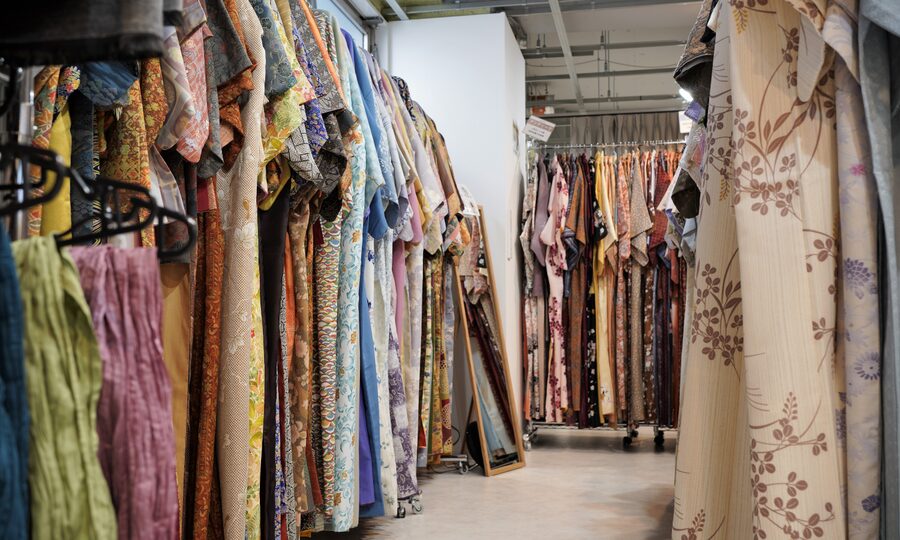
Choose an early enough start time. Since all rentals return by 5:30 p.m., an early visit gives you more time around Sensoji and nearby restaurants.
Arrive ready to use cash for optional items. The base booking can be arranged separately, but local add-ons are cash-only. Ask about decorative accessories before committing to them.
Keep your luggage light. You may leave clothes and belongings you do not need, but large cases can bring a storage fee. A small day bag is easier to manage in a kimono and while walking around Asakusa.
Allow 45 to 70 minutes inside the shop. Do not schedule a meal or train connection for the exact time you expect to leave.
If you are visiting with men and women, remember that hair styling is included for women only. If your group wants coordinated outfits, each person can choose from the large selection, but the information does not promise a special group styling package.
Cancellation is flexible if your plans change: cancel at least 24 hours in advance for a full refund. You can also reserve now and pay later, which helps if your Tokyo schedule is still shifting.
Should You Book KanoWafuku?
Book it if you want an affordable kimono outing with the least possible fuss. The $19 price, large selection, included dressing, and three-minute location from Sensoji make this a practical choice for a first kimono experience in Tokyo.
Go in with clear expectations. You will have about an hour inside the shop, Japanese-language service, a fixed 5:30 p.m. return, and possible cash charges for ornate extras or large luggage. If those limits fit your day, KanoWafuku offers a pleasant way to make an ordinary Asakusa walk feel special without spending much.
FAQ
Where is KanoWafuku located?
KanoWafuku is in Asakusa on Honshu, Japan, about a three-minute walk from Sensoji Temple.
How long does the kimono rental process take?
The full process usually takes 45 to 70 minutes, including reception, kimono selection, dressing, and women’s hair styling. The listed activity duration is one hour.
What time must I return the kimono?
All kimonos and yukatas must be returned by 5:30 p.m., regardless of your reservation time. A late fee applies after the final return time.
Can I choose any kimono from the shop?
You can choose from more than 300 items and try as many kimonos or yukatas as you like. The rental price does not change based on the type selected.
Is hair styling included?
Hair styling and hair ornaments are included for women. Men’s hair setting is not included.
Do I need to bring clothing or accessories?
No. The rental includes the kimono set and the accessories needed for the basic rental, so you can arrive empty-handed. You can also leave clothes and luggage you do not need, though large luggage such as carry cases may cost extra to store.
Are optional decorations included in the $19 price?
No. Optional decorations are available for purchase locally and cost extra. Payment for these options is cash-only.
Just added in Tokyo
- Japanese Home Cooking Class & Walk in Todoroki Temple Tokyo★ 5.0 · 88 reviews
- A One-of-a-Kind Sushi Experience in a Special Place of Japan★ 5.0 · 15 reviews
- Tokyo Cute Bento Cooking Class – Make a Kawaii Character Lunchbox★ 5.0 · 126 reviews
- Japan Tokyo Tower Observatory Deck E-Ticket★ 4.0 · 34 reviews
- Catch a Baseball Game in Tokyo with a Local – Tickets Included★ 5.0 · 24 reviews
- JDM Experience with Fast&Furious RX-7 (English speaking Driver)★ 5.0 · 57 reviews
- Tokyo Private Day Tour by Car with English speaking Driver Guide★ 4.0 · 29 reviews
- Japan Classic 10 Day – One Life Adventures★ 5.0 · 129 reviews
Kimono and Cultural Dress, compared.
![[Kyoto & Nara Day Tour] Sagano Scenic Railway & Nara Park & Fushimi Inari Taisha Thousand Torii Gates & Togetsukyo Bridge & Bamboo Grove & Kimono Forest (Departing from Osaka)](https://media.japanvisits.com/wp-content/uploads/kyoto-nara-day-tour-sagano-scenic-railway-nara-park-fushimi-inari-taisha-thousand-torii-gates-togetsukyo-bridge-bamboo-grove-kimono-forest-departing-from-osaka-k110001-400x257.jpg)

Tokyo Asakusa Kimono&Yukata Rental at Kimono Miyabi Asakusa Station
Read our review →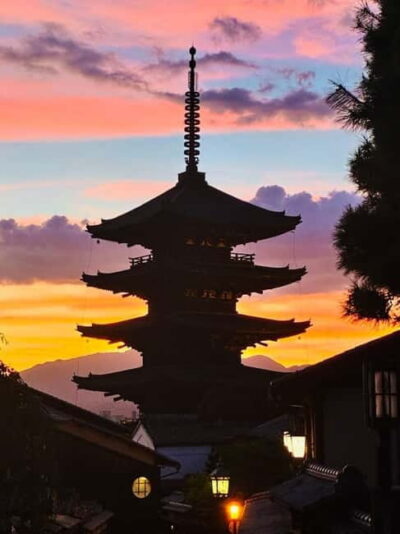
Kyoto Geisha Walking Tour: Gion District & Hidden Gems
Read our review →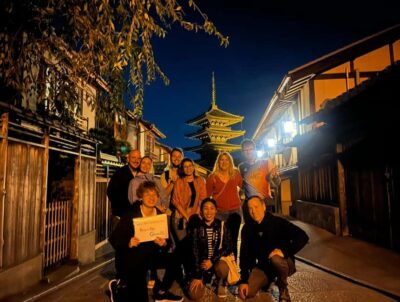
Gion Magical Night Walking Tour with Geisha Trivia
Read our review →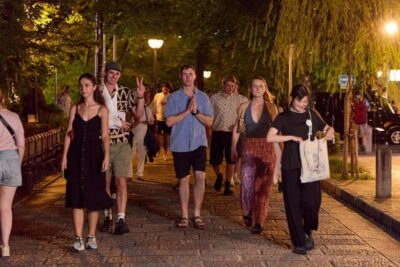
Gion Geisha District Walking Tour – Stories of Geisha
Read our review →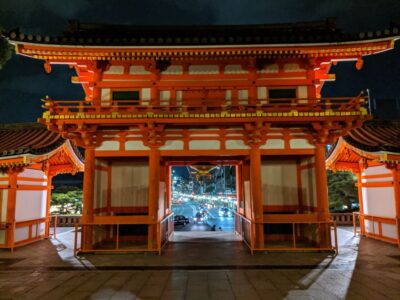
Best of Kyoto: Gion, Geisha, Pagodas & Cobblestones
Read our review →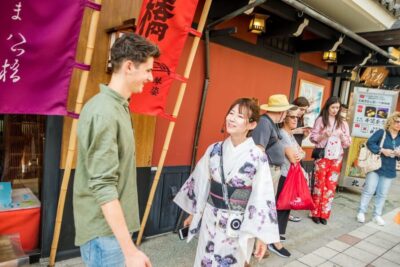
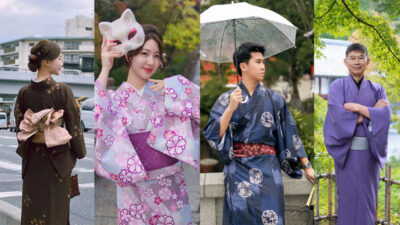
Kyoto Kimono Rental Experience (Optional Exquisite Hair Styling/Japanese Makeup/Photography) (Ookini Kiyomizu-dera Main Store)
Read our review →Browse the lists this tour appears in