
Reviewed · WORKSHOPS
Tokyo: Kintsugi Art Repair Workshop
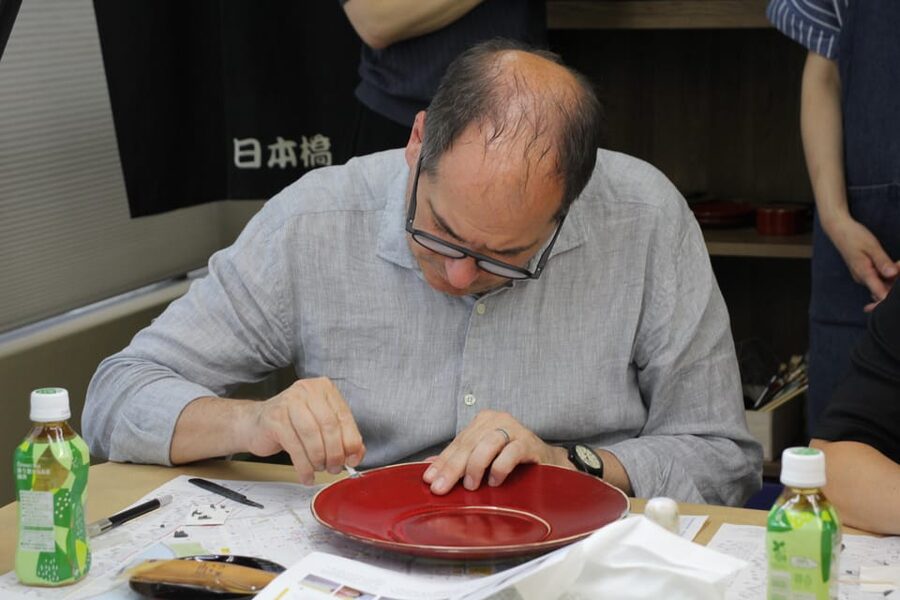
Broken pottery gets a second life. This Tokyo workshop lets you practice kintsugi, the Japanese art of repairing ceramics with lacquer and gold, in a quiet, small-group setting. I like the patient instruction and the fact that you leave with a handmade piece, not just a few photos.
I also like the compact 90-minute format. It fits neatly into a busy Tokyo day, and the meeting point is about 15 minutes by subway from Asakusa. The main consideration is that this is a shortened workshop, not the full months-long traditional process, so anyone expecting a detailed craft course may find it quick.
In This Review
- Key points at a glance
- What kintsugi means beyond gold paint
- Arriving at the Nihonbashi workshop
- A 90-minute process, step by step
- The teaching and English interpretation
- Bringing your own pottery
- What you take home
- Is $125 a fair price?
- Who will enjoy this most?
- A calm pause in a busy Tokyo schedule
- Practical details before you book
- Should you book the Tokyo kintsugi workshop?
- FAQ
- How long does the kintsugi workshop last?
- How much does the experience cost?
- Is the workshop taught in English?
- How many people can join the workshop?
- Where is the meeting point?
- Can I bring my own pottery?
- Can children take part?
- Can I use the repaired piece for food?
Key points at a glance
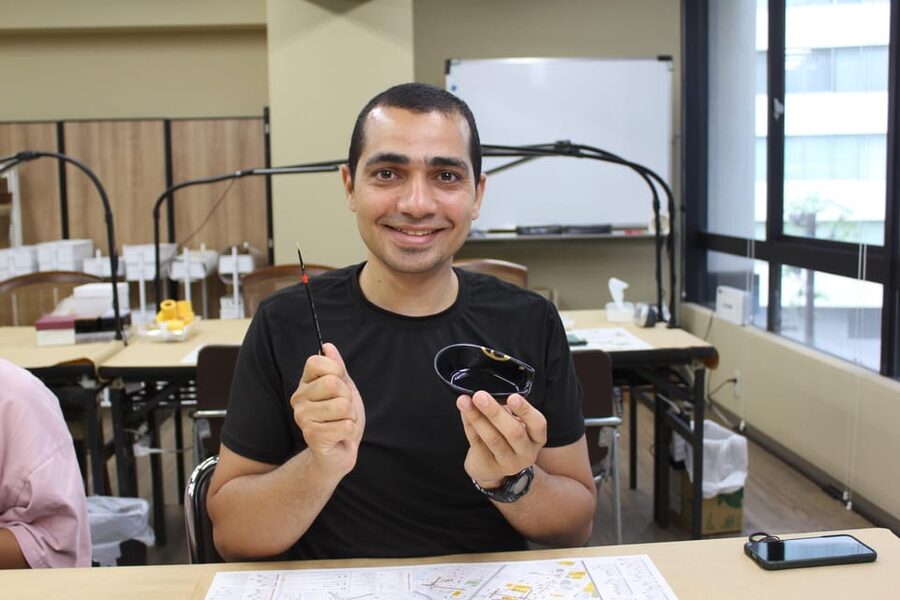
- A hands-on souvenir: You repair a ceramic piece and take it home with gold-colored seams.
- Small groups matter: The workshop is limited to five participants, allowing close help at each stage.
- English support: An English-speaking instructor or interpreter explains the process clearly.
- A peaceful break: The quiet setting gives you a calm change of pace from Tokyo sightseeing.
- Bring your own piece carefully: Ceramic vessels are accepted within strict size and damage limits.
- Easy to fit into your day: The 90-minute session is roughly 15 minutes by subway from Asakusa.
What kintsugi means beyond gold paint
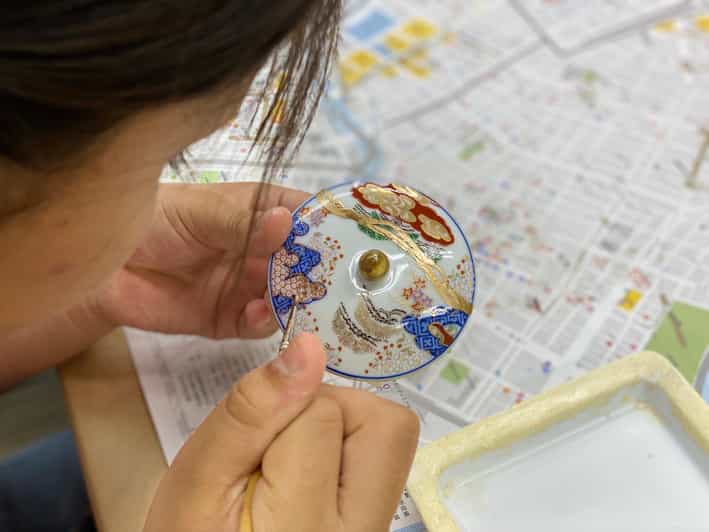
Kintsugi is often described as the Japanese practice of repairing broken pottery so the cracks become part of the design. That simple idea is what makes the workshop more than a basic craft class. Instead of hiding damage, you mark it with gold and allow the object’s past to remain visible.
The activity gives you a practical introduction to that idea. You work on a ceramic vessel, joining pieces or filling a small chip, then adding a metallic finish along the repaired area. The result is not factory-perfect. That is the point. Your finished bowl or vessel carries the small signs of your own hand.
You should also understand what this session is not. Traditional kintsugi can take about a month because layers of natural lacquer need time to dry and harden. The Tokyo class uses a shortened process designed for visitors with limited time. It gives you the feel and basic steps of the craft, but it cannot reproduce the full professional method in 90 minutes.
That distinction matters when you decide how much to expect. If you want a meaningful cultural activity and a handmade keepsake, the format works well. If you want advanced restoration skills or a long lesson in lacquer work, you may find the class too brief.
A few more options to weigh up in Tokyo
- Tokyo Disney Resort – Tokyo Disneyland & Tokyo DisneySea Park Tickets
★ 4.8 · 99,488 reviews - SHIBUYA SKY Ticket
★ 4.7 · 46,509 reviews - JR Whole Japan Rail Pass
★ 4.8 · 29,150 reviews
Arriving at the Nihonbashi workshop
The meeting point is Nihonbashi Mutoh Main Store, in the Nihonbashihoncho area of Chuo City. The address is 1-8-13 Nihonbashihoncho, Tokyo, in the 日本橋滄浪閣 building. From Asakusa, the activity is described as about 15 minutes by subway, making it a practical add-on to sightseeing in eastern Tokyo.
You should arrive at least five minutes early. The class begins on time, and the end time cannot be extended for anyone who arrives late or works slowly. That is especially important here because the process has several stages and the clock is part of the design.
The shop itself adds value before and after the class. You might find kintsugi pieces, ceramics, lacquerware, tenugui, chopstick sets, chopstick rests, table linens, and bento boxes for sale. It is not simply a classroom hidden in an office. You get a chance to see finished Japanese craftwork and perhaps find a small gift.
Wear comfortable clothes. The activity provides all materials, so you do not need to pack special tools or supplies.
A 90-minute process, step by step
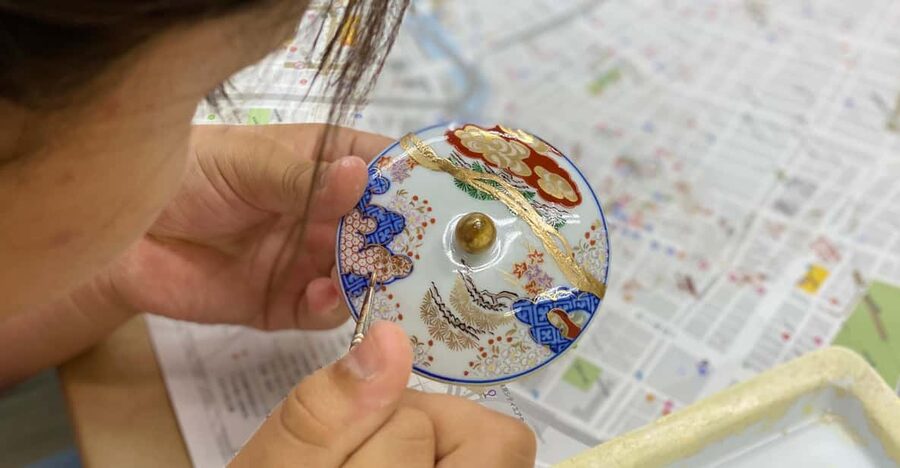
The exact order can vary with the piece you work on, but the session follows the main stages of a small repair. The instructor first helps you choose a suitable ceramic item or explains how to handle the piece you brought from home.
For a broken object, the pieces may be positioned and held together before adhesive is applied. This puzzle-like stage is more delicate than it sounds. You need to see how the parts fit before you start fixing them permanently.
Next comes filling and smoothing. Small gaps or chipped areas can be treated with putty, then sanded to make the surface ready for the final finish. This is where careful guidance helps. You are not simply painting a gold line over a crack. You are preparing the damaged area so the finished repair looks deliberate.
The last stage is applying the metallic color along the seams. This is the moment when the repair becomes visible as decoration. You may feel tempted to rush toward the gold, but the earlier steps shape the final result.
The instructors provide materials gradually rather than placing everything on the table at once. That helps keep the work area manageable and limits waste. If you need more material, it can be replenished.
Some classes may feel very personal. The group limit is five, and one session had only two people registered, allowing a highly tailored lesson. Other groups have included three or five participants. You may also sit near professional craftspeople at work, giving you a useful glimpse of how the trade looks beyond the beginner activity.
The teaching and English interpretation
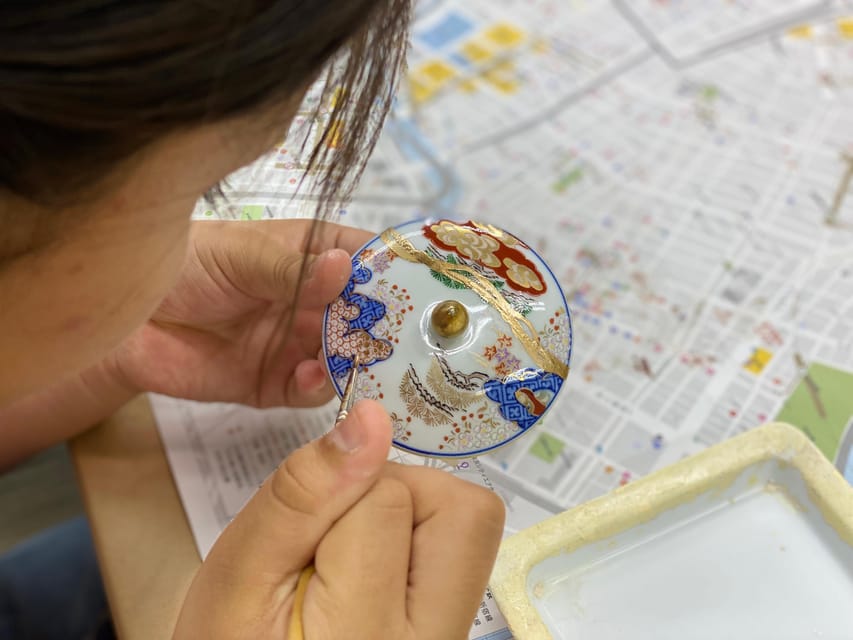
The teaching is one of the strongest parts of this experience. English support is provided, and the instructors explain each stage while helping with the practical work. Participants have praised the calm, patient approach, which matters when you are handling small ceramic pieces and unfamiliar materials.
Hijiri has been singled out for being especially patient, kind, and helpful. Other sessions have used a Japanese instructor with an English-speaking assistant or interpreter. That arrangement can be useful because you hear the craft explained through a direct connection to the Japanese teacher, while still receiving clear English guidance.
You should not expect a long academic lecture. The focus is on doing the repair. One useful tip is to read a little about kintsugi before arriving if the philosophy and background are important to you. The class explains the process and gives some cultural context, but it is mainly a practical workshop.
The instruction is suited to beginners. You do not need previous pottery or repair experience. The teacher helps you through the steps, checks your work, and offers support when a seam or chipped section needs attention.
A completely different kind of day out:
- Mt Fuji and Hakone 1-Day Bus Tour Return by Bullet Train
★ 5.0 · 26,383 reviews - TOKYO SKYTREE® Ticket
★ 4.7 · 25,136 reviews - teamLab Borderless Tickets: MORI Building DIGITAL ART MUSEUM
★ 4.7 · 24,126 reviews - teamLab Planets TOKYO Ticket
★ 4.7 · 21,663 reviews
Bringing your own pottery
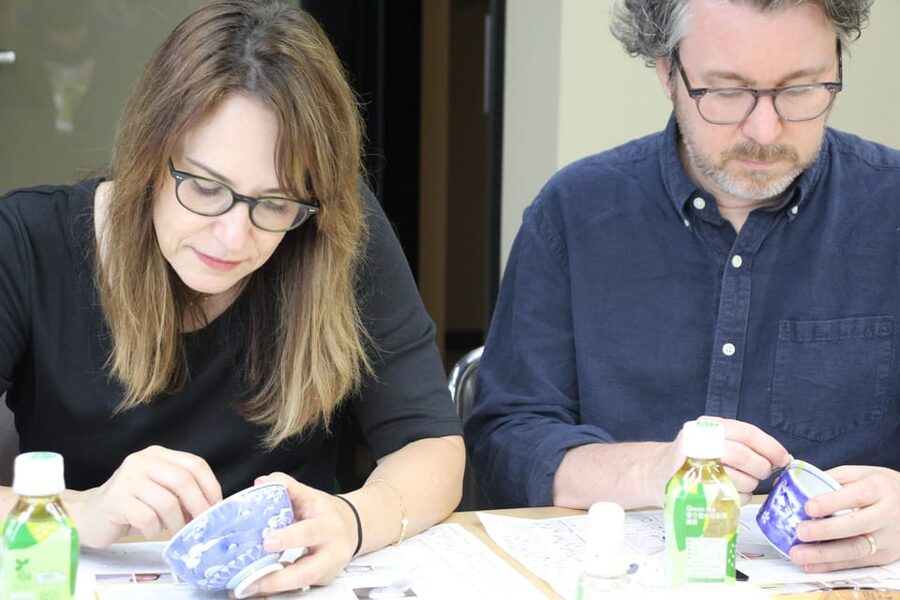
You can choose to work on a provided item or bring your own vessel, but your personal piece must meet clear limits. Only ceramic vessels are accepted. The object can be up to 15 centimeters in diameter and 15 centimeters in height, with one or two cracks.
A cracked or chipped mug handle cannot be repaired in this activity. Large or complicated damage may also be unfinished when the 90 minutes end. This is not a place to bring a large family heirloom and expect a complete restoration before lunch.
If you bring something personal, choose a modest ceramic bowl, cup, or similar vessel with limited damage. The workshop is best for a small project you can handle without too much anxiety. You should be prepared for the possibility that the repair will remain decorative rather than fully functional.
Some pieces need time to cure. In one case, repaired objects needed a week before they were ready, and staff packed them safely for transport. Ask about the condition of your item before you leave if it cannot be taken home immediately.
What you take home
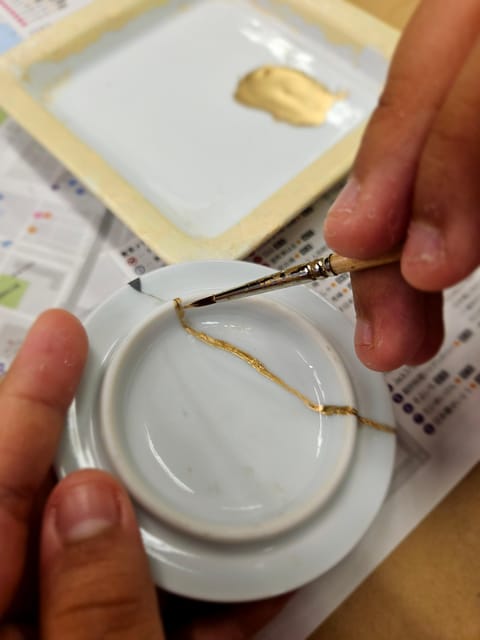
The included souvenir is the piece you work on during the class. That gives it more meaning than a shop-bought souvenir. You can point to the uneven seam, the small decisions in the finish, and the moment you learned how the repair works.
The completed object can hold dry food, but it is mainly intended for decoration. Do not treat it like a newly manufactured serving bowl. The safest use is as a display piece or a personal reminder of your time in Tokyo.
The final result will vary. Some people finish one piece, while others have managed two small pieces or a provided item plus a personal repair. Your output depends on the size and condition of the pottery, the number of cracks, and how quickly you work.
That variation is part of the appeal, but it also explains why the activity cannot promise the same result for everyone. A small, simple repair may finish quickly. A more involved object can take the full session or require additional curing time.
Is $125 a fair price?
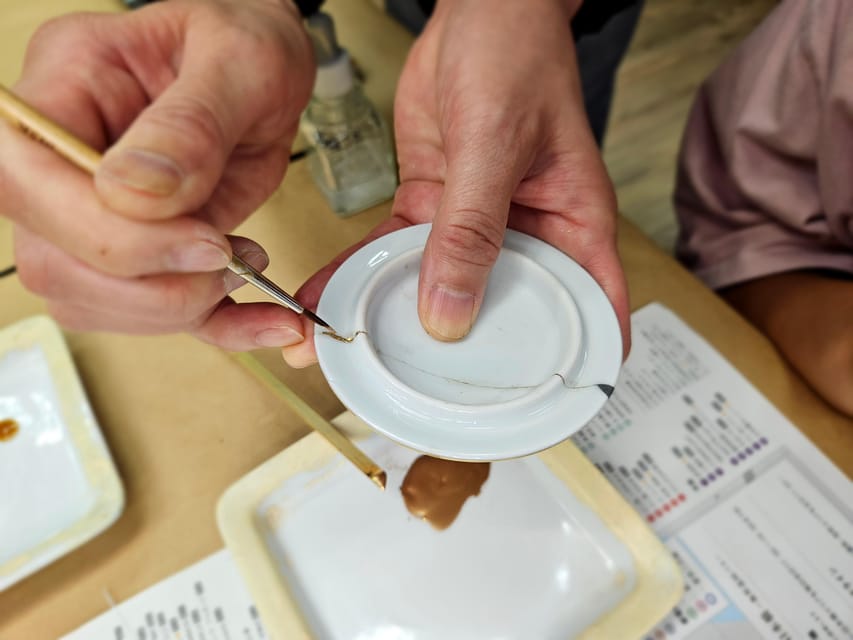
At $125 per person, this is not a cheap craft class. The price makes more sense when you count the small group, English instruction, materials, activity fee, and finished souvenir together. You are paying for guided access to a Japanese craft, not just for a bowl and a few minutes of painting.
The value is strongest if you want an activity with a cultural connection and a physical keepsake. A museum visit may cost less, but it will not give you an object you repaired yourself. A shopping trip may also produce a beautiful souvenir, but it will not teach you the basic stages of kintsugi.
The value is weaker if your main goal is a thorough technical education. The shortened method is designed for a visit to Tokyo, and the class may finish in less than the advertised 90 minutes for a simple project. One participant completed the activity in about 35 minutes and felt that the class gave limited information about traditional kintsugi.
I would view the price as reasonable for couples, solo visitors, and small groups who value personal instruction. It is less attractive for a family with younger children, since the minimum age is 13, or for anyone hoping to restore several large objects.
Who will enjoy this most?
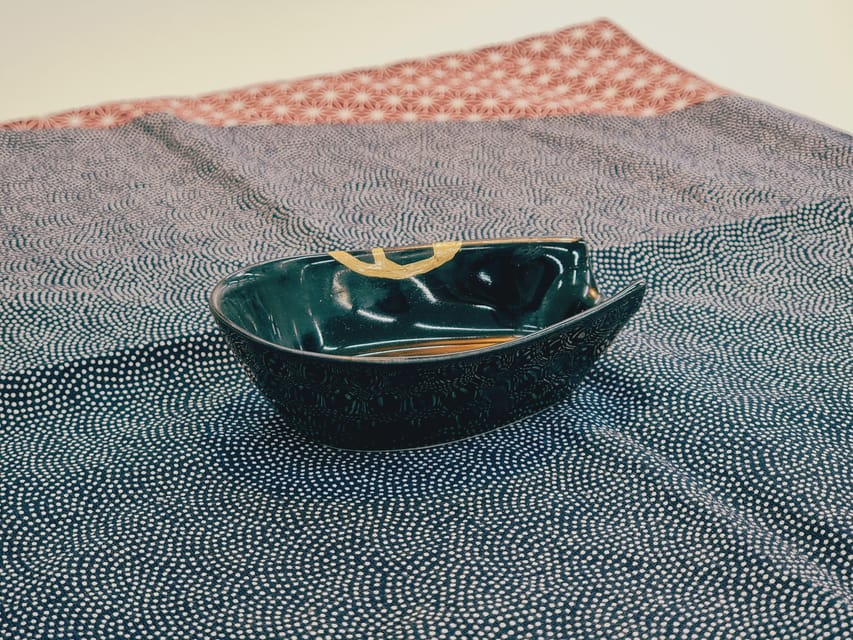
I would recommend the workshop to adults and teenagers who like making things with their hands. It is also a good choice if you want a quiet Tokyo activity between more crowded sights.
The session suits you particularly well if:
- You want a Japanese souvenir you helped create.
- You appreciate patient instruction and a peaceful setting.
- You have only one to one and a half hours available.
- You are curious about the idea of showing, rather than hiding, damage.
- You are comfortable with a simplified version of a traditional craft.
It may not suit you if you need a full technical course, want to repair a large or valuable heirloom, or prefer a fast attraction with no careful handwork. The activity requires attention, and the schedule does not allow extra time for unfinished work.
Children under 13 cannot take part. Participants aged 13 and older may join, but minors must be accompanied by a guardian.
A calm pause in a busy Tokyo schedule
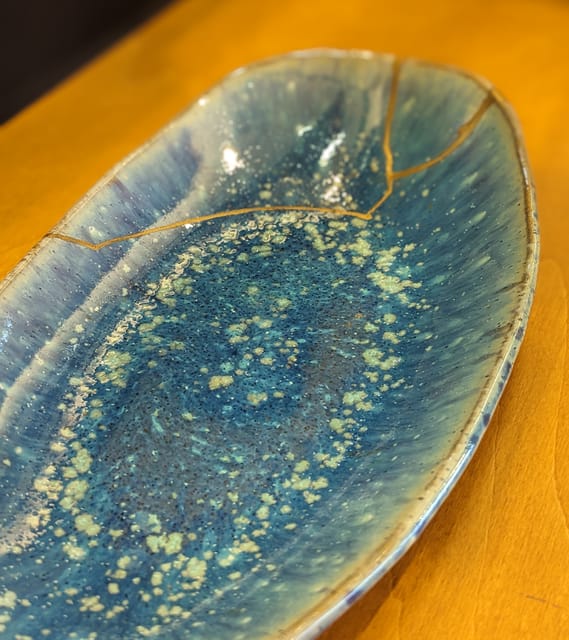
Tokyo can fill a day with stations, crossings, temples, shops, and department stores. A quiet repair table offers a different rhythm. You work with small movements, listen to instructions, and watch a broken line become part of the design.
That calm quality is a real part of the experience. The workshop has been described as relaxing and almost meditative, though you should not confuse a peaceful atmosphere with a slow, open-ended class. The 90-minute limit remains firm.
The location also helps with planning. Since it is around 15 minutes by subway from Asakusa, you can place it near other central Tokyo plans without giving up an entire afternoon. Leave enough time to find the meeting point, arrive early, and browse the shop without making yourself late.
Practical details before you book
The activity is offered in English and limited to five participants. The professional instructor, materials, experience fee, and souvenir are included in the $125 price.
Cancellation is free up to three days before the scheduled date for a full refund. Starting times vary, so check availability when choosing a date.
Keep these points in mind:
- Arrive at least five minutes early.
- Wear comfortable clothing.
- Bring only a small ceramic vessel if you want to repair your own item.
- Limit your personal piece to 15 centimeters in diameter and 15 centimeters in height.
- Bring an object with one or two cracks only.
- Do not bring a ceramic mug with a damaged handle.
- Expect decorative use rather than regular food service.
- Be ready for the class to end on time, even if your piece is unfinished.
The activity currently carries a 4.7 rating from 60 reviews, with especially strong praise for the instructors, calm setting, clear explanations, and satisfying finished pieces. The one consistent caution is the shortened format. It teaches you the basic hands-on process, not the complete traditional method.
Should you book the Tokyo kintsugi workshop?
Book it if you want a small, personal cultural activity that fits around sightseeing and leaves you with something made by your own hands. I especially recommend it for couples, solo visitors, craft fans, and anyone who prefers a thoughtful souvenir to another mass-produced purchase.
Think twice if $125 feels high for a 90-minute class, or if you expect an advanced lesson in traditional lacquer restoration. Bring a simple ceramic item only if you can accept that it might not be finished in one session.
For most suitable participants, the combination of patient English guidance, a five-person limit, a central location, and a handmade keepsake makes this a worthwhile Tokyo experience. Just arrive on time, keep your project small, and let the gold line be a little imperfect.
FAQ
How long does the kintsugi workshop last?
The scheduled duration is 90 minutes. Some simple projects may finish sooner, but the workshop end time cannot be extended.
How much does the experience cost?
The price is $125 per person.
Is the workshop taught in English?
Yes. English instruction or interpretation is provided.
How many people can join the workshop?
The group is limited to five participants.
Where is the meeting point?
The meeting point is Nihonbashi Mutoh Main Store, in the 日本橋滄浪閣 building, at 1-8-13 Nihonbashihoncho, Chuo City, Tokyo 1030023.
Can I bring my own pottery?
Yes, but it must be a ceramic vessel no larger than 15 centimeters in diameter and 15 centimeters in height. It should have one or two cracks. Chipped or cracked mug handles cannot be repaired.
Can children take part?
The experience is for ages 13 and older. Minors must be accompanied by a guardian.
Can I use the repaired piece for food?
The finished piece can hold dry food, but it is mainly intended for decorative use.
Just added in Tokyo
- A One-of-a-Kind Sushi Experience in a Special Place of Japan★ 5.0 · 15 reviews
- Tokyo Cute Bento Cooking Class – Make a Kawaii Character Lunchbox★ 5.0 · 126 reviews
- Japanese Home Cooking Class & Walk in Todoroki Temple Tokyo★ 5.0 · 88 reviews
- Japan Tokyo Tower Observatory Deck E-Ticket★ 4.0 · 34 reviews
- Catch a Baseball Game in Tokyo with a Local – Tickets Included★ 5.0 · 24 reviews
- JDM Experience with Fast&Furious RX-7 (English speaking Driver)★ 5.0 · 57 reviews
- Tokyo Private Day Tour by Car with English speaking Driver Guide★ 4.0 · 29 reviews
- Japan Classic 10 Day – One Life Adventures★ 5.0 · 129 reviews
Workshops, compared.

Sushi Making Tokyo Roll and Authentic Japanese Sushi Class
Read our review →
Gion Make Your Own Chopsticks with Engraving Option
Read our review →
Roll and Authentic Sushi Making Class in Asakusa
Read our review →
Ramen Cooking Class at Ramen Factory in Kyoto
Read our review →
Tokyo Asakusa Chopsticks Workshop: Make Your Own Pair
Read our review →
Ring Making Workshop : Vintage Japanese Coin Ring
Read our review →Browse the lists this tour appears in