
Reviewed · WORKSHOPS
Tokyo: Kintsugi Workshop to Learn the Art of Golden Joinery
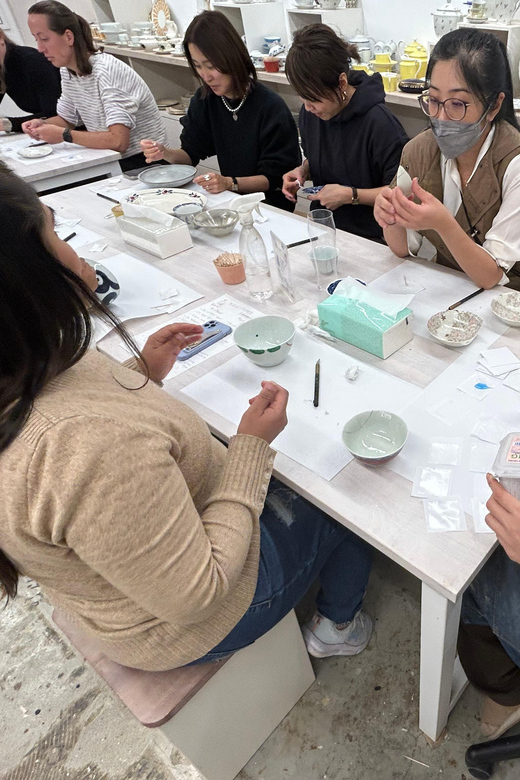
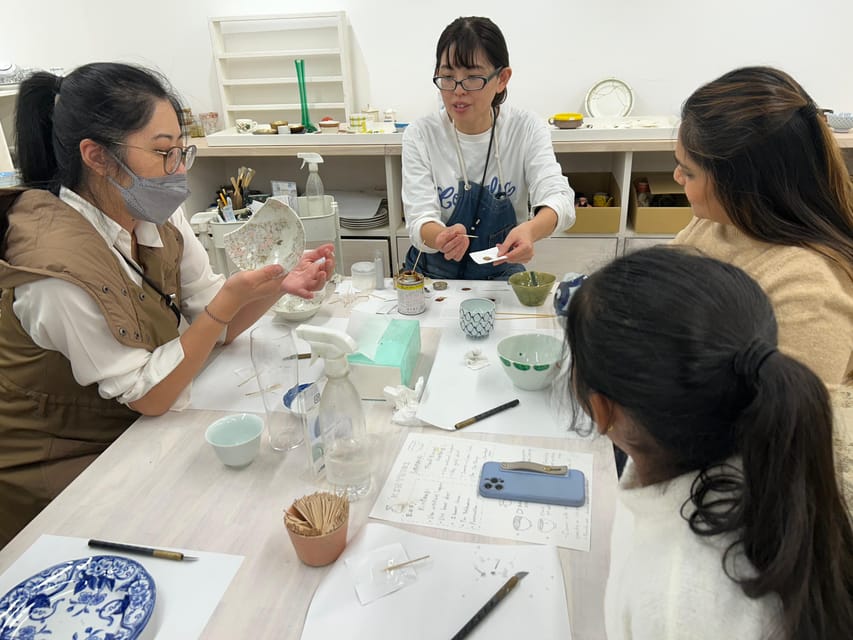
Broken pottery gets a second life here. I like the hands-on work, since you make the repair yourself rather than simply watching a demonstration, and I like the quiet, thoughtful setting of a two-hour class. The small group, limited to six people, also gives the English-speaking instructor time to guide each person through the process.
The main caution is the amount of pottery you may repair. One participant expected to work on an entire bowl but received only a small section, while other classes may offer a larger piece. The plate costs an additional ¥1,000 to ¥2,000, so ask exactly what you will receive before booking if the size of the finished object matters to you.
In This Review
- Key points to know before booking
- Why Kintsugi means more than fixing a plate
- Meeting at Gakugei Daigaku Station
- The opening lesson: craft, history, and philosophy
- Choosing the pottery and understanding the extra cost
- The hands-on repair process
- A quiet activity for couples, solo visitors, and families
- What makes the finished piece special
- Is $63 a fair price in Tokyo?
- Timing, flexibility, and practical planning
- Who should book this Kintsugi class?
- FAQ
- How long does the Tokyo Kintsugi workshop last?
- How much does the workshop cost?
- What materials are provided?
- Can I take my repaired pottery home?
- Where do I meet the instructor?
- Is the workshop taught in English?
- Is the workshop wheelchair accessible?
- Should you book this Kintsugi workshop?
Key points to know before booking
- You repair pottery with artificial lacquer and gold powder, using materials supplied during the class.
- The finished piece is yours to take home, giving the activity a personal souvenir beyond photographs.
- The group is capped at six people, which helps the instructor offer individual support.
- The class lasts two hours, enough time to work carefully without turning the activity into a rushed craft lesson.
- The meeting point is Gakugei Daigaku Station, where the guide sends a photograph before the meeting time.
- The plate is not included, and you should budget ¥1,000 to ¥2,000 for it.
Why Kintsugi means more than fixing a plate
Kintsugi, written 金継ぎ, means golden joinery. The art developed in Japan around the 15th century as a way to repair broken ceramics instead of throwing them away.
The crack is not disguised. It becomes part of the design. Lacquer holds the broken sections together, and powdered gold, silver, or platinum can be used to draw attention to the repaired seam. This class uses artificial lacquer and gold powder, making it a suitable introduction for a short activity rather than a professional conservation course.
The idea connects with wabi-sabi, a Japanese aesthetic that appreciates imperfection, change, and the marks of time. You are not trying to make a repaired plate look untouched. You are making its damage visible and giving it a new story.
That philosophy gives the workshop more weight than a standard souvenir-making class. You leave with an object you worked on, but you also spend two hours considering preservation, patience, and the appeal of things that are not perfectly uniform.
A few more options to weigh up in Tokyo
- Tokyo Disney Resort – Tokyo Disneyland & Tokyo DisneySea Park Tickets
★ 4.8 · 99,488 reviews - SHIBUYA SKY Ticket
★ 4.7 · 46,509 reviews - JR Whole Japan Rail Pass
★ 4.8 · 29,150 reviews
Meeting at Gakugei Daigaku Station
The class begins at Gakugei Daigaku Station in Tokyo. The guide sends a picture of themselves before the meeting time, a simple but useful measure when you are meeting someone in an unfamiliar place.
You should plan to arrive with enough time to find the correct station exit and get your bearings. The supplied details do not name a specific exit, so checking the meeting message carefully is important.
This is not a workshop located beside a famous sightseeing landmark. That can be a plus if you want to spend part of your Tokyo visit in a local neighborhood rather than moving from one major attraction to another. It also means you should treat the station meeting point as part of the planning, not as a last-minute detail.
The instructor speaks English. The small group format matters here because Kintsugi involves careful, practical steps. You will want to hear the explanation, see how the tools are used, and ask for help when your repair needs a steadier hand.
The opening lesson: craft, history, and philosophy
The first part introduces Kintsugi and its ideas. You learn that the gold lines are not merely decoration. They show where an object was damaged and repaired.
The class also explains how the adhesive was made in earlier times. That historical detail adds useful context, since it connects the modern workshop with older Japanese craft practice rather than presenting Kintsugi as a fashionable craft trend.
The philosophy lesson is brief, but it gives the practical work a purpose. You can approach the plate as a simple art project, or you can use the process to think about why people preserve damaged objects. The second approach is where this experience earns its place in a Tokyo schedule.
The pace appears to be calm rather than hurried. A two-hour session lets you work through each stage and interact with the guide and other participants. One person particularly valued having enough time to relax, complete each step, and talk with the group.
Choosing the pottery and understanding the extra cost
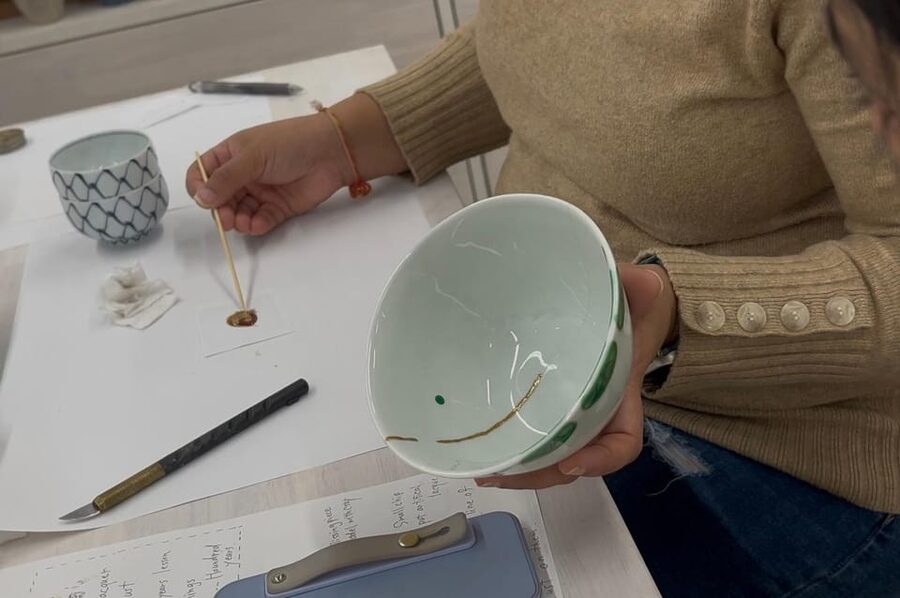
The plate is not included in the advertised price. You arrange it separately for ¥1,000 to ¥2,000, so the practical cost is higher than the headline price of $63 per person.
That extra charge is not a surprise if you notice it during booking, but it affects the value calculation. At roughly $63 plus the plate, this is not a bargain activity for anyone seeking the cheapest Tokyo souvenir. You are paying for instruction, materials, a small-group setting, and the time to create something by hand.
The size of the pottery deserves special attention. One person found the small amount available to repair disappointing after expecting to work on an entire bowl. Another person finished a beautiful bowl with a single gold crack, so the result can vary depending on the piece provided or selected.
I would confirm these points before you pay:
- Is the plate a small section, a plate, or a bowl?
- Can you choose the pottery?
- How much of the object will already be broken?
- Is the ¥1,000 to ¥2,000 charge paid in advance or at the workshop?
Those questions matter because the scale of the repair shapes the whole experience. A small repair may suit you if you want a manageable introduction. If you picture yourself restoring a large bowl with several dramatic gold seams, you should check the arrangement first.
A completely different kind of day out:
- Mt Fuji and Hakone 1-Day Bus Tour Return by Bullet Train
★ 5.0 · 26,383 reviews - TOKYO SKYTREE® Ticket
★ 4.7 · 25,136 reviews - teamLab Borderless Tickets: MORI Building DIGITAL ART MUSEUM
★ 4.7 · 24,126 reviews - teamLab Planets TOKYO Ticket
★ 4.7 · 21,663 reviews
The hands-on repair process
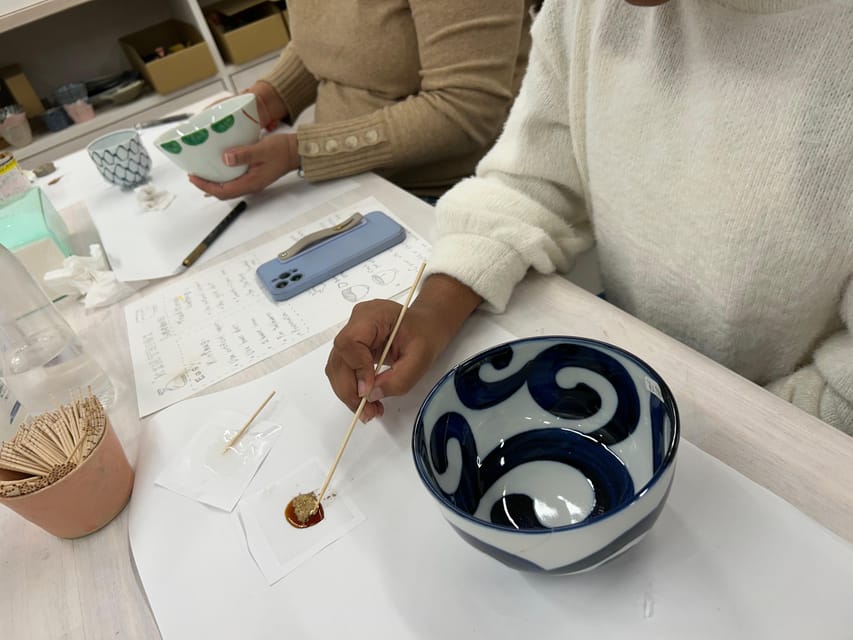
Once you have the pottery, you begin the practical work. The main tools and materials include lacquer and gold powder, and the class provides the necessary supplies apart from the plate.
The process requires attention. Kintsugi is not a quick brush-and-glitter activity. You work with the broken area, apply the adhesive material, and add the gold powder so the repaired line becomes visible.
One former participant described spending about half an hour filing the pottery. That detail is important for families and anyone expecting a purely relaxing craft. The filing can be repetitive and may be hard for younger children, which is why this activity is better suited to children over 12.
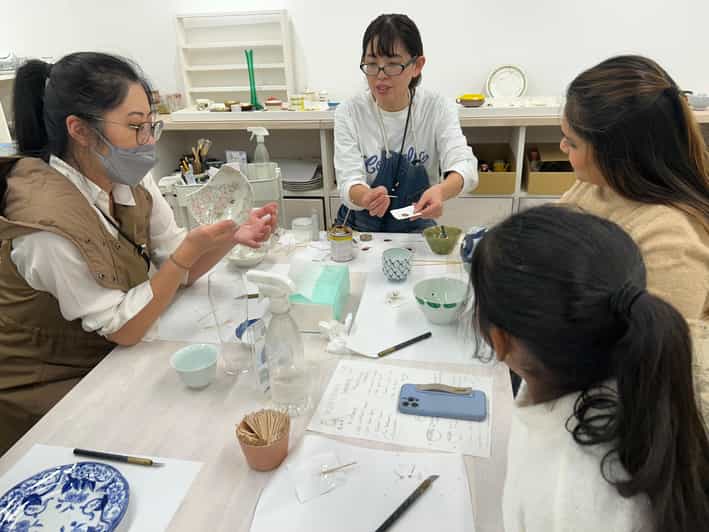
The instructor explains each stage and then lets you do the work yourself. That balance is one of the strongest reasons to choose this class. You are not handed a completed object, and you are not left alone with confusing tools.
When needed, the instructor offers a steady, experienced hand. The class has featured instructors including Anne and Chiara, and the teaching has been praised for being clear, well prepared, friendly, and supportive. One session also used a translator who knew the craft, which may be helpful if the assigned instructor needs language assistance.
A quiet activity for couples, solo visitors, and families
The small group of six creates a more personal mood than a large craft demonstration. You have room to concentrate, but there is also time to talk with the instructor and the other people at your table.
I think the format works especially well for solo visitors. You have a structured activity, an English-speaking guide, and a chance to meet a few people without the pressure of a large social event.
Couples can treat it as a shared project, though each person should clarify whether they receive an individual piece. Friends can compare their repairs and see how different cracks become different designs.
Families should use the age guidance carefully. Children over 12 may enjoy the activity, but the filing stage takes patience and hand strength. Babies under one year are not suitable for the class.
The workshop is also a good change of pace after several days of museums, shrines, shopping, and crowded streets. It asks you to slow down and pay attention to one small object. That contrast is part of its appeal.
What makes the finished piece special
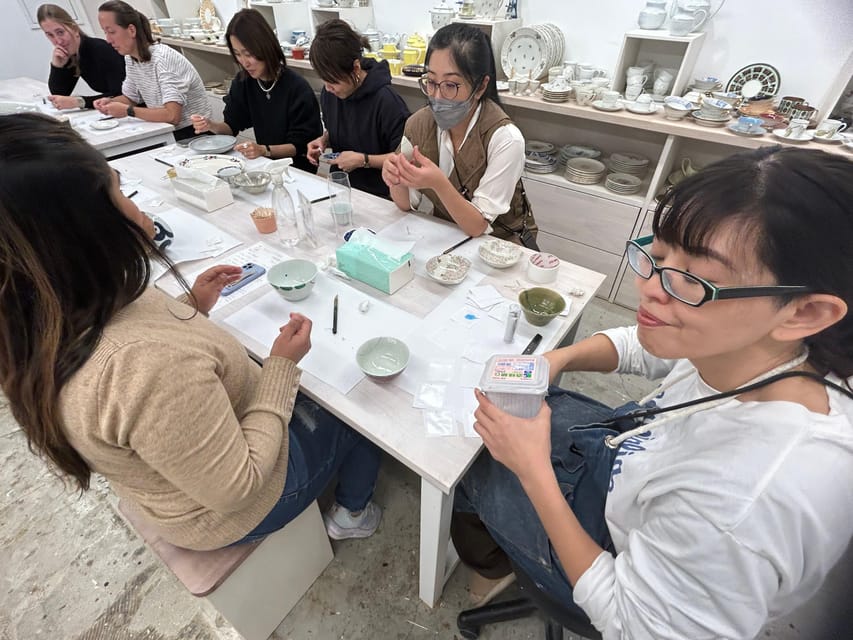
The best part of Kintsugi is that the final object does not look like a factory-made souvenir. The gold line records the repair you made.
One completed project was a bowl with a single gold crack, described as a special keepsake. That is a useful picture of what you might take home: not necessarily an elaborate masterpiece, but a small ceramic object with a visible mark and your own hand in the result.
Your work may not be perfectly polished. That is not a failure here. The philosophy of Kintsugi gives the uneven line a place in the finished design, although you should still expect the instructor to help you produce a sound and attractive repair.
The object carries more meaning because you know the steps behind it. You filed the pottery, handled the materials, listened to the explanation, and made decisions about how the gold should appear. It becomes a reminder of the activity rather than a generic item bought from a shop.
The materials used here are for the workshop, and the information provided specifically identifies artificial lacquer. You should ask the instructor about care, food use, washing, and durability before using the finished piece as tableware. The class is presented as a craft experience and keepsake, not as a professional restoration service.
Is $63 a fair price in Tokyo?
At $63 per person, plus ¥1,000 to ¥2,000 for the plate, the workshop sits in the moderate-to-expensive range for a two-hour activity. The price makes more sense if you value instruction and personal involvement, not just the object itself.
You receive an English introduction to Kintsugi, the main tools, lacquer, gold powder, guidance through the process, and a piece to take home. The group limit of six is another meaningful part of the price because the instructor can respond to individual problems.
The value is weaker if you expect a large bowl or a substantial restoration project. The concern about repairing only a tiny section is not minor. Before booking, confirm the object and the amount of work included.
I would compare this class with your other Tokyo plans by asking what you want from the afternoon. If you want a low-cost craft souvenir, the total may feel high. If you want a reflective cultural activity with a finished keepsake, the cost is easier to justify.
Timing, flexibility, and practical planning
The class lasts two hours, with starting times based on availability. That duration is long enough to explain the ideas, complete the repair stages, and avoid rushing the final work.
You can cancel up to 24 hours in advance for a full refund. The reserve-now, pay-later option also helps if your Tokyo schedule is still changing.
Availability may be limited because the group holds only six participants. If your preferred date has no open slot, contact the organizer through the WhatsApp number supplied with the activity. A schedule adjustment may be possible.
There is a clear contradiction in the accessibility information. One section says the activity is wheelchair accessible, while another says it is not suitable for wheelchair users. Do not rely on the general accessibility label. Contact Bloom Voyage JP directly and ask about the actual entrance, seating, table height, and movement inside the workshop before booking.
Who should book this Kintsugi class?
I would recommend it to you if you enjoy making something slowly and value the meaning behind a craft. It suits adults, older children, couples, friends, and solo visitors who want a quieter Tokyo experience.
It is particularly good for people interested in Japanese aesthetics. You do not need previous pottery or art experience, since the instructor explains the steps and provides the materials.
I would hesitate if your main goal is to restore a large, dramatic vessel. The amount of pottery may be smaller than you expect, and the plate costs extra. I would also choose another activity if you dislike repetitive handwork, since filing can take about half an hour.
The experience earns its strong reputation from its teaching, careful pace, and personal result. Anne has been praised for preparing every material and explaining the craft well. Chiara has been praised for clear instruction and patient help, including support from a translator when needed.
FAQ
How long does the Tokyo Kintsugi workshop last?
The workshop lasts two hours. Starting times depend on availability.
How much does the workshop cost?
The listed price is $63 per person. The plate is not included and costs approximately ¥1,000 to ¥2,000.
What materials are provided?
The workshop provides the main tools, artificial lacquer, and gold powder. A brief introduction to Kintsugi and its philosophy is also included.
Can I take my repaired pottery home?
Yes. You can take home the piece you repair as a personal keepsake.
Where do I meet the instructor?
You meet the guide at Gakugei Daigaku Station. The guide sends a photograph of themselves before the meeting time.
Is the workshop taught in English?
Yes. English instruction is available.
Is the workshop wheelchair accessible?
The activity information gives conflicting guidance. One section says it is wheelchair accessible, while another says it is not suitable for wheelchair users. Contact Bloom Voyage JP before booking to confirm the exact arrangements.
Should you book this Kintsugi workshop?
Book it if you want a small, thoughtful Tokyo activity where you make a personal souvenir and learn why Japanese craft can treat damage as part of beauty. The patient instruction, six-person limit, and two-hour schedule give the class real value.
Before booking, ask about the size of the pottery and how much you will repair. Add the ¥1,000 to ¥2,000 plate cost to your budget, and confirm accessibility directly because the supplied information conflicts. With those points settled, this is a strong choice for a hands-on cultural experience, especially for solo visitors, couples, and families with children over 12.
Just added in Tokyo
- A One-of-a-Kind Sushi Experience in a Special Place of Japan★ 5.0 · 15 reviews
- Tokyo Cute Bento Cooking Class – Make a Kawaii Character Lunchbox★ 5.0 · 126 reviews
- Japanese Home Cooking Class & Walk in Todoroki Temple Tokyo★ 5.0 · 88 reviews
- Japan Tokyo Tower Observatory Deck E-Ticket★ 4.0 · 34 reviews
- Catch a Baseball Game in Tokyo with a Local – Tickets Included★ 5.0 · 24 reviews
- JDM Experience with Fast&Furious RX-7 (English speaking Driver)★ 5.0 · 57 reviews
- Tokyo Private Day Tour by Car with English speaking Driver Guide★ 4.0 · 29 reviews
- Japan Classic 10 Day – One Life Adventures★ 5.0 · 129 reviews
Workshops, compared.
Sushi Making Tokyo Roll and Authentic Japanese Sushi Class
Read our review →
Gion Make Your Own Chopsticks with Engraving Option
Read our review →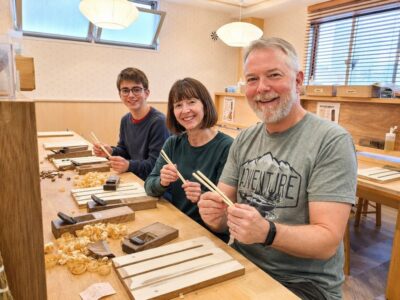
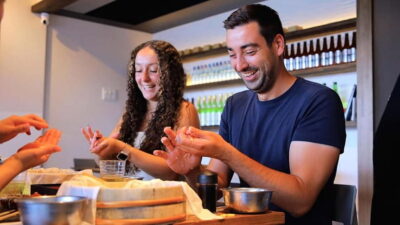
Roll and Authentic Sushi Making Class in Asakusa
Read our review →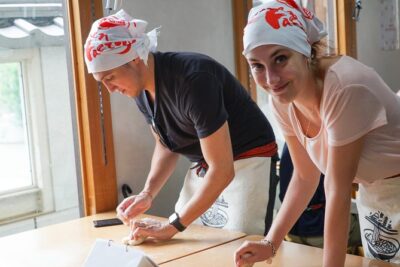
Ramen Cooking Class at Ramen Factory in Kyoto
Read our review →
Tokyo Asakusa Chopsticks Workshop: Make Your Own Pair
Read our review →
Ring Making Workshop : Vintage Japanese Coin Ring
Read our review →Browse the lists this tour appears in