
Reviewed · MULTI-DAY TOURS THAT VISIT KUSATSU
Tokyo, Kyoto, Alps and Fuji (including Yamanouchi) 8-Day Tour by Europamundo – Reviews & Prices
Tokyo’s neon streets, Kyoto’s temples, a mountain ryokan and Fuji views all fit into eight days here. I like the contrast between the bullet train and the slower rural stops, and the chance to see Japanese macaques at Jigokudani without arranging the mountain transport yourself.
I also like that this route goes beyond the Tokyo-Kyoto circuit, adding Tsumago, Matsumoto, Nagano, Nikko and Kamakura. The trade-off is a brisk schedule, with long coach days and a group that may change as people join or leave. Confirm the guiding language and insurance details before booking.
In This Review
- At a glance
- A fast-paced tour with a wide reach
- Tokyo: big-city icons, with limited time to wander
- Kyoto by bullet train and coach
- Tsumago, Matsumoto and the mountain route
- Nagano, snow monkeys and a ryokan night
- Nikko, Kamakura and Odawara
- Fuji country, weather changes and the return to Tokyo
- Price, meals and what to check before booking
- Should you book this Japan tour?
- FAQ
- What is included in the tour price?
- Is the tour guided in English throughout?
- How large can the group be?
- Which hotels will I stay in?
- Is the snow monkey visit guaranteed?
- Can the Mount Fuji Fifth Station be closed?
- Are airport transfers included at both ends?
- Is insurance included?
At a glance
- A big loop from Tokyo: The route covers Kyoto, the Japanese Alps, Nagano, Nikko, Kamakura, Odawara and the Fuji area before returning to Tokyo.
- A bullet train, then a lot of road miles: Tokyo to Kyoto is by rail, but most later transfers are by coach.
- Jigokudani is a highlight, not a guarantee: You walk forest paths to the monkey park, but macaques may not appear, particularly in autumn.
- One traditional inn night: Ikaho includes a ryokan stay and traditional Japanese dinner, with hot-spring baths recommended.
- Some meals are covered: Breakfast is included, along with dinner in Shinjuku, lunch in Tsumago and dinner at the ryokan. Most other meals are your own.
- Expect a large, changing group: Group size is listed as 2 to 72, and participants and guides may change during the trip.
A fast-paced tour with a wide reach
This is a sightseeing sampler, not a slow stay in any one place. You get a guided introduction to Tokyo, a full day in Kyoto, and a string of smaller towns and cultural sites across Honshu. That range is the tour’s main strength: you see several sides of Japan without planning every train, hotel and transfer yourself.
It is also a lot to cover in eight days. Several days combine multiple stops with hours on the road, and most visits are set within a group schedule. You will have some free time, but this is not the tour for lingering over lunch or returning to a favorite temple the next morning.
The operator lists the physical level as low intensity, a reasonable description for the overall pace, but not a promise of effortless days. You will walk around temple grounds, explore villages and take forest paths at Jigokudani. Long coach transfers and a busy sequence of stops may be more tiring than the rating suggests.
A few more options to weigh up in Tokyo
- Tokyo Disney Resort – Tokyo Disneyland & Tokyo DisneySea Park Tickets
★ 4.8 · 99,488 reviews - SHIBUYA SKY Ticket
★ 4.7 · 46,509 reviews - JR Whole Japan Rail Pass
★ 4.8 · 29,150 reviews
Tokyo: big-city icons, with limited time to wander
Day one is mostly arrival and recovery. A shared shuttle takes you from the airport to the hotel, followed by free time and an afternoon briefing. The three Tokyo hotel options are Shinagawa Prince, Tokyo Dome Hotel or Moxy Tokyo Kinshicho. The exact hotel depends on availability, and the listed properties are not necessarily in the city center, though the operator says they have nearby public transport.
The guided city tour on day two gives you an efficient first look at Tokyo. At Zojoji Temple, you can frame Tokyo Tower behind the temple grounds and see rows of Jizo statues, small stone figures dressed with knitted hats and bibs. Shibuya Crossing is viewed from the bus, so you get the scale of the intersection without a long stop to explore the surrounding streets.
Meiji Shrine offers a quieter break among trees, before the tour climbs Tokyo Skytree to the Tembo Deck, 350 meters above the city. Admission is included, but bad weather or other exceptional conditions can affect access. If the tower is unavailable, an alternative city viewpoint is offered.
The afternoon brings Sensoji Temple and Nakamise Street in Asakusa, where the approach to the temple is lined with shops and snack stalls. The bus passes through Akihabara and Ginza, but a pass-by is not the same as time to shop or visit a museum. Later, a guide takes you by subway to Shinjuku for a walk and included dinner at a local restaurant. Subway tickets for this outing are included, and the guide accompanies the group back to the hotel.
This is a useful overview, particularly if Tokyo is new to you. The compromise is that you see Shibuya from the bus and pass through some districts rather than spending substantial time in each. Keep an independent Tokyo day in mind if you want to explore neighborhoods at your own pace.
Kyoto by bullet train and coach
On day three, the bullet train carries you nearly 500 kilometers from Tokyo to Kyoto in just over two hours. It is a welcome change from the road travel later in the tour, and a practical way to connect the two major cities without losing a full day in transit.
Once in Kyoto, the schedule takes in Fushimi Inari Shrine, the Imperial Palace and Kinkakuji, the Golden Pavilion. The city’s temple and palace visits give you a taste of its long role as Japan’s imperial center, while the gardens at Kinkakuji offer a change of pace from the busy shrine approaches.
You also get time in Gion, the traditional district associated with geisha culture. The itinerary describes free time here, so treat it as a chance to walk and look around, not as a guaranteed guided tour of every lane. Kyoto has far more to see than one day allows; this visit is an introduction, not a deep exploration.
The tour’s description places the Imperial Palace among the day’s stops, but does not give detailed timings for individual visits. Keep expectations flexible. The order of sightseeing can shift, and the pace depends on the group and site access.
Tsumago, Matsumoto and the mountain route
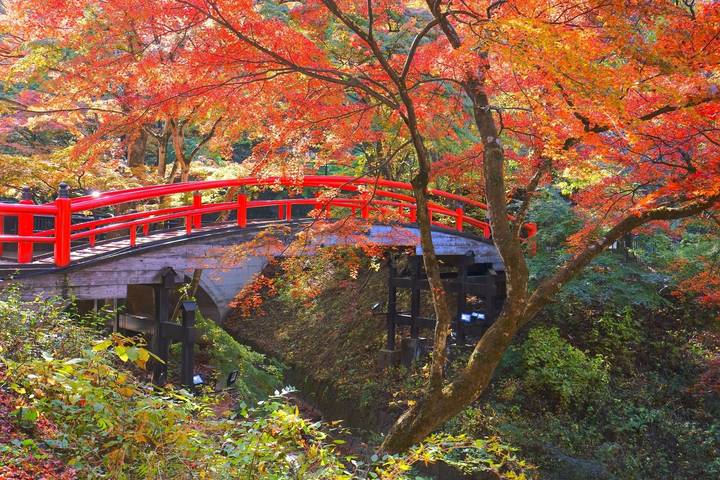
Day four swaps city streets for countryside. Tsumago is a small village known for traditional wooden houses, with free time to explore and lunch included. The stop is valuable because it breaks up a long transfer with a more intimate look at a historic settlement. You will still be visiting within a set schedule, so use the time to walk the village rather than expecting an unhurried day.
Next comes Matsumoto Castle, a 16th-century fortress nicknamed the Crow for its dark exterior. The visit includes time around the castle and free time in town. The tour does not specify how long you have inside the castle, so check with your guide if seeing the interior is a priority.
You then continue to Nagano for the night. Hotels listed for this stop include Metropolitan Nagano and Jal City Nagano. One accommodation list elsewhere groups some hotel names under inconsistent cities, so rely on the final hotel confirmation rather than assuming that every property shown is assigned to the day indicated.
A completely different kind of day out:
- Mt Fuji and Hakone 1-Day Bus Tour Return by Bullet Train
★ 5.0 · 26,383 reviews - TOKYO SKYTREE® Ticket
★ 4.7 · 25,136 reviews - teamLab Borderless Tickets: MORI Building DIGITAL ART MUSEUM
★ 4.7 · 24,126 reviews - teamLab Planets TOKYO Ticket
★ 4.7 · 21,663 reviews
Nagano, snow monkeys and a ryokan night
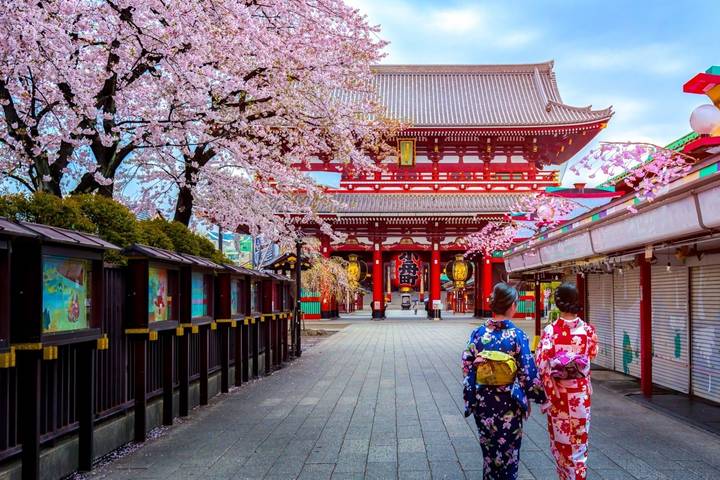
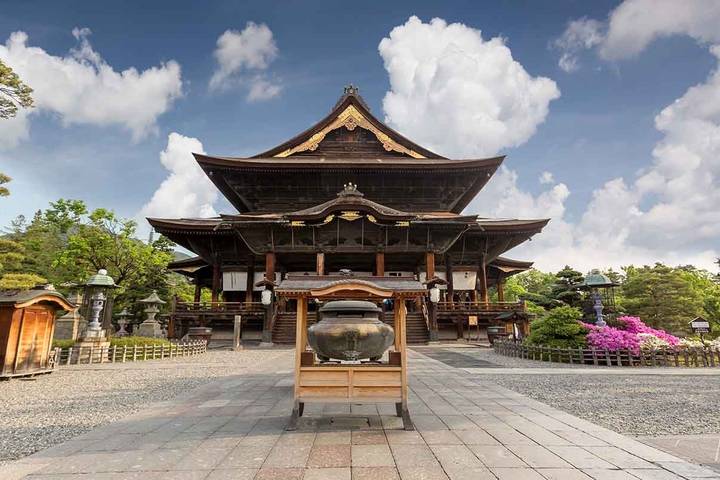
The morning begins at Zenko-ji Temple, a major pilgrimage site associated with Japan’s oldest Buddhist image. The group takes part in a Gomakuyo ceremony, a traditional ritual intended to bring good fortune. It is a distinct cultural stop, though the tour schedule gives limited time for individual exploration.
At Jigokudani Monkey Park, you walk forest paths to an area where Japanese macaques are known to soak in warm water. This is one of the trip’s most unusual experiences, but it is wildlife viewing, not a staged encounter. In autumn, food availability in the mountains can affect the monkeys’ movements, and the park may close if they do not come down. Bring shoes suited to a forest walk and be prepared for the possibility of a less close-up sighting.
The route then crosses high mountain scenery, reaching about 2,172 meters, before a stop in Kusatsu. You walk through the hot-spring town’s central area and park, where open-air onsen are found, then have free time for lunch. The Kusatsu visit can be canceled in poor weather from November to April, so the day’s plan may change in winter.
In Ikaho, you walk through the old center and its stone stairways before staying at a ryokan. Dinner is included, and hot-spring baths are recommended. This overnight is a welcome shift from standard hotels, but traditional inns can differ in room layout and facilities. If you have specific needs, ask the operator about the assigned property and room setup.
Nikko, Kamakura and Odawara
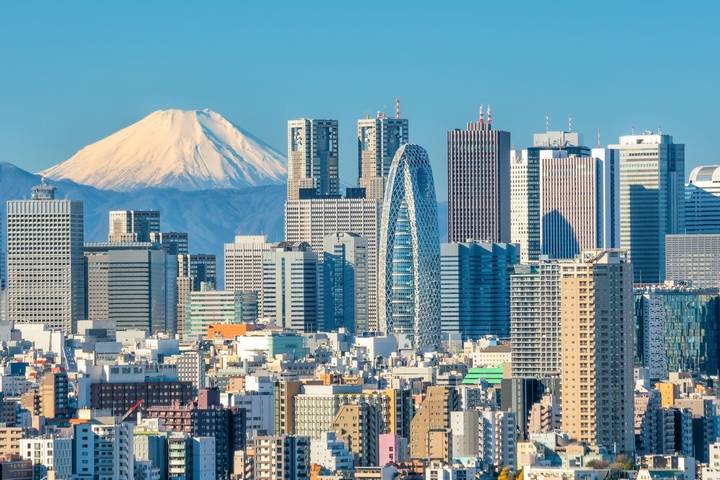
Day six takes you to Nikko for visits to Nikko-Toshogu Temple and the Taiyuinbyo Mausoleum. Toshogu is known for a room where a dragon’s acoustics are demonstrated. You also walk beside the Kanmangafuchi Abyss, where Jizo statues line the river. These stops mix ornate religious architecture with a quieter riverside walk.
There is some free time in Nikko’s town center before the coach returns to Tokyo, with arrival scheduled for around 6:30 p.m. That timing makes this a full day, not a relaxed evening back in the city. If you have plans after the return, leave room for delays.
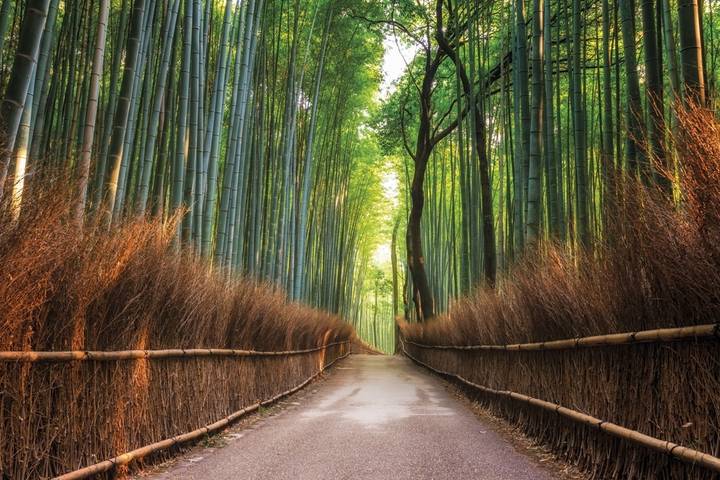
On day seven, the group heads to Kamakura. At Hokoku-ji Zen Temple, you walk through a bamboo grove and have green tea; Sugimoto-dera, founded in 734, and the Great Buddha are also on the schedule. These sites offer a strong introduction to Kamakura’s religious heritage, though several temple stops in a row may feel repetitive if your main interest is art, food or contemporary culture.
The route follows the Pacific coast to Enoshima, where you have free time to walk and get lunch. Later, you visit Odawara Castle, a restored medieval fortress, before an overnight in the area. Listed hotel options include Tenseien Odawara Station, Tenseien Hakone and Hakone Yumoto Fujiya. The exact property depends on availability.
Fuji country, weather changes and the return to Tokyo
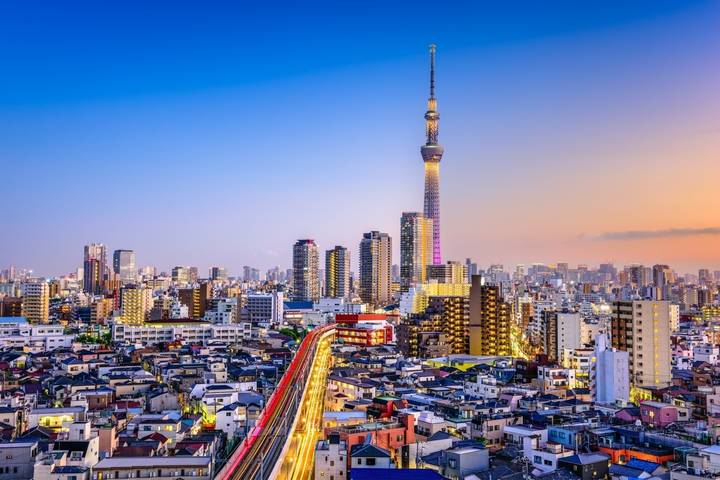
The final day includes Owakudani, a volcanic area known for steam vents and bubbling mud. Access can close because of volcanic activity or hazardous gases. If that happens, the planned alternative is Kitaguchi Hongu Fuji Sengen Shrine.
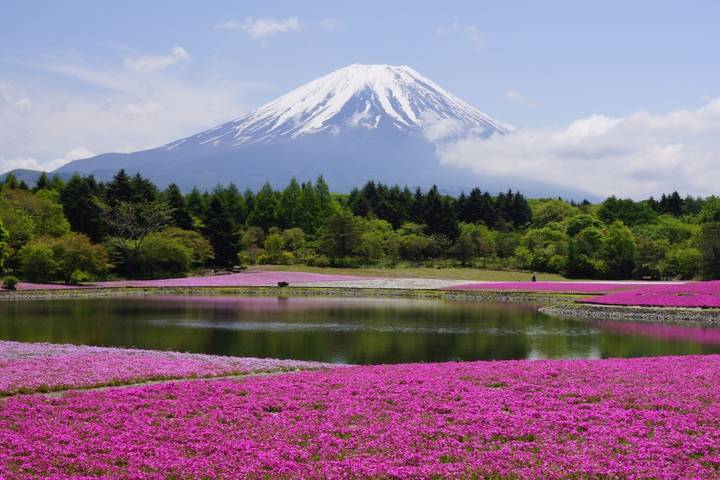
At Oshino Hakkai, you visit a village with eight ponds and views toward Mount Fuji. The tour then goes to Lake Kawaguchiko for a boat ride, followed by a drive toward Mount Fuji’s Fifth Station at 2,305 meters. The road may be closed or restricted in winter because of snow or weather, so the bus goes only as far as conditions allow.
This is a scenic finish, but Fuji visibility is never guaranteed by the itinerary. Cloud, weather and access conditions can all affect what you see. The group returns to Tokyo in the evening, and no departure airport transfer is included. If you fly out that night, check your flight time carefully; the tour recommends an extra night if needed.
Price, meals and what to check before booking
At a starting price of $2,820, this tour’s value rests on how much transport and logistics it bundles: hotels, breakfast, an arrival transfer, the Tokyo-to-Kyoto bullet train, a coach route, guided sightseeing and several included admissions and activities. It also includes the Shinjuku dinner, Tsumago lunch and ryokan dinner. International flights and most meals are not included, so budget for lunches, other dinners and personal spending.
The price is based on the cheapest room, and accommodation is described as practical rather than luxurious. Rooms have private bathrooms and TVs, but room size, bed size and facilities can vary. The hotel names are possibilities, not guaranteed selections, and the final assignment may be confirmed close to departure.
Guiding deserves special attention. English is specified for the Tokyo and Kyoto tours, but the operator notes that some departures may be bilingual, often English and Spanish. Guides can also change during the trip. Past guides named by participants include José, Paco and David, but you should not expect those particular guides on your departure. One account described the English commentary as much shorter than the Spanish commentary, which is a fair reason to ask how language arrangements work for your date.
There is also an insurance inconsistency in the tour information. The general services mention basic travel insurance, while the exclusions say insurance is not included. Do not assume you have coverage: ask the seller for written confirmation of exactly what is covered and how to contact the assistance service. Carry your own policy details and emergency numbers.
Should you book this Japan tour?
Book it if you want a broad first look at Japan, value organized transport and hotel arrangements, and are comfortable moving on after a short visit. The strongest elements are the Tokyo-Kyoto connection by bullet train, rural stops such as Tsumago and Matsumoto, the chance to see macaques, the ryokan night and the final Fuji-area route.
Think twice if you prefer small groups, detailed English commentary at every stop, long free afternoons or time to explore Tokyo and Kyoto independently. Groups can reach 72 people, and people may join or leave along the way, making it harder to build a consistent group dynamic. Before paying, confirm the group’s language setup, your hotel assignment process, insurance coverage and seasonal access to Jigokudani, Kusatsu and Mount Fuji.
FAQ
What is included in the tour price?
The tour includes accommodation, breakfast, an arrival transfer, listed sightseeing and activities, the Tokyo to Kyoto bullet train and specified meals: dinner in Shinjuku, lunch in Tsumago and a traditional dinner at the ryokan. International flights and most other meals are not included.
Is the tour guided in English throughout?
English guiding is specified in Tokyo and Kyoto. The operator says some departures may use bilingual English and Spanish guiding, and guides may change during the tour. Confirm the arrangements for your departure.
How large can the group be?
The stated group size is 2 to 72 people. The group may change during the trip as participants join or leave.
Which hotels will I stay in?
The tour uses listed hotel options, with the assigned property depending on availability. The operator says hotels are confirmed close to the start of the tour, and the accommodation is practical rather than luxury standard.
Is the snow monkey visit guaranteed?
The itinerary includes a visit to Jigokudani Monkey Park, but macaque sightings are not guaranteed. In autumn, the monkeys’ movements can be unpredictable, and the park may close if they do not come down.
Can the Mount Fuji Fifth Station be closed?
Yes. In winter, snow or weather may close the road, and the coach will go only as far as permitted. Owakudani may also close because of volcanic activity or hazardous gases, in which case the planned alternative is Kitaguchi Hongu Fuji Sengen Shrine.
Are airport transfers included at both ends?
An arrival transfer from Tokyo airport to the hotel is included. A departure transfer to the airport is not included; the guide can recommend public transport options.
Is insurance included?
The information is inconsistent: general services refer to basic travel insurance, while the exclusions say insurance is not included. Ask the seller to confirm in writing what coverage applies before you book.
Just added in Tokyo
- Fish Market & Tokyo Skyline Private Walking Tour★ 5.0 · 14 reviews
- Mt. Fuji & Hakone Cherry Blossom private One Day Tour★ 4.5 · 35 reviews
- 25-Min Downtown Helicopter Tour : Tokyo Skytree and Tokyo Tower★ 5.0 · 19 reviews
- Private Tour with a Local Guide – Learn about daily life in Japan★ 5.0 · 22 reviews
- Tokyo: 3-Hour Bike/E-Bike Tour of the City’s Highlights★ 5.0 · 209 reviews
- Official Japan Go-Kart Through Tokyo Bay / Ginza (IDP Required)★ 4.5 · 71 reviews
- 30-Min Tokyo Central Private Heli Tour– Asakusa, Skytree, Shibuya★ 5.0 · 13 reviews
- Tokyo 2-Hour Genuine Samurai Experience: Kendo in Japan★ 5.0 · 112 reviews
Multi-Day Tours That Visit Kusatsu, compared.
Magical and Dreamy Japan 14-Day Tour by Europamundo
Read our review →
Central Japan by Europamundo – 9-Day Tour from Tokyo
Read our review →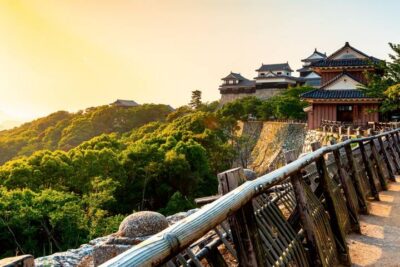
Japanese Scenes and Mount Fuji 19-Day Tour by Europamundo
Read our review →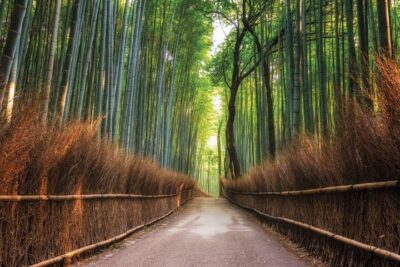
Tokyo, Kyoto and Alps by Europamundo – 6-Day Tour
Read our review →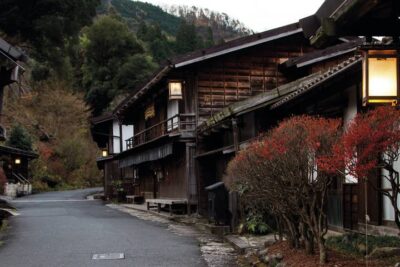
Tokyo, Kyoto and Alps GO by Europamundo – 6-Day Tour
Read our review →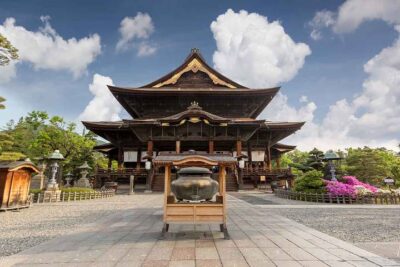
Wonders of Japan end Tokyo 15-Day Tour by Europamundo
Read our review →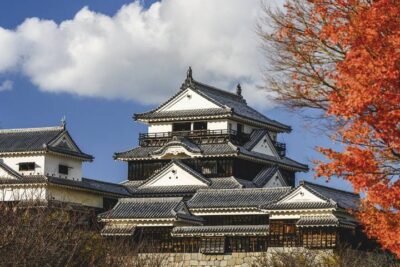
Wonders of Japan end Tokyo GO 15-Day Tour by Europamundo
Read our review →
Browse the lists this tour appears in