
Reviewed · PRIVATE TOURS IN TOKYO
Tokyo Private Tour
Tokyo rewards a fast, thoughtful first look. I like the private air-conditioned vehicle and the chance to shape the day around your interests, rather than follow a fixed group. I also like the mix of famous places, from Senso-ji to Shibuya Crossing, with calmer neighborhoods such as Daikanyama and Nakameguro. The main drawback is pace: eleven stops in about eight hours means you will see many places briefly, not explore each one at length.
This tour costs $743.26 per group of up to nine, so the value improves sharply with a larger family or group of friends. Hotel pickup, bottled water, snacks, private transportation, and onboard Wi-Fi are included. Lunch and dinner are not, and admission to Hama Rikyu Gardens is extra.
In This Review
- Key points to know before booking
- Why a private car makes Tokyo easier
- Tsukiji Outer Market: Start with Tokyo’s food culture
- Hama Rikyu Gardens and Ginza: Old Tokyo beside modern luxury
- Imperial Palace and the National Diet: Tokyo’s political center
- Akihabara: Anime, games, and electronics
- Senso-ji in Asakusa: Tokyo’s oldest temple
- Omotesando, Harajuku, and Meiji Jingu: Three sides of modern Tokyo
- Shibuya Crossing: A quick look at Tokyo’s famous intersection
- Daikanyama and Nakameguro: End away from the crowds
- The guides make the biggest difference
- Price, comfort, and who gets the best value
- How to get the most from your eight hours
- Should you book this Tokyo private tour?
- FAQ
- How long does the Tokyo private tour last?
- How many people can join the private tour?
- Is hotel pickup available?
- Are meals included?
- Is admission to Hama Rikyu Gardens included?
- Can I cancel for a full refund?
Key points to know before booking
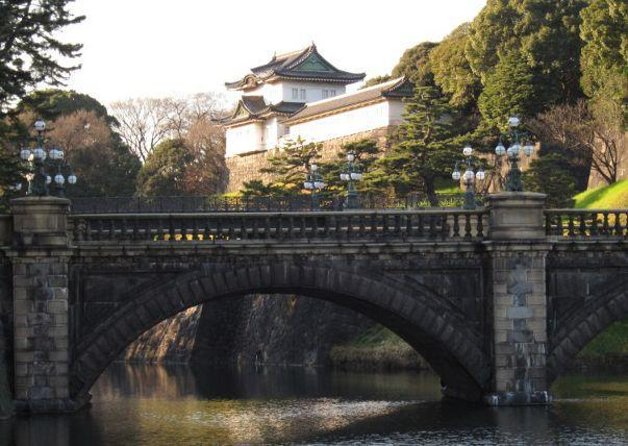
- Eleven Tokyo stops in one day: The route covers Tsukiji, Ginza, the Imperial Palace, Akihabara, Asakusa, Harajuku, Shibuya, and quieter local districts.
- A private guide and vehicle: You avoid a large group and can ask for changes, extra photo stops, or help with food and shopping.
- Strong family appeal: Guides have adapted the day for children, older adults, and groups with different interests.
- Good comfort in hot weather: Air conditioning, water, snacks, and Wi-Fi make a long sightseeing day easier.
- Flexible guiding is a major strength: Guides such as Riley, Richie, Tomoya, Ryu, Aimi, Moe, and Soya have helped shape days around shopping, food, history, anime, and family needs.
- Best as an orientation day: You will get a useful sense of Tokyo’s layout, then return later to the places that deserve more time.
Why a private car makes Tokyo easier
Tokyo’s rail network is excellent, but its size can make a first day tiring. A private vehicle lets you move between districts without repeatedly finding stations, changing lines, or figuring out which exit leads to the right street. That matters when your day runs from Tsukiji in the east to Shibuya and Daikanyama in the west.
The vehicle is air-conditioned and includes Wi-Fi, bottled water, and snacks. That is not a small luxury in Tokyo’s hot months, when walking between stops can wear you down. One family specifically appreciated the cool car during an extremely hot day, while another group found the comfortable vehicle useful for seeing in one day what might otherwise take several days.
Your guide is also your driver, according to the tour setup and the experiences described. That gives the day a friendly, personal feel, though it means the guide cannot provide a running explanation while driving. The best conversations happen once you are out of the vehicle at each stop.
Hotel pickup is included, which is especially helpful if you are staying in central Tokyo. Confirm the pickup details after booking, since confirmation is subject to availability and is provided within 48 hours. The stated operating information covers broad daily hours, but the actual start time should be settled with the provider.
More Private Tours in Tokyo
- Tokyo 6hr Private Tour with Government-Licensed Guide
★ 5.0 · 3,902 reviews - Private Tour to Mt. Fuji and Hakone (Fully Licenced Operator)
★ 5.0 · 1,910 reviews - Tokyo Customized Private Tour (Must See Places in 1 Day)
★ 5.0 · 1,499 reviews
Tsukiji Outer Market: Start with Tokyo’s food culture
The day begins at Tsukiji Jogai Market, the outer market that remains after the main wholesale market moved to Toyosu in 2018. This is a good opening stop because it introduces you to Tokyo through food, small shops, and the practical energy of a working market district.
You have about 40 minutes here. That is enough to look around, see shops selling Japanese ingredients and cooking goods, and perhaps try a snack if timing allows. The tour includes snacks, but lunch is not included, so do not assume the market stop replaces a full meal.
The important distinction is that this is not the old wholesale market experience. If your main goal is to see the current wholesale operation, that is at Toyosu, not Tsukiji. Tsukiji’s outer market remains useful for atmosphere, food, and shopping, but you should set your expectations accordingly.
Hama Rikyu Gardens and Ginza: Old Tokyo beside modern luxury
Hama Rikyu Gardens gives the day a welcome change of pace. The garden began as a feudal lord’s Tokyo residence and duck hunting grounds between the seventeenth and nineteenth centuries before taking on its later role as a public garden. You have roughly 40 minutes to walk through this historic green space.
Admission is not included, so budget for that separately. The short visit will not allow a slow, complete stroll, but it gives you a quiet break after Tsukiji and before the city’s commercial districts.
Next comes Ginza, with about an hour to explore. This district is known for high-end brands, Japanese traditional crafts, galleries, restaurants, and striking modern architecture. I see Ginza as a good place to ask your guide for a more personal angle. If you enjoy design, shopping, or Japanese craftwork, say so before the tour begins.
Ginza can also be expensive. The tour does not include lunch or dinner, and the district offers plenty of costly dining choices. Ask your guide for practical suggestions if you want something memorable without paying only for the address.
Imperial Palace and the National Diet: Tokyo’s political center
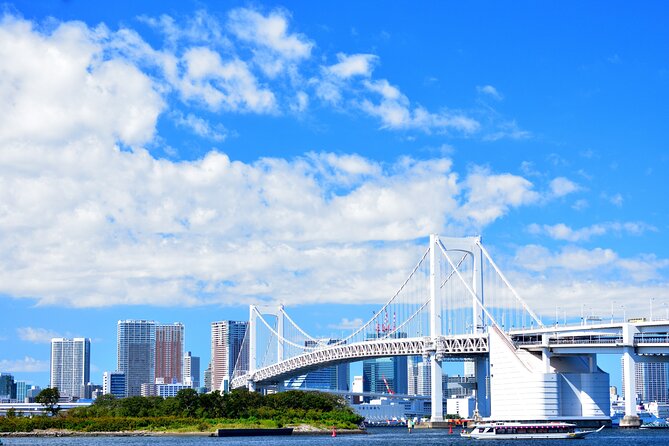
The Imperial Palace stop lasts about 30 minutes. The grounds occupy the site of the former castle of the Tokugawa shogun family, which ruled from 1603 to 1868. After political power returned to Emperor Meiji, the site became the Imperial Palace.
This is mainly an exterior and grounds visit in the time allowed. Do not expect a long palace tour. Your guide can help explain the change from shogun rule to imperial government, giving the site more meaning than a quick photograph alone.
The route also passes the National Diet building, Japan’s parliament. Built in 1936, it is one of the few Tokyo buildings to survive the air raids of 1945. The itinerary does not assign a separate visit duration here, so treat it as a brief sight rather than a full interior tour.
These stops work well for first-time visitors who want political and historical context. If you prefer gardens, museums, or palace interiors, tell your guide early so the available time can be used in a way that suits you.
A completely different kind of day out:
- Tokyo Disney Resort – Tokyo Disneyland & Tokyo DisneySea Park Tickets
★ 4.8 · 99,488 reviews - SHIBUYA SKY Ticket
★ 4.7 · 46,509 reviews - JR Whole Japan Rail Pass
★ 4.8 · 29,150 reviews - Mt Fuji and Hakone 1-Day Bus Tour Return by Bullet Train
★ 5.0 · 26,383 reviews
Akihabara: Anime, games, and electronics
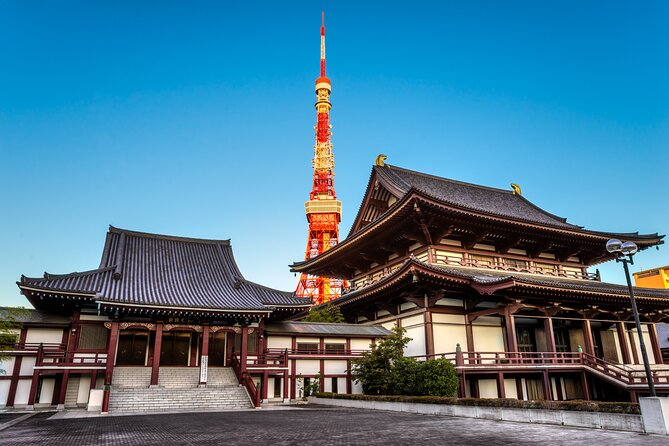
Akihabara gets about an hour, enough for a first look at one of Tokyo’s most distinctive districts. You can explore gaming and anime culture, browse electronics retailers, or look for tiny shops specializing in particular components.
This stop is best when you arrive with a clear interest. Anime fans may want to focus on character goods and themed shops. Electronics shoppers might prefer the larger retailers or specialty stores. If neither subject appeals to you, the district may feel more commercial than cultural, and you may want to request extra time elsewhere.
The private format helps here. You can tell the guide whether you want shopping, photographs, or simply an explanation of why Akihabara became associated with these interests. An hour is enough to sample the area, but not enough for serious shopping across several stores.
Senso-ji in Asakusa: Tokyo’s oldest temple
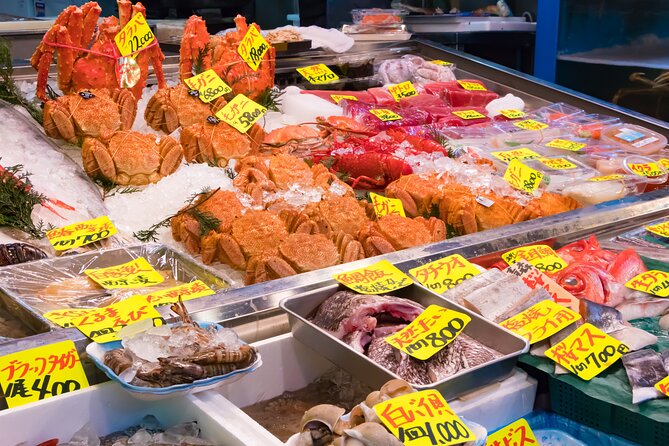
Senso-ji receives about an hour, making it one of the better-paced stops. It is Tokyo’s oldest temple, with a founding story connected to a small Kannon statue found by two fishermen in 628.
Asakusa offers a very different feel from Ginza and Akihabara. The temple grounds, traditional architecture, and surrounding shopping streets give you a clear sense of older Tokyo. Your guide can explain customs and the religious setting, which is useful if this is your first Buddhist temple visit in Japan.
One hour still passes quickly. You will have time to see the main approach and temple area, but you may need to return later if you want to browse every shop or take a slower look. I would use this stop for the essential sights, then come back independently if Asakusa becomes your favorite part of the day.
Omotesando, Harajuku, and Meiji Jingu: Three sides of modern Tokyo
The western part of the itinerary links three nearby but different areas. Omotesando gets 30 minutes and is known for major fashion brands, Japanese design, and buildings by leading architects. It is a useful stop for architecture and upscale shopping, but half an hour is short if you want to enter several stores.
Harajuku follows for another 30 minutes. This is where you get a glimpse of youth culture, unusual fashion, and playful building design. The area can feel very different from the formal avenues of Omotesando, even though the two are close together.
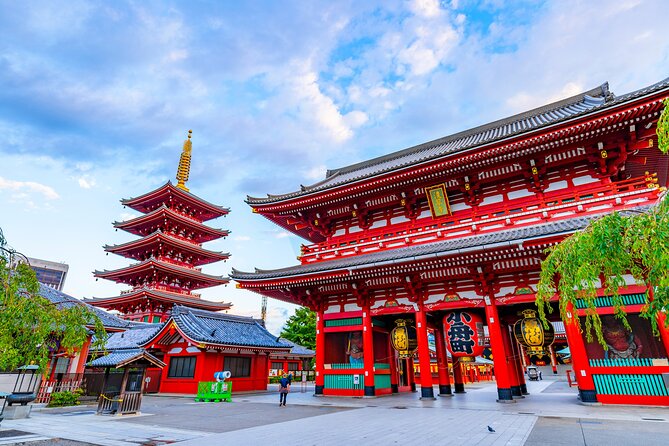
Meiji Jingu provides another 30 minutes and a calmer setting. The shrine is surrounded by a pleasant wooded area and offers a break from the city streets. On Saturdays and Sundays, you might see a traditional Japanese wedding ceremony, though that is not guaranteed.
The timing gives you a useful comparison: luxury and architecture in Omotesando, youth style in Harajuku, and Shinto tradition at Meiji Jingu. If you want a more reflective shrine visit, you may find 30 minutes too brief. Families, however, may appreciate the shorter stop before moving on.
Shibuya Crossing: A quick look at Tokyo’s famous intersection

The visit to Shibuya Crossing lasts about 15 minutes. That is enough to see the famous intersection and take photographs, but not enough for a full Shibuya visit.
The crossing is the point here, not a detailed neighborhood tour. If you want to visit Shibuya Sky, shop, or spend time in the surrounding streets, you must ask about adding it or arrange a separate visit. One family had Shibuya Sky included among its highlights, showing how useful it is to discuss priorities with your guide before the day.
This is a classic Tokyo photo stop. It also helps you understand the city’s scale and rhythm, even if you spend only a short time on the ground.
Daikanyama and Nakameguro: End away from the crowds
The final stop is Daikanyama, with nearby Nakameguro included in the description, for about 30 minutes. These neighborhoods are known for boutiques and cafes and have a slower pace than Ginza, Harajuku, or Shibuya.
I like this ending because it avoids finishing with one more major attraction. Instead, you get a look at districts where people shop, meet friends, and spend time at cafes. Half an hour is only a sample, but it may help you decide where to return for a relaxed afternoon.
If you care more about food than shopping, ask your guide whether this portion can include a restaurant recommendation. Several guides have helped arrange meals, including a case where Tomoya made restaurant suggestions and another where Moe found a restaurant for a large group on short notice.
The guides make the biggest difference
The strongest part of this tour is the personal service. The guides do not all have the same name or style, so you should not assume a particular person will lead your day. Still, the examples show a pattern of flexible, attentive guiding.
Riley has been praised for clear English, warmth, and explaining history and social customs. Richie has helped guests find local food at reasonable prices, added requested stops, and offered suggestions for the rest of their stay. Tomoya has adjusted plans for families, helped arrange a hedgehog cafe reservation, and recommended restaurants.
Other guides have shown similar care. Soya brought a wheelchair for an older family member and accompanied her at each site. Aimi noticed a guest’s interest in Japanese dishes and guided her to additional shopping, while also connecting well with an 11-year-old and young adults. Moe contacted a group before the trip, included the children in conversation, arranged a large restaurant booking, and prepared small thank-you bags.
These details matter because private tours can be either genuinely personal or simply expensive transport. Here, the useful approach is to send your interests in advance: food, anime, shopping, temples, architecture, photography, children’s activities, or mobility needs. The more specific you are, the more your guide can shape the day.
Price, comfort, and who gets the best value
At $743.26 per group of up to nine, this is not a budget sightseeing option for one or two people. For a full group, the cost works out to about $82.59 per person before any extra charges. For four people, it is about $185.82 each, and for two, about $371.63 each.
That math makes the tour most attractive for families, multigenerational groups, and friends who value comfort and time. You are paying for a private vehicle, hotel pickup, a guide, air conditioning, Wi-Fi, snacks, and the ability to avoid navigating Tokyo’s rail network all day.
The price is harder to justify if you are a confident independent visitor who enjoys trains and has several days in Tokyo. You can visit many of these districts on your own for far less. The tour earns its cost when convenience, personal help, and a broad first look matter more than a low daily budget.
Most people can participate, and the private format allows more attention to individual needs. One guide arranged a wheelchair for an older participant, but you should discuss mobility requirements in advance rather than assume every vehicle or stop will work equally well.
How to get the most from your eight hours
Contact the provider with a short priority list before the day. Eleven stops create a useful framework, but your guide needs to know which places matter most if traffic or walking slows the schedule.
I would rank your choices in three groups:
- Must see, such as Senso-ji, Meiji Jingu, or Shibuya Crossing
- Strong interests, such as Akihabara shopping or Ginza design
- Nice if time allows, such as extra cafes or photo stops
Wear comfortable shoes and keep lunch flexible. Food is not included, and Tokyo has plenty of choices, but the best restaurant plan depends on your route and timing. Guides have helped with restaurant suggestions and reservations, so ask rather than wait until everyone is hungry.
Remember that this is a broad city tour, not a deep visit to every attraction. Use the day to learn Tokyo’s shape, identify the districts you want to revisit, and gather practical advice for the rest of your stay.
Should you book this Tokyo private tour?
Book it if you have one full day, a group of up to nine, and want to see a wide range of Tokyo without handling every train connection. It is especially well suited to families, older adults, first-time visitors, and anyone arriving during hot weather.
Skip it if your main goal is slow temple visits, long shopping sessions, or the lowest possible cost. The itinerary is ambitious, and some stops are quick.
For the right group, this is a comfortable and flexible introduction. Send your guide a detailed wish list, confirm the pickup time, and treat the day as an orientation to Tokyo rather than the final word on the city.
FAQ
How long does the Tokyo private tour last?
The tour lasts approximately eight hours.
How many people can join the private tour?
The price covers a private group of up to nine people.
Is hotel pickup available?
Yes. Hotel pickup is offered, and the tour uses private transportation.
Are meals included?
No. Lunch and dinner are not included. Bottled water and snacks are included.
Is admission to Hama Rikyu Gardens included?
No. Admission to Hama Rikyu Gardens is not included. The other listed stops have free admission as described.
Can I cancel for a full refund?
Yes, if you cancel at least 24 hours before the experience start time. Cancellations made less than 24 hours in advance are not refunded, and changes within that period are not accepted.
Just added in Tokyo
- Very popular in Harajuku♡Animal petting zoo★ 4.6 · 39 reviews
- Yokohama Port: Private Customizable Tour with Transfer★ 5.0 · 19 reviews
- Warner Bros. Studio Tour Tokyo – The Making of Harry Potter★ 4.8 · 181 reviews
- Yanaka District: Historical Walking Tour in Tokyo’s Old Town★ 4.8 · 117 reviews
- Wagyu & Sake 8 Course Tasting Dinner in Shinjuku★ 4.9 · 20 reviews
- Tokyo: Classic Tsukiji Food Tour★ 4.9 · 78 reviews
- Tokyo: Tsukiji Fish Market Tour with 6 Stops & Seafood Lunch★ 4.5 · 165 reviews
- Tokyo Wagyu & Sake Pairing Tasting Experience with Local Flavors★ 5.0 · 108 reviews
Private Tours in Tokyo, compared.
Tokyo 6hr Private Tour with Government-Licensed Guide
Read our review →
Private Tour to Mt. Fuji and Hakone (Fully Licenced Operator)
Read our review →
Tokyo Customized Private Tour (Must See Places in 1 Day)
Read our review →
Mount Fuji Full-Day Private Tour from Tokyo (Customizable)
Read our review →
Tokyo 4hr Private Tour with Government-Licensed Guide
Read our review →
Tokyo Customized Private Tour: See Top Attractions in 1 Day
Read our review →
Mt Fuji Private Tour with English Speaking Driver
Read our review →
Mt. Fuji & Hakone Private Day Tour with English-Speaking Driver
Read our review →Browse the lists this tour appears in