
Reviewed · SUMO EXPERIENCES
Tokyo Sumo Culture Tour with Chanko-Nabe Lunch in Ryogoku
Sumo begins outside the ring. This three-and-a-half-hour walk through Ryogoku, Tokyo’s sumo district, connects shrines, historic tournament sites, stable buildings, and a traditional chanko-nabe lunch. I especially like the small group of up to eight people and the chance to understand sumo as a culture, not just a sport. The guide adds meaning to places you could easily pass without noticing.
I also like that lunch is built into the experience and that guides such as Jeff, Taka, and Aki-san have been praised for being friendly, clear, and well informed. The main drawback is important: you do not watch a practice session or a live match, and some sumo-related sites may be closed on certain days, especially Sundays. At $131.12 per person, the value depends on how much you want guided context rather than actual wrestling action.
In This Review
- Key points to know before you book
- Why Ryogoku is the right place to learn sumo
- Outside Hakkaku-beya, where wrestlers live and train
- Nominosukune Shrine and the beginnings of sumo
- Ryogoku Kokugikan, Tokyo’s sumo arena
- A full-size ring at Ryogoku Edo Noren
- Ekoin Temple and Edo-period tournaments
- Kasuganobeya and the practical side of wrestler life
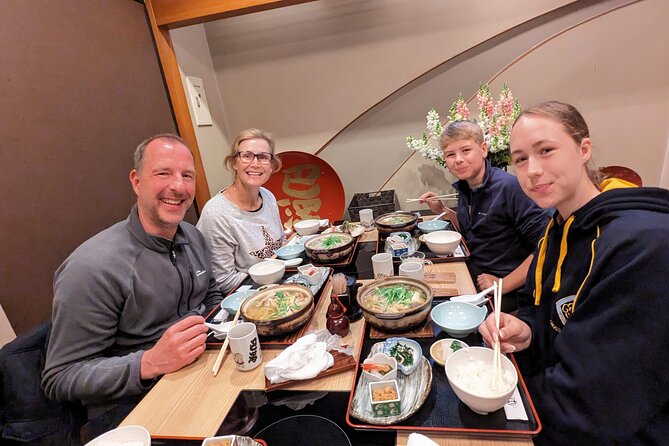
- Chanko-nabe at Tomoegata
- What the $131.12 price really buys you
- Timing, closures, and the main limitation
- Who will enjoy this Ryogoku morning
- Should you book the Tokyo Sumo Culture Tour?
- FAQ
- How long is the Tokyo Sumo Culture Tour?
- What time does the tour start?
- Where does the tour begin?
- Where does the tour end?
- Is lunch included?
- Does the tour include a sumo match?
- Can I enter a sumo stable?
- How many people can join the tour?
- Can I cancel for a full refund?
Key points to know before you book
- Ryogoku is the main stage: The route visits the area around Ryogoku Kokugikan, Japan’s best-known sumo arena, along with nearby shrines and old tournament sites.
- The group stays small: A maximum of eight people makes it easier to ask questions and hear the guide during the walking portions.
- Chanko-nabe is included: The tour ends with a one-hour lunch at Tomoegata Chanko, where you try the hot-pot dish associated with sumo wrestlers’ diet.
- Actual sumo is not included: You view stables and the arena from outside, but there is no match or practice visit.
- Sunday timing matters: Training facilities and museums may not be open, so check the date carefully if you want more than an outdoor history walk.
- The tour ends at lunch: There is no hotel pick-up or drop-off, and you make your own way to the 9:30 a.m. meeting point.
Why Ryogoku is the right place to learn sumo
If you want to understand sumo, Ryogoku is the natural place to do it. The district is home to Ryogoku Kokugikan, sumo stables, shrines linked with the sport, and old sites connected with tournaments from the Edo period, when Tokyo was known as Edo.
You begin near Ryogoku Station at 9:30 a.m. The route is on foot, with the guide handling the navigation and the historical explanation. That matters here because the area’s sumo connections are spread across ordinary streets. Without local context, you may see a stable door, a shrine, or a full-size ring and miss why it matters.
The maximum group size is eight. That is a real advantage over a large bus tour. You can ask about rules, wrestler ranks, training customs, or the meaning of a particular site without trying to catch a guide’s voice over a crowd.
The tour lasts about three hours and 30 minutes, including lunch. It is a compact morning, but there are several stops, so expect a steady sequence of short visits rather than long periods at one attraction.
More Sumo Experiences in Tokyo
- Tokyo: Sumo Show Experience with Chicken Hot Pot and a Photo
★ 4.8 · 6,678 reviews - Tokyo: Sumo Live Show with Photo in Shinjuku
★ 5.0 · 3,438 reviews - Tokyo: Sumo Show and Dining Experience
★ 4.8 · 2,742 reviews
Outside Hakkaku-beya, where wrestlers live and train
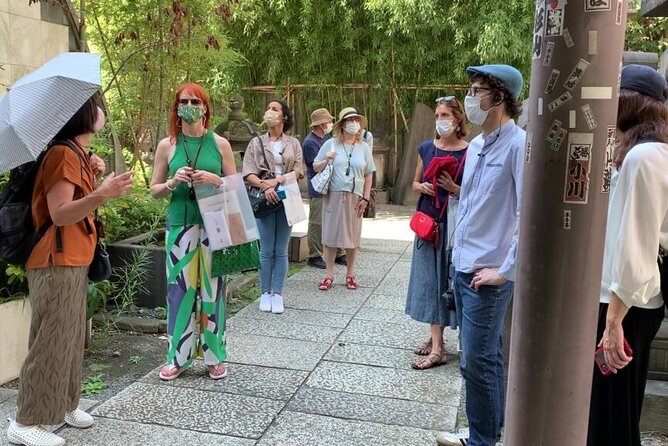
The first stop is Hakkaku-beya Sumo Stable. You look at the stable from outside, where wrestlers live and train, and the guide explains its place in the sumo world.
The key word here is outside. This is not a training observation visit. You should not book this tour expecting to watch wrestlers practice or enter the stable. The stop is brief, about 15 minutes, and works best as an introduction to the way sumo is organized around local training houses.
That limitation is easy to overlook when you see the word stable in the tour description. If your main goal is to see wrestlers in action, this experience will not meet it. If you want to understand where sumo life happens, the stop gives you a useful starting point.
Nominosukune Shrine and the beginnings of sumo
At Nominosukune Shrine, the tour turns from modern sumo to its traditional roots. The shrine honors the figure regarded as the founder of sumo, and you hear how the sport began about 1,500 years ago.
This is one of the more useful stops because it gives the sport a cultural setting. Sumo is not simply two large athletes pushing one another out of a circle. Its rules, rituals, ranking system, and ceremonial customs developed over many years.
The visit lasts about 30 minutes. That gives the guide time to explain how the rules changed into their present form and how the shrine relates to sumo tradition. The shrine itself is free to visit, so the value here comes from the explanation rather than an admission ticket.
I would pay close attention at this stop if you have little background in sumo. Later references to wrestlers, rankings, and the ring will make more sense once you understand how the sport developed.
Ryogoku Kokugikan, Tokyo’s sumo arena
You then view Ryogoku Kokugikan from outside. This is the arena where Grand Sumo Tournaments are held three times each year, making it the essential landmark in Ryogoku.
The guide shares stories about the arena and its role in sumo. Since you do not enter for a match, this portion is best understood as an orientation stop. You learn why the building matters, how it fits into the district, and where major sumo events take place.
The half-hour visit should be satisfying for someone who wants cultural background. It may feel incomplete if you hoped to see the interior or attend a tournament. The tour does not include an actual sumo viewing, so treat the arena as an important landmark rather than a ticketed attraction.
This is also where the date of your tour becomes important. The experience does not promise a tournament, and it does not include practice. If your trip happens to coincide with a Grand Sumo Tournament, you still need separate arrangements for admission.
A completely different kind of day out:
- Tokyo Disney Resort – Tokyo Disneyland & Tokyo DisneySea Park Tickets
★ 4.8 · 99,488 reviews - SHIBUYA SKY Ticket
★ 4.7 · 46,509 reviews - JR Whole Japan Rail Pass
★ 4.8 · 29,150 reviews - Mt Fuji and Hakone 1-Day Bus Tour Return by Bullet Train
★ 5.0 · 26,383 reviews
A full-size ring at Ryogoku Edo Noren
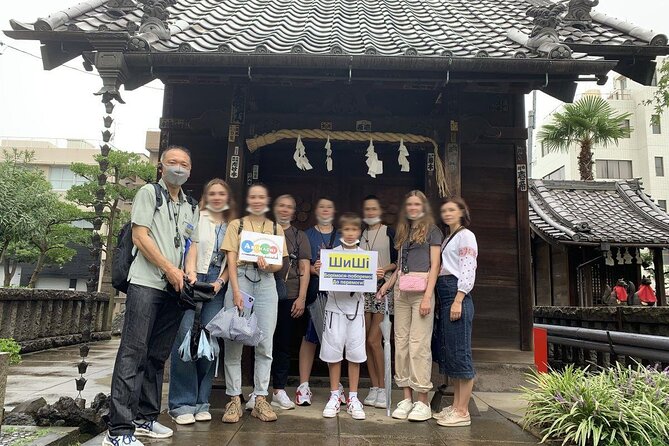
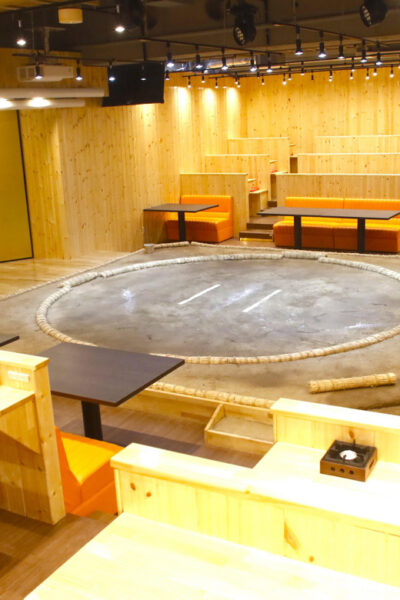
Ryogoku Edo Noren offers one of the clearest visual moments on the walk: a full-scale sumo ring. You can see the ring up close while the guide explains how it is used and shares stories about watching sumo.
The setting also recalls old Edo, Tokyo’s former name. That helps connect the sport to the city’s past rather than treating it as an isolated attraction.
A full-size ring makes the rules easier to picture. You can understand the physical limits of the contest in a way that a television screen does not provide. The guide can point out details that would otherwise be easy to miss.
This stop lasts about 30 minutes. Since it is free, the attraction comes from seeing the ring and learning how to read it. For first-time visitors, this may be one of the most approachable parts of the tour.
Ekoin Temple and Edo-period tournaments
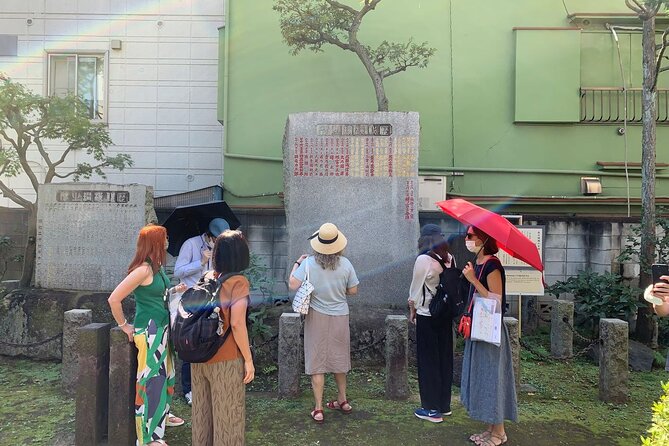
At Ekoin Temple, you visit a former sumo tournament site from the Edo period. The guide explains how tournaments were held before modern arenas existed and discusses the social position of wrestlers in pre-modern Japan.
This section adds needed balance to the usual image of sumo. You learn not just what happens inside the ring, but also how wrestlers fit into society and how the sport was presented in an earlier era.
The stop is short, around 15 minutes. That is enough for a focused explanation, though not enough for a long temple visit. I would think of it as a historical marker on the route rather than a standalone sightseeing stop.
The value comes from the connection between place and story. You are not simply hearing about Edo-period sumo in a classroom. You are standing at a site associated with the way those tournaments were held.
Kasuganobeya and the practical side of wrestler life
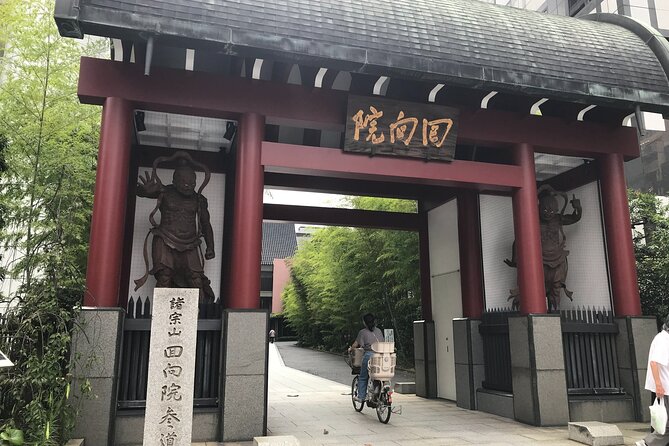
The route continues to Kasuganobeya Sumo Stable. Again, you view the stable from outside. One memorable detail is the wrestler-size bicycles used in daily life, a small but practical glimpse of how ordinary objects must accommodate very large bodies.
This stop also connects sumo in Japan with international participation. A Bulgarian-born wrestler belongs to the stable, showing how the modern sport includes athletes from outside Japan while retaining its Japanese customs and structure.
The visit is about 15 minutes. It is not a stable tour or a chance to observe practice, but it gives you another physical point of reference. Seeing where wrestlers train, then hearing about their daily routines, makes the sport feel more grounded.
You should keep expectations clear. Stable access is limited on this experience, and the tour does not promise contact with wrestlers. The guide’s explanation is the main feature.
Chanko-nabe at Tomoegata
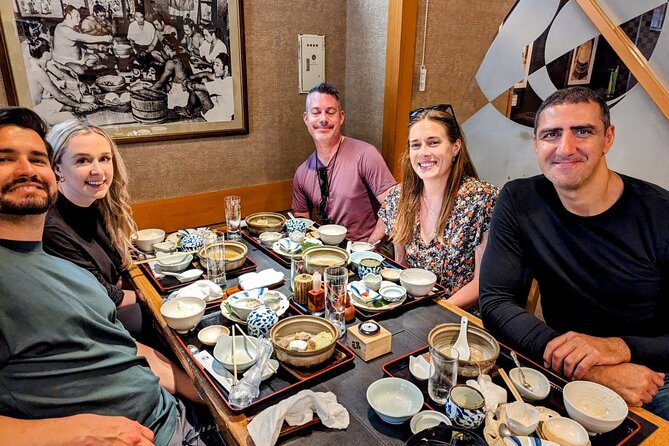
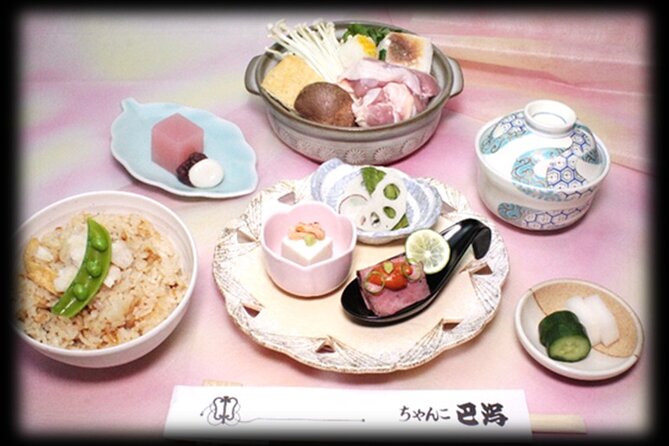
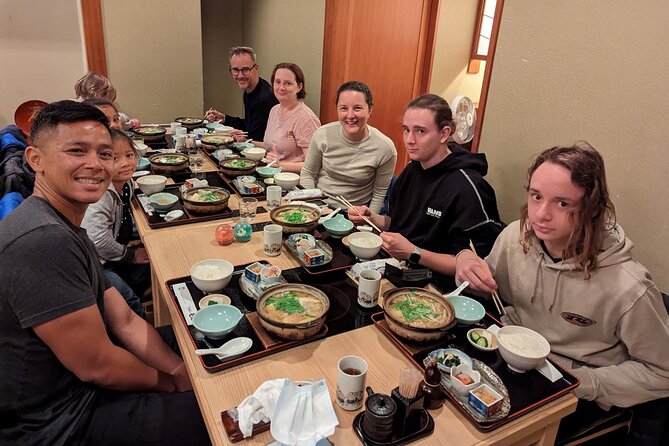
The tour finishes at Tomoegata Chanko, where you sit down for a one-hour chanko-nabe lunch. This hot-pot dish is closely associated with sumo wrestlers, who eat it as part of a diet designed to help build body weight and muscle.
Lunch is included in the price, which makes the final stop more than a convenient meal break. It gives you a direct food connection to the subject of the tour. You learn why chanko-nabe matters in sumo life while eating the dish in a restaurant known for serving it.
Alcoholic drinks are not included. That is worth remembering when judging the total cost. The meal itself is part of the tour, but any alcoholic beverage is an extra expense.
The restaurant is also the end point, so you are free to continue exploring Ryogoku after lunch. There is no hotel return transfer. This arrangement works well if you plan to spend the afternoon in the district, but you need to manage your own onward transport.
What the $131.12 price really buys you
At $131.12 per person, this is not a cheap sightseeing walk. You are paying for a small group, a guide who navigates the district, several connected history stops, and a traditional lunch.
The free admission at each listed stop means the price is not going toward entrance tickets. The cost is mainly for the guide’s time and the meal. That can be good value if you would otherwise struggle to understand the sites or if you want one organized morning built around sumo.
I would be less enthusiastic about the price if your only goal is to see wrestlers practice. You will not get that here. The experience is strongest for someone who wants an introduction to the history, customs, places, and food of sumo.
The small group improves the value. With no more than eight people, the tour can feel personal, and guides such as Jeff have been praised for being friendly and engaging. Taka has also been singled out for his guidance, while Aki-san has been praised for explaining the culture and rules clearly.
The overall rating is 4.9 out of 5, with 96 percent recommending the experience. That is a strong result, but it should be read alongside the scheduling warning. A tour can be excellent in general and still be a poor fit on a day when the sites you hoped to enter are closed.
Timing, closures, and the main limitation
The tour starts at 9:30 a.m. and lasts approximately three hours and 30 minutes. Since lunch takes about an hour, the walking and explanation portion occupies roughly the first two and a half hours.
The schedule is fairly tight. You move through seven stops, with visits ranging from 15 to 30 minutes before lunch. That keeps the morning moving, but it also leaves little room for delays or extended visits.
Some experiences connected with sumo are not available every day. One account of the tour notes that on a Sunday, training facilities were closed, and a museum was also unavailable on another visit. The tour still offered lunch and other sights, but the day felt less worthwhile because the expected sumo access was limited.
That is the clearest practical advice I can give: check the day before booking if stable access or a museum visit matters to you. The advertised route remains useful as an outdoor history walk, but closures can change the balance between price and value.
Who will enjoy this Ryogoku morning
I would recommend this tour to you if you are new to sumo, enjoy guided history walks, or want a simple introduction to Ryogoku without researching each site yourself. Families and small groups may especially appreciate the limited group size and the built-in lunch.
It also suits anyone who wants more than a match. You learn about shrines, old tournament grounds, the arena, wrestler life, and the food connected with the sport.
I would not choose it as your main sumo experience if you already know the rules well or if you specifically want to watch practice. The tour is educational and place-based, not a live sporting event.
The free cancellation policy is practical: you can receive a full refund if you cancel at least 24 hours before the start time. Changes or cancellations inside that window are not accepted, so keep the local cut-off time in mind.
Should you book the Tokyo Sumo Culture Tour?
Book it if you want a well-organized introduction to sumo and Ryogoku, with a small group and lunch included. The strongest parts are the guide’s storytelling, the links between modern and Edo-period sumo, and the chance to finish with chanko-nabe.
Think twice if you expect to enter a stable, watch training, or see a match. Those are not included, and Sunday closures may reduce what you can see.
For the right person, the tour turns an unfamiliar district into a readable story. You leave knowing where sumo happens, how its customs developed, and why chanko-nabe belongs at the table. Just book it for cultural understanding, not ringside action.
FAQ
How long is the Tokyo Sumo Culture Tour?
The experience lasts approximately three hours and 30 minutes, including the one-hour chanko-nabe lunch.
What time does the tour start?
The tour starts at 9:30 a.m.
Where does the tour begin?
It begins near Ryogoku Station at 1-chōme-4-29 Yokoami, Sumida City, Tokyo 130-0015.
Where does the tour end?
The tour ends at Tomoegata Chanko, located at 2-chōme-17-6 Ryōgoku, Sumida City, Tokyo 130-0026.
Is lunch included?
Yes. Chanko-nabe lunch is included. Alcoholic beverages are not included.
Does the tour include a sumo match?
No. The tour does not include actual sumo viewing, such as a practice session or a match.
Can I enter a sumo stable?
The itinerary includes viewing Hakkaku-beya and Kasuganobeya from outside. It does not promise entry into either stable.
How many people can join the tour?
The maximum group size is eight people.
Can I cancel for a full refund?
Yes, if you cancel at least 24 hours before the experience start time. Cancellations or changes made less than 24 hours before the start time are not accepted.
More Lunch Experiences in Tokyo
- Tokyo: Mt.Fuji & Lake Kawaguchiko 1-Day Bus Tour w/Optional Lunch
★ 4.5 · 839 reviews - Tokyo: Sumo Experience and Chanko Nabe Lunch
★ 4.8 · 257 reviews - Tokyo: Tsukiji Fish Market Tour with 6 Stops & Seafood Lunch
★ 4.5 · 165 reviews - Tokyo: 1 Day Bus Tour with Meiji-Jingu,Odaiba,lunch&Skytree
★ 4.6 · 156 reviews
Just added in Tokyo
- Very popular in Harajuku♡Animal petting zoo★ 4.6 · 39 reviews
- Yokohama Port: Private Customizable Tour with Transfer★ 5.0 · 19 reviews
- Wagyu & Sake 8 Course Tasting Dinner in Shinjuku★ 4.9 · 20 reviews
- Warner Bros. Studio Tour Tokyo – The Making of Harry Potter★ 4.8 · 181 reviews
- Yanaka District: Historical Walking Tour in Tokyo’s Old Town★ 4.8 · 117 reviews
- Tokyo: Classic Tsukiji Food Tour★ 4.9 · 78 reviews
- Tokyo: Tsukiji Fish Market Tour with 6 Stops & Seafood Lunch★ 4.5 · 165 reviews
- Tokyo Wagyu & Sake Pairing Tasting Experience with Local Flavors★ 5.0 · 108 reviews
Sumo Experiences, compared.
Sumo Show Experience with Chicken Hot Pot and a Photo
Read our review →
Tokyo Shinjuku Sumo Show & Experience with Photo
Read our review →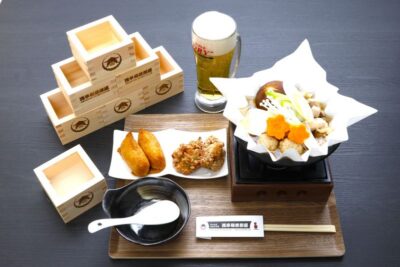
Asakusa Sumo Club Sumo Show Admission with Chankonabe in Tokyo
Read our review →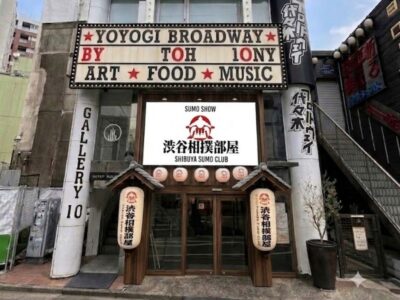
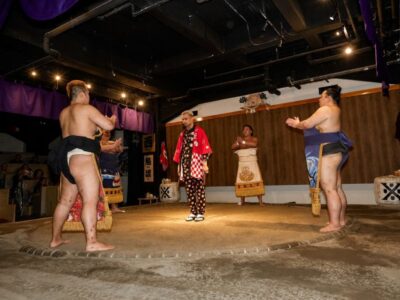
Tokyo Ginza Sumo Experience: Performance vs Pure Practice
Read our review →Browse the lists this tour appears in