
Reviewed · MARKETS AND FOOD HALLS
Tokyo: Tsukiji Fish Market Culture Tour with Sashimi Tasting
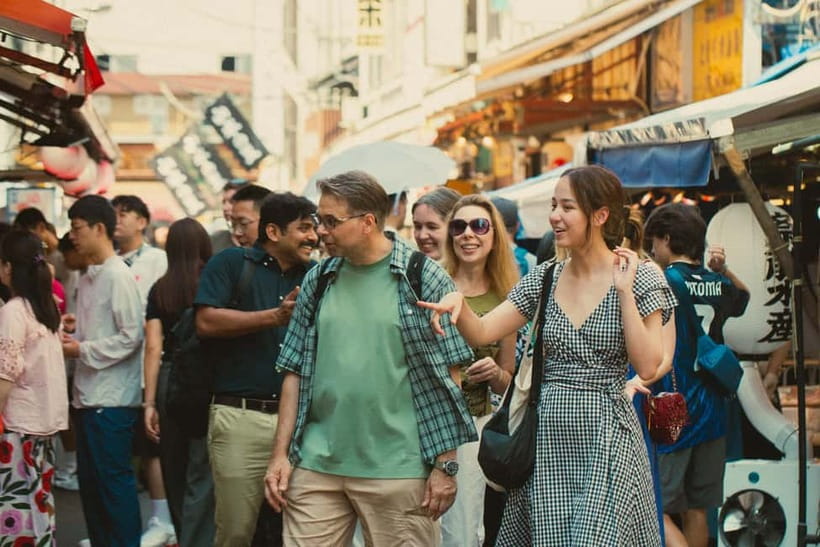
Arrive hungry, but not rushed. This small-group walk through Tokyo’s Tsukiji Outer Market gives you a useful introduction to more than 400 shops, seasonal foods, local customs, and the market’s long connection to Japanese food culture. I like the English-speaking assistance and the way the guide introduces you to shops instead of leaving you to guess which doorway to enter. I also like the included sashimi tasting, which can be more generous than the word tasting suggests. The main drawback is that this is not a full food crawl, and one part of the tour may focus on market history and nearby sights rather than stopping at many food stalls.
The tour lasts about 90 minutes, though the booking system may show a wider window of 90 minutes to four hours depending on the selected time. You finish near either Tsukiji Hongwan-ji Temple or the Tsukiji Bon Marche souvenir area, with the market open for your own continued exploration. For $38, it is a fair introduction, especially if Tsukiji feels confusing, but you should budget extra cash for the food you want to buy afterward.
In This Review
- Key points before you book
- Starting at Tsukiji Hongwan-ji Temple
- Finding your way through the 400-plus shops
- What the 90-minute route actually gives you
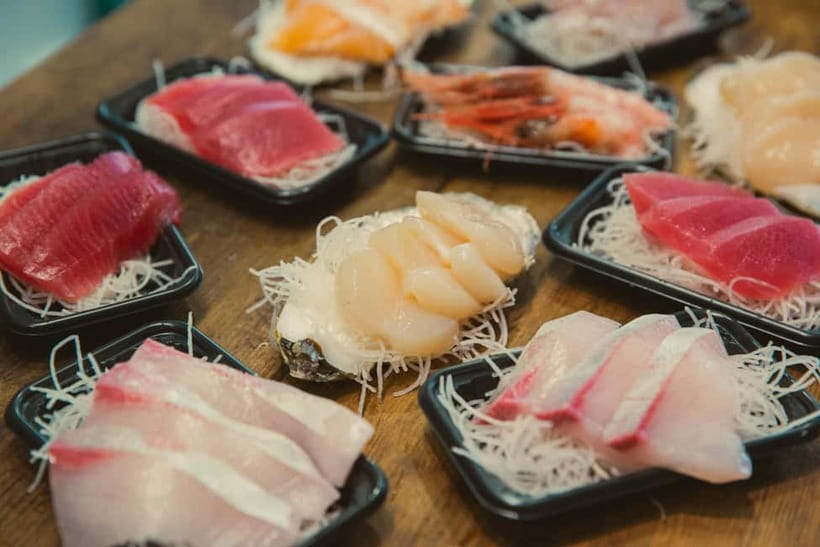
- The sashimi tasting and what food is covered
- Why the local introductions are useful
- Time to explore Tsukiji on your own
- Price, group size, and practical value
- The main mismatch to understand
- Who should book this Tsukiji tour?
- Should you book it?
- FAQ
- How long is the Tsukiji Fish Market tour?
- What food is included?
- Is the sashimi tasting a full meal?
- Is the tour conducted in English?
- How large is the group?
- Where does the tour start?
- Where does the tour end?
- What should I bring?
- Is the tour wheelchair accessible?
Key points before you book
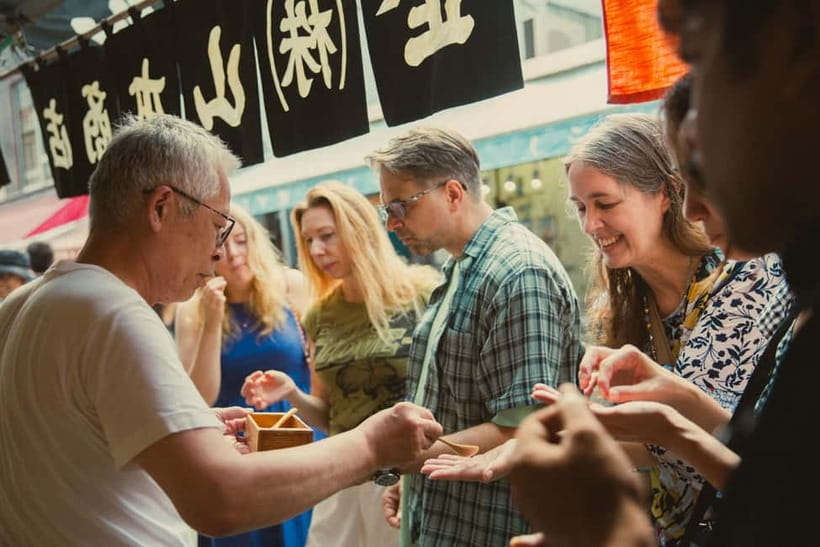
- Sashimi tasting is included: The advertised food sample may include a worthwhile portion, and one recent visit included sashimi and sake.
- More than a food crawl: You get market history, cultural background, shop recommendations, and introductions, but not a stop at every tempting counter.
- Small groups help: With no more than 10 people, it is easier to hear the guide and move through narrow market lanes.
- Bring cash: Many local shops accept cash only, and food purchases are not covered by the tour price.
- Expect moderate walking: Comfortable shoes and practical clothing matter, and the route is not wheelchair accessible.
- You can keep exploring afterward: The tour ends at the market, so you can stay for shopping, breakfast, sushi, and snacks at your own pace.
Starting at Tsukiji Hongwan-ji Temple
Depending on the option you book, you may meet at Tsukiji Hongwan-ji Temple or at the Tsukiji Bon Marche souvenir corner. Check the exact meeting point carefully, since it can vary.
Hongwan-ji gives the tour a useful sense of place before you enter the market lanes. It also explains why the experience is called a culture tour rather than simply a sushi stop. One recent participant felt the temple portion took attention away from the food, so this starting point may not suit you if your only goal is to eat as quickly as possible.
That said, a short introduction can help you understand Tsukiji as more than a collection of seafood counters. The guide sets the scene, explains the market’s role in Tokyo, and then leads you toward the outer market, where the food shops and narrow lanes begin.
If you are meeting at Bon Marche instead, you start closer to the shopping area. This may feel more efficient for an early visit, especially if you already know you want to spend the rest of the morning buying food.
More Markets and Food Halls in Tokyo
- Tokyo Tsukiji Fish Market Food and Culture Walking Tour
★ 5.0 · 3,184 reviews - Tokyo: Tsukiji Fish Market Food and Walking tour
★ 5.0 · 1,724 reviews - Senkyaku Banrai Toyosu Manyo Club Onsen Experience in Tokyo
★ 4.7 · 1,690 reviews
Finding your way through the 400-plus shops
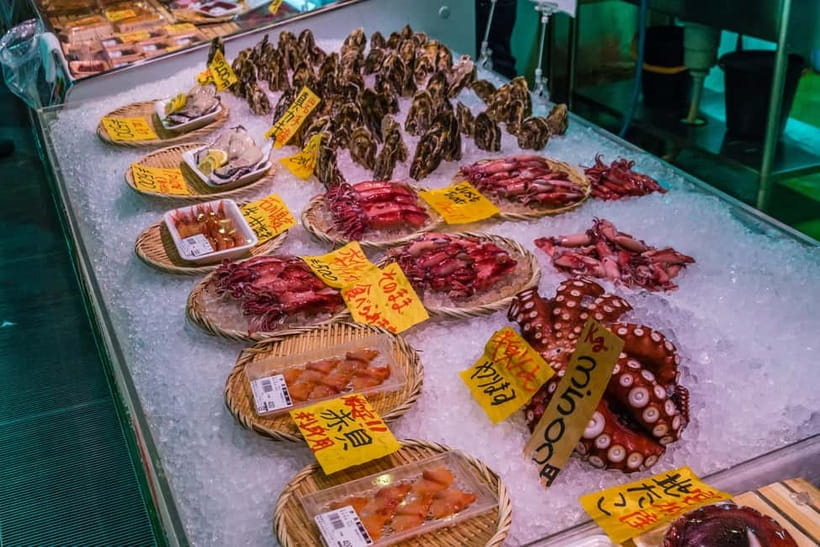
Tsukiji Outer Market is famous, but fame does not make it easy to navigate. The area contains more than 400 shops, and the best seasonal offerings are not always obvious from the main paths. Some businesses focus on seafood, while others sell prepared foods, cooking tools, Japanese ingredients, or souvenirs.
This is where the guide earns the tour fee. Rather than wandering from one crowded lane to another, you get a route through backstreets and recommendations on where to look. An English-speaking assistant can also explain what you are seeing, which is useful when a menu or shop sign gives you little to work with.
The small group limit of 10 is important here. Narrow lanes and busy counters are easier to manage with a compact group than with a large coach party. You should still expect to pause and move at the pace of the group, but the format is intimate enough for questions and conversation.
The guides receive the strongest praise in the available feedback. Shun was described as friendly and informative, while Taka was praised for making the walk fun and pointing out the places and foods worth knowing. Shoko also received warm praise, even from someone who disliked the tour’s food-focused balance. That distinction matters: the guides appear to be a major strength, but the guide’s quality cannot fully change the tour’s structure.
What the 90-minute route actually gives you
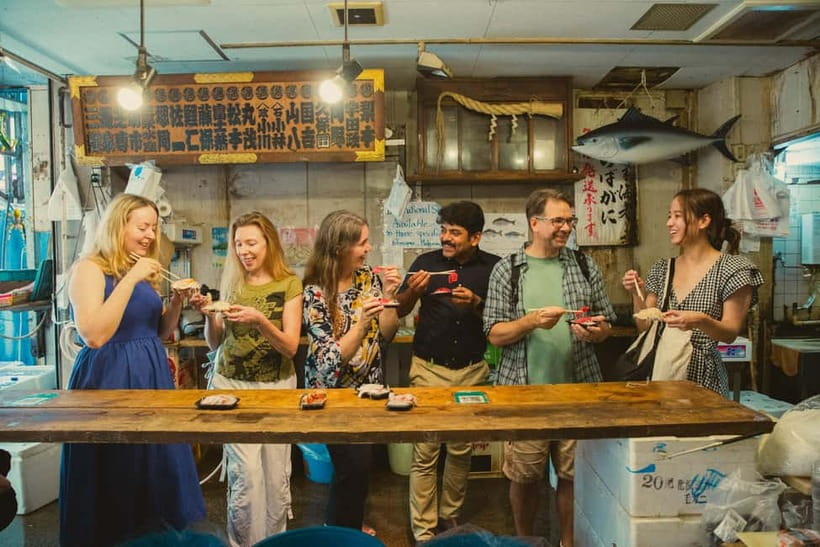
The core guided portion is about 1.5 hours. That is enough time to get oriented, see selected parts of the outer market, hear about its history and culture, receive shop recommendations, and sample local food. It is not enough time to visit every interesting counter or eat a full breakfast along the way.
You will walk through the market’s backstreets with the guide pointing out seasonal items and local shops. The exact stops can change, since food availability and free samples vary by day. That flexibility is normal for a working market, but it means you should not book expecting a fixed menu.
The guided walk also includes introductions to local shop owners or staff. This is a useful touch because a recommendation has more value when you can return to the same shop after the tour. You may also pick up practical advice about what to buy and where to eat later.
I would think of the first 90 minutes as a market orientation with food, not as a long tasting menu. You get enough direction to make the rest of your visit more rewarding. If you want to spend most of your time eating, plan to stay after the official tour ends.
The sashimi tasting and what food is covered
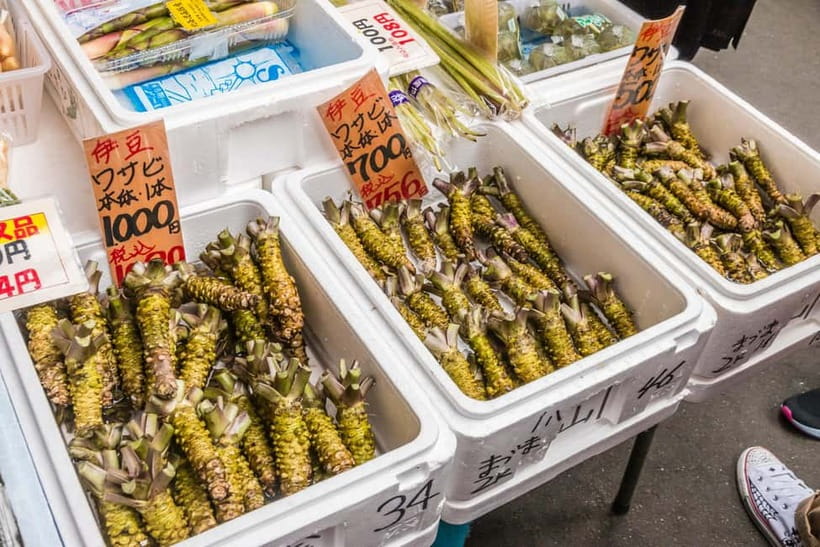
The tour includes sashimi tasting and samples of local foods, but your own food purchases are not included. The wording can be confusing, so plan for both a sample from the tour and additional spending at the market.
The sample changes depending on the day. One recent visit received a sashimi portion that was larger than expected, and another included sashimi with sake. That makes the tasting a genuine part of the tour rather than a token bite, though you should not assume the same amount or drink will appear every time.
The food sample is also a good introduction to the market’s standards and customs. Your guide can explain what you are eating and help connect the ingredients to Japanese food culture. If you have dietary restrictions, the supplied information does not promise substitutions, so you should ask before booking.
Do not arrive expecting to try every delicacy in the market. A tasting stop followed by personal eating time is the better description. Keep some cash ready for sushi, seafood, snacks, or specialty items you want to purchase on your own.
A completely different kind of day out:
- Tokyo Disney Resort – Tokyo Disneyland & Tokyo DisneySea Park Tickets
★ 4.8 · 99,488 reviews - SHIBUYA SKY Ticket
★ 4.7 · 46,509 reviews - JR Whole Japan Rail Pass
★ 4.8 · 29,150 reviews - Mt Fuji and Hakone 1-Day Bus Tour Return by Bullet Train
★ 5.0 · 26,383 reviews
Why the local introductions are useful
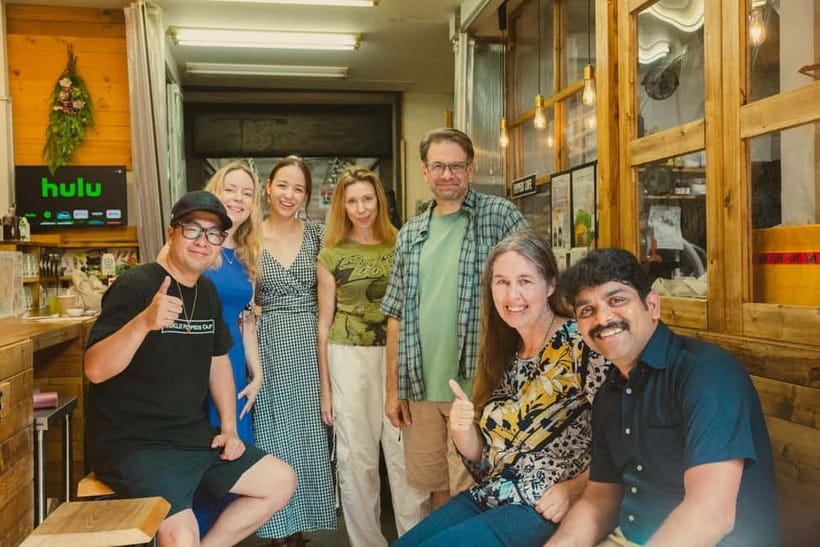
A guide can point to a shop, but an introduction adds another layer. You may meet local people working behind the counters and receive recommendations that are more specific than a general list of popular places.
This is especially helpful if you do not read Japanese or are unsure how to approach a small shop. The assistant can help you understand the setting and explain what makes a particular product worth noticing. You still decide what to buy, but you are not making every choice without context.
The market is also a place where timing matters. Seasonal offerings change, and a shop that is ideal on one day may have something different the next. The tour cannot guarantee a particular item, but the guide’s advice can help you recognize what is available during your visit.
You should also expect local market etiquette. The tour information asks you to eat quickly so the group does not block business or disrupt the flow. That rule may frustrate you if you want to linger at each counter, but it reflects the fact that Tsukiji is a working market, not only a sightseeing attraction.
Time to explore Tsukiji on your own
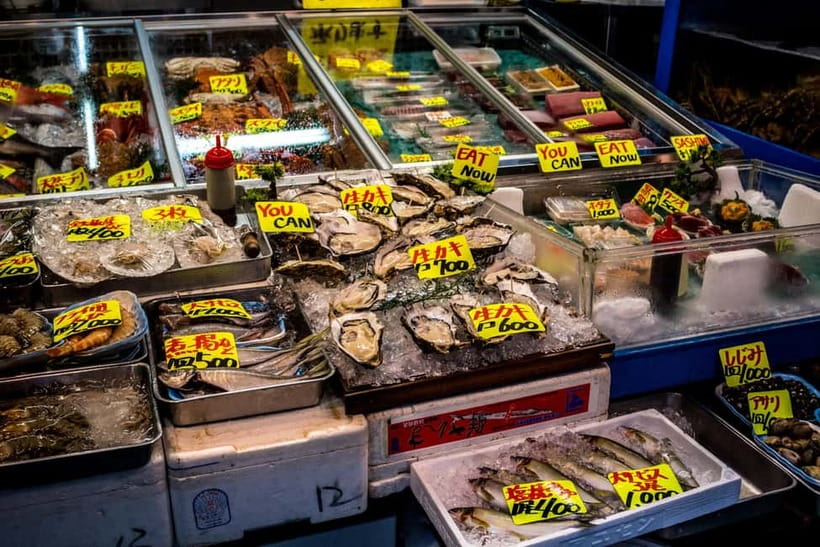
At the end, you are dropped near either the Bon Marche souvenir corner or Tsukiji Hongwan-ji Temple. This is not a hard exit from the market. You can continue shopping, eating, and looking around at your own pace.
In practice, this free time may be the most important part for food-focused visitors. The guided portion helps you get your bearings, then you can return to a recommended shop, choose your own breakfast, or browse areas the group did not have time to cover.
The tour’s structure also lets you avoid wasting the first hour trying to understand the layout. If you have limited time in Tokyo, that matters. A solo visit may be cheaper, but you could spend much of it walking past shops without knowing what is worth a stop.
On the other hand, if you expected the guide to escort you from stall to stall for several hours, you may feel shortchanged. One recent participant wanted more time in the fish market area, and that criticism is fair. Ninety minutes is a useful introduction, not a full morning of guided eating.
Price, group size, and practical value
At $38 per person, the tour is reasonably priced for a 90-minute guided walk with an English assistant, market recommendations, introductions, and sashimi tasting. The value depends on how much help you want.
I think the price works best for a first visit to Tsukiji. You are paying for orientation, translation help, local context, and a tasting, not just transportation or a meal. If you already know the market well, you may prefer to spend the money directly on food.
A group of up to 10 keeps the experience manageable, though it is still a group activity. You will need to follow the meeting time and route rather than stopping whenever you like. The reward is that you can ask questions and share the experience without being part of a large crowd.
The tour runs rain or shine. Wear comfortable shoes and clothes, and bring a camera if you want to record the shopfronts and food displays. Moderate walking is involved, and the route is not wheelchair accessible. Children under 3 are not suitable for this activity.
Free cancellation is available up to 24 hours before the start time, and you can reserve now and pay later. Those policies are helpful if your Tokyo schedule is still shifting, but the more important planning point is simple: bring cash for anything you want to eat or buy beyond the included sample.
The main mismatch to understand
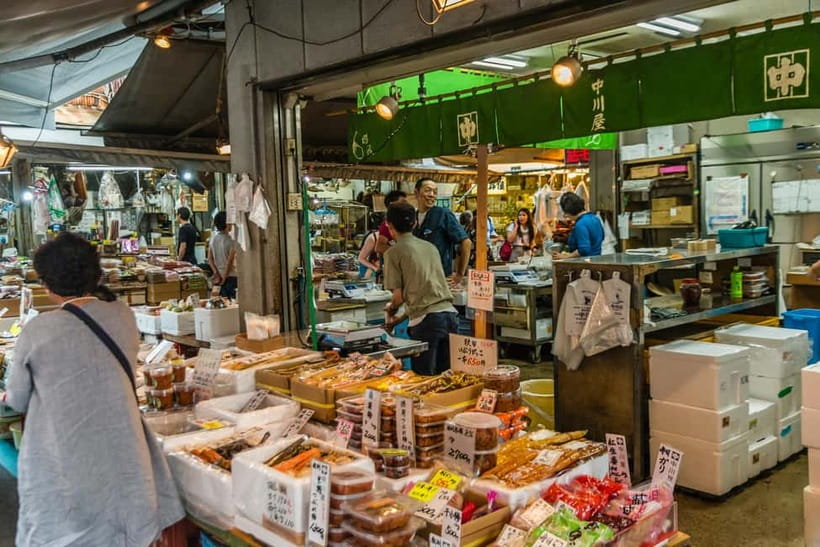
The biggest issue is the gap between a food tour and a market culture tour. The name includes fish market and sashimi, so it is easy to imagine a guided tasting route with repeated stops. In reality, you get some food, but also history, a temple or meeting-area introduction, backstreet walking, and advice for exploring independently.
That balance will suit you if you want context and practical guidance. It may not suit you if you have traveled a long way mainly to eat at many different stands during the 90 minutes.
The guide can make the experience feel warm and personal. Taka, Shun, and Shoko were each praised for their friendliness and communication, and one small group enjoyed the intimate feel, the food explanations, sashimi, sake, and conversation at the end. Still, good guiding does not turn the tour into an all-you-can-eat crawl.
My advice is to book it early in your Tokyo stay, then use the recommendations afterward. That way, the tour serves as a map and introduction, while your later time at Tsukiji can be slower and more food-focused.
Who should book this Tsukiji tour?
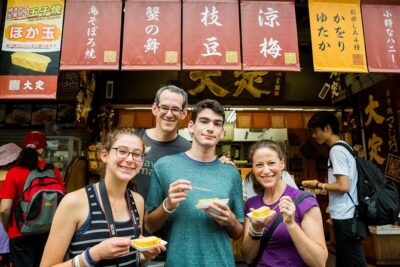
I would recommend this experience if you are visiting Tsukiji for the first time, want English guidance, or feel unsure about ordering and choosing among hundreds of shops. It is also a good fit if you enjoy food culture, local history, and meeting people connected to the market.
It suits solo visitors and couples who want a small group rather than a large bus tour. Families with very young children should look elsewhere because children under 3 are not suitable, and the walking route may be tiring for anyone who needs step-free access.
I would hesitate if your top priority is eating at as many counters as possible during the guided time. You can still do that after the tour, but you will need to pay separately and allow extra time.
Should you book it?
Book this Tsukiji tour if you want a friendly English introduction, a useful route through the outer market, and a sashimi sample before exploring independently. At $38, it offers good value for first-time visitors who would otherwise wander without a plan.
Skip it if you already know Tsukiji or want a tightly scheduled food crawl with many tastings. The tour’s best feature is guidance and local context, not the sheer number of dishes. Arrive in comfortable shoes, carry cash, and keep your morning open for more eating after the 90-minute walk.
FAQ
How long is the Tsukiji Fish Market tour?
The guided tour lasts 90 minutes, or about 1.5 hours. The activity listing may show a broader duration range of 90 minutes to four hours depending on the available starting time or option.
What food is included?
Sashimi tasting and samples of local foods are included. The available samples can change by day, and food you choose to purchase separately is not included.
Is the sashimi tasting a full meal?
No. The tasting is part of the guided visit, but you should plan extra time and money if you want a full meal or more food afterward.
Is the tour conducted in English?
Yes. English-speaking assistants lead the tour, and the activity includes a live English tour guide.
How large is the group?
This is a small-group tour limited to 10 participants.
Where does the tour start?
The two possible starting locations are Tsukiji Hongwan-ji Temple and the Tsukiji Bon Marche souvenir corner. The exact meeting point depends on the option booked.
Where does the tour end?
The two possible drop-off locations are the Tsukiji Bon Marche souvenir corner and Tsukiji Hongwan-ji Temple.
What should I bring?
Bring comfortable shoes, comfortable clothes, a camera if desired, and cash. Many local shops accept cash only.
Is the tour wheelchair accessible?
No. The activity is not wheelchair accessible and includes a moderate amount of walking. It runs rain or shine.
Just added in Tokyo
- A One-of-a-Kind Sushi Experience in a Special Place of Japan★ 5.0 · 15 reviews
- Tokyo Cute Bento Cooking Class – Make a Kawaii Character Lunchbox★ 5.0 · 126 reviews
- Japanese Home Cooking Class & Walk in Todoroki Temple Tokyo★ 5.0 · 88 reviews
- Catch a Baseball Game in Tokyo with a Local – Tickets Included★ 5.0 · 24 reviews
- Japan Tokyo Tower Observatory Deck E-Ticket★ 4.0 · 34 reviews
- JDM Experience with Fast&Furious RX-7 (English speaking Driver)★ 5.0 · 57 reviews
- Tokyo Private Day Tour by Car with English speaking Driver Guide★ 4.0 · 29 reviews
- Japan Classic 10 Day – One Life Adventures★ 5.0 · 129 reviews
Markets and Food Halls, compared.
Tokyo Tsukiji Fish Market Food and Culture Walking Tour
Read our review →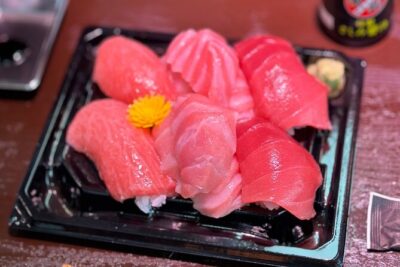

Senkyaku Banrai Toyosu Manyo Club Onsen Experience in Tokyo
Read our review →
Nishiki Market Brunch Walking Tour (7 Tastings + Brunch)
Read our review →
Tokyo Sushi Making Class in Tsukiji with Professional Chef
Read our review →
Tsukiji Fish Market Guided Tour and Sushi Making with Pro Chef
Read our review →Browse the lists this tour appears in