

Reviewed · MARKETS AND FOOD HALLS
Tokyo: Tsukiji Market and Hama-rikyu Gardens Guided Tour
Fresh food, old temples, and city views. This walking tour links three very different sides of Tokyo: the quiet presence of Tsukiji Hongwanji Temple, the food stalls of Tsukiji Outer Market, and Hama-rikyu Gardens beside the skyline. I especially like the chance to sample market foods at your own pace and the easy contrast between narrow market lanes and a calm Edo-period garden. The main drawback is the amount of walking, plus some uncertainty over the advertised duration and wheelchair suitability.
At $31 per person, the tour offers a useful introduction to this corner of Tokyo without charging extra for garden admission. You will still need money for food, and the optional matcha and wagashi tasting costs about 1,000 yen. Wear proper walking shoes, and do not expect a sit-down meal or a visit to the famous wholesale tuna auction area.
In This Review
- Key points to know before you book
- Why this Tokyo walk works so well
- Starting at Tsukiji Hongwanji Temple
- Eating your way through Tsukiji Outer Market
- The 15-minute walk to Hama-rikyu
- Hama-rikyu Gardens and the Tokyo skyline
- What the $31 price really includes
- Languages, pace, and practical planning
- Who should book this experience
- Final verdict: a useful half-day Tokyo introduction
- FAQ
- Where does the tour meet?
- How long does the tour last?
- Is food included in the price?
- How much does the matcha and wagashi tasting cost?
- Which languages are available?
- Is the tour suitable for wheelchair users?
Key points to know before you book
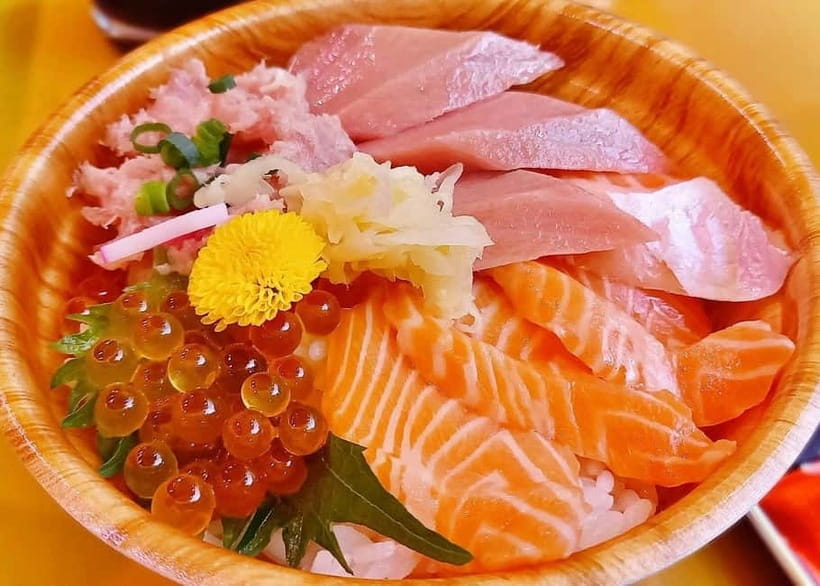
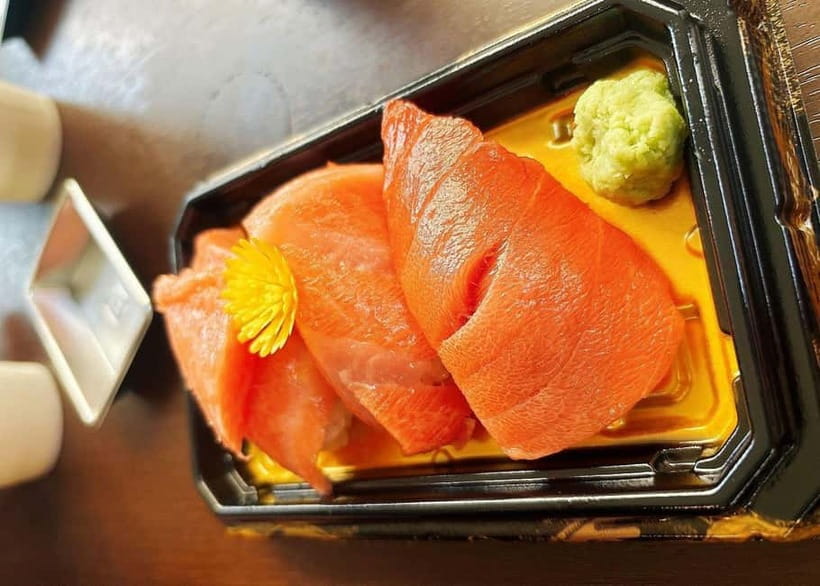
- Tsukiji is a tasting tour, not a restaurant meal: You can buy grilled scallops, tamagoyaki, sushi, wagyu skewers, and matcha sweets directly from stall holders.
- The route begins at Starbucks near Tsukiji Station: Your guide waits in front before walking to Tsukiji Hongwanji Temple.
- The market covers a huge food range: The tour explains a site handling about 480 types of seafood and 270 types of produce.
- Hama-rikyu Gardens changes with the seasons: Flowers vary throughout the year, so the garden may look quite different depending on your visit.
- Matcha and wagashi are optional: The garden tasting costs about 1,000 yen and is paid locally.
- Plan for steady walking: The schedule includes about 15 minutes at the temple, 45 minutes in the market, a 15-minute walk, and about an hour in the garden.
Why this Tokyo walk works so well
Tokyo can feel too large to grasp on your first day. This route gives you a manageable slice of the city, all on foot, with three stops that feel genuinely different.
You begin with religious architecture and a quiet pause. Then you move into Tsukiji’s food lanes, where seafood, produce, sweets, and ready-to-eat snacks fill the senses. Finally, Hama-rikyu Gardens gives you room to slow down, look across the ponds, and see Tokyo’s towers rising beyond the trees.
I like this order. The temple settles you into the neighborhood. The market wakes you up. The garden lets you catch your breath.
The tour is listed at 150 minutes to three hours. The detailed plan adds up to roughly two hours and 15 minutes before extra shopping or food stops, so the final timing may depend on the pace of the group and how long you spend buying snacks. If your day is tightly planned, check the starting time and expected finish before booking.
More Markets and Food Halls in Tokyo
- Tokyo Tsukiji Fish Market Food and Culture Walking Tour
★ 5.0 · 3,184 reviews - Tokyo: Tsukiji Fish Market Food and Walking tour
★ 5.0 · 1,724 reviews - Senkyaku Banrai Toyosu Manyo Club Onsen Experience in Tokyo
★ 4.7 · 1,690 reviews
Starting at Tsukiji Hongwanji Temple
Meet your guide in front of the Starbucks Coffee Tsukiji Station store. From there, you walk to Tsukiji Hongwanji Temple for a guided visit of about 15 minutes.
This is a smart opening stop because the temple offers a clear change of mood before you enter the market. Its architecture is unusual for Tokyo, and the grounds provide a quiet place for a brief spiritual moment. You are not simply rushing from one food stall to the next.
Fifteen minutes is enough for an introduction and a look around, but not enough for a long religious visit. Think of this as a short orientation stop. Your guide can explain the temple’s setting and help you notice details you might otherwise pass without a glance.
The temple also gives you a useful reminder that Tsukiji is more than a place to eat. The district has long connected commerce, food, worship, and daily life. That mix is one reason this tour feels more rounded than a market-only walk.
Eating your way through Tsukiji Outer Market
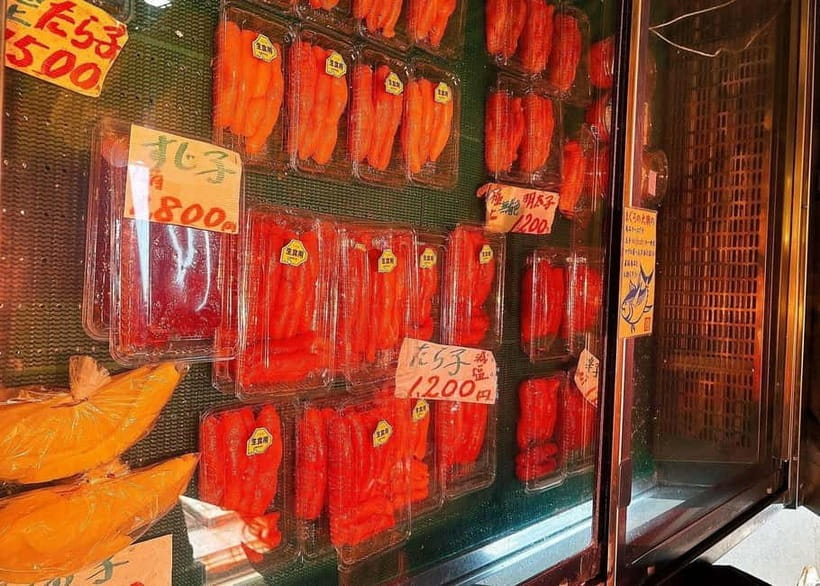
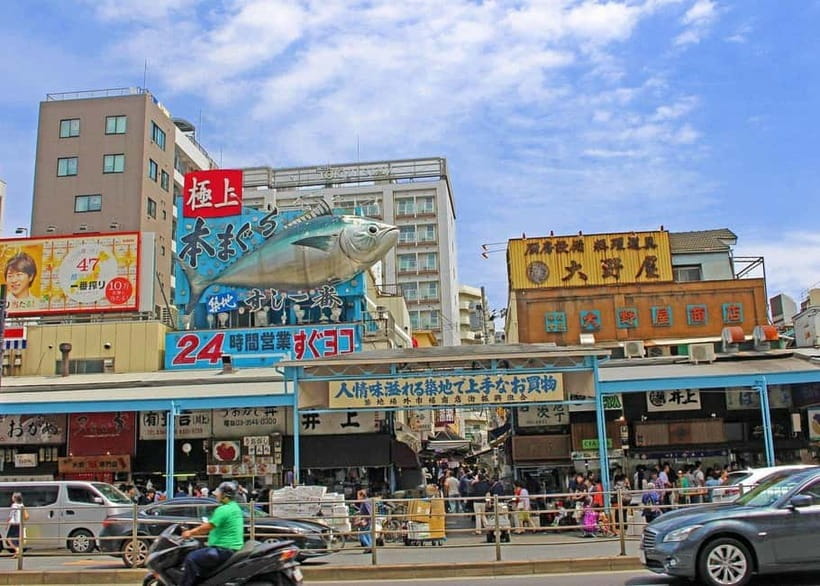
The main food portion lasts about 45 minutes, with time for a guided walk, free exploration, and shopping. The market is known for its narrow alleys and its broad selection, with about 480 kinds of seafood and 270 types of produce handled in the wider market operation.
That number matters because it helps explain the variety you see. Tsukiji is not just a row of sushi counters. Depending on what is available during your visit, you might find fresh seafood, vegetables, prepared foods, sweets, cooking supplies, and small snacks designed to be eaten while walking.
Food is not included, so bring yen or another accepted payment method for stall purchases. You can choose only what interests you, which is useful if you are a cautious eater or already have a lunch reservation elsewhere.
Possible bites include:
- Grilled scallops
- Tamagoyaki, a sweet Japanese omelette
- Sushi
- Wagyu skewers
- Matcha sweets
This variety lets you build your own tasting stop. One person might want seafood and sushi, while another may prefer the omelette or a sweet. You are not locked into a fixed menu.
I would ask your guide early about portion sizes, popular stalls, and the best order for eating. Forty-five minutes passes quickly, especially if you stop to photograph food, wait to buy something, or browse small shops. You should also keep your group close in the narrow lanes and avoid blocking other shoppers.
The market can be a noisy, crowded place, and that is part of the point. Still, anyone expecting a slow food seminar should adjust expectations. This is an active market visit with short explanations and personal buying time, not a formal cooking class.
The tour description refers to Tsukiji as having an 83-year history as one of Tokyo’s central wholesale markets. The important practical distinction is that this experience focuses on the Outer Market area, where you can shop and eat. It is not presented as a tour of a working wholesale auction floor.
The 15-minute walk to Hama-rikyu
After the market, the group walks for about 15 minutes to Hama-rikyu Gardens. There is no vehicle transfer included, and the walk is a basic part of the route.
This short connection helps the tour feel like a neighborhood walk rather than three disconnected admissions. It also means you should wear shoes that can handle pavement and several hours on your feet.
The route may be easy for many people, but the information provided gives conflicting accessibility details. The activity is marked wheelchair accessible, yet it also says it is not suitable for wheelchair users or people with mobility impairments. Because the itinerary includes narrow market lanes and a fair amount of walking, contact the provider before paying if accessibility is important to you.
The same caution applies if you are pregnant, since the tour is specifically listed as unsuitable for pregnant women. That is not a medical judgment for your individual situation, but it is a clear reason to ask questions before reserving.
A completely different kind of day out:
- Tokyo Disney Resort – Tokyo Disneyland & Tokyo DisneySea Park Tickets
★ 4.8 · 99,488 reviews - SHIBUYA SKY Ticket
★ 4.7 · 46,509 reviews - JR Whole Japan Rail Pass
★ 4.8 · 29,150 reviews - Mt Fuji and Hakone 1-Day Bus Tour Return by Bullet Train
★ 5.0 · 26,383 reviews
Hama-rikyu Gardens and the Tokyo skyline
Hama-rikyu Gardens is the longest stop, with about an hour for guiding and free time. The garden was created during the Edo period more than 370 years ago, giving you a strong historical counterpoint to the modern towers nearby.
This is where the tour changes pace. After market lanes and food stalls, you get open paths, planted areas, and views toward Tokyo’s skyline. The appeal is the contrast: an old garden setting surrounded by one of the world’s busiest modern cities.
Season affects the visit. The garden’s flowers change during the year, and the exact display depends on when you go. In one season, you may see one set of blooms; in another, the color and character will be different. The tour promises the chance to admire flowers in bloom, but it does not guarantee a particular species or peak display on your date.
Your guide can explain how the garden fits into the Edo period and point out features that make the setting special. You also have free time, which matters here. A garden is best appreciated with a little quiet, not only with a running commentary.
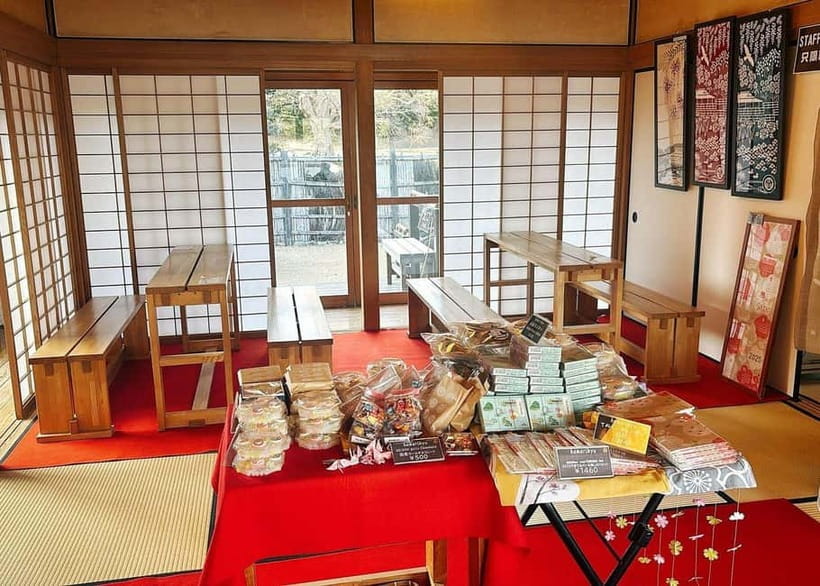
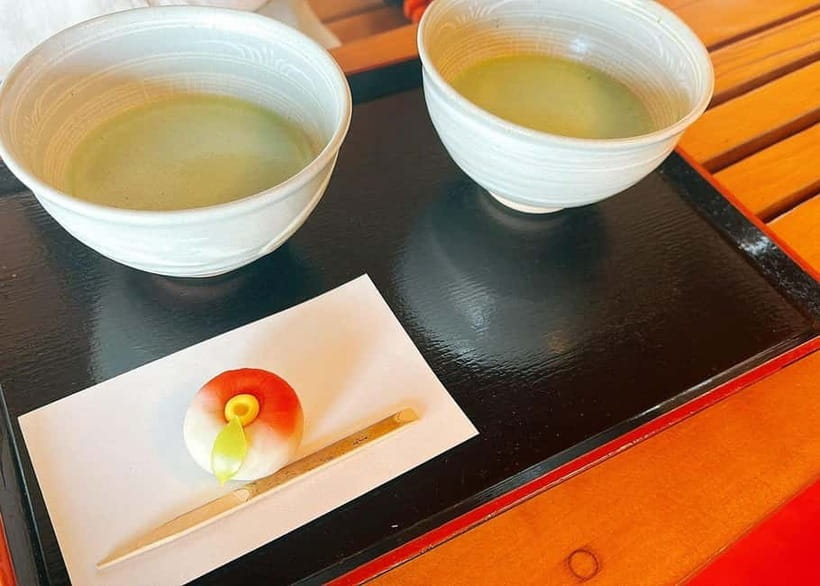
The optional matcha and wagashi experience adds a traditional food moment to the visit. For about 1,000 yen, paid on-site, you can learn about Japanese etiquette while tasting powdered green tea and a Japanese sweet. I see this as a worthwhile add-on if you want a slower cultural activity after the market.
You do not need to add it if you are watching your budget or have already planned a tea experience elsewhere. Since it is optional, the tour can work for both casual sightseers and people who want a bit more cultural explanation.
What the $31 price really includes
The $31 price is reasonable for a guided introduction to three important places, especially because Hama-rikyu Gardens admission is included. You are also paying for a local guide who connects the stops and explains what you are seeing.
The price does not include transportation, meals, or food from the stalls. That can be a benefit rather than a flaw. You control your food budget instead of paying a fixed amount for dishes you may not want.
For a realistic budget, add whatever you plan to eat at Tsukiji and another 1,000 yen if you choose the matcha and wagashi tasting. A small appetite can keep the extra cost modest. A serious market grazer can spend much more.
The value is strongest if you are new to Tokyo, want help understanding the market, or prefer a guided first look before exploring Tsukiji on your own. It is weaker if you already know the area well or want a long, unhurried food tour with many tastings included.
Languages, pace, and practical planning
Live guiding is offered in Chinese, English, French, Korean, and Spanish. Select the language that lets you ask questions comfortably, since the market explanations are more useful when you can discuss ingredients, customs, and local food practices.
The group size is not specified, so do not assume this will be a private or very small tour. The route includes free time, but you will still need to follow the guide between stops and respect the meeting times.
Bring water and a camera. The market offers plenty of close-up food photographs, while the temple and garden provide very different subjects. Smoking is not allowed during the activity.
Your best clothing choice is simple: light layers, comfortable shoes, and enough room in your day for food stops. The tour ends at Hama-rikyu Gardens, not back at the starting point, so plan your next journey from the garden. Transportation to and from the attractions is not included.
Free cancellation is available up to 24 hours before the activity for a full refund, and you can reserve now and pay later. Those policies are useful if your Tokyo schedule is still changing, but you should still confirm the exact starting time before arranging dinner or another timed attraction.
Who should book this experience
I would recommend this tour to first-time Tokyo visitors who want food, history, and scenery in one compact outing. It suits couples, families with older children, and anyone who likes tasting several small items instead of sitting down for one long meal.
It is also a good choice if you want an English-speaking guide, or need another language from the available list. The guide can provide context that is hard to get from simply walking through the market alone.
You may want a different plan if your priority is the wholesale fish trade, a long sushi lunch, or a slow garden visit. The market time is limited, food costs extra, and the route keeps moving.
People with mobility concerns should clarify the conflicting accessibility information before booking. The same goes for pregnant participants, who are listed as unsuitable for this activity.
Final verdict: a useful half-day Tokyo introduction
Book this tour if you want a compact route that joins Tsukiji’s food culture with a temple and an Edo-period garden. The included garden admission and flexible food spending make the $31 price fair, and the route gives you several kinds of Tokyo in a short time.
Skip it if you dislike walking, want every meal included, or prefer to explore markets without a schedule. For most first-time visitors, though, the mix is well judged: a peaceful temple, quick market tasting, and a garden where the skyline does the scenic work.
FAQ
Where does the tour meet?
You meet the guide in front of Starbucks Coffee near Tsukiji Station, listed as Starbucks Coffee Tsukiji Station store.
How long does the tour last?
The activity is listed as lasting from 150 minutes to three hours. The detailed route includes about 15 minutes at the temple, 45 minutes at Tsukiji Outer Market, a 15-minute walk, and one hour at Hama-rikyu Gardens.
Is food included in the price?
No. Meals and food purchased from market stall holders are not included. You pay separately for anything you choose to eat.
How much does the matcha and wagashi tasting cost?
The optional tasting costs about 1,000 yen and is paid on-site. It includes matcha, Japanese sweets, and an introduction to Japanese etiquette.
Which languages are available?
Live guides are available in Chinese, English, French, Korean, and Spanish.
Is the tour suitable for wheelchair users?
The information provided is conflicting. The activity is marked wheelchair accessible, but it also says it is not suitable for wheelchair users or people with mobility impairments. Contact the provider before booking to confirm whether the current route meets your needs.
Just added in Tokyo
- A One-of-a-Kind Sushi Experience in a Special Place of Japan★ 5.0 · 15 reviews
- Tokyo Cute Bento Cooking Class – Make a Kawaii Character Lunchbox★ 5.0 · 126 reviews
- Japanese Home Cooking Class & Walk in Todoroki Temple Tokyo★ 5.0 · 88 reviews
- Japan Tokyo Tower Observatory Deck E-Ticket★ 4.0 · 34 reviews
- Catch a Baseball Game in Tokyo with a Local – Tickets Included★ 5.0 · 24 reviews
- JDM Experience with Fast&Furious RX-7 (English speaking Driver)★ 5.0 · 57 reviews
- Tokyo Private Day Tour by Car with English speaking Driver Guide★ 4.0 · 29 reviews
- Japan Classic 10 Day – One Life Adventures★ 5.0 · 129 reviews
Markets and Food Halls, compared.
Tokyo Tsukiji Fish Market Food and Culture Walking Tour
Read our review →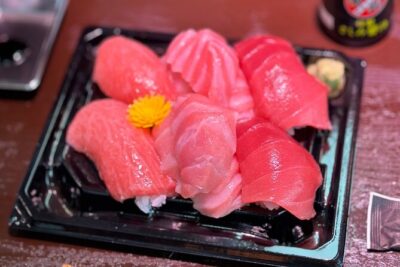

Senkyaku Banrai Toyosu Manyo Club Onsen Experience in Tokyo
Read our review →
Nishiki Market Brunch Walking Tour (7 Tastings + Brunch)
Read our review →
Tokyo Sushi Making Class in Tsukiji with Professional Chef
Read our review →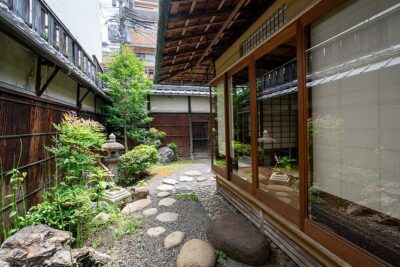

Tsukiji Fish Market Guided Tour and Sushi Making with Pro Chef
Read our review →Browse the lists this tour appears in