
Reviewed · CYCLING AND E-BIKE TOURS
Tokyo: West-Side Cycling and Food Tour with Guide
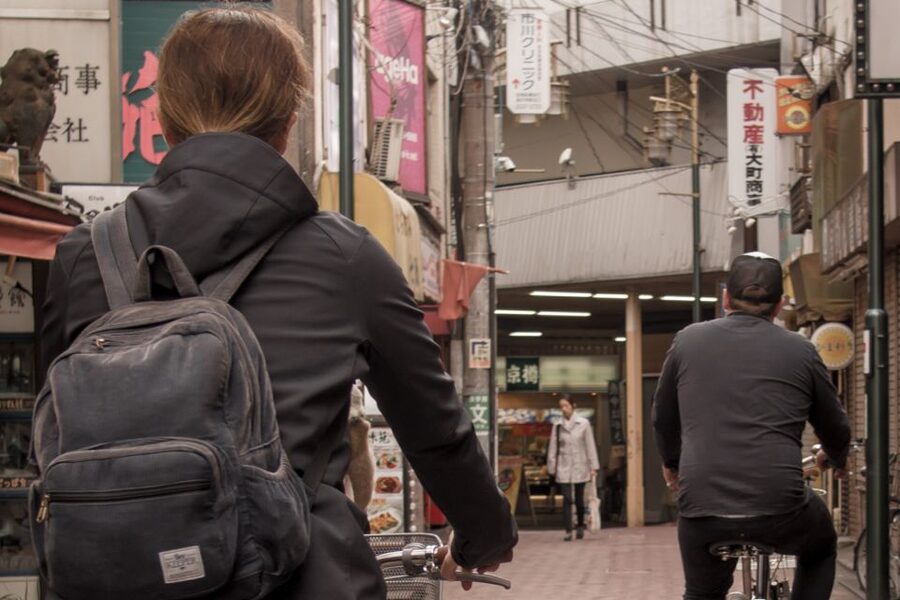
Tokyo gets more interesting when you leave the big stations. This 3.5-hour ride takes you through Nakano, Koenji, and Asagaya, where narrow lanes, riverside paths, local shops, and everyday food replace the usual city sights. I like the focus on ordinary life, and I like that the tour combines cycling, walking, snacks, and lunch rather than treating the neighborhoods as scenery viewed from a bus. The main thing to consider is the riding itself: you need to handle narrow, crowded streets and uneven surfaces for about 7.5 to 9.5 miles.
The salvaged mamachari bicycles give the outing a distinctly local feel, complete with front baskets and the occasional creak or squeak. I also like the way guide Andy explains small details, from bicycle parking to vending machine drinks and Japanese customs. This is not a tour for food allergies, vegans, young children, or anyone hoping for a polished road-bike experience.
In This Review
- Key points to know before you book
- Why west Tokyo works so well by bicycle
- Starting at Koenji Station with Andy
- The mamachari experience: practical, not sporty
- Nakano, Koenji, and Asagaya at street level
- Bicycle parking is part of the lesson
- Street food and a simple local lunch
- What the three and a half hours feel like
- How much value do you get for $110?
- Who should book this ride?
- Should you book the West-Side Cycling and Food Tour?
- FAQ
- Where does the Tokyo cycling and food tour begin?
- How early should I arrive?
- How far do we ride?
- What kind of bicycles are provided?
- What food and drinks are included?
- Can vegans or people with food allergies join?
- Does the tour run in the rain?
Key points to know before you book
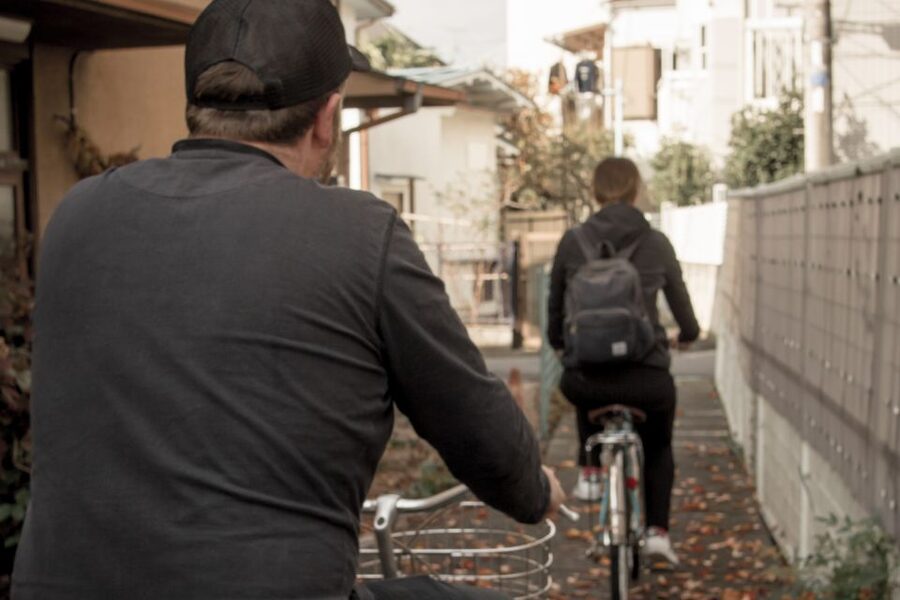
- Ride three west Tokyo neighborhoods: See Nakano, Koenji, and Asagaya through back streets and local activity areas.
- Use a classic mamachari bike: These practical Japanese city bikes have front baskets and are maintained for easy, leisurely riding.
- Eat along the way: The price includes two street food items, a simple local lunch, and one bottled drink.
- Learn how Tokyo works: Andy covers daily customs, bicycle parking, local food, and ordinary life in a useful, conversational way.
- Expect 12 to 15 kilometers of riding: The pace is leisurely, but narrow lanes and crowded areas require steady bicycle skills.
- Meet at Koenji Station on time: The guide waits outside the ticket gates five minutes before departure and wears a baseball cap.
Why west Tokyo works so well by bicycle
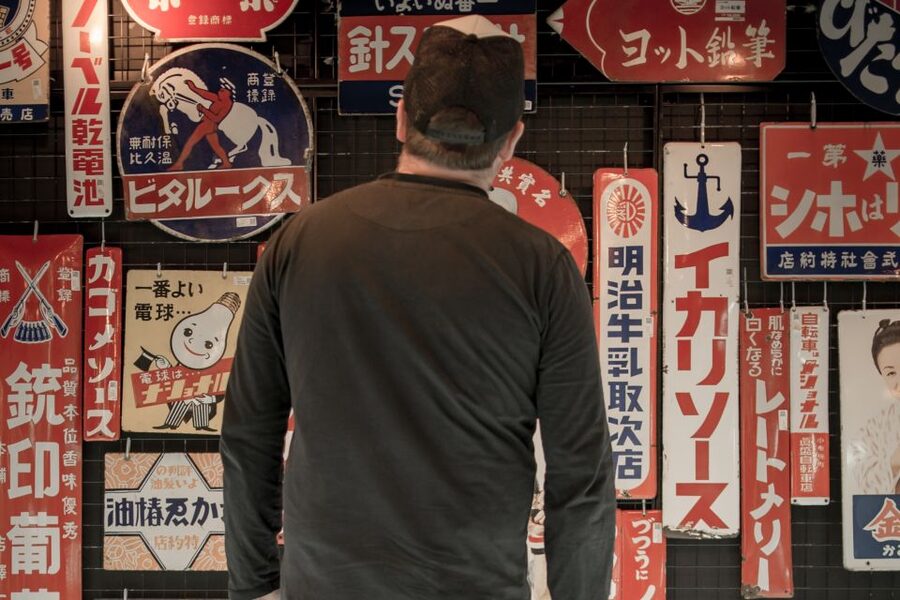
Central Tokyo can feel like a parade of famous crossings, department stores, and packed train stations. West Tokyo offers a different view. Here, you can follow a quiet lane, turn toward a neighborhood shopping area, pass a small local attraction, and then find yourself beside a riverside path without crossing a major sightseeing route.
That change of pace is the main reason I find this tour appealing. A bicycle lets you cover more ground than a walking tour, but it still keeps you close to the details. You can see how the streets fit together, how people park bikes, and how residential lanes connect with the larger activity hubs.
The route covers roughly 12 to 15 kilometers over 210 minutes. That sounds like a lot on paper, but the outing includes stops, walking, food, and explanations. You are not racing from one landmark to the next. Still, you should be comfortable steering around occasional crowds and riding on uneven surfaces.
More Bike Tours in Tokyo
- Tokyo Great Cycling Tour
★ 5.0 · 811 reviews - Tokyo Top Highlights 3h Guided E-bike Tour
★ 5.0 · 714 reviews - 3h Tokyo E-Bike Tour: Hidden Gems, and Local Life with guide
★ 5.0 · 670 reviews
Starting at Koenji Station with Andy
The tour begins at Koenji Station on the JR train network. Koenji is six minutes from Shinjuku and about 18 minutes from Shibuya, so reaching the meeting point is simple if you are staying in the central part of Tokyo.
You meet directly outside the ticket gates five minutes before the start. Andy wears a baseball cap, which makes him easier to spot, but do not treat the meeting time casually. The group leaves on schedule, and the tour specifically warns that it will not wait for late arrivals.
Andy is an Australian guide who has built up strong local familiarity with these neighborhoods. His appeal is not just a list of facts. He explains Japanese habits, customs, food, and daily routines in a friendly way, with enough humor to keep the ride relaxed. He also takes questions well, including the sort of small practical questions that help you make sense of Japan during the rest of your trip.
You can book a private outing or a small group, depending on availability. That matters here because conversation is part of the experience. A smaller group makes it easier to hear explanations and ask about something you have just seen.
The mamachari experience: practical, not sporty
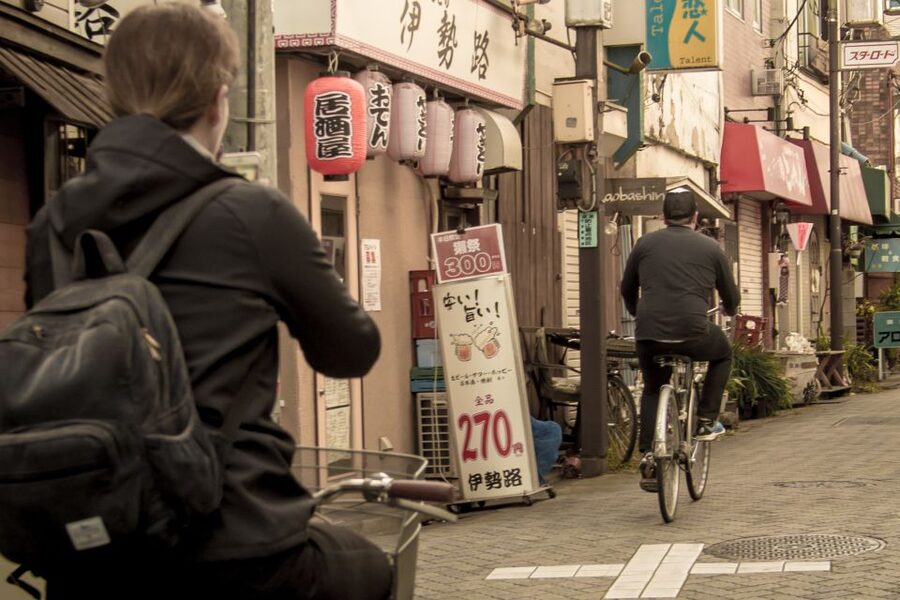
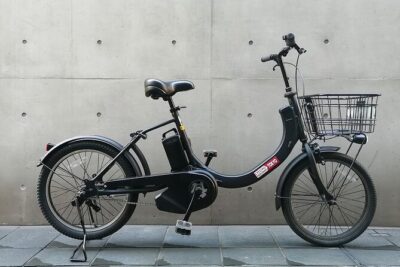
The bicycle is a salvaged mamachari, the familiar Japanese city bike designed for practical local transport. It is not a sleek touring bicycle or a performance machine. Expect an upright riding position, a front basket, and a simple setup suited to short urban trips.
That simplicity is part of the charm. You are using the kind of bicycle associated with ordinary city life rather than being placed on an imported bike that feels out of place. Several details make the ride especially useful for first-time visitors, including the basket and the chance to see how bicycles fit into Tokyo’s daily routines.
The bikes are described as carefully maintained, even if they can be a little creaky or squeaky. That is a fair warning, not a serious criticism. If you are used to high-end rental bikes, these may feel basic. If you want a relaxed ride through local streets, they should suit you well.
You should be at least 140 centimeters tall, or roughly 4 feet 7 inches, to ride comfortably. Children under 10 are not accepted. You also need enough confidence to manage tight turns, occasional crowds, narrow lanes, and uneven ground. Andy acts as the leader, but he cannot do the steering for you.
Nakano, Koenji, and Asagaya at street level
The tour’s route through Nakano, Koenji, and Asagaya is the heart of the outing. These neighborhoods are close to central Tokyo, yet they do not feel like a checklist of famous sights. You get a look at the places where people shop, eat, commute, and spend time close to home.
Nakano brings the first part of the west-side character into view. You pedal through back streets and activity areas where the interest comes from the mix of buildings, businesses, bicycles, and people moving through their daily routines. The route is designed to show how much of Tokyo exists beyond the major visitor zones.
Koenji adds another layer. It is the starting point and one of the areas covered by the ride, so you begin to recognize it as more than a station stop. The narrow streets and neighborhood movement make the bicycle a useful way to get around. You can cover several small areas without losing the close-up view that makes cycling worthwhile.
Asagaya helps complete the picture. Rather than focusing on one landmark, the route connects the three neighborhoods and lets you compare their local feel. The exact stops can be tailored, and the tour description leaves room for the guide to respond to the day and the group.
Do not expect a parade of grand monuments. The value lies in seeing the ordinary Tokyo that can be hard to find when you stay on the main train lines. If you want the Imperial Palace, a major temple, or Tokyo Tower, choose a different tour.
More Food Tours in Tokyo
- Tokyo: Shinjuku Food Tour (13 Dishes at 4 Local Eateries)
★ 5.0 · 6,603 reviews - Tokyo: Shinjuku Food Tour (15 Dishes and 4 Eateries)
★ 4.9 · 2,033 reviews - Best of Shinjuku: Izakaya Food Tour (4 Stops, 14+ Tastings)
★ 5.0 · 1,863 reviews - Tokyo Night Foodie Tour in Shinjuku – Seasonal Sushi, Wagyu Beef
★ 5.0 · 1,161 reviews
Bicycle parking is part of the lesson
One of the more unusual parts of this experience is its attention to bicycle parking. Tokyo has its own systems for storing bikes, and visitors can easily miss them while walking through the city. Here, parking is not just a practical interruption. It becomes a window into how a dense city manages limited space.
The tour includes bicycle parking fees, so you do not need to carry small change for that part of the outing. More important, you get to see a piece of local infrastructure that rarely makes it into a standard sightseeing route.
This kind of detail is where Andy’s approach earns its keep. He can connect a simple action, such as leaving a bicycle in an organized parking area, to wider habits in Japanese city life. You come away with information you can use long after the tour, especially if you plan to rent or ride bicycles elsewhere in Japan.
Street food and a simple local lunch
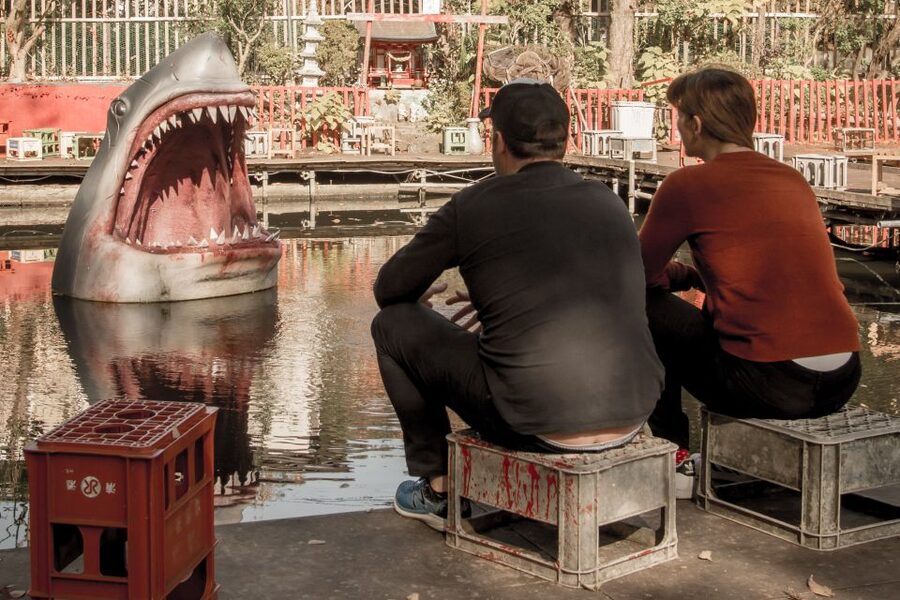
Food is not an afterthought here. You receive two popular street food items, one bottled drink, and a simple Japanese lunch. The exact food is not fixed for personal preferences, so you should approach the meal with some flexibility.
The snacks are selected as everyday local treats rather than luxury tasting portions. The food stops give you a reason to pause and a chance to try things you may not order on your own. Reviews of the experience specifically point to sweet treats and an enjoyable noodle-bar lunch, along with helpful explanations of local cuisine.
The lunch setting is also part of the local feel. You may find yourself sharing counter space with hungry salarymen, which gives the meal a more immediate sense of place than a reserved restaurant table. The tradeoff is comfort and choice. This is a straightforward local meal, not a long restaurant visit with a menu built around special diets.
The food rules are important. The tour is not suitable for vegans or people with food allergies, and it does not cater to individual dietary requirements. If you have a serious allergy or strict food restrictions, I would not book this outing. There is no promise that the guide can adjust the included food.
One bottled drink is included. Andy has also been praised for helping visitors understand the choices available in Japanese vending machines, a small but useful skill for the rest of your trip.
What the three and a half hours feel like
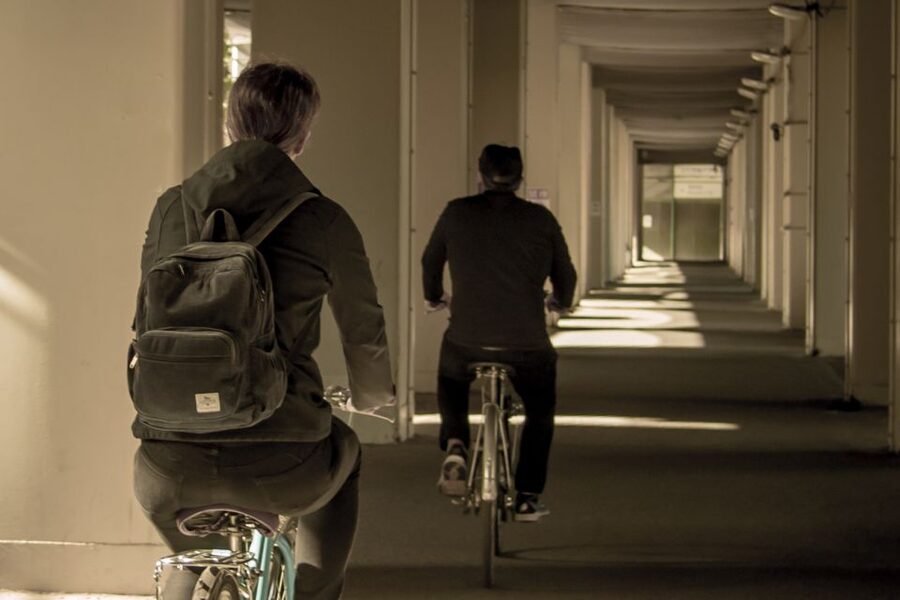
The tour mixes riding and walking, so the experience has a natural rhythm. You ride through one section, stop to hear about an area or custom, park the bikes, eat something, then continue. That variety helps keep the 210 minutes from feeling like one long workout.
The pace is leisurely, but the distance still makes this an active tour. In warm weather, you may notice the effort more than you would on a short sightseeing ride. In rain, the tour generally goes ahead, so bring clothing that can handle getting wet. It is an outdoor activity, and weather can affect your comfort even if it does not cancel the route.
You should bring a passport or other ID, hand sanitizer or tissues, and a garbage bag. The garbage bag is a practical suggestion for carrying wrappers when a public bin is not close by. You should also dress for cycling and weather, though the supplied information does not specify a required clothing list.
The activity runs in all seasons and all weather, with rain usually not stopping it. That flexibility is useful for a packed Tokyo schedule, but it also means you should check the forecast and make a sensible decision about comfort before setting out.
How much value do you get for $110?
At $110 per person, this is not the cheapest way to spend three and a half hours in Tokyo. You are paying more than the cost of a train ride and a casual lunch. The value comes from the combination of transport, food, bicycle use, local interpretation, and access to areas you may not otherwise visit.
The price includes:
- A maintained mamachari bicycle
- A local English-speaking guide
- A simple Japanese lunch
- Two street food items
- One bottled drink
- Bicycle parking fees
- Cycling liability insurance
If you tried to arrange the same outing yourself, the food and train travel would be manageable, but the route would be harder to build. You could easily pass through Nakano, Koenji, and Asagaya without understanding how the streets connect or where to stop. The guide provides the structure and local context.
I think the price makes the most sense early in a Japan trip. You learn about food, bicycles, neighborhood behavior, vending machines, and daily customs in one outing. The experience can also work well at the end of a holiday, when you want something different from another major attraction.
The value is weaker if you already know these neighborhoods well, dislike group activities, or want a food tour centered on choice and special dishes. It is also poor value if rain would spoil your day or if cycling in traffic makes you nervous.
Who should book this ride?
I would recommend it to curious first-time visitors who want a more grounded view of Tokyo. It suits people who enjoy moving through a city, asking questions, and trying ordinary food without needing every stop to be famous.
It is especially useful for:
- Couples and friends who want an active half-day
- Solo visitors who like meeting a small group
- People interested in Japanese customs and daily routines
- Food-minded visitors without allergies or strict dietary rules
- Riders comfortable with city streets and uneven surfaces
- Visitors who have already seen the major central Tokyo sights
I would not choose it for children under 10, anyone below the height requirement, or people who are not steady on a bicycle. It is also not a good match for vegans or anyone who needs guaranteed allergy-safe meals.
The tour can be private or small-group, which gives you some flexibility. If you want the most conversation and the easiest pace, a private or smaller booking is likely the better choice when offered.
Should you book the West-Side Cycling and Food Tour?
Book it if your idea of a good Tokyo day includes quiet back streets, local snacks, a simple noodle lunch, and a guide who can explain why everyday details matter. The strongest part is the combination of cycling and conversation. You do not simply pass through Nakano, Koenji, and Asagaya. You get a practical introduction to how these neighborhoods function.
Skip it if you need dietary flexibility, dislike riding in narrow streets, or want major landmarks. Also skip it if you plan to arrive late. The guide leaves on time, and Koenji Station is easy to reach, so there is little reason to risk missing the departure.
For the right person, $110 buys more than a bike ride. It buys a useful local orientation, several food stops, and a side of Tokyo that is easy to miss from the train window.
FAQ
Where does the Tokyo cycling and food tour begin?
It begins outside the ticket gates at Koenji Station on the JR train network.
How early should I arrive?
You should meet the guide five minutes before the start time. The tour departs on time, so late arrivals may be left behind.
How far do we ride?
The expected distance is roughly 7.5 to 9.5 miles, or 12 to 15 kilometers, at a leisurely pace.
What kind of bicycles are provided?
The tour uses salvaged mamachari city bicycles. They include front baskets and are maintained for use on the route.
What food and drinks are included?
The ticket includes a simple local lunch, two popular street food items, and one bottled drink.
Can vegans or people with food allergies join?
No. The tour does not cater to vegans, food allergies, or individual dietary requirements.
Does the tour run in the rain?
The tour generally proceeds in rainy weather. You should be prepared to get wet because it is an outdoor activity.
Just added in Tokyo
- A One-of-a-Kind Sushi Experience in a Special Place of Japan★ 5.0 · 15 reviews
- Tokyo Cute Bento Cooking Class – Make a Kawaii Character Lunchbox★ 5.0 · 126 reviews
- Japanese Home Cooking Class & Walk in Todoroki Temple Tokyo★ 5.0 · 88 reviews
- Japan Tokyo Tower Observatory Deck E-Ticket★ 4.0 · 34 reviews
- Catch a Baseball Game in Tokyo with a Local – Tickets Included★ 5.0 · 24 reviews
- Tokyo Private Day Tour by Car with English speaking Driver Guide★ 4.0 · 29 reviews
- Japan Classic 10 Day – One Life Adventures★ 5.0 · 129 reviews
- JDM Experience with Fast&Furious RX-7 (English speaking Driver)★ 5.0 · 57 reviews
Cycling and E-Bike Tours, compared.
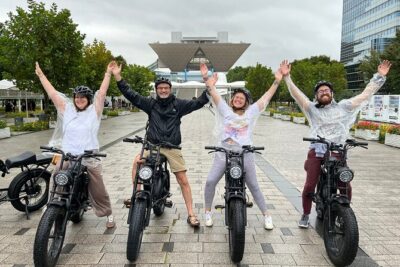
3h Tokyo E-Bike Tour: Hidden Gems, and Local Life with guide
Read our review →
Arashiyama Bamboo Forest & Hidden Gems Bike Tour (Early Bird)
Read our review →
5 Top Highlights of Kyoto Full Day Bike Tour (E-bike option)
Read our review →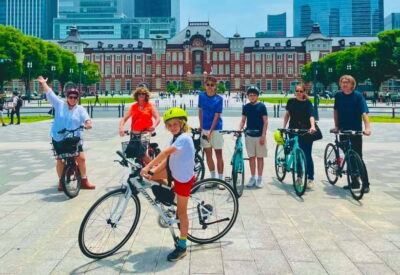
Hiroshima 2hr Peace Cycling Tour with Local Guide
Read our review →Browse the lists this tour appears in