

Reviewed · MARKETS AND FOOD HALLS
Tokyo’s Kitchen: Tsukiji Market Food & Culture Walk
Tokyo eats early. This three-hour walk through Tsukiji Outer Market pairs fresh sushi and market snacks with the stories that make them matter. I like the tiny group size, limited to six people, and I like the way guides such as Mikki, Oku, Mihori, Shino, and Yumi have made the market feel friendly rather than confusing. The main catch is that Tsukiji is busy, food lines can slow you down, and you may want more behind-the-scenes market work than this tour promises.
For $80, you are paying for more than a meal. You get an English-speaking guide, several tastings, shrine visits, and introductions to vendors who know the guides by name. Come hungry, but not so hungry that you rush the explanations. There is a lot to taste, from tamagoyaki and sashimi to Wagashi, matcha, dashi, Kobe beef, tuna, and sake.
In This Review
- Key points to know before you book
- Why Tsukiji is still worth your morning
- Meeting at Kabuki Inari Shrine
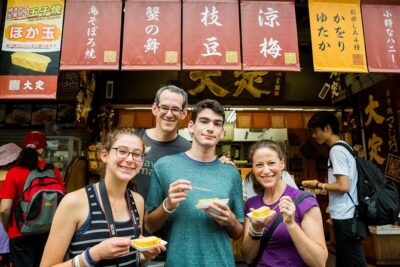
- Entering Tsukiji Outer Market with a small group
- Tasting sushi, sashimi, and tamagoyaki
- Seasonal Wagashi and the sweeter side of Tsukiji
- Vendors, craft shops, and the working market
- Buddhist and Shinto connections at Namiyoke Inari Jinja
- What the three-hour timing feels like
- Dietary needs, drinks, and family details
- Who will get the most from this tour
- Is $80 a fair price for three hours?
- Booking details worth knowing
- Should you book Tokyo’s Kitchen?
- FAQ
- Where does the tour meet?
- Where does the tour finish?
- How long does the experience last?
- What language does the guide speak?
- How large is the group?
- What food is included?
- Are additional food and drinks included?
- Can vegetarian or vegan guests join?
- Can children join the tour?
- What should I wear?
- Can guests under 20 drink sake?
Key points to know before you book

- Small groups change the market experience: With no more than six people, your guide can answer questions, keep the group together, and adjust tastings to your interests.
- The food is varied, not just sushi: Expect small portions of sushi, sashimi, tamagoyaki, Japanese snacks, sweets, tea, and possibly sake or other drinks.
- Shrines give the walk a wider purpose: Kabuki Inari Shrine and Namiyoke Inari Jinja connect food traditions with Buddhist and Shinto customs.
- The market is still active after the tuna auction moved: Tsukiji remains a working food district, but this is primarily a tasting and culture walk, not a tour of auction operations.
- Wear closed-toe shoes: Market floors can be wet, and comfortable sneakers are the sensible choice.
- Food restrictions need advance notice: Vegetarian and vegan choices are possible, but options may be limited in a seafood-focused market.
Why Tsukiji is still worth your morning

Many people know Tsukiji because of its old tuna auction. That auction moved to Toyosu, but Tsukiji Outer Market remains one of Tokyo’s best places to see how food fits into ordinary Japanese life.
You will pass stalls selling seafood, produce, sweets, tea, seasonings, meat, and kitchen goods. The market can feel like a maze if you walk in without a plan. A guide helps you understand what you are seeing, how to approach a stall, and which foods are worth stopping for.
I especially like the human scale of this tour. The guide is not simply pointing at a menu and translating a few words. The guides have relationships with vendors, and that changes the welcome. It also helps when you are looking at unfamiliar foods such as dashi ingredients, soybeans, matcha, or unusual seafood.
The tour has a 4.7 rating from 74 reviews, and the praise is remarkably consistent about the guides. Mikki helped one couple start their Tokyo visit with confidence. Oku used photos, maps, and models to explain food and history. Shino was praised for preparing a generous sushi finish and helping participants grind their own wasabi. Mihori and Yumi were also singled out for warmth and enthusiasm.
That does not mean every moment will be quiet or slow. Tsukiji is a working market. You may need to pause for other shoppers, wait in a food line, or stand close to your group while your guide explains a dish.
More Markets and Food Halls in Tokyo
- Tokyo Tsukiji Fish Market Food and Culture Walking Tour
★ 5.0 · 3,184 reviews - Tokyo: Tsukiji Fish Market Food and Walking tour
★ 5.0 · 1,724 reviews - Senkyaku Banrai Toyosu Manyo Club Onsen Experience in Tokyo
★ 4.7 · 1,690 reviews
Meeting at Kabuki Inari Shrine
The tour begins at Higashi-ginza Station, Exit 3, on the Tokyo Metro Hibiya Line and Toei Asakusa Line. At street level, go to the top of the escalator and look for the Kabukiza Theatre on Harumi Street. The meeting point is by the small shrine and its torii gate.
This is a useful starting point because it places you beside Kabuki Inari Shrine before you enter the market area. Your guide leads a short visit here and introduces basic customs connected with shrines.
You will learn simple gestures for showing respect, along with some context about Japanese religious life. The lesson is practical, not a long lecture. It prepares you to notice the small rituals and symbols that appear later in the morning.
The location can be confusing if you arrive without checking the directions. Higashi-ginza is a large, busy station area, so give yourself enough time to reach street level and identify the theatre. Do not assume that the nearest exit is good enough. Use Exit 3.
Entering Tsukiji Outer Market with a small group

From the shrine, you move into Tsukiji Outer Market. This is where the tour earns much of its value. You get a guided introduction to stalls that can be hard to read, both literally and culturally.
A group of six is just right for this setting. It is small enough for everyone to hear and ask questions, but large enough to keep the walk social. Some tours list a small group and then gather many more people. This one is limited to six, and the difference matters in a crowded market.
Past participants have been paired with guides including Oku, Shino, Shinto, Kyou, Kimi, Meg, and others. Their styles vary, but the useful pattern is clear: the best part of the morning depends heavily on the person leading it. Guides answer food questions, explain unfamiliar ingredients, and help you order or taste with less uncertainty.
One guide helped a participant who was nervous about fish. Another waited when a couple spent extra time eating and shopping. These details matter because Tsukiji is not a place where every person moves at the same speed.
You should still expect a walking tour, not a private shopping assistant. The guide can explain and help, but the market remains active around you.
Tasting sushi, sashimi, and tamagoyaki

The food is the main reason to book this experience, and the range goes well beyond one sushi plate.
You may taste fresh sushi or sashimi, Japanese snacks, tamagoyaki, Wagashi sweets, matcha, soybeans, dashi, tuna, Kobe beef, and other market foods. Sake may be included for adults, and one tasting included pepper cola tea. The exact selection can change with availability and the interests of the group.
Tamagoyaki is a particularly good stop because you may see how the sweet, layered omelet is made. It gives you something more useful than a quick bite. You can connect the finished food with the shop, the technique, and the care involved in making it.
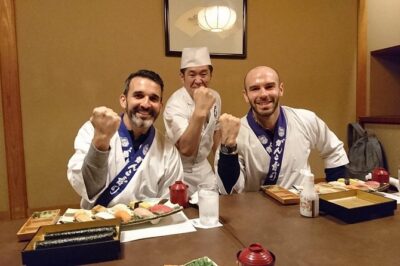
The sushi tasting usually comes with explanation rather than simply a plate placed in front of you. You can ask about preparation, ingredients, and how sushi developed in Japan. At the end of one tour, Shino served a feast of fresh sushi and included a chance to grind fresh wasabi. That is the kind of hands-on detail that can turn a familiar food into a memorable one.
Do not eat breakfast before you arrive. Several tastings are spread across the morning, and the portions add up. At the same time, do not arrive expecting a full restaurant meal. The foods come in small quantities so you can try many things.
The $80 price makes the most sense if you value variety and guidance. If you only want one sushi breakfast, you can spend less on your own. If you want to understand what you are eating, find the right stalls, and sample many small portions without guessing, the fee is easier to justify.
A completely different kind of day out:
- Tokyo Disney Resort – Tokyo Disneyland & Tokyo DisneySea Park Tickets
★ 4.8 · 99,488 reviews - SHIBUYA SKY Ticket
★ 4.7 · 46,509 reviews - JR Whole Japan Rail Pass
★ 4.8 · 29,150 reviews - Mt Fuji and Hakone 1-Day Bus Tour Return by Bullet Train
★ 5.0 · 26,383 reviews
Seasonal Wagashi and the sweeter side of Tsukiji

The market is not only about fish. Wagashi, the traditional Japanese sweets, add a seasonal and artistic note to the walk.
These sweets are tied to the time of year, ingredients, and Japanese ideas about presentation. Your guide explains how they relate to daily life and craftsmanship. Matcha may accompany the sweets, giving you a chance to taste the balance between bitter tea and delicate confectionery.
This part of the tour is useful for anyone who thinks Tsukiji is just a seafood stop. You get a fuller picture of the food district, including tea, sweets, seasonings, and prepared foods.
Choices will depend on the day. You should not expect every possible sweet or snack to be available. The market changes with stock, season, and vendor schedules.
Vendors, craft shops, and the working market

A strong guide makes introductions feel natural. The guides on this tour have friends among the vendors, so you are not left wandering from stall to stall without context.
You might stop at food shops, small craft shops, or stalls selling ingredients used in Japanese cooking. The guide explains what the products are and why they matter. That can be especially helpful with dashi, soy products, tea, seafood, and kitchen items.
The market is also a place for shopping, but the three-hour schedule is built around tasting and learning. You may have time to buy something, but do not plan your whole souvenir list around the tour.
One fair criticism is that the tour may not show as much behind-the-scenes work as you expect. The route introduces the market and its vendors, but it is not advertised as access to auction rooms, warehouses, or private preparation areas. The old tuna auction is no longer at Tsukiji anyway, having moved to Toyosu.
If you want the inner workings of fish distribution, this may leave you wanting more. If you want a friendly, guided look at the public market with food in hand, it fits better.
Buddhist and Shinto connections at Namiyoke Inari Jinja
The second shrine stop is Namiyoke Inari Jinja, near the market. This is where the tour ties food to belief, place, and community.
Your guide explains the market’s Buddhist and Shinto roots, including the way spiritual ideas shape food customs and daily rituals. You will learn more simple gestures for showing respect and see how a shrine remains part of the life of a commercial district.
The visit gives the morning a welcome pause. After crowded lanes, food stalls, and constant motion, a shrine offers a quieter setting for thinking about what you have seen.
The value is not in checking off a famous religious site. It is in understanding why a market community may care about shrines, offerings, cleanliness, gratitude, and seasonal practice. You leave with a better sense of why food in Japan can carry social and spiritual meaning.
What the three-hour timing feels like

Three hours is long enough for a real introduction but short enough to fit into a busy Tokyo schedule. A morning tour also makes sense because the market is centered on fresh food and early activity.
You begin at Higashi-ginza and finish at the Tsukiji Fish Market area. The route is on foot, so wear comfortable clothing and closed-toe shoes. Floors can be wet, and sandals are a poor choice here.
Weather can affect your comfort. One person arrived on a rainy, windy day without suitable clothing and found the conditions difficult. Bring protection from rain or wind when the forecast calls for it. The tour continues through market streets, so poor weather may reduce your enjoyment.
The small group helps with navigation. In a crowded area, it is easier to stay connected to six people than to a large tour crowd. Guides have generally kept groups together well, even when the market is full.
Starting your Tokyo trip with this walk is a smart choice if you want food guidance for the rest of your stay. You will learn ingredients and customs early, then recognize them later in restaurants and shops.
Dietary needs, drinks, and family details

Vegetarian and vegan choices are available where possible, but the market is strongly linked to seafood. You need to tell the operator about dietary restrictions when booking so the guide can prepare. Do not assume that every tasting can be replaced.
Alcohol is only offered to people aged 20 or older under Japanese law. Younger participants receive non-alcoholic alternatives. Sake may be part of the tasting, but additional drinks and food are not included.
Children aged five and under join free. Tell the operator about a child under six when you book so the group can be planned properly.
The tour is carbon neutral and operated by a certified B Corp. That will not change the food in your bowl or the streets under your feet, but it may matter if you prefer an activity that aims to support local communities and reduce its environmental impact.
Who will get the most from this tour
I would choose this experience for a first morning in Tokyo, especially if you feel unsure about market etiquette or Japanese food.
It suits you if you:
- Want to sample many foods instead of ordering one meal
- Prefer a local English-speaking guide
- Enjoy asking questions about ingredients and customs
- Like small groups and personal attention
- Want food history connected to religion and daily life
- Are comfortable walking and eating in a busy market
It is less suitable if you want a quiet sit-down breakfast, a formal cooking class, or a detailed tour of fish auction operations.
The tour can also work for cautious eaters. Guides can explain what you are trying, and one guide helped a participant overcome a fear of fish. Still, you should be open to unfamiliar textures and ingredients.
Is $80 a fair price for three hours?
At $80 per person, this is not the cheapest way to eat at Tsukiji. You can buy snacks and sushi on your own for less, especially if you choose only a few items.
The fee pays for structure, translation, several tastings, cultural explanations, and access to a guide who knows the market well. Vendor relationships are useful here. They make it easier to approach stalls and learn what you are seeing without feeling lost.
The value is strongest when the tour is close to its six-person limit or smaller. Some past groups had only two or three people, which allowed for a relaxed pace and plenty of questions. If your group is larger within the six-person limit, it should still feel personal.
You also receive more than a list of foods. The guide explains sushi history, the move from Tsukiji to Toyosu, shrine customs, and the connection between religious tradition and market life.
My advice is simple: book it if you want a guided food education. Skip it if you only want cheap bites or already know Tsukiji well.
Booking details worth knowing
You can cancel up to 24 hours in advance for a full refund, and you can reserve now and pay later. The tour lasts three hours, but starting times depend on availability.
The live guide speaks English. Meet at Higashi-ginza Station, Exit 3, by the Kabukiza Theatre and the small torii gate on Harumi Street. Check the meeting instructions carefully, since the station and theatre area can be confusing.
Bring comfortable shoes, an appetite, and weather protection. Tell the operator about dietary needs and young children ahead of time.
Should you book Tokyo’s Kitchen?
Yes, if you want Tsukiji to make sense rather than simply look exciting. The best parts are the personal guiding, the wide range of tastings, and the links between food, vendors, shrines, and Japanese customs.
I would book it early in a Tokyo visit and avoid breakfast beforehand. Keep your expectations realistic: this is a public market walk, not a behind-the-scenes fish auction tour. For $80, it offers good value when you want friendly explanations, many small tastings, and a clear introduction to one of Tokyo’s great food districts.
FAQ
Where does the tour meet?
Meet at Higashi-ginza Station, Exit 3, serving the Tokyo Metro Hibiya Line and Toei Asakusa Line. At street level, go to the top of the escalator in front of the Kabukiza Theatre, on the Harumi Street side, by the small shrine and torii gate.
Where does the tour finish?
The tour finishes at the Tsukiji Fish Market area.
How long does the experience last?
The walking tour lasts three hours.
What language does the guide speak?
The live tour guide speaks English.
How large is the group?
The group is limited to six participants.
What food is included?
Included tastings may feature fresh sushi, sashimi, Japanese snacks, seasonal Wagashi sweets, tamagoyaki, matcha, and other market foods. Sake may also be included for eligible adults.
Are additional food and drinks included?
No. Additional food and drinks are not included beyond the scheduled tastings.
Can vegetarian or vegan guests join?
Vegetarian and vegan options are available where possible, but choices may be limited because Tsukiji is a seafood-focused market. Tell the operator about dietary needs in advance.
Can children join the tour?
Children aged five and under join free. If you bring a child under six, notify the operator when booking.
What should I wear?
Closed-toe shoes such as sneakers are recommended because the market floors can be wet. Weather protection is also sensible, particularly on rainy or windy days.
Can guests under 20 drink sake?
No. In Japan, alcoholic drinks are for people aged 20 and older. Younger participants receive non-alcoholic alternatives.
Just added in Tokyo
- Tokyo Cute Bento Cooking Class – Make a Kawaii Character Lunchbox★ 5.0 · 126 reviews
- Japanese Home Cooking Class & Walk in Todoroki Temple Tokyo★ 5.0 · 88 reviews
- A One-of-a-Kind Sushi Experience in a Special Place of Japan★ 5.0 · 15 reviews
- Japan Tokyo Tower Observatory Deck E-Ticket★ 4.0 · 34 reviews
- Catch a Baseball Game in Tokyo with a Local – Tickets Included★ 5.0 · 24 reviews
- JDM Experience with Fast&Furious RX-7 (English speaking Driver)★ 5.0 · 57 reviews
- Tokyo Private Day Tour by Car with English speaking Driver Guide★ 4.0 · 29 reviews
- Japan Classic 10 Day – One Life Adventures★ 5.0 · 129 reviews
Markets and Food Halls, compared.
Tokyo Tsukiji Fish Market Food and Culture Walking Tour
Read our review →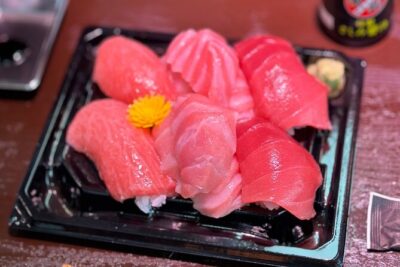

Senkyaku Banrai Toyosu Manyo Club Onsen Experience in Tokyo
Read our review →
Nishiki Market Brunch Walking Tour (7 Tastings + Brunch)
Read our review →
Tokyo Sushi Making Class in Tsukiji with Professional Chef
Read our review →
Tsukiji Fish Market Guided Tour and Sushi Making with Pro Chef
Read our review →Browse the lists this tour appears in