
Reviewed · 2-HOUR EXPERIENCES
1.5〜2 Hours Traditional Kintsugi Work Shop in Namba Osaka
Slow down with a golden repair. In a quiet Namba kintsugi workshop, you learn the story of lacquer art, apply lacquer and 23K gold powder to a plate, and leave with a handmade keepsake on its way to you. I especially like the tiny class size, capped at five, and the chance to work inside a traditional wooden Kura building filled with Japanese art and antiques.
The host, Jo, also known as Josuke in some booking details, is praised for his patient teaching and warm hospitality. The surprise matcha preparation and tasting adds a fine Japanese touch, too. The main drawback is that you do not take the finished plate home immediately: it needs time to cure and is sent after about five to seven days, with international shipping costing 5,000 yen.
In This Review
- Key points to know before booking
- Entering the old Kura near Namba Yasaka Shrine
- What kintsugi means beyond gold lines
- The 90-minute class, step by step
- 1. Begin with lacquer and kintsugi history
- 2. Prepare and decorate your plate
- 3. Finish with matcha and conversation
- Why the five-person limit matters
- The studio, gallery, and slower side of Osaka
- Receiving your finished plate after class
- Is $125.53 a fair price?
- Who will enjoy this Osaka workshop most?
- Practical details that can save you trouble
- Should you book the Namba kintsugi experience?
- FAQ
- Where is the kintsugi workshop held?
- How long does the activity last?
- How many people can join the class?
- Are morning and afternoon classes available?
- What will I make during the workshop?
- Can I take the finished plate home that day?
- How much does international shipping cost?
- Is the workshop suitable for people with a lacquer allergy?
Key points to know before booking
- Maximum five people: The small class allows plenty of personal help from Jo and keeps the mood calm.
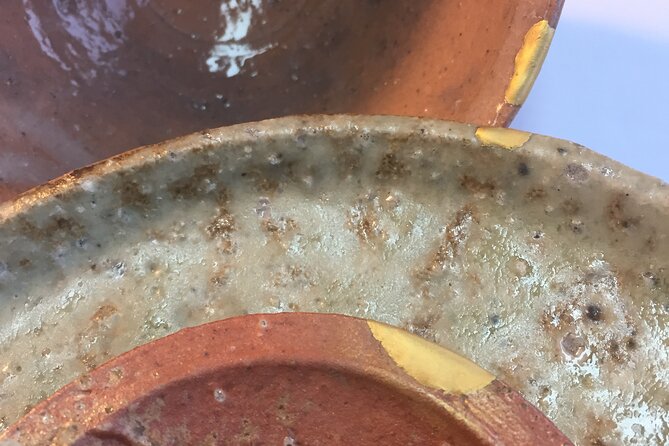
- Hands-on gold work: You decorate a plate with lacquer and genuine 23K gold powder.
- Traditional setting: The workshop takes place in a wooden Japanese Kura building with a gallery of art and antiques.
- Matcha bonus: Several sessions include a relaxed introduction to preparing and drinking matcha.
- Plan for delivery: Your plate is shipped after curing, rather than handed over at the end of class.
- Good for many ages: Families, couples, solo participants, and children have all found the activity approachable.
Entering the old Kura near Namba Yasaka Shrine
The workshop is in Naniwa Ward, at 2-chome 6-30 Motomachi, Osaka 556-0016. It is near public transportation, but the entrance can be a little tricky to spot, so I would allow a few extra minutes rather than arriving at the last second.
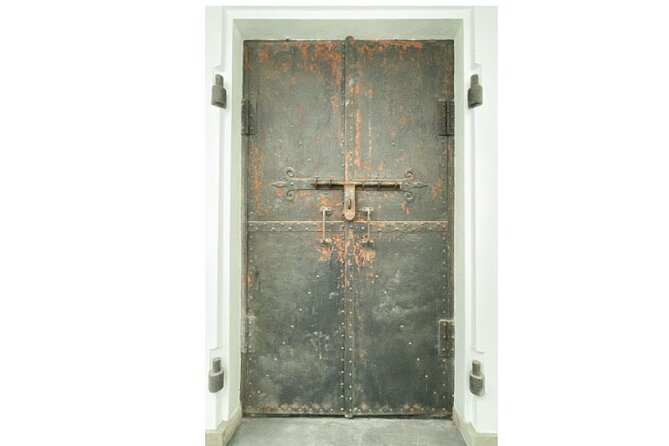
The setting is part of the experience. A Kura is a traditional Japanese storehouse or building, and this one uses old wooden architecture that gives the class a sense of place. You are not sitting in a generic craft room surrounded by souvenir-shop clutter. You might spend a few minutes looking at Japanese art and antiques before or after the practical work.
Namba is one of Osaka’s most energetic districts, so the workshop offers a useful change of pace. You can pair it with a visit to nearby Namba Yasaka Jinja, a shrine known for its large lion-head structure. The shrine is close enough to make a natural stop after class, although the workshop itself ends back at the meeting point.
A few more options to weigh up in Osaka
- Osaka Go Karting Tour with Funny Costume
★ 5.0 · 2,658 reviews - Osaka Castle: Museum and Tower Entry Ticket
★ 4.5 · 2,380 reviews - Osaka: Shinsekai Food Tour with 13-15 Dishes at 5 Eateries
★ 4.8 · 2,204 reviews
What kintsugi means beyond gold lines
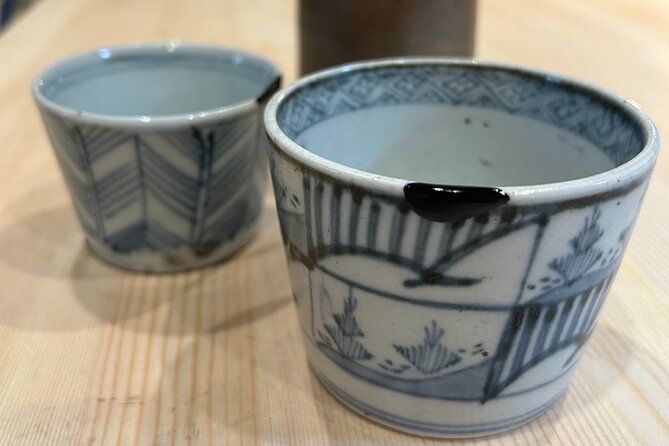
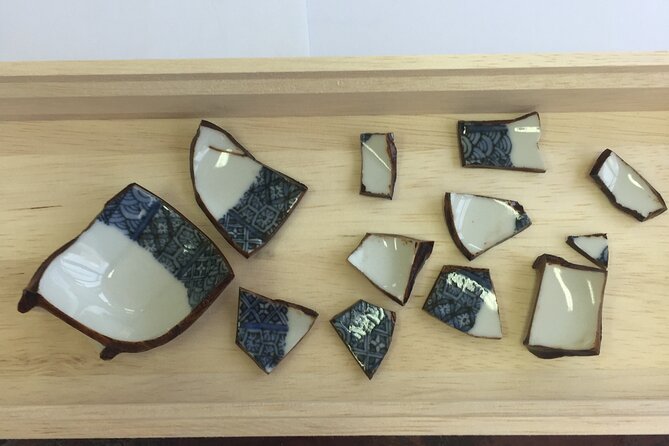
Kintsugi is the Japanese practice of repairing broken pottery with lacquer, often finishing the repaired seams with gold. Instead of hiding damage, the technique gives the repaired object a visible new life.
The class introduces both the craft and the ideas behind it. You learn about traditional kintsugi, the history of Japanese lacquer, and the meaning attached to repair. That background matters because the activity is more satisfying when you understand why the finished gold line is meant to be seen rather than disguised.
This is not simply a pottery painting session. The appeal comes from working with a traditional method and seeing how careful repair can become part of an object’s character. The presentation includes slides, questions, and open discussion, according to the experience details, so you should expect explanation before and during the hands-on portion.
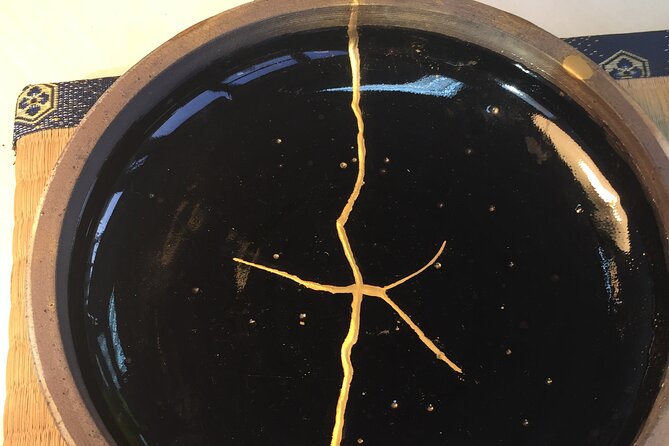
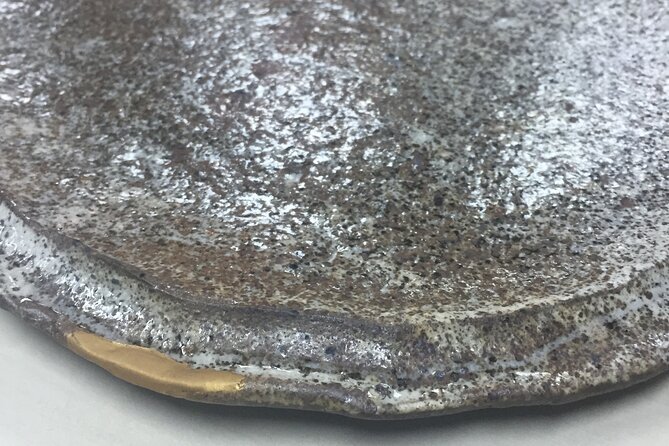
One practical point is important: the class focuses on decorating a prepared kintsugi plate and completing the final visible stages. You are not necessarily breaking and rebuilding a plate from the beginning. One participant specifically expected the familiar cracked style but found the class used a chopping-style design instead. The result was still well received, but it is worth knowing if you have a very specific image of kintsugi in mind.
The 90-minute class, step by step
The advertised workshop lasts about one to one and a half hours, while the main tour details list approximately 1 hour 30 minutes. Some descriptions refer to the experience as lasting up to two hours, likely because conversation, matcha, and viewing the gallery can extend the visit.
1. Begin with lacquer and kintsugi history
Jo starts by explaining the place of kintsugi in Japanese craft. You learn how lacquer is used, why the process takes time, and how the repair develops before the gold is added.
This opening gives the class some weight. You are not just told where to sprinkle powder. You are shown the wider process, including the care involved in curing lacquer and the use of natural materials. Jo’s teaching style is described as patient and clear, with time for questions rather than a rushed speech.
A completely different kind of day out:
- Osaka Food Tour: 13 Dishes at 5 Local Eateries
★ 5.0 · 2,149 reviews - Hungry Osaka Street Food Tour:15 Tastings & 3 Drinks with a Local
★ 5.0 · 1,727 reviews - Osaka: Tea Ceremony Experience
★ 4.9 · 1,426 reviews - Osaka Kickstart: Hotspots & Hidden Gems Tour
★ 5.0 · 1,306 reviews
2. Prepare and decorate your plate
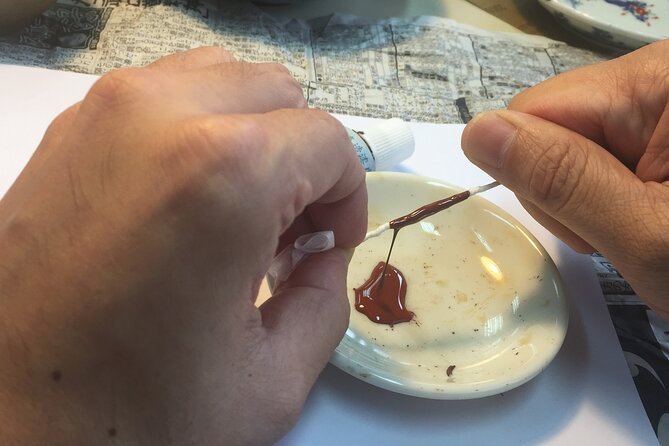
The practical section centers on a kintsugi plate. You apply lacquer and then decorate the prepared area with 23K gold powder.
The activity is hands-on but guided. Jo demonstrates each stage and helps you as needed, which is especially useful if you are visiting with children or have little experience with crafts. The class size makes a real difference here. With no more than five participants, you are less likely to wait for help or lose track of the instructions.
You should expect a careful craft rather than a fast souvenir activity. The gold powder is delicate, and the finished effect depends on where and how you apply it. The point is not to produce an identical plate to the instructor’s example. It is to create a piece with your own placement and finish.
All needed materials are supplied. You do not need to bring pottery, tools, lacquer, or gold powder. The use of genuine 23K gold is one reason the price is higher than a basic craft class, although the amount of gold used is decorative rather than extravagant.
3. Finish with matcha and conversation
Matcha is not listed as the main activity, but it appears often as a welcome extra. Jo may show you how to prepare matcha in the traditional way, including the whisking that creates a layer of froth, and then serve it with refreshments such as mochi.
This addition works well because it extends the cultural side of the visit without turning the class into a second formal lesson. You get a chance to sit, talk, and look at the work around the studio. It also gives families and first-time visitors a simple introduction to tea preparation.
The matcha portion may vary with the session, so I would treat it as a bonus rather than the reason to book. The kintsugi instruction is the core experience.
Why the five-person limit matters
A maximum of five people is one of the strongest features here. Small groups suit a craft that requires close attention, and Jo can correct your technique without making you feel rushed.
The format also suits different kinds of groups. A couple can work at their own pace, a family can share the activity with children, and a solo participant may receive a particularly personal lesson. Some sessions may have only one or two people, creating an even quieter atmosphere.
This is not a loud, high-turnover workshop. The studio setting and relaxed instruction encourage conversation. Jo also offers local suggestions during the visit, and one session included a walk to a nearby shrine. That sort of personal exchange is a useful part of a small independent workshop, though it is not a guaranteed part of every booking.
The studio, gallery, and slower side of Osaka
The old wooden building adds more than atmosphere. It helps connect the craft to the architecture and objects around it. After your plate is finished, take time to look at the Japanese art and antiques displayed in the gallery.
You may find the studio rustic rather than polished. That is a plus if you want a more personal craft setting, but anyone expecting a large modern museum or design center should adjust expectations. The appeal is in the intimate scale and the working character of the place.
I like this as a break from Osaka’s food streets, shopping arcades, and neon districts. The class gives you a reason to pay attention to materials, patience, and small details. It is a good choice for an afternoon when you want something quieter than another restaurant or department store.
Receiving your finished plate after class
Your plate needs time to dry and cure. The stated delivery time is about five to seven days, though the experience information also describes the need to wait a little while after the lacquer is applied.
Domestic delivery to a Japanese address is free. International delivery is available for 5,000 yen, charged separately. The ticket price does not include that international shipping cost, so include it in your budget before booking.
This arrangement has both advantages and disadvantages. You do not need to carry a fragile plate through the rest of your Japan trip, which is helpful if you are changing hotels or flying home. On the other hand, you cannot inspect the fully cured item before leaving Osaka, and international postage adds a noticeable extra charge to a $125.53 activity.
If you are staying in Japan for several days, domestic delivery may be the simpler option. If you are leaving soon, confirm the shipping arrangement and provide the correct address carefully. The plate is the souvenir, but the delayed arrival is part of the experience.
Is $125.53 a fair price?
At $125.53 per person, this is not a bargain craft session. You are paying for a private-feeling lesson, supplied materials, 23K gold powder, instruction in English, the historic setting, and a finished plate sent later.
The value improves if you care about Japanese craft and want more than a quick activity. Jo spends time explaining the process and its cultural meaning, and the small group allows a level of help you would not expect in a large class. The matcha service and access to the gallery add to the visit without requiring a separate booking.
The price is harder to justify if you mainly want a souvenir in hand that same day. You also need to add 5,000 yen for international shipping. For a family, the total can rise quickly, though children have been able to take part and the personal instruction may make it worthwhile for parents seeking an unusual cultural activity.
I would compare this with the cost of a standard tea ceremony, pottery lesson, or museum visit. This workshop combines some elements of all three, but its strongest point is the chance to make something yourself and later use it as a reminder of Osaka.
Who will enjoy this Osaka workshop most?
I would recommend it most to:
- People interested in Japanese art, pottery, lacquer, or traditional making
- Couples looking for a quiet shared activity
- Families who want a hands-on cultural experience
- Solo visitors who like small classes and conversation
- Anyone who prefers a personal studio visit to a large organized tour
- Visitors with enough time to arrange delivery of the finished plate
It may be less suitable if you have a lacquer allergy. The activity specifically is not recommended for people with lacquer allergies.
Most people can participate, and service animals are allowed. The workshop is near public transportation, though you should allow time to find the entrance. Morning and afternoon classes provide useful flexibility when fitting the activity around sightseeing.
Practical details that can save you trouble
The meeting point is in Motomachi, Naniwa Ward, at 2-chome 6-30. Save the address before setting out and look carefully for the entrance. A mobile ticket is provided, and booking confirmation is received at the time of reservation.
The experience ends at the same meeting point. It is not a walking tour of Namba, though you can add your own nearby sightseeing afterward. Namba Yasaka Jinja is a particularly sensible follow-up stop.
Free cancellation is available if you cancel at least 24 hours before the local start time. Cancellations or changes made within 24 hours are not refunded or accepted. If poor weather causes the activity to be canceled, you are offered another date or a full refund.
The high rating of 4.9 from 75 ratings and a 99 percent recommendation rate point to a consistently strong experience. The praise focuses on Jo’s patience, the calm studio, the clear instruction, the educational history, and the chance to make a personal item. Those are the qualities I would use to judge the activity, rather than expecting a large production or a luxury venue.
Should you book the Namba kintsugi experience?
Book it if you want a small, thoughtful cultural activity and like the idea of taking home something you made yourself. The historic Kura building, Jo’s patient teaching, 23K gold application, and matcha finish give the class more character than a simple paint-your-own-pottery session.
Think twice if your schedule is tight, you need the finished item immediately, or you are unwilling to pay the 5,000-yen international shipping fee. Also remember that the workshop may use a prepared chopping-style design rather than the dramatic crack pattern often shown in photographs.
For most visitors who enjoy craft, Japanese culture, and a slower hour in Osaka, I would book it. It gives you a story, a handmade plate, and a welcome pause from the city, even if the gold-flecked souvenir arrives after you have gone home.
FAQ
Where is the kintsugi workshop held?
It is held in Naniwa Ward, Motomachi 2-chome 6-30, Osaka 556-0016. The meeting point and end point are the same, and the workshop is near public transportation.
How long does the activity last?
The main duration is approximately 1 hour 30 minutes. Some descriptions refer to the full visit as lasting between 1.5 and 2 hours.
How many people can join the class?
The workshop has a maximum of five participants.
Are morning and afternoon classes available?
Yes. Morning and afternoon sessions are available.
What will I make during the workshop?
You will decorate a kintsugi plate using lacquer and 23K gold powder.
Can I take the finished plate home that day?
No. The plate needs time to cure and is sent to you after approximately five to seven days.
How much does international shipping cost?
International shipping costs 5,000 yen. Shipping to a domestic address in Japan is free.
Is the workshop suitable for people with a lacquer allergy?
No. The experience is not recommended for people who have a lacquer allergy.
Just added in Osaka
- The Dark Side of Osaka Walking Tour★ 5.0 · 49 reviews
- Three Types of Ramen Cooking Class in Osaka★ 5.0 · 119 reviews
- Samurai Show, Tea Ceremony, Japanese Traditional Activities★ 5.0 · 56 reviews
- Traditional Japanese Music show & Experience Tour in Osaka★ 5.0 · 25 reviews
- Traditional Home cooking Experience in Osaka, Japan★ 5.0 · 14 reviews
- Sushi and Japnese foods cooking class in Osaka★ 5.0 · 51 reviews
- Osaka Street Food Festival :Takoyaki&Okonomiyaki for Families★ 5.0 · 13 reviews
- Guided Photography Tour in Osaka: Capturing Memories★ 4.5 · 20 reviews
2-Hour Experiences, compared.
Kyoto Gion: 2-Hour Geisha Culture & History Walking Tour
Read our review →
Ninja 2-hour Hands-on Lesson by Japanese master in Kyoto -Medium
Read our review →
2-Hour Nightlife District Walking & Local Food Culture
Read our review →
2-Hour Local Street Food Tour – Dotonbori & Namba
Read our review →
Flagship 2-Hour Street Go-Kart Tour by Street Kart
Read our review →
Ishigaki Island: 2-Hour Miyara River SUP or Canoeing Tour
Read our review →
Shinjuku Izakaya and Golden Gai Bar Hopping Tour (2h)
Read our review →Browse the lists this tour appears in