
Reviewed · MULTI-DAY TOURS THAT VISIT MOUNT FUJI
9 Days Highlights of Japan with Hiroshima by Tomato Travel Review
A nine-day route from Tokyo to Osaka can cover a lot of Japan: the red gates of Fushimi Inari, the white walls of Himeji Castle and the Peace Memorial Park in Hiroshima. This tour links famous sights with coach travel and a guide, so you spend less time planning connections and more time seeing the country.
I like the mix of city icons and history, from Tsukiji’s food stalls to Miyajima’s Itsukushima Shrine. I also like that Himeji and Hiroshima are included, places that can take extra planning when you travel independently.
The trade-off is a tight schedule with long road stretches. One March 2026 departure also had serious complaints about late starts, thin commentary and unsafe-feeling driving, so I would confirm how the operator handles transport and daily briefings before booking.
- Tokyo’s first hotel is at Narita: Day one is a rest-and-arrival day, not a central Tokyo stay.
- Fuji is a viewpoint visit: Gotemba Peace Park and the World Heritage Centre are on the route, but no climb or extended mountain stay is listed.
- Kyoto is a packed day trip: You visit three major areas from Osaka, then return to the same hotel.
- Himeji Castle is a highlight with steep stairs: Allow for a demanding climb inside the castle, despite the tour’s low overall activity rating.
- Hiroshima and Miyajima share one full day: Itsukushima Shrine, Peace Memorial Park and the Atomic Bomb Dome are included before the coach returns to Osaka.
- The guide and transport matter: Guide and transport categories score highly overall, but the quality of commentary and vehicle comfort has not been consistent.
In This Review
- A fast route with a lot of ground to cover
- Day 1: Land at Narita and take it easy
- Day 2: Tsukiji, Odaiba and old Tokyo
- Day 3: Fuji views, then Hamamatsu
- Day 4: Ninja history, Osaka Castle and Dotonbori
- Day 5: Kyoto’s famous trio in one day
- Day 6: Your own Osaka day
- Day 7: Himeji Castle on the way to Hiroshima
- Day 8: Miyajima and Hiroshima’s memorial sites
- What the price covers, and what it does not
- Guide quality and the coach are not small details
- Who should book this Japan route?
- Should you book it?
- FAQ
- Where does the tour start and end?
- Are international flights included?
- How many nights of accommodation are included?
- What meals are included?
- What language is the tour guided in?
- How large is the group?
- Is the tour physically demanding?
- Does the tour include a Shinkansen ride?
- What is included in the tour price besides hotels and breakfast?
- Is a single room available?
A fast route with a lot of ground to cover
This is a guided group tour for people who want a ready-made route through Japan’s best-known sights. It includes eight nights in three-star hotels, breakfast each day, English-language guiding, sightseeing entrance fees, air-conditioned coach transport and a Shinkansen ride between Osaka and Kyoto.
The group can reach 40 people, though the operator says it usually aims for about 20. That size can make logistics easier than arranging every transfer yourself, but it also means moving a crowd through busy sites. The physical rating is low, yet the days can feel full: expect walking at temples and castles, early departures and several hours on the road.
The tour starts in Tokyo and ends in Osaka. International and domestic flights, airport transfers, insurance, lunches, dinners and personal spending are not included. The advertised starting price is from $2,025, based on the cheapest room option; the actual price depends on departure and room arrangements.
Day 1: Land at Narita and take it easy
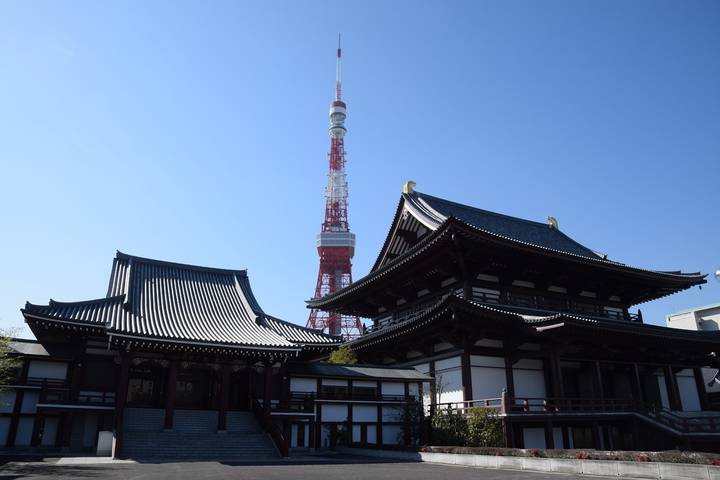
Your first night is at Hotel Mystays Premier Narita or a similar three-star property. The plan is to make your own way there and rest. The hotel address supplied is in Narita, not central Tokyo, so check your arrival airport and transfer plans before booking flights. The operator suggests arriving at Narita Airport.
This start gives you flexibility with international flights, but it is worth understanding what it means: you do not begin with a guided city tour on arrival day, and you will not be staying downtown that night. The group meets with the guide the following morning.
A few more options to weigh up in Tokyo
- Tokyo Disney Resort – Tokyo Disneyland & Tokyo DisneySea Park Tickets
★ 4.8 · 99,488 reviews - SHIBUYA SKY Ticket
★ 4.7 · 46,509 reviews - JR Whole Japan Rail Pass
★ 4.8 · 29,150 reviews
Day 2: Tsukiji, Odaiba and old Tokyo
The first sightseeing day samples several sides of Tokyo. In Odaiba, the Rainbow Bridge and a replica Statue of Liberty offer a distinctly modern waterfront view. Then comes Tsukiji Outer Market, where seafood, produce and food stalls make for a lively stop. Breakfast is included, but other meals are not, so this is a natural place to buy lunch or a snack.
The Tokyo Metropolitan Government Building adds a high-up view from its observation deck at about 200 metres. It is a useful way to grasp Tokyo’s scale before heading to Asakusa, where Sensoji Temple’s Kaminarimon gate and Nakamise-dori shopping street bring you into a more traditional setting. Nakamise is busy and commercial, but it is also convenient for snacks and souvenirs.
The hotel changes to Loisir Hotel Shinagawa Seaside or a similar property. Since the schedule covers several districts in one day, keep your purchases manageable and follow the group’s meeting times closely.
Day 3: Fuji views, then Hamamatsu
The route heads toward the Mount Fuji area, stopping at Gotemba Peace Park for mountain views and at the Mt. Fuji World Heritage Centre. Architect Shigeru Ban designed the centre as a cone-shaped building with a wooden lattice exterior; its exhibits cover Fuji’s geology, history and place in Japanese art and literature.
This is a taste of the mountain rather than a full Fuji excursion. Views depend on conditions, and one past participant specifically found the Fuji visit disappointing. If seeing the mountain is a priority, keep expectations realistic: the itinerary names two stops, but no climb, extended time at the mountain or guaranteed clear view.
Afterward, the coach continues to Hamamatsu for a free evening and a night at Hotel Crown Palais Hamamatsu or a similar hotel. The long drive and late arrival can make dinner tricky. One March 2026 group found nearby restaurants full and ended up buying food at a convenience store late at night. Ask your guide for dining suggestions before arrival, and consider having a snack with you.
Day 4: Ninja history, Osaka Castle and Dotonbori
The Iga-ryu Ninja Museum introduces the history and culture of ninja in feudal Japan. It is a more unusual stop than the standard temple-and-castle circuit, though the information supplied does not detail the museum’s exhibits or how long the visit lasts.
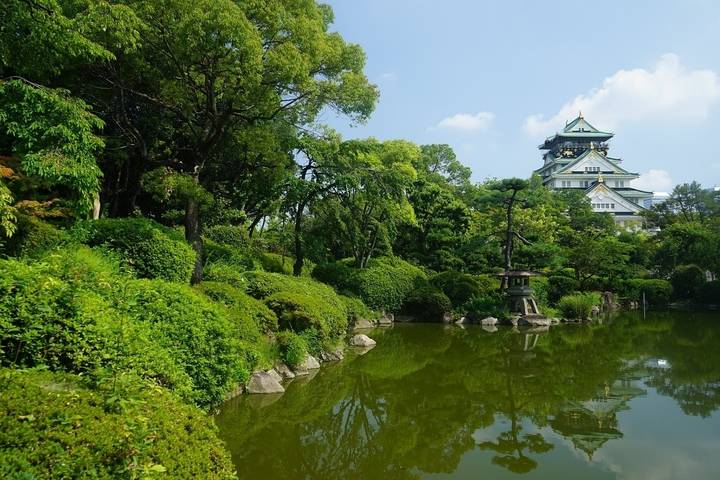
Osaka Castle follows, with its association with Toyotomi Hideyoshi and Japan’s unification in the late 16th century. Timing matters here. On one March 2026 departure, the group arrived just before closing and had almost no time inside. If the castle is a priority, ask how much time is planned and whether the visit includes the interior, not just the grounds or views.
The day ends in Dotonbori, where large signs such as the Glico running man and Kani Doraku crab mark the entertainment and shopping district. It is an easy place to find dinner on your own, though the tour price covers breakfast only. You then settle into Hotel it Osaka Shinmachi or a similar hotel for several nights.
A completely different kind of day out:
- Mt Fuji and Hakone 1-Day Bus Tour Return by Bullet Train
★ 5.0 · 26,383 reviews - TOKYO SKYTREE® Ticket
★ 4.7 · 25,136 reviews - teamLab Borderless Tickets: MORI Building DIGITAL ART MUSEUM
★ 4.7 · 24,126 reviews - teamLab Planets TOKYO Ticket
★ 4.7 · 21,663 reviews
Day 5: Kyoto’s famous trio in one day
The tour takes a Shinkansen from Osaka to Kyoto, reaching speeds of up to 280 kilometres per hour. The ride is a fun glimpse of Japan’s rail network, but it is short, reported as about 15 minutes on one departure. This is not a long cross-country bullet-train journey.
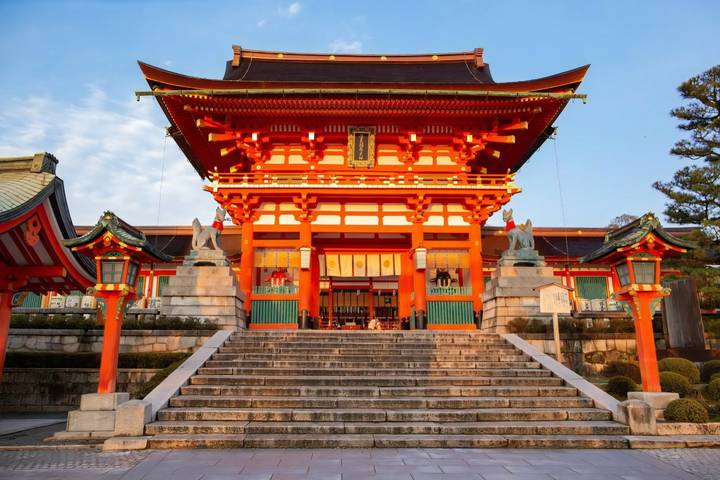
In Kyoto, the route goes to Fushimi Inari Taisha, known for its thousands of vermilion torii gates winding up forested Mount Inari. You can walk among the gates and visit shrines along the way. The full route up the mountain takes more time than a quick group stop, so ask how far the visit goes if you hope to walk beyond the most photographed section.
Next are Arashiyama Bamboo Grove and Togetsukyo Bridge over the Katsura River. The bamboo path is a short, popular stop rather than a quiet wilderness walk. Kinkaku-ji, the Golden Pavilion, rounds out the day, with its gold-covered exterior reflected in the pond. These are three of Kyoto’s best-known sights, but fitting them into one day means limited time at each and a return to Osaka rather than an overnight in Kyoto.
The itinerary does not include a tea ceremony or a geisha encounter. If those are central to your idea of Kyoto, this route may feel too brief.
Day 6: Your own Osaka day
A free day gives you breathing room after the busy Kyoto excursion. You can explore Osaka independently, visit nearby areas or simply rest. No optional activities are specified, so plan your own day and check with the guide for practical suggestions.
This open day is a welcome feature, but it does not change the overall pace of the tour. It is also a chance to handle personal errands, laundry or a slower meal before the next long transfer.
Day 7: Himeji Castle on the way to Hiroshima
The coach heads toward Hiroshima with a stop at Himeji Castle, often called the White Heron Castle for its pale, elegant exterior. It is one of Japan’s best-preserved original medieval castles, and the scale becomes clearer as you approach its main keep.
Be prepared for steep stairs inside. A participant from a March 2026 departure noted that the climb limited how far some people could go. Wear shoes you can manage on stairs, and ask the guide what to expect before entering. The castle is a major highlight, but it needs enough time and useful explanation to make the visit more than a hurried look.
The night is at HOTEL MYSTAYS Hiroshima Peace Park or a similar three-star hotel. The schedule does not provide a dinner, so check nearby options on arrival rather than assuming the hotel has a restaurant. One group was directed to a nearby food court that was full, a good reminder to ask about dinner before the coach reaches town.
Day 8: Miyajima and Hiroshima’s memorial sites
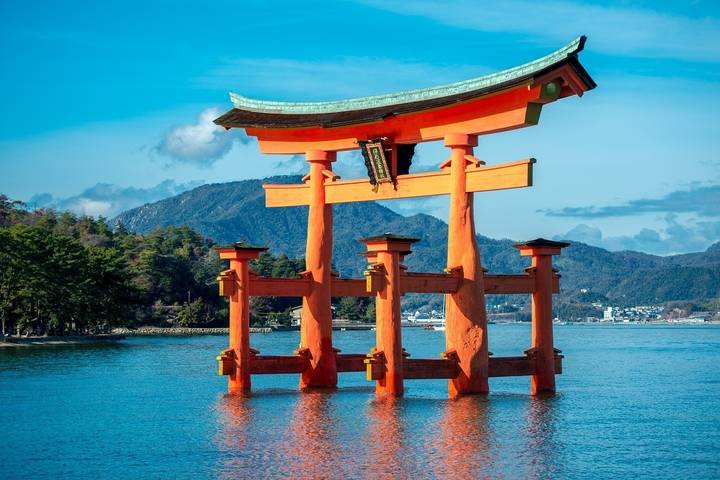
The day begins at Miyajima Island and Itsukushima Shrine. Its torii gate stands in the water and can appear to float at high tide. The island visit includes the shrine, but the supplied plan does not specify how long you have there or the tide conditions, both of which shape the view.
Back in Hiroshima, Peace Memorial Park and the Atomic Bomb Dome offer a sobering contrast to the scenic island. These sites commemorate the victims of the atomic bombing and deserve time for reflection. The itinerary includes both, but it does not specify a museum visit.
After sightseeing, the group returns to Osaka by coach. This is a long day, and the drive back is a notable weakness in the route. One March 2026 group described a journey of nearly five hours and felt a Shinkansen return would have been preferable. Ask the operator what transport is planned for your departure, and make sure the day’s timing and rest stops are clear.
What the price covers, and what it does not
At $2,025, the price includes accommodation, daily breakfast, a guide, scheduled transport, sightseeing and listed monument entrance fees. That bundle can be good value if you want someone else to organize a multi-city route and manage the transfers. Three-star hotels also keep the package below the cost of a higher-end escorted tour.
But the headline price is not the whole trip budget. You pay separately for flights, airport transfers, lunches, dinners, insurance and personal expenses. A solo traveller pays a supplement; one quoted solo price was AU$4,089, with a further AU$300 seasonal surcharge for a particular departure. Treat that as a date-specific example, not a guaranteed current quote.
Accommodation feedback has been mixed. Hotel it Osaka Shinmachi received the strongest specific praise for its location, service and food, while one departure found the Tokyo and Hamamatsu hotels dated and the breakfasts chaotic. The listed hotels are examples followed by or similar, so confirm the actual properties and room arrangement for your date. Twin or double sharing is the default; a single supplement applies, and triple rooms can be difficult to arrange in Japan.
Guide quality and the coach are not small details
The operator is based in North Sydney and specializes in Japan. Its overall TourRadar rating is 4.4 out of 5, while this tour’s rating is 3.8 from four ratings. Category scores for guide and transport are listed at 5.0, but individual experiences have varied. Susanna was singled out as a great guide on one September 2025 departure.
By contrast, a detailed account from March 2026 described late starts, little cultural explanation, confusion over hotel check-ins and a guide who slept on long drives. It also raised concerns about drivers and cramped vehicles without microphones, making commentary hard to hear at the back. Those are serious issues, especially when much of the tour is spent on the road.
I would ask the operator how it communicates daily plans, confirms hotel arrangements and handles driver breaks. The English-speaking guide is meant to accompany the group throughout, but a guided tour only adds value when you can hear the guide and get clear context at the sites.
Who should book this Japan route?
This tour suits you if you want a quick, organized introduction to Japan’s major sights and are comfortable with coach travel, shared group timing and independent meals. Families and first-time visitors may appreciate having transport, hotels and admissions arranged, though the all-ages label does not mean every castle stairway or long day will suit every person.
It is less suitable if you want slow mornings, several nights in Kyoto, extensive time at Fuji or a deep cultural program. The route touches many places, but the trade is limited time in each and a substantial amount of travel. If you are choosing between convenience and depth, this tour leans toward convenience.
Should you book it?
Book if you value a broad, guided circuit and want Tokyo, Fuji, Kyoto, Himeji and Hiroshima in nine days without coordinating every leg yourself. Before paying, get clear answers about hotel locations, the actual vehicle, the time planned at Osaka Castle and Himeji, and the Hiroshima-to-Osaka transfer.
If cultural commentary, reliable pacing and comfortable long-distance transport are your top priorities, compare alternatives with more time in Kyoto and a rail return from Hiroshima. This itinerary offers a compelling first look at Japan, but its value depends heavily on how well the guide and transport are managed on your departure.
FAQ
Where does the tour start and end?
It starts in Tokyo and ends in Osaka. You make your own way to the airport for your departure flight.
Are international flights included?
No. International and domestic flights are not included, and the tour does not include airport transfers.
How many nights of accommodation are included?
The package includes eight nights in three-star twin-share accommodation. Listed hotels may be replaced by similar properties.
What meals are included?
Breakfast is included each day. Lunches and dinners are not included.
What language is the tour guided in?
The tour is guided in English.
How large is the group?
The maximum group size is 40. The operator says it usually aims for around 20 people.
Is the tour physically demanding?
It is rated low intensity, but you should expect walking at sightseeing stops and steep stairs at Himeji Castle.
Does the tour include a Shinkansen ride?
Yes. The group takes the bullet train from Osaka to Kyoto. The Hiroshima-to-Osaka return is listed as a coach transfer.
What is included in the tour price besides hotels and breakfast?
The price includes a professional guide, sightseeing listed in the itinerary, monument entrance fees, dedicated air-conditioned coach transport and the Osaka-to-Kyoto bullet train.
Is a single room available?
Yes. Single rooms are available for an additional supplement. A single-traveller price of AU$4,089 and a AU$300 seasonal surcharge were quoted for a specific departure, so confirm the current price for your date.
Just added in Tokyo
- Mt. Fuji & Hakone Cherry Blossom private One Day Tour★ 4.5 · 35 reviews
- Fish Market & Tokyo Skyline Private Walking Tour★ 5.0 · 14 reviews
- Private Tour with a Local Guide – Learn about daily life in Japan★ 5.0 · 22 reviews
- Tokyo: 3-Hour Bike/E-Bike Tour of the City’s Highlights★ 5.0 · 209 reviews
- 25-Min Downtown Helicopter Tour : Tokyo Skytree and Tokyo Tower★ 5.0 · 19 reviews
- Official Japan Go-Kart Through Tokyo Bay / Ginza (IDP Required)★ 4.5 · 71 reviews
- 30-Min Tokyo Central Private Heli Tour– Asakusa, Skytree, Shibuya★ 5.0 · 13 reviews
- Tokyo 2-Hour Genuine Samurai Experience: Kendo in Japan★ 5.0 · 112 reviews
Multi-Day Tours That Visit Mount Fuji, compared.

9D Splendid Japan-Private 3 Star Hotels-Osaka to Tokyo by Stunning Tours
Read our review →
Japan Essentials 9 Day – One Life Adventures: Tokyo to Osaka
Read our review →

Tokyo to Osaka by Rail – Private Tour (14 Days) with Explore!
Read our review →

Essential Japan GO by Europamundo – 7-Day Tokyo to Osaka Tour
Read our review →
Browse the lists this tour appears in