
Reviewed · MULTI-DAY TOURS THAT VISIT TAKAYAMA
Cherry Blossom Festival – 13 days by On The Go Tours: Tour from Tokyo Review
Japan’s spring show is more than a few pink trees. This 13-day route pairs Tokyo’s city energy with castle towns, Kanazawa gardens, Kyoto temples, Hiroshima’s Peace Park and a final stretch in Hakone, where clear skies may bring views of Mount Fuji. The season gives the trip a special feel, but bloom dates are never a guarantee.
I like the contrast between the preserved streets of Takayama and Tokyo’s great urban sprawl, and the chance to see Kyoto’s Miyako Odori spring dances rather than simply pass through the geisha district. The route also handles a lot of travel for you, with trains, private coaches and key admissions included.
One consideration: this is a busy group tour, not a private, deeply guided visit at every stop. Reports from past departures point to uneven guide service, so ask about the guide and group arrangements before you book, and be ready to explore some places independently.
In This Review
- Five details to weigh before booking
- A spring route with plenty of variety
- Tokyo: gardens, shrines and the Shibuya scramble
- Matsumoto and Takayama: castles, wasabi and old streets
- Kanazawa: samurai houses and Kenroku-en
- Kyoto: temples, torii gates and a geisha dance
- Hiroshima: a sobering day trip from Kyoto
- Hakone: Lake Ashi and a chance to see Fuji
- Back to Tokyo, then home
- Guiding, meals and the details that matter
- Who should book this tour?
- FAQ
- How long is the Cherry Blossom Festival tour?
- When does the tour run?
- Are international flights included?
- Which meals are included?
- Can the tour cater to vegetarian or other dietary needs?
- Is the airport transfer included at both ends?
- How large is the tour group?
Five details to weigh before booking
- Kenroku-en in cherry-blossom season: Kanazawa’s celebrated garden is a highlight, but peak bloom depends on the weather.
- A night in a ryokan: The Matsumoto stay adds a traditional inn to a trip otherwise based in 3- to 4-star hotels.
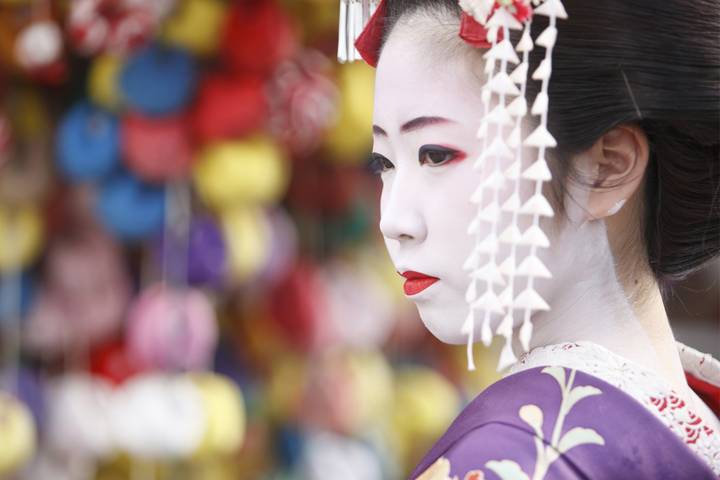
- Kyoto’s Miyako Odori dances: Your ticket and a guided Gion walk bring a seasonal performance into the schedule.
- Hiroshima by bullet train: The Peace Park, A-Bomb Dome and museum make for a moving, full-day excursion from Kyoto.
- Most transport is organized: Airport arrival, intercity travel and sightseeing transfers are covered, though you return to the airport on your own.
A spring route with plenty of variety
At $5,691, this is a substantial purchase, but the price covers 12 nights of accommodation, daily breakfast, five dinners, an English-speaking guide, many admission fees and much of the transport. You also get a train-based day trip to Hiroshima, a two-day Hakone Freepass and luggage forwarding from Kyoto to Hakone.
That bundle can be useful in Japan, where coordinating several trains, hotels and timed visits takes care. Still, it is not an all-inclusive holiday. Flights, insurance, lunches, most dinners and optional activities are extra. The tour’s value depends partly on how much you want the logistics handled and how much you value the included cultural stops.
The group-size details vary: one description gives a maximum of 18, while other tour information lists groups of 4 to 24. Ask what size is expected on your departure. Group size matters on crowded spring days, when moving through temples and busy stations can take time.
A few more options to weigh up in Tokyo
- Tokyo Disney Resort – Tokyo Disneyland & Tokyo DisneySea Park Tickets
★ 4.8 · 99,488 reviews - SHIBUYA SKY Ticket
★ 4.7 · 46,509 reviews - JR Whole Japan Rail Pass
★ 4.8 · 29,150 reviews
Tokyo: gardens, shrines and the Shibuya scramble
You arrive at either Narita or Haneda and travel by train with a representative into Tokyo. The rest of the first day is free, but aim to arrive by 3pm if you can. The 6pm welcome meeting is your chance to meet the guide and group before the sightseeing begins.
Day two starts at Hamarikyu Garden, a calm pocket of green with cherry trees, then moves to Meiji Shrine. At Shibuya Crossing, you get to cross with the crowds and see the famous intersection from above. A coffee stop at the second-floor Starbucks is an easy way to watch the choreography before the afternoon opens up for your own plans.
The group has a welcome dinner at a local restaurant. Breakfast is included each morning, but meals beyond the five included dinners are generally yours to arrange. That gives you freedom to choose what and where to eat, though it also means you should budget for meals beyond the tour price.
Matsumoto and Takayama: castles, wasabi and old streets
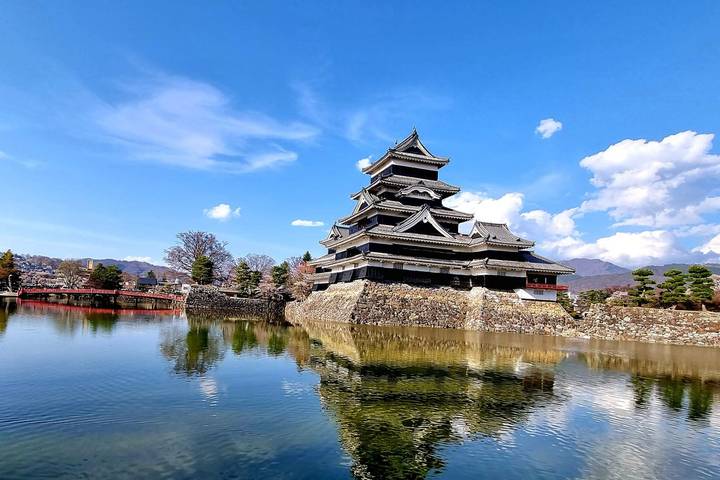
A private coach takes you from Tokyo to Matsumoto on day three. The main visit is Matsumoto Castle, one of Japan’s original castles and a National Treasure. The climb to the top uses narrow, steep stairs, with views over the city, moat and Japanese Alps as your reward. If you have trouble with steep steps, this is worth keeping in mind.
That night, the group stays at a traditional ryokan. It is a welcome change from standard hotel rooms and gives the route a taste of Japanese inn culture. Confirm the exact accommodation and room arrangements before departure: hotel choices can change, and past experiences have not always matched what people expected from a ryokan stay.
The next day brings a stop at Daio Wasabi Farm. You can walk among the gardens and fields, then try unusual products such as wasabi ice cream or chocolate if you are curious. The stop is as much about seeing how the crop is grown as it is about testing your tolerance for its sharp kick.
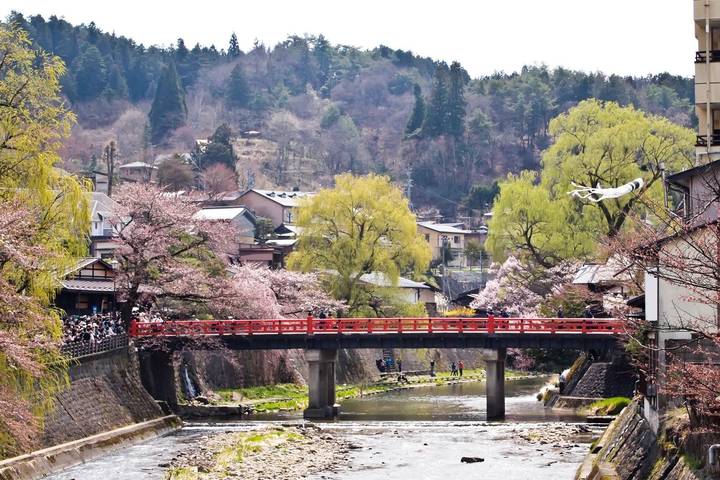
In Takayama, Hida Folk Village gathers about 30 traditional farmhouses on a hillside above town. It is a useful introduction to the regional building styles, while the old quarter offers a different pleasure: narrow streets, merchant houses, shops and sake makers. The next morning includes market stalls and a tea ceremony, followed by free time. Try Hida beef or visit a sake distillery if those appeal, and ask locally about an onsen if you want to add a soak.
The day’s structure leaves room to wander, but that independence cuts both ways. Some past departures had limited guiding at stops, so do not expect a guide to accompany the group through every street or arrange every free-time activity. I would make a short list of what you most want to see in Takayama before you arrive.
Kanazawa: samurai houses and Kenroku-en
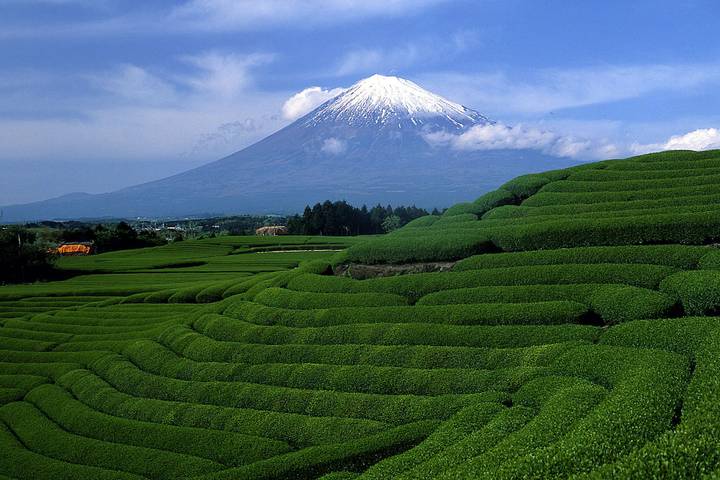
A private coach carries you from Takayama to Kanazawa. In the Nagamachi district, you visit the Nomura Family Samurai House, then head to Omicho Market, where stalls and restaurants make it a practical place to choose lunch.
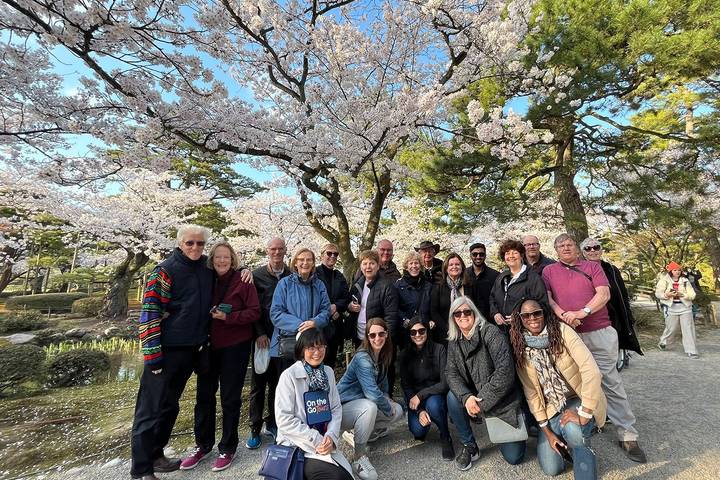
Kenroku-en is the day’s big draw. Once a feudal lord’s garden, it is known as one of Japan’s finest, and spring blossoms can soften its carefully shaped paths and ponds. The trees are expected to bloom in late March or early April, but the season shifts from year to year. If blossoms are the main reason you are booking, treat the timing as a chance, not a promise.
The rest of the day is free. That is a good chance to revisit a favorite part of the garden or explore more of the city, but it also means you will need to manage your own time after the included visits.
A completely different kind of day out:
- Mt Fuji and Hakone 1-Day Bus Tour Return by Bullet Train
★ 5.0 · 26,383 reviews - TOKYO SKYTREE® Ticket
★ 4.7 · 25,136 reviews - teamLab Borderless Tickets: MORI Building DIGITAL ART MUSEUM
★ 4.7 · 24,126 reviews - teamLab Planets TOKYO Ticket
★ 4.7 · 21,663 reviews
Kyoto: temples, torii gates and a geisha dance
Two trains take the group from Kanazawa to Kyoto, where you stay three nights. The first visit is Sanjusangen-do, with its rows of one thousand life-size Kannon statues. Each is hand-carved, so the hall offers a close look at an extraordinary body of religious sculpture rather than just another temple photo stop.
Fushimi Inari follows, known for its long paths through red torii gates. It is a popular place and can be crowded, especially in spring. You travel around Kyoto by local transport, which gives you a feel for the city’s everyday rhythm but requires patience at busy stations and on packed trains.
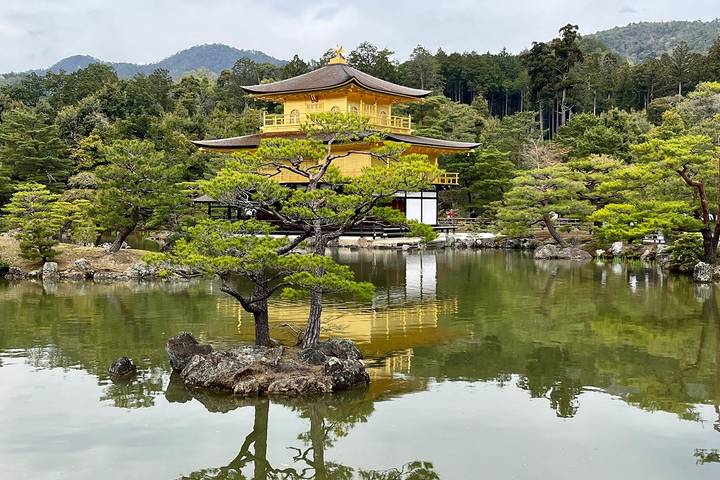
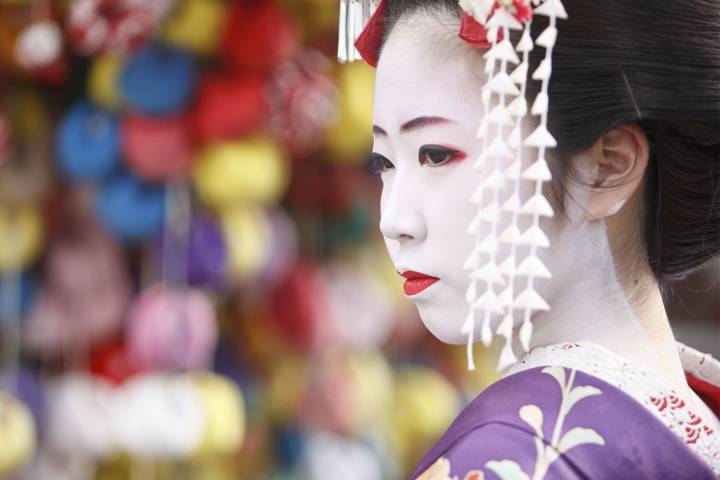
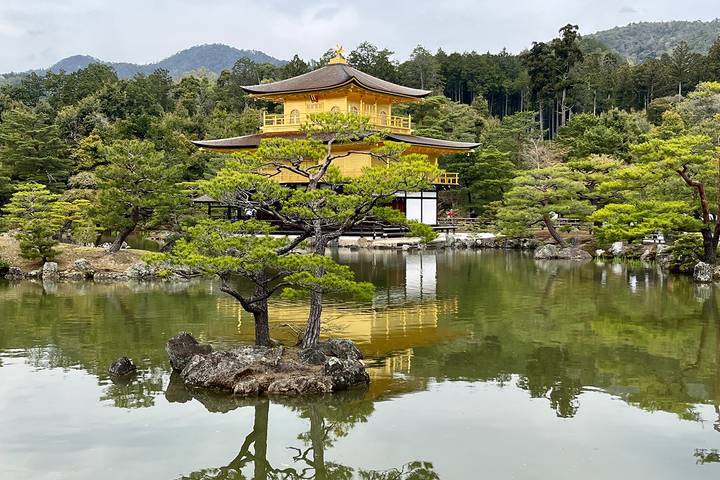
Day nine is full. At Kinkaku-ji, the Golden Temple’s gold-covered upper floors reflect in the pond. Then you take a guided walk through Nijo Castle, built in 1603 for the Tokugawa shogunate and noted for its Momoyama architecture. Later, a guided walk through Gion leads to the Miyako Odori spring dances at Minami-za Theatre. A dinner in Gion rounds out the day.
The geisha performance is one of the tour’s most distinctive inclusions. It gives you a set cultural event to look forward to, rather than leaving you to figure out how to attend on your own. You may see maiko moving through Gion on their way to lessons, but treat that as a possibility, not a scheduled encounter.
Pack a small overnight bag for the move to Hakone. Your main luggage is couriered from Kyoto and is due to arrive the next day. This is convenient, but it means you should keep anything you need overnight with you.
Hiroshima: a sobering day trip from Kyoto
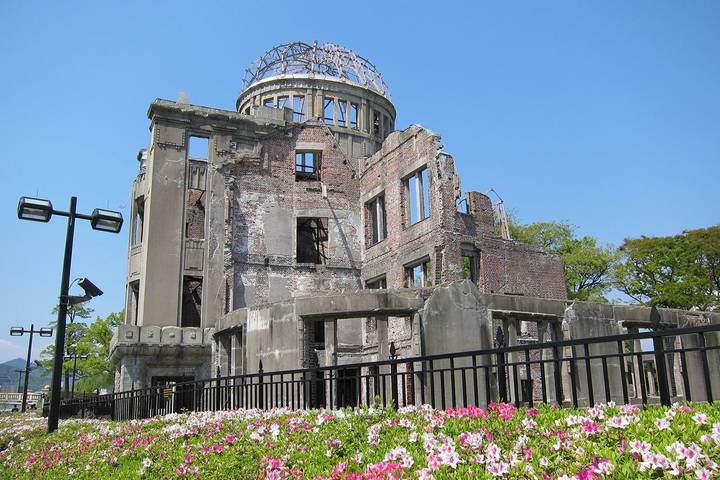
The group takes the Nozomi Shinkansen to Hiroshima for a full day. The A-Bomb Dome, Peace Park and Peace Park Museum are powerful places to learn about the atomic bombing and its aftermath. This is not a light sightseeing stop, and the museum can be emotionally demanding. Allow yourself time to take it in.
You return to Kyoto by train, arriving just after sundown. The fast rail link makes the day trip possible without changing hotels, but it is still a long day with substantial travel. If Hiroshima is a priority, this is an efficient way to see its central memorial sites while keeping Kyoto as your base.
Hakone: Lake Ashi and a chance to see Fuji
A bullet train takes you from Kyoto to the Fuji Hakone Izu National Park area. You spend two days here, with an afternoon free after arriving and checking in. The included Hakone Freepass covers unlimited use of many local transport options, including mountain buses, trams, switchback rail and cable cars.
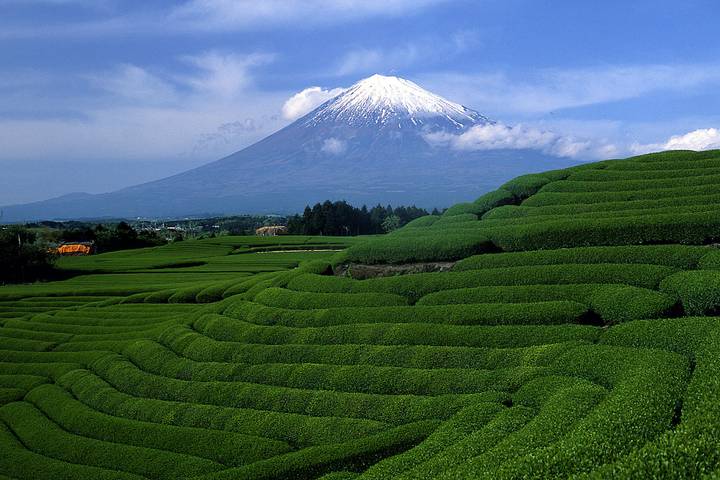
A cruise across Lake Ashi takes you to Moto-Hakone, where you visit Hakone-jinja Shrine and its red torii gate. On a clear day, Mount Fuji may appear in the distance. Cloud cover can hide the mountain, so enjoy the lake and shrine for themselves rather than counting on a perfect Fuji view.
The hotel has hot springs, a fine way to slow down after several days of sightseeing. Hakone’s transport network can be part of the fun, though several modes of travel in one day may feel like a lot if you prefer a quiet, unstructured stay.
Back to Tokyo, then home
On day 12, a private coach returns the group to Tokyo and the historic Asakusa district. A guided visit to Senso-ji Temple introduces one of the city’s best-known Buddhist sites, with craft and souvenir shops nearby. The afternoon is free for shopping or a final visit to Tokyo Skytree for city views.
On departure day, you make your own way by train to Narita or Haneda. The arrival transfer is included, but the departure train is unescorted, so leave time to navigate the station and airport connection.
Guiding, meals and the details that matter
The tour is fully guided in English, and the schedule includes guided sightseeing and walking tours in Tokyo, Matsumoto, Kanazawa, Takayama, Kyoto and Hakone. Still, guiding quality can vary. An earlier group singled out a guide named Aya for her helpfulness and cultural explanations, while another departure had complaints about short site introductions and little help during free time. Ask how much guided time is planned at each stop, rather than assuming the guide will be beside you all day.
The overall category scores are strong for transport, food and tour operator, while guide ratings are lower. That pattern fits the practical reality of this route: transport is a major strength, but the human side of the trip may depend on the person leading your departure. A good guide can help make sense of unfamiliar customs and history; a less engaged one leaves you relying more on your own preparation.
Breakfast is included daily, along with five dinners. Jain, vegetarian, vegan, Halal and Kosher options can be requested, but a vegetarian meal is not specifically promised to be Indian-style. If that distinction matters to you, tell the operator exactly what you need before booking and be prepared to choose from available options at meals.
Who should book this tour?
I would consider this tour if you want to see several major parts of Japan in one trip, prefer having transport and many admissions arranged, and enjoy a mix of guided visits and independent time. It suits curious first-time visitors, families and people who are comfortable changing hotels and using public transport in busy cities.
I would pause if you want a slow itinerary, extensive one-on-one guiding or complete control over every meal and stop. The route covers a lot in 13 days, and the best fit is someone who likes variety and can handle a few long travel days. Before paying, confirm the expected group size, the ryokan arrangement, the guide’s role at each site and how dietary requests will be handled. If those answers work for you, this trip offers a well-connected way to see Japan’s spring highlights, with memorable cultural stops beyond the blossoms.
FAQ
How long is the Cherry Blossom Festival tour?
The tour lasts 13 days and includes 12 nights of accommodation.
When does the tour run?
The departure month listed is March. Cherry blossoms in Kanazawa are expected in late March or early April, but bloom dates can vary.
Are international flights included?
No. International flights and travel insurance are not included in the tour price.
Which meals are included?
Breakfast is included daily, along with five dinners. Other meals are not included.
Can the tour cater to vegetarian or other dietary needs?
Jain, vegetarian, vegan, Halal and Kosher food options can be requested. Vegetarian meals are available, but they are not specifically described as Indian vegetarian meals.
Is the airport transfer included at both ends?
A train transfer from Narita or Haneda into Tokyo is included on arrival. The return train to the airport on day 13 is unescorted.
How large is the tour group?
The tour information gives a group range of 4 to 24 people, while another section states a maximum of 18. Confirm the expected group size for your departure.
Just added in Tokyo
- Wonders Of Japan 10-Day Tour by Travel Talk★ 4.5 · 14 reviews
- Wonders of Japan end Tokyo GO 15-Day Tour by Europamundo★ 4.2 · 10 reviews
- Wonders of Japan end Tokyo 15-Day Tour by Europamundo★ 4.2 · 10 reviews
- Wonders of Japan End Osaka by Europamundo – 12-Day Tour★ 4.2 · 58 reviews
- Wonders of Japan End Osaka (including Fukuyama) 12-Day Tour by Europamundo★ 4.2 · 58 reviews
- Wonders of Japan End Osaka GO by Europamundo – 12-Day Tour★ 4.2 · 58 reviews
- Walk Japan – Kumano Kodo Trail 12-Day Tour by Explore!★ 4.7 · 20 reviews
- Visions of Japan with Hiroshima & Osaka 15-Day Tour by Globus★ 5.0 · 75 reviews
Multi-Day Tours That Visit Takayama, compared.



Tokyo to Osaka by Rail – Private Tour (14 Days) with Explore!
Read our review →
Japan: Land of the Rising Sun 12-Day Tour by Intrepid Travel
Read our review →
Stunning Japan with Shirakawa-go by Stunning Tours – 8-Day Osaka to Tokyo Tour
Read our review →
Visions of Japan with Hiroshima & Osaka 15-Day Tour by Globus
Read our review →
Best of Japan by Contiki – 13-Day Tokyo to Osaka Tour
Read our review →
14 Days Japan Panoramic (Private 3 Star Hotels) by Stunning Tours
Read our review →Browse the lists this tour appears in