Reviewed · MULTI-DAY TOURS THAT VISIT SHIRAKAWA-GO
Classic Japan (from Tokyo to Osaka) 11-Day Tour by Intrepid Travel Review
Japan’s best surprises on this 11-day trip come between its famous city sights: a temple stay in Minobu, a soak in Gero’s hot springs and a multi-course kaiseki dinner. The route links Tokyo and Osaka by public transport, with time for Kyoto’s shrines and Hiroshima’s memorials along the way.
I like two things in particular: the mix of city and rural Japan, and the way a local leader helps you handle trains, find meals and make sense of cultural customs. A small group of up to 12 also leaves room for a more personal pace than a large coach tour.
The trade-off is that the trip covers a lot of ground. Train changes, station stairs, long walks and carrying your own bag can add up, even with the tour’s low-intensity rating. Traditional rooms may also mean firm tatami floors and shared facilities.
In This Review
- What to know before you book
- Tokyo begins with temples, gardens and river views
- Minobu’s temple stay slows the pace
- Gero pairs hot springs with mountain-town life
- Kyoto gives you room to choose your own temples
- Himeji and Hiroshima bring history into focus
- Miyajima offers a slower day by the water
- Osaka ends the trip with street food and neon
- What the price includes, and what it does not
- Who will get the most from this trip
- Should you book Classic Japan?
- FAQ
- How long is the tour, and where does it start and end?
- What time is the first group meeting?
- How large is the group?
- What language is the tour guided in?
- What is the minimum age?
- Which meals are included?
- What accommodation is included?
- Can I book a private room?
- Are international flights and travel insurance included?
- Can the tour accommodate dietary requirements?
What to know before you book
- Sleep in a temple in Minobu: The stay includes a traditional vegetarian shojin ryori dinner, with optional sutra copying, meditation and morning prayers.
- Try Gero’s hot springs and ryokan meal: Learn onsen etiquette, wear a yukata and sit down to a multi-course kaiseki dinner.
- Use public transport, not a tour bus: Trains, subways, buses and a ferry connect the stops. This gives you a closer feel for everyday Japan, but means managing your own luggage through stations.
- See major sights without losing all your free time: Guided visits are balanced with open afternoons in Tokyo, Kyoto, Gero and Osaka.
- Travel in a small group: The group size is capped at 12, and leaders vary by departure. Past trips have had leaders including Manabu Higa, Lulu, Kaz and Kodo.
- Budget for extras: The listed starting price is $6,195. International flights, travel insurance, most lunches and many dinners are not included.
Tokyo begins with temples, gardens and river views
The tour starts with a welcome meeting at 6 pm, so plan to arrive in Tokyo with enough time to get to the hotel and settle in. Before the meeting, you can explore on your own. The Imperial Palace grounds and moat offer a calmer first walk, while parks, museums and vintage shops give you options if you would rather ease into the city indoors.
On day two, the group heads to Asakusa, one of Tokyo’s older districts. Senso-ji, the city’s oldest temple, is a strong introduction to Japanese Buddhist architecture and ritual. Nakamise shopping street runs toward the temple with stalls selling snacks, crafts and souvenirs. It can be busy, so treat it as a lively browse rather than a quiet market visit.
A short Sumida River cruise gives your feet a rest and opens up a different view of Tokyo, including Skytree Tower and the former Tsukiji Fish Market complex. You then walk through Hama Rikyu gardens, once used by shoguns for duck hunting, before finishing in Ginza. The contrast is useful: traditional temple grounds, waterfront views and polished city shopping all fit into one day.
Kabuki may be an option depending on the performance schedule. Another worthwhile stop is a department store’s depachika, the basement food hall, where neatly arranged sweets, prepared dishes and produce make browsing as interesting as buying.
A few more options to weigh up in Tokyo
- Tokyo Disney Resort – Tokyo Disneyland & Tokyo DisneySea Park Tickets
★ 4.8 · 99,488 reviews - SHIBUYA SKY Ticket
★ 4.7 · 46,509 reviews - JR Whole Japan Rail Pass
★ 4.8 · 29,150 reviews
Minobu’s temple stay slows the pace
On day three, a train takes you from Tokyo to Minobu, a small town near Mt Fuji. You spend the night at a sub-temple of Kuon-ji, a temple more than 500 years old. This is the itinerary’s clearest change of pace: instead of another big-city hotel, you get a close look at a religious setting and a traditional style of stay.
The afternoon is free. You can ask about sutra copying, a Buddhist calligraphy practice, or meditation, or simply walk around town. Reaching Kuon-ji means climbing 287 steps, though a ropeway is available for views toward Mt Fuji when the sky is clear. The temple stay includes shojin ryori, vegetarian Buddhist cuisine.
Expect tatami rooms and shared facilities rather than a standard hotel setup. The firm floor can be uncomfortable if you have back or knee trouble, and getting up from a low sleeping surface is not for everyone. If that sounds like a strain, take the accommodation details seriously before booking.
Gero pairs hot springs with mountain-town life
The next train ride takes you to Gero, a historic onsen town. After an orientation walk, you have time to settle in and learn how to use the indoor and outdoor hot-spring baths. Your leader explains the etiquette and how to wear a yukata, the casual robe often provided at a ryokan.
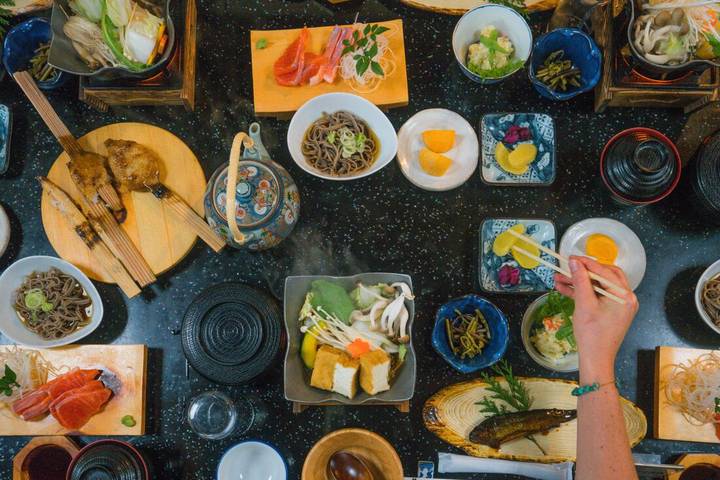
Onsen bathing is traditionally done nude, in gender-separated public baths. Tattoos may prevent entry to some public facilities, so ask your leader about options if that applies to you. The evening’s kaiseki meal is another highlight: a succession of small dishes, which may include soup, sashimi, grilled and steamed courses, sides and rice. It is a meal to take slowly, not a quick plate before the next activity.
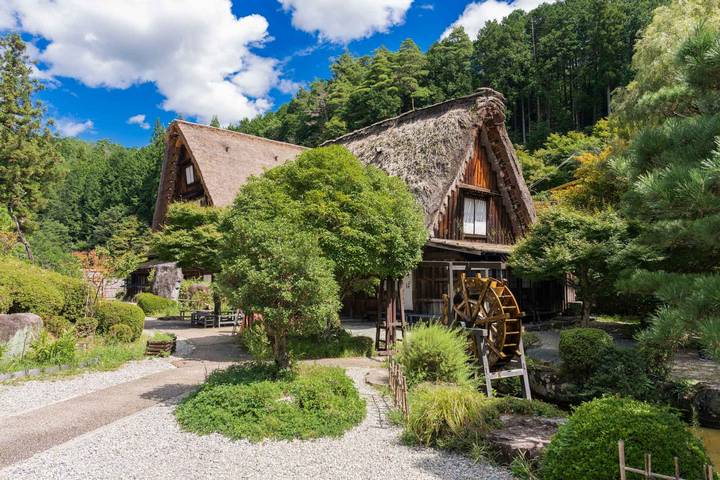
The following day begins at Gero’s local market, where you can see regional ingredients and browse ceramics and local specialties such as sake. Gassho Village, an open-air museum, preserves ten thatched-roof houses. The Odo House displays tools linked to silk production and farming, while Iwasaki House and Enkukan offer other collections if you want to spend more time there.
This stop is more than a pause between major cities. It brings rural architecture, local food and bathing customs into the trip. The trade-off is another train transfer the next day, so keep your bag light and your plans flexible.
Kyoto gives you room to choose your own temples
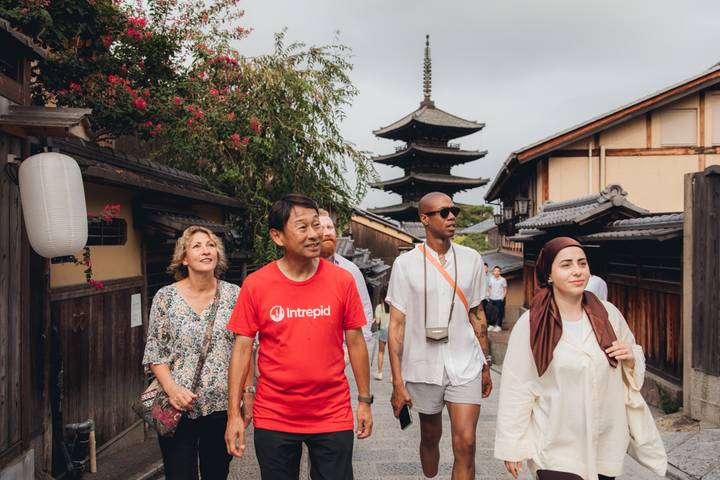
The journey to Kyoto includes a visit to Fushimi Inari Shrine, known for its long paths lined with thousands of red torii gates. The gates make striking photographs, but the shrine is more than a quick photo stop: the path climbs Mt Inari, and you can walk farther uphill if you have time and energy.
After dropping off your luggage, the group takes an orientation walk and then visits Gion. Its narrow streets and traditional entertainment venues are closely tied to geiko culture. You may see a geiko or maiko, but there is no guarantee, so enjoy the district for its historic streetscape rather than treating the people who work there as an attraction.
The next morning brings Kinkaku-ji, the Golden Pavilion, partly covered in gold leaf. A tea ceremony follows, introducing the utensils and careful movements behind this well-established practice. Together, these visits offer two different ways into Kyoto: a major temple complex and a more intimate cultural lesson.
The afternoon is free, which matters in a city with more temples than any schedule can comfortably fit. You could follow the Philosopher’s Path between Ginkaku-ji and Nanzen-ji, then continue through older streets toward Kiyomizu-dera for a view across a wooded gorge. These are optional outings, not included guided stops, so check the time and admission costs before setting off. Kyoto rewards wandering, but it is easy to overplan it.
A completely different kind of day out:
- Mt Fuji and Hakone 1-Day Bus Tour Return by Bullet Train
★ 5.0 · 26,383 reviews - TOKYO SKYTREE® Ticket
★ 4.7 · 25,136 reviews - teamLab Borderless Tickets: MORI Building DIGITAL ART MUSEUM
★ 4.7 · 24,126 reviews - teamLab Planets TOKYO Ticket
★ 4.7 · 21,663 reviews
Himeji and Hiroshima bring history into focus
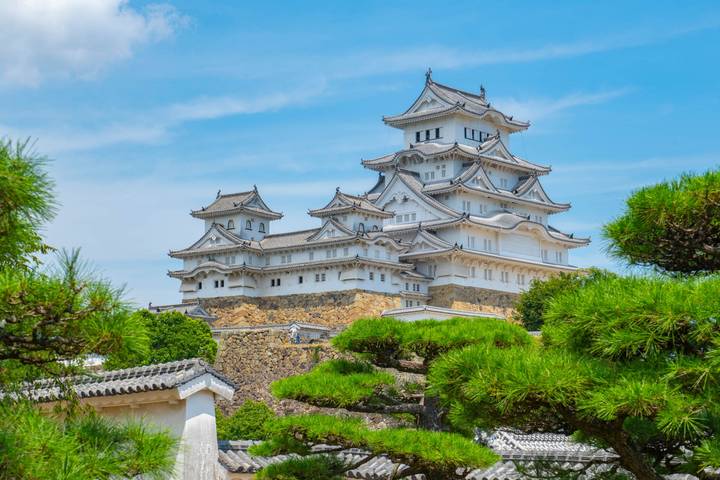
The train journey from Kyoto to Hiroshima includes a stop at Himeji Castle. Restored in 2015, this 16th-century fortress is admired for its scale and defensive design. Moats, towers and walled routes were laid out to confuse and slow attackers. The walk through the castle includes stairs, and the view from the seventh floor makes the climb worthwhile if you are comfortable with it.
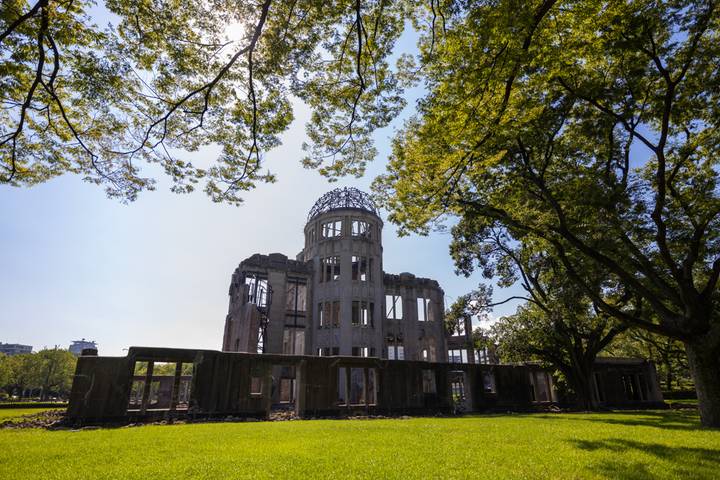
In Hiroshima, the A-Bomb Dome and Peace Memorial Park provide a sobering account of the atomic bombing in August 1945. The Peace Memorial Museum adds context about the events leading up to the attack and its human cost. Allow yourself time to take in the material at your own pace; this is not just another quick landmark stop.
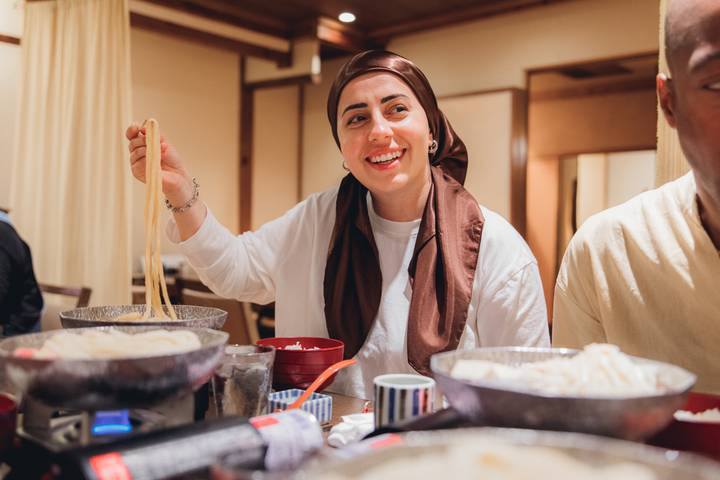
Dinner brings a change of mood without avoiding the city’s identity: Hiroshima-style okonomiyaki is a savory pancake layered with cabbage, egg, toppings and yakisoba noodles. It is a substantial meal and a good way to try a local specialty with the group.
Miyajima offers a slower day by the water
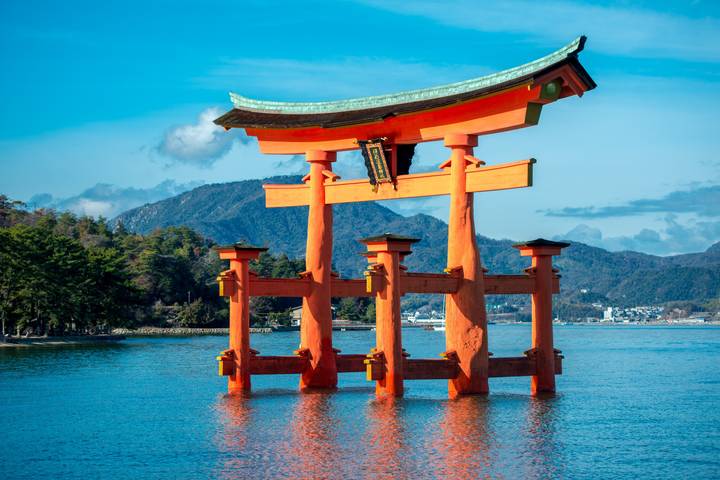
A short ferry ride takes you to Miyajima, where Itsukushima Shrine is famous for its bright orange torii gate rising from the sea. The island is well suited to walking, and Momiji Park offers a route toward the Mt Misen cable car. The cable car is optional, so you can choose a gentler day if you would rather stay near the shrine and waterfront.
Shukkeien Garden, with teahouses and waterfalls, is another quiet option if you have time back in Hiroshima. The day is less structured than the previous one, giving you room to linger or add a walk. Check your return arrangements with the group leader so you know when to be back.
Osaka ends the trip with street food and neon
On day ten, a train takes the group to Osaka, known for its food culture. After an orientation walk, you have free time to try local dishes. Tachinomi, standing bars, are a practical choice for a quick snack; kushikatsu means deep-fried skewers, while doteyaki is beef simmered with miso.
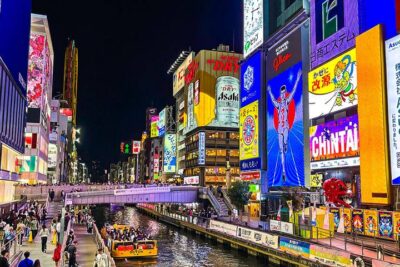
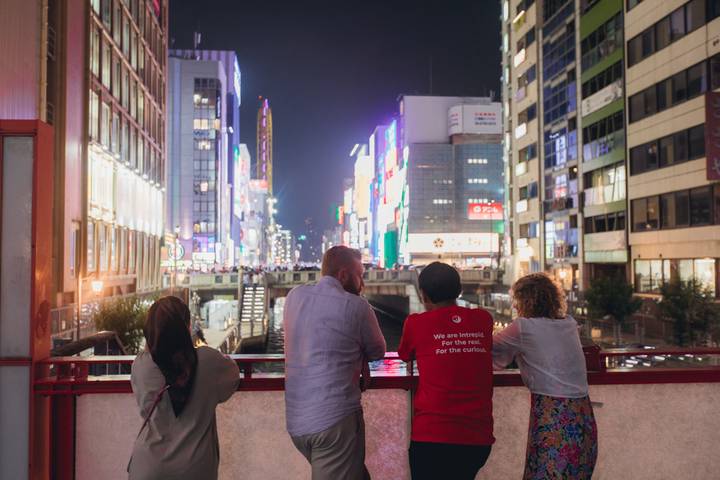
The group meets again for an evening walk through Dotonbori. Its neon signs and mechanical displays, including the Glico Running Man and the Kani Doraku crab, make this a fittingly theatrical final night. The tour ends the next morning, with no scheduled activities, so add a night if you want time to see more of Osaka.
What the price includes, and what it does not
The starting price is $6,195 for an 11-day trip. It covers accommodation, transport listed in the program, the group leader and scheduled activities. Those include the Sumida River cruise, temple stay and dinner, Gero market and Gassho Village, Kyoto’s tea ceremony, Himeji Castle, Hiroshima’s Peace Memorial sites, an okonomiyaki dinner and the Osaka Dotonbori walk.
The accommodation mix is eight hotel nights, one temple stay and one ryokan night. Japanese hotel rooms can be compact, and traditional inns may have futons on tatami, small attached bathrooms or shared bathing facilities. A private single room is not currently available on this trip, so solo room preferences need checking before you pay.
Ten breakfasts and three dinners are included. Vegetarian, vegan, halal and kosher options can be requested, but tell Intrepid your needs in advance. International flights, insurance and other meals are not included, so allow room in your budget for lunches, snacks and dinners in cities where you will want to sample local food.
For the price, the value is less about having every meal and activity covered and more about linking several regions, arranging the train travel and providing a local leader. Japan’s rail system is efficient, but station navigation and luggage transfers can be tiring. The group structure helps with those logistics while leaving plenty of time to make your own choices.
Who will get the most from this trip
This route suits you if you want a broad first look at Japan, are comfortable walking most days and enjoy using public transport. The group limit of 12 keeps the experience relatively small, while free afternoons let you pursue your own interests rather than follow a guide every hour.
It is less suitable if you need step-free movement, cannot carry your luggage through stations or find low beds and firm floors uncomfortable. The tour is rated low intensity, but that label does not remove the practical demands of stairs, walking and train changes. Pack light, wear comfortable shoes and be candid about mobility needs before booking.
Intrepid’s local leaders are an important part of the format. Assignments change, but past departures have had leaders including Manabu Higa, Lulu, Kaz and Kodo. One past leader, Manabu, had experience in the Buddhist priesthood, which helped explain religious customs; do not assume your departure will have the same leader or background.
Should you book Classic Japan?
Book this trip if you want Tokyo, Kyoto, Hiroshima and Osaka, but also value the quieter stops in Minobu and Gero. The temple stay, onsen and regional meals give the route more character than a city-to-city checklist, while the rail travel makes Japan part of the experience rather than just the view outside a coach window.
Look elsewhere if you want a slow pace, private rooms throughout or a fully inclusive meal plan. For an active first visit with a useful balance of guided structure and independent time, this is a well-rounded way to cross Honshu. Just arrive ready to walk, manage your own bag and accept that some days are measured in train connections as well as temples.
FAQ
How long is the tour, and where does it start and end?
The tour lasts 11 days. It starts in Tokyo and ends in Osaka.
What time is the first group meeting?
The welcome meeting is at 6 pm on day one.
How large is the group?
The group size is from 1 to 12 people.
What language is the tour guided in?
The tour is guided in English.
What is the minimum age?
The stated age range begins at 15.
Which meals are included?
The tour includes 10 breakfasts and 3 dinners. The included dinners are shojin ryori in Minobu, kaiseki in Gero and okonomiyaki in Hiroshima.
What accommodation is included?
The package includes eight nights in hotels, one night in a temple stay and one night in a ryokan. Traditional Japanese rooms may use futons and tatami, and some facilities may be shared.
Can I book a private room?
A single supplement is not currently available in Japan for this itinerary because room availability is limited. Check with the booking agent before confirming if you need your own room.
Are international flights and travel insurance included?
No. International flights and insurance are not included. Travel insurance is required for the tour.
Can the tour accommodate dietary requirements?
Vegetarian, vegan, halal and kosher options are available on request. Tell Intrepid which option you need.
Just added in Tokyo
- Mt. Fuji & Hakone Cherry Blossom private One Day Tour★ 4.5 · 35 reviews
- Fish Market & Tokyo Skyline Private Walking Tour★ 5.0 · 14 reviews
- Tokyo: 3-Hour Bike/E-Bike Tour of the City’s Highlights★ 5.0 · 209 reviews
- 25-Min Downtown Helicopter Tour : Tokyo Skytree and Tokyo Tower★ 5.0 · 19 reviews
- Private Tour with a Local Guide – Learn about daily life in Japan★ 5.0 · 22 reviews
- Official Japan Go-Kart Through Tokyo Bay / Ginza (IDP Required)★ 4.5 · 71 reviews
- 30-Min Tokyo Central Private Heli Tour– Asakusa, Skytree, Shibuya★ 5.0 · 13 reviews
- Tokyo 2-Hour Genuine Samurai Experience: Kendo in Japan★ 5.0 · 112 reviews
Multi-Day Tours That Visit Shirakawa-go, compared.

Visions of Japan with Hiroshima & Osaka 15-Day Tour by Globus
Read our review →
14 Days Japan Panoramic (Private 3 Star Hotels) by Stunning Tours
Read our review →
15 Days Discover Japan with Hiroshima by Tomato Travel
Read our review →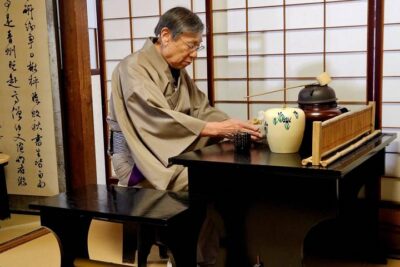
Ancient & Modern Japan 14-Day Tour by Exodus Adventure Travels
Read our review →
A Classic 11 Day Japan Holiday by Wonderful Holidays UK
Read our review →
Magical and Dreamy Japan 14-Day Tour by Europamundo
Read our review →
Highlights of Japan 13-Day Tour by Travel Chasers
Read our review →