
Reviewed · MULTI-DAY TOURS THAT VISIT NAGOYA
Contrasts of Japan end Tokyo GO 10-Day Tour by Europamundo: Itinerary & Reviews
Japan’s big-city rush, mountain scenery and centuries-old temples all fit into these ten days. I like the contrast between Mount Fuji and its lakeside ryokan stay and the weightier visit to Hiroshima’s Peace Memorial, and I like that the route includes smaller stops such as Kurashiki, not only Japan’s headline cities.
The trade-off is speed. You cover a lot, often with limited time at each stop, and some tour groups have experienced changing guides, buses and fellow passengers. If you want an in-depth stay in each city, or need a consistently paced English-language guide, this may feel hurried.
- Tokyo in a day: Zojoji, Meiji Shrine, Skytree, Asakusa and an evening in Shinjuku are packed into a long guided outing.
- Fuji views depend on conditions: Arakurayama Sengen Park and the Fifth Station are highlights, but winter weather can close the upper road.
- A ryokan night adds variety: Your Kawaguchiko stay includes dinner and access to a public onsen bath.
- Temples come thick and fast: Kyoto and Nara deliver major landmarks, but the number of sacred sites may feel repetitive.
- Hiroshima brings a change of tone: The Peace Memorial sites and ferry trip to Itsukushima make for a memorable, emotionally full day.
- Guide quality can vary: Ken, also called Rei, and Paco are praised by name, while some tour members have found English explanations uneven.
In This Review
- A packed route from Tokyo to Hiroshima
- Tokyo: famous sights, little time to wander
- Mount Fuji and Kawaguchiko: the scenic overnight
- Traditional houses, waterfalls and Toyota
- Kyoto: famous temples, a full schedule
- Nara, Horyu-ji and Osaka after dark
- Himeji Castle and Okayama’s garden
- Kurashiki and Hiroshima: history with real weight
- The bullet train back, and what guide service means
- Pace, hotels and who gets the best value
- Should you book this Japan tour?
- FAQ
- How long is the Contrasts of Japan end Tokyo GO tour?
- Which places does the tour visit?
- Is transport included?
- Is the tour guided in English?
- Which meals are included?
- Is Mount Fuji’s Fifth Station visit guaranteed?
- What is the group size?
A packed route from Tokyo to Hiroshima
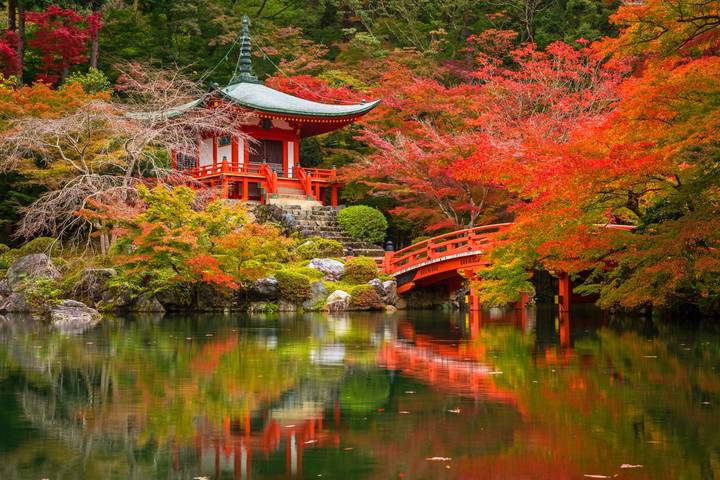
This ten-day group tour starts and ends in Tokyo, with a long sweep through Honshu in between. You’ll visit Mount Fuji, Kawaguchiko, Kyoto, Nara, Osaka, Himeji, Okayama, Kurashiki and Hiroshima, then return to Tokyo by bullet train.
The appeal is simple: you don’t need to arrange a new hotel, work out every long-distance connection or buy admission at each major stop. Coach transport handles most of the route, while a tour leader coordinates the daily schedule. The return to Tokyo is by train, and your airport arrival transfer is included.
The route is also ambitious. A group can number anywhere from 2 to 72, and some earlier tours have involved groups of around 40. The overall rating is 4.2 out of 5, with particularly strong scores for transport and itinerary. That fits the tour’s main strength: it moves efficiently and reaches a remarkable number of places. But efficiency means early starts, short visits and less room to linger.
The listed starting price is $3,956. It includes accommodation, breakfast, transport, basic travel insurance, selected admission fees and five included lunches or dinners: two lunches and three dinners. Compare that with the cost and effort of arranging a ten-day route independently, but weigh it against the tour’s pace and limited free time. Airfare is not specified among the inclusions.
Tokyo: famous sights, little time to wander
After landing, a shared shuttle takes you to your hotel. The rest of Day 1 is free, which is useful after a long flight. Keep the first evening simple: settle in, get the tour information and take a short walk if you have the energy.
Day 2 is a roughly seven-hour guided tour, followed by an evening outing. You’ll stop at Zojoji Temple, where Jizo statues wear knitted hats and bibs, and Tokyo Tower rises behind the temple grounds. Shibuya Crossing is viewed from the bus, so don’t expect a long walk around the intersection.
Meiji Shrine provides a calmer pause among trees before you head to Tokyo Skytree. Admission to the Tembo Deck at 350 metres is included, weather permitting. Later, you’ll explore Sensoji Temple and Nakamise Street in Asakusa, then pass Akihabara and Ginza on the return to the hotel. The evening brings a guided subway ride and walk through Shinjuku, with dinner at a local restaurant included.
This is a good orientation day, not a leisurely introduction. You’ll see several distinct sides of Tokyo, but you won’t have much time to explore any one district independently. If you have special interests, such as anime shops or museums, consider adding time in Tokyo before or after the tour. The final night is in the city, but the tour ends after breakfast on Day 10.
Hotel assignments vary. The Tokyo options include Shinagawa Prince Hotel, Tokyo Dome Hotel and Ibis Styles Tokyo Ginza East. The first two are listed as four-star properties and Ibis Styles as three-star. All are described as having nearby public transport, but room sizes and standards can vary.
A few more options to weigh up in Tokyo
- Tokyo Disney Resort – Tokyo Disneyland & Tokyo DisneySea Park Tickets
★ 4.8 · 99,488 reviews - SHIBUYA SKY Ticket
★ 4.7 · 46,509 reviews - JR Whole Japan Rail Pass
★ 4.8 · 29,150 reviews
Mount Fuji and Kawaguchiko: the scenic overnight
Day 3 turns away from the city for views of Mount Fuji. At Arakurayama Sengen Park, the pagoda and mountain make a classic photo pairing. The view is weather-dependent, so keep expectations flexible: Fuji can be hidden by cloud, even when the rest of the day is clear.
In Kawaguchiko, you’ll visit Fuji Sengen Shrine, take a boat ride on Lake Kawaguchiko and travel up the road to the Fifth Station, about 2,305 metres above sea level. In winter, snow or bad weather may close the road, and the coach will go only as far as conditions allow.
The overnight is a welcome change from standard city hotels. You’ll stay at a ryokan or, on some dates, a Western-style hotel. Some ryokan rooms have tatami mats, while others have Western beds. Dinner is included, and the public onsen offers a chance to unwind after a day on the road. If you’ve never used a communal hot spring bath, check the property’s instructions and customs before entering.
Traditional houses, waterfalls and Toyota
On Day 4, a winding drive around the lakes leads to Iyashi no Sato Nenba, a restored village now serving as an open-air museum. Its traditional houses hold craft shops, restaurants and exhibits. It is a brief look at older rural architecture, rather than an extended village stay.
Shiraito Falls is the day’s natural pause, with water spilling in fine streams over a rock face. Then the route heads to Nagoya for admission to the Toyota Museum, which traces the company’s history. The stop suits car enthusiasts, but it also breaks up a long transfer between the Fuji region and Kyoto.
Expect a substantial day of coach travel. That is the bargain built into this itinerary: the bus makes a multi-city route possible without asking you to handle every connection, but you give up some freedom and time along the way. You’ll sleep in Kyoto, with two nights there.
Kyoto: famous temples, a full schedule
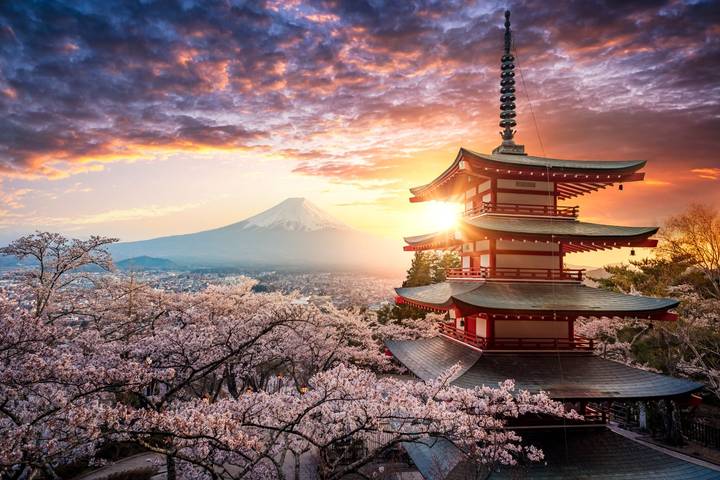
Kyoto gets one full sightseeing day, and the schedule is dense. You’ll begin in Arashiyama at Togetsukyo Bridge and Tenryuji Temple, then walk through the bamboo forest. The setting is striking, but it is a popular stop, so don’t expect a quiet private stroll.
Fushimi Inari’s rows of red gates offer a different kind of visit, followed by the Kyoto Imperial Palace and Kinkakuji, the Golden Pavilion. Visit order may change, and you’ll see several major sites in one day. That breadth is useful if this is your first time in Japan. The downside is that you may want more time at the temples, or a chance to explore a smaller neighborhood at your own pace.
Gion is left for free time after the guided sightseeing. Its wooden machiya houses and traditional character make it a worthwhile place to walk, but this is an optional independent visit, not a guaranteed guided tour. Use the time thoughtfully: choose a nearby street or tea stop rather than trying to squeeze in another major attraction.
A completely different kind of day out:
- Mt Fuji and Hakone 1-Day Bus Tour Return by Bullet Train
★ 5.0 · 26,383 reviews - TOKYO SKYTREE® Ticket
★ 4.7 · 25,136 reviews - teamLab Borderless Tickets: MORI Building DIGITAL ART MUSEUM
★ 4.7 · 24,126 reviews - teamLab Planets TOKYO Ticket
★ 4.7 · 21,663 reviews
Nara, Horyu-ji and Osaka after dark
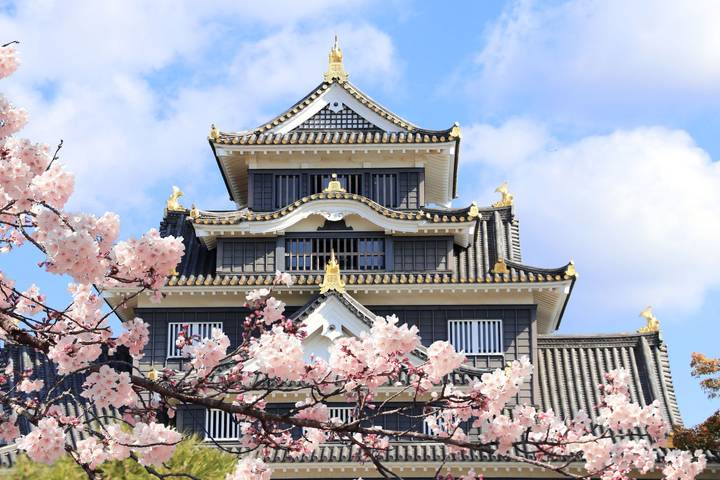
Day 6 begins with Todaiji in Nara, built in 752 and home to a giant Buddha. Deer roam the surrounding park, and you’ll have time to see the temple and spend time among them. Lunch in Nara is included.
The next stop, Horyu-ji, is a UNESCO World Heritage site with one of the world’s oldest wooden pagodas. It is a valuable counterpoint to the larger, more famous Todaiji. Still, this is another day with two significant temple visits, so anyone who reaches shrine-and-temple overload in Kyoto may feel the repetition.
You’ll continue to Osaka and visit Dotonbori in the evening, a lively district known for its lights, restaurants and nightlife. The evening transfer takes care of getting you there and back, which is handy after a full day. Dinner is not listed as included this night, so budget for your own meal.
Himeji Castle and Okayama’s garden
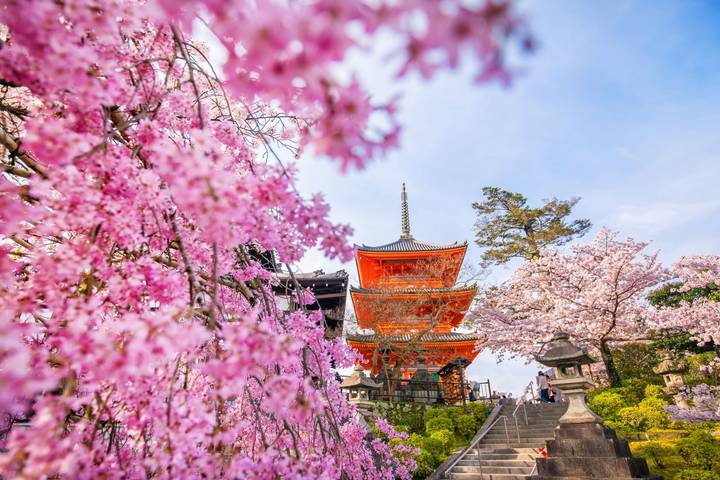
Himeji Castle is one of the route’s strongest stops. Its large complex and pale exterior show a different side of Japanese history from the shrines and temples. Admission is included, and lunch at a local restaurant is also provided.
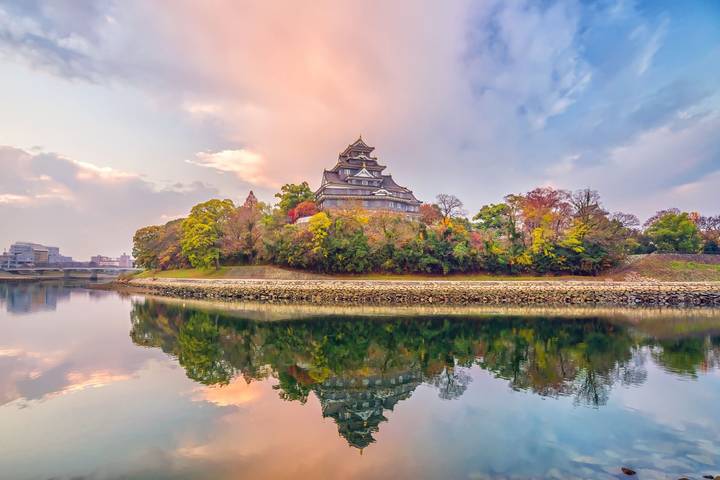
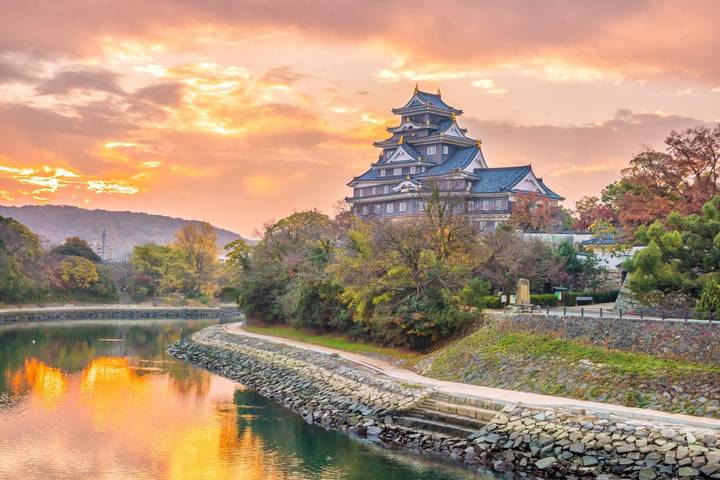
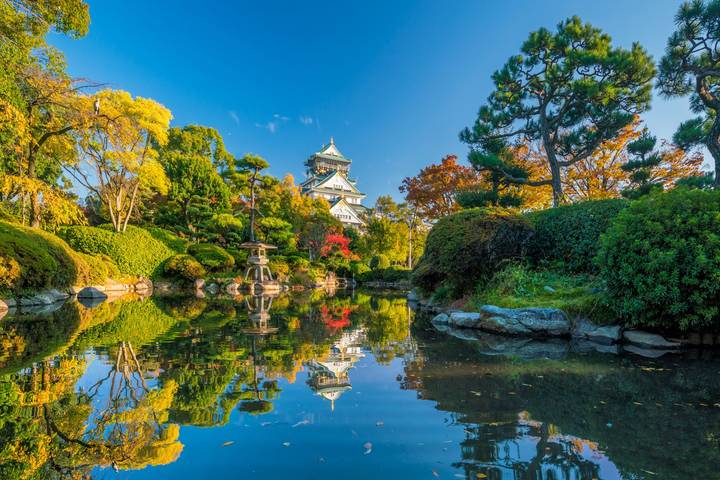
In Okayama, Korakuen offers ponds, waterfalls and traditional teahouses across an expansive garden. You can cross a pedestrian bridge to see Okayama Castle, rebuilt in 1966 after wartime destruction. Entry inside the castle is not included, so treat it as an exterior visit unless you choose to pay separately.
The overnight is generally in Okayama, though on some dates the group may stay in Fukuyama or Kurashiki. Hotel options in Okayama include Gran Via, Daiwa Roynet and ANA Crowne Plaza. The precise hotel can matter if you plan to arrange extra nights, so confirm the final assignment before making adjoining plans.
Kurashiki and Hiroshima: history with real weight
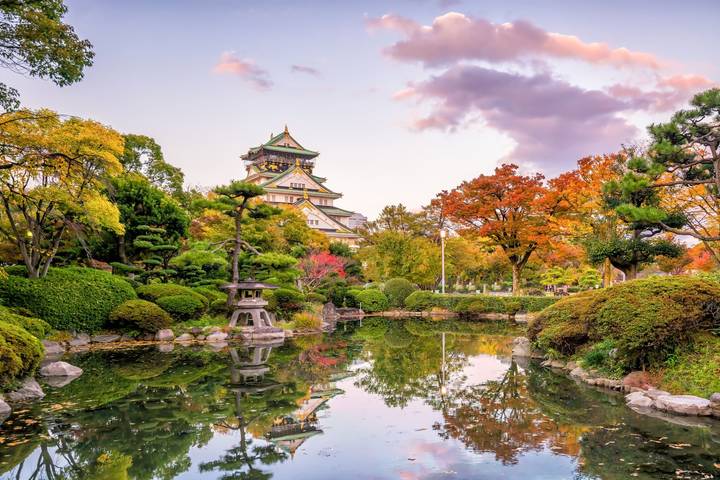
Kurashiki’s preserved old center gives you a slower-feeling walk among historic buildings before the trip reaches Hiroshima. The time is limited, but the stop adds variety after several large-city visits.
In Hiroshima, you’ll visit Peace Memorial Park, the Atomic Bomb Dome and the Peace Memorial Museum. The museum is a sobering account of the 1945 bombing and its human cost. Give yourself room to absorb it. The order of the day can change, and the overall schedule also includes a ferry to Itsukushima, so the museum visit may feel short if you prefer to read every display.
On Itsukushima Island, you’ll visit Itsukushima Shrine, built partly over the water, and have time in the town center. Lunch is included on the island, and dinner is included back in Hiroshima. This is a full day, with a sharp shift from reflection at the memorial sites to the island’s shrine and streets.
The bullet train back, and what guide service means
After breakfast on Day 9, a transfer takes you to Hiroshima Station for the bullet train to Tokyo. The journey covers about 800 kilometres and is scheduled to arrive around 2 p.m. You’ll have the afternoon and evening back in Tokyo, but no sightseeing is listed for that day.
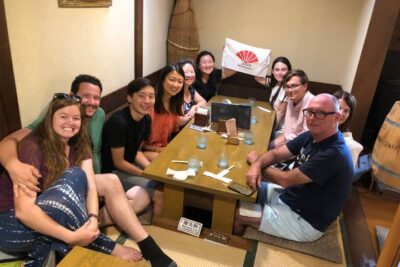
The tour is described as fully guided in English, with an English-speaking tour leader. In practice, guide arrangements can change as the route progresses. Some people have travelled with several guides and changing groups; guide Ken, also called Rei, and Paco have been praised for adding useful context. Others have found some English explanations difficult to follow, particularly when commentary was shared between Spanish- and English-speaking groups.
That is worth considering if detailed narration is your main reason for booking. Ask the operator how the English-language guiding is arranged on your departure, and whether the group may combine languages. A good guide can turn a quick stop into a meaningful one, but the experience may not be identical from one departure to another.
Pace, hotels and who gets the best value
The tour is marked low intensity, but that does not mean effortless. You’ll walk at major sights, move between stops on a tight schedule and encounter stairs. People with mobility concerns should ask for specific details before booking. A past participant found the pace quick, especially in crowded places.
Hotels are selected for quality, price and access to public transport, not luxury. Most are in the cities visited, though not necessarily in the center. Private bathrooms and televisions are standard, while room size, bed size and general feel can differ. The hotel list also varies by departure, so avoid assuming you’ll receive a particular property until it is confirmed.
Breakfast is included, along with the listed lunches in Nara and Himeji and dinners in Tokyo, Kawaguchiko and Hiroshima. That leaves several meals for you to choose yourself, which is a plus if you like trying local food. Keep a little flexibility in your day, since one participant noted that lunch or rest stops could come late.
I see the strongest value here for a first Japan trip when you want the broad outline without managing train bookings, hotels and admissions yourself. Past tour members have praised the itinerary, smooth transport and the ease of handling suitcases between stops. Families have also enjoyed the range of sights, though children and adults alike need to be comfortable with long days.
Should you book this Japan tour?
Book it if you want to see a wide stretch of Japan in ten days, value included transport and admissions, and can accept a fast pace. The route’s highlights are genuinely varied: Tokyo, Fuji, Kyoto, Nara, Himeji and Hiroshima each offer a different reason to stop.
Think twice if you want long, unhurried visits, one consistent guide, or fewer temples. For the best fit, add independent time in Tokyo, confirm the English-language guide arrangements and check your mobility needs against the daily walking. This is a practical sampler of Japan, not a slow cultural stay.
FAQ
How long is the Contrasts of Japan end Tokyo GO tour?
The tour lasts 10 days. It begins and ends in Tokyo.
Which places does the tour visit?
The route includes Tokyo, Mount Fuji, Kawaguchiko, Nagoya, Kyoto, Nara, Osaka, Himeji, Okayama, Kurashiki, Hiroshima and Itsukushima Island.
Is transport included?
Yes. The tour includes an arrival transfer, coach travel for most of the route, local transport for the Tokyo outings, a ferry to and from Itsukushima, and a bullet train from Hiroshima to Tokyo.
Is the tour guided in English?
The tour is described as conducted in English with an English-speaking tour leader. Guide arrangements may change during the route, so confirm how English-language guiding will work on your departure.
Which meals are included?
Breakfast is included, along with two lunches, in Nara and Himeji, and three dinners, in Tokyo, Kawaguchiko and Hiroshima.
Is Mount Fuji’s Fifth Station visit guaranteed?
The coach normally travels to the Fifth Station, about 2,305 metres above sea level. In winter, snow or weather can close the road, and the tour goes only as far as conditions permit.
What is the group size?
The stated group size ranges from 2 to 72 people. Group and guide arrangements can change during the tour.
Just added in Tokyo
- Fish Market & Tokyo Skyline Private Walking Tour★ 5.0 · 14 reviews
- Mt. Fuji & Hakone Cherry Blossom private One Day Tour★ 4.5 · 35 reviews
- 25-Min Downtown Helicopter Tour : Tokyo Skytree and Tokyo Tower★ 5.0 · 19 reviews
- Private Tour with a Local Guide – Learn about daily life in Japan★ 5.0 · 22 reviews
- Tokyo: 3-Hour Bike/E-Bike Tour of the City’s Highlights★ 5.0 · 209 reviews
- Official Japan Go-Kart Through Tokyo Bay / Ginza (IDP Required)★ 4.5 · 71 reviews
- 30-Min Tokyo Central Private Heli Tour– Asakusa, Skytree, Shibuya★ 5.0 · 13 reviews
- Tokyo 2-Hour Genuine Samurai Experience: Kendo in Japan★ 5.0 · 112 reviews
Multi-Day Tours That Visit Nagoya, compared.
9D Splendid Japan-Private 3 Star Hotels-Osaka to Tokyo by Stunning Tours
Read our review →

Essential Japan GO by Europamundo – 7-Day Tokyo to Osaka Tour
Read our review →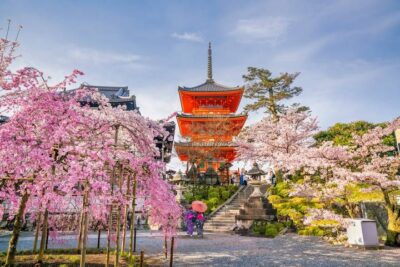
8D Splendid Japan-Private 3 Star Hotels-Osaka to Tokyo by Stunning Tours
Read our review →
Wonders of Japan End Osaka GO by Europamundo – 12-Day Tour
Read our review →
Wonders of Japan End Osaka (including Fukuyama) 12-Day Tour by Europamundo
Read our review →
Wonders of Japan End Osaka by Europamundo – 12-Day Tour
Read our review →
9D Splendid Japan Deluxe-Private 4 Star Hotels by Stunning Tours
Read our review →Browse the lists this tour appears in