
Reviewed · WORKSHOPS
Cozy Tokyo Class: Ramen, Sushi, Sake Pairing & Cultural Exchange
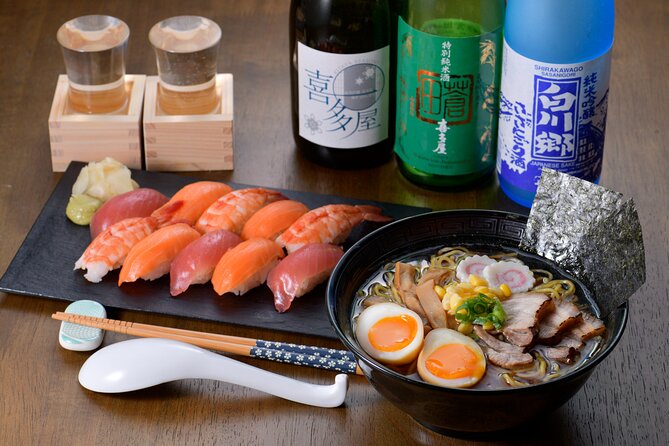
Food brings people together fast. This three-hour Tokyo class combines hands-on cooking with relaxed conversation, giving you a tasty way to meet English-friendly Japanese hosts and learn dishes you can make again at home. I especially like the small-group setting and the chance to prepare both ramen and sushi, with optional gyoza included in the class format.
I also like the practical recipe gift, which means the class does not end when you leave Tsukishima. The main point to consider is the changing dish description: the experience is described as ramen and sushi, while other details refer to ramen and gyoza. If one particular dish matters to you, confirm the menu before booking.
In This Review
- Key points at a glance
- Arriving at HAUS Tsukishima in Chuo City
- A warm welcome from the Japanese hosts
- Making ramen from scratch
- Sushi and the optional gyoza question
- Sake, Japanese beer, and non-alcoholic drinks
- Cultural exchange beyond the recipes
- How the three hours are likely to feel
- Is $79 a fair price?
- Who should book this Tokyo cooking class?
- Booking details and cancellation terms
- Should you book it?
- FAQ
- Where does the cooking class meet?
- Where does the activity end?
- How long does the class last?
- What dishes will I learn to make?
- Is the class suitable for beginners?
- Are children allowed to join?
- Are drinks included?
- Is transportation included?
- How many people can join the class?
- Can I cancel for a full refund?
Key points at a glance
- Three hours of cooking: You have enough time to learn, prepare, eat, and chat without rushing through the dishes.
- Ramen plus sushi or gyoza: The class focuses on two well-known Japanese foods, with the exact second dish worth confirming ahead of time.
- A very small class: The experience is promoted as capped at four people, although the additional booking information lists a maximum of eight.
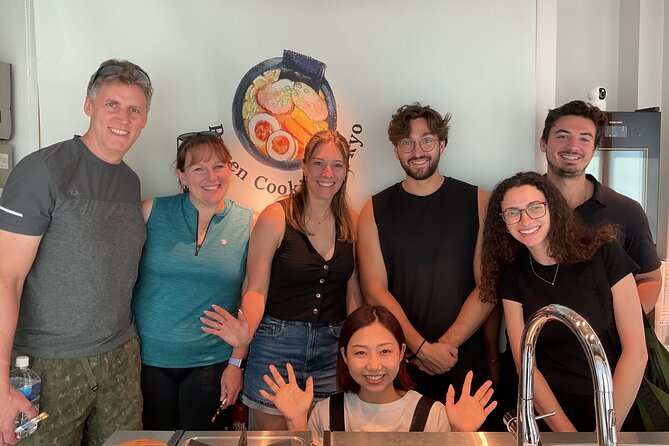
- Friendly English support: Hosts including Umi, Kou, Risa, Namiko, Komi, and Alissa are praised for clear explanations and warm conversation.
- Drinks are included: You can enjoy unlimited sake pairings, Japanese beer, or non-alcoholic drinks during the class.
- A recipe to take home: You receive written instructions so you can try the dishes again after returning home.
Arriving at HAUS Tsukishima in Chuo City
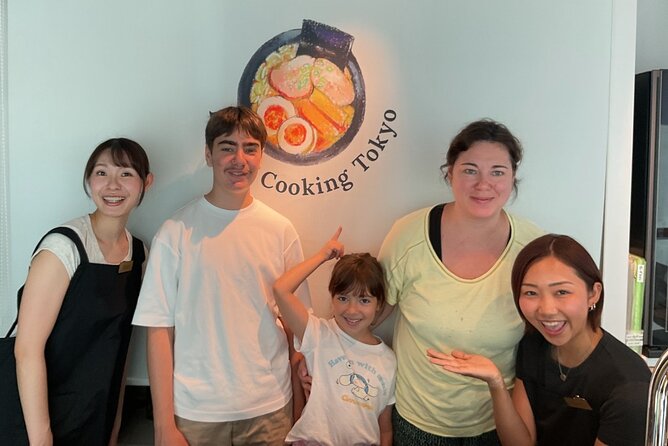
The class meets at HAUS Tsukishima, at 2-chōme 13-5 Tsukuda, Chuo City, Tokyo 104-0051. The meeting point is near public transportation, which makes it a practical choice during a busy Tokyo stay. You return to the same place at the end.
I would allow extra time to find the building. Tokyo addresses can be hard to read at first, especially when small lanes and numbered buildings do not line up with the street pattern you expect. Have the full address ready on your phone, and check the meeting instructions before setting out.
The setting is part of the appeal. This is not presented as a large cooking school with a room full of strangers. It is designed as a cozy, personal class where you can hear the instructors and ask questions without raising your voice.
There is one detail to keep in mind. The main description says the group is capped at four people, while the additional information gives a maximum of eight. That may reflect different booking conditions or a change in group size. If the smallest possible class is important to you, ask the provider to confirm the group limit.
A few more options to weigh up in Tokyo
- Tokyo Disney Resort – Tokyo Disneyland & Tokyo DisneySea Park Tickets
★ 4.8 · 99,488 reviews - SHIBUYA SKY Ticket
★ 4.7 · 46,509 reviews - JR Whole Japan Rail Pass
★ 4.8 · 29,150 reviews
A warm welcome from the Japanese hosts
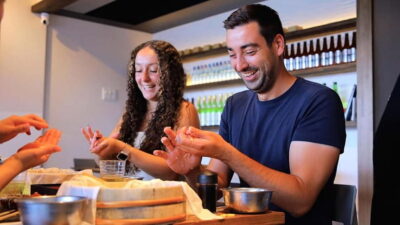
The class begins with an introduction to the hosts and the theme of connecting through food. This is more than a quick demonstration followed by a meal. The instructors explain what you are doing, share stories about Japanese food traditions, and make room for conversation between people from different countries.
Several hosts are named in the experience details and participant comments, including Umi, Kou, Risa, Namiko, Komi, and Alissa. The strongest praise centers on their kindness, humor, patience, and clear English. That matters in a cooking class, because timing and technique can get confusing when instructions are rushed or hard to follow.
You can expect a friendly pace rather than a formal chef-school lesson. The class is meant for beginners, but people who already cook will still find useful ideas in the process and ingredients. The instructors are described as supportive and willing to answer questions, so you should feel comfortable speaking up when you need another explanation.
This social side may be the best reason to choose this class instead of simply eating ramen at a restaurant. You get a meal, but you also get conversation and a chance to see how food becomes a bridge between cultures.
Making ramen from scratch
Ramen is one of the two main dishes, and the class gives you a chance to make it rather than simply watch someone else cook. The experience promises step-by-step guidance, so you do not need advanced cooking skills to take part.
The value here is practical. Restaurant ramen can look simple when it arrives at the table, but the finished bowl depends on several parts working together. A class helps you understand the steps behind the dish and gives you a method you can repeat at home.
The available details do not specify the exact broth, toppings, noodle style, or preparation sequence. I would not book this expecting a particular regional ramen recipe unless the provider confirms it in advance. What you can count on is learning to prepare ramen as part of the class and eating the finished dish during the session.
The pace also sounds suited to mixed groups. Parents and children have enjoyed the class, and beginners have found the instructions easy to follow. If you cook often, you may appreciate the chance to ask about technique and ingredients. If you rarely cook, the hosts are there to guide you through the process.
Sushi and the optional gyoza question
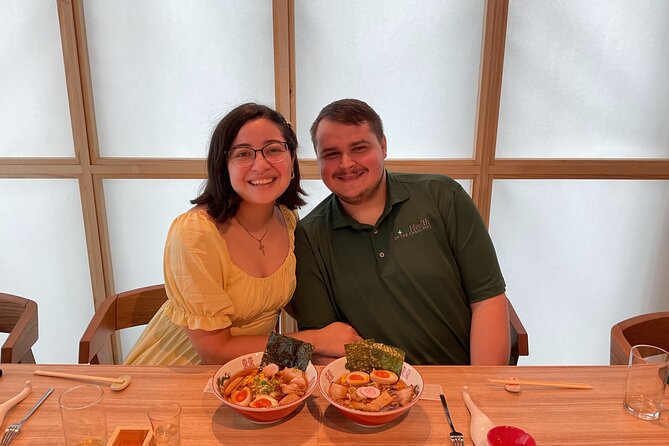
The experience is described mainly as a ramen and sushi class, and many of the strongest comments praise both dishes. You can expect hands-on preparation followed by a chance to taste what you have made.
The details also describe gyoza as an optional dish, and the short tour summary calls ramen and gyoza the two iconic foods you will make. That creates a small but important question. Sushi and gyoza are not interchangeable, so check which menu applies to your booking date.
This is not a major concern if you are happy to learn either dish. Both fit the class goal of teaching popular Japanese foods in a home-style, social setting. It becomes more important if you have dietary needs, a strong preference for sushi, or children who are especially excited about making dumplings.
The food itself receives consistent praise for its taste and freshness. The instructions are also described as easy to follow, which suggests you will spend less time worrying about mistakes and more time enjoying the process.
A completely different kind of day out:
- Mt Fuji and Hakone 1-Day Bus Tour Return by Bullet Train
★ 5.0 · 26,383 reviews - TOKYO SKYTREE® Ticket
★ 4.7 · 25,136 reviews - teamLab Borderless Tickets: MORI Building DIGITAL ART MUSEUM
★ 4.7 · 24,126 reviews - teamLab Planets TOKYO Ticket
★ 4.7 · 21,663 reviews
Sake, Japanese beer, and non-alcoholic drinks
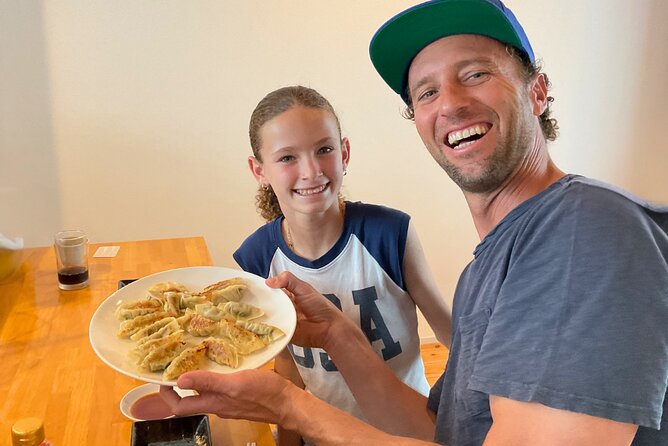
The class includes unlimited sake pairings, Japanese beer, and non-alcoholic beverages. That gives the meal a more festive feel and helps the conversation continue while the food is being prepared.
The phrase sake pairing does not come with a detailed list of sake types or a formal tasting lesson. Do not expect a separate sake seminar unless the provider confirms one. Here, the drinks appear to be part of the shared meal and cultural exchange.
Several comments specifically praise the generous sake service. If you drink, pace yourself carefully. Three hours of cooking, eating, and conversation can pass quickly, and unlimited drinks are best treated as an option rather than a challenge.
Non-alcoholic choices make the class workable for children, non-drinkers, and anyone who wants to stay sharp for the rest of the day. Families are welcome, and the experience is described as suitable for all ages and skill levels.
Cultural exchange beyond the recipes
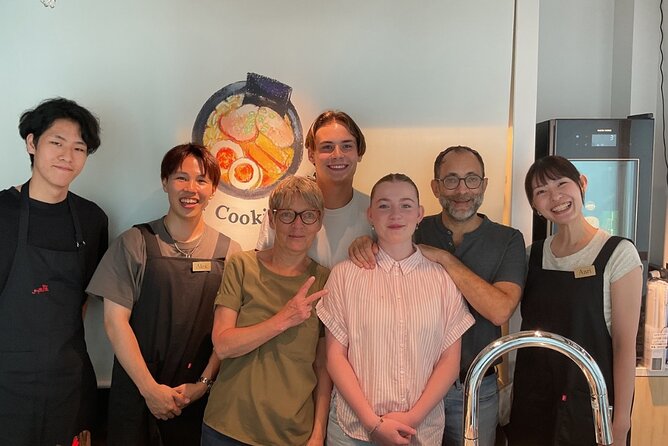
The class theme, Beyond Cooking, Feel the Connection, gives you a good sense of its purpose. The food is the starting point, but the hosts also share stories about Japanese culinary traditions and encourage conversation.
I like this approach because it avoids turning the class into a purely mechanical lesson. You are not only measuring ingredients or copying hand movements. You are also hearing how the hosts think about the dishes and getting a more personal view of Japanese food culture.
The cultural exchange works best if you take part in the conversation. Ask questions, share something about food from home, and give yourself time to talk with the hosts and other people in the group. The class is designed to be social, so a quiet observer may miss part of its value.
This also makes the experience a strong choice for a special occasion. Birthdays and honeymoons are specifically mentioned as popular reasons to book. The small setting, shared meal, and included drinks can feel more personal than a standard sightseeing stop.
How the three hours are likely to feel
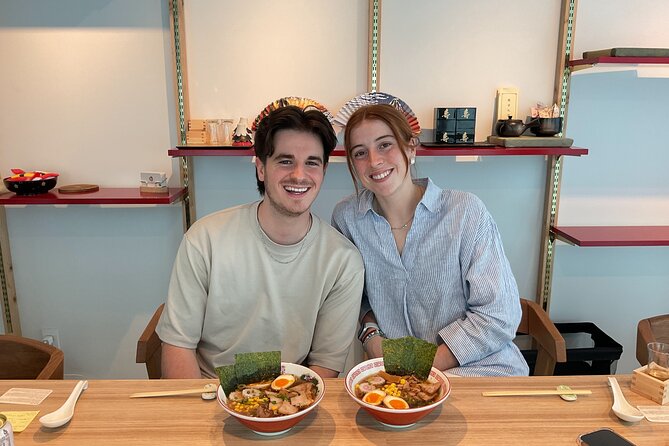
The class lasts about three hours, which is long enough for a proper cooking session and meal. You will be welcomed, introduced to the dishes, guided through preparation, and given time to eat and talk.
The exact order of ramen, sushi, and optional gyoza is not provided. It is safest to think of the class as a relaxed sequence rather than a strict minute-by-minute itinerary. The hosts appear to focus on steady instruction, shared preparation, and making sure everyone can keep up.
You should wear clothes that are comfortable for cooking and arrive ready to participate. The provided information does not list a dress code, equipment requirements, or specific food restrictions, so contact the provider before booking if you have allergies or need special arrangements.
Because the class ends back at the meeting point, it is easy to combine with other plans in Tokyo. Still, I would avoid scheduling an important timed attraction immediately afterward. Cooking classes can run at a relaxed pace, especially when conversation and questions are part of the activity.
Is $79 a fair price?
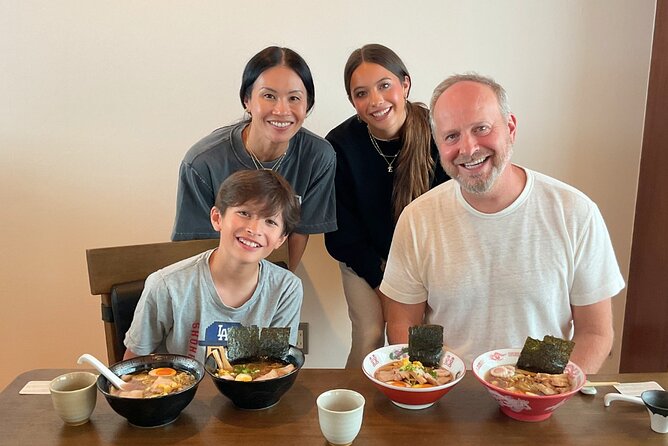
At $79, this is not the cheapest way to eat ramen and sushi in Tokyo. It is also not simply a meal. The price covers a three-hour class, instruction, food, cultural conversation, included drinks, and all fees and taxes.
That makes the value strongest for you if you want to learn a skill and meet people, not just fill your stomach. The recipe gift adds another layer of value because you can recreate the dishes at home. A recipe you actually understand is more useful than a souvenir that sits in a drawer.
The included drinks also matter. Sake, Japanese beer, and non-alcoholic beverages are part of the experience, so you do not need to budget separately for those during the class. Private transportation is not included, but the meeting point is near public transportation.
The class becomes less appealing if you want a professional culinary qualification, a long sake lesson, or a very specific ramen style. It is built around friendly participation and cultural exchange, not advanced chef training.
Who should book this Tokyo cooking class?
This class suits couples, families, and friends who want a shared activity. It also works well for solo visitors who enjoy meeting hosts and joining a small social setting.
Beginners should feel at home because the instructors use clear explanations and guide the cooking at an accessible pace. Experienced home cooks may enjoy the chance to compare methods and ask questions about Japanese ingredients and traditions.
It is especially useful during a short Tokyo visit. You learn two recognizable dishes in one session, eat what you prepare, and leave with recipes. That gives you a practical memory of Japan rather than another quick photograph.
You may want to choose another activity if you dislike group participation or prefer to spend three hours quietly eating. You should also confirm the exact menu if sushi versus gyoza is central to your decision.
The experience has a 5 rating from 74 listed ratings, with 100 percent recommendation shown in the supplied information. The most praised features are the friendly hosts, fresh and tasty food, easy instructions, intimate atmosphere, and cultural conversation. Those strengths all point to a class that depends heavily on good teaching and a welcoming mood.
Booking details and cancellation terms
Confirmation is received at the time of booking. The activity includes all fees and taxes, but transportation to and from HAUS Tsukishima is your responsibility.
Free cancellation is available if you cancel at least 24 hours before the local start time. Cancellations made within 24 hours are not refunded, and changes inside that period are not accepted. Keep the cut-off time in mind when planning around train schedules or other Tokyo bookings.
Should you book it?
I would book this class if you want an easygoing, hands-on food activity with real conversation. The strongest reasons are the warm hosts, manageable three-hour length, included drinks, and recipe you can use after Japan.
Before paying, confirm two details: the actual group size and whether your session includes sushi, gyoza, or both. If those points match your expectations, $79 is a reasonable price for a meal, a lesson, and a social cultural experience in one compact Tokyo activity.
FAQ
Where does the cooking class meet?
The class meets at HAUS Tsukishima, 2-chōme 13-5 Tsukuda, Chuo City, Tokyo 104-0051.
Where does the activity end?
The activity ends back at the meeting point.
How long does the class last?
The class lasts approximately three hours.
What dishes will I learn to make?
The main description features ramen and sushi. Other details mention optional gyoza, so confirm the exact menu before booking.
Is the class suitable for beginners?
Yes. The class is designed for beginners and experienced cooks, and it is described as suitable for all skill levels.
Are children allowed to join?
The class is suitable for all ages, and families are welcome.
Are drinks included?
Yes. Unlimited sake pairings, Japanese beer, and non-alcoholic beverages are included.
Is transportation included?
No. Private transportation is not included, though the meeting point is near public transportation.
How many people can join the class?
The experience is promoted as a small group capped at four people. Additional information lists a maximum of eight travelers, so confirm the current group limit with the provider.
Can I cancel for a full refund?
Yes, if you cancel at least 24 hours before the experience start time. Cancellations within 24 hours are not refunded, and changes during that period are not accepted.
Just added in Tokyo
- Very popular in Harajuku♡Animal petting zoo★ 4.6 · 39 reviews
- Yokohama Port: Private Customizable Tour with Transfer★ 5.0 · 19 reviews
- Wagyu & Sake 8 Course Tasting Dinner in Shinjuku★ 4.9 · 20 reviews
- Warner Bros. Studio Tour Tokyo – The Making of Harry Potter★ 4.8 · 181 reviews
- Yanaka District: Historical Walking Tour in Tokyo’s Old Town★ 4.8 · 117 reviews
- Tokyo: Classic Tsukiji Food Tour★ 4.9 · 78 reviews
- Tokyo: Tsukiji Fish Market Tour with 6 Stops & Seafood Lunch★ 4.5 · 165 reviews
- Tokyo Wagyu & Sake Pairing Tasting Experience with Local Flavors★ 5.0 · 108 reviews
Workshops, compared.
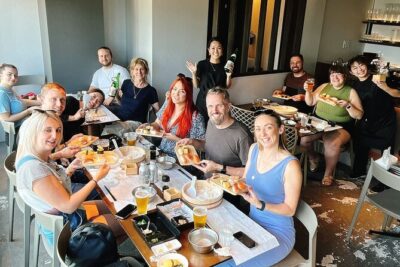
Sushi Making Tokyo Roll and Authentic Japanese Sushi Class
Read our review →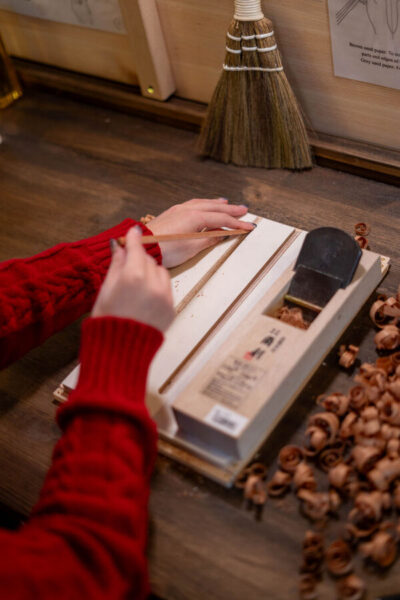
Gion Make Your Own Chopsticks with Engraving Option
Read our review →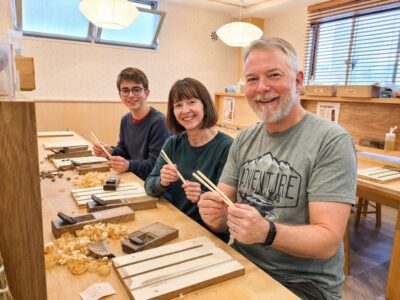
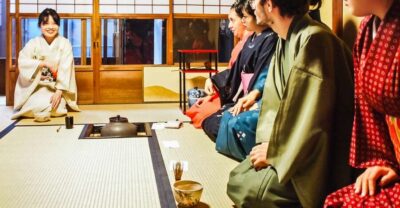
Roll and Authentic Sushi Making Class in Asakusa
Read our review →
Ramen Cooking Class at Ramen Factory in Kyoto
Read our review →
Tokyo Asakusa Chopsticks Workshop: Make Your Own Pair
Read our review →
Ring Making Workshop : Vintage Japanese Coin Ring
Read our review →Browse the lists this tour appears in