
Reviewed · MULTI-DAY TOURS THAT VISIT SHIRAKAWA-GO
Cultural Treasures of Japan (Tokyo to Kyoto, 2026) 14-Day Tour by Collette – Reviews & Prices
Tokyo’s old temples, Hakone’s volcanic slopes and Kyoto’s forested torii gates make this a trip of striking contrasts. I like the hands-on cultural sessions, from gold-leaf decorating to sushi-making, and the route’s shift from large cities to mountain towns. You also get a rare chance to pair Hida beef with sake at a Takayama brewery.
The main trade-off is pace. You cover a lot of ground, some days include lengthy road transfers, and the Hiroshima day trip from Kyoto is long. Plan for plenty of walking, too: an April departure reached about 13,000 steps on many days.
In This Review
- At a glance
- A cross-country route with real variety
- Tokyo: temples, city streets and a gentle start
- Hakone and the road to Takayama
- Takayama and Shirakawa-go: village life and old streets
- Kanazawa: gold leaf and time to explore
- Kyoto: torii gates, castle rooms and a tea ceremony
- Hiroshima by bullet train: a moving, demanding day
- Price, pace and what the tour includes
- Who should book this Japan tour?
- FAQ
- Does the tour include international flights?
- Where does the tour start and end?
- How many days is the tour?
- What meals are included?
- Is the tour guided in English?
- How large can the group be?
- What level of physical activity should I expect?
At a glance
- Tokyo’s shrine and temple visits give you a useful first look at the capital’s traditional side, alongside Ginza’s polished shops.
- Hakone combines volcanic terrain and lake views, with Owakudani, a ropeway ride and a Lake Ashi cruise. Mount Fuji views depend on the weather.
- Takayama and Shirakawa-go slow the pace with old streets, a sake brewery and gassho-zukuri farmhouses.
- Kanazawa offers a memorable craft session, where you decorate a lacquer box with delicate gold leaf.
- Kyoto and Hiroshima bring the history into focus, from Fushimi Inari and Nijo Castle to Miyajima Island and the Peace Memorial Museum.
- The group size can reach 44, so expect the convenience of guided travel, but not the intimacy of a small-group tour.
A cross-country route with real variety
This 14-day Collette tour starts in Tokyo and ends in Kyoto, crossing central Honshu on the way. You’ll visit Tokyo, Hakone, Matsumoto, Takayama, Shirakawa-go, Kanazawa, Kyoto, Hiroshima and Miyajima Island. The route mixes major sights with smaller craft and food experiences, so it does more than shuttle you between famous temples.
The trip is fully guided in English, with transport and hotels arranged. That can be a real help in Japan, where you’ll switch between city sightseeing, mountain roads, a ferry and the Shinkansen. You’ll still have free time in Tokyo, Takayama, Kanazawa and Kyoto, but this is a group itinerary, not a self-directed rail holiday.
Departure months are February, March, April, May and October. April can bring cherry blossoms, though flowers depend on timing and local conditions. A past April departure caught blossoms in the countryside and reported clear views of Mount Fuji. Treat both as possible bonuses, not promises.
A few more options to weigh up in Tokyo
- Tokyo Disney Resort – Tokyo Disneyland & Tokyo DisneySea Park Tickets
★ 4.8 · 99,488 reviews - SHIBUYA SKY Ticket
★ 4.7 · 46,509 reviews - JR Whole Japan Rail Pass
★ 4.8 · 29,150 reviews
Tokyo: temples, city streets and a gentle start
Day 1 is an overnight flight, and arrival times vary on Day 2. There’s no scheduled sightseeing on arrival day, which gives you room to recover or get your first look at Tokyo on your own. If jet lag hits, don’t turn that open afternoon into a marathon. Save some energy for the days ahead.
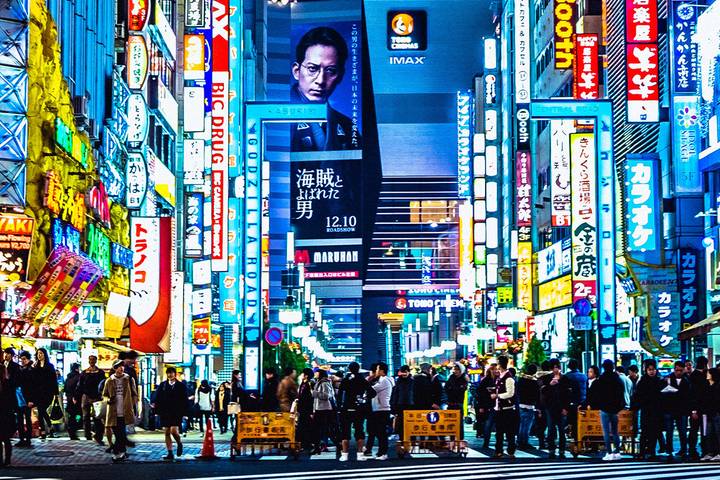
The guided visits begin with Meiji Shrine, set in a forested area, followed by a pass by the Imperial Palace grounds and Niju Bridge. Ginza brings a very different mood: elegant storefronts and major department stores, where you can see how modern city life sits alongside older customs. A welcome dinner gives the group its first chance to meet.
The next day shifts to Asakusa, Tokyo’s oldest geisha district. You’ll visit Senso-ji, known for its large red entrance lantern, and walk Nakamise Shopping Arcade, a historic shopping street. The Tokyo National Museum adds context through Japanese and regional art and objects. This is a useful pairing: the temple and shops make the neighborhood vivid, while the museum helps explain what you’ve been seeing.
There’s a practical note in the hotel information: Tokyo accommodation is listed at the Grand Nikko Tokyo Daiba for the first three days, with a later night at Odakyu Hotel de Yama. The named hotels change as the route moves onward. Check your final departure details for the confirmed hotel sequence, since the published day-by-day hotel labels do not align neatly with every overnight stop.
Hakone and the road to Takayama
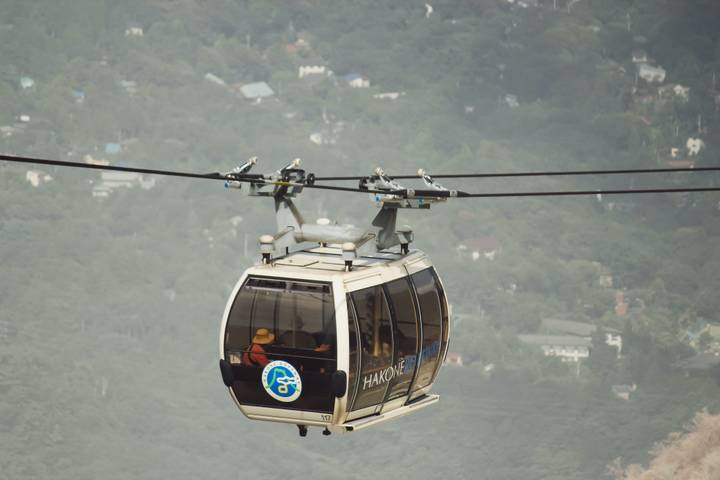
From Tokyo, you head to Hakone, a resort area known for hot springs and its position near Mount Fuji. Owakudani is an active volcanic zone formed by an eruption about 3,000 years ago. The ropeway gives you an elevated view across the area, then a Lake Ashi cruise adds a more restful stretch before a stop in Moto-Hakone.
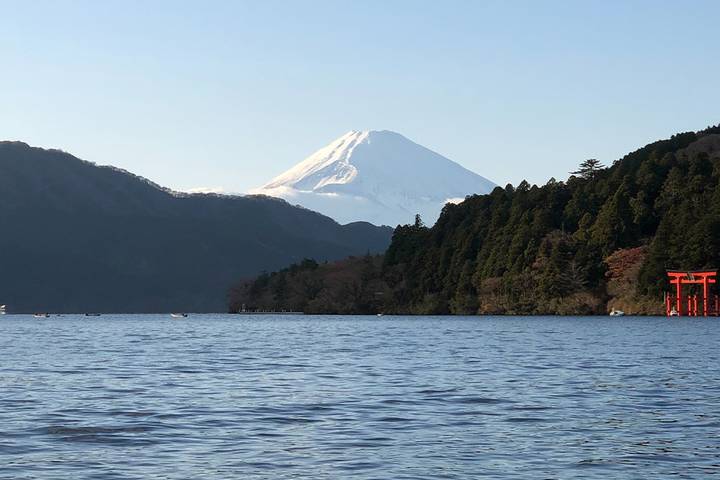
This is one of the tour’s most scenic days, but the famous Fuji view is weather-dependent. Clouds can close the curtain without warning, so enjoy the volcanic terrain and lake even if the mountain stays out of sight.
The following day is a long one: Matsumoto Castle, then onward to Takayama in the Japanese Alps. Matsumoto’s black exterior earned it the nickname Crow Castle, and the visit gives you a glimpse of a different kind of Japanese landmark from the shrines and gardens elsewhere on the route.
Takayama brings wooden streets and buildings associated with the Edo period. The tour includes a visit to a 200-year-old sake brewery, followed by a Hida beef dinner with sake. This is one of the strongest food experiences on the trip because it ties a regional specialty to the place where you’re eating it. Six dinners are included across the tour, along with 12 breakfasts, so you’ll still have several meals to arrange yourself.
Takayama and Shirakawa-go: village life and old streets
A guided walk through Takayama’s historic district takes in its traditional houses and inns, plus the morning market along the Miyagawa River. You can choose between Takayama Jinya, a former government building, and Matsuri Yatai Kaikan, where festival floats are displayed. The choice gives you some control over the day: one stop focuses on administration and daily life, the other on the craft and spectacle of local festivals.
The afternoon is free. Use it to revisit a street that caught your eye, browse local shops or simply take a slower pace after the previous day’s drive. The itinerary also lists a guided walk on the day of arrival in Takayama, so expect a full stretch of sightseeing around the transfer rather than a leisurely check-in day.
Next comes Shirakawa-go, a UNESCO-listed mountain village known for gassho-zukuri houses. Their steep thatched roofs are designed to resemble hands pressed together in prayer, a form suited to heavy snowfall. The village’s setting is part of its appeal, but it’s a popular stop and the visit is a group excursion, not an overnight rural stay.
The route continues to Kanazawa, where you visit Omicho fish market and Kenroku-en, a celebrated garden covering more than 25 acres. A regional dinner is included. The market and garden make a good contrast: one is a working food hub, the other a carefully composed place for a walk and a pause.
A completely different kind of day out:
- Mt Fuji and Hakone 1-Day Bus Tour Return by Bullet Train
★ 5.0 · 26,383 reviews - TOKYO SKYTREE® Ticket
★ 4.7 · 25,136 reviews - teamLab Borderless Tickets: MORI Building DIGITAL ART MUSEUM
★ 4.7 · 24,126 reviews - teamLab Planets TOKYO Ticket
★ 4.7 · 21,663 reviews
Kanazawa: gold leaf and time to explore
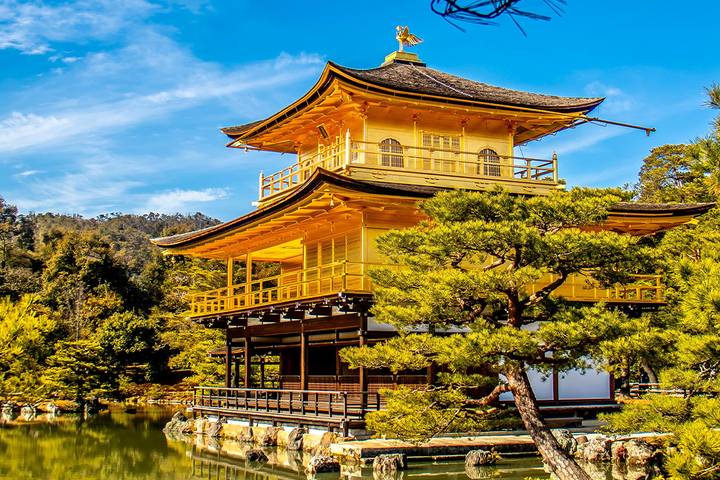
Kanazawa is known for gold-leaf production, and the tour makes that craft tangible with a hands-on lesson. You’ll decorate your own lacquer box using gold leaf, a delicate material that takes a steady hand. It’s a useful souvenir because you make it yourself, and the activity gives you a feel for the care involved in traditional decorative work.
You’ll also visit Higashi Tea District, a historic geisha quarter. The rest of the day is free, giving you time to explore at your own speed. Kanazawa was a favorite city for one participant on an April departure, particularly for the gold-leaf activity. That makes sense: the workshop adds a personal element that a quick photo stop can’t.
Kyoto: torii gates, castle rooms and a tea ceremony
In Kyoto, a visit to a traditional townhouse run by the Women’s Association includes sushi-making and origami. These activities are guided by a local instructor and give you a practical introduction to two familiar Japanese arts. You won’t become a sushi chef in one session, but you’ll learn by doing rather than only watching.
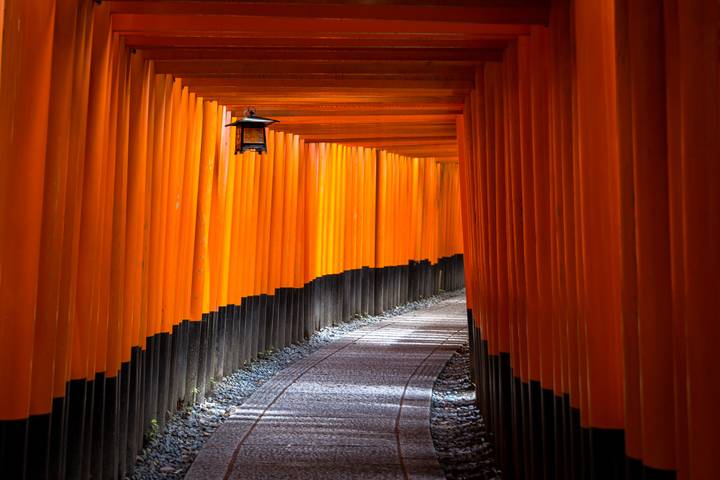
An early visit to Fushimi Inari Taisha takes you along its famous rows of orange torii gates, which wind into the forest. The route leads toward the inner shrine, and the early start helps you see this popular site before the day is too far along. Wear comfortable shoes: walking through the gates is part of the experience, not just a roadside photo stop.
Nijo Castle, a UNESCO site, offers a change of scale and subject. You’ll see detailed woodcarvings, wall paintings and Ninomaru Garden. After the guided sightseeing, the rest of the day is free. Kyoto has many temples and shrines, so pick one area or interest rather than trying to see everything in a few hours.
The final full day includes time at Koshoji Temple with a monk, chanting and meditation, plus a conversation about monastic daily life. A tea ceremony follows, with an explanation of its cultural meaning. The farewell dinner includes a maiko performance, a fitting last evening after days spent learning about craft, food and tradition. These cultural encounters are structured introductions, but they add depth to the trip’s sightseeing.
Hiroshima by bullet train: a moving, demanding day
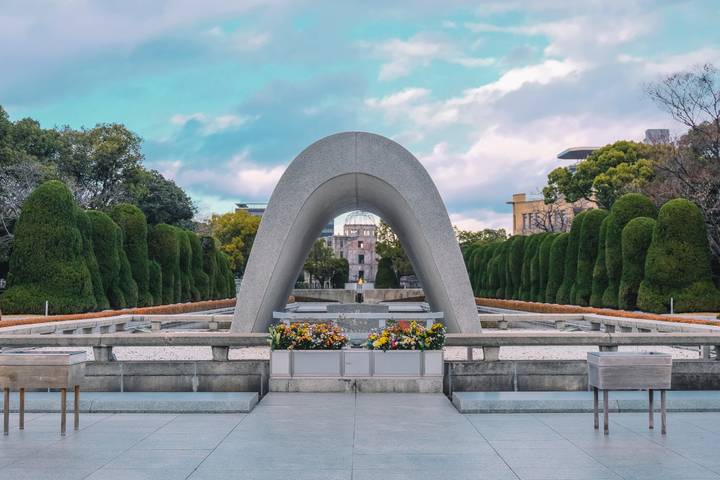
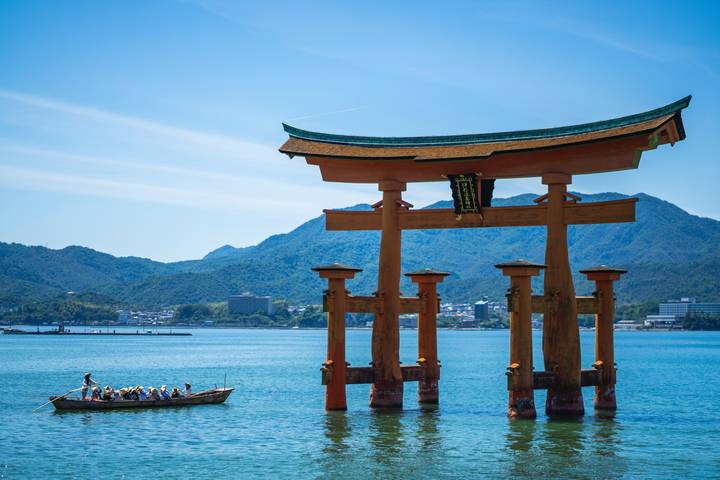
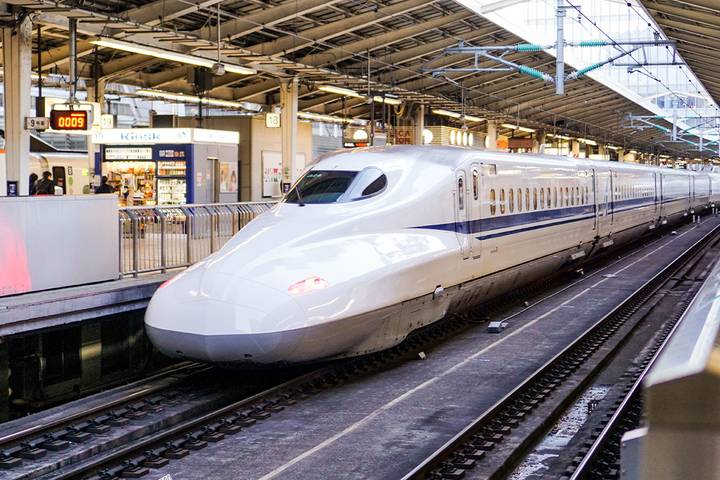
The day trip to Hiroshima begins aboard the Shinkansen, Japan’s famous high-speed train. You’ll take a ferry to Miyajima Island, also known as Shrine Island, then visit Hiroshima Peace Memorial Park, the Atomic Dome and the Peace Memorial Museum before returning to Kyoto by train.
This is an ambitious day, and the subject matter is emotionally heavy. The museum can be crowded, and its displays are difficult to take in. One April participant found the dim interior and crowds overwhelming and chose to spend more time outdoors among the park’s memorials. Give yourself permission to take a break if you need one.
The excursion combines a major cultural site with the history of the atomic bombing, but it does not leave much room for an unhurried Hiroshima visit. You should expect a full day with several transport changes. The Shinkansen makes the distance manageable, though it does not make the schedule light.
Price, pace and what the tour includes
The advertised starting price is $7,199, based on the cheapest room option. International flights and travel insurance are not included, and optional activities or other services may cost extra. The price does include hotels, transport, an English-speaking guide, 12 breakfasts and six dinners.
Value here comes from the breadth of the route and the amount of coordination involved. You get long-distance transfers, a Shinkansen journey, a ferry, guided sightseeing and activities such as the gold-leaf workshop, sushi class, tea ceremony and brewery visit. If you would otherwise arrange all of that yourself, the guided structure can save planning time and reduce the strain of navigating between regions.
Still, this is not a low-cost independent trip. The group can range from 2 to 44 people, so the experience may feel quite different depending on the departure. Collette’s overall operator rating is 4.5 out of 5 across 969 reviews, while this specific tour has a 4.8 rating from five reviews. The small sample for this particular trip is worth keeping in perspective.
The physical rating is medium intensity, and that label deserves attention. There are frequent walking days, early starts, stairs and long transfers. A past April departure reported around 13,000 steps on many days. If you have back or mobility concerns, think carefully about the pace and speak with the operator before booking. One tour manager, Steve, was praised for helping accommodate a traveler with back pain and vegan meal needs, while Ana was noted for keeping the group connected and the schedule clear. Guide assignments and accommodations can vary, so do not count on a particular person or arrangement.
Who should book this Japan tour?
I’d consider this tour if you want a guided first visit that balances famous places with regional food and craft. It suits people who value having transport, hotels and a guide arranged, and who are comfortable sharing the trip with a group that may be as large as 44. Solo travelers may appreciate the group setting, while still having some free time to explore independently.
It’s less suitable if you want slow travel, long unplanned stays or a small-group feel. The consecutive transfers and the Kyoto-to-Hiroshima return make the schedule busy. You’ll also need to accept that meals and activities are not all included, and that views such as Mount Fuji depend on conditions.
Book it if you want a broad, well-structured introduction to Japan and can handle the walking. If you prefer fewer hotel changes and more time in each city, choose a slower itinerary instead.
FAQ
Does the tour include international flights?
No. International flights are not included. Travel insurance is also not included.
Where does the tour start and end?
The tour starts in Tokyo and ends in Kyoto.
How many days is the tour?
The tour lasts 14 days, including an overnight flight at the start.
What meals are included?
The tour includes 12 breakfasts and six dinners. Other meals are not listed as included.
Is the tour guided in English?
Yes. The tour is fully guided, and English is the listed language.
How large can the group be?
The listed group size ranges from 2 to 44 people.
What level of physical activity should I expect?
The tour is rated medium intensity. It includes substantial walking, and a past April departure reached about 13,000 steps on many days.
Just added in Tokyo
- Mt. Fuji & Hakone Cherry Blossom private One Day Tour★ 4.5 · 35 reviews
- Fish Market & Tokyo Skyline Private Walking Tour★ 5.0 · 14 reviews
- 25-Min Downtown Helicopter Tour : Tokyo Skytree and Tokyo Tower★ 5.0 · 19 reviews
- Private Tour with a Local Guide – Learn about daily life in Japan★ 5.0 · 22 reviews
- Tokyo: 3-Hour Bike/E-Bike Tour of the City’s Highlights★ 5.0 · 209 reviews
- Official Japan Go-Kart Through Tokyo Bay / Ginza (IDP Required)★ 4.5 · 71 reviews
- 30-Min Tokyo Central Private Heli Tour– Asakusa, Skytree, Shibuya★ 5.0 · 13 reviews
- Tokyo 2-Hour Genuine Samurai Experience: Kendo in Japan★ 5.0 · 112 reviews
Multi-Day Tours That Visit Shirakawa-go, compared.

Visions of Japan with Hiroshima & Osaka 15-Day Tour by Globus
Read our review →
14 Days Japan Panoramic (Private 3 Star Hotels) by Stunning Tours
Read our review →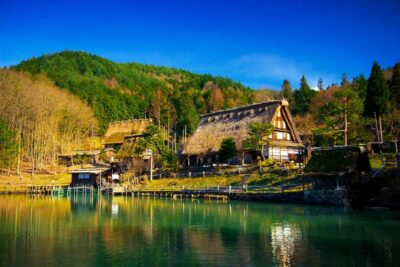
15 Days Discover Japan with Hiroshima by Tomato Travel
Read our review →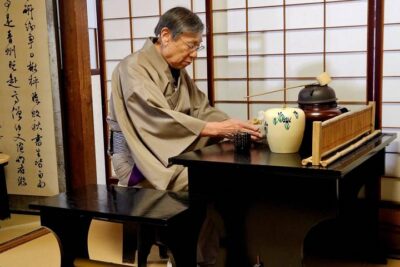
Ancient & Modern Japan 14-Day Tour by Exodus Adventure Travels
Read our review →
A Classic 11 Day Japan Holiday by Wonderful Holidays UK
Read our review →
Classic Japan (from Tokyo to Osaka) 11-Day Tour by Intrepid Travel
Read our review →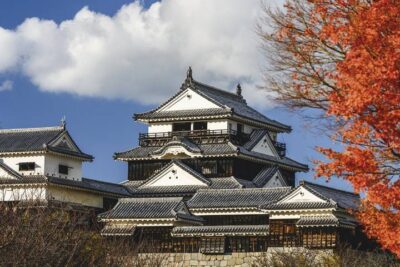
Magical and Dreamy Japan 14-Day Tour by Europamundo
Read our review →
Highlights of Japan 13-Day Tour by Travel Chasers
Read our review →Browse the lists this tour appears in