Reviewed · TOKYO TOURS
Discover Tokyo, Private Customized Tour with Expert Guides
Tokyo rewards a plan, but its size can make planning feel like a second job. This private custom tour lets you choose your sights while a guide handles the route, timing, and city navigation. I like the hotel meet-up and the chance to combine Meiji Jingu, Takeshita Street, Tsukiji, Tokyo Tower, and Senso-ji in one day. I also like that the tour is only for your own party, not a large coach group.
The main tradeoff is pace. The standard route covers a wide stretch of Tokyo, from Harajuku to Asakusa, and transportation costs, meals, guide expenses, and some entrance fees are extra. At about $99.10 per person, the value depends heavily on your group size and how much you want help organizing a busy sightseeing day.
In This Review
- Key points to know before booking
- Why this private Tokyo tour can make sense
- Starting among the trees at Meiji Jingu
- Harajuku fashion on Takeshita Street and Omotesando
- Understanding what Tsukiji is today
- Tokyo Tower, the city symbol
- Entering Asakusa through Senso-ji Temple
- How much Tokyo can you cover in one day?
- What the guide adds to the day
- Transportation, meeting points, and extra costs
- Who will get the most from this experience?
- Booking advice for getting better value
- Should you book this private Tokyo tour?
- FAQ
- How long does the private Tokyo tour last?
- Is hotel pickup included?
- What sights are included in the standard itinerary?
- Is Tokyo Tower admission included?
- Are transportation and lunch included?
- Where does the standard tour end?
- Will the guide contact me before the tour?
- What should I bring or wear?
Key points to know before booking
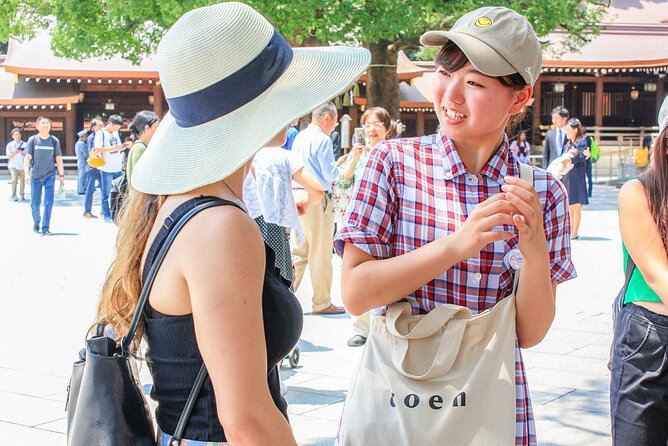
- The route crosses several Tokyo districts: You can move from Meiji Jingu and youth fashion streets to the old temple quarter of Asakusa.
- Hotel meet-up saves planning time: Pickup is offered within a designated area in Tokyo, though the standard route begins at Harajuku Station.
- You can shape the day: The listed stops are examples, not an unchangeable program.
- Isao received special praise: One five-star review credits him with covering the main sights, adding requested places, and managing the day well.
- The five-stop plan takes real effort: The listed visits add up to about four hours and forty minutes before transportation, meals, and any extra stops.
- Bring cash and good shoes: Some places accept only cash, and the operator recommends sneakers for the amount of walking.
Why this private Tokyo tour can make sense
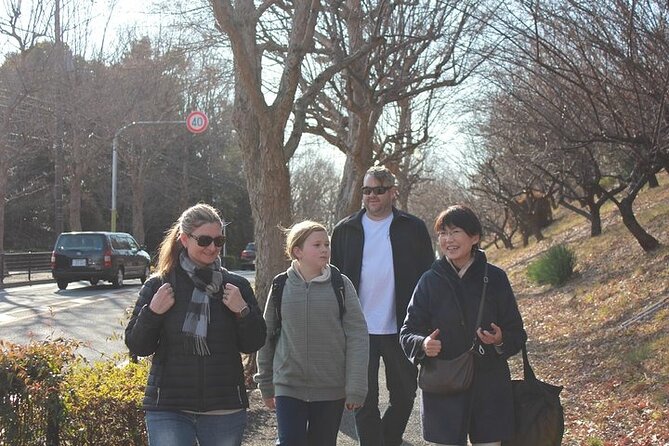
Tokyo is not hard because the sights are obscure. It is hard because the city is huge, the districts feel very different, and each stop takes time to reach. A private guide can turn that sprawl into a usable day.
This experience lasts roughly four to eight hours. That range matters. A four-hour booking may work well for a few nearby priorities, while an eight-hour day gives you more room for the full standard route or additional requests. You are not locked into a fixed sightseeing bus schedule, so you can tell the guide what matters most.
The private format is the biggest advantage. Your party does not need to wait for strangers, follow a guide’s pace, or spend an hour at a place nobody in your group cares about. Families, first-time visitors, and small groups with different interests can use the time more efficiently.
The tradeoff is cost. The listed price is about $99.10 per person, and group discounts are offered. Since this is priced per person, a larger private party may get better value than one or two people. You still need to pay transportation, lunch, personal expenses, and entrance fees separately. The guide’s necessary expenses should be discussed directly with the guide.
A few more options to weigh up in Tokyo
- Tokyo Disney Resort – Tokyo Disneyland & Tokyo DisneySea Park Tickets
★ 4.8 · 99,488 reviews - SHIBUYA SKY Ticket
★ 4.7 · 46,509 reviews - JR Whole Japan Rail Pass
★ 4.8 · 29,150 reviews
Starting among the trees at Meiji Jingu
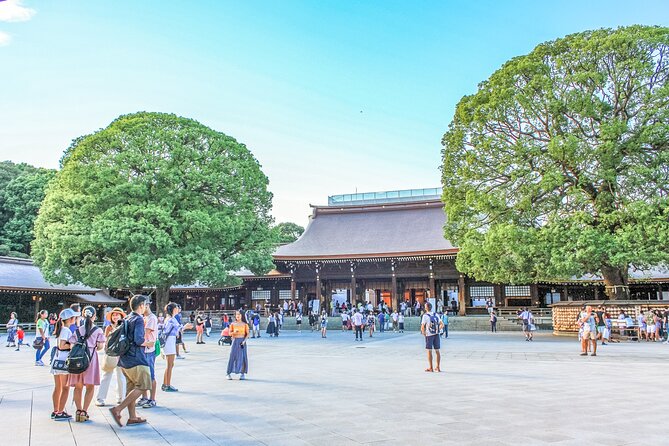
The standard route begins at Harajuku Station and heads to Meiji Jingu, with about 50 minutes planned at the shrine. This is a useful first stop because it gives you a quiet break from Tokyo’s dense streets without leaving the city.
Meiji Jingu is one of Japan’s most visited shrines and has the country’s largest number of worshippers. Its grounds are broad and heavily wooded, creating a calm setting that feels far removed from nearby Harajuku. You can expect a walk through greenery before reaching the shrine buildings.
The free admission is welcome, though the grounds require walking. If you have limited mobility or a short tour, tell the guide before the day begins so the route can be adjusted. The operator says most people can participate, but the overall day still involves a lot of walking.
Fifty minutes is enough to see the main shrine area and get an explanation of its role. It is not an extended visit for anyone who wants to inspect every corner. That is typical of this tour: you get a useful introduction to several parts of Tokyo rather than a long, slow visit to one place.
Harajuku fashion on Takeshita Street and Omotesando
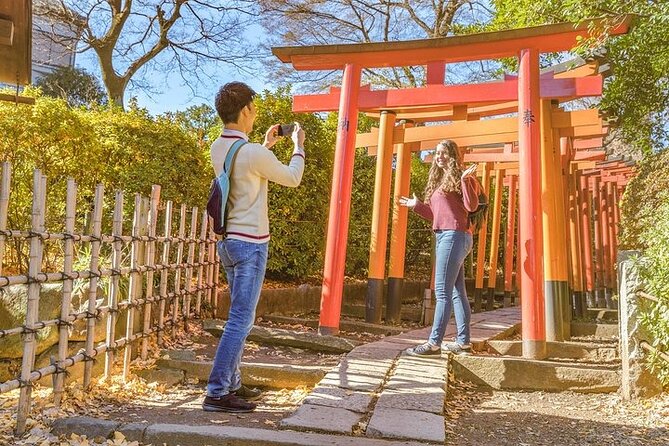
The next planned stop is Takeshita Street, with Omotesando included in the same 50-minute block. These two streets show a different side of Tokyo from the shrine.
Takeshita Street is tied to youth culture and is known for colorful shops and fashion. Omotesando offers a more polished shopping atmosphere. Seeing both gives you a quick contrast between Harajuku’s playful style and its more design-focused side.
This part of the route is especially useful if you want Tokyo culture beyond temples and observation decks. It also gives the guide a chance to explain how the district fits into the city’s fashion scene.
The drawback is time. Fifty minutes can disappear quickly if you stop to browse, eat, or shop. If Takeshita Street is a major priority, ask the guide to protect more time here and reduce another stop. The tour is built to be adjusted, and this is exactly the sort of choice you should make before the day begins.
Understanding what Tsukiji is today
Tsukiji receives the longest planned visit, at about one hour and 30 minutes. That makes sense, since it is a place where context matters.
Tsukiji was once Japan’s largest wholesale fish market, operating from 1935 until 1983 according to the supplied description. The wholesale market closed in 2018 and moved to Toyosu, but the historic Tsukiji site remains important to local life and food culture.
You should not book this stop expecting the old wholesale market to still operate there. Instead, think of Tsukiji as a historic market district with a continuing reputation and a place to explore at a slower pace than the other stops.
The longer time allocation gives you room to look around and possibly buy food or other items, but lunch is not included. Personal spending is also extra. Some locations accept cash only, so carry yen rather than relying entirely on a card.
The operator recommends bringing a mask for Tsukiji if possible. That is a small but useful preparation tip. Comfortable shoes matter here as well, since the full day includes several walking-heavy areas.
A completely different kind of day out:
- Mt Fuji and Hakone 1-Day Bus Tour Return by Bullet Train
★ 5.0 · 26,383 reviews - TOKYO SKYTREE® Ticket
★ 4.7 · 25,136 reviews - teamLab Borderless Tickets: MORI Building DIGITAL ART MUSEUM
★ 4.7 · 24,126 reviews - teamLab Planets TOKYO Ticket
★ 4.7 · 21,663 reviews
Tokyo Tower, the city symbol
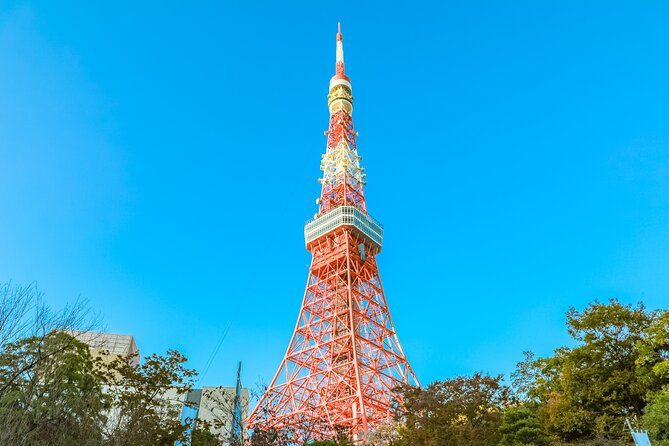
Tokyo Tower is scheduled for about 45 minutes, and admission is not included. The tower opened in 1958 and remains one of Tokyo’s best-known landmarks, even though Tokyo Skytree is taller.
That distinction is useful. Tokyo Tower is not simply a race to the highest viewpoint. Its appeal comes from its place in Tokyo’s modern identity and its bright presence among the city’s buildings. If you want to go inside or visit an observation level, confirm the extra admission cost and available time with your guide.
Forty-five minutes is a short window if you hope to spend time inside, wait for an elevator, and take in the views. It may work better as a photo stop or a focused visit. Tell the guide what you want from Tokyo Tower before finalizing the route.
Because admission is separate, this is one of the clearest places where the final cost can rise above the advertised per-person price. The tour price covers the guide and custom service, not every attraction.
Entering Asakusa through Senso-ji Temple
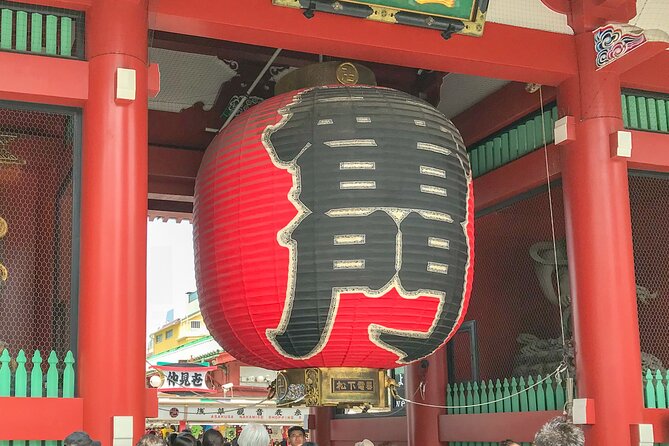
Senso-ji is the final standard stop, with about 45 minutes planned. The route ends at Asakusa Station, so this is a practical finish for a day that moves across the city.
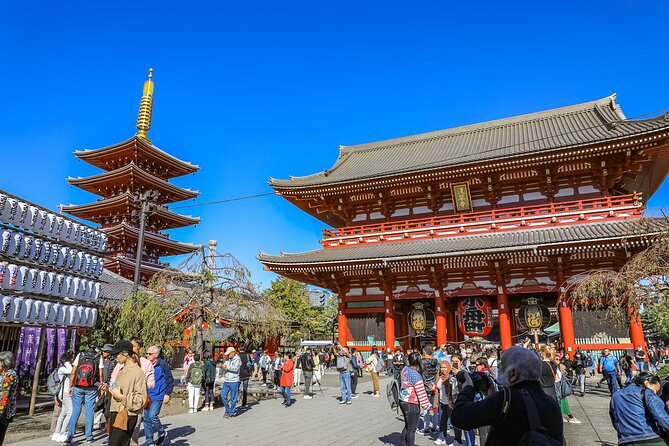
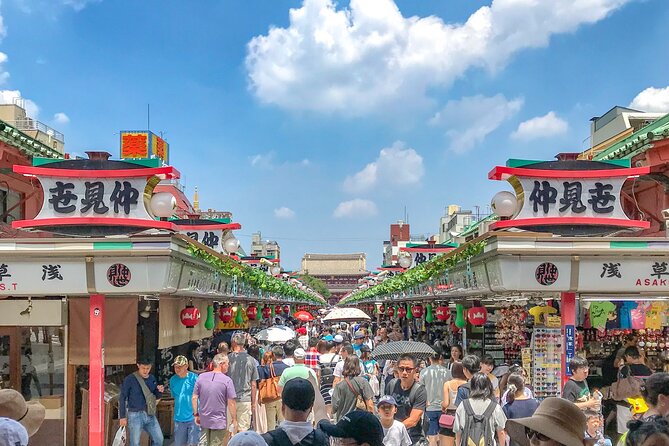
Senso-ji is Tokyo’s oldest temple and is recognized by its large red lanterns and colorful buildings. The temple area offers a strong contrast to Harajuku’s fashion streets and Meiji Jingu’s wooded setting. Here, you get a more traditional Tokyo scene and one of the city’s most familiar religious landmarks.
Admission is free, which helps keep the basic cost under control. Still, the area can take longer than 45 minutes if you want to linger, browse nearby streets, or pause for food. If you have a late departure or a dinner reservation, ask the guide to confirm the expected finish time.
The standard endpoint is Asakusa Station at 1-chome-1-3 Asakusa. The end point can be changed by request, so you are not necessarily required to finish there. That flexibility is helpful if you have a hotel, restaurant, or later activity elsewhere.
How much Tokyo can you cover in one day?
The standard sightseeing stops total about four hours and 40 minutes:
- Meiji Jingu: 50 minutes
- Takeshita Street and Omotesando: 50 minutes
- Tsukiji: 1 hour and 30 minutes
- Tokyo Tower: 45 minutes
- Senso-ji: 45 minutes
That total does not include travel between districts, meals, shopping, or extra attractions. In practice, the full route is better suited to a longer booking, closer to the upper end of the four to eight hour range.
If you have only four hours, I would choose two or three priorities rather than attempt all five. A Harajuku-focused plan could pair Meiji Jingu with Takeshita Street and Omotesando. A traditional Tokyo plan could focus on Tsukiji and Senso-ji. Tokyo Tower can be added if the timing and admission plans work.
For a full day, the standard route offers good variety. You see a shrine, fashion district, market area, landmark tower, and historic temple. That range is the tour’s main strength, but it also creates the need for sensible expectations. You will sample many parts of Tokyo, not study each one in depth.
What the guide adds to the day
The guide is not only there to point out buildings. The practical value is route management. Tokyo’s districts are spread out, and a local guide can help you avoid spending your day figuring out what comes next.
Your guide will contact you two weeks before the tour to discuss your preferences. You need to respond. If you do not, the tour follows the standard itinerary. That contact is your best chance to explain interests, time limits, food plans, mobility concerns, and any attraction you want to add or remove.
One five-star experience specifically praised Isao for showing the group its requested highlights, adding other places of interest, and managing the time well. That is the kind of guide service this format is designed to provide. The value comes from adapting the day, not merely reciting facts at five fixed stops.
The tour is offered in English according to the supplied information only through the general description of expert guides? No specific language is stated, so you should confirm language needs before booking if that matters to you.
Transportation, meeting points, and extra costs
The standard meeting point is Harajuku Station at 1-chome-18 Jingumae, Shibuya. Hotel meet-up is included within a designated area in Tokyo, so confirm that your hotel qualifies before booking.
Transportation fees are not included. The route may involve public transportation or other arrangements, but the exact means are not specified. Ask the guide how transportation will be handled and what you should budget for.
The weather can change the transportation method, destinations, or route. That flexibility is sensible in Tokyo, but it means the final day may not exactly match the standard plan.
You should also budget for:
- Tokyo Tower admission
- Transportation
- Lunch
- Personal purchases
- Necessary guide expenses, discussed directly with the guide
The tour accepts mobile tickets, and confirmation is sent when you book. If you arrive more than 60 minutes late to the agreed starting place, the experience is treated as canceled, so take the meeting time seriously.
Who will get the most from this experience?
I would recommend this tour to first-time Tokyo visitors who want help with the city’s scale. It also suits families, couples, and private groups that want to set their own pace rather than join a fixed group.
It can work well for a short Tokyo stay. If you have only one major sightseeing day, the guide can help you connect several districts without wasting time on route planning. It is also a sensible choice for people who feel uneasy navigating an unfamiliar rail system.
The tour may be less appealing if you prefer slow, independent exploration. A fixed 45-minute stop at Tokyo Tower or Senso-ji may feel rushed if you like to linger. Independent visitors may also prefer to spend the $99.10 on admissions, meals, and their own transport.
Your group size matters. A private tour for a larger party can spread the guide cost across more people, especially if a group discount applies. For a solo visitor, the price is harder to justify unless personal guidance and a carefully planned route are a top priority.
Booking advice for getting better value
Before booking, make a short list of your three most important sights. Do not simply accept all five standard stops without thinking about your pace.
When the guide contacts you two weeks before the tour, send a clear reply. Mention your preferred districts, the amount of walking you can handle, your interest in shopping or food, and any deadline for finishing. If you do not reply, expect the standard route.
Wear sneakers. The operator specifically warns that there is a lot of walking, and the route includes shrine grounds, shopping streets, market areas, and temple surroundings.
Carry cash. Some places accept only cash, and neither the tour price nor the included guide service covers your personal purchases or meals. Also ask about the guide’s necessary expenses before the day begins, so the payment arrangements are clear.
Free cancellation is available up to 24 hours before the local start time. Changes or cancellations inside that window are not accepted for a refund.
Should you book this private Tokyo tour?
Book it if you want a guide, hotel meet-up, and a custom day that can connect several major Tokyo districts. The strongest reasons are the private format, the wide choice of sights, and the help with timing and navigation. The 4.9 rating from 143 reviews and 98 percent recommendation rate support the idea that the service is performing well.
I would book closer to six or eight hours if you want the full standard route. For a shorter booking, choose a focused neighborhood plan rather than trying to collect every stop. Also remember that the advertised price is only the starting point once transportation, lunch, Tokyo Tower admission, and personal spending are added.
For independent visitors who already understand Tokyo’s rail system, this may be more service than you need. For everyone else, especially a private group on a tight schedule, it offers a practical way to see a lot without turning the day into a navigation exercise.
FAQ
How long does the private Tokyo tour last?
The tour lasts approximately four to eight hours. The exact length depends on the plan you arrange with the guide.
Is hotel pickup included?
Hotel meet-up is included within a designated area in Tokyo. The standard itinerary begins at Harajuku Station, so confirm your hotel location and agreed meeting point before the tour.
What sights are included in the standard itinerary?
The standard route includes Meiji Jingu Shrine, Takeshita Street and Omotesando, Tsukiji Fish Market, Tokyo Tower, and Senso-ji Temple. The route can be adjusted based on your request.
Is Tokyo Tower admission included?
No. Tokyo Tower admission is not included in the tour price. You should budget separately for the entrance fee.
Are transportation and lunch included?
No. Transportation fees, lunch, personal expenses, and entrance fees are not included. Necessary expenses for the guide should be discussed directly with the guide.
Where does the standard tour end?
The standard tour ends at Asakusa Station, at 1-chome-1-3 Asakusa, Taito City. The endpoint can be changed if requested.
Will the guide contact me before the tour?
Yes. The guide is expected to contact you two weeks before the tour to discuss your preferences and itinerary. If you do not respond, the standard itinerary will be used.
What should I bring or wear?
Wear sneakers because the tour involves a lot of walking. Bring cash because some places accept only cash. A mask is recommended for Tsukiji Market if possible.
Just added in Tokyo
- A One-of-a-Kind Sushi Experience in a Special Place of Japan★ 5.0 · 15 reviews
- Tokyo Cute Bento Cooking Class – Make a Kawaii Character Lunchbox★ 5.0 · 126 reviews
- Japanese Home Cooking Class & Walk in Todoroki Temple Tokyo★ 5.0 · 88 reviews
- Japan Tokyo Tower Observatory Deck E-Ticket★ 4.0 · 34 reviews
- Catch a Baseball Game in Tokyo with a Local – Tickets Included★ 5.0 · 24 reviews
- JDM Experience with Fast&Furious RX-7 (English speaking Driver)★ 5.0 · 57 reviews
- Tokyo Private Day Tour by Car with English speaking Driver Guide★ 4.0 · 29 reviews
- Japan Classic 10 Day – One Life Adventures★ 5.0 · 129 reviews
Tokyo Tours, compared.
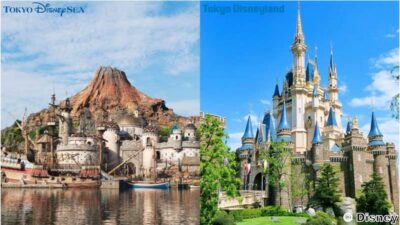
Tokyo Disney Resort – Tokyo Disneyland & Tokyo DisneySea Park Tickets
Read our review →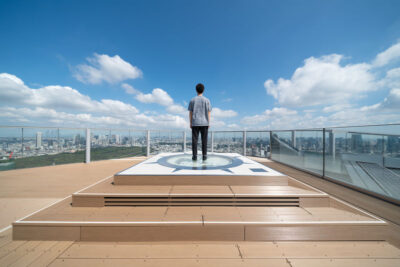
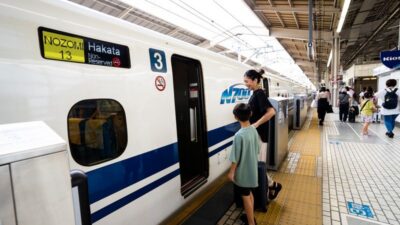
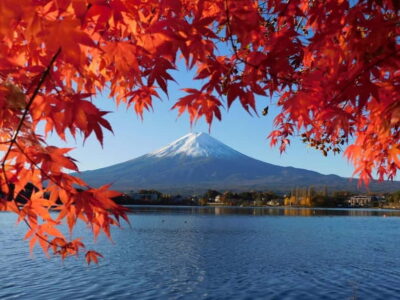
Mt Fuji and Hakone 1-Day Bus Tour Return by Bullet Train
Read our review →

teamLab Borderless Tickets: MORI Building DIGITAL ART MUSEUM
Read our review →