
Reviewed · TEMPLES AND SHRINES
Explore Japan: Tokyo Towers, Torii Gates & Samurais by journaway DACH – 19-Day Tour Review
Tokyo’s neon streets, Kanazawa’s samurai lanes, Kyoto’s red torii gates and Miyajima’s sea-facing shrine all fit into one trip. I like the contrast between big-city Tokyo and quieter historic stops, and the 14-day Japan Rail Pass takes much of the strain out of long-distance travel. One thing to weigh carefully: the self-guided format gives you freedom, but you’ll handle local transport and daily timing yourself.
I also like that flights, accommodation and a data SIM are bundled, so you can focus on the route rather than arranging every major piece separately. The main practical caution is hotel location: properties can be a long way from the stations, and the Kyoto-to-Hiroshima-to-Osaka sequence means you pass Osaka before returning to it.
Key points
- Five nights in Tokyo give you time for Shibuya, Asakusa, Akihabara and a slower day among temples and gardens.
- Kanazawa adds samurai and geisha-era districts before the route turns south to Kyoto.
- Kyoto gets four nights, enough for Fushimi Inari, Gion, Arashiyama and less familiar corners such as Yokai Street.
- Himeji Castle and Miyajima are major highlights, but both reward an early start and sensible luggage planning.
- The trip is self-guided, not escorted, with German-language service information and a 24-hour emergency hotline.
- Hotel placement matters: one past stay was reported nearly six kilometres from an Osaka station, so confirm locations before departure if possible.
In This Review
- A self-guided route with the big Japan highlights
- Tokyo: neon, shrines and a first lesson in city travel
- Kanazawa: samurai streets and a garden worth slowing down for
- Kyoto: torii gates, temple lanes and an early alarm
- Himeji and Hiroshima: a castle, then a hard history
- Miyajima: the torii gate changes with the tide
- Osaka and Nara: food, shopping and a little backtracking
- Hotels and transport: the details that shape the trip
- Who should book this Japan trip?
- FAQ
- Is this a guided group tour?
- Which cities and destinations are included?
- How many hotel nights are included?
- Is the Japan Rail Pass included?
- Is the ferry to Miyajima included?
- Are meals included?
- Are attraction tickets included?
- Does the tour include a data SIM?
- Is travel insurance included?
A self-guided route with the big Japan highlights
This 19-day package begins with an overnight flight to Tokyo and ends with a flight home from Osaka. In between, you stay in Tokyo for four nights, Kanazawa for two, Kyoto for four, Hiroshima for three and Osaka for three. The schedule includes one flight day at each end, leaving 17 nights in Japan.
It is a private trip for you and your companions, rather than a group tour with a leader. You follow the suggested daily plans independently, using the included rail pass for major journeys and arranging local transport, meals and attraction visits as you go. The tour is listed as low intensity, though a day of temple steps, station corridors and city walking can still add up.
The price includes scheduled flights, checked and hand luggage according to the airline’s rules, accommodation, a 14-day Japan Rail Pass, a 16-day high-speed data SIM, and a 24-hour emergency hotline. Meals depend on the accommodation you choose. Entry fees, local transit outside the pass, travel insurance and optional activities are extra.
That bundle can offer good value if you want the main logistics handled but don’t need a guide to set your pace. There is no listed tour price here, so compare the final quote with booking flights, hotels and rail separately. Also account for meals, city transport and paid attractions. The pass is useful, but it does not cover every local train or bus.
Tokyo: neon, shrines and a first lesson in city travel
After landing, you exchange your Japan Rail Pass voucher at the airport and take the train to your hotel. That first ride is part of the introduction: Tokyo is immense, and the shift from airport to city is a quick lesson in reading stations, signs and connections. Your arrival day is otherwise open, which is welcome after a night flight.
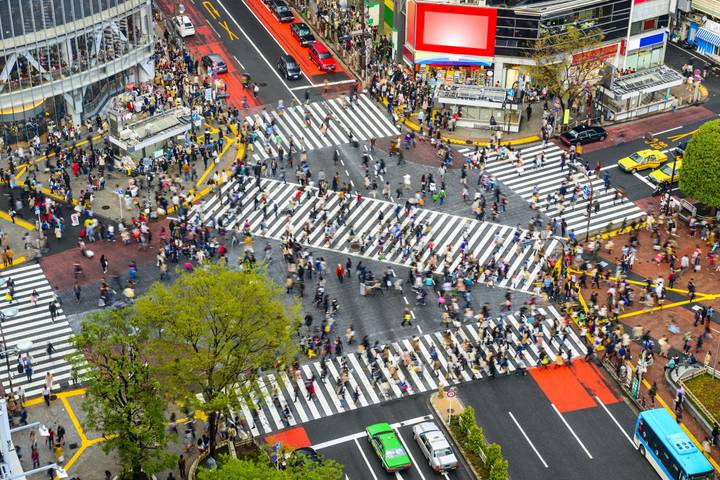
The next three days cover different sides of the capital. Shibuya Crossing and Harajuku bring the crowds, fashion and giant screens; Yoyogi Park and Meiji Shrine offer a green pause nearby. In the evening, Shinjuku’s izakayas and yakitori bars make a good place to try a casual Japanese meal.
Tsukiji Market, the Imperial Palace grounds, Asakusa and Senso-ji make a full second day. The old market area is known for seafood stalls and restaurants, while Senso-ji’s incense and temple buildings give you a very different sense of the city. Tokyo Skytree is optional and paid on site, so treat it as a choice rather than a guaranteed inclusion.
Akihabara gets its own day for anime, manga, gaming and electronics shops. It suits pop-culture fans especially well, though the area can be less compelling if those stores are not your thing. Tokyo’s scale makes it sensible to group stops by neighbourhood and leave room for meals and transfers instead of trying to tick off every landmark.
More Temples and Shrines in Tokyo
- Tokyo: Meiji Shrine, Asakusa, Skytree Bus Tour and Cruise
★ 4.7 · 1,986 reviews - Tokyo: Asakusa Walking Tour with Sensoji Temple Visit
★ 4.8 · 1,583 reviews - Nikko: Kegon Falls, Lake Chuzenji & Toshogu Temple
★ 4.6 · 1,577 reviews
Kanazawa: samurai streets and a garden worth slowing down for
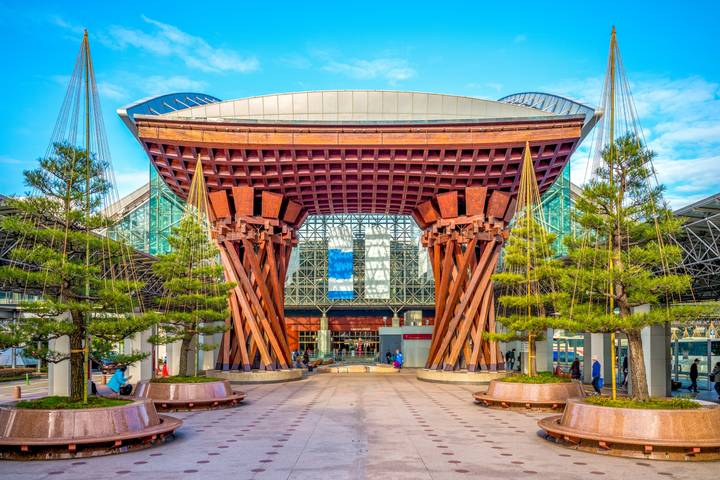
On day six, you take the Shinkansen to Kanazawa. The city’s station gate makes a striking arrival, then the pace changes from Tokyo’s density to historic districts and landscaped grounds. Higashi Chaya, the former geisha district, and Nagamachi, the samurai quarter, provide the core of the visit.
Kenrokuen is one of Japan’s best-known gardens, with ponds, shaped trees and small architectural details that reward an unhurried walk. Nearby Kanazawa Castle helps connect the garden and surrounding districts to the city’s samurai past. At Nomura House, you can see more directly how a samurai household was arranged.
Two nights give you time to see the main sights without packing every stop into arrival day. A traditional tea ceremony in Gyokusen Inmaru Garden is optional, as is the much-photographed gold-leaf ice cream. These extras are not essential, but the ceremony can add context to a visit that might otherwise be mostly scenic.
Kyoto: torii gates, temple lanes and an early alarm
Four nights in Kyoto give this itinerary room to breathe, although the days are still full. Fushimi Inari’s thousands of red gates are the famous draw. Walk uphill to the Yotsutsuji viewpoint for a broad view over the city, and go early if you want a quieter stretch of the path.
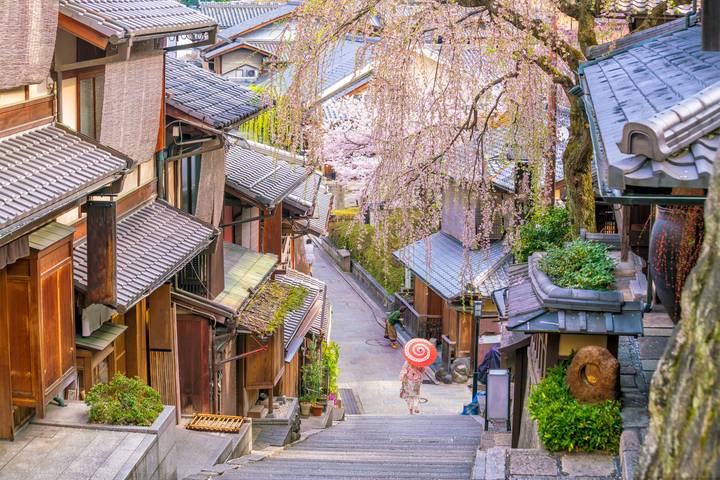
Kiyomizudera, Higashiyama and Gion make a strong second half to the day. The temple sits above the city, and the nearby lanes are at their prettiest as evening arrives. Gion is known for geisha culture, but approach it as a lived-in district, not a stage set.
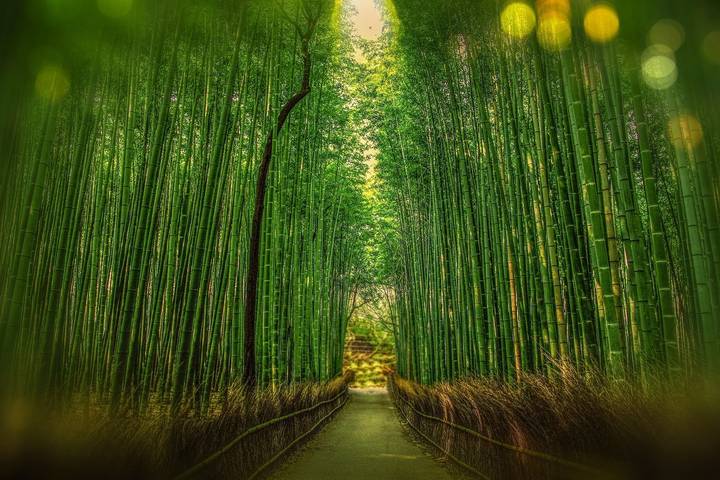
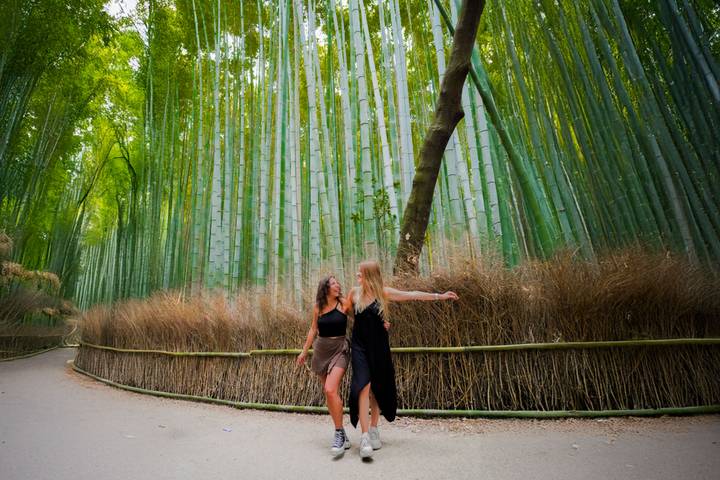
Arashiyama’s bamboo grove is best scheduled early, before the day’s crowds build. Tenryu-ji is an optional paid visit, and the itinerary also suggests choosing between Kinkaku-ji, the Golden Pavilion, and Ginkaku-ji, the Silver Pavilion. That is a useful choice: trying to squeeze both into one day can turn a calm visit into a transit exercise.
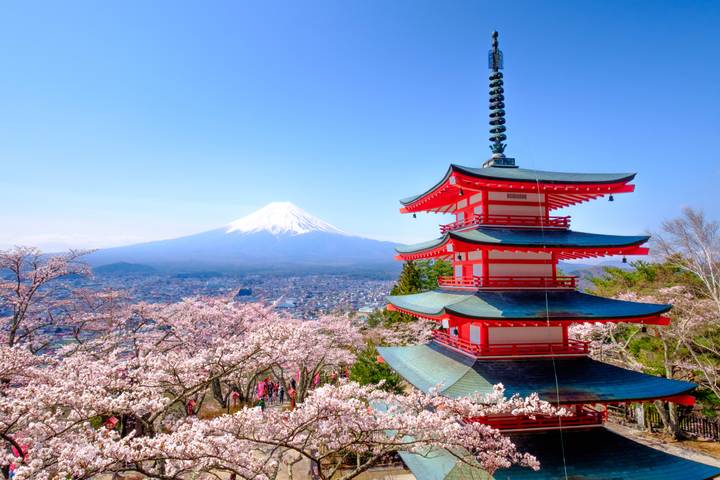
Nishiki Market and Pontocho fit well on arrival day or an evening when you want to focus on food. Later, Maruyama Park and the Philosopher’s Path offer a quieter walk, while Yokai Street adds a playful, offbeat stop among shops with monster-themed displays and souvenirs. Cherry blossoms are seasonal, so the pink-canopy scenes described in the daily plan depend on when you travel.
Himeji and Hiroshima: a castle, then a hard history
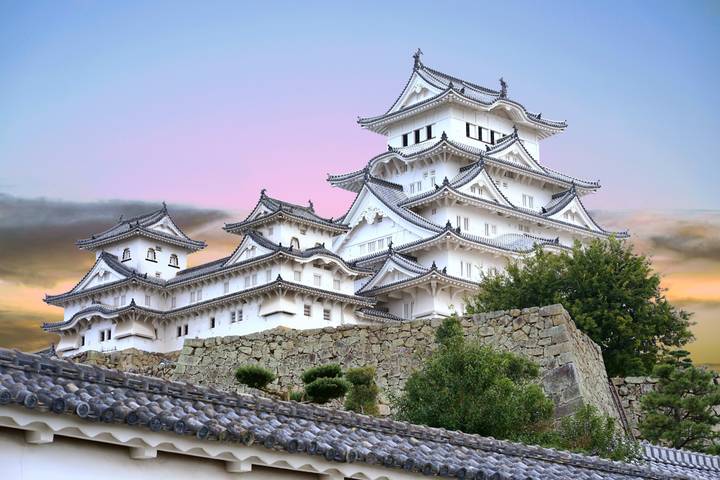
The journey from Kyoto to Hiroshima includes a stop at Himeji Castle. Its white exterior and layered roofs have earned it the white heron nickname. Inside, you remove your shoes and climb through the castle’s floors; stairs can be steep, and the climb is part of what makes the visit feel like a real historic building rather than a decorative façade.
You can add the nearby Japanese garden or stop for udon before continuing by Shinkansen. The day can become long, especially if you carry full luggage through the castle visit. Check your hotel’s luggage arrangements and train schedule ahead of time, and keep the Himeji stop focused if you want time in Hiroshima that evening.
Hiroshima’s Peace Park, Atomic Bomb Dome and museum are among the most significant stops on the route. They call for time and attention, not just a quick photo. The Children’s Peace Monument and its paper cranes tell the story of Sadako Sasaki, while Shukkei-en Garden offers a gentler place to pause later.
The itinerary spreads Hiroshima over three nights, which is helpful after the travel day. You can visit the main memorials on arrival if time allows, then return the next day for anything you missed. Hiroshima-style okonomiyaki, layered and grilled, is a local meal worth seeking out.
A completely different kind of day out:
- Tokyo Disney Resort – Tokyo Disneyland & Tokyo DisneySea Park Tickets
★ 4.8 · 99,488 reviews - SHIBUYA SKY Ticket
★ 4.7 · 46,509 reviews - JR Whole Japan Rail Pass
★ 4.8 · 29,150 reviews - Mt Fuji and Hakone 1-Day Bus Tour Return by Bullet Train
★ 5.0 · 26,383 reviews
Miyajima: the torii gate changes with the tide
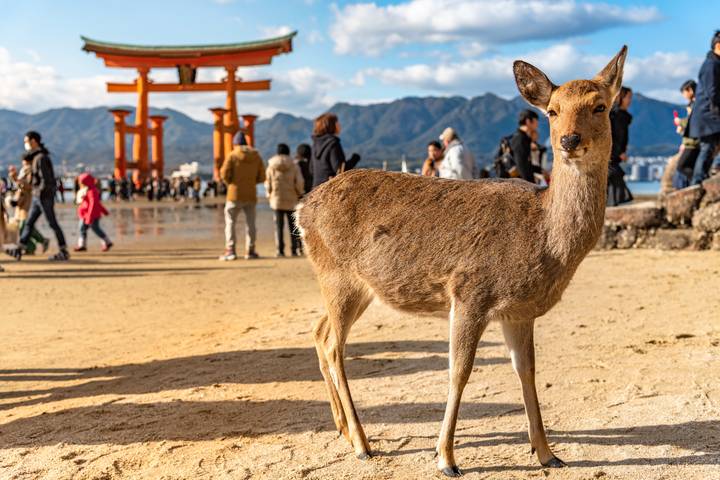
The ferry to Miyajima is included, and the island makes a memorable day trip from Hiroshima. Itsukushima Shrine’s red torii gate appears to float offshore at high tide; at low tide, you can walk out toward it. Check tide conditions before you go, since they change the view and the kind of experience you’ll have.
The cable car to Shishiiwa viewpoint is optional and costs extra. You can also hike toward Mount Misen’s summit, described as about a 30-minute walk from the cable car area. Allow extra time if you want both the mountain and the shrine, and keep room for a stop on Omotesando Street for Momiji Manju, a maple-leaf-shaped sweet.
The route suggests staying until sunset, when the gate catches the fading light. That can make a long day, but it is a better reason to linger than rushing back after lunch. The island’s deer and scenery are appealing, though the shrine and changing tide remain the main reasons to make the trip.
Osaka and Nara: food, shopping and a little backtracking
From Hiroshima, the Shinkansen takes you east to Osaka for three nights. Den Den Town is the city’s anime and electronics district, while Shinsaibashi is the place for shopping. In Dotonbori, neon signs and street food set the tone; try takoyaki, Osaka’s crisp-edged octopus snack, while remembering it is often very hot inside.
Umeda Sky Building’s Floating Gardens offer an optional paid viewpoint between two towers. Amerika-mura brings vintage shops, bars and a rooftop Statue of Liberty, a curious counterpoint to Osaka’s more traditional sights. Sumiyoshi Shrine gives you a quieter visit, with its distinctive red taiko bridge.
Nara is a rail excursion of about an hour. The park’s free-roaming sika deer are an obvious attraction, but Todai-ji’s enormous Buddha and Kasuga Shrine give the outing more substance. Admission costs extra at these sights, and the train ride uses time from your Osaka day, so decide whether Nara is a priority before adding more city stops.
There is one route inefficiency to know about: you travel from Kyoto through Himeji to Hiroshima, then back east to Osaka. That means you pass the Osaka region before returning to it. The sequence still works, but it adds some backtracking and makes the Himeji-to-Hiroshima day a key bit of travel planning.
Hotels and transport: the details that shape the trip
The rail pass is a major convenience for the long journeys between cities, but it does not erase the effort of getting around. A past itinerary included hotels far from stations, with one Osaka property nearly six kilometres away. With luggage, heat and unfamiliar local transit, that distance can turn a simple arrival into a tiring one.
Hotel examples from a previous trip included Reysol Hotel in Kyoto, praised for modern rooms; The Knot Hiroshima, close to Peace Park with a rooftop terrace but small rooms; Square Kanazawa, noted for room size and a rooftop onsen; and Joytel Osaka, described as small and in the Shinsekai area, a distance from the city centre. Your assigned hotels may differ, so these are useful illustrations, not promises.
If you are travelling as a couple, request a double bed early, but understand it may not be available at every property. The package can also make hotel selection less flexible than booking independently. Ask about station distance, bed setup and room size before you commit if those details matter to you.
The 16-day data SIM is a practical inclusion for maps and train planning, though its validity is shorter than the 19-day trip. The operator offers a 24-hour emergency hotline, but the trip remains self-guided. Allow time for local transit, and keep receipts for any expenses you expect to claim back, since a previous traveller reported a delay in receiving a Suica top-up reimbursement.
Who should book this Japan trip?
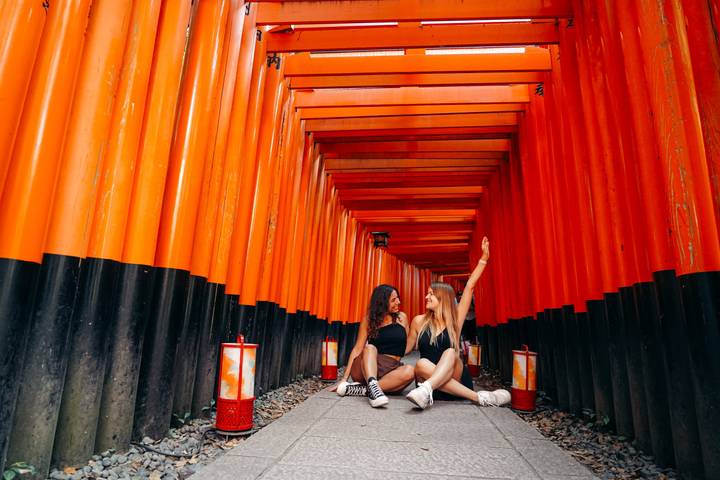
I would consider this tour if you want a broad first visit to Japan, value having flights and long-distance rail organized, and are comfortable navigating independently. Families and couples can shape their days to suit their pace, and the route balances major city sights with gardens, castles, food districts and memorial sites.
It is less suitable if you want a tour leader, tightly managed group activities or hotels guaranteed beside major stations. The itinerary is full, some admissions cost extra, and the Kyoto-to-Hiroshima-to-Osaka order involves backtracking. Before booking, check the hotel locations, clarify bed requests and compare the package total with arranging the same core services yourself. If those trade-offs work for you, the 19 days offer a varied introduction to Japan rather than a single-city sampler.
FAQ
Is this a guided group tour?
No. It is a private, self-guided trip for you and your companions. German is listed as the language, and a 24-hour emergency hotline is included, but there is no tour guide.
Which cities and destinations are included?
The route starts in Tokyo and ends in Osaka, with stays in Kanazawa, Kyoto and Hiroshima. It also includes a stop in Himeji and a ferry trip to Miyajima, with Nara offered as a day trip from Osaka.
How many hotel nights are included?
The package includes four nights in Tokyo, two in Kanazawa, four in Kyoto, three in Hiroshima and three in Osaka, for 16 hotel nights.
Is the Japan Rail Pass included?
Yes. A 14-day Japan Rail Pass is included for Shinkansen travel. Local public transportation outside the pass is not included.
Is the ferry to Miyajima included?
Yes. The ferry crossing to Miyajima is included. The cable car to Shishiiwa viewpoint is optional and payable locally.
Are meals included?
Meals depend on the accommodation you select. The listed package information does not promise a set number of meals.
Are attraction tickets included?
Some visits are included in the suggested program, but costs for optional excursions and entrance fees are not included. Examples of optional paid activities include Tokyo Skytree, Tenryu-ji, the Umeda Sky Building viewpoint and the Mount Misen cable car.
Does the tour include a data SIM?
Yes. A prepaid high-speed data SIM with 16 days of validity is included.
Is travel insurance included?
No. Travel insurance is not included, so you need to arrange it separately if you want coverage.
Just added in Tokyo
- Mt. Fuji & Hakone Cherry Blossom private One Day Tour★ 4.5 · 35 reviews
- Fish Market & Tokyo Skyline Private Walking Tour★ 5.0 · 14 reviews
- 25-Min Downtown Helicopter Tour : Tokyo Skytree and Tokyo Tower★ 5.0 · 19 reviews
- Private Tour with a Local Guide – Learn about daily life in Japan★ 5.0 · 22 reviews
- Tokyo: 3-Hour Bike/E-Bike Tour of the City’s Highlights★ 5.0 · 209 reviews
- Official Japan Go-Kart Through Tokyo Bay / Ginza (IDP Required)★ 4.5 · 71 reviews
- 30-Min Tokyo Central Private Heli Tour– Asakusa, Skytree, Shibuya★ 5.0 · 13 reviews
- Tokyo 2-Hour Genuine Samurai Experience: Kendo in Japan★ 5.0 · 112 reviews
Temples and Shrines, compared.
![[Kyoto & Nara Day Tour] Sagano Scenic Railway & Nara Park & Fushimi Inari Taisha Thousand Torii Gates & Togetsukyo Bridge & Bamboo Grove & Kimono Forest (Departing from Osaka)](https://media.japanvisits.com/wp-content/uploads/kyoto-nara-day-tour-sagano-scenic-railway-nara-park-fushimi-inari-taisha-thousand-torii-gates-togetsukyo-bridge-bamboo-grove-kimono-forest-departing-from-osaka-k110001-400x257.jpg)
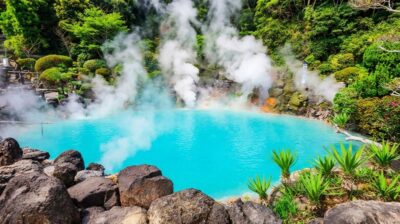
Kyushu One-Day Tour: Yufuin no Mori Train & Yufuin Town & Nyoirin-ji Temple & Dazaifu & Hell Hot Springs (Departing from Fukuoka)
Read our review →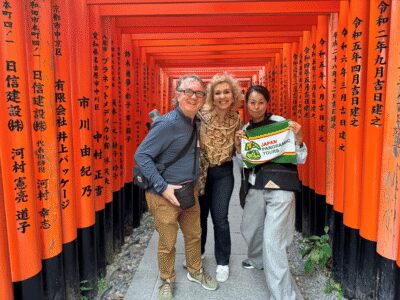
Fushimi Inari, Kinkakuji, Bamboo Grove 1 Day Bus Tour
Read our review →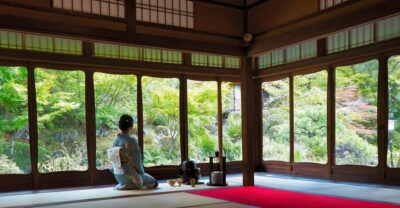
Tea Ceremony in a Traditional Tea House in Kiyomizu
Read our review →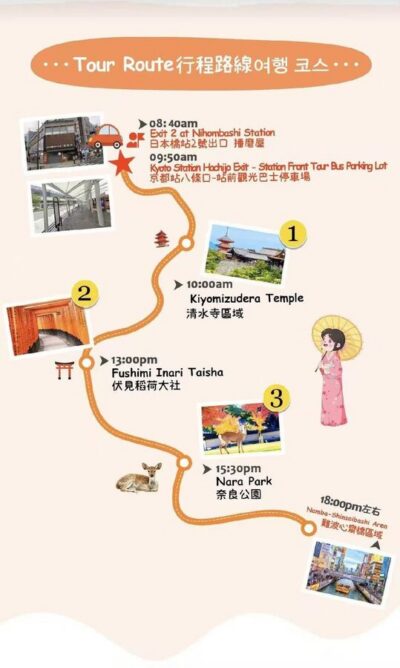
Kyoto Nara Day Trip │ Kiyomizu-dera Temple + Fushimi Inari-taisha Shrine + Nara Park (Departing from Osaka/Kyoto)
Read our review →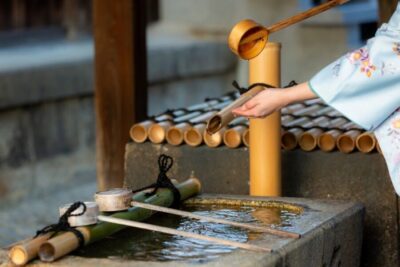
Browse the lists this tour appears in