
Reviewed · TEMPLES AND SHRINES
From Asakusa: Old Tokyo, Temples, Gardens and Pop Culture
Tokyo changes block by block. This four-hour tour makes that change easy to see, linking temples, markets, anime shops, and an Edo-era garden in one compact route. I especially like the contrast between Senso-ji and Nakamise-dori, where old Tokyo still feels close at hand, and Akihabara, where the city turns toward games, electronics, manga, and cosplay. The local train rides are included, which helps the tour cover more ground without turning into a tiring march.
I also like the small-group format, limited to eight people, and the way the guides appear to add a personal touch. Taka, Takee, Michelle, and Toru each earned warm praise for being friendly, attentive, and well informed. One guide even added a pub stop and origami for a family. The main consideration is pace: four hours is enough for an excellent introduction, but not enough for long museum visits or detailed shopping at every stop.
In This Review
- Key points at a glance
- Why this East Tokyo route works
- Meeting the tour in Asakusa
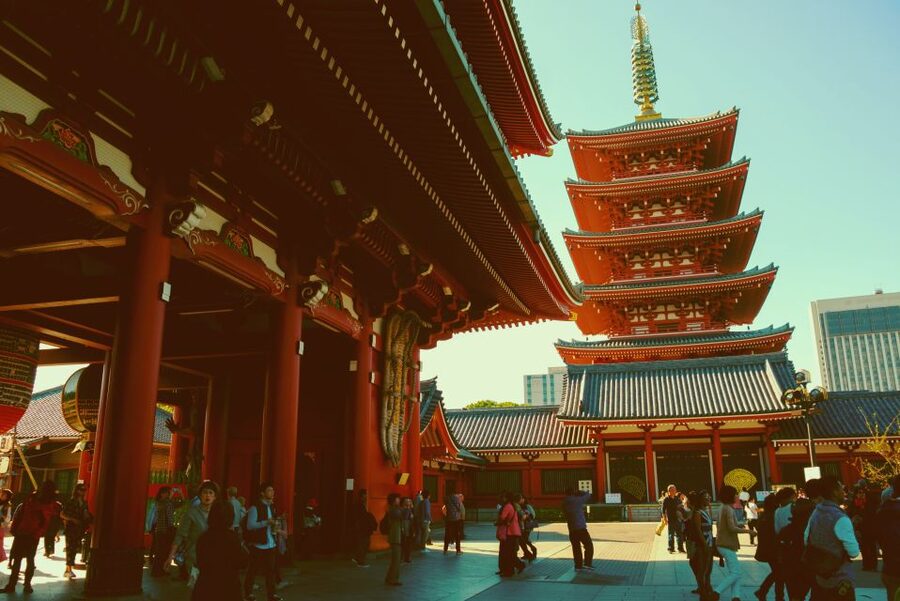
- Senso-ji and the old face of Asakusa
- Ueno and Okachimachi: Tokyo without the polish
- Akihabara and Tokyo’s pop culture engine
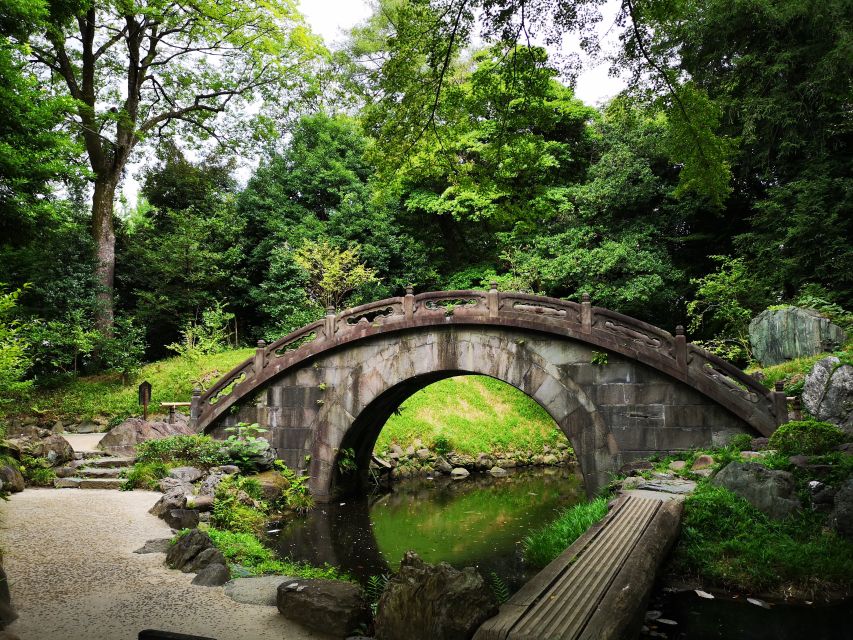
- Koishikawa Korakuen and a quieter Tokyo
- What the guides add
- Is $68 good value for four hours?
- Who should book this Tokyo walking tour?
- Practical tips for a smoother four hours
- My verdict: book it for context, not exhaustive sightseeing
- FAQ
- How long is the tour?
- Where does the tour meet?
- Which places are included?
- Are local train rides included?
- Is the Tokyo National Museum included?
- What language is the tour offered in?
- Is the tour wheelchair accessible?
Key points at a glance
- A sharp view of Tokyo’s changes: See how temple districts, old markets, railway links, pop culture, and formal gardens fit into one city story.
- Senso-ji anchors the morning: The temple and Nakamise-dori provide the clearest introduction to Asakusa’s traditional side.
- Ueno and Okachimachi feel more local: Ameya-Yokocho offers a rougher, busier market atmosphere than polished department-store Tokyo.
- Akihabara brings the pop culture: Expect neon, electronics, anime, manga, gaming, and the chance to see cosplay in the streets.
- Koishikawa Korakuen slows things down: The Edo-era garden gives you a quiet change of pace among the city’s hard edges.
- Small group, practical value: Eight people or fewer, English guiding, admissions and local train rides included, for $68 per person.
Why this East Tokyo route works
Many Tokyo tours stay in one district. This one uses East Tokyo as a living timeline. You begin in Asakusa, move through Ueno and Okachimachi, reach Akihabara, and visit Koishikawa Korakuen along the way.
That route matters because Tokyo is not one uniform city. It is a patchwork of neighborhoods with different moods and different pasts. Asakusa speaks through Buddhist tradition and old shopping lanes. Ueno and Okachimachi show trade, food, street commerce, and transport. Akihabara turns technology into entertainment. Koishikawa Korakuen offers a carefully shaped garden built around older ideas of beauty and calm.
The experience is guided rather than self-directed. That is useful in places such as Senso-ji, where it is easy to see the main gate and pagoda without understanding what you are looking at. It also helps in Akihabara, where the signs, shops, and subcultures can feel like a wall of noise if you do not know how the area developed.
You should expect a walking tour with local train rides, not a bus tour with long commentary from a seat. Wear comfortable shoes. The route includes several sightseeing stops, and even with trains, you will spend much of the four hours on your feet.
More Temples and Shrines in Tokyo
- Tokyo: Meiji Shrine, Asakusa, Skytree Bus Tour and Cruise
★ 4.7 · 1,986 reviews - Tokyo: Asakusa Walking Tour with Sensoji Temple Visit
★ 4.8 · 1,583 reviews - Nikko: Kegon Falls, Lake Chuzenji & Toshogu Temple
★ 4.6 · 1,577 reviews
Meeting the tour in Asakusa
The meeting point is Kamiya Bar in Asakusa, at 1-chome 1-1 Asakusa. This puts you right in one of Tokyo’s most historic districts from the first minute.
Asakusa is a good starting point because it gives you a clear sense of Tokyo before the city’s modern layers take over. The area is linked with Senso-ji, traditional shops, food stalls, and the broad flow of people heading toward the temple. Your guide uses the district to explain how old Tokyo has been carried into the present rather than locked away as a museum piece.
You should arrive ready to walk and listen. The Asakusa portion lasts about 45 minutes, followed by roughly 15 minutes at Senso-ji itself. That timing suggests a quick but focused introduction rather than a slow temple study.
Senso-ji and the old face of Asakusa
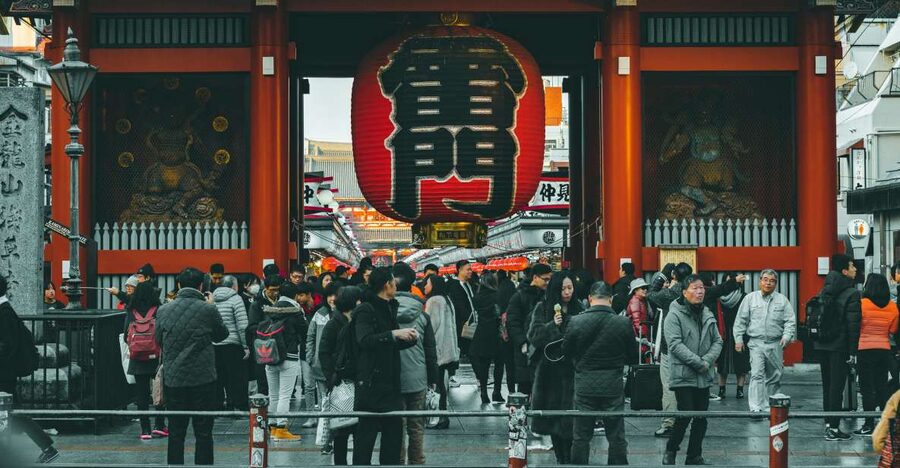
Senso-ji is one of the essential stops in East Tokyo. It is an early Buddhist temple in Japan, and the tour uses it to explain both the religious site and the neighborhood around it.
The temple visit is short, so you should not expect to explore every corner. The value comes from having a guide point out the meaning and background of what you see. Without context, Senso-ji can become a photo stop surrounded by souvenir shops. With explanation, it becomes a doorway into how Asakusa developed as a public and religious center.
Nakamise-dori, the shopping street leading toward the temple, adds another layer. It is an active commercial street, not a silent historical display. You can see how visitors have long been part of Asakusa’s identity, and how traditional goods, snacks, and souvenirs help keep the district moving.
The tour also connects Asakusa to early modern transport. About a hundred years ago, Asia’s first subway began operating between Asakusa and Ueno. That detail gives the next part of the route a logical link. You are not simply jumping between attractions. You are following an old connection between two important East Tokyo districts.
Ueno and Okachimachi: Tokyo without the polish
The tour allows about 25 minutes in Ueno and another 25 minutes in Okachimachi. These short visits focus on the character of the areas rather than trying to cover every attraction.
Ueno is known for museums, cherry blossoms, and public spaces. The Tokyo National Museum is nearby, but its admission is not included if you choose to visit. That is a useful distinction. The tour can introduce you to the district, but a museum visit would require extra time and money, and it may not fit comfortably into the four-hour plan.
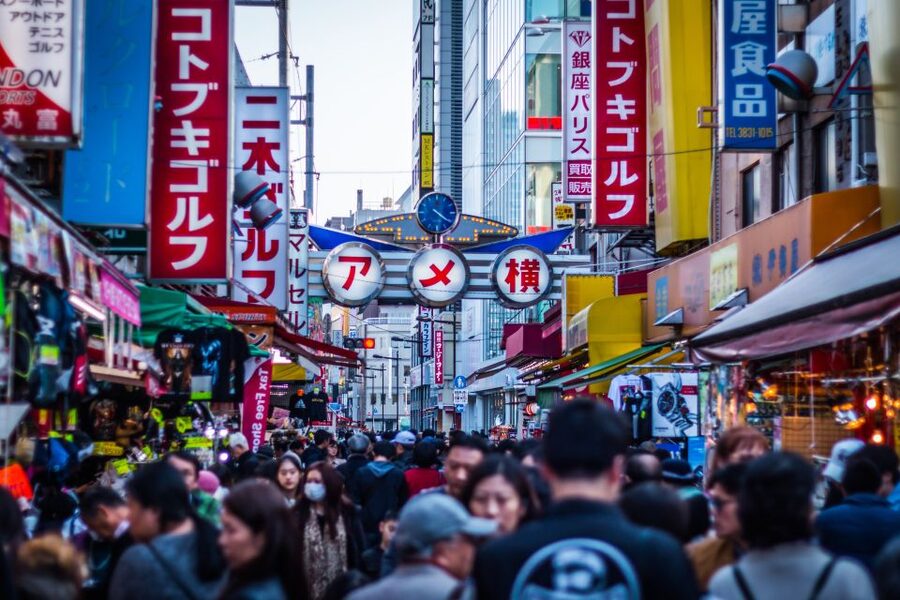
Okachimachi brings a different mood. The area has long been associated with street vendors, small shops, and food sellers. Ameya-Yokocho is the key name here, a market area where the surroundings feel practical and lived in rather than carefully polished for sightseeing.
I like this part of the tour because it shows a side of Tokyo that can be missed if you only visit major temples and department stores. You get a sense of the city as a place where people buy food, bargain, browse, and move through crowded commercial streets.
The drawback is that a market is best enjoyed with time. Twenty-five minutes gives you an introduction, but not much room for serious shopping or a relaxed meal. Food and drinks are not included, so you may want to return later if Okachimachi catches your interest.
A completely different kind of day out:
- Tokyo Disney Resort – Tokyo Disneyland & Tokyo DisneySea Park Tickets
★ 4.8 · 99,488 reviews - SHIBUYA SKY Ticket
★ 4.7 · 46,509 reviews - JR Whole Japan Rail Pass
★ 4.8 · 29,150 reviews - Mt Fuji and Hakone 1-Day Bus Tour Return by Bullet Train
★ 5.0 · 26,383 reviews
Akihabara and Tokyo’s pop culture engine
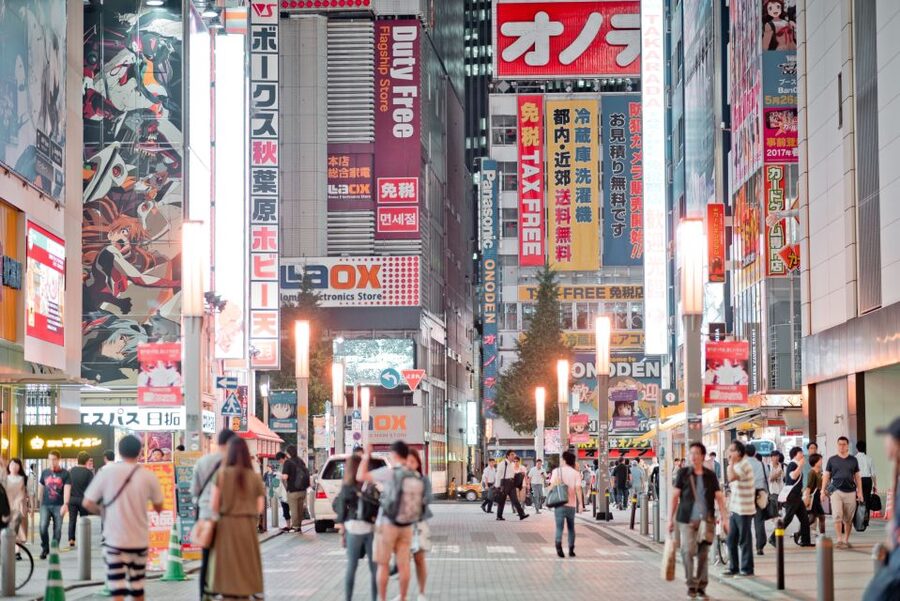
Akihabara receives about 45 minutes, making it one of the larger stops on the route. The district was known as Electric Town long before it became famous for anime and manga. Its identity grew from electronics and technology, then expanded into gaming, cosplay, and Otaku culture.
This is where the tour’s focus on Tokyo’s evolution becomes most obvious. A district built around modern devices developed into a center for fictional worlds, character goods, arcades, and fan communities. The neighborhood can feel like a manga or anime setting brought into daily life, especially when cosplayers appear on the streets.
Your guide can help separate the real district from the tourist image. Akihabara is not only neon signs and themed shops. It is also an example of how Tokyo’s commercial areas change as new interests take root.
Forty-five minutes is enough to get the feel of the place and understand why it matters. It is not enough to browse every store, play games at length, or hunt for a particular collectible. If Akihabara is your main reason for booking, treat this tour as an introduction and plan a separate visit.
The stop should suit families with older children and adults interested in games, anime, manga, electronics, or Japanese pop culture. One family’s guide, Takee, was praised for keeping children engaged and adding origami and a pub stop. That personal flexibility may depend on the guide and the day, but it shows the benefit of a small group.
Koishikawa Korakuen and a quieter Tokyo
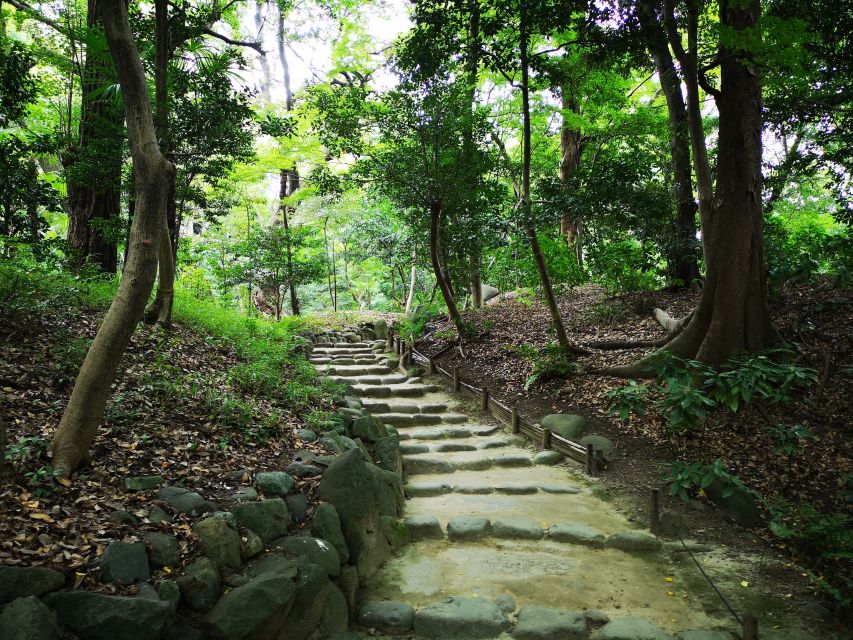
Koishikawa Korakuen provides the strongest change of mood. The tour gives it about 45 minutes, including scenic views on the way.
This traditional Japanese garden dates to the Edo period and is designed around paths, views, water, and seasonal changes. In spring, cherry blossoms shape the experience. In autumn, the garden takes on warmer colors. The point is not speed. It is to notice how deliberately the garden controls what you see as you walk.
After the noise of markets and Akihabara, Koishikawa Korakuen can feel like a reset. It also helps explain another part of Tokyo’s past. The city did not develop only through temples, shops, and technology. It also preserved spaces built for reflection and carefully composed views.
The timing is sensible for a first visit, but it remains brief. You will get the garden’s main impression, not an exhaustive study of its design. Seasonal conditions will also shape what you see. Cherry blossoms and autumn color are mentioned as highlights, but no season is guaranteed by the tour.
The listed route places Koishikawa Korakuen before Akihabara, even though the overall description presents the garden as the final quiet stop. Either way, the contrast is the important part: Tokyo can move from crowded streets to controlled calm within a short train ride.
What the guides add
A tour like this depends heavily on the guide. The stops are strong, but the route covers broad themes, and a good guide is what turns the movement between neighborhoods into a coherent story.
The guide language is English. The feedback points to several guides by name. Taka was praised for explaining Asakusa and its surroundings in detail. Michelle was described as professional, friendly, capable, and fluent in Italian as well as English. Toru was remembered for kindness and for being available throughout the tour. Takee was especially successful with children.
Those comments suggest a warm, flexible style rather than a formal lecture. Still, guide quality can vary from one departure to another, and the information provided does not promise a specific guide. If you have special interests, such as Japanese gardens, temple customs, food markets, or anime, it is sensible to tell the guide early.
The small group, capped at eight, gives you a better chance to ask questions than a large city tour. It also makes it easier for the guide to adjust explanations for adults, children, or people seeing Tokyo for the first time.
Is $68 good value for four hours?
At $68 per person, the price is reasonable if you want a guided overview of several East Tokyo districts rather than a single attraction.
The value comes from three things. You receive live English guiding, local train rides, and standard admissions while on the tour. You also get a route that would take some planning to organize alone, especially if you want to connect Asakusa, Ueno, Okachimachi, Akihabara, and Koishikawa Korakuen efficiently.
Food and drinks are extra. The Tokyo National Museum is also not included if you choose to enter. Any changes you request to customize the experience may create additional costs. Those exclusions are fair, but they matter if you expect a museum-heavy or food-focused tour.
I would compare the price with the value of your time. If you are comfortable navigating Tokyo trains and reading up on the districts, you can visit these areas independently. The tour earns its fee by giving you context, handling the standard transport costs, and making the city’s history easier to follow.
Who should book this Tokyo walking tour?
I would recommend it to first-time visitors who want to understand how several parts of Tokyo connect. It is also a good fit if your group includes different interests. One person can enjoy Senso-ji, another can focus on markets, and someone else can look forward to Akihabara.
Families may appreciate the limited group size and the chance for a guide to keep younger participants involved. The positive experience with Takee, including origami, suggests that the right guide can make the tour work well for children.
It also suits visitors who prefer local streets and neighborhood character to a checklist of famous landmarks. Ueno and Okachimachi are especially useful for that purpose.
I would be more cautious if you want long temple visits, museum time, extensive shopping, or a slow garden walk. The route covers a lot in four hours, so each stop offers an introduction. You will need to return on your own to explore favorites properly.
The activity is listed as wheelchair accessible, but the route includes walking and local train rides. If you use a wheelchair, confirm the exact route and station arrangements before booking so the day matches your needs.
Practical tips for a smoother four hours
Wear comfortable shoes. This is the clearest practical advice because the experience combines walking, several sightseeing stops, and train transfers.
Keep your schedule open after the tour. You may want more time in Ameya-Yokocho, the Tokyo National Museum, Akihabara, or Koishikawa Korakuen once you know what appeals to you.
Bring questions. The tour is built around explanation, and the small group gives you a good chance to ask about temple customs, market culture, Tokyo’s subway history, or Akihabara’s pop culture.
If you are booking around a particular season, remember that cherry blossoms and autumn color depend on timing. The garden remains worthwhile outside those periods, but its appearance will change.
You can cancel up to 24 hours before the activity for a full refund, and you can reserve now and pay later. That makes it easier to fit the tour into a changing Tokyo schedule.
My verdict: book it for context, not exhaustive sightseeing
Book this tour if you want a clear, guided introduction to East Tokyo’s many personalities. For $68, the combination of small-group attention, local train rides, standard tour costs, and strong guide feedback makes good sense.
The best reason to choose it is the contrast. You move from Senso-ji and Asakusa to the market streets of Okachimachi, then to Akihabara’s pop culture and Koishikawa Korakuen’s quiet garden design. That range gives you a better understanding of Tokyo than four hours spent in one polished district.
Skip it if you already know East Tokyo well or want to spend most of the day inside museums and shops. For a first visit, though, this is a practical way to see how Tokyo’s past keeps finding new forms.
FAQ
How long is the tour?
The tour lasts four hours.
Where does the tour meet?
The meeting point is Kamiya Bar in Asakusa, at 1-chome 1-1 Asakusa.
Which places are included?
The route includes Asakusa, Senso-ji Temple, Ueno, Okachimachi, Koishikawa Korakuen, and Akihabara.
Are local train rides included?
Yes. Local train rides used during the tour are included, along with standard tour admissions.
Is the Tokyo National Museum included?
No. Admission to the Tokyo National Museum is not included if you choose to visit.
What language is the tour offered in?
The live tour guide operates in English.
Is the tour wheelchair accessible?
Yes, the activity is listed as wheelchair accessible. It also involves walking and local train rides, so confirm the practical route details when booking.
Just added in Tokyo
- A One-of-a-Kind Sushi Experience in a Special Place of Japan★ 5.0 · 15 reviews
- Tokyo Cute Bento Cooking Class – Make a Kawaii Character Lunchbox★ 5.0 · 126 reviews
- Japanese Home Cooking Class & Walk in Todoroki Temple Tokyo★ 5.0 · 88 reviews
- Japan Tokyo Tower Observatory Deck E-Ticket★ 4.0 · 34 reviews
- Catch a Baseball Game in Tokyo with a Local – Tickets Included★ 5.0 · 24 reviews
- JDM Experience with Fast&Furious RX-7 (English speaking Driver)★ 5.0 · 57 reviews
- Tokyo Private Day Tour by Car with English speaking Driver Guide★ 4.0 · 29 reviews
- Japan Classic 10 Day – One Life Adventures★ 5.0 · 129 reviews
Temples and Shrines, compared.
![[Kyoto & Nara Day Tour] Sagano Scenic Railway & Nara Park & Fushimi Inari Taisha Thousand Torii Gates & Togetsukyo Bridge & Bamboo Grove & Kimono Forest (Departing from Osaka)](https://media.japanvisits.com/wp-content/uploads/kyoto-nara-day-tour-sagano-scenic-railway-nara-park-fushimi-inari-taisha-thousand-torii-gates-togetsukyo-bridge-bamboo-grove-kimono-forest-departing-from-osaka-k110001-400x257.jpg)
Kyushu One-Day Tour: Yufuin no Mori Train & Yufuin Town & Nyoirin-ji Temple & Dazaifu & Hell Hot Springs (Departing from Fukuoka)
Read our review →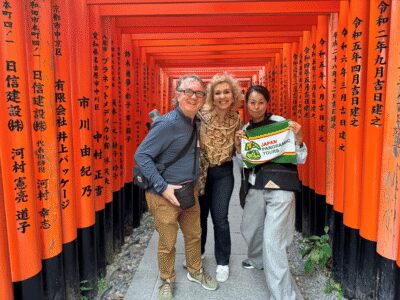
Fushimi Inari, Kinkakuji, Bamboo Grove 1 Day Bus Tour
Read our review →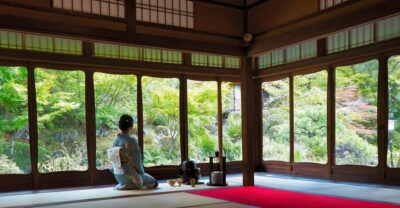
Tea Ceremony in a Traditional Tea House in Kiyomizu
Read our review →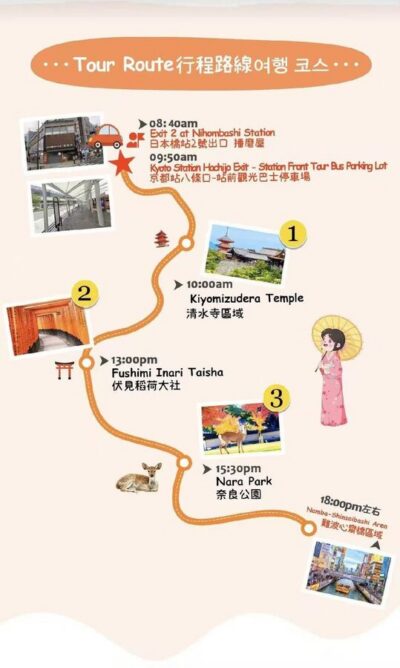
Kyoto Nara Day Trip │ Kiyomizu-dera Temple + Fushimi Inari-taisha Shrine + Nara Park (Departing from Osaka/Kyoto)
Read our review →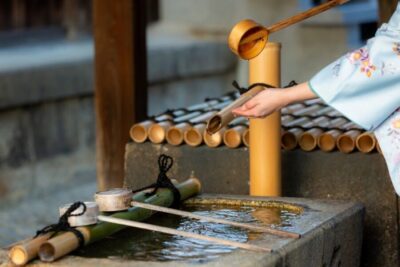
Browse the lists this tour appears in