
Reviewed · DAY TRIPS
From Kyoto / Osaka: Kyoto Must-see Spots & Nara Park One Day Tour
Three famous sights, one long day. This $60 tour packs Nara Park, Fushimi Inari, and Arashiyama into roughly nine hours, making it a smart choice if your Kyoto schedule is tight or you are staying in Osaka. I like the easy combination of free-roaming Nara deer and Kyoto’s famous shrines, and I like that guides such as Amy, Fiona, Mia, Laura, and Tina are praised for keeping large groups moving.
The main tradeoff is time. You see many places, but several stops are short, and this is not a slow temple-by-temple walk. The bamboo forest, Kimono Forest, and Rilakkuma Tea House receive set time alongside Tenryu-ji Temple, so you will need to choose your priorities and stay alert to the meeting schedule.
In This Review
- Key points to know before booking
- Why this Kyoto and Nara day trip works
- Nara Park: deer first, temples second
- Fushimi Inari: the red gates in a limited window
- Arashiyama Bamboo Forest: beautiful, brief, and busy
- Nonomiya Shrine and the old side of Arashiyama
- Tenryu-ji Temple: the extra 500 yen question
- Kimono Forest: a colorful modern counterpoint
- Rilakkuma Tea House and Togetsukyo Bridge
- What the transportation and group size mean
- Guide quality and day-to-day organization
- Food, extra costs, and overall value
- Practical advice for making the day easier
- Should you book this Kyoto and Nara tour?
- FAQ
- How long does the tour last?
- What locations are included?
- Is admission to Nara Park included?
- Is the Great Buddha included?
- How much does Tenryu-ji cost?
- Is lunch included?
- What is included in the tour price?
- How large can the group be?
- Can I cancel for a full refund?
Key points to know before booking
- Nara Park begins the day with deer, temples, and open space: The deer are the star, but the park is also home to major historic sites.
- Fushimi Inari gets about 70 minutes: You can see the famous vermilion torii gates, though a full mountain walk is not realistic in this time.
- Arashiyama is handled as a rapid highlights tour: Bamboo, Nonomiya Shrine, Tenryu-ji, the Kimono Forest, Rilakkuma, and Togetsukyo Bridge all appear in one sequence.
- The guide is the tour’s biggest strength: Feedback repeatedly praises organization, clear directions, energy, and useful food and shopping tips.
- The $60 price is strongest for a first visit: Air-conditioned transport and a guide save time, but lunch and the 500-yen Tenryu-ji ticket cost extra.
- Expect a large group: The listed maximum is 45 people, so this suits visitors who value coverage and convenience more than quiet, personal guiding.
Why this Kyoto and Nara day trip works
Kyoto and Nara are close enough to combine, but their sights are spread across a wide area. Doing both independently in one day means dealing with train connections, local buses, walking routes, and strict opening times. This tour handles the long transfers by air-conditioned vehicle and gives you a guide to organize the day.
That convenience matters most if you are staying in Osaka, have only one free day, or are visiting Japan for the first time. You can see three major areas without spending the day studying railway maps. The tour can also function as a useful sightseeing transfer between Osaka and Kyoto, though you should confirm the exact drop-off arrangement when booking.
The rating is strong at 4.8 from 171 ratings, with 95 percent recommending the experience. The highest praise goes to the guides, not just the sights. Fiona is repeatedly described as lively and well organized. Amy receives praise for her energy, information, and steady communication. Mia is noted for helping a family member with limited mobility, while Tina sent meeting instructions and maps through WhatsApp.
This is important because a nine-hour tour with several stops can become tiring or confusing. A guide who gives clear meeting points and watches the clock makes a real difference.
More Day Trips in Kyoto
- [Kyoto & Nara Day Tour] Sagano Scenic Railway & Nara Park & Fushimi Inari Taisha Thousand Torii Gates & Togetsukyo Bridge & Bamboo Grove & Kimono Forest (Departing from Osaka)
★ 4.9 · 10,942 reviews - Kyoto Nara Day Trip │ Kiyomizu-dera Temple + Fushimi Inari-taisha Shrine + Nara Park (Departing from Osaka/Kyoto)
★ 4.7 · 3,408 reviews - Day Trip to Amanohashidate & Ine no Funaya & Miyama Thatched Village in the Sea of Kyoto (Departure from Osaka or Kyoto)
★ 5.0 · 1,212 reviews
Nara Park: deer first, temples second
Nara Park covers about 660 hectares, so one hour gives you only a small taste of it. The free-roaming deer are the main attraction. You can feed them deer biscuits, and some will bow in the hope of receiving another treat.
The deer are tame, but they are still animals. Keep food hidden until you are ready to offer it, and pay attention once the biscuits are gone. Children usually love this stop, and one family specifically praised the experience because their daughter enjoyed feeding the deer.
The park also contains major temples, but this tour does not include the Great Buddha. That point matters. One person expected to see the Great Buddha and had to return to Nara later. If Todaiji Temple and its enormous bronze Buddha are essential to you, plan a separate visit.
The one-hour stop is best viewed as an introduction. You will have time for the deer and a taste of the park, but not a full visit to Nara’s main religious buildings. Wear shoes suitable for walking, keep your meeting time in mind, and do not wander too far from the agreed pickup point.
Fushimi Inari: the red gates in a limited window
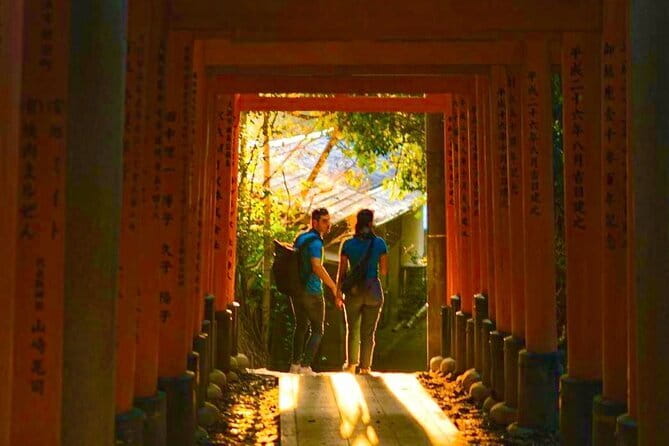
Fushimi Inari Taisha is the head shrine among roughly 30,000 Inari shrines in Japan. Inari is linked with rice, and the shrine is famous for its Senbon Torii, the long rows of vermilion gates that climb the wooded hillside.
The tour allows about 70 minutes here. That is enough to enter the shrine grounds, walk through a striking section of gates, take photographs, and get a feel for the place. It is not enough for an unhurried climb to the upper reaches and back.
I would make this stop a priority if you want the classic Kyoto photograph. The gates begin close to the entrance, so you do not need to walk far to see them. If you prefer a quieter stretch, keep walking uphill as far as your time allows, but watch the clock closely.
One piece of useful feedback asked for more time at the shrine and less at the bamboo forest. That is a fair preference. Fushimi Inari rewards walking, while Arashiyama offers several short photo stops. If you care more about shrine architecture and religious atmosphere than scenic snapshots, use every minute here.
Arashiyama Bamboo Forest: beautiful, brief, and busy
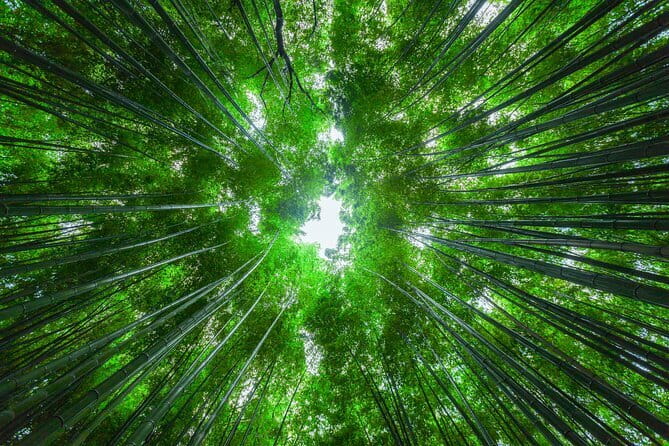
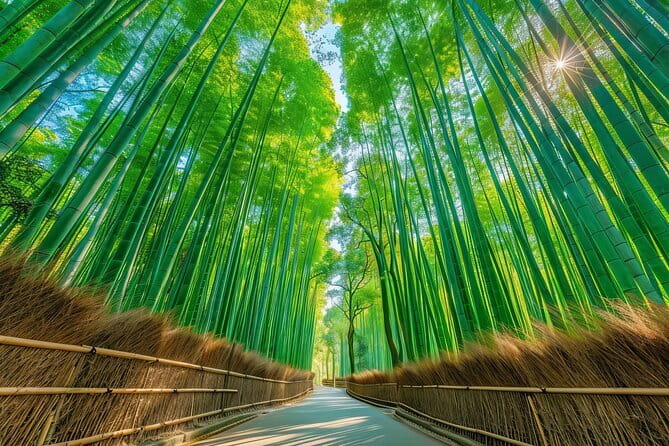
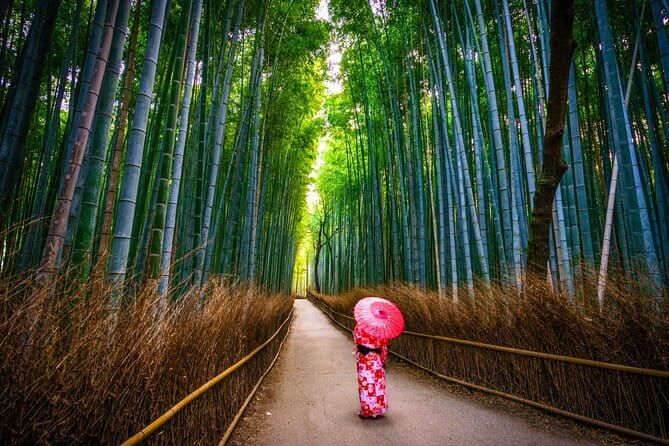
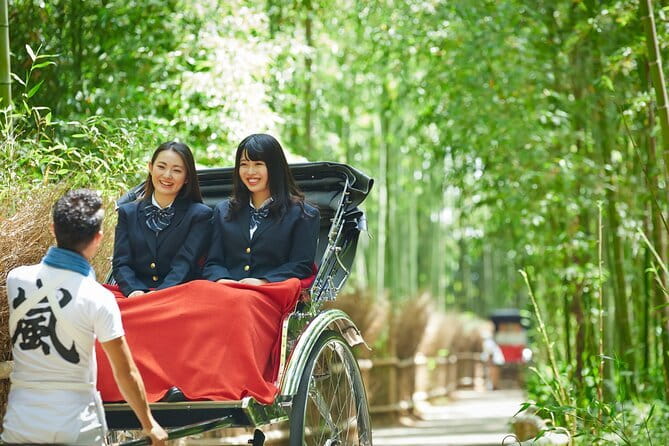
The bamboo forest is one of Kyoto’s best-known sights. Tall stalks rise on both sides of the path, creating a cool, green corridor that feels very different from the city streets.
The scheduled visit lasts about 50 minutes. That sounds generous, but this includes walking time and the movement of a group. The path can be crowded, and you may find that the experience is more about seeing the famous setting than enjoying solitude.
I like this stop for its visual appeal, especially if Kyoto is your first visit. You will have time to take photographs and walk through the main section. Still, do not expect a private forest walk or a quiet meditation.
Stay close to the guide’s instructions. The Arashiyama area contains many roads, shops, temples, and side paths, and it is easy to lose time. If you want to browse or stop for food, ask the guide where you should go and when you must return.
A completely different kind of day out:
- PERFECT KYOTO 1-Day Bus Tour
★ 5.0 · 13,518 reviews - Kyoto: Fushimi Inari, Kinkakuji, Bamboo Grove 1 Day Bus Tour
★ 4.8 · 4,316 reviews - Kyoto: Tea Ceremony in a Traditional Tea House in Kiyomizu
★ 4.9 · 3,519 reviews - Kyoto: Gion Make Your Own Chopsticks with Engraving Option
★ 5.0 · 3,465 reviews
Nonomiya Shrine and the old side of Arashiyama
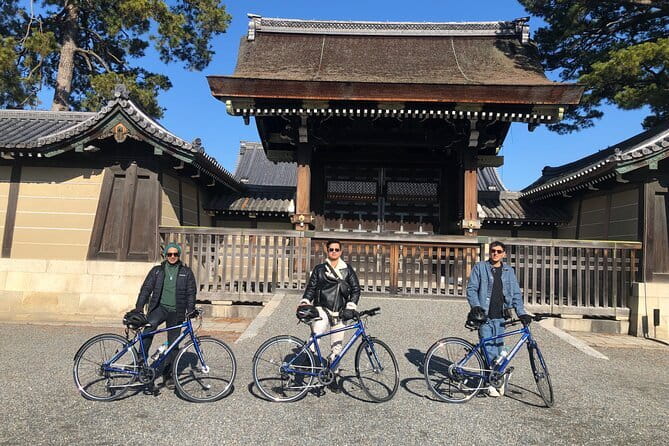
Nonomiya Shrine is a small Shinto shrine in the Arashiyama district. Its black torii gate is unusual because many visitors expect the bright vermilion gate associated with Japanese shrines.
The allocated 20 minutes is enough for a quick look at the gate, shrine grounds, and nearby details. It is not a long visit, but it adds a quieter religious stop to a day otherwise built around major sights.
You should think of Nonomiya as a compact cultural pause rather than a headline attraction. The shrine helps explain that Arashiyama is more than bamboo and souvenir shops. It also gives you a different visual experience from Fushimi Inari.
Tenryu-ji Temple: the extra 500 yen question
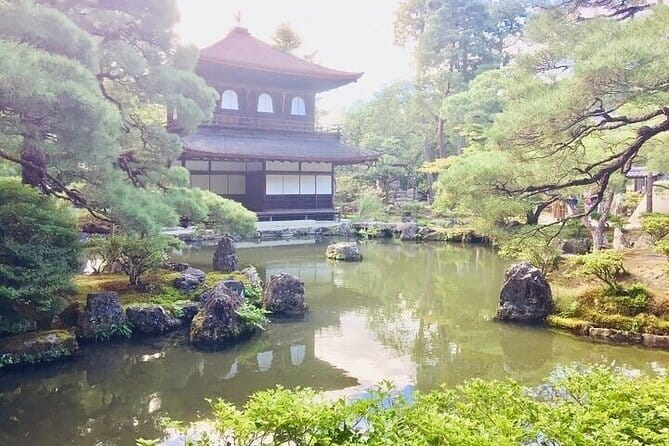
Tenryu-ji is a UNESCO World Heritage Site and is ranked first among Kyoto’s five great Zen temples. Its garden and temple setting are among Arashiyama’s major attractions.
Admission is not included. The extra ticket costs 500 yen. The schedule gives the temple about 20 minutes, so you should decide in advance if it is worth paying for a short visit.
For me, it is likely the best use of the small additional fee if you care about Zen temples, gardens, and traditional architecture. But the time limit is real. You may not get the calm, extended temple visit you would have by coming independently.
The published plan includes Tenryu-ji, but one piece of feedback said the temple was not visited and suggested replacing the Kimono Forest with more temple time. Since schedules can change, ask your guide at the start of the Arashiyama portion whether the temple interior and garden visit are included that day.
That simple question can prevent disappointment. If Tenryu-ji is a must-see, make your preference clear early.
Kimono Forest: a colorful modern counterpoint
The Arashiyama Kimono Forest is a public art installation made from 600 clear acrylic cylinders, each about two meters tall. Each cylinder displays kimono fabric with different patterns.
This is a quick, easy stop near the station area and takes about 20 minutes. It gives the day a modern design element after the shrine and temple visits.
The installation photographs well, especially when the fabric catches the light. I would not rank it above Fushimi Inari or Tenryu-ji, but it is a pleasant change of pace. If you are traveling with children or enjoy textile design, you may appreciate it more than someone focused on temples.
The key issue is opportunity cost. Time spent here is time not spent walking farther through the bamboo forest or exploring Tenryu-ji. Listen carefully to the guide’s schedule and decide what matters most to you.
Rilakkuma Tea House and Togetsukyo Bridge
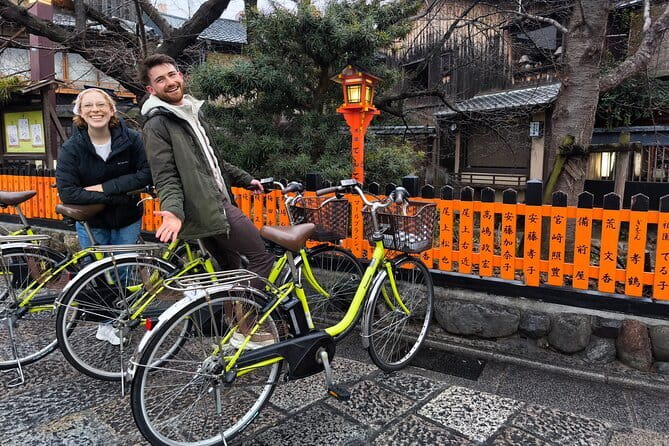
The Rilakkuma Tea House and shop add a playful pop-culture stop to the Arashiyama route. Rilakkuma means bear in a relaxed mood, and the café and shop are designed around that friendly character.
The scheduled visit is about 15 minutes. That is enough to look around, take photographs, or browse briefly. It is not enough for a relaxed meal, so do not count on having lunch here.
Togetsukyo Bridge is Arashiyama’s most recognizable landmark. The bridge first dates to the Heian period, from 794 to 1185, though the current structure was rebuilt most recently in the 1930s. It crosses the Katsura River and gives you a classic view of the area.
The bridge stop is also about 15 minutes. You can take photographs and enjoy the setting, but there is no time for a long riverside walk. If you want more time in Arashiyama, you may prefer to skip shopping and use your free moments near the bridge.
What the transportation and group size mean
The tour includes an air-conditioned vehicle, which is a major benefit on a nine-hour day. Kyoto’s main sights are not arranged in a neat line, and the ride between Nara, Fushimi Inari, and Arashiyama would take planning on your own.
The group can reach up to 45 people. That is a large party, and one piece of feedback described a bus with narrow, uncomfortable seats for larger Western frames. You should expect a group experience rather than a private excursion.
A large group also explains why the tour operates through meeting points and set return times. The guide cannot provide a long personal explanation at every monument while keeping everyone together. Some portions may feel like a guided transfer followed by independent exploration.
That is not necessarily a flaw. The arrangement lets you cover more ground for a low price. Just choose this tour for transport, structure, and orientation, not for a quiet, intimate walk with a specialist guide.
Guide quality and day-to-day organization
The guide can make or break this itinerary. The feedback is especially strong on this point, with repeated praise for Mia, Fiona, Amy, Laura, Tina, Willa, Theodore, Tracy, Frederick, and others.
The most useful guide habits are practical ones. Tina was praised for sending clear meeting instructions, maps, and messages before and during the tour. Amy was praised for keeping communication clear and offering useful local tips. Theodore continued recommending restaurants and places to visit after the tour ended.
Several guides were also praised for keeping the group on time. That matters more here than a long lecture. You need clear directions, realistic timing, and reminders about where to meet the vehicle.
The commentary style may vary. One person found the guide approachable but wished the speaking pace were slower and the explanations more direct. If you have trouble hearing or following fast English, stand near the guide during explanations and ask for the key point again.
Food, extra costs, and overall value
The $60 price is reasonable for the amount of ground covered. You receive transport and a guide, and you avoid arranging several train or bus journeys. For a first-time visit with only one day available, that convenience can be worth more than the cost of separate local fares.
Lunch is not included. You should budget for food separately, but the supplied details do not specify a set lunch stop. Ask your guide early about practical places to eat, especially because the Arashiyama schedule includes several short visits rather than a long meal break.
Tenryu-ji costs another 500 yen if you enter. The other listed stops have no admission charge, including Nara Park, Fushimi Inari, the bamboo forest, Nonomiya Shrine, the Kimono Forest, Rilakkuma Tea House, and Togetsukyo Bridge.
The value is best for:
- First-time visitors with limited time
- People staying in Osaka who want a Kyoto day trip
- Families who want the deer experience
- Visitors who prefer organized transport
- Anyone who wants major photographs without planning every connection
It is less suitable if you want a slow temple day, a full visit to the Great Buddha, extended shopping, or a long walk through Arashiyama.
Practical advice for making the day easier
Wear comfortable shoes and dress for a full day outside. One person noted that higher areas can feel colder, so a warm layer is useful even when the weather looks mild in Osaka or central Kyoto.
Keep your luggage and stroller needs in mind. The operator asks you to mention a stroller or large luggage when booking. If relatives or friends booked separately, tell the operator at least one day ahead so you can try to remain in the same vehicle.
Use your phone carefully. A mobile ticket is provided, and guides may use messaging apps for directions. Keep the booking details and meeting information easy to access.
Free cancellation is available until 24 hours before the start time for a full refund. Changes or cancellations inside that 24-hour window are not accepted, and the cutoff follows local Japanese time.
Should you book this Kyoto and Nara tour?
Book it if you want the biggest highlights in one organized day and accept a brisk pace. The deer at Nara Park, red gates at Fushimi Inari, and bamboo at Arashiyama give you three very different Japanese experiences for $60.
I would especially recommend it to first-time visitors based in Osaka, families, and people who do not want to manage several train connections. The guides are the strongest reason to choose it, with repeated praise for friendly energy, useful information, clear communication, and careful timing.
Skip it if your main goal is the Great Buddha, a long Tenryu-ji visit, or quiet time among the gates and bamboo. In that case, visit fewer places independently and stay longer. This tour is a practical sampler, not a leisurely study of Kyoto and Nara.
FAQ
How long does the tour last?
The tour lasts approximately nine hours.
What locations are included?
The route includes Nara Park, Fushimi Inari Taisha, Arashiyama, the Arashiyama Bamboo Forest, Nonomiya Shrine, the Kimono Forest, Tenryu-ji Temple, the Arashiyama Rilakkuma Tea House, and Togetsukyo Bridge.
Is admission to Nara Park included?
Yes. Nara Park has no admission charge for this tour.
Is the Great Buddha included?
No. The tour does not include the Great Buddha at Todaiji Temple.
How much does Tenryu-ji cost?
The Tenryu-ji admission ticket costs 500 yen and is not included in the tour price.
Is lunch included?
No. Lunch is not included.
What is included in the tour price?
The tour includes an air-conditioned vehicle and a guide. It also provides a mobile ticket.
How large can the group be?
The listed maximum is 45 travelers.
Can I cancel for a full refund?
Yes, if you cancel at least 24 hours before the experience start time. Cancellations or changes made less than 24 hours before the start time are not accepted for a refund.
Just added in Kyoto
- The “Golden Route” and Ancient Japan by DIAMIR Erlebnisreisen – 14-Day Tour★ 2.0 · 2 reviews
- Japan: Castles & Cuisine by G Adventures – 6-Day Kyoto to Osaka Tour★ 4.5 · 4 reviews
- Cycle Japan by Explore! – 13-Day Kyoto to Tokyo Tour★ 4.7 · 12 reviews
- Cycle Japan by Intrepid Travel – 11-Day Kyoto to Tokyo Tour★ 4.8 · 2 reviews
- Classic Japan by Intrepid Travel – 11-Day Kyoto to Tokyo Tour★ 4.4 · 14 reviews
- Ancient & Modern Japan 14-Day Tour by Exodus Adventure Travels★ 4.4 · 40 reviews
- 5 Day Cultural Adventure of Kyoto, Nara & Osaka by Tourist Journey★ 2.5 · 2 reviews
- 12 Days Kinosaki Onsen Escape: A Journey Through Japan’s Timeless Towns by UME Travel★ 4.8 · 5 reviews
Day Trips, compared.
![[Kyoto & Nara Day Tour] Sagano Scenic Railway & Nara Park & Fushimi Inari Taisha Thousand Torii Gates & Togetsukyo Bridge & Bamboo Grove & Kimono Forest (Departing from Osaka)](https://media.japanvisits.com/wp-content/uploads/kyoto-nara-day-tour-sagano-scenic-railway-nara-park-fushimi-inari-taisha-thousand-torii-gates-togetsukyo-bridge-bamboo-grove-kimono-forest-departing-from-osaka-k110001-400x257.jpg)
Kyoto Amanohashidate & Ine Funaya & Ine Bay Scenic Day Trip (Departing from Osaka or Kyoto)
Read our review →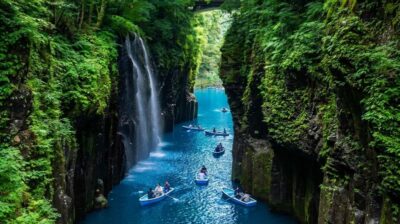
Kyushu: Mount Aso, Kusasenri & Takachiho Gorge Day Tour (Optional Takachiho Boat Ride Experience)
Read our review →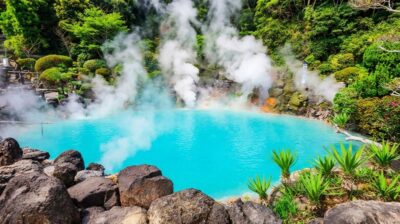
Kyushu One-Day Tour: Yufuin no Mori Train & Yufuin Town & Nyoirin-ji Temple & Dazaifu & Hell Hot Springs (Departing from Fukuoka)
Read our review →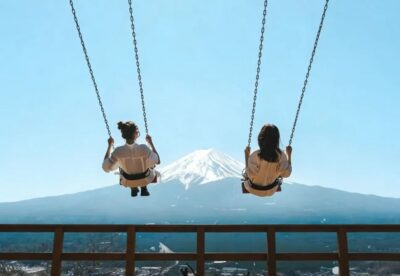
Browse the lists this tour appears in