
Reviewed · SUMO EXPERIENCES
Grand Sumo Tournament Tokyo – Osaka – Nagoya
Sumo turns silence into thunder. This experience gives you a chance to see an authentic grand tournament in Tokyo, Osaka, or Nagoya, an event that can be hard to arrange without local help. I like the lively fan atmosphere, and I like that you can pay more for a better seat if the standard option does not suit you. The main caution is price: at $946 per person, this can cost far more than the ticket’s printed face value, especially when an event is sold out.
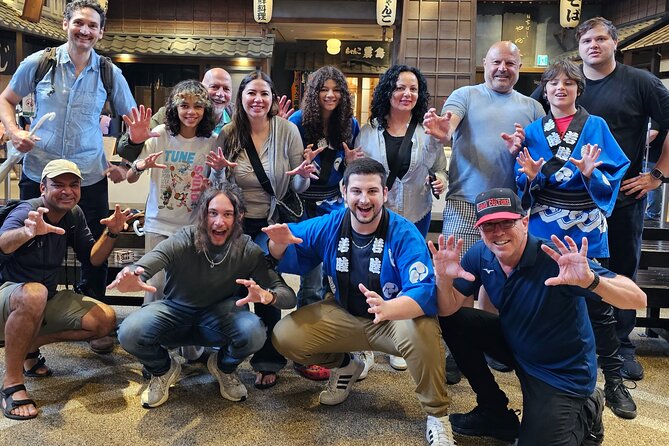
The format needs careful reading. The advertised experience is a paper ticket only, with no guide and no transportation included. Yet some bookings have included time with guide Ken Miller, sometimes with Shin, covering sumo customs, arena details, and even playful practice bouts. Confirm exactly what your booking includes before paying, since that difference changes the value considerably.
In This Review
- Five useful things to know before you book
- Why a grand sumo tournament is worth your time
- Ryogoku Kokugikan and the Tokyo meeting point
- What happens during the four-hour visit
- The fan atmosphere is part of the show
- Choosing your seat and understanding the ticket
- The $946 price needs a hard look
- Tokyo, Osaka, or Nagoya?
- Guide-led learning versus ticket-only access
- Who will enjoy this experience most?
- Booking advice for a sold-out tournament
- Should you book the grand sumo tournament?
- FAQ
- Where does the Tokyo sumo experience begin?
- Which cities are available for the tournament?
- How long does the experience last?
- Is admission included?
- Is transportation included?
- Is a tour guide included?
- Are better seats available?
- Can I cancel or change the booking?
Five useful things to know before you book
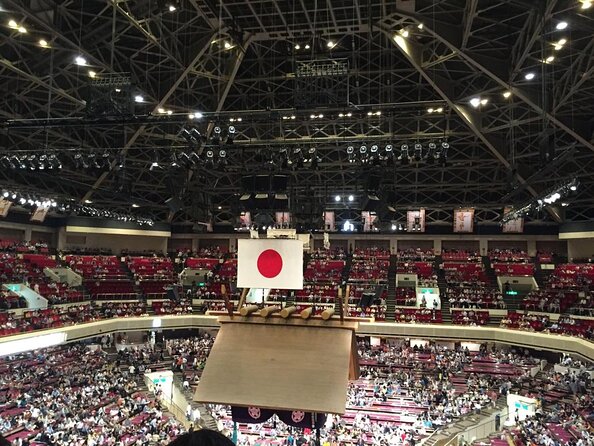
- Grand tournaments run in three major cities: Choose from Tokyo, Osaka, or Nagoya, depending on the available date and event.
- The Tokyo meeting point is Ryōgoku Edo NOREN: The address is in Yokoami, close to Ryogoku Kokugikan and public transportation.
- The advertised visit lasts about four hours: That gives you time for the arena experience, though the exact schedule depends on your ticket and event.
- A paper ticket is provided: Keep it safe, since admission depends on that physical ticket.
- The experience may be ticket-only: Transportation is not included, and the published details do not promise a guide.
- Sold-out dates can be very expensive: The $946 price may reflect an aftermarket ticket rather than the printed ticket value.
Why a grand sumo tournament is worth your time
Sumo is not simply two large men pushing each other around a ring. The contest is short, but the build-up matters: entrances, gestures, ceremony, crowd reaction, and the careful rhythm between bouts all form part of the event.
You will see a sport deeply tied to Japanese custom, yet the mood inside the arena is not solemn from start to finish. Fans cheer, react loudly, eat, talk, and treat the tournament much like a major league sporting event. That mix is one of the best reasons to attend. You are not just watching athletes compete. You are seeing how Japanese sports fans behave in a familiar, local setting.
The event also gives you something difficult to arrange on your own. Grand tournament tickets can sell out, and the language barrier may make last-minute arrangements awkward. A prearranged ticket removes some of that stress, although it does not remove the need to check the seat, date, venue, and price carefully.
More Sumo Experiences in Tokyo
- Tokyo: Sumo Show Experience with Chicken Hot Pot and a Photo
★ 4.8 · 6,678 reviews - Tokyo: Sumo Live Show with Photo in Shinjuku
★ 5.0 · 3,438 reviews - Tokyo: Sumo Show and Dining Experience
★ 4.8 · 2,742 reviews
Ryogoku Kokugikan and the Tokyo meeting point
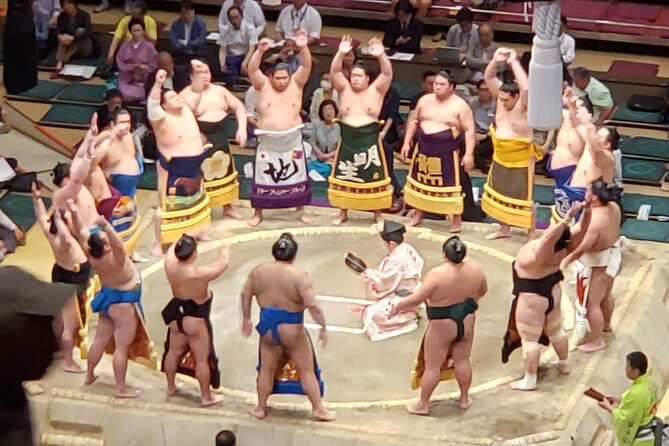
For the Tokyo version, the meeting point is Ryōgoku Edo NOREN, at 1-chōme 3-20, Yokoami, Sumida City, Tokyo 130-0015. The arena stop is Ryogoku Kokugikan, the city’s best-known sumo venue.
The meeting point is near public transportation, which helps you reach the area without arranging a private transfer. Still, transportation to and from the event is not part of the experience. You need to make your own way there and back, and you should allow time to locate the meeting point before the scheduled start.
The area around the arena adds to the occasion. One especially useful tip is to arrive early. You may find food stalls, a festive crowd, and a chance to see sumo wrestlers outside the building. That early period can feel as memorable as the first match, especially if you want more than a quick seat-and-leave sporting event.
The published meeting details say the activity ends back at the meeting point. Because the event is described as a ticket-only experience, do not assume someone will escort you into the arena, show you your seat, or accompany you afterward.
What happens during the four-hour visit
The advertised duration is about four hours. That is long enough to make the tournament feel like an outing rather than a quick cultural sample, but it does not mean every four-hour booking follows the same guided schedule.
At minimum, your experience centers on admission to the tournament. You receive a paper ticket and enter the venue for the matches. The best part is the changing atmosphere as the competition builds and the crowd becomes more involved.
If your booking includes the guided format described by some past customers, the visit can begin with an orientation around the arena. Ken Miller has been praised for explaining the rituals, basic rules, and background of sumo in an easygoing way. He also practices sumo himself, which helps him explain the sport with more feeling than a standard sightseeing script.
Some guided sessions have included explanations before entering the stadium, different viewing points inside the arena, and a playful practice bout. In one format, men in the group tried mock sumo matches while women acted as referees. That sounds lighthearted, but it can help you understand balance, force, footwork, and the role of the referee.
Do not treat those extras as guaranteed. The core description clearly says ticket only and no tour guide. Ask the provider directly if Ken, Shin, a walking orientation, or any interactive activity is included with your selected date.
The fan atmosphere is part of the show
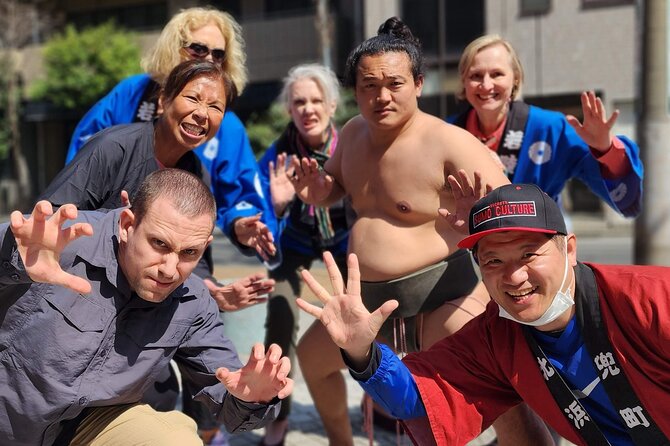
A grand tournament is at its best when you pay attention to the audience as well as the ring. The crowd cheers for favored wrestlers, reacts to dramatic pushes, and creates the feeling of a national sporting occasion.
You may find the rhythm different from Western sports. Each bout is brief, so the ceremony and waiting period carry more weight. That gives you time to notice the ritual, the anticipation, and the way fans respond to familiar names.
I like this kind of event for visitors who want a culture experience that is not arranged as a museum display. You are watching a living sport in its own setting. You also get the chance to copy local behavior by observing when people clap, cheer, eat, or settle in for the next bout.
The atmosphere can also be noisy and crowded. If you prefer a quiet, tightly structured cultural tour, the arena may feel less controlled than a shrine visit or guided walk. The energy is the point, but it will not suit every mood.
A completely different kind of day out:
- Tokyo Disney Resort – Tokyo Disneyland & Tokyo DisneySea Park Tickets
★ 4.8 · 99,488 reviews - SHIBUYA SKY Ticket
★ 4.7 · 46,509 reviews - JR Whole Japan Rail Pass
★ 4.8 · 29,150 reviews - Mt Fuji and Hakone 1-Day Bus Tour Return by Bullet Train
★ 5.0 · 26,383 reviews
Choosing your seat and understanding the ticket
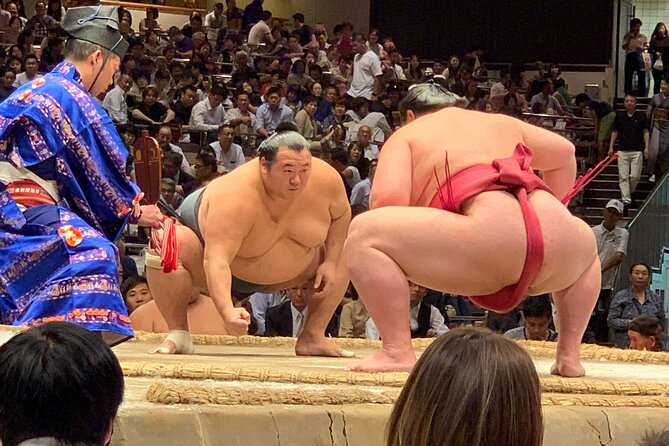
Seat quality matters at a sumo tournament. The experience offers upgrades for an additional fee, so you may have a choice between a basic ticket and a closer or more desirable position.
A better seat can make a real difference. Sumo moves quickly, and a closer view helps you notice the wrestlers’ grips, foot placement, and sudden changes in balance. If this is a major highlight of your Japan visit, an upgrade may offer better value than spending the same money on another short attraction.
At the same time, you need to understand what you are paying for. The ticket is paper, and one past customer had trouble locating seats after entering. Staff members were available to help, but the experience may be smoother if you have your seat details ready and ask for assistance promptly.
There was also a report of incorrect ticket details for an Osaka tournament. That makes advance checking especially important. Confirm the city, arena, date, section, row, and seat before you travel to the venue.
The $946 price needs a hard look
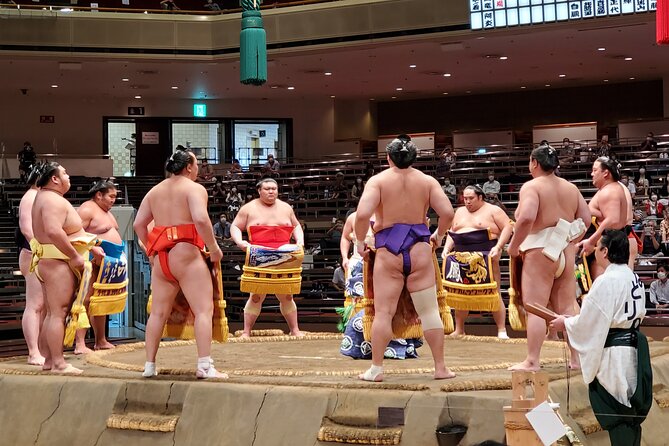
The listed price is $946 per person. That is a serious expense for a four-hour activity, even for a special event.
The strongest reason for the price is access. Grand tournaments sell out, and a supplier may need to source tickets through an aftermarket channel. In that situation, the amount printed on the ticket may be much lower than the amount you pay. The provider has explained that sold-out events can carry a large markup, and that the extra cost comes from the ticket supplier.
That explanation may be accurate, but it does not make the price automatically good value. You should compare the cost with the regular ticket price whenever possible, ask if the event is sold out, and find out whether the amount includes only admission or also includes a guided orientation.
If a sold-out Tokyo, Osaka, or Nagoya tournament is one of your top Japan priorities, paying a premium may be reasonable for you. If you are mainly curious about sumo, $946 is difficult to justify, particularly when transportation and a guide are not included in the stated package.
The high price is the clearest weakness of this experience. The overall rating is 4.8 from 29 ratings, with 97 percent recommending it, so many customers felt the event itself delivered something special. Still, a high satisfaction score does not remove the need to check the financial details.
Tokyo, Osaka, or Nagoya?
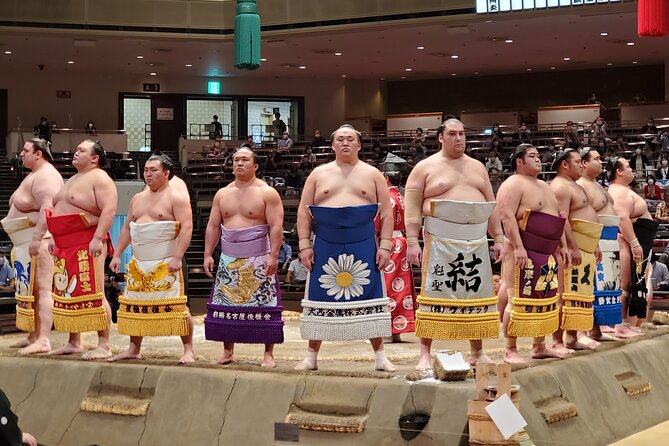
The experience is offered in three cities, but the practical details differ.
Tokyo uses Ryogoku Kokugikan and the Ryōgoku Edo NOREN meeting point. This is the clearest arrangement described, and it is the best fit if you want to connect the tournament with Tokyo’s sumo district.
Osaka is also available for a grand tournament. One booking had incorrect ticket details, so double-check the venue and seat information carefully before the event. The Osaka option may suit you if your Japan route already includes Kansai and you do not want to add a separate trip to Tokyo.
Nagoya is listed as another possible location. The supplied details do not give a Nagoya meeting point, arena name, or transport plan. If you select Nagoya, ask for those specifics before booking rather than assuming the Tokyo arrangements apply.
Dates are also important. Several tournaments and dates may be offered, but the available information does not identify a fixed tournament date. Make sure your selected event matches your wider itinerary before making a non-refundable purchase.
Guide-led learning versus ticket-only access
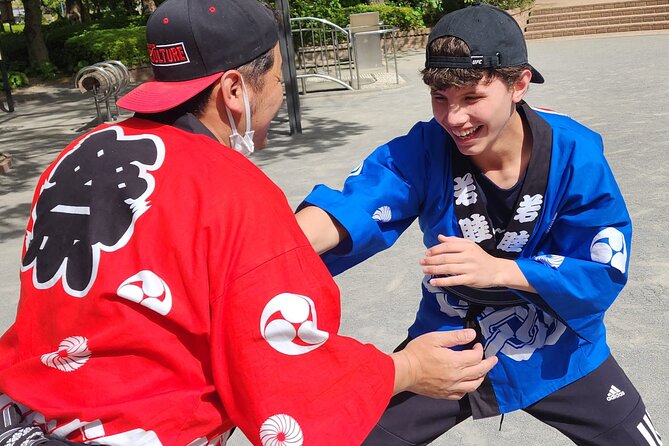
The experience has two very different possible strengths.
As a ticket-only event, it is a practical way to gain admission to a major cultural and sporting occasion. You can watch the action independently and enjoy the arena on your own terms. This suits confident visitors who do not need explanations and who are comfortable arranging transport and finding their seats.
As a guided experience, it can become much more useful for first-time sumo watchers. Ken Miller has been praised for his enthusiasm, personal connection to the sport, and ability to explain rules and rituals. Shin has also been named in connection with guided sessions. The interactive approach has worked well for families and teenagers, especially when the group takes part in a mock bout.
The gap between these two versions is important. The official details describe no guide, while the customer accounts describe a guide in several cases. I would contact Island Travel Specialists and get the inclusions in writing. Ask three direct questions: Is a guide included, where does the guided portion begin, and does the guide remain with you inside the arena?
Who will enjoy this experience most?
I would recommend it first to a visitor who already values Japanese sports, ceremony, and local culture. You will get the most from the day if you are happy to watch the crowd, learn the basic rituals, and let the event unfold at its own pace.
It can also suit families and teenagers if the guided version is confirmed. The mock matches and simple explanations give younger visitors something active to do before watching the professional bouts.
The experience is less suitable if you want a fully escorted tour, included transport, or a guaranteed guide. It is also a poor match for a strict budget. The four-hour length is manageable, but the total outing will take longer once you add your own travel to the venue.
Most people can participate, and the group size is capped at 20. That is small enough to avoid a huge tour crowd, though the ticket-only wording means the group size may matter less once you enter the arena.
Booking advice for a sold-out tournament
Before you commit, ask for the exact tournament city, date, arena, seat section, and printed ticket price. Then ask why the selling price is higher and whether the event is sold out.
You should also confirm the meeting instructions. The Tokyo meeting point is Ryōgoku Edo NOREN, but Osaka and Nagoya details are not provided here. Do not assume that the same start point or procedure applies in all three cities.
The experience is non-refundable and cannot be changed for any reason. That makes careful planning essential. Check your Japan schedule, transport plans, and chosen date before payment.
Should you book the grand sumo tournament?
Book it if seeing a real grand tournament is a top goal and you are prepared to pay a premium for access. The live crowd, short explosive bouts, ritual, food stalls, and chance to see sumo wrestlers near the arena can create one of the most memorable sporting moments in Japan.
I would be more cautious if you are booking mainly for a guide. The most appealing teaching elements, including explanations with Ken or Shin and mock sumo practice, are not clearly included in the ticket-only description. Confirm them first.
For the best value, secure a regular-price ticket well ahead of time if possible. If the event is sold out and this is your only practical route in, compare the premium with your personal priorities. At $946, you are paying for access to a scarce event, not simply four hours of entertainment.
FAQ
Where does the Tokyo sumo experience begin?
The Tokyo meeting point is Ryōgoku Edo NOREN, Japan, 130-0015 Tokyo, Sumida City, Yokoami, 1-chōme 3-20, first floor.
Which cities are available for the tournament?
The experience is offered in Tokyo, Osaka, or Nagoya, depending on the tournament and date selected.
How long does the experience last?
The listed duration is approximately four hours.
Is admission included?
Yes. Admission to the sumo tournament is included.
Is transportation included?
No. Transportation is not included, so you need to make your own way to the meeting point and venue.
Is a tour guide included?
The published details describe this as a ticket-only event with no tour guide. Some formats have included guided explanations with Ken Miller or Shin, so confirm the exact inclusions for your booking.
Are better seats available?
Yes. Seat upgrades are available for an additional fee.
Can I cancel or change the booking?
No. The experience is non-refundable and cannot be changed for any reason.
Just added in Tokyo
- Very popular in Harajuku♡Animal petting zoo★ 4.6 · 39 reviews
- Yokohama Port: Private Customizable Tour with Transfer★ 5.0 · 19 reviews
- Wagyu & Sake 8 Course Tasting Dinner in Shinjuku★ 4.9 · 20 reviews
- Warner Bros. Studio Tour Tokyo – The Making of Harry Potter★ 4.8 · 181 reviews
- Yanaka District: Historical Walking Tour in Tokyo’s Old Town★ 4.8 · 117 reviews
- Tokyo: Classic Tsukiji Food Tour★ 4.9 · 78 reviews
- Tokyo: Tsukiji Fish Market Tour with 6 Stops & Seafood Lunch★ 4.5 · 165 reviews
- Tokyo Wagyu & Sake Pairing Tasting Experience with Local Flavors★ 5.0 · 108 reviews
Sumo Experiences, compared.
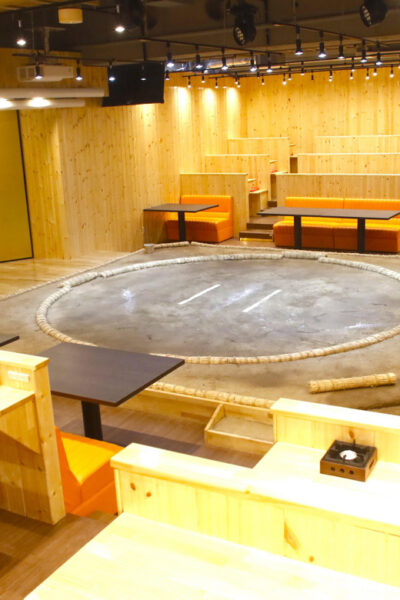
Sumo Show Experience with Chicken Hot Pot and a Photo
Read our review →
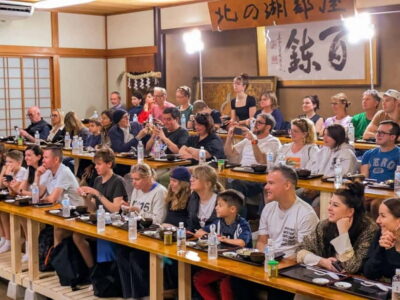
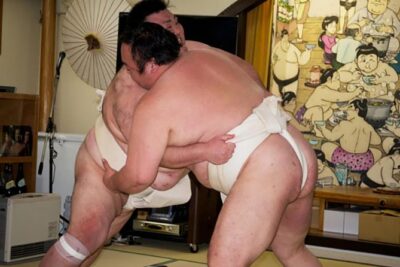
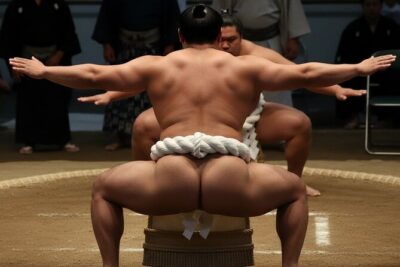
Tokyo Shinjuku Sumo Show & Experience with Photo
Read our review →
Asakusa Sumo Club Sumo Show Admission with Chankonabe in Tokyo
Read our review →
Tokyo Ginza Sumo Experience: Performance vs Pure Practice
Read our review →Browse the lists this tour appears in