Reviewed · TOKYO TOURS
Home made Ramen you made from scratch!!
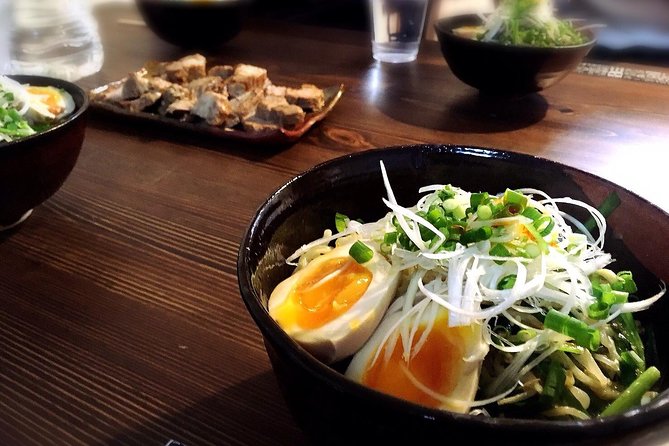
Make your own bowl of Tokyo comfort. This three-hour cooking class with former ramen chef Hideki takes you from raw ingredients to homemade noodles, soup, gyoza, egg, and chashu pork. I like the hands-on format and the tiny group size, capped at four people. The class feels more like cooking with a helpful local than sitting through a formal demonstration.
I also like the practical touch of a recipe booklet, plus Hideki’s patience when the cooking gets busy. You can use what you learn at home, and several guests have done exactly that. The main drawback is the $115 price, which is a fair amount for lunch, and alcohol or soft drinks cost extra.
In This Review
- Key points to know before booking
- What this Tokyo ramen class is really like
- Meeting Hideki near Shinagawa
- Starting with dashi, the base of the soup
- Making noodles instead of opening a packet
- Nitamago and chashu complete the bowl
- Folding gyoza while the ramen comes together
- The final bowl is your lunch
- Is $115 good value?
- Who should book this class?
- Timing, group size, and cancellation
- Final call: book it for the lesson, not just lunch
- FAQ
- Where does the ramen cooking class take place?
- How long does the experience last?
- Where does the class finish?
- What food will I make?
- Is lunch included?
- Are drinks included?
- How many people can join the class?
- Who teaches the ramen class?
- Is the meeting point near public transportation?
- Can I cancel for a full refund?
Key points to know before booking
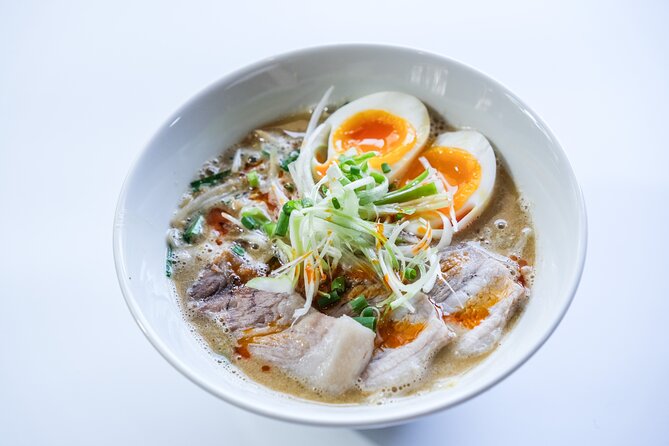
- You make the ramen from scratch: The lesson covers noodles, dashi soup stock, ramen egg, and chashu pork.
- Former ramen chef Hideki leads the class: He worked in a ramen restaurant for about 10 years.
- The group is capped at four people: This keeps the class personal and gives you room to cook.
- Gyoza is part of lunch too: You make dumplings alongside your ramen.
- The class meets in Minamishinagawa: It is near public transportation and reasonably placed for Ginza, Shibuya, Shinjuku, Shinagawa, and Haneda Airport.
- You leave with more than a full stomach: A recipe booklet and ingredient guidance help you repeat the meal at home.
What this Tokyo ramen class is really like
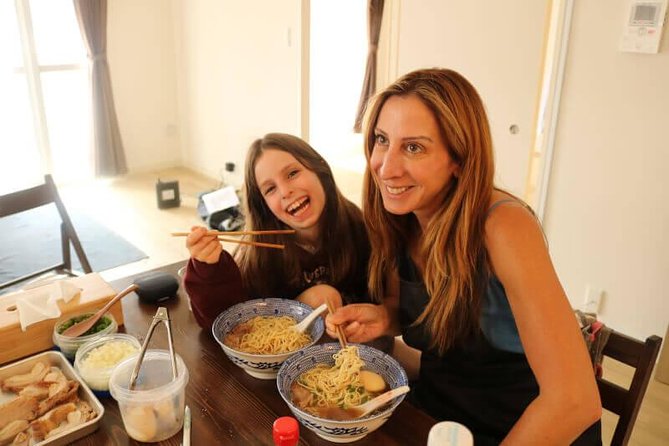
Hideki Ramen Cooking Studio is in Minamishinagawa, at 6-chōme-15-3 Minamishinagawa, Shinagawa City. The activity starts and ends at the same meeting point, and the full session lasts about three hours.
This is not a quick lesson where you watch someone else cook and then receive a bowl at the end. You take part in the work. The central appeal is learning how several separate parts of ramen come together: stock, noodles, toppings, and timing.
That matters because good ramen is not just noodles dropped into broth. The soup needs depth, the noodles need the right texture, and toppings must be ready when the bowl is assembled. Hideki’s background in a ramen restaurant gives the lesson a useful professional angle without turning it into a stiff chef demonstration.
The small maximum of four people is one of the strongest features. A cooking class can become frustrating when one instructor has to serve a large group. Here, you should have more chances to ask questions, handle ingredients, and get help when several pans need attention at once.
The class takes place in Hideki’s home, based on the meeting details and guest descriptions. That makes the setting personal and informal. It also means you should not expect a polished culinary school or restaurant dining room. If you want a relaxed home kitchen and direct contact with the host, this is a plus. If you prefer a professional studio with lots of space and equipment, the setting may feel modest.
A few more options to weigh up in Tokyo
- Tokyo Disney Resort – Tokyo Disneyland & Tokyo DisneySea Park Tickets
★ 4.8 · 99,488 reviews - SHIBUYA SKY Ticket
★ 4.7 · 46,509 reviews - JR Whole Japan Rail Pass
★ 4.8 · 29,150 reviews
Meeting Hideki near Shinagawa
The class is in Minamishinagawa, a useful part of Tokyo for a food lesson. It is close to Shinagawa and has access to public transportation. The location is also practical if your plans include Ginza, Shibuya, Shinjuku, or Haneda International Airport.
Several guests appreciated Hideki’s help with finding the meeting point. He has met people at the train station and walked them to his home. One person arrived late after sorting out the train, and Hideki stayed in contact through WhatsApp. That kind of communication is valuable in Tokyo, where a small mistake with a station exit can cost more time than expected.
I would still allow extra time to get there. The meeting point is not described as a major sightseeing stop, and the class begins at a specific time. Tokyo stations can be confusing, especially if you are carrying luggage or changing lines. Confirm the meeting instructions after booking, and keep your phone available for messages.
The location works particularly well on an arrival or departure day if your schedule allows a comfortable margin. Haneda is nearby in broad geographic terms, but you should not treat the class as a last-minute airport activity. You need three hours for the lesson, plus the journey and airport check-in time.
Starting with dashi, the base of the soup
The cooking begins with dashi, the soup stock that gives Japanese dishes their savory depth. This is an important place to start because the broth shapes the whole bowl. A topping can be excellent, but weak soup will still leave you with a forgettable ramen.
Hideki teaches how to prepare the stock rather than handing you a finished base. That gives you a better sense of what creates flavor before the noodles and toppings enter the picture. The lesson is useful for anyone who has eaten ramen often but never understood what sits beneath the surface.
This part also adds value at home. Ramen is not always an easy dish to recreate casually, but learning the stock gives you a starting point for future bowls. The recipe booklet helps here, especially if you want to remember ingredient sources and steps after returning home.
The class is not described as a lesson in several different ramen styles, so you should not expect a full survey of regional Japanese ramen. The focus is one complete meal, prepared properly from its component parts. That is a strength if you want a clear recipe to repeat, but less useful if you are looking for a broad culinary lecture.
Making noodles instead of opening a packet
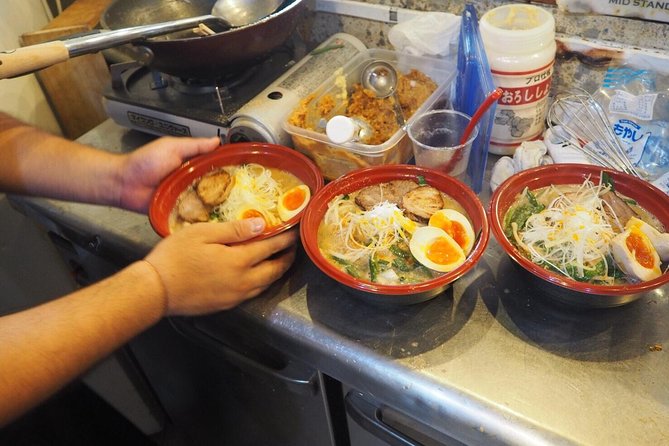
The most satisfying part for many people will be making the ramen noodles from scratch. This changes the meal from a standard cooking activity into a real food lesson. You get to see that ramen is a process, not simply a soup with packaged noodles added at the end.
Homemade noodles also make the class more demanding. The cooking pace picks up as the meal approaches its final stage. One French-speaking guest described the early work as calm, with the tempo increasing as cooking continued. That is normal for ramen: several parts must come together at the right moment.
This is where Hideki’s patience matters. Multiple people specifically praised his calm guidance and clear step-by-step instruction. If you are not comfortable making noodles, you should have support instead of being left to guess.
Do not book this expecting a slow, passive lunch. You will be involved, and the final cooking stage requires attention. That is part of the fun, but it may not suit someone who wants a completely relaxed meal with no kitchen work.
A completely different kind of day out:
- Mt Fuji and Hakone 1-Day Bus Tour Return by Bullet Train
★ 5.0 · 26,383 reviews - TOKYO SKYTREE® Ticket
★ 4.7 · 25,136 reviews - teamLab Borderless Tickets: MORI Building DIGITAL ART MUSEUM
★ 4.7 · 24,126 reviews - teamLab Planets TOKYO Ticket
★ 4.7 · 21,663 reviews
Nitamago and chashu complete the bowl
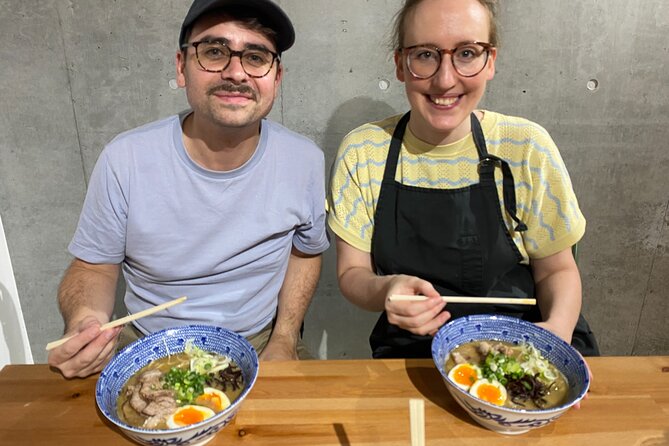
The lesson includes nitamago, the seasoned ramen-style boiled egg, and chashu, the boiled pork used as a classic ramen topping. These are not minor extras. They provide the contrast that makes a bowl feel complete: soft egg, tender pork, noodles, and broth working together.
Learning the egg is useful because timing affects the result. The difference between a firm center and a soft one changes the texture of the bowl. The class gives you a chance to see this as part of the ramen process rather than as a separate side dish.
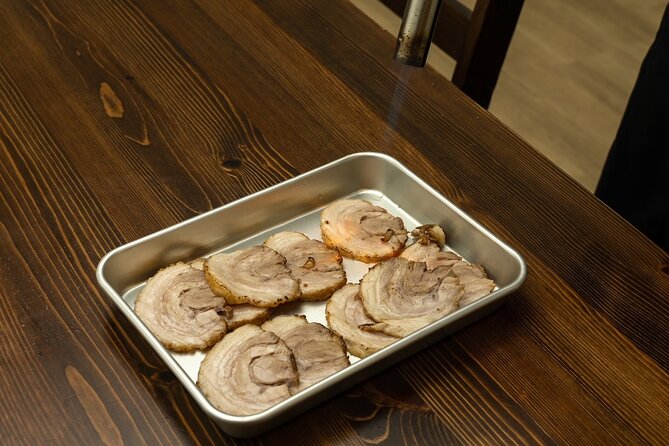
The chashu also shows why ramen preparation takes time. It needs cooking before the final bowl comes together, and it adds a savory topping that many home cooks may otherwise buy ready-made. Because the activity includes both preparation and assembly, you see how restaurant-style ramen is built in stages.
The supplied details do not specify the exact cut of pork, seasoning, cooking temperature, or egg texture. So you should not expect a detailed technical breakdown of every possible method. You can expect instruction in the particular ramen preparation Hideki teaches, along with practical tips you can use again.
Folding gyoza while the ramen comes together
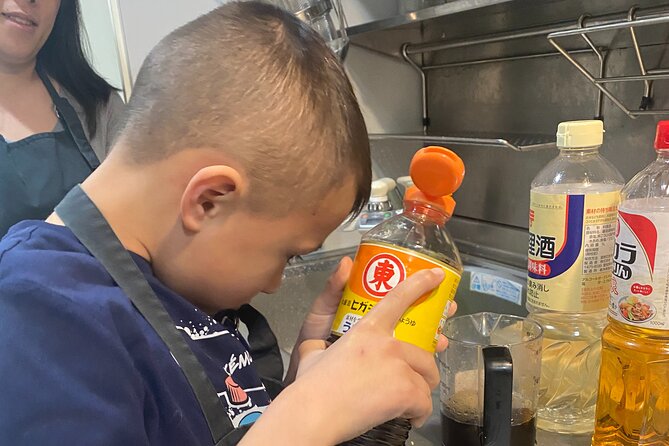
Gyoza is included in the cooking experience, giving you a second Japanese dish to prepare alongside the ramen. This is a welcome addition because the dumplings add variety to the meal and make the lunch feel more substantial.
The gyoza also gives the class a different kind of hands-on task. Ramen involves stock, noodles, and timing. Dumplings involve filling, wrapping, and cooking. You get a broader sense of Japanese home cooking without leaving the focus of the lesson.
One guest described making both ramen and gyoza with a recipe booklet and guidance on sourcing ingredients. That is exactly the kind of help you want if your goal is to recreate the meal at home. Knowing where to find ingredients can be as useful as knowing how to mix them.
The supplied information does not state how many gyoza you make or what filling is used. I would treat the dumplings as an important part of the class, but not book it as a dedicated gyoza workshop. The main subject remains ramen.
The final bowl is your lunch
Lunch is included, and it is the ramen you made yourself. That distinction matters. You are not simply eating a pre-cooked dish after a token activity. The meal is the payoff for the work you have done during the three-hour session.
The strongest praise centers on flavor. Guests repeatedly described the ramen as delicious, with one person calling it the best ramen they had eaten. Another made the recipe at home afterward, which suggests the class is not only entertaining but also clear enough to repeat.
Taste is always personal, of course. Homemade ramen will not be identical to every bowl you eat in Tokyo, and the class does not promise a restaurant tasting tour. Its value comes from understanding the process and eating the result while the steps are still fresh in your mind.
Alcohol and soft drinks are not included and cost extra. That is a small added expense, but it is worth remembering when comparing the $115 total price with a simple restaurant lunch. The included meal is substantial in effort and content, yet this remains a cooking lesson rather than a low-cost way to eat.
Is $115 good value?
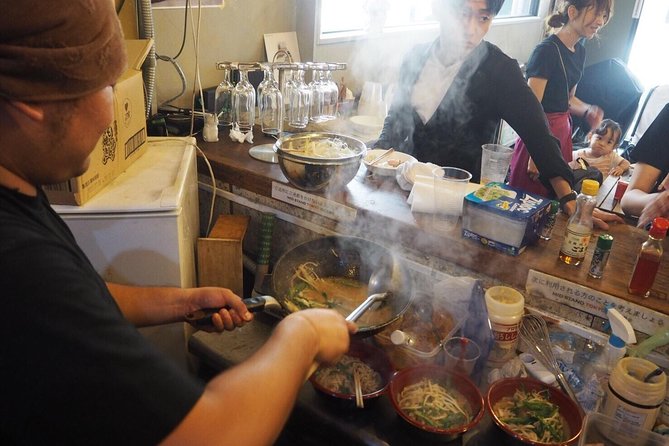
At $115 per person, the class is not cheap. You are paying more than the price of an ordinary ramen lunch, and drinks are additional. The value depends on what you want from your time in Tokyo.
For a standard meal, the price is hard to justify. For a small cooking lesson led by someone with roughly a decade of ramen restaurant experience, it makes more sense. You receive about three hours of instruction, hands-on preparation, ramen, gyoza, and a recipe booklet. You also get the chance to ask questions in a group limited to four people.
The recipe booklet adds lasting value. You can use it when you return home, and the ingredient-sourcing advice may help you find what you need outside Japan. Several people successfully recreated the ramen at home, which is a strong reason to choose this class over a one-time demonstration.
Group discounts are available, though the supplied information does not give the discount amount or conditions. Check the current terms if you are booking for several people. A private or very small group can make the cost easier to accept, particularly for families or friends who want to cook together.
I would rate the value as good for people who care about technique and personal instruction, but only fair for anyone mainly seeking an inexpensive meal.
Who should book this class?
This experience suits you if you want to learn a Japanese dish you can make again. It is especially useful if ramen is a favorite food and you want to understand the broth, noodles, egg, and pork instead of treating the bowl as a mystery.
It also suits couples, families, and small groups. With no more than four people, the class has an intimate feel, and the activity gives everyone a clear role. The home setting may help you feel more at ease than you would in a large commercial class.
First-time cooks should be comfortable here if they are willing to follow instructions. Hideki is repeatedly praised for patience and friendly guidance. The cooking becomes faster near the end, but that is manageable when you know it is coming.
You may want to skip it if you dislike cooking, have only a short window in Tokyo, or want a polished restaurant experience. The class is also not the best choice if your main goal is sampling several kinds of ramen. You make one complete meal rather than touring multiple ramen shops.
Timing, group size, and cancellation
Plan for about three hours from start to finish, with the activity returning to the meeting point. Since the class is held near public transportation, it can fit into a wider Tokyo itinerary, but do not place it immediately before an important train or flight.
Confirmation is sent within 48 hours of booking, subject to availability. The class has a maximum of four people, and mobile tickets are supported. Free cancellation is available when you cancel at least 24 hours before the local start time. Cancellations or changes made less than 24 hours ahead are not accepted for a refund.
The experience is booked, on average, about seven days ahead. That is not a guarantee that you must reserve one week early, but it is sensible to book ahead if your Tokyo dates are fixed, especially because the group is so small.
Final call: book it for the lesson, not just lunch
I would book this class if you want a personal, practical food experience and like the idea of taking a real ramen recipe home. Hideki’s former restaurant work, small group size, patient teaching, gyoza, and recipe booklet give the $115 price a reasonable foundation.
I would pass if you only want a cheap bowl of noodles or a quick activity between sightseeing stops. The class asks for time, attention, and extra payment for drinks.
For the right person, this is a useful Tokyo memory: you learn how a bowl comes together, eat what you made, and leave with a recipe you can try again long after Japan.
FAQ
Where does the ramen cooking class take place?
The class starts at Hideki Ramen Cooking Studio, 6-chōme-15-3 Minamishinagawa, Shinagawa City, Tokyo 140-0004, Japan.
How long does the experience last?
The cooking class lasts approximately three hours.
Where does the class finish?
The activity ends back at the meeting point.
What food will I make?
You will make ramen and gyoza dumplings. The lesson includes dashi soup stock, nitamago ramen-style boiled egg, and chashu boiled pork.
Is lunch included?
Yes. Lunch is the ramen you make from scratch during the class.
Are drinks included?
No. Alcoholic beverages and soft drinks cost extra.
How many people can join the class?
The activity has a maximum of four participants.
Who teaches the ramen class?
Hideki leads the class. He worked at a ramen restaurant for about 10 years.
Is the meeting point near public transportation?
Yes. The studio is near public transportation and is located in Minamishinagawa.
Can I cancel for a full refund?
Yes, if you cancel at least 24 hours before the experience start time. Cancellations or changes made less than 24 hours before the start time are not accepted for a refund.
Just added in Tokyo
- A One-of-a-Kind Sushi Experience in a Special Place of Japan★ 5.0 · 15 reviews
- Tokyo Cute Bento Cooking Class – Make a Kawaii Character Lunchbox★ 5.0 · 126 reviews
- Japanese Home Cooking Class & Walk in Todoroki Temple Tokyo★ 5.0 · 88 reviews
- Japan Tokyo Tower Observatory Deck E-Ticket★ 4.0 · 34 reviews
- Catch a Baseball Game in Tokyo with a Local – Tickets Included★ 5.0 · 24 reviews
- JDM Experience with Fast&Furious RX-7 (English speaking Driver)★ 5.0 · 57 reviews
- Tokyo Private Day Tour by Car with English speaking Driver Guide★ 4.0 · 29 reviews
- Japan Classic 10 Day – One Life Adventures★ 5.0 · 129 reviews
Tokyo Tours, compared.

Tokyo Disney Resort – Tokyo Disneyland & Tokyo DisneySea Park Tickets
Read our review →

Mt Fuji and Hakone 1-Day Bus Tour Return by Bullet Train
Read our review →

teamLab Borderless Tickets: MORI Building DIGITAL ART MUSEUM
Read our review →