Reviewed · MULTI-DAY TOURS THAT VISIT JIGOKUDANI SNOW MONKEY PARK
Japan Family Journey: From Ancient to Modern Times National Geographic 11-Day Tour: Itinerary & Reviews
Tokyo’s taiko drums and Kyoto’s vermilion shrine gates are only part of the story. This 11-day family tour pairs headline sights with hands-on encounters, from a sumo lesson led by a former wrestler to a night in a traditional inn near Nagano. I like that the activities give children a way into Japanese culture, not just another string of photo stops.
I also like the balance between guided time and room to explore: several Tokyo afternoons are free, while the leader handles transport between cities and key sights. The trade-off is a full schedule with frequent walking and train travel, plus one night in a simple ryokan with shared facilities. Pack light, bring sturdy shoes, and expect early starts.
In This Review
- What makes this Japan family tour distinctive
- Tokyo starts with drums, shrines and street style
- Sumo, Shibu Onsen and a night at the inn
- Snow monkeys, Zenkoji and Matsumoto Castle
- Kyoto’s market lanes and famous gates
- Nara’s Buddha, lanterns and free-roaming deer
- Samurai swordplay and a final Kyoto evening
- What the price covers, and what it does not
- The practical details families should know
- Should you book this Japan family journey?
- FAQ
- How long is the tour, and where does it start and end?
- What is the minimum age?
- How large is the group?
- What language is the tour guided in?
- Are flights included?
- Is an airport transfer included?
- Which meals are included?
- What kind of accommodation is provided?
- Do I need to carry my luggage on train days?
What makes this Japan family tour distinctive
- Taiko drumming in Tokyo: Learn three playing techniques, then perform with a Wadaiko drummer.
- A real ryokan night: Sleep on futons in a traditional inn and have a seasonal kaiseki dinner served in your room.
- Snow monkeys and temple time: Visit Jigokudani Monkey Park and Zenkoji, then see Matsumoto Castle and a long-running miso producer.
- Cooking as cultural shorthand: Prepare Okinawa dishes in Tokyo and make ramen from scratch in Kyoto.
- A compact group: Travel with 10 to 20 people, with an English-speaking expedition leader throughout.
- A practical pace, but not a lazy one: Public transport and walking are part of daily life on this tour.
Tokyo starts with drums, shrines and street style
The trip begins with an included airport transfer to The Gate Hotel Ryogoku by HULIC. At the evening welcome meeting, you meet the expedition leader and the rest of the group. There are no scheduled sightseeing activities on the first day, which is useful after a long flight.
On Day 2, you learn about taiko drums and try three playing techniques before joining a group performance with a professional Wadaiko drummer. It is an active introduction to a traditional art form, and a welcome change from simply looking at objects behind glass.
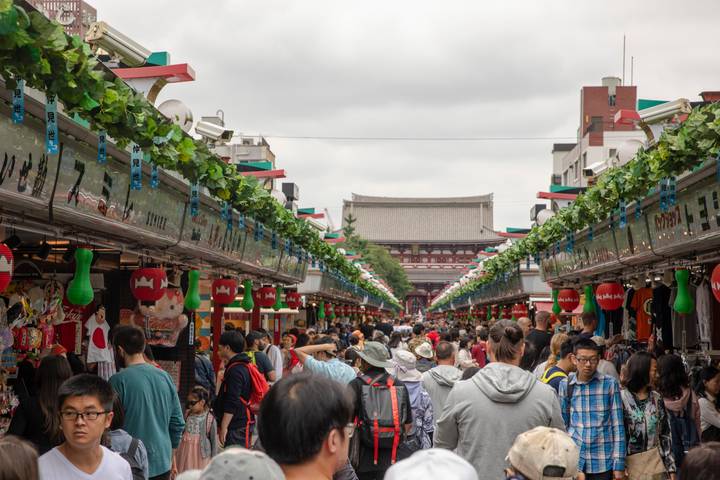
The day continues at Meiji Jingu, a quiet shrine dedicated to Emperor Meiji, followed by Harajuku’s playful fashion scene. An Asakusa walk is also included. You travel by public transport and on foot, so this is a good day to start getting used to Tokyo’s scale and pace. Comfortable shoes matter more than polished ones.
Day 3 brings an Okinawa cooking class focused on ingredients associated with longevity. You prepare the dishes and eat them for lunch, then have the rest of the day free. That open afternoon is valuable in a city as large as Tokyo: you can follow your family’s interests rather than race from one scheduled stop to the next.
The included meals are helpful, but they do not cover every lunch and dinner. Keep some spending money for meals on your own, along with any snacks you may want between activities.
A few more options to weigh up in Tokyo
- Tokyo Disney Resort – Tokyo Disneyland & Tokyo DisneySea Park Tickets
★ 4.8 · 99,488 reviews - SHIBUYA SKY Ticket
★ 4.7 · 46,509 reviews - JR Whole Japan Rail Pass
★ 4.8 · 29,150 reviews
Sumo, Shibu Onsen and a night at the inn
On Day 4, a former wrestler leads a sumo crash course. You learn about the sport’s training and techniques, and get a chance to see sumo wrestling up close. It offers context for a tradition that can look mysterious from the outside, and gives children an energetic start to the day.
Then it is time for the Shinkansen to Nagano, followed by a local train to Shibu Onsen. The ryokan stay is one of the tour’s most distinctive experiences. Expect tatami flooring, futon beds, Japanese-style baths and casual robes, rather than the conveniences of a standard city hotel. Facilities are shared, and the inn is described as simple and traditional.
Dinner is a multi-course kaiseki meal served in your room, with seasonal ingredients. This is a chance to experience Japanese hospitality and customs at a slower pace. If your family needs private facilities or familiar hotel comforts, the night may feel like a stretch; if you are curious about traditional lodging, it is a memorable change of scene.
Your main luggage is sent ahead, so you will not have access to it for about 24 hours. Pack an overnight bag with pajamas, toiletries, medication and anything else you need. Only one bag per person is included in the transfer; extra bags may incur a charge.
Snow monkeys, Zenkoji and Matsumoto Castle
Day 5 takes you to Jigokudani Yaen Koen, where Japanese macaques gather around natural hot spring pools. The monkeys are the draw, but the setting also gives you a taste of Nagano’s mountain country. Snow is not guaranteed just because the animals are called snow monkeys, so treat a white winter scene as a possibility rather than a promise.
Later, you visit Zenkoji, a Buddhist temple dating to the 7th century and associated with one of Japan’s earliest Buddha statues. Moving from wildlife to a major place of worship makes for a varied day, though it does involve local transport and walking.
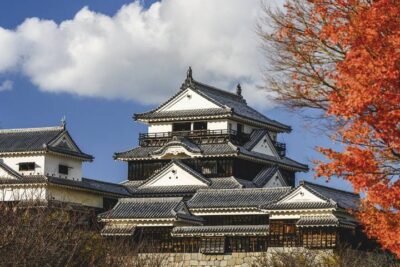
On Day 6, the group travels to Matsumoto Castle, a 16th-century fortress known for its black exterior and nickname, Crow Castle. Its samurai history and stark appearance give you a different view of Japan from the shrines and temples. The castle visit is paired with Ishii Miso, a producer operating since 1868. You see large wooden barrels and learn how miso is made, then taste miso soup and miso ice cream.
That tasting is a particularly useful stop for families: it connects an everyday ingredient to local production, and lets you try a flavor in more than one form. The day is a train outing from the Nagano area, so plan for more time on your feet and in transit.
Kyoto’s market lanes and famous gates
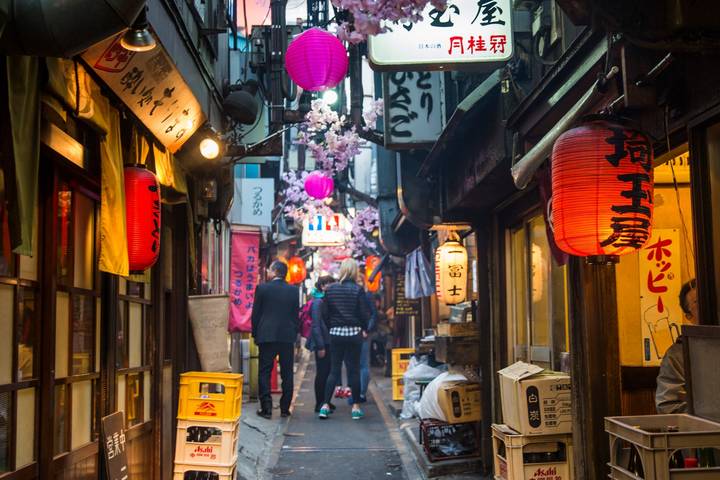
On Day 7, you take the bullet train to Kyoto, the former imperial capital. The group visits Nishiki Market, where stalls sell a range of local foods. Barbecued quail, soy milk donuts and sesame ice cream are among the possible tastes. Sampling is optional, which is good news for cautious eaters and anyone who would rather browse.
The evening walk through Gion brings lantern-lit streets and a chance, not a guarantee, to see geishas moving through the district. It is best to appreciate Gion for its atmosphere and traditional streetscape rather than expect a scheduled encounter. Your Kyoto hotel is the Holiday Inn Kyoto Gojo by IHG.
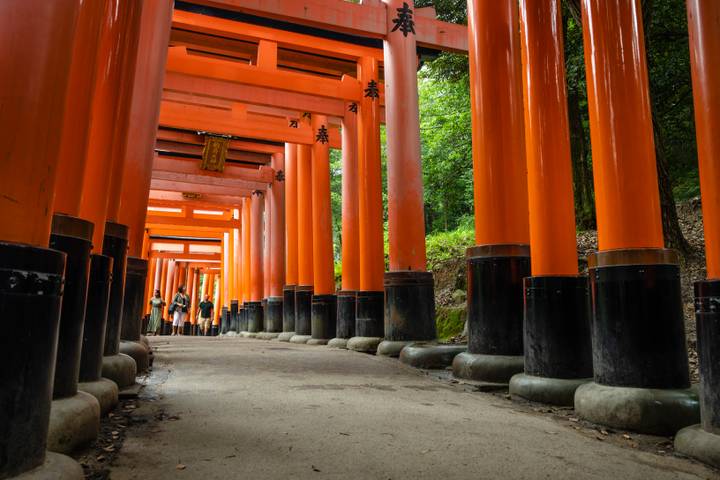
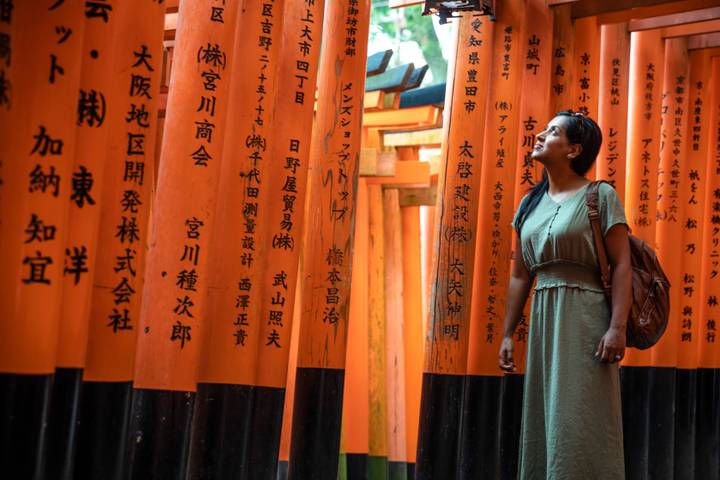
Day 8 begins at Fushimi Inari Taisha, known for the long pathway of vermilion gates. The gates make this one of the tour’s most recognizable sights, but the visit involves walking, and the shrine grounds are not a quick roadside stop. Later, a ramen-making class takes you through making noodles from scratch, followed by lunch. Like the Tokyo cooking class, it turns a familiar dish into a hands-on lesson.
The combination of a major shrine and a kitchen activity works well for mixed ages. One part offers history and setting; the other keeps everyone involved.
A completely different kind of day out:
- Mt Fuji and Hakone 1-Day Bus Tour Return by Bullet Train
★ 5.0 · 26,383 reviews - TOKYO SKYTREE® Ticket
★ 4.7 · 25,136 reviews - teamLab Borderless Tickets: MORI Building DIGITAL ART MUSEUM
★ 4.7 · 24,126 reviews - teamLab Planets TOKYO Ticket
★ 4.7 · 21,663 reviews
Nara’s Buddha, lanterns and free-roaming deer
Day 9 is a rail trip to Nara, Japan’s first capital. At Todaiji, you see a bronze Buddha nearly 50 feet tall, housed in a major temple complex. The scale makes the visit memorable even for children who have seen plenty of temples by this point.
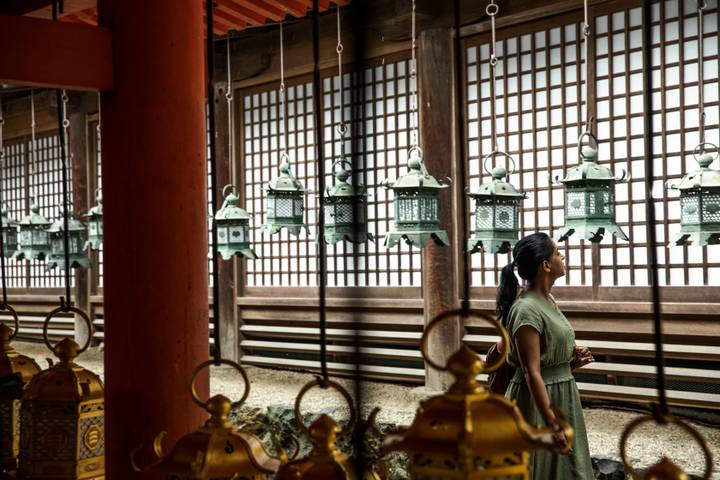
Kasuga Taisha adds a different mood, with stone and bronze lanterns lining its walkways. Nara Park’s semi-domesticated deer are the day’s most playful stop, while Naramachi offers shops and galleries before the group returns to Kyoto.
This is a substantial day out, with train travel and walking built in. The deer are a distinctive part of the experience, but they are animals, not props; follow the leader’s instructions and keep children close.
Samurai swordplay and a final Kyoto evening
On Day 10, you learn basic samurai swordplay and watch kembu masters perform sword dances. The lesson gives you a physical sense of the discipline behind the imagery, while the performance adds polish and ceremony.
In the afternoon, visit Kiyomizudera, perched on a hillside. The temple’s activities include ringing prayer bowls, drinking water from a sacred waterfall said to grant wishes, and walking through the lightless Tainai Meguri tunnel, which symbolizes a journey to enlightenment. The tunnel may not suit everyone, especially anyone uncomfortable in dark, enclosed spaces, so families can decide on the spot.
A farewell dinner closes the trip. Day 11 has no planned activities, and breakfast is included before you depart from Kyoto. No departure transfer is listed, so make your own arrangements to reach the airport or your next stop.
What the price covers, and what it does not
The starting price is $6,299 per person, based on the cheapest room and twin-share occupancy. Children under 12 receive a $200 discount. The price is substantial, but it includes 10 nights of accommodation, transport between destinations and to included activities, an arrival transfer, the expedition leader, and several experiences that would take time to arrange independently.
Meals included are 10 breakfasts, two lunches and two dinners. The two lunches are from the cooking classes, and the dinners include the ryokan kaiseki meal and the final Kyoto dinner. Other lunches and dinners are on your own, as are flights, travel insurance, optional activities and the departure transfer. A rail pass is not included.
Value here depends on how much you want a guided family trip. You pay for a route that joins Tokyo, Nagano, Matsumoto, Kyoto and Nara, with transport and cultural activities organized for you. If you prefer to build your own schedule, stay in one place longer or choose every meal and hotel yourself, independent travel may give you more control.
The practical details families should know
This is a medium-intensity tour for ages 7 and up, with a group size of 10 to 20 and English-language guidance. The schedule uses metro trains, local trains, bullet trains, buses and plenty of walking. The tour information advises an average level of fitness and says you should be able to walk unaided for long periods.
Luggage is transferred between cities, but it may arrive the following day. On train days, carry an overnight bag with essentials. Bags brought onto the Shinkansen must measure less than 160 centimeters in total, and only one bag per person is covered by the transfer service.
A triple room can be requested for a family with a minor, at no extra cost if confirmed. Triple rooms are limited, so raise the request early; if one cannot be confirmed, the stated alternatives are cancellation without penalty or, for two adults, paying extra for a separate room. Parents or guardians must supervise children throughout. One adult can accompany up to two minors.
Tattoos may need to be covered, and tattooed visitors may not be permitted in public spas or onsens. Departures are listed for March, April, June, July, August, November and December. Check the dates that suit your family before building the rest of your travel plans around the tour.
Should you book this Japan family journey?
I would choose this trip if your family wants a guided introduction to Japan that mixes famous sights with activities children can take part in. The strongest elements are the taiko class, sumo lesson, ryokan dinner, snow monkeys and two cooking experiences. A June 2024 family found that the children in its group got along well and that the guides were accommodating, a useful sign for families who value a supportive group atmosphere.
Think twice if your children dislike walking, changing hotels or following a full group schedule. The tour also leaves some meals and free-time plans to you, and the traditional inn is simple. For families ready to trade a little independence for a carefully connected route and hands-on learning, it offers a rewarding first look at Japan.
FAQ
How long is the tour, and where does it start and end?
The tour lasts 11 days. It starts in Tokyo and ends in Kyoto.
What is the minimum age?
Children must be at least 7 years old to join this family tour.
How large is the group?
The group size is listed as 10 to 20 people.
What language is the tour guided in?
The tour is guided in English by an expedition leader.
Are flights included?
No. Flights are not included in the tour price.
Is an airport transfer included?
An arrival transfer from Tokyo International Airport to the hotel is included. A departure transfer is not included, though one may be arranged locally for an extra charge.
Which meals are included?
The tour includes 10 breakfasts, two lunches and two dinners. The lunches are from the Okinawa cooking class and ramen-making class.
What kind of accommodation is provided?
You stay in hotels for nine nights and a traditional inn, or ryokan, for one night. The ryokan has tatami floors, futon beds and shared facilities.
Do I need to carry my luggage on train days?
You will need an overnight bag because your main luggage may not arrive until the following day. Bags brought on the bullet train must measure less than 160 centimeters in total.
Just added in Tokyo
- Mt. Fuji & Hakone Cherry Blossom private One Day Tour★ 4.5 · 35 reviews
- Fish Market & Tokyo Skyline Private Walking Tour★ 5.0 · 14 reviews
- Private Tour with a Local Guide – Learn about daily life in Japan★ 5.0 · 22 reviews
- Tokyo: 3-Hour Bike/E-Bike Tour of the City’s Highlights★ 5.0 · 209 reviews
- 25-Min Downtown Helicopter Tour : Tokyo Skytree and Tokyo Tower★ 5.0 · 19 reviews
- Official Japan Go-Kart Through Tokyo Bay / Ginza (IDP Required)★ 4.5 · 71 reviews
- 30-Min Tokyo Central Private Heli Tour– Asakusa, Skytree, Shibuya★ 5.0 · 13 reviews
- Tokyo 2-Hour Genuine Samurai Experience: Kendo in Japan★ 5.0 · 112 reviews
Multi-Day Tours That Visit Jigokudani Snow Monkey Park, compared.


Tokyo to Osaka by Rail – Private Tour (14 Days) with Explore!
Read our review →
Japan Adventure 17 Day by INTRO Travel – Tokyo to Kyoto
Read our review →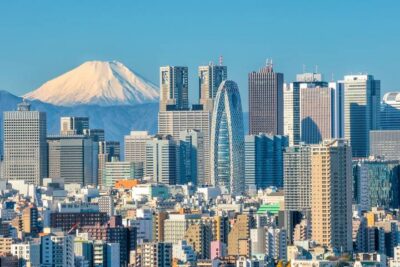
Central Japan by Europamundo – 9-Day Tour from Tokyo
Read our review →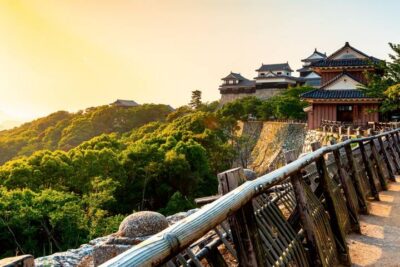
Japanese Scenes and Mount Fuji 19-Day Tour by Europamundo
Read our review →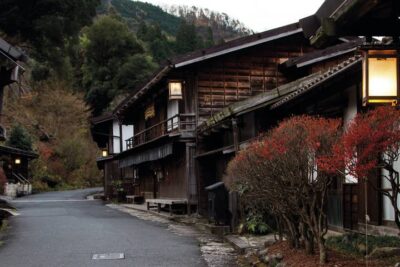
Tokyo, Kyoto and Alps GO by Europamundo – 6-Day Tour
Read our review →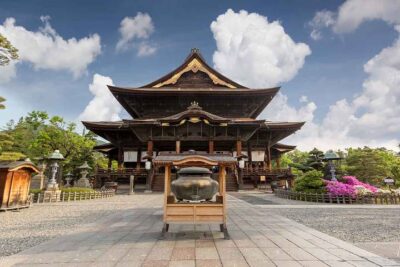
Wonders of Japan end Tokyo 15-Day Tour by Europamundo
Read our review →