Reviewed · TEMPLES AND SHRINES
Japan Family Tour: Shrines & Nakasendo Trail (15 Days) by Odynovo Review
Japan’s old road towns, mountain views and hands-on family activities give this 15-day route a welcome change of pace from a city-to-city checklist. I especially like the three-hour Nakasendo walk from Magome to Tsumago and the mix of Kyoto’s major sights with a tea ceremony. A second plus: private arrangements make it easier to adjust the pace around your family.
One consideration: the route covers a lot of ground, and the two Nakasendo walks require more than casual strolling. The listed starting price also excludes flights, insurance, optional activities and Japan’s accommodation taxes, so get the full cost before you commit.
In This Review
- At a glance
- A route from Tokyo’s shrines to the Nakasendo
- Tokyo’s shrine paths and crowded temple lanes
- Mt. Fuji, Hakone and Nagoya’s machines
- Two Nakasendo walks, two different post towns
- Kyoto’s torii gates, castle and tea
- A guided day in Nara, then Osaka cooking
- Himeji Castle and Kobe’s views
- What the price covers, and what it does not
- Who should book this Japan family tour?
- FAQ
- Where does the tour start and end?
- How long is the tour?
- Are flights included?
- What accommodation is included?
- How much walking is involved?
- Are meals included?
- Is the tour private and guided?
- What is not included in the starting price?
At a glance
- Walk an old post road: Hike from Magome to Tsumago, then take a separate 6-kilometer trail from Yabuhara to Narai.
- See Mt. Fuji from several angles: Visit Oshino Hakkai and Arakurayama Sengen Shrine, then take a Lake Kawaguchiko cruise and ride the panoramic ropeway.
- Mix temples with city choice: Scheduled visits cover Tokyo and Kyoto highlights, while free days in Tokyo and Nagoya let you set your own agenda.
- Give children hands-on stops: The Toyota museums, Nara’s deer and the Osaka cooking class add variety to the shrine-and-castle itinerary.
- Travel privately, but not always by car: Transfers and some driving are arranged, while several legs use trains and some days are independent.
- Budget beyond the starting price: Four-star accommodation and listed entrance fees are included, but flights, insurance, optional activities and accommodation taxes are not.
A route from Tokyo’s shrines to the Nakasendo
The tour starts with a private airport transfer in Tokyo, then moves west through Hakone, Nagoya, the Nakasendo post towns, Kyoto, Nara, Osaka, Himeji and Kobe. It ends in Osaka after 15 days. That one-way route saves you from doubling back to Tokyo, but it does mean several hotel changes and a steady run of sightseeing.
The schedule balances guided visits with open time. Tokyo’s first full day includes Meiji Shrine, the Imperial Palace East Gardens and Senso-ji Temple in Asakusa. The next day is yours to choose: fashion and galleries in Harajuku and Omotesando, or pop culture shops in Akihabara and Ikebukuro. Nagoya also has a free day, while Kyoto and the trail section are more structured.
That mix is useful for families with different interests. A child keen on anime need not spend every free hour at shrines, and adults can take a quieter day between major sightseeing stops. Still, free time is not the same as a guide-led outing: plan your own transport and activities on those days.
More Temples and Shrines in Tokyo
- Tokyo: Meiji Shrine, Asakusa, Skytree Bus Tour and Cruise
★ 4.7 · 1,986 reviews - Tokyo: Asakusa Walking Tour with Sensoji Temple Visit
★ 4.8 · 1,583 reviews - Nikko: Kegon Falls, Lake Chuzenji & Toshogu Temple
★ 4.6 · 1,577 reviews
Tokyo’s shrine paths and crowded temple lanes
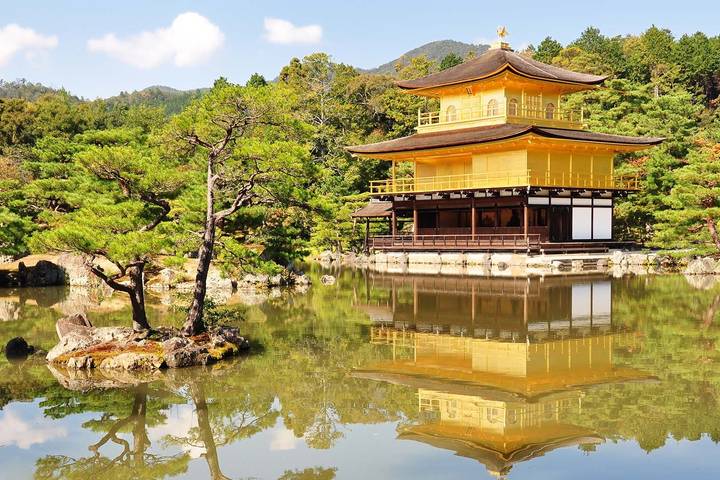
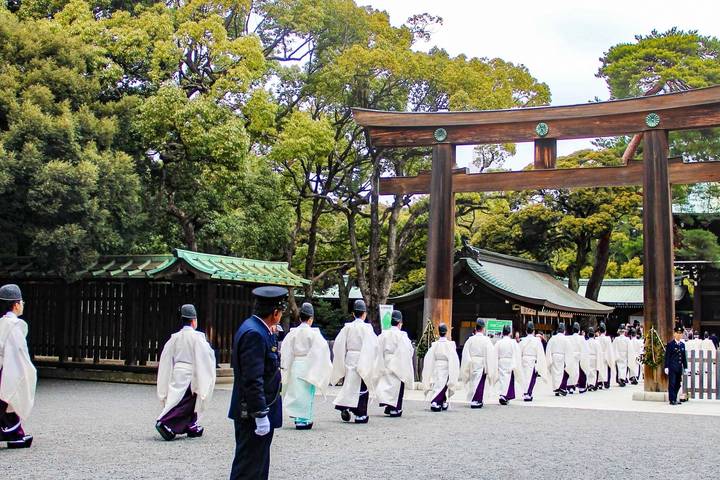
Meiji Shrine begins the cultural side of the trip on a calm note. Its torii gates and wooded paths offer a contrast to the city outside. You can buy amulets or write a wish on an ema plaque, a small ritual that gives children a way to take part rather than simply follow along.
The East Gardens of the Imperial Palace bring stone bridges and moat-side views into the day. Then the mood shifts at Senso-ji in Asakusa, where temple grounds, street food and traditional shops draw a steady crowd. The variety is the point: Tokyo is not presented as only neon and high-rises, nor as a city that has somehow escaped modern life.
Your third day is unstructured. Harajuku and Omotesando suit families interested in fashion and art, while Akihabara and Animate Ikebukuro are better bets for anime fans. Since these options are spread across the city, choose one area rather than trying to cram in every suggestion.
Mt. Fuji, Hakone and Nagoya’s machines
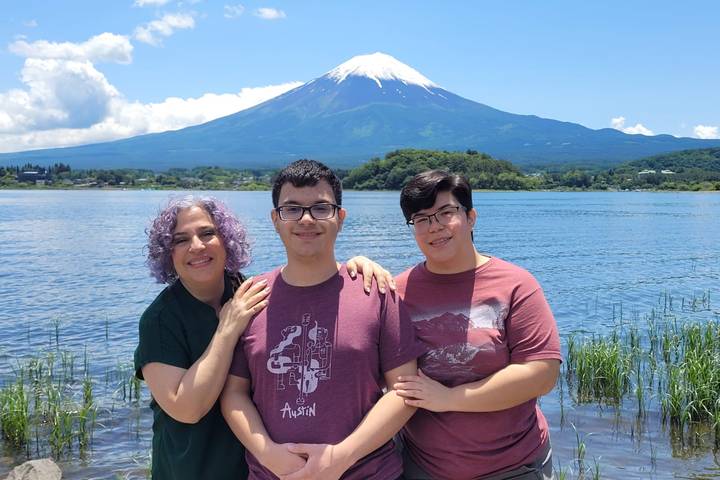
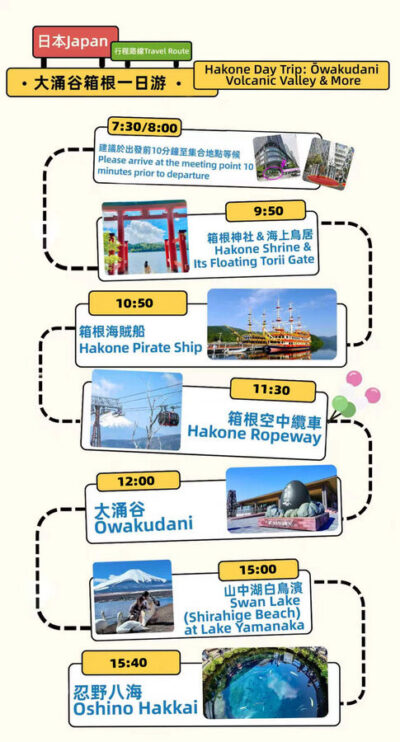
The Mt. Fuji day strings together several well-known viewpoints. At Oshino Hakkai, eight spring-fed pools are the draw; at Arakurayama Sengen Shrine, the hillside setting opens views toward Fuji and Lake Kawaguchiko. A boat ride and the Mt. Fuji Panoramic Ropeway round out the outing.
The payoff depends on the weather. Fuji can disappear behind cloud, so treat the day as a scenic outing rather than a guaranteed clear-mountain photograph. There is also a climb to the shrine viewpoint, so bring shoes you can walk in comfortably.
The tour lists an overnight in Hakone after this day, then a morning for the Hakone Open-Air Museum before travel to Nagoya by train. The museum’s outdoor sculptures make a good change after several shrine visits, though it is optional and may mean an extra cost. Confirm whether its entrance fee is included in your final price, since the tour includes entrance fees for listed sights but labels this visit optional.
Nagoya’s Toyota Commemorative Museum of Industry and Technology gives children a more active way to learn about textile and automobile production. Its Techno World exhibits include virtual clothing design and a wind tunnel. The Toyota Automobile Museum shifts to a collection of more than 200 vintage cars, a strong choice for anyone who enjoys seeing how vehicles have changed over time.
Nagoya’s next day is free. Sakae is the choice for shops and dining; the City Science Museum and SCMAGLEV Railway Park suit families drawn to interactive science and train technology. This free day also gives you room to rest before the walking section.
Two Nakasendo walks, two different post towns
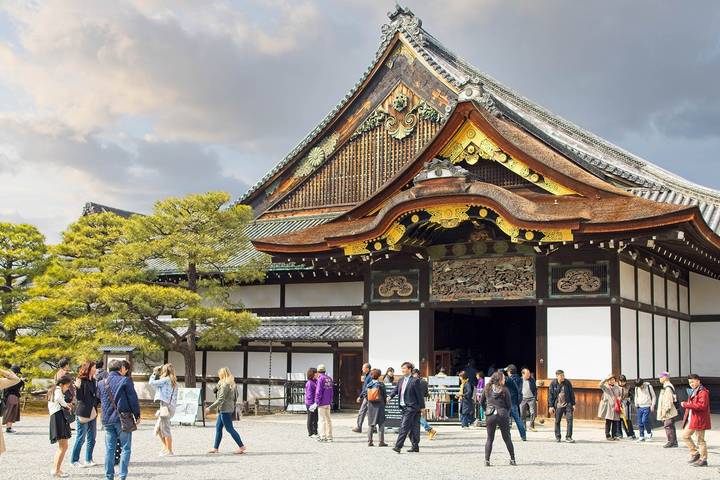
The Nakasendo Trail is the itinerary’s most distinctive stretch. This historic route once linked Edo, now Tokyo, with Kyoto. You walk a section between Magome-juku and Tsumago-juku, two post towns where old route-side buildings and rural scenery help bring the road’s purpose into focus.
The first walk takes about three hours. Expect forest paths, streams, cobbled sections, traditional cottages and rice paddies. It is a proper walk, not a quick stop for photos, so comfortable footwear and a day bag matter. The tour is described as low intensity overall, but that label should not make you overlook the time on your feet.
The second walk runs about 6 kilometers from Yabuhara toward Narai, climbing gradually to Torii Pass. Views of Mount Ontake are part of the reward when conditions allow. Narai’s old wooden buildings now house cafes, shops and museums, giving you time to explore after the trail rather than rushing straight onward.
An overnight in Tsumago and then Narai lets you experience the post towns beyond a brief daytime visit. That slower pace is a real strength, though these days will likely be less comfortable for anyone who dislikes uneven paths or repeated hotel check-ins.
A completely different kind of day out:
- Tokyo Disney Resort – Tokyo Disneyland & Tokyo DisneySea Park Tickets
★ 4.8 · 99,488 reviews - SHIBUYA SKY Ticket
★ 4.7 · 46,509 reviews - JR Whole Japan Rail Pass
★ 4.8 · 29,150 reviews - Mt Fuji and Hakone 1-Day Bus Tour Return by Bullet Train
★ 5.0 · 26,383 reviews
Kyoto’s torii gates, castle and tea
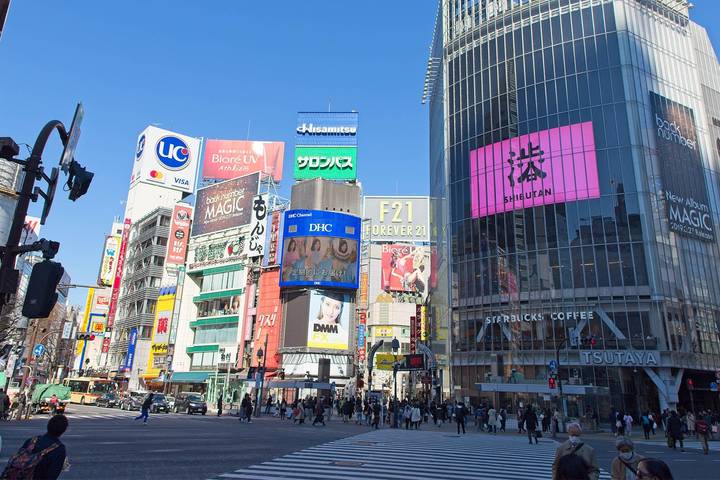
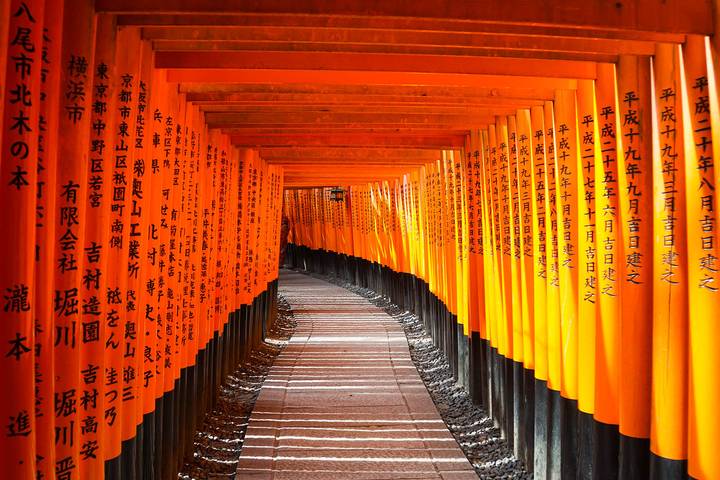
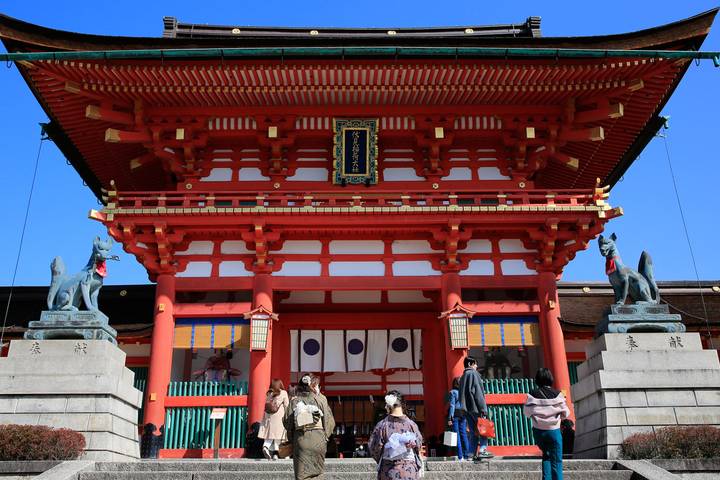
After Narai, you travel to Kyoto. The city’s imperial and religious heritage gets a full day of attention, starting at Fushimi Inari Shrine. Its many red torii gates line paths up the hillside; you can walk as far as your schedule and energy allow rather than treating the whole route as a quick photo stop.
Nishiki Market adds a food-focused break, with stalls selling Japanese delicacies and produce. Nijo Castle brings a different kind of history: ornate rooms and floorboards designed to creak as a warning against intruders. The day ends with a tea ceremony, where a tea master prepares powdered green tea and explains the ritual. That quieter, focused activity is a useful counterpoint to the crowds at the major sights.
The schedule is full, and the combination of Fushimi Inari, Nishiki Market, Nijo Castle and a ceremony makes for a long day. If your family prefers a slower pace, ask Odynovo whether the timing can be adjusted. The tour is private and personalized, but changes should be confirmed before booking.
A guided day in Nara, then Osaka cooking
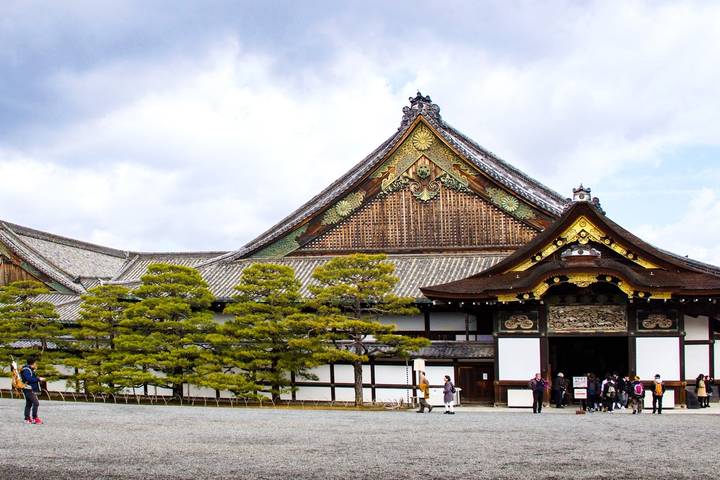
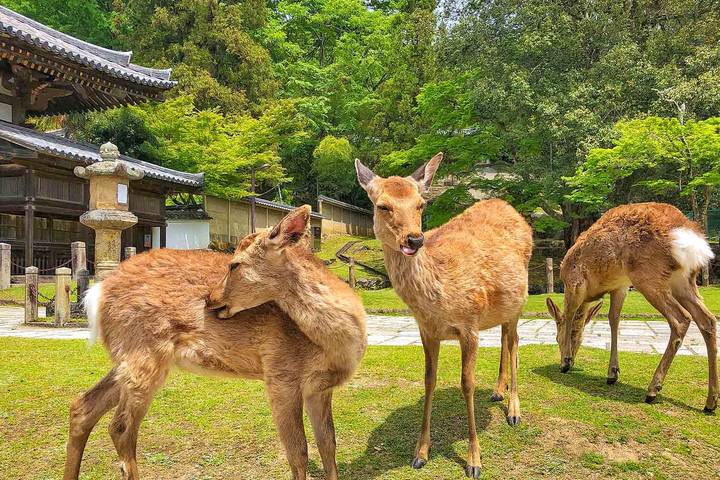
The Nara day adds deer, a major temple and an old town to the route. At Nara Park, deer roam freely, and you visit Todai-ji, the UNESCO-listed temple that houses a large bronze Buddha. Naramachi’s narrow lanes offer a quieter look at traditional streets, while Kasuga Taisha is known for its many stone lanterns.
The day is guided and includes train journeys between Kyoto and Nara. That help can make a multi-stop day easier to manage, especially with children, though it is another full day on foot.
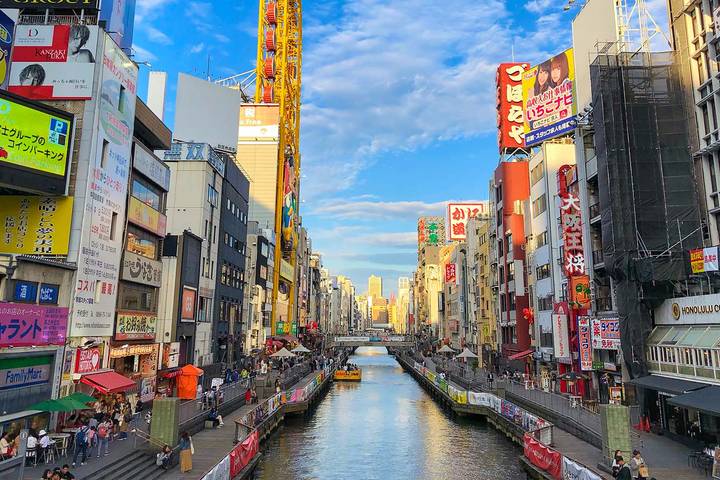
In Osaka, a family cooking class brings everyone into the action. You learn to prepare nori-wrapped salmon and shrimp and make miso broth. It is a practical cultural activity: rather than only sampling dishes, you see how parts of a meal come together.
One optional suggestion needs checking before you plan around it. The Cup Noodles Museum mentioned in the schedule is in Yokohama, not Osaka, so it is not a simple local add-on to an Osaka morning. Ask the operator what they intend to arrange and whether it fits your route. Osaka itself is left largely open before the cooking class.
Himeji Castle and Kobe’s views
On the final full day, a driver takes you to Himeji Castle, about two hours from Osaka by road. Its white exterior and sloping roofs make it one of the trip’s most striking historic stops. The drive makes this an efficient way to see Himeji and Kobe in one day, although there is less freedom than on the independent days.
In Kobe, you can choose an optional Kobe beef lunch, ride the Nunobiki Ropeway for views over the city and Osaka Bay, then visit the herb garden or Hakutsuru Sake Brewery Museum. The ropeway is included; the lunch and the two optional stops may cost extra. If you want to include a particular option, check the timing and price in advance.
The last morning is a transfer from your Osaka hotel to the airport. International flights are not part of the package, so leave enough time between the included transfer and your flight schedule.
What the price covers, and what it does not
The tour starts at $7,246, with the price based on the cheapest room. That figure buys a private 15-day itinerary, four-star accommodation, English-speaking guides for scheduled sightseeing, listed entrance fees, in-country transport as specified, one bottle of water per person per day, 14 breakfasts and one dinner.
The value lies in having the route and many of its moving parts arranged for you. Private transfers, guides and train travel can save planning effort across a long trip, and the operator’s 4.9 out of 5 rating across 461 TourRadar reviews is a positive signal. A past Odynovo client also described a highly flexible planning process with Cathy Hou, and praised the English-speaking guides, careful drivers and attention to detail. That is encouraging, but it is one account, not a guarantee of the same staff or service on your departure.
The starting price is not the final bill. Flights, insurance, gratuities, visas, personal expenses and optional activities are excluded. Japan’s accommodation tax is paid directly to hotels, and the amount can differ by location. Hotel rooms in Japan, especially in Tokyo, may be smaller than you expect: the stated typical size for three- to four-star rooms is 14 to 18 square meters.
Ask for a current, itemized quote before booking. Peak periods such as cherry blossom season, fall colors and ski season can affect availability and price, as can last-minute bookings. The tour also offers Jain, vegetarian, vegan, halal and kosher meal options on request, so raise dietary needs while planning.
Who should book this Japan family tour?
This route suits families who want a private trip with cultural highlights, varied transport and some practical activities for children. It also works for adults traveling together who would rather have guides and transfers arranged than build a 15-day Japan route from scratch. The Toyota museums, Nara deer and cooking class help break up the temples and historic sites.
It is less suited to anyone who wants a slow stay in one or two places. You change bases several times, and the Nakasendo section includes two walks, one around three hours and another about 6 kilometers. If your group has limited walking stamina, ask how the trail days can be adapted before paying a deposit.
I would consider booking if the private format and broad route match your priorities, and the full quote fits your budget. Before confirming, check room arrangements, the optional activity costs, how the free days are supported, and the Yokohama museum detail. Those answers will tell you whether this is a ready-made family journey or one that needs a few practical adjustments.
FAQ
Where does the tour start and end?
It starts in Tokyo and ends in Osaka. A private airport transfer is arranged on arrival and a transfer to Osaka airport is listed for departure.
How long is the tour?
The tour lasts 15 days, with 14 nights included in the itinerary.
Are flights included?
No. You arrange and pay for flights to Japan and home from Osaka separately.
What accommodation is included?
Four-star accommodation is included, subject to availability when booked. Rooms in Japan may be smaller than rooms in some other countries, and accommodation taxes are paid directly to the hotels.
How much walking is involved?
The tour is rated low intensity, but it includes a roughly three-hour walk from Magome to Tsumago and a second hike of about 6 kilometers from Yabuhara to Narai. Expect additional walking at temples, shrines and museums.
Are meals included?
The tour includes 14 breakfasts and one dinner. Special meal options, including vegetarian, vegan, halal, kosher and Jain meals, can be requested.
Is the tour private and guided?
Yes. It is a private tour for your party, with English-speaking guides for sightseeing listed in the itinerary. Some days are free for independent exploration.
What is not included in the starting price?
Flights, insurance, gratuities, visas, accommodation taxes, optional activities, personal expenses and pre- or post-tour accommodation are not included. The starting price can also change during peak seasons or for last-minute bookings.
Just added in Tokyo
- Mt. Fuji & Hakone Cherry Blossom private One Day Tour★ 4.5 · 35 reviews
- Fish Market & Tokyo Skyline Private Walking Tour★ 5.0 · 14 reviews
- 25-Min Downtown Helicopter Tour : Tokyo Skytree and Tokyo Tower★ 5.0 · 19 reviews
- Private Tour with a Local Guide – Learn about daily life in Japan★ 5.0 · 22 reviews
- Tokyo: 3-Hour Bike/E-Bike Tour of the City’s Highlights★ 5.0 · 209 reviews
- 30-Min Tokyo Central Private Heli Tour– Asakusa, Skytree, Shibuya★ 5.0 · 13 reviews
- Tokyo 2-Hour Genuine Samurai Experience: Kendo in Japan★ 5.0 · 112 reviews
- Official Japan Go-Kart Through Tokyo Bay / Ginza (IDP Required)★ 4.5 · 71 reviews
Temples and Shrines, compared.
![[Kyoto & Nara Day Tour] Sagano Scenic Railway & Nara Park & Fushimi Inari Taisha Thousand Torii Gates & Togetsukyo Bridge & Bamboo Grove & Kimono Forest (Departing from Osaka)](https://media.japanvisits.com/wp-content/uploads/kyoto-nara-day-tour-sagano-scenic-railway-nara-park-fushimi-inari-taisha-thousand-torii-gates-togetsukyo-bridge-bamboo-grove-kimono-forest-departing-from-osaka-k110001-400x257.jpg)
Kyushu One-Day Tour: Yufuin no Mori Train & Yufuin Town & Nyoirin-ji Temple & Dazaifu & Hell Hot Springs (Departing from Fukuoka)
Read our review →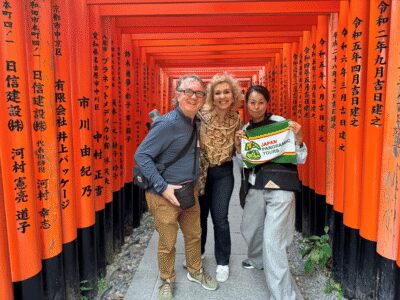
Fushimi Inari, Kinkakuji, Bamboo Grove 1 Day Bus Tour
Read our review →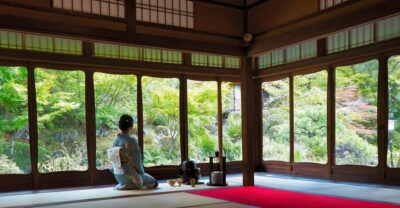
Tea Ceremony in a Traditional Tea House in Kiyomizu
Read our review →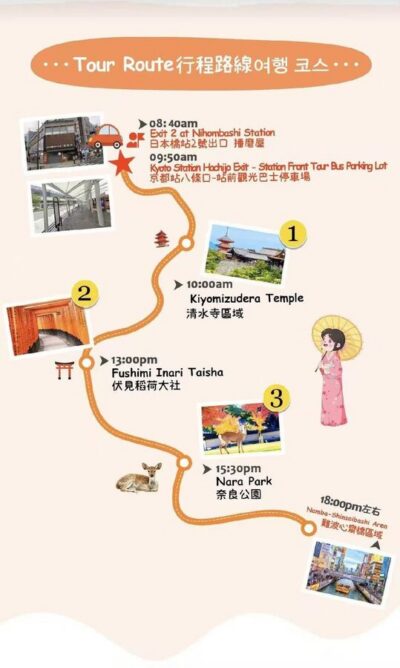
Kyoto Nara Day Trip │ Kiyomizu-dera Temple + Fushimi Inari-taisha Shrine + Nara Park (Departing from Osaka/Kyoto)
Read our review →