Reviewed · MULTI-DAY TOURS THAT VISIT NAGOYA
Japan & South Korea: From Tokyo to Seoul (Tokyo to Seoul, 2027) by Collette: Itinerary & Reviews
Japan & South Korea: From Tokyo to Seoul is built around a striking contrast: one day you’re riding the shinkansen across Japan, the next you’re listening to a North Korean defector in Seoul. The route pairs famous sights with personal encounters, from an ama hut dinner in Ise-Shima to a conversation with a Hiroshima survivor.
I especially like the hands-on cooking in Hiroshima and Kyoto, where you make okonomiyaki and sushi rather than just hearing about them. The other standout is the mix of perspectives: a Hiroshima survivor’s account and a North Korean defector’s story give weight to the history you encounter.
The main consideration is the pace. You cover several Japanese cities, change hotels, and cross to South Korea in 16 days, with some free time but plenty of scheduled movement. The price starts at $8,999, so this is best suited to someone who values guided logistics and included cultural activities over designing a trip independently.
In This Review
- At a glance
- A fast-moving route with a strong human thread
- Tokyo: subways, shrines, and space to explore
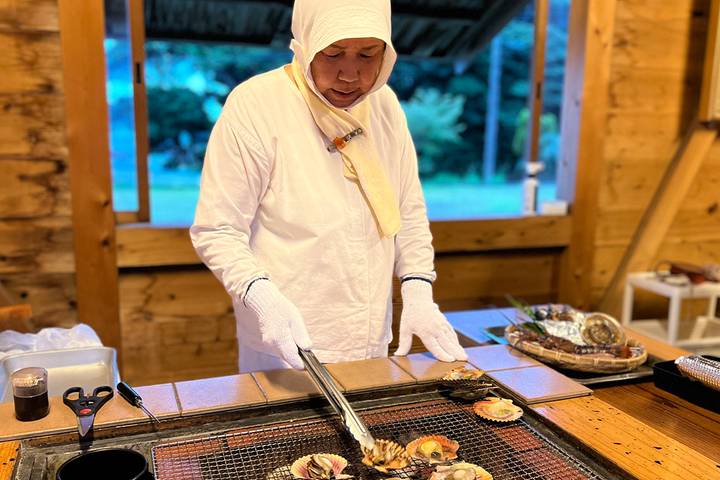
- Ise-Shima: meet the women of the sea
- Hiroshima: history, memory, and okonomiyaki
- Kyoto: neighborhood walks and the Golden Pavilion
- Seoul: crossing the DMZ and meeting local hosts
- Hotels, meals, pace, and price
- Who should book this tour?
- FAQ
- How long is the tour?
- Which countries does the tour visit?
- What language is the tour guided in?
- How many people can be in the group?
- What is the physical intensity?
- Which months have departures?
- Which meals are included?
- Does the tour visit the DMZ?
- What is the starting price?
At a glance
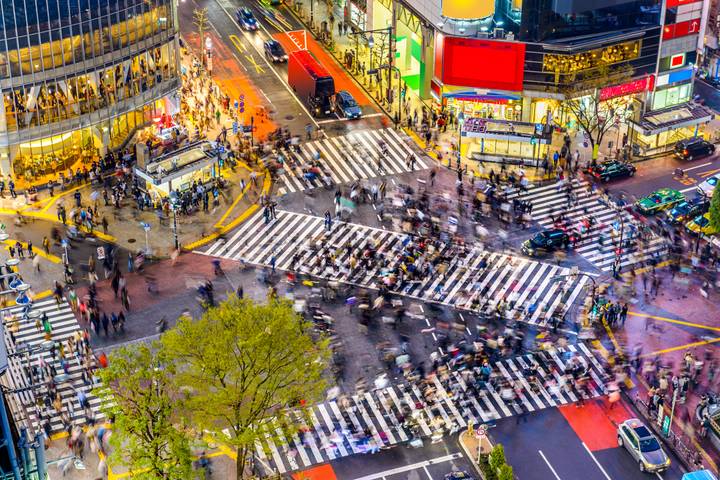
- Tokyo by subway: See Shibuya Crossing, the Imperial Palace, Ginza, Sensoji Temple, and Nakamise Street.
- Shinkansen travel: Ride Japan’s bullet train between major stops, with a change to coach in Nagoya for Ise-Shima.
- Ise-Shima’s ama tradition: Visit the Mikimoto Pearl Museum, help clean Azurihama Beach, and share a charcoal-grilled seafood meal at an ama hut.
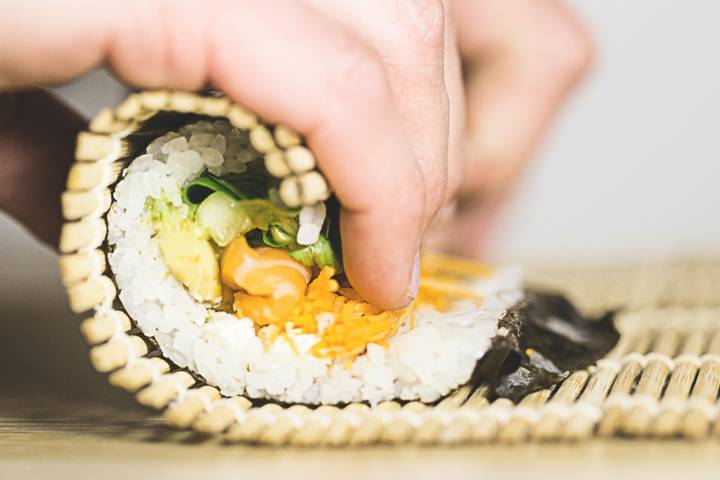
- Cooking with local context: Make Hiroshima-style okonomiyaki and learn sushi preparation in Kyoto.
- History with human voices: Visit Hiroshima Peace Memorial Park and the museum, then hear from a survivor; in Seoul, meet a North Korean defector.
- A rare border visit: Tour several sites at the DMZ, including Dora Observatory and the 3rd Infiltration Tunnel.
A fast-moving route with a strong human thread
This tour links Japan’s capital, coastal Ise-Shima, Hiroshima, Kyoto, and South Korea’s capital. Its appeal is not simply the number of landmark stops. The itinerary creates room for encounters that help you understand why a place matters, whether that means hearing about life as an ama woman or listening to a personal account of the atomic bombing.
Collette runs the trip as a fully guided group tour in English, with a stated group size of 2 to 44. That is a wide range: the group may be small, but it could also be large enough that transitions take longer. A tour manager handles the route’s moving parts, including train travel, local transfers, and the flight from Japan to South Korea.
The schedule is moderately demanding. You’ll use the subway, walk through temple and palace grounds, board trains and ferries, and change cities several times. It is not a hiking tour, but you should be comfortable spending active days on your feet and moving with a group.
A few more options to weigh up in Tokyo
- Tokyo Disney Resort – Tokyo Disneyland & Tokyo DisneySea Park Tickets
★ 4.8 · 99,488 reviews - SHIBUYA SKY Ticket
★ 4.7 · 46,509 reviews - JR Whole Japan Rail Pass
★ 4.8 · 29,150 reviews
Tokyo: subways, shrines, and space to explore
Your first full day in Tokyo is deliberately open, which is helpful after an overnight flight. Arrival times vary, so there is no scheduled sightseeing. You can keep the day simple: walk near the hotel, eat when you’re hungry, and let your body adjust before the sightseeing begins.
The next day introduces Tokyo by subway, a practical choice in a city where public transport is part of daily life. You’ll visit Shibuya Crossing, then have time to look around before seeing the Imperial Palace and Niju Bridge and continuing to Ginza. The welcome dinner gives you a chance to meet the group before the itinerary gathers speed.
On the following morning, Sensoji Temple and Nakamise Street offer a more traditional counterpoint. Incense, worship, snack stalls, and souvenir shops all share the same stretch of Asakusa. The scheduled visit ends around 2 p.m., leaving you time to choose your own afternoon, perhaps at the Tokyo National Museum or over a bowl of ramen at a neighborhood izakaya.
That independent time is a real plus, especially if you prefer to follow your interests rather than spend every hour in a group. The trade-off is that Tokyo’s scale can make even a short outing feel like a project. Keep your plans manageable and make the most of the included subway introduction.
Ise-Shima: meet the women of the sea
The trip west begins aboard the shinkansen, Japan’s famously swift bullet train. You’ll pass towns, fields, and distant mountains, with a chance of spotting Mt. Fuji depending on conditions and your side of the train. In Nagoya, you change to a coach for the final leg to Ise-Shima, a coastal region known for its shoreline and sacred forests.
The Mikimoto Pearl Museum introduces the tradition of ama women, who have long worked underwater to gather shellfish and pearls. You’ll learn about their skills and history, and watch them at work. This is a valuable shift away from city sightseeing: the day focuses on a local livelihood and the people who sustain it.
Later, a ferry takes you to Azurihama Beach for a shoreline cleanup with ama women. It is a modest, direct way to take part in caring for a place rather than simply viewing it. The evening meal at an ama hut is another highlight, with seafood cooked over charcoal and time to hear stories from the women who carry on the tradition.
The setting and the meal make this more than a museum visit, though it is worth remembering that this is a scheduled group activity, not an open-ended stay by the sea. You’ll travel to the beach by ferry and follow the tour’s timing. If local food and first-person conversations matter to you, this stop earns its place in the itinerary.
Hiroshima: history, memory, and okonomiyaki
You continue to Hiroshima by shinkansen. That evening, a private cooking class introduces okonomiyaki, a savory pancake strongly associated with the city. You prepare the dish with local instructors and eat what you make. The practical pleasure of cooking is part of the appeal: you leave with a clearer sense of a local favorite than you would from ordering it without context.
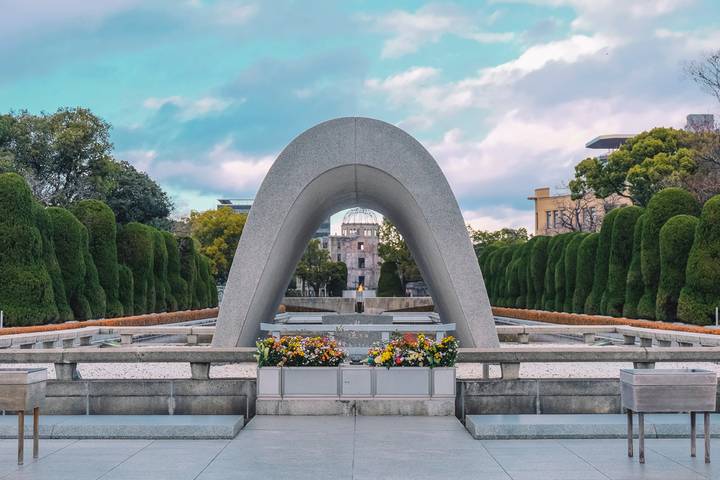
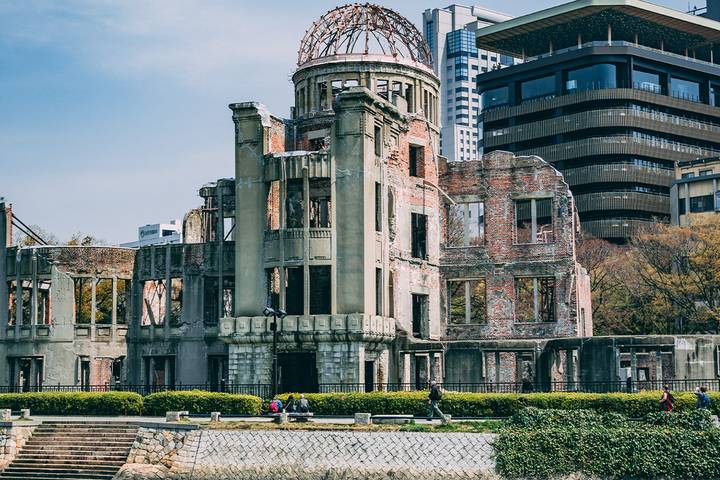
The next day is more solemn. Peace Memorial Park, the Atomic Dome, and the Hiroshima Peace Memorial Museum help explain the scale and consequences of the atomic bombing. The tour also includes a meeting with a survivor, whose firsthand account brings the history out of the museum and into the present. Make room for quiet afterward; this can be an emotionally demanding visit.
The afternoon changes mood as you take a ferry to Miyajima Island. Itsukushima Shrine and the O-torii Gate are among Japan’s best-known sights, with the gate rising from the water. The island visit offers beauty and a change of pace, but the day’s emotional range is wide, from the history of the bombing to a celebrated shrine setting.
One past participant particularly valued the interactive cooking and described the Hiroshima visit as heartfelt because of the firsthand story. That points to the itinerary’s strength: the activities are not only scenic stops, but chances to learn by making, listening, and taking part.
A completely different kind of day out:
- Mt Fuji and Hakone 1-Day Bus Tour Return by Bullet Train
★ 5.0 · 26,383 reviews - TOKYO SKYTREE® Ticket
★ 4.7 · 25,136 reviews - teamLab Borderless Tickets: MORI Building DIGITAL ART MUSEUM
★ 4.7 · 24,126 reviews - teamLab Planets TOKYO Ticket
★ 4.7 · 21,663 reviews
Kyoto: neighborhood walks and the Golden Pavilion
A shinkansen ride takes you from Hiroshima to Kyoto, where guided walks through Gion and Higashiyama introduce streets known for traditional architecture and everyday activity. You may see a geiko or maiko heading to an appointment, but treat that as a possibility, not a scheduled sight. The neighborhoods are interesting even without a chance encounter: look at the lanes, shops, and buildings as places where people live and work, not just a stage set.
The following day is free for your own plans, or you can join an optional visit focused on circular agriculture, including the chance to pick and taste fresh produce. Staying in the city gives you time for Gion’s temples, shrines, and shops, or the Kyoto Imperial Palace grounds. This open day is useful after several consecutive travel and sightseeing days, and it gives you room to choose between food, gardens, and historic sites.
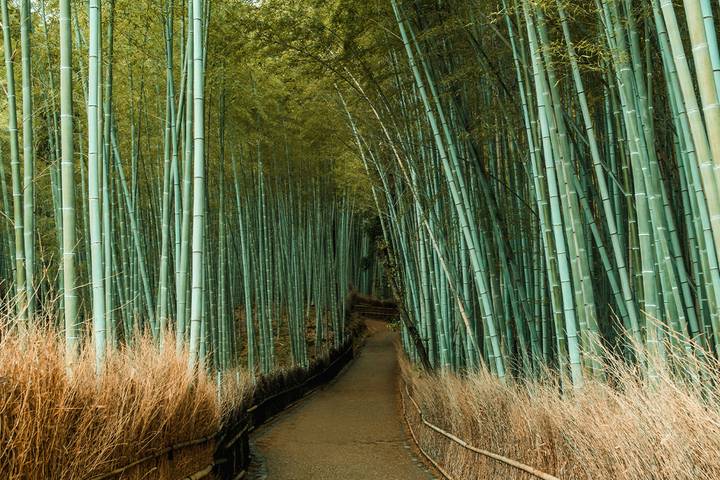
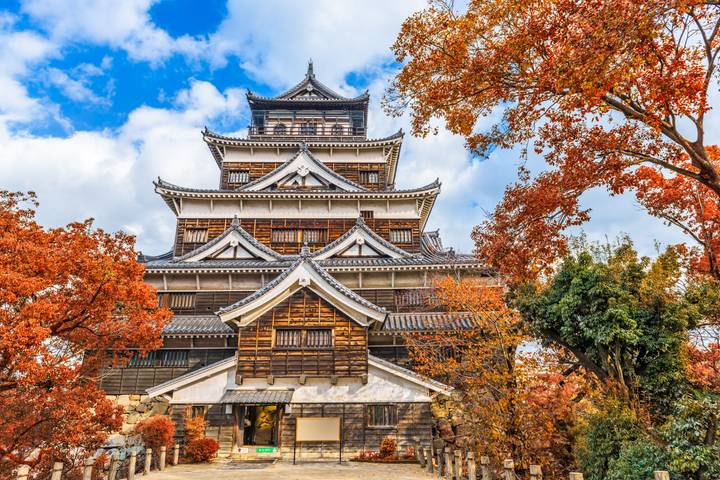
On the next day, you visit the Arashiyama bamboo forest and Kinkaku-ji, the Golden Pavilion. Arashiyama’s tall bamboo makes a memorable walk, though the path is a short, popular sightseeing stop rather than a quiet countryside trek. At Kinkaku-ji, the gold-leaf-covered upper floors reflect in the surrounding water. The temple’s history as a shogun’s retirement home and later a Zen temple gives the view more context than its striking exterior alone.
That evening’s sushi-making class provides another practical counterpoint to sightseeing. You learn the preparation and enjoy the sushi you make. Between the okonomiyaki session and this class, the tour gives you two chances to take part in Japanese food traditions, rather than treating meals as filler between landmarks.
Seoul: crossing the DMZ and meeting local hosts
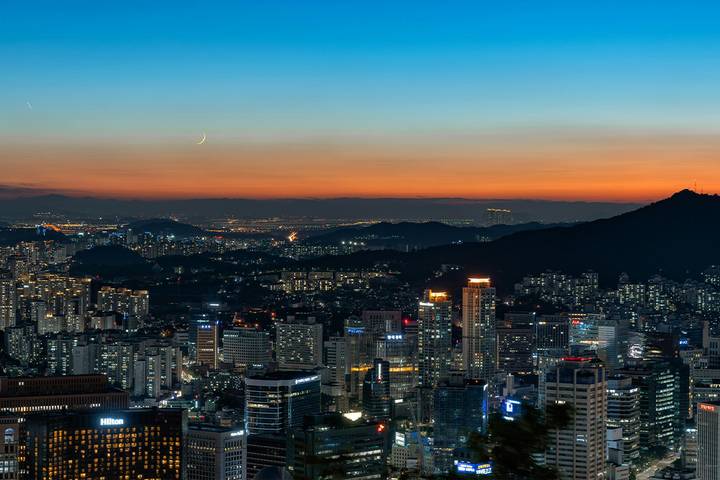
You fly from Kyoto to Seoul, arriving in the afternoon. The evening includes dinner at a local restaurant, a gentle first introduction to a city that feels different from Japan’s cultural and historic centers. The international flight is a useful time-saver, though air travel means another transition and a change of pace.
The next day takes you north to the Korean Demilitarized Zone. Stops include Imjingak Park, the Bridge of Freedom, the DMZ Theater and Exhibition Hall, Dora Observatory, and the 3rd Infiltration Tunnel. Together, they offer a view of the division between North and South Korea and the unresolved legacy of the Korean War. Access is subject to the conditions of a highly controlled border area, so expect a structured visit rather than a free-ranging excursion.
A particularly meaningful day follows in Seoul. First, a North Korean defector speaks about life in the North, escape, and rebuilding a life in South Korea. Later, you visit a local market to gather ingredients before sharing a traditional lunch hosted by a Korean family. The order matters: the talk and the meal offer different kinds of insight, one focused on a difficult political reality and the other on daily life at home.
On your last full day, ride the subway to Gyeongbok Palace for a tour of the grounds and the ceremonial changing of the guard. Then explore Insadong Street, with its tea shops, galleries, boutiques, and cafes. The afternoon is free for a museum visit, including the Museum of Contemporary History or the National Museum of Korea, before a farewell dinner.
The Seoul portion balances formal history with personal encounters and time to explore. You get a full day at the DMZ, but not an overnight near the border, and the free time is limited to a few afternoons and evenings. If you want several unstructured days in Seoul, this schedule may feel tight.
Hotels, meals, pace, and price
The tour uses hotels, including named properties such as the Hilton, Shima Kanko Hotel, ANA Crowne Plaza, Hotel Okura, and Courtyard Marriott Namdaemun. The exact hotel sequence should be confirmed for your departure, since the published accommodation details are not fully consistent across the day-by-day schedule. In general, expect established hotels rather than homestays, apart from the hosted Korean lunch.
The package includes 14 breakfasts, 2 lunches, and 7 dinners. Meals tied to the cooking classes, the ama hut, the Seoul family visit, and group dinners help make the itinerary feel connected to local food. You will still need to budget for many lunches and dinners, as well as personal purchases and any optional activity you choose.
At $8,999 and up, the tour is a substantial purchase. The value comes from having transport, hotels, an English-speaking guide, and a dense set of cultural activities arranged across two countries. Train rides, the Japan-to-Korea flight, cooking sessions, guided sightseeing, and the personal talks would take planning to coordinate independently.
That convenience has a cost, and a group tour cannot offer the same freedom as booking your own hotels and setting your own pace. The group size can reach 44, too, which may feel less intimate than a small-group trip. The price is easier to justify if you want the logistics handled and place a high value on the included encounters.
The tour requires a $349 deposit, with the balance due 95 days before departure. Interest-free installments every two weeks are available, and there is no booking fee. Check what is included in the price for your chosen departure before you commit, particularly any travel costs not clearly specified in your quote.
Who should book this tour?
I’d consider this trip if you want a structured introduction to Japan and South Korea, enjoy history and food, and value meeting people as much as seeing famous sights. The ama hut dinner, Hiroshima survivor meeting, cooking classes, family lunch, and defector talk give the route a personal focus that many city-and-temple tours lack.
It should also suit families and a broad age range: the listed age range is all ages, though the medium-intensity rating means participants should be comfortable with active sightseeing and frequent transitions. If you need a slow pace, want extensive independent time, or prefer to choose every hotel and meal yourself, a self-planned trip may suit you better.
I’d book it for the encounters and the cross-country logistics, not because it promises a leisurely holiday. You’ll cover a lot in 16 days, but the route gives each major stop a clear purpose: Tokyo for daily city life, Ise-Shima for coastal tradition, Hiroshima for remembrance, Kyoto for temples and food, and Seoul for modern Korea and the divided peninsula.
FAQ
How long is the tour?
The tour lasts 16 days, beginning in Tokyo and ending in Seoul.
Which countries does the tour visit?
It visits Japan and South Korea, with stops including Tokyo, Ise-Shima, Hiroshima, Kyoto, and Seoul.
What language is the tour guided in?
The tour is guided in English.
How many people can be in the group?
The stated group size is 2 to 44 people.
What is the physical intensity?
The tour is rated medium intensity. Expect city walks, visits to temple and palace grounds, and repeated transfers by train, coach, ferry, and plane.
Which months have departures?
Departures are listed for March, June, September, October, November, and December.
Which meals are included?
The package includes 14 breakfasts, 2 lunches, and 7 dinners.
Does the tour visit the DMZ?
Yes. The visit includes Imjingak Park, the Bridge of Freedom, the DMZ Theater and Exhibition Hall, Dora Observatory, and the 3rd Infiltration Tunnel.
What is the starting price?
The listed starting price is $8,999, based on the cheapest room. The final price may vary by departure and room choice.
Just added in Tokyo
- Mt. Fuji & Hakone Cherry Blossom private One Day Tour★ 4.5 · 35 reviews
- Fish Market & Tokyo Skyline Private Walking Tour★ 5.0 · 14 reviews
- 25-Min Downtown Helicopter Tour : Tokyo Skytree and Tokyo Tower★ 5.0 · 19 reviews
- Private Tour with a Local Guide – Learn about daily life in Japan★ 5.0 · 22 reviews
- Tokyo: 3-Hour Bike/E-Bike Tour of the City’s Highlights★ 5.0 · 209 reviews
- Official Japan Go-Kart Through Tokyo Bay / Ginza (IDP Required)★ 4.5 · 71 reviews
- 30-Min Tokyo Central Private Heli Tour– Asakusa, Skytree, Shibuya★ 5.0 · 13 reviews
- Tokyo 2-Hour Genuine Samurai Experience: Kendo in Japan★ 5.0 · 112 reviews
Multi-Day Tours That Visit Nagoya, compared.
9D Splendid Japan-Private 3 Star Hotels-Osaka to Tokyo by Stunning Tours
Read our review →

Essential Japan GO by Europamundo – 7-Day Tokyo to Osaka Tour
Read our review →
8D Splendid Japan-Private 3 Star Hotels-Osaka to Tokyo by Stunning Tours
Read our review →
Wonders of Japan End Osaka GO by Europamundo – 12-Day Tour
Read our review →
Wonders of Japan End Osaka (including Fukuyama) 12-Day Tour by Europamundo
Read our review →
Wonders of Japan End Osaka by Europamundo – 12-Day Tour
Read our review →