
Reviewed · KAMAKURA TOURS
Kamakura: A Journey Through Medieval Japan
Kamakura rewards the curious visitor. This tour links Zen temples, samurai-era politics, Buddhist food, and a seaside island in one flexible outing from Tokyo. I like the mix of major sights and smaller stops, especially Engaku-ji and Tokei-ji, and I like that guide John can adjust the pace and route for a private group. The main consideration is simple: this is still a walking tour, and the full eight-hour version covers a lot of ground.
The experience costs $35 per person for the guide fee, with entrance tickets, local transport, and lunch extra. That can be good value if you want history explained in clear English, help with trains and buses, and a day shaped around your interests rather than a fixed coach schedule.
In This Review
- Five things to know before you book
- Why Kamakura makes a smart Tokyo escape
- Engaku-ji: Zen, politics, and quiet temple grounds
- Tokei-ji: A short stop with a distinctive story
- Shojin-ryori: Lunch with a Buddhist connection
- Tsurugaoka Hachimangu: The political heart of Kamakura
- The Great Buddha: Kamakura’s essential landmark
- Enoshima: Sacred island, seaside outing, and a longer finish
- How demanding is the walking?
- The guide: John’s biggest contribution
- Cost, group size, and choosing four or eight hours
- Should you book the Kamakura tour?
- FAQ
- Where does the tour begin?
- Where can the tour finish?
- How long does the experience last?
- Is the tour private?
- Is lunch included?
- Can the tour accommodate vegetarian, vegan, or other dietary needs?
- Are entrance fees and transport included?
Five things to know before you book
- Engaku-ji sets the tone: You begin with one of Japan’s most important Zen temples and a useful introduction to Zen, politics, art, and religious practice.
- John is the key strength: His storytelling, English, flexibility, and practical advice receive especially strong praise.
- The route has useful variety: Temples and shrines lead to the Great Buddha, then possibly to Enoshima’s coast and island sights.
- Shojin-ryori adds real cultural value: The Buddhist vegetarian meal gives the day more substance than a standard sightseeing stop.
- The four-hour option is efficient: You can see several major Kamakura sights in half a day, while the eight-hour private route adds lunch and Enoshima.
- Budget for extras: Entrance fees run about 800 to 1,500 yen per person, transport about 400 yen, and lunch about 1,000 yen per person.
Why Kamakura makes a smart Tokyo escape
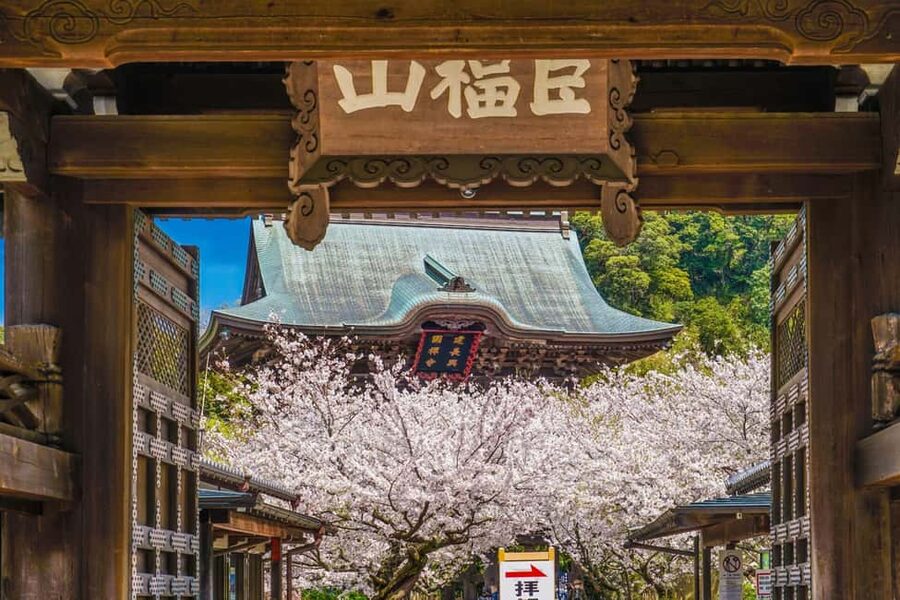
Kamakura lies on Honshu and offers a sharp change from Tokyo’s scale and pace. Around 900 years ago, it became the center of Japan’s first warrior government, beginning the Kamakura Period. That gives the town a useful historical focus: here, temples and shrines are not just pretty buildings. They connect to the rise of the samurai class, the spread of Zen Buddhism, and the political power of religious institutions.
I like this setting for a guided day trip because Kamakura’s sights can otherwise feel scattered. You need local trains and buses to connect the northern temple area, downtown shrine district, Great Buddha, and Enoshima. John’s ability to handle public transport means you can cover more without spending the day puzzling over routes.
The tour begins outside the East Exit of Kita-Kamakura Station. The meeting point is easy to locate, since the station has only one line running through it. You finish at either Kita-Kamakura Station or Kamakura Station, depending on the route and the day’s plan.
A few more options to weigh up in Kamakura
- Tokyo: Kamakura & Enoshima Day Trip including Temple Tickets
★ 4.5 · 1,375 reviews - From Tokyo: Kamakura & Enoshima 1-Day Bus Tour
★ 4.5 · 189 reviews - Kamakura Historical Walking Tour with the Great Buddha
★ 5.0 · 129 reviews
Engaku-ji: Zen, politics, and quiet temple grounds
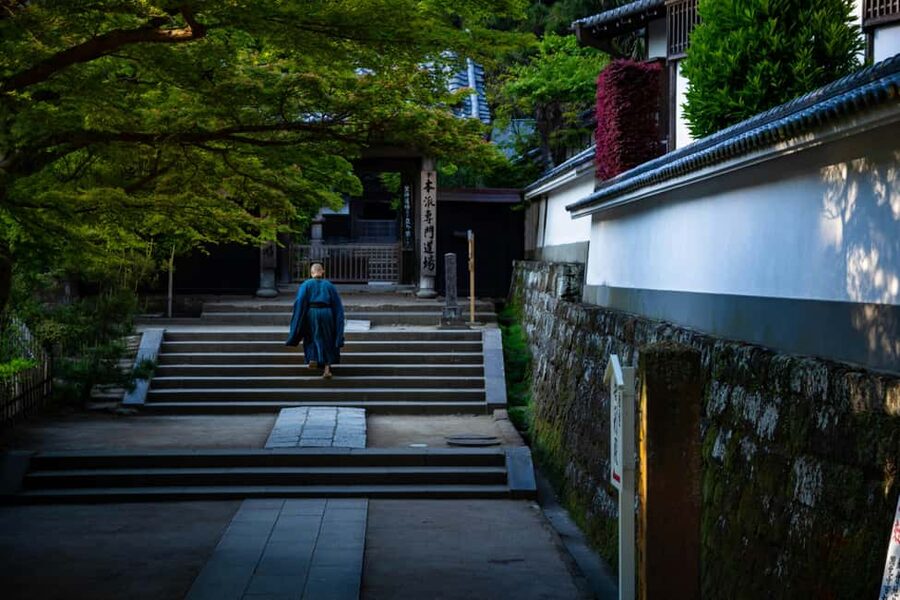
Engaku-ji receives about an hour, making it the main opening chapter of the tour. It is one of Japan’s most important Zen temples, and the guide uses it to explain how Zen shaped Japanese politics, art, and religious life.
That context matters. Without it, a temple visit can become a quick look at gates, halls, gardens, and statues. With a guide, you get a clearer sense of why Zen mattered to Japan’s warrior rulers and why this tradition became so influential beyond the religious world.
The first stop also works well geographically. Kita-Kamakura is known for its temple area, so you begin among some of Kamakura’s most meaningful historic sites rather than jumping straight into the crowded downtown core. Allow time for walking between sections of the temple grounds, and wear shoes that can handle a full morning on foot.
John’s strongest quality is his storytelling. His explanations focus not only on dates and buildings, but also on the personalities and political forces behind Kamakura’s past. That approach suits you if you want history to feel connected to people, choices, and daily life.
Tokei-ji: A short stop with a distinctive story
The visit to Tokei-ji lasts about 15 minutes. That is brief, but the stop adds an important angle to the day because this former nunnery was a pilgrimage destination for women from across Japan.
A short visit is probably enough for travelers who want a broad overview, though you should not expect the same amount of time here as at Engaku-ji. The value lies in the story and in the contrast with the larger Zen temple nearby. Tokei-ji helps show that Kamakura’s religious past was not limited to male monks, warriors, and political leaders.
This is also a good point to tell John what you want from the rest of the day. The private option can be adjusted to your interests and needs, and the guide has shown that he can reshape the plan for groups with limited time or particular food requirements.
Shojin-ryori: Lunch with a Buddhist connection
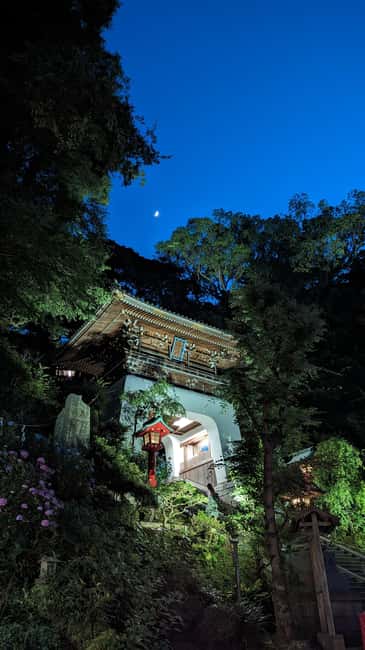
Lunch is usually part of the eight-hour route and can be added to the four-hour option by request. The meal is shojin-ryori, the vegetarian cuisine traditionally associated with Japanese Buddhist monks.
This is more interesting than simply choosing a meat-free restaurant. The meal connects directly to the religious themes of the morning and gives you a chance to experience Japanese food through Buddhist practice. Vegetarian and vegan needs can be accommodated if you notify the guide ahead of time.
Lunch costs about 1,000 yen per person, including the guide’s meal and the group’s meals as stated in the tour details. Dietary planning is one of the tour’s practical strengths. John has arranged a gluten-free lunch for a traveler with celiac disease, so you should share restrictions before the day begins rather than trying to solve them at lunchtime.
The four-hour tour may move too quickly for a relaxed lunch, especially if you want to see the major sights. If food and cultural context matter to you, the eight-hour option makes more sense.
A completely different kind of day out:
- Kamakura Private Tour: Temples, Nature, and the Great Buddha
★ 5.0 · 121 reviews - Kamakura Walking Tour – The City of Shogun
★ 5.0 · 100 reviews - Kamakura 4hr Private Trip with Government-Licensed Guide
★ 5.0 · 58 reviews - When Emperors Reigned and Shoguns Ruled
★ 5.0 · 43 reviews
Tsurugaoka Hachimangu: The political heart of Kamakura
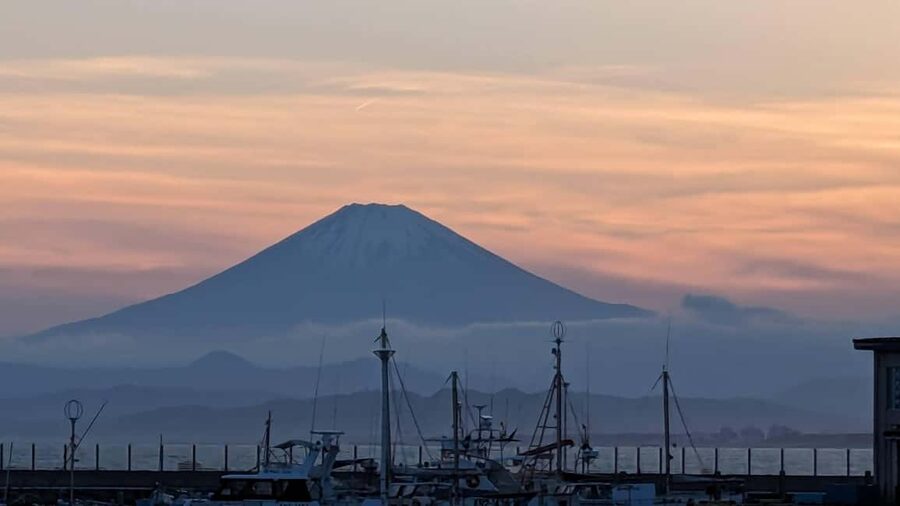
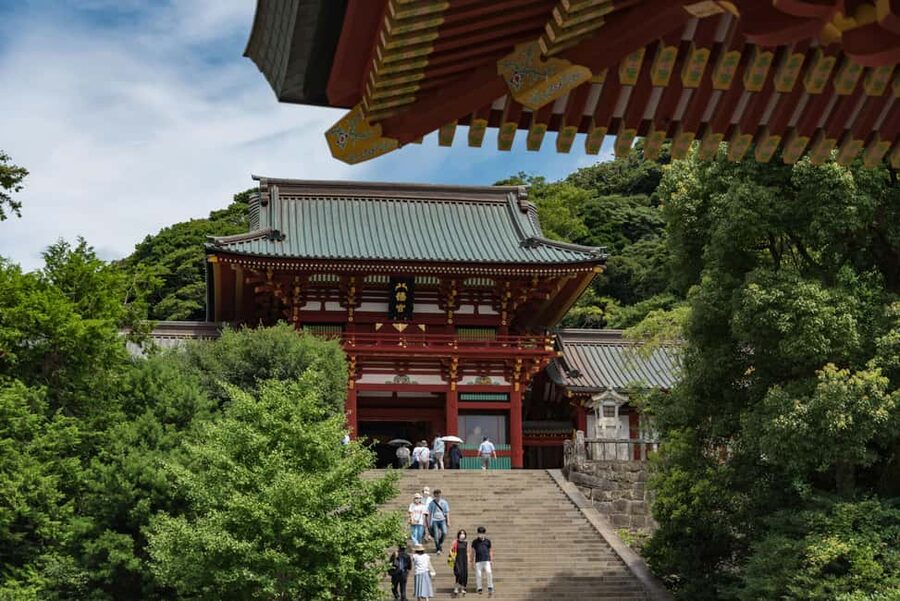
After the northern temple area, the route heads to Tsurugaoka Hachimangu, Kamakura’s large and popular shrine in the downtown area. The guided visit lasts about 30 minutes.
This is the place to connect religious practice with the Kamakura government. The shrine was central to the political world of the warrior rulers, and its location makes the shift from quiet temple grounds to the city’s main public center especially clear.
Thirty minutes is enough for an introduction and for seeing the main areas with a guide, but it is not a long independent visit. If you enjoy taking photographs, asking questions, or moving slowly through shrine grounds, tell John early so he can judge the timing.
The shrine can be one of the busier parts of the day. That makes John’s knowledge of good photo spots useful. One particularly practical strength of the tour is his ability to suggest less crowded places, even at popular sites.
The Great Buddha: Kamakura’s essential landmark
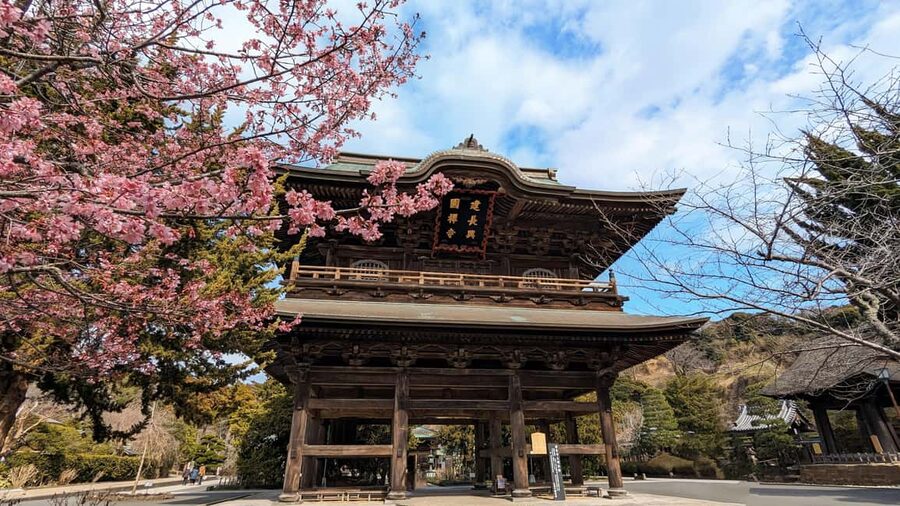
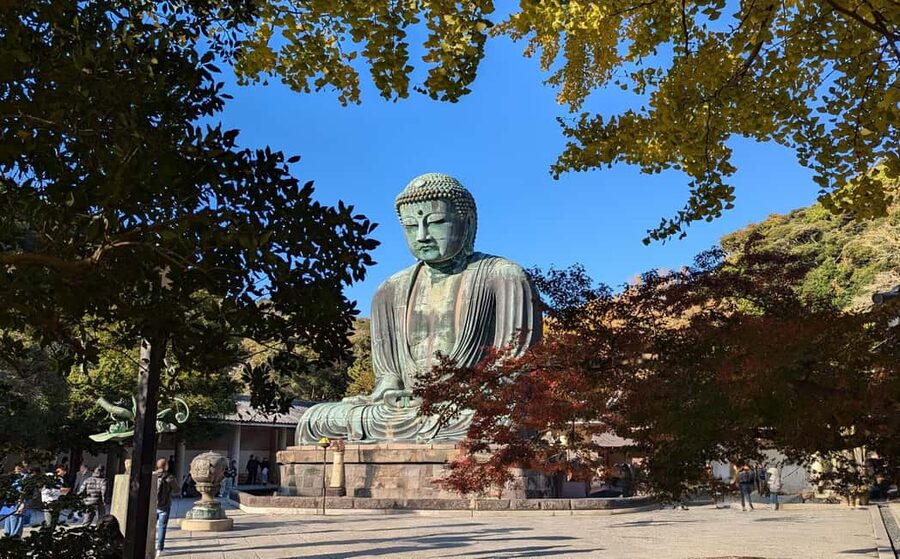
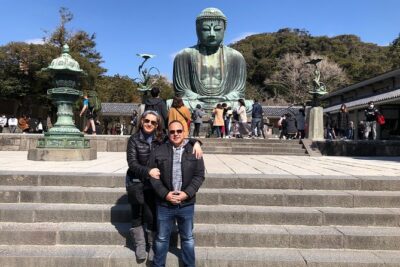
From Tsurugaoka Hachimangu, you use a bus for about 20 minutes to reach Kotoku-in, the temple associated with the Great Buddha of Kamakura. The guided visit lasts around 30 minutes.
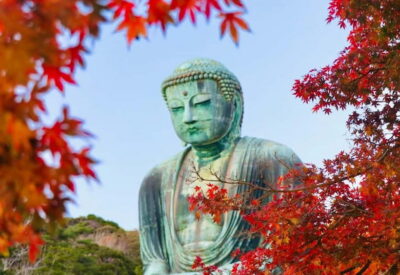
The statue is one of the largest Buddha figures in Japan and is likely the single sight most first-time visitors expect from Kamakura. It is also a good counterpoint to the earlier stops. Engaku-ji gives you Zen temple life, Tokei-ji adds a social and religious story, and Tsurugaoka Hachimangu brings in warrior politics. The Great Buddha returns the focus to the scale and power of Buddhist imagery.
The entrance fee is separate. Total entry costs for the day are estimated at about 800 to 1,500 yen per person, and this estimate includes the guide and participants as described in the tour details. Bring some extra yen for these admissions rather than treating the $35 guide price as the full cost of the day.
The half-day route can work well here. If your time in Kamakura is limited, seeing Engaku-ji, Tokei-ji, Tsurugaoka Hachimangu, and the Great Buddha gives you a strong first look at the city’s main themes.
Enoshima: Sacred island, seaside outing, and a longer finish
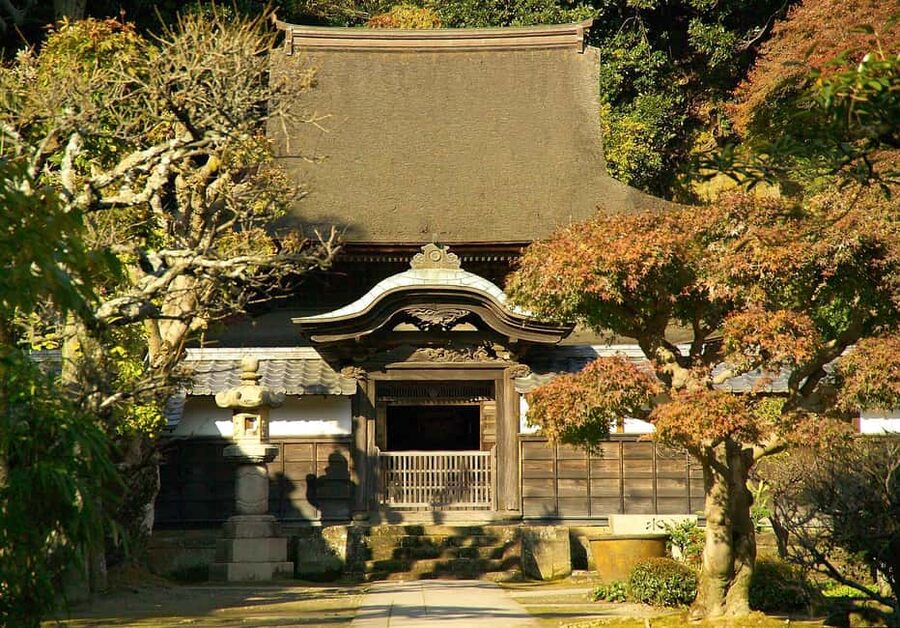
The full private eight-hour route continues by train, taking about 15 minutes to reach Enoshima. The guided visit lasts around two hours, and the day can finish at Kita-Kamakura Station or Kamakura Station.
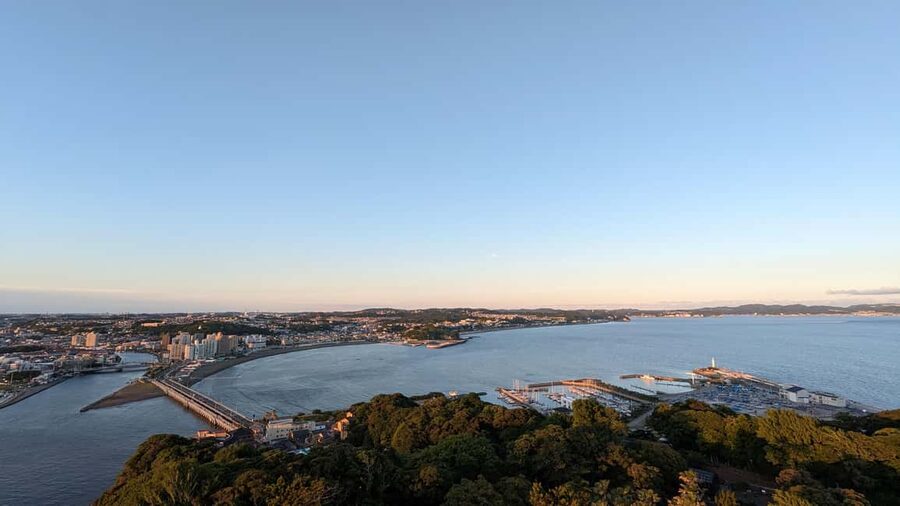
Enoshima adds a very different mood. It has been considered a holy island since ancient times, but it is also a popular seaside destination for couples and families. The appeal is the unusual mix of religious sites, tourist attractions, small shops, and natural views. It can feel holy, kitsch, and wonderfully odd in the same afternoon.
I like Enoshima as the final stop because it loosens the historical focus. After temples, shrines, samurai politics, and Buddhist food, you get a coastal setting that shows how modern Japanese day trips work. One guide-led visit included a walk timed for sunset, with John choosing spots for especially attractive views.
The tradeoff is time and energy. Enoshima makes the eight-hour tour much fuller, and the island walk adds more steps after an already active day. If you want a relaxed temple visit, choose the shorter route. If you want a complete Kamakura day with a seaside finish, Enoshima is the part that makes the longer option worthwhile.
How demanding is the walking?
The tour uses public transport when sites are too far apart, including a bus and train. There are also places to sit along the route, so you are not walking continuously for eight hours.
Still, do not mistake that for an easy sightseeing ride. The route includes temple grounds, shrine areas, station walks, transfers, and a two-hour visit to Enoshima on the long option. One family found the tour enjoyable but specifically advised visitors to be ready for a lot of walking.
The activity is not suitable for people with mobility impairments or wheelchair users. If you have a physical disability that is not covered by those categories, contact John beforehand. He says he will do what he can to meet individual needs, but the route’s walking and transport setup should be considered carefully.
The guide: John’s biggest contribution
John is the part of this experience that turns a list of sights into a coherent day. His English is excellent, and his explanations cover temple and shrine history, the Tokugawa shogunate, the Imperial Family, Japanese cuisine, and everyday culture.
His flexibility also matters. He has built a customized itinerary for a solo visitor, adjusted the pace for a group of six, and helped people cover major sights during a half-day trip from Tokyo. That is useful because Kamakura plans can change once you see how much time you want at each stop.
I especially value the practical side of his guiding. He can explain how to use local transport, point out strong photo locations, and offer advice that remains useful during the rest of your Japan trip. His stories are not limited to formal history, which helps keep a long day from feeling like a lecture.
The public rating is 4.9 from 32 bookings, with repeated praise for his energy, professionalism, humor, storytelling, and ability to answer questions. The consistent message is clear: book this tour for the guide as much as for the destinations.
Cost, group size, and choosing four or eight hours
The listed price is $35 per person for the guide fee. You should add roughly 800 to 1,500 yen per person for entrances, about 400 yen for transport, and around 1,000 yen for lunch. Since the guide’s entrance and meal costs are also included in the estimates, confirm the final cost when booking.
For value, the tour works best for people who want interpretation and smooth movement between sites. If you only want photographs of the Great Buddha, you can spend less by exploring independently. But if you want to understand why Zen, samurai government, shrines, and Buddhist food belong in the same Kamakura story, the guide fee is reasonable.
Choose four hours if:
- You are making a short day trip from Tokyo.
- You want the core temples, shrine, and Great Buddha.
- You prefer a focused route with less walking.
- Lunch and Enoshima are not priorities.
Choose eight hours if:
- You want shojin-ryori included.
- You want to add Enoshima.
- You prefer a private, flexible pace.
- You enjoy history, food, and local transport as part of the experience.
Private and small-group options are available. The private format is especially useful for families, people with dietary restrictions, and anyone who wants to adjust the standard route.
Should you book the Kamakura tour?
Book it if you want Kamakura explained rather than simply photographed. John’s clear English, strong stories, transport help, and willingness to customize are the main reasons to choose this experience.
The four-hour version is the sensible pick for a first visit with limited time. The eight-hour option is better for a full day, especially if you want shojin-ryori and Enoshima. Skip it if you dislike walking, need wheelchair access, or prefer exploring every temple at your own pace without a guide.
For most history-minded visitors staying in Tokyo, this is a practical and well-focused way to see Kamakura’s main sights while adding the human stories that make them memorable.
FAQ
Where does the tour begin?
The meeting point is outside the East Exit of Kita-Kamakura Station.
Where can the tour finish?
The tour can finish at Kita-Kamakura Station or Kamakura Station.
How long does the experience last?
You can book a four-hour or eight-hour version, depending on availability and the route you choose.
Is the tour private?
Private and small-group options are available.
Is lunch included?
Lunch is not included in the price. It costs about 1,000 yen per person, and shojin-ryori is generally offered on the eight-hour tour. It can be requested for the four-hour option.
Can the tour accommodate vegetarian, vegan, or other dietary needs?
Yes. Vegetarian and vegan meals can be arranged, and you should tell the guide about dietary restrictions in advance. Gluten-free arrangements have also been made for a traveler with celiac disease.
Are entrance fees and transport included?
No. Entrance fees are about 800 to 1,500 yen per person, and transportation costs about 400 yen per person. These costs are separate from the $35 guide fee.
Just added in Kamakura
- When Emperors Reigned and Shoguns Ruled★ 5.0 · 43 reviews
- First time in Kamakura? Enjoy a Tour of All Must-sees!★ 5.0 · 15 reviews
- Your Own HANKO Name Seal Activity in Kamakura.★ 5.0 · 24 reviews
- Kamakura Walking Tour – The City of Shogun★ 5.0 · 100 reviews
- Kamakura 4hr Private Trip with Government-Licensed Guide★ 5.0 · 58 reviews
- Kamakura Bamboo Forest and Great Buddha Private Tour★ 5.0 · 12 reviews
- Exciting Kamakura – One Day Tour from Tokyo★ 5.0 · 40 reviews
- Kamakura Tours Half Day or Full Day Tours with a local guide.★ 5.0 · 12 reviews
Kamakura Tours, compared.
Kamakura & Enoshima Day Trip including Temple Tickets
Read our review →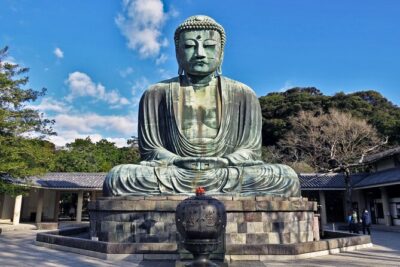
Kamakura Historical Walking Tour with the Great Buddha
Read our review →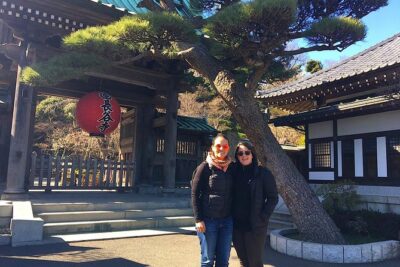
Kamakura Private Tour: Temples, Nature, and the Great Buddha
Read our review →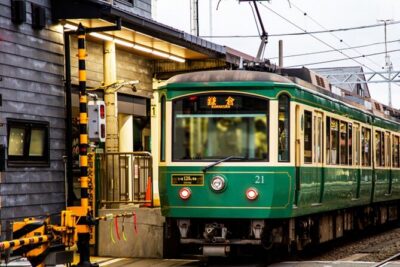
Kamakura 4hr Private Trip with Government-Licensed Guide
Read our review →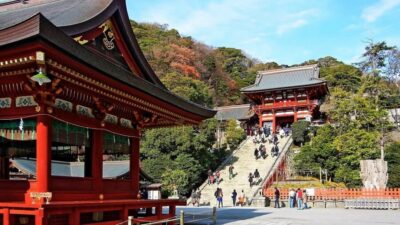
Kamakura Full Day Tour with a Local Expert Guide
Read our review →
Browse the lists this tour appears in