
Reviewed · KIMONO AND CULTURAL DRESS
Kimono and Calligraphy Experience in Miyajima
Slow down and make something by hand. This one-hour Miyajima activity combines traditional dress with Japanese calligraphy in a quiet temple setting, away from the island’s busiest streets. I especially like the choice of more than 100 kimono and the personalized wooden rice scoop you take home. The main drawback is getting to the temple, since map apps may direct you along a mountain-side road.
The small group size also matters. With a maximum of six people, you should receive more help while dressing and practicing brushwork than you would at a large cultural attraction. I would allow extra time to find the meeting point, especially if you are relying on Google Maps or Apple Maps.
In This Review
- Key details before you book
- Arriving at Tokujuji Temple in Miyajima
- Choosing a kimono from more than 100 options
- A first calligraphy lesson with simple brushwork
- Writing your name and signing the finished piece
- Photos in a Japanese garden and temple rooms
- Why the one-hour format works
- Evaluating the $84.92 price
- Who will enjoy this Miyajima activity
- Booking, cancellation, and practical planning
- Should you book the Kimono and Calligraphy Experience?
- FAQ
- How long does the Kimono and Calligraphy Experience last?
- Where does the activity meet?
- Where does the activity finish?
- How many people can join?
- What is the minimum age?
- Can I choose my kimono?
- What happens during the calligraphy lesson?
- What can I take home?
- Are photographs included?
- Can I cancel for a full refund?
Key details before you book
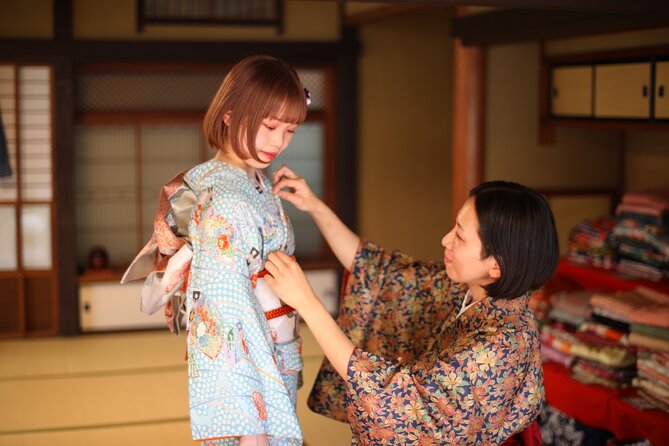
- More than 100 kimono choices: You choose your clothing, and staff help with the obi belt and other pieces needed to dress properly.
- Calligraphy for beginners: You start with brush control and basic lines before writing a kanji character and your name in hiragana or katakana.
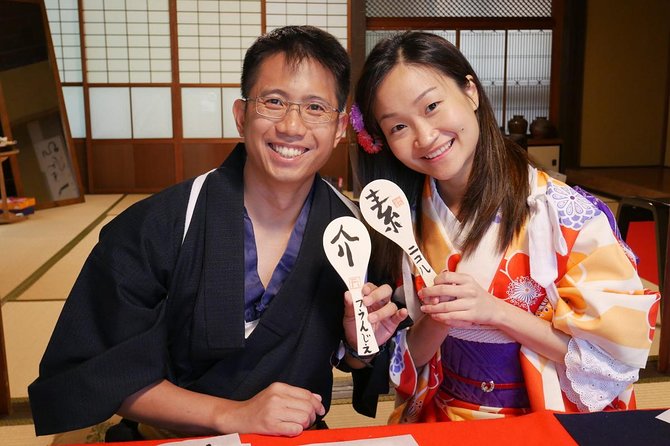
- A personalized rice scoop: Your finished writing goes onto a wooden rice paddle, a useful keepsake connected with Miyajima’s famous rice-scoop tradition.
- A quiet temple setting: The activity takes place at Tokujuji, away from the main tourist streets and shrine crowds.
- Photos included: Staff take pictures during the activity and share them after you complete a questionnaire.
- Short, flexible timing: You choose a morning or afternoon session, and the activity lasts about one hour.
Arriving at Tokujuji Temple in Miyajima
The meeting point is Tokujuji Temple, officially 徳寿寺, at 741-1 Miyajimachō, Hatsukaichi, Hiroshima 739-0513. It is a Soto Zen temple, and the setting gives the activity a calmer feel than a rental shop near the main sightseeing area.
That quieter location is part of the appeal. You are not simply picking up a costume and walking through a crowded shopping lane. You are entering a temple environment, changing into traditional clothing, and practicing an art form in a more private room.
The trade-off is clear: the temple may take some effort to reach. Google Maps and Apple Maps have reportedly guided people along a mountain-side road, which can mean more walking than expected. I would check the route before leaving the ferry terminal area and allow extra time. The activity begins and ends at the same place, so you do not need to arrange a second pickup point.
Public transportation is nearby, and confirmation arrives when you book. The minimum age is six, so this can work for families with children old enough to sit through a short lesson and handle a brush carefully.
More Kimono Experiences in Hiroshima:
- Kimono and Tea Ceremony in Miyajima
★ 5.0 · 73 reviews - An Amazing set of Cultural experience: Kimono, Tea Ceremony and Calligraphy
★ 5.0 · 69 reviews - Cultural Activities :Kimono, tea ceremony, Calligraphy and Amulet
★ 5.0 · 44 reviews
Choosing a kimono from more than 100 options
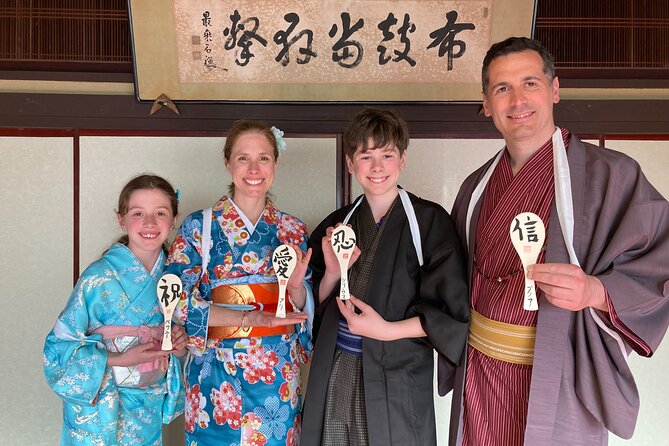
The first part of the activity is dressing up. You select a kimono from a collection of more than 100 garments, then staff help you put it on and add the obi belt and other necessary pieces.
That large selection is useful for more than color preference. One family specifically appreciated finding options for plus-sized participants, and an older participant said the staff helped her feel comfortable despite being concerned about her age and shape. The available choices are not limited to one narrow body type, although you should remember that the activity still requires you to wear layered traditional clothing for part of an hour.
The dressing process is one reason the small group limit is valuable. A maximum of six people allows more personal help with the clothing. You are not left to guess how the belt or layers should sit, and the staff can pay attention to fit and appearance.
Once dressed, you have time for pictures before the calligraphy lesson. The staff take photos during the activity, and you can also use the Japanese garden as a setting for your own pictures. If you are visiting Miyajima with a friend or family member, this creates a shared souvenir rather than a quick costume rental photo.
The clothing also changes the mood of the lesson. One family found it more enjoyable to practice calligraphy while wearing kimono than while dressed in ordinary street clothes. That may sound like a small point, but it is exactly what makes this activity different from a standard craft class.
A first calligraphy lesson with simple brushwork
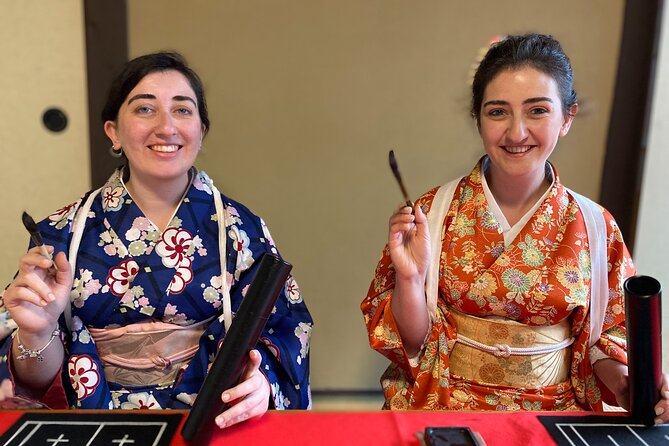
After dressing, you move into the calligraphy portion. The instructor starts with the basics, including how to hold the brush. You then practice simple lines so your hand can get used to the movement before trying a full character.
This step is important for beginners. Japanese calligraphy can look simple when you watch someone else write, but the brush responds differently from a pen. Starting with strokes gives you a chance to understand pressure and movement without worrying about producing a perfect character right away.
Next, you choose a kanji character from the available examples. You practice it before making your final version. The activity is not presented as an advanced art course, and that is a strength for most visitors. You get enough instruction to understand the basic process, while still leaving with something personal.
The staff are described as kind and patient, which matters if you have never held a calligraphy brush. The lesson is designed for ordinary beginners, not people who already read or write Japanese.
You also prepare your name in Japanese. The staff make a sample using hiragana or katakana, allowing you to copy it. This gives you a direct connection to the writing system and produces a souvenir that is more personal than simply copying a decorative character.
Writing your name and signing the finished piece
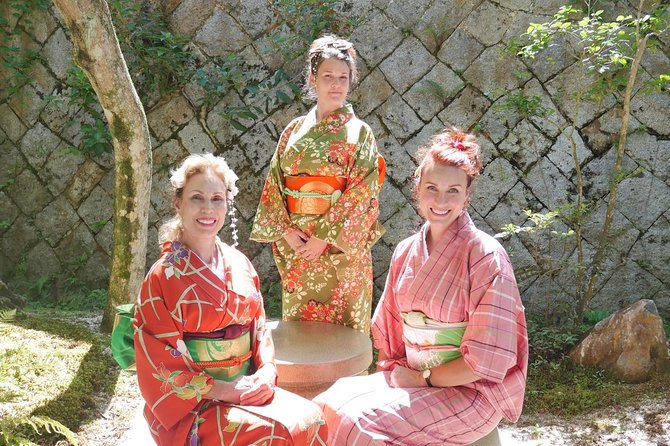
The final artwork includes more than the main kanji character. You sign it in Japanese and add a stamp, giving the piece the look of a finished calligraphy work.
You can take the artwork home in a suitable container. The most distinctive keepsake, though, is the wooden rice scoop. You write on the scoop itself, creating a personalized good-luck item associated with Miyajima.
This is a particularly nice choice for a souvenir. It is small, light, and easy to pack. It also has a practical connection to the island instead of being a generic item purchased from a shop. You might display it in a bedroom or keep it with other travel mementos.
One participant was allowed to choose a kanji character that was not on the standard list. That suggests some flexibility, but I would not assume every request can be accommodated. If you have a particular character in mind, ask the staff during the lesson.
The finished writing does not need to be perfect to be meaningful. The value is in learning the strokes, choosing a character, writing your name, and leaving with an object you made yourself.
A few more options to weigh up in Hiroshima
- Peaceful Hiroshima & Miyajima UNESCO 1 Day Bus Tour
★ 5.0 · 5,309 reviews - Hiroshima Peace Memorial Museum Ticket
★ 4.8 · 2,727 reviews - Hiroshima: Hiroshima and Miyajima UNESCO Sites 1-Day Tour
★ 4.9 · 2,330 reviews - Hiroshima Peace Memorial Museum Admission
★ 4.6 · 1,308 reviews
Photos in a Japanese garden and temple rooms
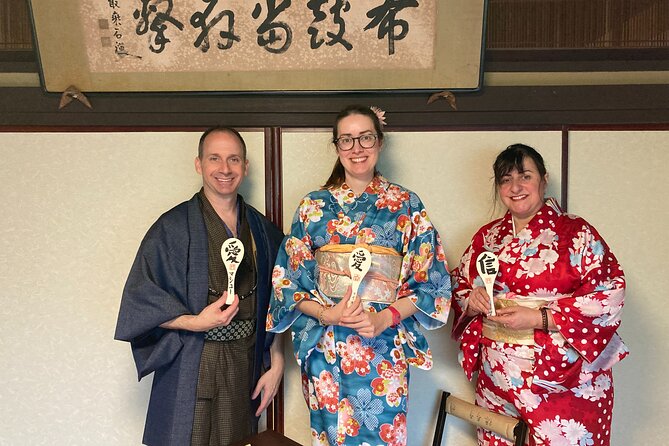
Photography is built into the experience. Staff take pictures while you are learning, and you can take additional photos in a Japanese garden.
This helps if you are traveling alone or if everyone in your group wants to appear in the pictures. After completing a questionnaire, the photos are shared with you. The supplied information does not specify how many images you receive or the delivery method, so it is best to ask if those details matter to you.
The photo session takes place before or during the lesson rather than as a separate long photo tour. That keeps the activity within its one-hour duration, but it also means you should not expect a full professional portrait session.
The temple rooms and garden offer a more peaceful background than the crowded streets near Itsukushima Shrine. One couple used the activity as a way to fill time while waiting for the tide to change at the shrine. That is a smart use of the schedule, since Miyajima’s scenery changes noticeably with the tides and the shrine may be worth visiting at more than one water level.
Why the one-hour format works
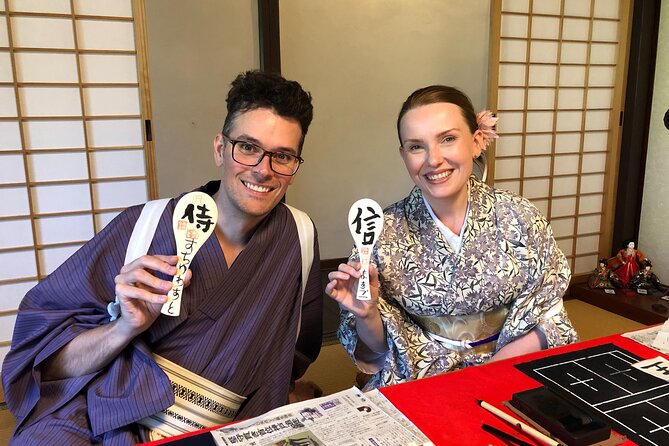
At about one hour, this is easy to fit into a Miyajima day. You can schedule it in the morning before more sightseeing or in the afternoon after visiting the shrine and shopping streets.
The short length keeps the experience focused. You dress, take photos, learn the brush basics, practice a kanji character, write your name, and finish your rice scoop. You do not need to commit half a day to a cultural workshop.
The limitation is that the lesson cannot provide a full education in Japanese calligraphy. You will learn the basic handling of the brush and practice a few characters, but this is an introduction and souvenir-making activity, not formal training.
Morning and afternoon sessions give you some control over your day. I would think about tides, ferry timing, and your preferred time at Itsukushima Shrine when choosing the session. Since the activity ends back at the meeting point, you can continue sightseeing on your own afterward.
Evaluating the $84.92 price
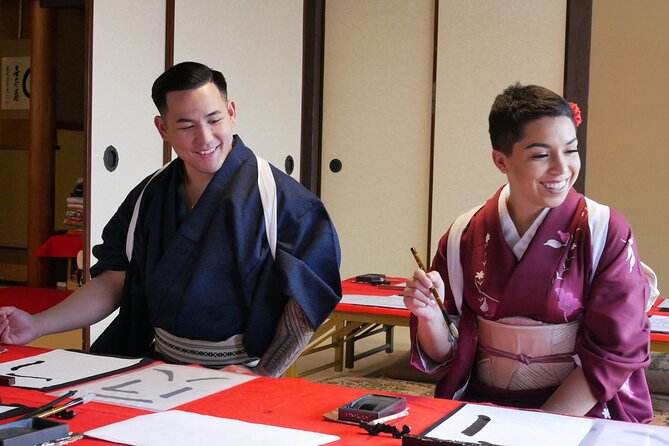
At $84.92 per person, this is not the cheapest way to spend an hour in Miyajima. The value depends on what you want from the visit.
You are paying for several pieces at once: kimono dressing, access to a large clothing collection, staff assistance, a calligraphy lesson, a personalized rice scoop, your finished calligraphy work, and activity photos. You also receive a cultural setting that is quieter and more personal than a quick rental near the main tourist zone.
For someone who only wants to wear a kimono for a few snapshots, the price may feel high. You might save money with a simpler rental option, though that would not include the calligraphy lesson and handmade rice scoop.
I think the price makes more sense for couples, families, and first-time visitors who want a structured cultural activity. The maximum group size of six adds value because the staff can give direct help with clothing and brushwork. The reviews are uniformly positive, with a five-star rating and 100 percent recommendation, but the small sample size means you should still judge the price against your own budget.
Who will enjoy this Miyajima activity
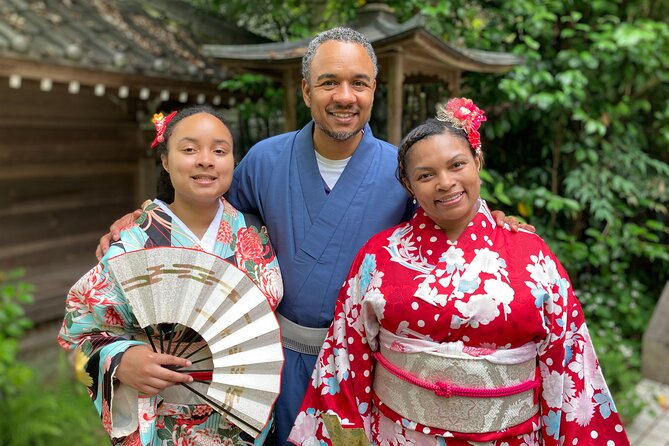
I would recommend it most strongly to:
- Families with children age six or older who want an activity beyond shrine visits and shopping.
- Couples looking for photos and a shared souvenir.
- First-time visitors who want a gentle introduction to calligraphy.
- Plus-sized participants who want a wider kimono selection than a small rental shop may offer.
- Older participants who are unsure about wearing traditional clothing and would value patient assistance.
- Anyone with free time between tide changes, shrine visits, or ferry connections.
It is less suitable if you dislike dressing up, have very little time on Miyajima, or want an advanced calligraphy class. You should also think carefully about the walk to Tokujuji if you have limited mobility, since the route can be less direct than map apps suggest.
The activity is also a good choice if you want something tangible from Japan. A photograph is easy to take and easy to forget. A rice scoop bearing your chosen character and name gives you a physical reminder of the hour.
Booking, cancellation, and practical planning
The experience is often booked about 36 days in advance, so reserve ahead if your Miyajima schedule is fixed. Confirmation is provided at booking, and mobile tickets are supported.
Free cancellation is available until 24 hours before the start time for a full refund. Changes or cancellations made within 24 hours are not accepted or refunded. The cut-off uses local Japanese time.
The activity requires good weather. If poor weather causes cancellation, you are offered another date or a full refund. Since the experience takes place at a temple and includes garden photography, a weather-related change may affect your plans, so avoid placing it immediately before a nonrefundable connection.
Some flexibility may be possible if you arrive at the wrong time and an opening exists. One couple mistakenly arrived several hours early and was accommodated, but I would treat that as courtesy rather than a promise. Book the correct morning or afternoon session and arrive with time to spare.
Should you book the Kimono and Calligraphy Experience?
Book it if you want a small, friendly cultural activity with a clear result at the end. The combination works well: the kimono provides the visual fun, the calligraphy gives you something to learn, and the personalized rice scoop gives you a souvenir with a Miyajima connection.
I would especially choose it for a family or couple with a few open hours on the island. The quiet temple setting, patient instruction, broad kimono selection, and included photos add real value.
Skip it if you want a long or advanced lesson, or if reaching a mountain-side temple road would be difficult. For most visitors who can manage the walk and the $84.92 price, this is a thoughtful way to spend an hour between Miyajima’s major sights.
FAQ
How long does the Kimono and Calligraphy Experience last?
The experience lasts approximately one hour.
Where does the activity meet?
It begins at Tokujuji Temple, also called 徳寿寺 or Soto Zen Konkozan Tokujuji, at 741-1 Miyajimachō, Hatsukaichi, Hiroshima 739-0513, Japan.
Where does the activity finish?
It ends back at the meeting point at Tokujuji Temple.
How many people can join?
The activity has a maximum of six participants.
What is the minimum age?
The minimum age is six.
Can I choose my kimono?
Yes. You choose from a collection of more than 100 kimono, and staff help you put on the kimono, obi belt, and other required items.
What happens during the calligraphy lesson?
You learn how to hold the brush, practice basic lines, choose a kanji character, and practice writing it. Staff also prepare your name in hiragana or katakana for you to copy.
What can I take home?
You can take home your calligraphy artwork in a container and a personalized wooden rice scoop bearing your writing.
Are photographs included?
Staff take photographs during the activity. After you answer a questionnaire, the photos are shared with you.
Can I cancel for a full refund?
Yes. You can cancel at least 24 hours before the start time for a full refund. Cancellations or changes made less than 24 hours before the start time are not accepted or refunded.
Just added in Hiroshima
- Hiroshima Peace Memorial Museum Ticket★ 4.8 · 2,727 reviews
- Hiroshima Peace Memorial Museum Admission★ 4.6 · 1,308 reviews
- Private Full Day Hiroshima Tour★ 4.5 · 29 reviews
- The Peace Memorial to Miyajima : Icons of Peace and Beauty★ 4.5 · 31 reviews
- Shore Excursion from Hiroshima Port : Private Tour in Hiroshima★ 5.0 · 17 reviews
- Hiroshima & Miyajima All-Inclusive Tour w/Licensed guide Pancho★ 5.0 · 54 reviews
- Hiroshima Country Cycling: Explore Rural Life 1 HR from City★ 5.0 · 22 reviews
- Hiroshima Saijo Sake Tasting Tour with visit to 7 Breweries★ 5.0 · 104 reviews
Kimono and Cultural Dress, compared.
![[Kyoto & Nara Day Tour] Sagano Scenic Railway & Nara Park & Fushimi Inari Taisha Thousand Torii Gates & Togetsukyo Bridge & Bamboo Grove & Kimono Forest (Departing from Osaka)](https://media.japanvisits.com/wp-content/uploads/kyoto-nara-day-tour-sagano-scenic-railway-nara-park-fushimi-inari-taisha-thousand-torii-gates-togetsukyo-bridge-bamboo-grove-kimono-forest-departing-from-osaka-k110001-400x257.jpg)

Tokyo Asakusa Kimono&Yukata Rental at Kimono Miyabi Asakusa Station
Read our review →
Kyoto Geisha Walking Tour: Gion District & Hidden Gems
Read our review →
Gion Magical Night Walking Tour with Geisha Trivia
Read our review →
Gion Geisha District Walking Tour – Stories of Geisha
Read our review →
Best of Kyoto: Gion, Geisha, Pagodas & Cobblestones
Read our review →
Kyoto Kimono Rental Experience (Optional Exquisite Hair Styling/Japanese Makeup/Photography) (Ookini Kiyomizu-dera Main Store)
Read our review →Browse the lists this tour appears in