Reviewed · GUIDED
Kintsugi Experience with Arita Ware in Tokyo (English Guide)
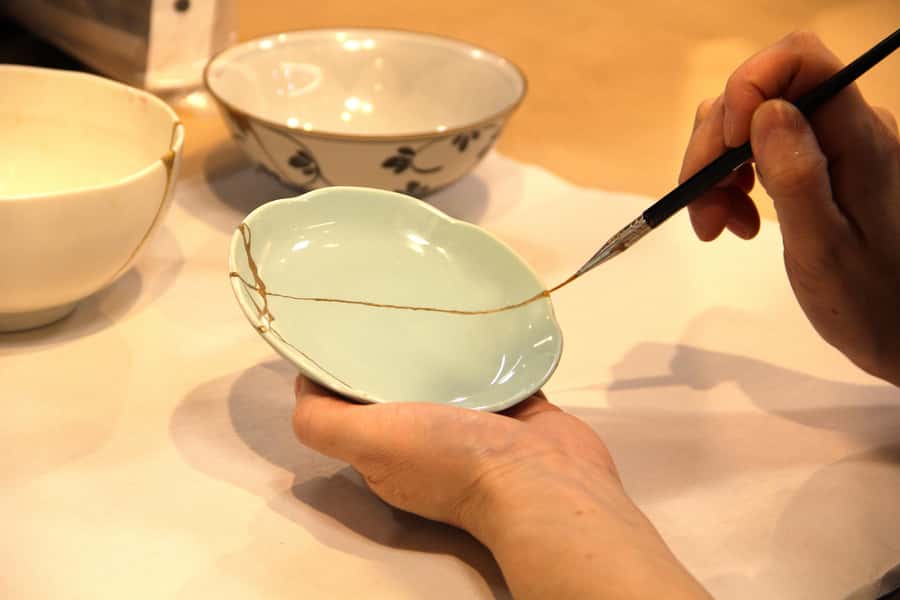
Broken pottery gets a second life here. This 90-minute workshop lets you practice Kintsugi, the Japanese craft of repairing ceramics with gold, using Arita Ware, Japan’s first porcelain tradition. You work in a historic Nihonbashi shop, receive English instruction, and take your finished plate home as a decorative souvenir.
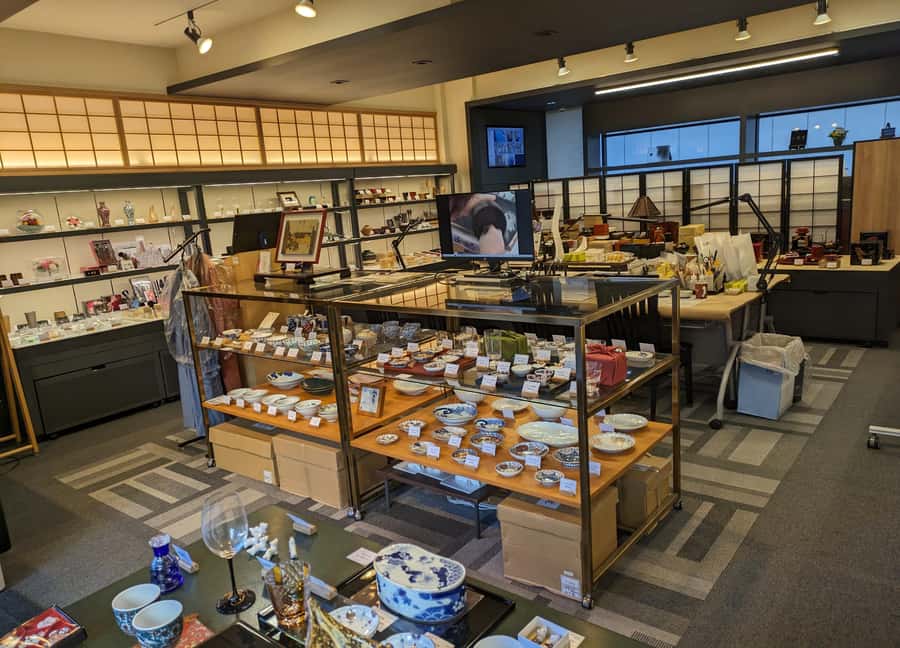
I like the small-group format, limited to 10 people, and the calm pace that gives you enough time to complete one object. I also like the setting: Nihonbashi Mutoh Main Store has been dealing in lacquerware and glassware since 1923, so you are learning the craft among real Japanese household arts rather than in a generic activity studio.
The main limitation is variety. The supplied plate is the core project, and one review wished there were more items to choose from. You can bring your own ceramic or porcelain piece, but it must have only one or two broken sections and fit within the size limits.
In This Review
- Key points to know before booking
- Why Kintsugi means more than putting a plate back together
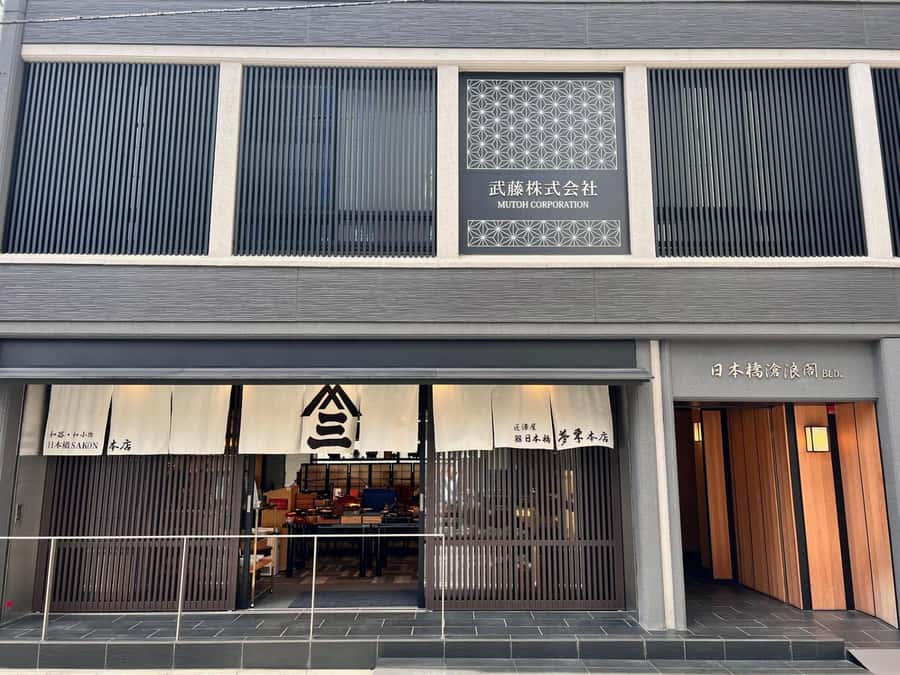
- Arriving at Nihonbashi Mutoh Main Store
- The Arita Ware plate and why it matters
- What happens during the 90-minute session
- The hands-on work and the finished souvenir
- What the $139 price includes
- Who will enjoy this Kintsugi workshop
- Planning the experience around your Tokyo day
- My final take: should you book it?
- FAQ
- How long does the Kintsugi experience last?
- What time can I attend the workshop?
- Is the workshop taught in English?
- What is included in the price?
- Can I bring my own broken item?
- Can I use the repaired plate for food or drinks?
- Is the workshop suitable for children?
Key points to know before booking
- A 90-minute hands-on craft: You make one Kintsugi piece during a focused session, rather than simply watching a demonstration.
- Arita Ware with 400 years of tradition: The porcelain used for the activity comes from one of Japan’s best-known ceramic traditions.
- An English-speaking instructor: Instructions are given in English, with the workshop also welcoming regular Japanese customers.
- A historic Nihonbashi setting: The activity takes place at Nihonbashi Mutoh Main Store, founded in 1923 and filled with lacquerware and glassware.
- A souvenir you actually make: Your completed plate is included and can be taken home after the session.
- A craft for adults and older teens: The experience is not suitable for children under 13, and clothing that can handle a little mess is recommended.
Why Kintsugi means more than putting a plate back together
Kintsugi is the Japanese practice of repairing broken pottery with gold. Instead of hiding a crack, the repair draws attention to it, turning damage into part of the object’s appearance.
The craft is linked with wabi-sabi, a Japanese way of seeing beauty in imperfection, change, and age. That idea gives the workshop more weight than a standard souvenir-making class. You are not just decorating a plate. You are working with an object that has been damaged and giving it a new visual identity.
The concept also makes the activity easy to understand for beginners. You do not need a background in ceramics or a strong artistic hand. The finished line does not need to look factory-perfect. In fact, the character of Kintsugi comes from seeing the repair.
That said, this is an introduction to Kintsugi, not a full professional training course. In 90 minutes, you can complete one object and learn the basic process, but you will not master every stage of traditional pottery restoration. I see that as a fair trade for a short activity that fits neatly into a day of sightseeing.
A few more options to weigh up in Tokyo
- Tokyo Disney Resort – Tokyo Disneyland & Tokyo DisneySea Park Tickets
★ 4.8 · 99,488 reviews - SHIBUYA SKY Ticket
★ 4.7 · 46,509 reviews - JR Whole Japan Rail Pass
★ 4.8 · 29,150 reviews
Arriving at Nihonbashi Mutoh Main Store
The meeting point is Nihonbashi Mutoh Main Store at 1-8-3 Honcho, Nihonbashi, Chuo City, Tokyo 103-0023. The shop was established in 1923 and specializes in high-quality lacquerware and glassware.
The location matters. You are surrounded by Japanese craft objects before the workshop even begins. This gives you a useful visual introduction to the care, materials, and finish associated with traditional household arts in Japan.
The atmosphere may also feel more authentic than a stand-alone tourist attraction. The workshop can take place alongside regular customers, so this is a working shop as well as a teaching space. That may mean the room feels less polished and theatrical than a class built only for tourists, but it also places the activity in a real retail setting.
One practical point is worth taking seriously: arrive on time. The experience ends at its scheduled time even if you arrive late. The available sessions are:
- 10:30 to 12:00
- 13:30 to 15:00
- 15:30 to 17:00
The gap between the morning and afternoon sessions gives you room to pair the class with lunch or a visit around Nihonbashi. The late afternoon option can work well after other sightseeing, although your piece will still need time to dry once you leave.
The Arita Ware plate and why it matters
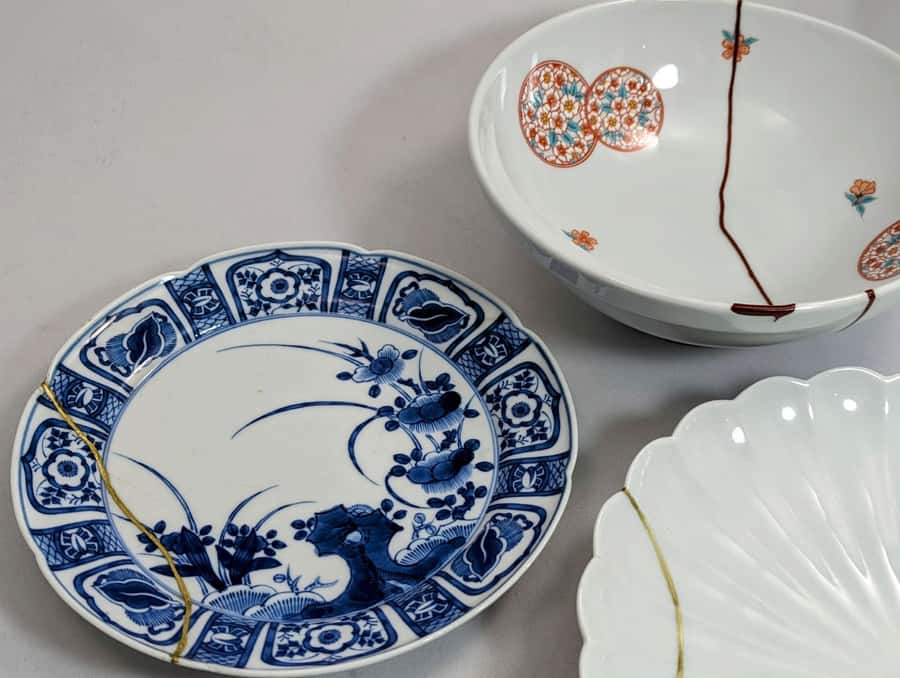
The workshop uses Arita Ware, a Japanese porcelain tradition with about 400 years of history. Arita Ware is known as the first porcelain produced in Japan, and the pieces used here come from Shobido Honten, a respected Arita Ware brand with fans in Japan and abroad.
This is one of the strongest parts of the experience. You are not repairing an anonymous craft-store object. You are working with porcelain connected to a major Japanese ceramic tradition.
The included plate is available to take home, so you leave with something useful as a memory of Tokyo. The activity does not provide a food-safe serving dish, however. After the repair, the plate should be used for decoration only. It must be hand-washed with dishwashing detergent, and it should never go in a microwave or dishwasher.
You can also bring your own item, which adds a personal option. It must meet all of these conditions:
- Ceramic or porcelain
- Approximately 15 centimeters in diameter or smaller
- No more than 15 centimeters high
- One or two broken sections
If you bring a personal piece, choose something that fits these limits closely. A large vase, a heavily shattered bowl, or an item made from glass or wood will not meet the stated requirements. If your own object has real sentimental value, keep in mind that this short class is an introduction, not a conservation service.
What happens during the 90-minute session
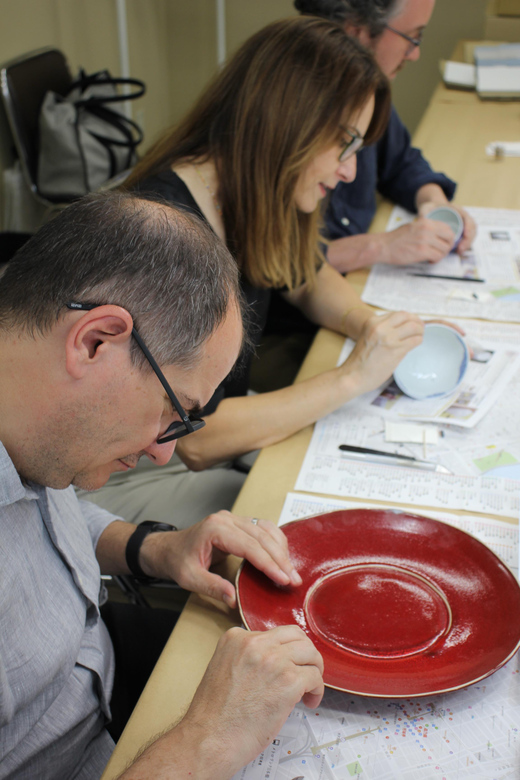
The session is designed to let you complete one object from start to finish within the allotted time. You receive the materials needed for the workshop and work under an English-speaking instructor.
The teaching style appears practical and accessible. One class had eight people, leaving enough space for participants to work without feeling crowded. Instructions were first given in Japanese and then translated into English, so you should expect a shared class rather than a private English-only lesson.
That setup has both advantages and limits. You can see how a real mixed group works, and the smaller size keeps the class manageable. At the same time, English instruction may be delivered in stages rather than as a separate private explanation just for you.
The teacher is an important part of the experience. The instructor has been praised for being friendly and well informed, with clear guidance and a calm approach. The workshop has also been described as peaceful and interesting, which fits the careful nature of the craft.
Because the class lasts only 90 minutes, you should expect a focused project. You will not be making several pieces or spending hours experimenting with different designs. The reward is finishing one object and understanding the basic idea behind Kintsugi without giving up half a day.
A completely different kind of day out:
- Mt Fuji and Hakone 1-Day Bus Tour Return by Bullet Train
★ 5.0 · 26,383 reviews - TOKYO SKYTREE® Ticket
★ 4.7 · 25,136 reviews - teamLab Borderless Tickets: MORI Building DIGITAL ART MUSEUM
★ 4.7 · 24,126 reviews - teamLab Planets TOKYO Ticket
★ 4.7 · 21,663 reviews
The hands-on work and the finished souvenir
The appeal of this activity is that you do the repair yourself. All materials are included, so you do not need to bring tools or supplies unless you choose to bring a qualifying broken item.
Your plate is the practical souvenir. It is more personal than a purchased trinket because your own repair becomes part of the design. Small variations in the gold line or placement of the repair are not failures. They are what make the object yours.
You should plan to take the completed piece home carefully. The repaired object needs to dry indoors for about one week after the workshop. That means you should not expect to use it immediately, and you will need to protect it in your luggage.
The care instructions are simple but strict:
- Let it dry indoors for about one week.
- Hand-wash it with dishwashing detergent.
- Do not use it in a microwave.
- Do not put it in a dishwasher.
- Use it for decoration, not for eating or drinking.
These restrictions may disappoint anyone hoping to repair a favorite coffee cup or dinner plate for daily use. For a decorative plate, though, they are easy enough to follow.
Wear clothes you do not mind getting dirty. The organizers specifically recommend this, and it is sensible advice for any workshop involving craft materials.
What the $139 price includes
At $139 per person, this is not the cheapest hands-on activity in Tokyo. The value depends on what you want from the experience.
The fee includes admission to the 90-minute workshop, all required materials, an English-speaking instructor, and the plate used in the activity. You are paying for more than an object. The price also covers access to a traditional craft setting, instruction, and a finished souvenir connected to Arita Ware.
I think the price makes the most sense for someone who values a small, guided cultural activity and wants to create something personal. It is less compelling if your main goal is simply to buy an attractive Japanese plate. Nihonbashi Mutoh is a shop selling beautiful lacquerware and glassware, so you can browse those products, but the real point of the booking is the time spent making your own piece.
The class has received a rating of 4.8 from 20 reviews, with repeated praise for the instructor, the attractive shop, the easy-to-reach location, and the quiet pace. One participant felt there should be more variety in the objects available. That is the clearest value concern: you get a strong introduction and one finished piece, but not a broad choice of projects.
Who will enjoy this Kintsugi workshop
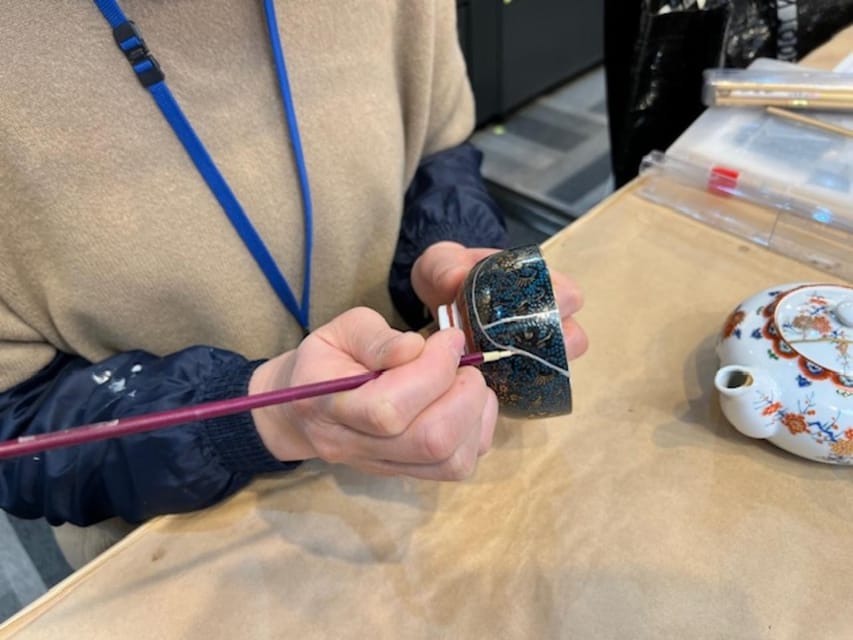
This activity suits you if you like traditional crafts, design, Japanese philosophy, or hands-on souvenirs. It is also a good choice if you have already seen Tokyo’s major sights and want a quieter activity that gives your day a different rhythm.
It works particularly well for:
- Couples looking for a shared souvenir
- Solo visitors who enjoy making things
- Adults and older teenagers interested in Japanese culture
- People who prefer small-group activities
- Visitors who want an English-supported craft class
- Anyone interested in Arita porcelain or lacquerware
The workshop is not suitable for children under 13. It may also be a poor fit if you want a fast, casual activity with no care instructions afterward. Your finished plate needs drying time and careful handling, so leave room in your luggage and schedule.
You should also think about your expectations. This is not a dramatic performance or a large-scale museum program. The experience is quiet, careful, and limited to one object. That modest scope is part of its appeal, but it will not satisfy someone looking for a full-day ceramics course.
Planning the experience around your Tokyo day
The three session times make the workshop easy to fit into a broader itinerary. The morning class runs from 10:30 to noon. The first afternoon class runs from 13:30 to 15:00, and the last runs from 15:30 to 17:00.
Allow enough time to reach the Nihonbashi meeting point. Late arrivals do not receive extra time, so arriving just before the start would be a risky plan. You will also want to avoid booking a rushed train departure or a tightly timed reservation immediately afterward.
The workshop is wheelchair accessible. It is a small-group activity with a maximum of 10 participants, though it may be held with regular customers in the shop.
Cancellation is free up to three days in advance for a full refund. If you do not attend on the scheduled day, no refund is issued. Those rules make it wise to book once your Tokyo plans are firm.
My final take: should you book it?
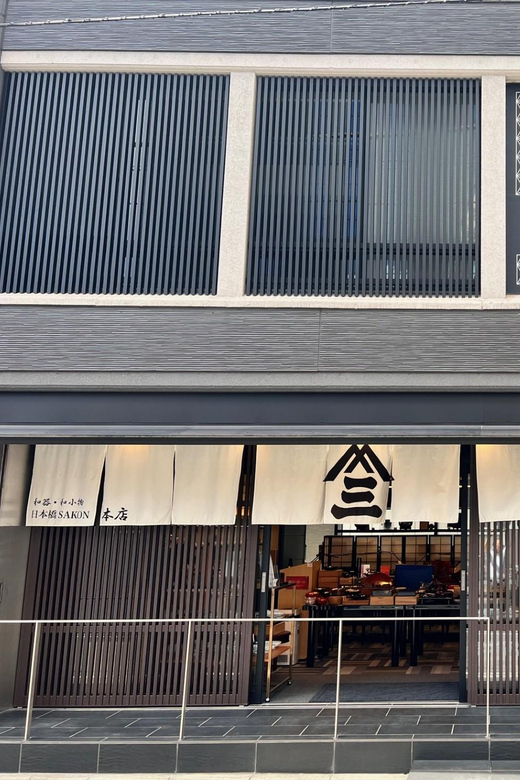
Book this Kintsugi experience if you want a thoughtful, hands-on souvenir and an introduction to a Japanese craft with real cultural meaning. The English support, small group, skilled instructor, Arita Ware plate, and 1923 shop setting give the activity a clear identity.
I would be more cautious if you want several objects to choose from, a piece that can be used for food, or a detailed professional course. The class is short, the design options may feel limited, and your finished plate is decorative only.
For most visitors, the best reason to book is the combination of calm instruction and personal involvement. You leave with one repaired piece, a better understanding of Kintsugi, and a souvenir that carries the marks of the experience rather than simply displaying a Tokyo logo.
FAQ
How long does the Kintsugi experience last?
The workshop lasts 90 minutes, or 1.5 hours.
What time can I attend the workshop?
The available starting times are 10:30, 13:30, and 15:30. The sessions finish at 12:00, 15:00, and 17:00 respectively.
Is the workshop taught in English?
Yes. An English-speaking instructor leads the experience.
What is included in the price?
The price includes the 90-minute workshop, all necessary materials, an English-speaking instructor, and the plate used during the activity.
Can I bring my own broken item?
Yes. You may bring a ceramic or porcelain item that is approximately 15 centimeters in diameter or smaller, no more than 15 centimeters high, and broken in one or two places.
Can I use the repaired plate for food or drinks?
No. The repaired item should be used for decoration only. It must be hand-washed, and it cannot go in a microwave or dishwasher.
Is the workshop suitable for children?
The experience is not suitable for children under 13 years old.
Just added in Tokyo
- A One-of-a-Kind Sushi Experience in a Special Place of Japan★ 5.0 · 15 reviews
- Tokyo Cute Bento Cooking Class – Make a Kawaii Character Lunchbox★ 5.0 · 126 reviews
- Japanese Home Cooking Class & Walk in Todoroki Temple Tokyo★ 5.0 · 88 reviews
- Japan Tokyo Tower Observatory Deck E-Ticket★ 4.0 · 34 reviews
- Catch a Baseball Game in Tokyo with a Local – Tickets Included★ 5.0 · 24 reviews
- JDM Experience with Fast&Furious RX-7 (English speaking Driver)★ 5.0 · 57 reviews
- Tokyo Private Day Tour by Car with English speaking Driver Guide★ 4.0 · 29 reviews
- Japan Classic 10 Day – One Life Adventures★ 5.0 · 129 reviews
Guided, compared.
Tokyo 6hr Private Tour with Government-Licensed Guide
Read our review →

Shiraito Falls & Forest Cafe & Handmade Flower Salt Pudding & Grilled Seafood & Totoro Forest & Sakurai Futamigaura & Angel’s Wings & Coconut Tree Swing Day Tour (Departing from Hakata Station, with Mandarin, English, and Cantonese speaking guide)
Read our review →
Shinjuku Local Bar and Izakaya Guided Walking Tour
Read our review →
Private City Highlights Tour with Local Guide
Read our review →
Kyoto Early Morning Tour with English-Speaking Guide
Read our review →