
Reviewed · CASTLES AND HISTORIC SITES
Kyoto: Nijo Castle World Heritage Guided Tour with Admission
Power once spoke through polished floors. This 90-minute Nijo Castle tour brings the shogun and Emperor rivalry into focus, rather than leaving you to puzzle over empty rooms. I like the small group size, capped at 10, and I love that the guide explains how architecture itself created pressure and rank. The main drawback is simple: you must remove your shoes inside Ninomaru Palace, and the tour may feel brief if you want a slow garden visit.
Meet the guide outside Exit 1 of Nijōjō-mae Station, where a Local Guide Stars sign makes the starting point easy to find. Guides including Nao, Naoya, Uta, Benjamin, and Alexander have earned especially warm praise for clear English, humor, patience, and useful Kyoto advice. I would choose this tour if you want context and conversation, not just an admission ticket.
In This Review
- Key points to know before booking
- Why Nijo Castle is different from Kyoto’s temples
- Meeting at Nijōjō-mae Station
- Crossing a palace built to intimidate
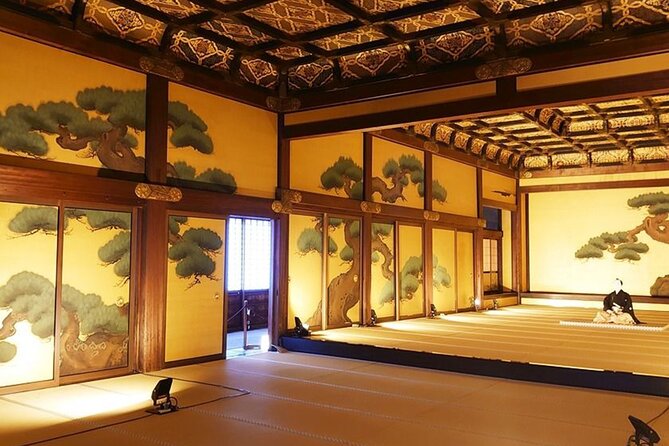
- Ninomaru Palace and the chirping floors
- The room where the shogunate ended
- Moats, koi, and the quieter side of the castle
- What the $40 price really buys you
- The guides make the difference
- Who should book this Nijo Castle tour?
- Should you book it?
- FAQ
- Where does the Nijo Castle tour meet?
- How long does the tour last?
- Is admission to Nijo Castle included?
- What language is the tour offered in?
- How large is the tour group?
- Do I need to remove my shoes?
Key points to know before booking
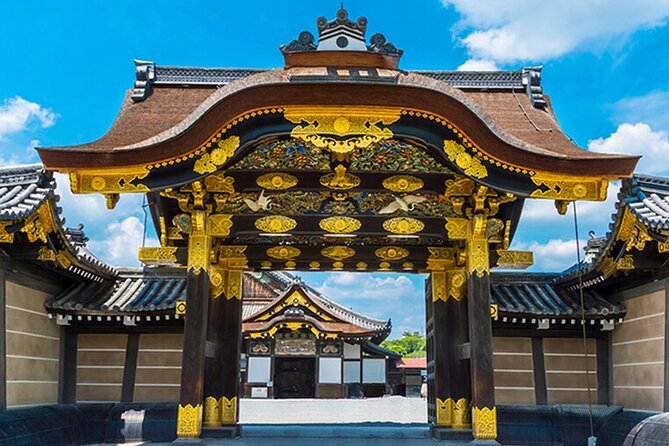
- Ninomaru Palace tells the story through design: Room size, floor height, decoration, gates, and corridors all helped reinforce social rank.
- The nightingale floors are a hands-on highlight: The boards chirp underfoot, once serving as an alarm against intruders.
- The 1867 handover happened here: You stand in the room where Tokugawa Yoshinobu returned authority to the Emperor.
- The group stays small: With no more than 10 people, you have a better chance to ask questions and hear the guide.
- The grounds are photogenic: Koi swim through the castle moats, and the gardens offer a calmer counterpoint to the formal palace interiors.
- The practical setup is easy: The tour begins and ends at Nijōjō-mae Station, lasts 90 minutes, and includes castle admission.
Why Nijo Castle is different from Kyoto’s temples
Kyoto can sometimes feel like a parade of elegant roofs, gardens, and old wooden buildings. Nijo Castle gives you something more political. Its spaces were built to send a message.
The Tokugawa shoguns ruled from Edo, now Tokyo, yet they built this lavish palace only steps from the Emperor’s residence in Kyoto. That location mattered. The castle was not simply a home or military stronghold. It was a carefully placed reminder that the shogun held real power, even in the imperial city.
I find that idea makes the visit much easier to understand. You are not just looking at painted rooms and old timber. You are seeing a political statement in wood, stone, gold, and carefully managed movement.
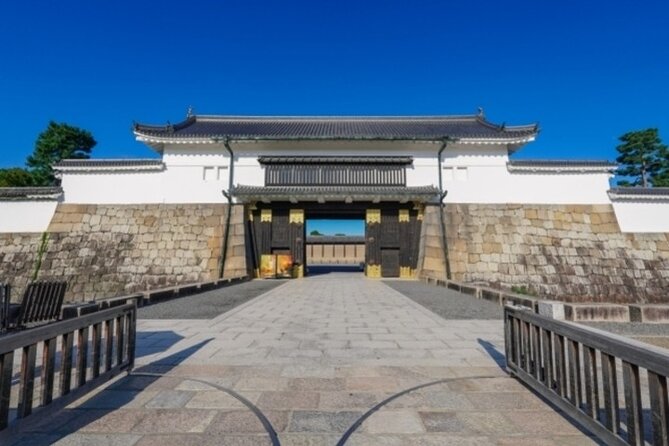
The castle’s design favored display and control over battlefield defense. Gates and corridors shaped how visitors approached the palace. The route could make a person feel watched, slowed, or ranked before a single word was spoken.
A guide helps you catch these details. Without one, you can appreciate the beauty but miss the argument the building is making.
More Castles and Historic Sites in Tokyo
- Tokyo: Imperial Palace and Shogun Historical Walking Tour
★ 5.0 · 2,251 reviews - Tokyo Castle & Imperial PalaceーShogun Walking Tour
★ 4.7 · 1,068 reviews - Tokyo: Samurai Ninja Museum Guided tour and Experience
★ 4.6 · 1,010 reviews
Meeting at Nijōjō-mae Station
The meeting point is outside Exit 1 of Nijōjō-mae Station. Look for a guide holding a Local Guide Stars sign. The tour returns to the same station area after the castle visit, so the route is straightforward.
That simplicity matters in Kyoto, where even a short transfer can become confusing when you are trying to read signs, manage timed entry, and keep a family together. Here, you begin at the castle’s doorstep instead of spending part of the morning finding an obscure office.
The experience is offered in English with a live guide. The group limit of 10 is one of its strongest features. A large group can turn an intimate palace into a listening exercise, with people straining to hear from the back. A small group gives you room to ask why a room was built a certain way or how the shogunate fit into Japan’s wider political story.
The guide quality matters greatly here. Nao is praised for deep explanations and for pointing out parts that are easy to miss. Naoya is noted for combining castle history with Japanese culture and for adjusting to different ages and questions. Uta brought information about local customs into the walk, while Benjamin mixed facts with humor. Alexander was also praised for clear explanations.
Those details suggest a useful strength: the experience depends on a team of guides, but the best guides do more than recite dates. They connect the building to the society around it.
Crossing a palace built to intimidate
The castle visit itself takes about an hour within the 90-minute experience. The pace is guided and purposeful, with the main attention on Ninomaru Palace and the political story tied to it.
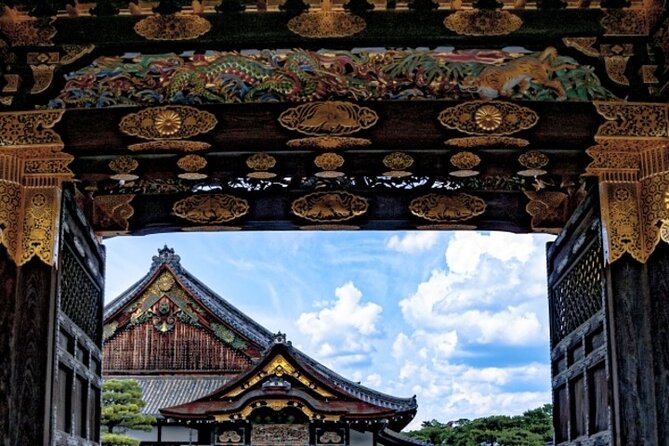
As you move through the approach, pay attention to how the route unfolds. Gates and corridors did not simply direct foot traffic. They helped control the visitor’s view and pace. The shogun’s palace was meant to be seen in stages, with every turn reinforcing the gap between ordinary people and the ruling elite.
I like this part because it turns architecture into evidence. A high threshold, a change in floor level, or a larger room can carry a social message. The guide explains how room size, floor height, and decoration reflected strict hierarchy, so the building begins to read almost like a diagram of power.
This is also where the tour moves beyond the usual shogun versus Emperor headline. The rivalry was not presented through open combat. It was expressed through proximity, ceremony, rank, and the ability to command attention.
You may notice that the castle is impressive without feeling like a fortress in the usual European sense. That is the point. Its strength came from ceremony and authority as much as from walls or weapons.
Ninomaru Palace and the chirping floors
Inside Ninomaru Palace, you must remove your shoes. Wear socks you are comfortable walking in, since bare feet are not the most pleasant choice on a long sightseeing day. The rule is practical, but it also changes how you experience the building. You move more carefully and become more aware of the wood beneath you.
Then come the famous nightingale floors. The boards chirp as you walk across them. The sound was designed to expose unwanted movement, turning the floor into an alarm system.
It is an amusing moment, but the purpose was serious. A palace that looked calm and ceremonial still had systems for detecting intruders. I like the contrast between the delicate birdlike sound and the hard political world it served.
The guide can also point out the layered corridors and gates that helped overwhelm visitors psychologically. The route was not neutral. It managed sightlines, access, and status. You were not meant to wander wherever you pleased.
The palace interiors are the place where a guide earns the admission price. If you walk alone, you can admire the craftsmanship and layout. With explanations, you can understand why one room was larger than another, why a corridor was arranged in layers, and how visual detail reinforced rank.
The drawback is that the palace visit is not a leisurely private wander. You follow a set route, remove shoes, and keep moving with the group. If you prefer to stop for long periods at every painting or architectural detail, you may want extra independent time at the castle before or after the tour.
A completely different kind of day out:
- Tokyo Disney Resort – Tokyo Disneyland & Tokyo DisneySea Park Tickets
★ 4.8 · 99,488 reviews - SHIBUYA SKY Ticket
★ 4.7 · 46,509 reviews - JR Whole Japan Rail Pass
★ 4.8 · 29,150 reviews - Mt Fuji and Hakone 1-Day Bus Tour Return by Bullet Train
★ 5.0 · 26,383 reviews
The room where the shogunate ended
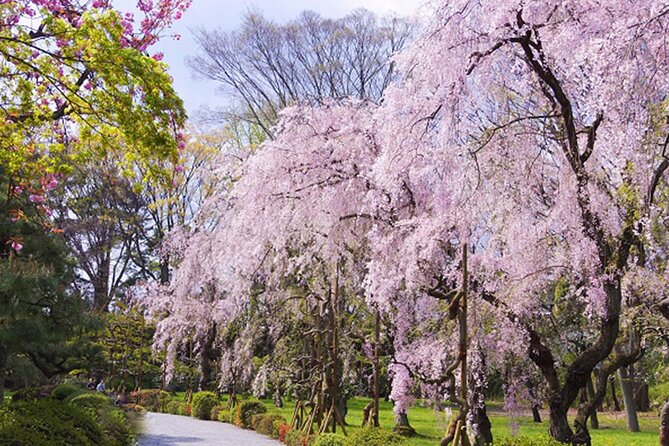
The emotional center of the walk is the room connected with Tokugawa Yoshinobu’s decision in 1867 to return authority to the Emperor. That act ended more than 260 years of shogunate rule and helped bring about the Meiji Restoration.
This is the moment when the palace changes from an impressive historic building into a place tied to a national turning point. The castle had been built to display Tokugawa authority beside the Emperor’s residence. It later became the setting where that authority was handed back.
The contrast is powerful. The same complex that announced the shogun’s dominance also witnessed the end of the system. I find this gives the tour a clean narrative arc: construction as political pressure, daily operation as social theater, and final transfer as political change.
You do not need to arrive with a detailed knowledge of Japanese history to follow the story. The guide’s job is to explain why the Tokugawa family built the castle in Kyoto, how the palace expressed rank, and why 1867 mattered.
If you have read about Tokugawa Ieyasu or encountered the shogunate through historical fiction, the rooms may carry extra meaning. One participant who had read Shogun specifically wanted to see a Tokugawa castle and found the nightingale floors especially memorable. Still, the tour does not depend on prior reading.
Moats, koi, and the quieter side of the castle
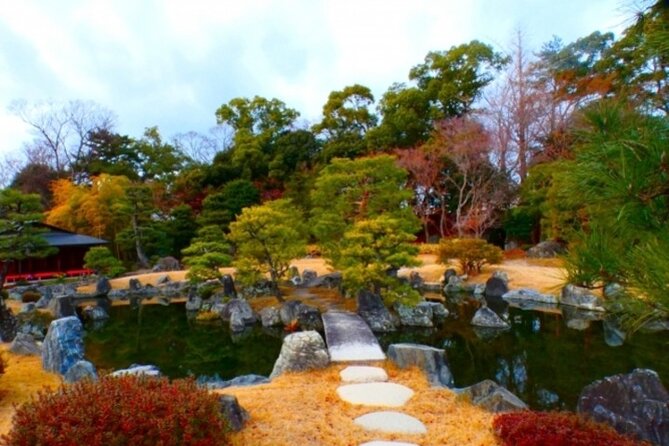
After the palace, the gardens and moats provide a change of mood. Colorful koi move through the water, and the castle grounds give you the photogenic views many people hope for from a Kyoto visit.
The gardens are not just a decorative extra. They soften the formal power of the palace. After hearing about rank, surveillance, and political theater, you get space to look at water, trees, stone, and the broader arrangement of the grounds.
I would bring a camera, but I would not rush this part. The koi and moats are easy subjects, yet the larger value is the contrast between public grandeur and quiet garden space. The castle’s beauty works best when you notice how controlled it remains.
The ground is mostly flat, which helps visitors who find steep temple approaches tiring. The experience is also listed as wheelchair accessible. Still, the shoe-removal rule inside the palace is worth checking against your own mobility needs before booking, since the palace portion requires everyone to remove footwear.
The garden time is guided within the larger walk, so do not expect an extended independent horticultural tour. If gardens are your main reason for visiting Nijo Castle, the 90-minute format may feel focused on political history rather than plants.
What the $40 price really buys you
At $40 per person, the tour costs more than entering a major site on your own. The value comes from the admission being included and from having a guide explain details that are easy to overlook.
I would see the price this way:
- You are paying for access to the castle plus a 90-minute English-language explanation.
- You are getting a group capped at 10 rather than a large crowd.
- You can ask questions about the shogunate, palace design, customs, and the Meiji Restoration.
- You save time trying to build the story yourself from signs and room labels.
The value is strongest for first-time visitors, families, and anyone who wants a clear introduction to Nijo Castle. It is also useful if you have limited time in Kyoto and want the main political story presented in one compact visit.
The price is less compelling if you already know the site well or prefer to move alone at your own speed. You may get more out of a self-guided visit if your priority is photography, quiet garden time, or close study of palace decoration.
The small group helps justify the cost. Several bookings have resulted in only one participant, turning the scheduled walk into a private-style experience. You should not assume that will happen on your date, but the group limit keeps the experience personal even when it is full.
The guides make the difference
The strongest pattern in the feedback is guide quality. Nao is repeatedly praised for strong storytelling, detailed answers, and enthusiasm for the work. Naoya is described as patient with a mixed-age family that included adults over 65 and children aged 13 and 8, adjusting the pace and answering questions without making anyone feel rushed.
That is useful information if you are booking for a family. The tour can suit different ages because the castle offers several entry points: the chirping floors for children, political rivalry for adults, and visual details for anyone interested in design.
Uta added local culture and customs to the castle story. Benjamin brought humor into the explanation, which can make a long sequence of dates easier to remember. Guides also offered suggestions for other places to see around Kyoto and practical ideas for the rest of a trip.
I would still keep expectations realistic. The experience is only 90 minutes, and guide style can vary. You are booking a team rather than requesting a specific person, even though Nao, Naoya, Uta, Benjamin, and Alexander have all received strong praise.
Who should book this Nijo Castle tour?
I think this tour suits you best if:
- You are visiting Nijo Castle for the first time.
- You want the shogun and Emperor story explained in plain English.
- You enjoy asking questions instead of reading every sign alone.
- You are traveling with children or older family members and want a manageable pace.
- You have 90 minutes and want admission, orientation, and history in one package.
- You care about the nightingale floors but want to understand why they mattered.
You might skip it if you already have detailed knowledge of Tokugawa politics, dislike guided schedules, or want to spend most of your time photographing the gardens. The tour is focused and efficient, not a full-day exploration of every corner of the grounds.
Remember the small practical points. Meet outside Exit 1, look for the Local Guide Stars sign, arrive ready to remove your shoes, and wear comfortable socks. The terrain is mostly flat, and the activity is listed as wheelchair accessible.
Should you book it?
I would book this tour if Nijo Castle is on your Kyoto list and you want the building to make sense, not just look beautiful. The combination of a small group, included admission, nightingale floors, koi-filled moats, and the 1867 transfer of power gives you a strong 90-minute introduction.
At $40, it is not the cheapest way to enter the castle. It is a sensible buy for first-time visitors who value clear explanations and questions answered on the spot. If you prefer complete independence, enter on your own and keep your money for another experience.
For most people, especially families and history-minded visitors, the guide adds enough meaning to make the price worthwhile.
FAQ
Where does the Nijo Castle tour meet?
Meet outside Exit 1 of Nijōjō-mae Station. The guide will hold a sign that says Local Guide Stars.
How long does the tour last?
The experience lasts 90 minutes. The castle sightseeing portion is listed as about one hour, with the tour beginning and ending near Nijōjō-mae Station.
Is admission to Nijo Castle included?
Yes. The $40 price includes admission to Nijo Castle and the 1.5-hour guided tour.
What language is the tour offered in?
The tour is conducted in English with a live guide.
How large is the tour group?
The group is limited to 10 participants. On some dates, the group may be smaller, and it can occasionally become a private-style experience if only one person books.
Do I need to remove my shoes?
Yes. All visitors must remove their shoes when entering the palace. The castle grounds are mostly flat, and the activity is listed as wheelchair accessible.
Just added in Tokyo
- A One-of-a-Kind Sushi Experience in a Special Place of Japan★ 5.0 · 15 reviews
- Tokyo Cute Bento Cooking Class – Make a Kawaii Character Lunchbox★ 5.0 · 126 reviews
- Japanese Home Cooking Class & Walk in Todoroki Temple Tokyo★ 5.0 · 88 reviews
- Japan Tokyo Tower Observatory Deck E-Ticket★ 4.0 · 34 reviews
- Catch a Baseball Game in Tokyo with a Local – Tickets Included★ 5.0 · 24 reviews
- JDM Experience with Fast&Furious RX-7 (English speaking Driver)★ 5.0 · 57 reviews
- Tokyo Private Day Tour by Car with English speaking Driver Guide★ 4.0 · 29 reviews
- Japan Classic 10 Day – One Life Adventures★ 5.0 · 129 reviews
Castles and Historic Sites, compared.

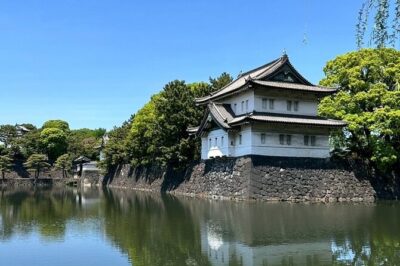
Imperial Palace and Shogun Historical Walking Tour
Read our review →
Tokyo Castle & Imperial PalaceーShogun Walking Tour
Read our review →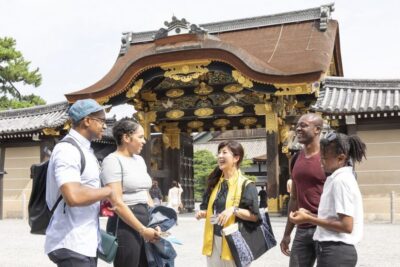
Nijo-jo Castle and Ninomaru Palace Guided Tour
Read our review →
Samurai Ninja Museum Guided tour and Experience
Read our review →Browse the lists this tour appears in