
Reviewed · DAY TRIPS
Kyoto Private & Personalized Full-Day Tour with a Local Guide
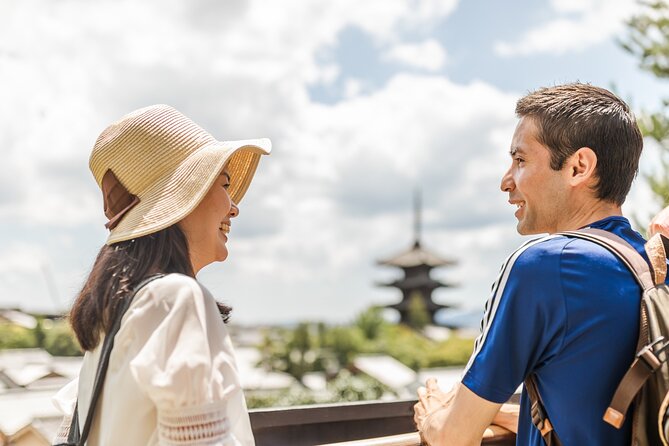
Kyoto rewards a flexible plan. This private, full-day experience lets you shape the day around your interests, then explore with a local guide who can adjust the pace as you go. I especially like the custom itinerary and the chance to reach atmospheric streets on foot, where buses and cars cannot take you. Guides such as Alex, Eko, Vanessa, and Oussama have earned praise for friendly service and thoughtful planning. The main catch is that food, entrance tickets, and transport are extra, so the $253.22 price is not the final bill.
For a first Kyoto visit, this is a useful way to get your bearings fast. You can combine major sights such as Kinkaku-ji and Kiyomizu-dera with neighborhood walks, shrines, gardens, or local food stops. I would pay close attention to the transport arrangement before booking, since a private vehicle is not included and one guest reported unexpected guide transportation and lunch costs.
In This Review
- Key points to know before booking
- Why a private Kyoto day can be worth the money
- Starting at Sanjo-ohashi Bridge
- Kyoto Station: a modern opening point
- Kitano Tenmangu Shrine and the northern route
- Kinkaku-ji, the Golden Pavilion
- Higashiyama on foot
- Kiyomizu-dera and the final city views
- What the guides add to the day
- Walking, buses, trains, and taxis
- Food, tickets, and the real daily budget
- Who will get the most from this Kyoto tour
- Should you book the Kyoto private walking tour?
- FAQ
- How long does the Kyoto private tour last?
- Is the tour private?
- Where does the tour start?
- Where does the tour end?
- Can I choose the starting time?
- Can I customize the itinerary?
- Is transportation included?
- Are meals and attraction tickets included?
- Can I cancel for a full refund?
Key points to know before booking
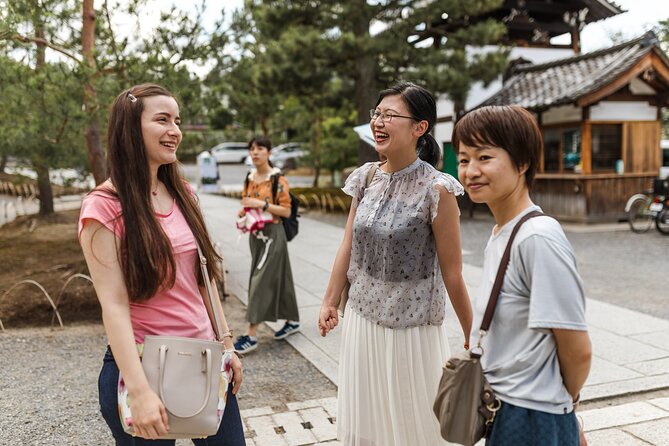
- Your interests shape the day: A questionnaire and direct contact with your host help build a route around temples, food, history, culture, or lesser-known corners.
- The tour is private: Only your group participates, so you can ask questions freely and adjust the pace.
- Expect a walking day: Public transport or taxis may be used between distant sights, at an additional cost.
- The route can cover major Kyoto icons: Possible stops include Kyoto Station, Kitano Tenmangu Shrine, Kinkaku-ji, Higashiyama, and Kiyomizu-dera.
- Guides are a major strength: Alex, Eko, Vanessa, Oussama, Justus, Juraj, and Taibi have been praised for warmth, route planning, and personal attention.
- Budget beyond the headline price: Admission tickets, meals, drinks, taxis, trains, buses, and gratuities are not included.
Why a private Kyoto day can be worth the money
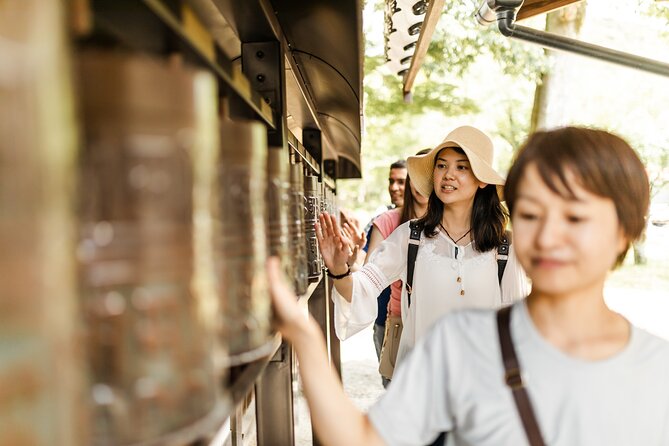
Kyoto is easy to underestimate. The famous sights are spread across the city, and a day that looks simple on a map can become a tangle of buses, train changes, queues, and crowded lanes. This tour gives you eight hours with one guide focused only on your group.
At $253.22 per person, the cost is easier to justify for a small group than for a solo visitor. Four people sharing a private experience get more value from the personal planning and flexible pace. For one person, the price is high, but it may still make sense if you have only 48 hours in Kyoto and want to use one day efficiently.
The best part is not simply seeing more temples. It is having someone help you decide what deserves your limited time. A guide can explain which areas fit your interests, keep the route moving, and suggest local places for a meal or snack. You are paying for judgment and flexibility, not just transport from one gate to another.
Still, you need to understand what the price does not cover. Meals, drinks, admission fees, and public transport or taxis are separate. The experience is primarily on foot, and there is no private vehicle. Ask your host before the day begins how transfers will work and which costs you should expect to pay directly.
More Day Trips in Kyoto
- [Kyoto & Nara Day Tour] Sagano Scenic Railway & Nara Park & Fushimi Inari Taisha Thousand Torii Gates & Togetsukyo Bridge & Bamboo Grove & Kimono Forest (Departing from Osaka)
★ 4.9 · 10,942 reviews - Kyoto Nara Day Trip │ Kiyomizu-dera Temple + Fushimi Inari-taisha Shrine + Nara Park (Departing from Osaka/Kyoto)
★ 4.7 · 3,408 reviews - Day Trip to Amanohashidate & Ine no Funaya & Miyama Thatched Village in the Sea of Kyoto (Departure from Osaka or Kyoto)
★ 5.0 · 1,212 reviews
Starting at Sanjo-ohashi Bridge
The meeting point is the Starbucks Coffee at Sanjo-ohashi Bridge in Nakagyo Ward. This central location is near public transport and gives you a practical starting point for a day around Kyoto.
The flexible start time is useful. You can choose the hour when booking, then use the pre-tour questionnaire to explain what you want to see. Be specific. If Kinkaku-ji is essential, say so. If you prefer food markets to temple interiors, say that too. If you walk slowly, need regular breaks, or want time for photographs, include it.
Your guide will contact you after booking to discuss the plan. That conversation matters more here than on a fixed group tour. The route may change depending on your priorities, the distance between sights, and how much time you want at each place.
The guide should also clarify the end point and transport costs. The tour ends back at the meeting point, but the route between stops may involve trains, buses, or local taxis. That flexibility can help you cover more ground, but it also means you should carry a payment method for extra fares.
Kyoto Station: a modern opening point
The suggested route may begin at Kyoto Station, a huge modern landmark with dramatic architecture, rooftop gardens, and broad city views. It is an unexpected first stop in a city best known for wooden lanes and old temples.
Kyoto Station works well as an introduction because it shows the city’s modern side. The building is practical as a transport hub, but it is also a piece of bold architecture. Rooftop areas offer views across the city and help you understand Kyoto’s size before you begin crossing it.
This stop is not essential for everyone. If you have already spent time at the station, you may prefer to use those minutes elsewhere. That is exactly where the private format helps. A guide can shorten this part or replace it with a neighborhood that better fits your plans.
Kitano Tenmangu Shrine and the northern route
Kitano Tenmangu Shrine is dedicated to Sugawara no Michizane, a scholar honored at many Tenmangu shrines in Japan. The shrine is especially known for plum blossoms in late winter and a monthly market.
This is a good choice if you want a place with a strong local rhythm rather than only the most photographed monuments. Your guide can explain the shrine’s connection to learning and point out details you might otherwise pass without noticing.
The monthly market adds another reason to plan the route around a specific date. If it does not fall during your visit, the shrine can still be worthwhile, but the atmosphere may be quieter. Ask your host what is happening on your tour date and how much time the stop deserves.
The northern location also affects the day’s flow. Pairing Kitano Tenmangu with Kinkaku-ji makes geographic sense, but adding southern Kyoto sights afterward requires a long transfer. You may use a bus, train, or taxi, and those costs are extra. A private guide can help, but no itinerary can remove Kyoto’s distances.
A completely different kind of day out:
- PERFECT KYOTO 1-Day Bus Tour
★ 5.0 · 13,518 reviews - Kyoto: Fushimi Inari, Kinkakuji, Bamboo Grove 1 Day Bus Tour
★ 4.8 · 4,316 reviews - Kyoto: Tea Ceremony in a Traditional Tea House in Kiyomizu
★ 4.9 · 3,519 reviews - Kyoto: Gion Make Your Own Chopsticks with Engraving Option
★ 5.0 · 3,465 reviews
Kinkaku-ji, the Golden Pavilion
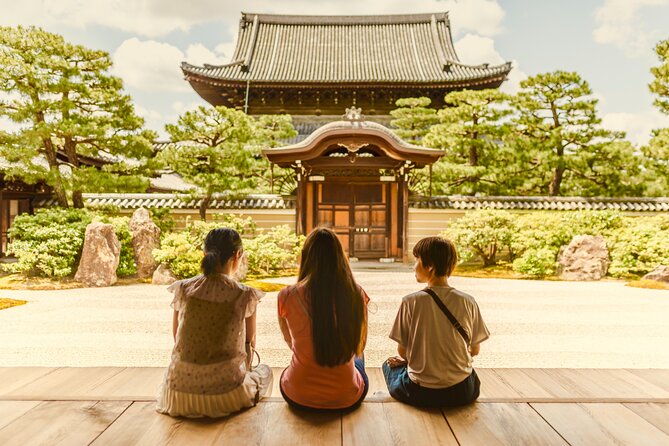
Kinkaku-ji is one of Kyoto’s essential sights. The former shogun’s villa became a Zen temple in the 1400s, and its gold-leaf exterior now draws visitors from around the world. The pavilion’s reflection over the pond is the image many people carry home from Kyoto.
I would place this high on your list if it is your first visit. The grounds offer more than the pavilion itself, with a set route through gardens and viewpoints. Your guide can provide context about the building and the Zen temple complex, then help you avoid spending the whole day chasing photographs.
The drawback is simple: this is a major attraction, and it can feel crowded. Your guide cannot control the number of people at the site. A flexible start time may help with pacing, but you should not expect solitude at one of Kyoto’s most famous temples.
Kinkaku-ji also makes a useful test of your tour style. If you want a quick look and a few photographs, say so. If you care about design, religious meaning, or the garden setting, ask for more time. A private tour gives you room to make that choice instead of following a fixed schedule.
Higashiyama on foot
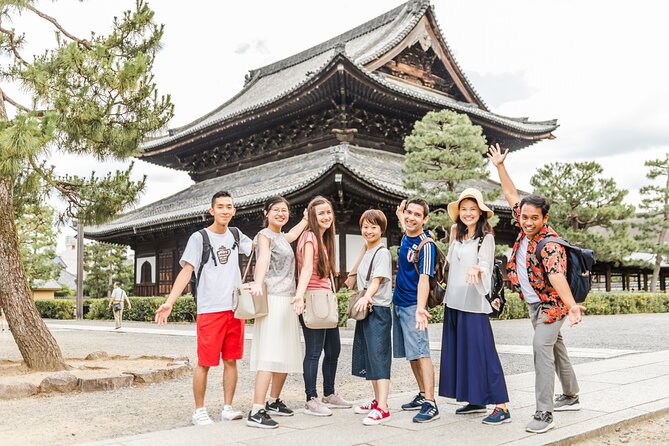
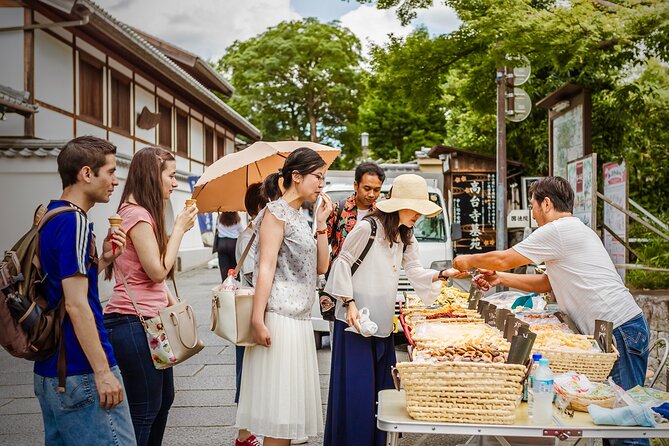
Higashiyama is where the walking format earns its keep. The area’s sloping lanes pass wooden townhouses, old-style merchant shops, cafés, and restaurants. It is the kind of place where the details are at street level, not behind a bus window.
You can expect a slower section of the day here. The streets invite pauses for photographs, browsing, and small discoveries. A guide may point out places to eat or explain how the old commercial buildings fit into Kyoto’s traditional neighborhoods.
Wear comfortable shoes. The tour lasts about eight hours, and Higashiyama’s hills and pedestrian lanes add real walking to the day. The private format lets you pause, but it does not turn the experience into a gentle sightseeing ride.
This area can also be crowded, especially around the most popular lanes. The reward is the texture of the neighborhood, but you should be ready for narrow streets and a busy public setting. If you want a quieter experience, tell your guide early so the route can be adjusted where possible.
Kiyomizu-dera and the final city views
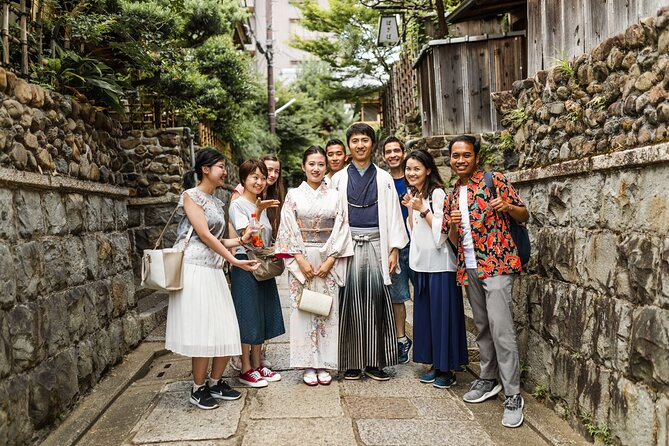
The day may finish at Kiyomizu-dera, one of Japan’s best-known temples. Its large wooden stage looks over Kyoto, and the site is particularly appealing during autumn foliage season.
This is a strong final stop because it combines a major temple with a memorable view. You also get a sense of how Kyoto’s older districts sit below the hills. The approach through Higashiyama makes the visit feel connected to the neighborhood rather than like an isolated attraction.
The famous Otowa Waterfall is another detail to look for. Your guide can explain its place within the temple grounds and help you understand what you are seeing instead of treating the visit as a quick photo stop.
Kiyomizu-dera can be tiring late in the day. The approach includes slopes and crowds, and your energy may be lower after several hours on foot. If this is your must-see, tell the guide to protect enough time for it. If you would rather finish with food or a quieter street, the customizable format gives you a chance to suggest a different ending.
What the guides add to the day
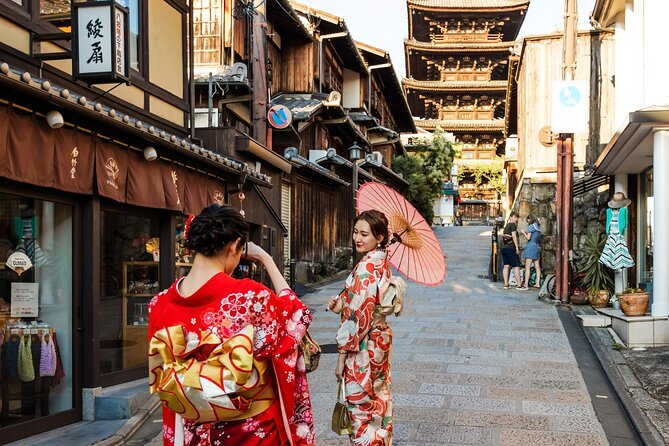
The strongest part of this experience is the human element. Alex is praised for being friendly and well informed, while Eko has been described as patient, attentive, and skilled at using public transport. Vanessa received praise for explaining the meaning behind gardens and temples, not just naming them.
Oussama contacted a guest several days ahead to improve the route and match the pace. Justus was noted for explaining historical and cultural details while using taxis to cover more ground. Juraj adjusted the day to the sites his group wanted and explained legends as well as history.
Taibi offers another useful example of what you may find in a guide: he has lived in Japan for more than 20 years and brought a perspective shaped by both local life and an outside background. That kind of personal experience can make a city feel easier to understand.
Guide quality can vary, of course. One poor experience involved unclear English, little explanation at the sites, and unexpected costs for guide transport and lunch. I would not ignore that warning. Confirm the guide’s language ability, the meeting arrangement, and how shared transport costs will be handled before departure.
Walking, buses, trains, and taxis
This is not a chauffeur-driven tour. You will walk between nearby places, then use public transport or a taxi when the route crosses a larger part of Kyoto. That is a plus if you want to see how the city functions, but it requires stamina and some flexibility.
Using public transport can be efficient. Eko was praised for handling trains and buses well, and one guest said the route covered many sights efficiently. Taxis can save time, but they can also raise the day’s cost quickly. Justus’s group used taxis and saw more of Kyoto, but paid extra for that convenience.
Ask these questions before the tour:
- Which sites are planned?
- How much walking is expected?
- Will the guide use buses, trains, or taxis?
- Who pays the guide’s transport costs?
- Are entrance tickets needed for the chosen stops?
- Where will lunch fit into the schedule?
The supplied information says transport costs can be discussed with your host after reservation. Take that opportunity. One guest felt caught off guard by paying the guide’s transport and lunch, so clear communication is not a minor detail here.
Food, tickets, and the real daily budget
The listed price covers the private eight-hour experience, a local host, itinerary planning, and direct communication before the tour. It does not cover food, drinks, attraction tickets, transport, or gratuities.
That structure is common for a custom walking tour, but you need to budget for it. Your final cost depends on the places you choose and how often you use taxis. A temple-heavy day may involve several entrance fees. A food-focused route may cost more at lunch and snack stops.
The advantage is control. You do not pay for attractions that interest you less, and you can choose a simple meal rather than an expensive restaurant. The disadvantage is that the advertised price does not tell you the full cost of the day.
Carry enough yen or another accepted payment method for your own needs and any agreed shared expenses. Do not assume lunch for the guide is included or excluded without asking. Get the arrangement clear before you meet.
Who will get the most from this Kyoto tour
I would recommend this experience to first-time visitors who want a broad introduction without surrendering the whole day to a rigid group schedule. It also suits couples, families, and small private groups with different interests.
It is especially useful if you have only a short stay. One guest with roughly 48 hours in Kyoto used the day to cover more ground, and that is where a personal route can make a real difference.
You should also consider it if you enjoy asking questions. The guide can adjust the pace and focus on history, food, gardens, everyday life, or cultural practices. The day works best when you arrive with clear priorities.
It is less suitable if you want a low-cost tour, dislike walking, need all expenses included, or expect a private car. It may also disappoint you if you want a fully fixed schedule with no planning conversation.
Should you book the Kyoto private walking tour?
Book it if you value personal planning, local guidance, and a full day built around your own interests. The flexible route, private group setting, and strong guide feedback make it a useful first-day choice, particularly for a short Kyoto stay.
Before paying, send a clear list of must-see places and ask for an estimated transport budget. Confirm the guide’s language, the meeting point, the amount of walking, and who pays for the guide’s meals and fares.
I would choose this tour for a small group that wants to see major sights while still leaving room for real neighborhoods. I would skip it if the extra costs would strain your budget. Free cancellation is available until 24 hours before the start time, giving you a little room to make that decision.
FAQ
How long does the Kyoto private tour last?
The experience lasts about eight hours.
Is the tour private?
Yes. Only your group participates in the activity.
Where does the tour start?
It starts at Starbucks Coffee at Kyoto Sanjo-ohashi Bridge in Nakagyo Ward, Kyoto.
Where does the tour end?
The tour ends back at the meeting point.
Can I choose the starting time?
Yes. Flexible start times are available when booking.
Can I customize the itinerary?
Yes. After booking, you receive a questionnaire about your interests and preferences. Your host then contacts you to plan the route.
Is transportation included?
No private vehicle is included. The experience is mainly on foot, and public transport or local taxis may be used at an additional cost.
Are meals and attraction tickets included?
No. Food, drinks, attraction tickets, transportation, and gratuities are not included.
Can I cancel for a full refund?
Yes, if you cancel at least 24 hours before the experience start time. Changes or cancellations made less than 24 hours beforehand are not accepted for a refund.
Just added in Kyoto
- The “Golden Route” and Ancient Japan by DIAMIR Erlebnisreisen – 14-Day Tour★ 2.0 · 2 reviews
- Japan: Castles & Cuisine by G Adventures – 6-Day Kyoto to Osaka Tour★ 4.5 · 4 reviews
- Cycle Japan by Explore! – 13-Day Kyoto to Tokyo Tour★ 4.7 · 12 reviews
- Cycle Japan by Intrepid Travel – 11-Day Kyoto to Tokyo Tour★ 4.8 · 2 reviews
- Classic Japan by Intrepid Travel – 11-Day Kyoto to Tokyo Tour★ 4.4 · 14 reviews
- Ancient & Modern Japan 14-Day Tour by Exodus Adventure Travels★ 4.4 · 40 reviews
- 5 Day Cultural Adventure of Kyoto, Nara & Osaka by Tourist Journey★ 2.5 · 2 reviews
- 12 Days Kinosaki Onsen Escape: A Journey Through Japan’s Timeless Towns by UME Travel★ 4.8 · 5 reviews
Day Trips, compared.
![[Kyoto & Nara Day Tour] Sagano Scenic Railway & Nara Park & Fushimi Inari Taisha Thousand Torii Gates & Togetsukyo Bridge & Bamboo Grove & Kimono Forest (Departing from Osaka)](https://media.japanvisits.com/wp-content/uploads/kyoto-nara-day-tour-sagano-scenic-railway-nara-park-fushimi-inari-taisha-thousand-torii-gates-togetsukyo-bridge-bamboo-grove-kimono-forest-departing-from-osaka-k110001-400x257.jpg)
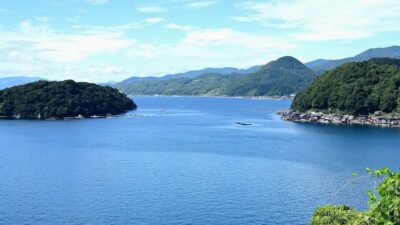
Kyoto Amanohashidate & Ine Funaya & Ine Bay Scenic Day Trip (Departing from Osaka or Kyoto)
Read our review →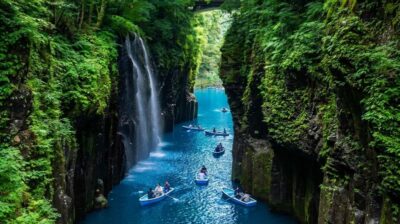
Kyushu: Mount Aso, Kusasenri & Takachiho Gorge Day Tour (Optional Takachiho Boat Ride Experience)
Read our review →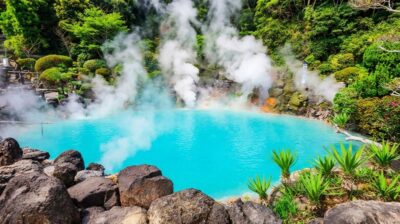
Kyushu One-Day Tour: Yufuin no Mori Train & Yufuin Town & Nyoirin-ji Temple & Dazaifu & Hell Hot Springs (Departing from Fukuoka)
Read our review →
Browse the lists this tour appears in