
Reviewed · CASTLES AND HISTORIC SITES
Land of the Samurai – 12 days by On The Go Tours: Tokyo to Kyoto Tour – Reviews & Prices
Tokyo’s giant crossing, Kyoto’s gold-covered pavilion and Hiroshima’s Peace Park all fit into one trip, with a night beside Lake Kawaguchi for a chance to see Mt Fuji. This is a broad introduction to Japan, mixing urban life, historic sites and a few quieter moments.
I like the route’s variety, and I like that transport between the major stops is included, including the bullet train. The main consideration is pace: you change bases several times, walk about 5km on many days, and get only limited free time in some cities.
In This Review
- Key points to know
- A fast, varied route through Japan
- Tokyo: temples, museums and the Shibuya scramble
- Lake Kawaguchi: Fuji views and ryokan hospitality
- Kyoto: temples, castle walls and Gion lanes
- Himeji and Hiroshima: castles, memory and local food
- Kyoto’s free day and the trip home
- What the price includes, and what to check
- Should you book Land of the Samurai?
- FAQ
- Where does the tour start and finish?
- How long is the tour?
- How much walking should I expect?
- Is transport between cities included?
- What accommodation is included?
- Can I book a single room?
- Are meals included?
- Are entrance fees included?
- Is the Mt Fuji Shibazakura Festival included?
- What is the group size and age range?
Key points to know
- Tokyo to Kyoto in 12 days: The route also reaches Kamakura, Lake Kawaguchi, Himeji, Hiroshima, Miyajima Island and Nara as an optional day trip.
- One night at a ryokan: Your Lake Kawaguchi stay includes dinner and access to natural hot spring baths.
- Bullet trains and transfers included: The tour provides transport between stops, a train transfer from Tokyo’s airport and a bus transfer from Kyoto to Osaka airports.
- Some major costs are extra: International flights, visas, tips and about $40 to $50 per person in local entrance fees are not included.
- Active days, modest hotels: Expect frequent sightseeing on foot and 3-star accommodation. One night is at a Japanese-style inn.
- A little planning pays off: Shibazakura Festival visits depend on dates and opening times, and the listed breakfast inclusions need confirming.
A fast, varied route through Japan
Land of the Samurai gives you a sampler of Japan’s big contrasts. You start with Tokyo’s shrines, subway rides and famous crossing, then move through Kamakura’s temples and the Mt Fuji area before spending several days among Kyoto’s historic sites. Himeji Castle, Hiroshima and Miyajima bring a different mood and a welcome change of scenery.
The tour ends in Kyoto, not Osaka, though your included departure bus goes from Kyoto to either Osaka airport. The route is guided in English through day 10, with day 11 free to make your own plans. That structure suits you if you like having the practical pieces arranged but still want some room to choose your own pace.
On The Go Tours lists the trip at from $3,861, with 11 nights of 3-star accommodation, local transport and several guided visits included. Price varies by departure and room choice, so compare the amount shown for your dates rather than treating the starting price as a guaranteed fare.
More Castles and Historic Sites in Tokyo
- Tokyo: Imperial Palace and Shogun Historical Walking Tour
★ 5.0 · 2,251 reviews - Tokyo Castle & Imperial PalaceーShogun Walking Tour
★ 4.7 · 1,068 reviews - Tokyo: Samurai Ninja Museum Guided tour and Experience
★ 4.6 · 1,010 reviews
Tokyo: temples, museums and the Shibuya scramble
Day 1 is for arrival and settling in. A guide meets you at Narita or Haneda and takes you by train into central Tokyo. Aim to arrive before 3pm so you have time to check in before the 6pm welcome meeting. If your flight lands later, check how that affects your first evening.
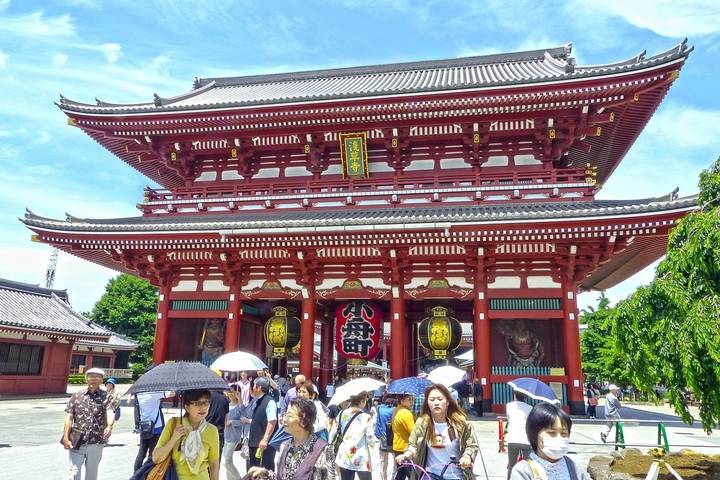
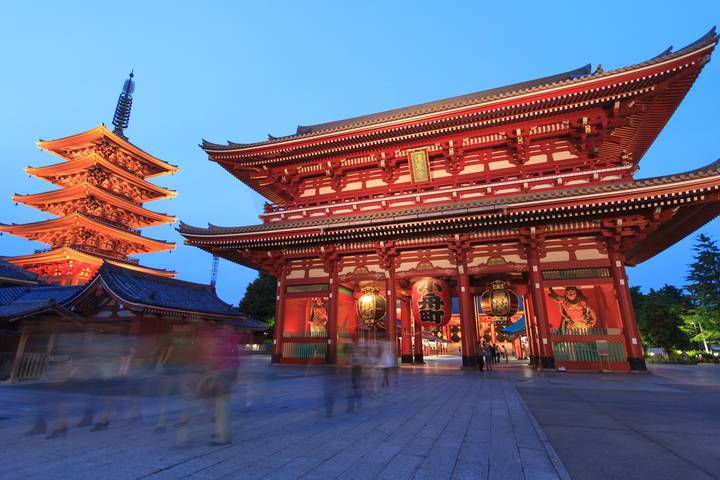
The first sightseeing day starts in Asakusa at Sensoji, a major Buddhist temple with a lively approach lined by souvenir and craft stalls. The stalls make a useful first look at local snacks and small gifts, while the temple offers a quieter counterpoint. In the afternoon, a guided visit to the Tokyo National Museum in Ueno Park gives you a grounding in Japanese art and archaeology.
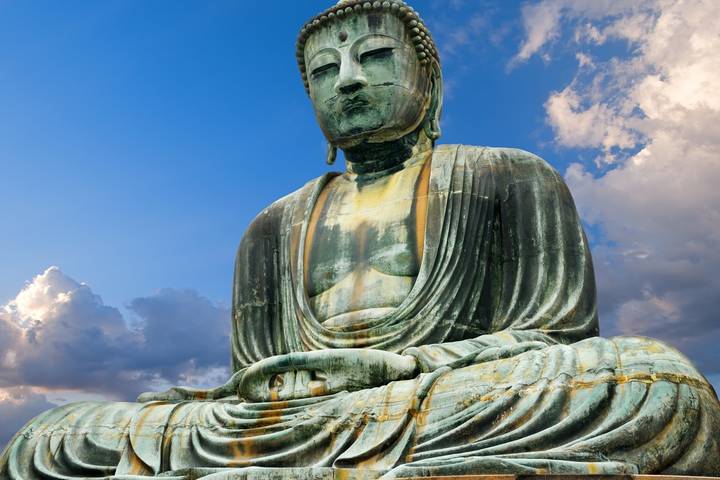
Kamakura, about an hour from Tokyo by train, adds an older, more relaxed feel. You’ll see the bronze Big Buddha and visit Hokokuji Zen Temple, whose bamboo garden includes a chance to have tea. The cobbled shopping district is a pleasant place to browse locally made goods, though the day trip leaves little time for the nearby coastline.
On day 4, Harajuku’s Takeshita Street brings you into a younger, trend-focused part of the city. Meiji Shrine offers a shaded pause, then Shibuya Crossing provides a very different spectacle: people stream across from every direction when the lights change. A coffee stop gives you time to watch the movement rather than simply pass through. The afternoon is free, and sumo tournaments may be an option in May or September, but tickets need advance booking.
Lake Kawaguchi: Fuji views and ryokan hospitality
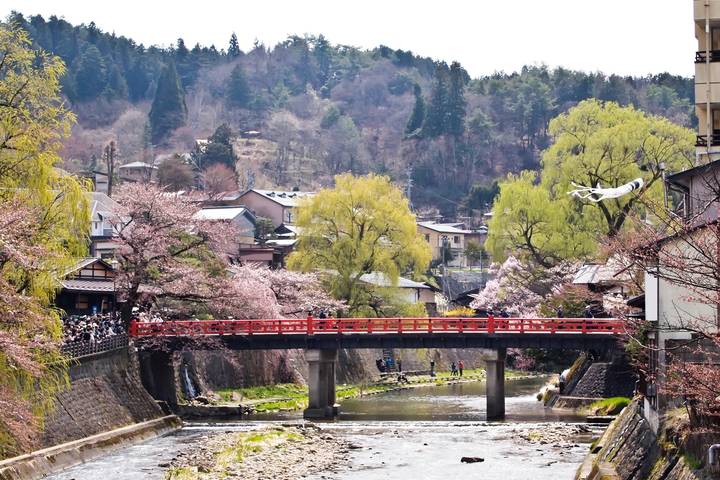
A road transfer takes you from Tokyo to Lake Kawaguchi in Fuji Hakone Izu National Park. The Mt Fuji Panoramic Ropeway and observatory are included, giving you a high viewpoint over the lake and, when the weather cooperates, the mountain. Fuji is famously shy behind cloud, so treat a clear view as a bonus rather than a promise.
If your visit falls during the spring festival season, the route may include the Fuji Shibazakura Festival at Motosu Lake, where pink moss flowers frame Mt Fuji. The provided dates differ between tour details, and the visit is subject to opening dates. Confirm the schedule for your departure if the festival is a deciding factor.
The overnight stay is one of the trip’s most distinctive changes of pace. You’ll sleep in a traditional Japanese-style inn, with dinner included and access to natural hot spring baths. It’s a chance to experience a ryokan stay without arranging one yourself. The trade-off: single rooms are not available at the Lake Kawaguchi inn, even if you pay for a single supplement elsewhere on the tour. Solo travellers are paired with a traveller of the same gender for that night.
Kyoto: temples, castle walls and Gion lanes
The next morning offers an optional walk along the lake before the bus to Mishima and bullet train to Kyoto. This is a long travel and sightseeing day, so don’t plan on arriving with hours to spare. In Kyoto, you visit Sanjusangen-do, a temple famed for its thousand life-size Kannon statues, then take a guided walk through Gion, known for its traditional streets and geisha culture.
A cultural performance at Gion Corner is optional. It can be a practical way to see several traditional arts in one sitting, but it is an extra rather than part of the included sightseeing. In Gion, give people space and remember that the district is a neighbourhood as well as a visitor destination.
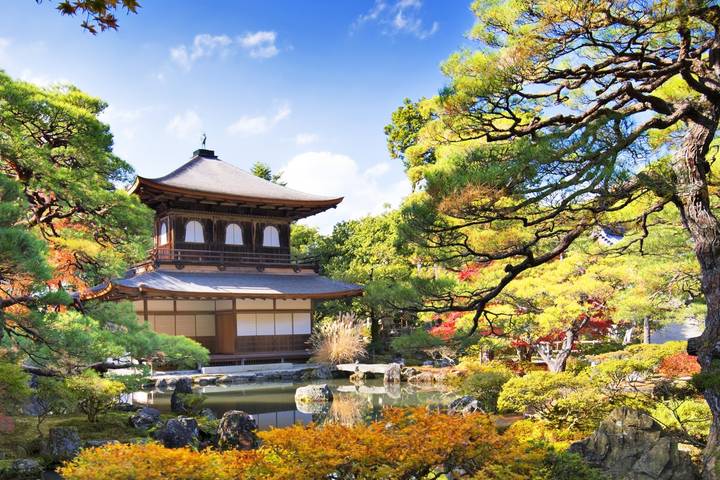
Day 7 visits Nijo Castle, built by the first Tokugawa shogun in 1603, and Kinkakuji, the Golden Pavilion. The castle offers a look at the power and style of the shogunate; the pavilion’s top two floors are covered in gold leaf and reflect over a small lake. Both are popular, major sights, so expect to share them with other visitors.
The afternoon is free. You might use it for Fushimi Inari Shrine, with its long paths of red torii gates, or choose a cooking lesson or kimono rental. Fushimi Inari is free and open around the clock, making it a flexible option if you want to visit outside the main group schedule. Kyoto deserves more time than this tour can give it, so the free afternoon and day 11 matter.
A completely different kind of day out:
- Tokyo Disney Resort – Tokyo Disneyland & Tokyo DisneySea Park Tickets
★ 4.8 · 99,488 reviews - SHIBUYA SKY Ticket
★ 4.7 · 46,509 reviews - JR Whole Japan Rail Pass
★ 4.8 · 29,150 reviews - Mt Fuji and Hakone 1-Day Bus Tour Return by Bullet Train
★ 5.0 · 26,383 reviews
Himeji and Hiroshima: castles, memory and local food
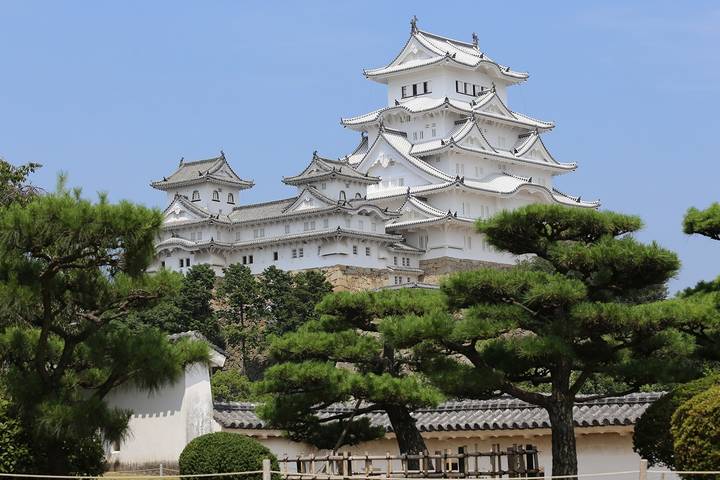
On day 8, the bullet train takes you from Kyoto to Himeji, where you visit Himeji Castle. Its white exterior gives it the nickname White Egret, while its maze-like defences show that the building was made to protect a stronghold, not just look pretty. You can climb the six-storey main tower for views, but the stairs and walking add to an already active day.
There may be time for a local Saturday market, but that depends on the day and what is operating. After Himeji, you continue by bullet train to Hiroshima. The evening is free; from May to October, you may be able to book a Hiroshima Carp baseball game at Mazda Stadium.
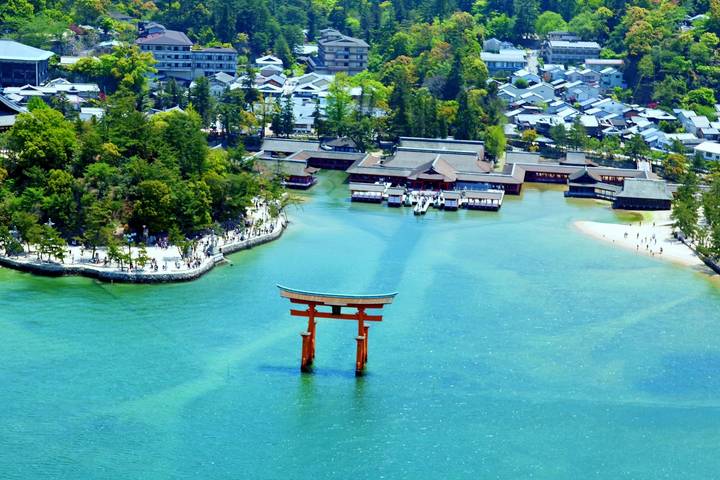
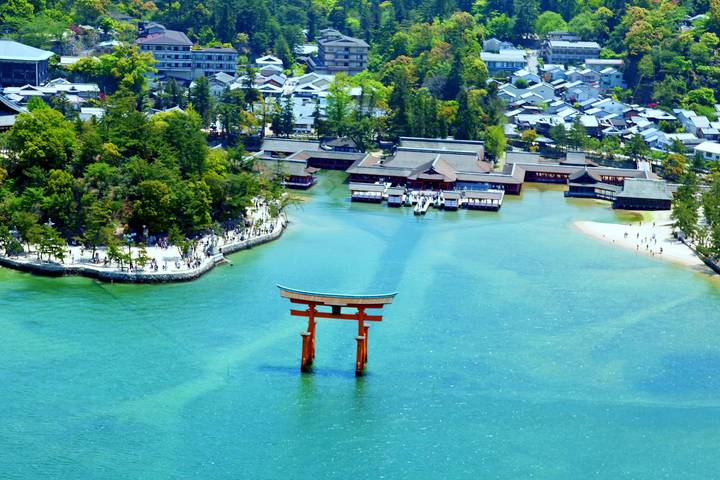
Miyajima Island is the next day’s main outing. The ferry and cable car to Mount Misen are included, along with a visit to Itsukushima Shrine and its large red torii gate. At high tide the gate appears to float; at low tide, you can walk up to it. Tide conditions change the view, so don’t expect the same scene in every photograph.
The island also has other shrines, pagodas and pavilions, with free time to explore. The cable car ride offers views across the Seto Inland Sea, nearby islands and Hiroshima. Dinner is a reservation for Hiroshima-style okonomiyaki, a local savoury dish often compared to a pancake or omelette. It’s an inexpensive, informal meal and a useful taste of regional food.
The following morning brings a more reflective visit to Hiroshima Peace Park and the Peace Park Museum. The A-Bomb Dome and Children’s Peace Monument make the history personal and visible. Allow yourself time to take in the exhibits. This is not a stop to rush through for a photo. In the afternoon, you return by bullet train to Kyoto.
Kyoto’s free day and the trip home
Day 11 is yours. You can revisit a Kyoto site, browse its shopping arcades or spend more time in Gion. Another option is a day trip to Nara, where temples and shrines sit around Nara Park, backed by low mountains. Nara is worthwhile, but choose one plan rather than trying to see all of Kyoto and Nara in a single day.
The tour finishes in Kyoto on day 12. An unescorted airport bus runs from Kyoto to Osaka’s Itami or Kansai airport, and the ride takes a couple of hours. The advice is to book a flight after 10am, but allow enough time for the bus journey and your airport check-in.
What the price includes, and what to check
The tour includes 11 nights of 3-star accommodation, transport between destinations, a Tokyo airport arrival transfer, an English-speaking guide through day 10, and the Kyoto-to-Osaka airport bus on departure day. One bag per person is forwarded from Tokyo to Kyoto, which can make the move to Lake Kawaguchi easier. Keep a small overnight bag with essentials for the night away from your main luggage.
The meal information needs a careful check. The inclusions state seven breakfasts and one dinner, while daily details show breakfast on more days. Confirm exactly which breakfasts are included on your departure before budgeting. Jain, vegetarian, vegan, halal and kosher meals can be requested.
Entrance fees, estimated at $40 to $50 per person, are paid locally in local currency. International flights, visas and guide tips are also extra. The suggested tip is $3 to $5 per person per day, at your discretion. These extras are not huge beside the tour price, but they belong in your trip budget.
The operator’s information gives a maximum group size of 18 in one place and a range of 4 to 24 elsewhere. Ask what applies to your departure. The tour is described as suitable for all ages, while booking information says On The Go welcomes passengers 18 and older. Check the age rule if you’re booking for someone younger.
The published feedback is limited, so it cannot tell you much about how every departure will run. The available rating gives top marks to the itinerary, transport and guide, with accommodation rated lower and food receiving the weakest score. That fits the trip’s design: transport and a well-structured route are its strengths, while the hotels are practical rather than luxurious and meals are mostly your own choice.
Should you book Land of the Samurai?
I’d consider this tour if you want a well-organized first trip to Japan and value included rail travel, guided context and a full route more than long stays in each city. The combination of Kamakura, Fuji, Kyoto, Himeji, Hiroshima and Miyajima is a strong one, and the ryokan night adds a different kind of stay.
Think twice if you prefer slow travel, want more free time in Tokyo and Kyoto, or expect polished hotels and most meals to be covered. Before paying, confirm the meal count, group-size limit, age requirement, festival dates and single-room arrangements. If those details work for you, this is a practical way to see several sides of Japan in 12 days.
FAQ
Where does the tour start and finish?
It starts in Tokyo and finishes in Kyoto. On day 12, an unescorted bus transfer runs from Kyoto to Osaka’s Itami or Kansai airport.
How long is the tour?
The tour lasts 12 days and includes 11 nights of accommodation.
How much walking should I expect?
The tour information describes a moderate amount of walking, with most days requiring about 5km.
Is transport between cities included?
Yes. The tour includes buses, trains and bullet trains, plus a Suica swipe card. It also includes a train transfer from Narita or Haneda to central Tokyo on day 1.
What accommodation is included?
There are 11 nights in 3-star accommodation, including one night at a Japanese-style inn at Lake Kawaguchi. Named hotels are examples, and similar-standard substitutions may be made.
Can I book a single room?
A single supplement provides a private room on most nights, but not at the Lake Kawaguchi inn. For that night, you’ll be paired with a traveller of the same gender.
Are meals included?
The stated inclusions are seven breakfasts and one dinner at the Lake Kawaguchi inn. Daily details show breakfast on more days, so confirm the exact meal count for your departure. Special meal options can be requested.
Are entrance fees included?
No. Entrance fees are estimated at $40 to $50 per person and paid locally in local currency.
Is the Mt Fuji Shibazakura Festival included?
It may be included for departures that visit during the festival season, subject to opening dates. The date ranges provided differ, so confirm the festival schedule for your departure.
What is the group size and age range?
The tour information gives a group range of 4 to 24 and also lists a maximum of 18. It describes the tour as suitable for all ages, while booking information says passengers must be 18 or older. Confirm the rules for your departure before booking.
Just added in Tokyo
- Mt. Fuji & Hakone Cherry Blossom private One Day Tour★ 4.5 · 35 reviews
- Fish Market & Tokyo Skyline Private Walking Tour★ 5.0 · 14 reviews
- 25-Min Downtown Helicopter Tour : Tokyo Skytree and Tokyo Tower★ 5.0 · 19 reviews
- Private Tour with a Local Guide – Learn about daily life in Japan★ 5.0 · 22 reviews
- Tokyo: 3-Hour Bike/E-Bike Tour of the City’s Highlights★ 5.0 · 209 reviews
- Official Japan Go-Kart Through Tokyo Bay / Ginza (IDP Required)★ 4.5 · 71 reviews
- 30-Min Tokyo Central Private Heli Tour– Asakusa, Skytree, Shibuya★ 5.0 · 13 reviews
- Tokyo 2-Hour Genuine Samurai Experience: Kendo in Japan★ 5.0 · 112 reviews
Castles and Historic Sites, compared.
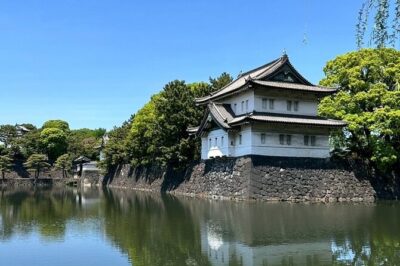
Imperial Palace and Shogun Historical Walking Tour
Read our review →
Tokyo Castle & Imperial PalaceーShogun Walking Tour
Read our review →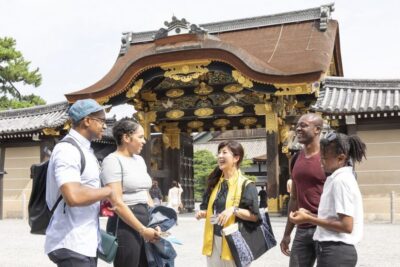
Nijo-jo Castle and Ninomaru Palace Guided Tour
Read our review →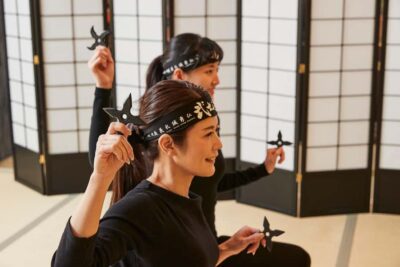
Samurai Ninja Museum Guided tour and Experience
Read our review →Browse the lists this tour appears in