
Reviewed · MARKETS AND FOOD HALLS
Morning Market Adventure: Toyosu & Tsukiji with Tuna Auction
Wake up early for Tokyo’s seafood story. This three-hour private tour takes you from the modern Toyosu wholesale market to the food stalls and shops of Tsukiji Outer Market, with an English-speaking guide explaining what you are seeing along the way. I especially like the private format, which lets you ask questions and pause for food without keeping up with a large group. I also like that the tour connects the two markets, since Toyosu and Tsukiji offer very different experiences.
The main drawback is the 5:00 am start. You must arrange your own taxi or public transport to Toyosu, and the bus from Toyosu to Tsukiji is also not included. The tuna auction viewing area is free, so much of the $154.60 price pays for the guide’s time, local knowledge, planning, and help navigating a market that can feel confusing on your own.
In This Review
- Key points to know before booking
- Why Toyosu is worth the early alarm
- The auction floor lottery and what you actually see
- Toyosu is more than a tuna photo
- Moving from Toyosu to Tsukiji
- Tsukiji Outer Market brings the food closer
- What the guides add to the morning
- The hard part: 5:00 am and transport
- Is $154.60 good value?
- Who should book this experience?
- Should you book the Toyosu and Tsukiji tour?
- FAQ
- How long does the tour last?
- What time does the tour start?
- Where does the tour begin?
- Where does the tour end?
- Is hotel pickup included?
- Is breakfast included?
- Is transportation between Toyosu and Tsukiji included?
- Is this a private tour?
Key points to know before booking
- Toyosu’s tuna auction is viewed from an observation area: You can see the auction through glass, usually from above, while the working floor remains an active commercial space.
- Tsukiji feels completely different: Toyosu is modern and orderly, while Tsukiji Outer Market brings you closer to food stalls, seafood counters, kitchenware shops, and small vendors.
- Private guiding is the real value: Guides such as Sachiyo, Nobby, Mayumi, Yumi, Tomoko, and others tailor the morning to your interests and explain the auction process in clear English.
- Food is not included: You can stop for sushi or other seafood, but breakfast is paid separately.
- The 5:00 am meeting time matters: You need to plan your route to Shijō-mae Station or confirm pickup details with the operator before the morning begins.
- The tour is highly rated: It has a 4.9 rating from 87 ratings, with 98 percent recommending it.
Why Toyosu is worth the early alarm
Toyosu Market is Tokyo’s newer wholesale market and the successor to the old Tsukiji wholesale market. It is also Tokyo’s largest wholesale market, handling seafood along with fruits and vegetables. For you, the appeal is not simply seeing fish. It is seeing how a major food industry functions before most of the city is awake.
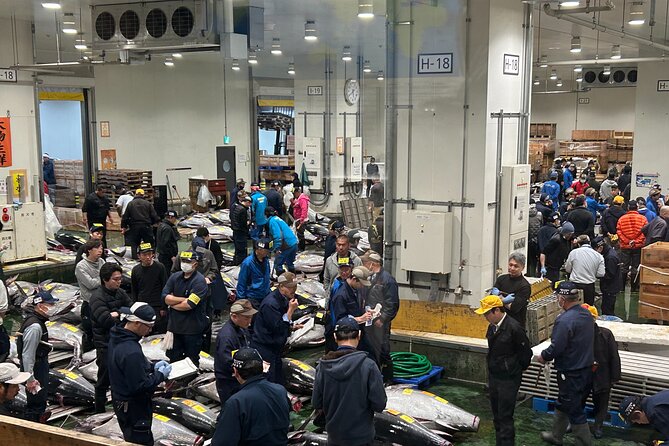
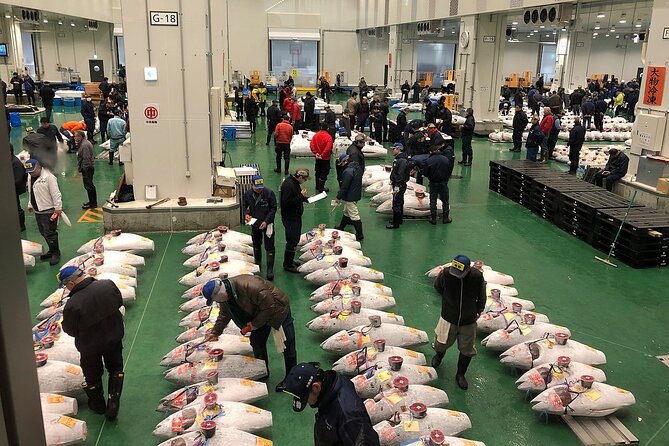
The market has a glass-walled observation area where you can watch the tuna auction from above. This is an important point to understand before booking. You are not guaranteed a place on the auction floor, and the standard experience is generally an overhead view through the visitor windows.
That view still gives you a useful sense of scale. Huge tuna are arranged for sale, auction staff inspect the fish, and buyers take part in a system that connects fishing grounds, wholesalers, restaurants, and sushi counters. A good guide turns those movements into a story you can follow.
Sachiyo is praised for explaining the auction clearly and helping visitors understand where to stand for a good view. Tomoko has been especially good at discussing fishing methods, fishing locations, auction procedures, and the route from the wholesale market to high-end restaurants. Mayumi has explained tuna varieties, seasons, knives, and the issue of bluefin tuna fishing in a way that links the market to wider Japanese food culture.
You may see the auction from a second-floor viewing area rather than close to the action. That can feel less dramatic than standing on the floor, but it also lets you see the larger pattern without getting in the way of workers. This is a working market, not a staged show. You should expect to watch respectfully and follow your guide’s instructions.
More Markets and Food Halls in Tokyo
- Tokyo Tsukiji Fish Market Food and Culture Walking Tour
★ 5.0 · 3,184 reviews - Tokyo: Tsukiji Fish Market Food and Walking tour
★ 5.0 · 1,724 reviews - Senkyaku Banrai Toyosu Manyo Club Onsen Experience in Tokyo
★ 4.7 · 1,690 reviews
The auction floor lottery and what you actually see
If being on the auction floor is essential to you, the standard tour alone may not settle that question. One account explains that only 50 people a day are selected for floor access through a lottery, and the application must be made months ahead of time.
The glass viewing area remains worthwhile for a first visit. You can see the full setup, watch the auction activity from a safer distance, and listen while your guide explains what the buyers and sellers are doing. For many people, the explanation is more valuable than a few extra meters of access.
Your guide may also help you arrive early enough to secure a good viewing position. Yumi, for example, advised arriving ahead of time, and other guides have contacted clients through WhatsApp before the tour to explain the morning plan. That advance communication is useful because the start time is so early and the market area is unfamiliar.
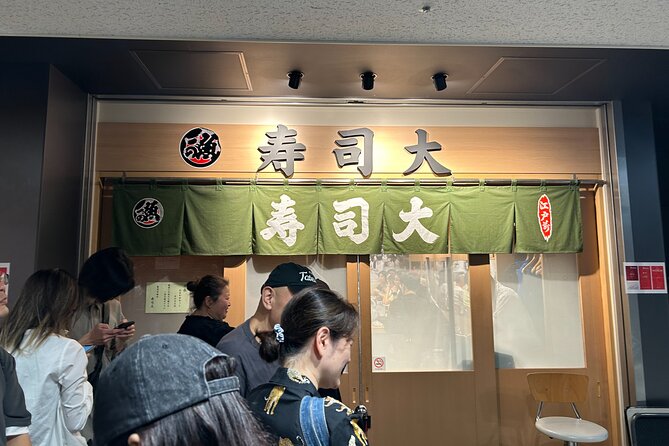
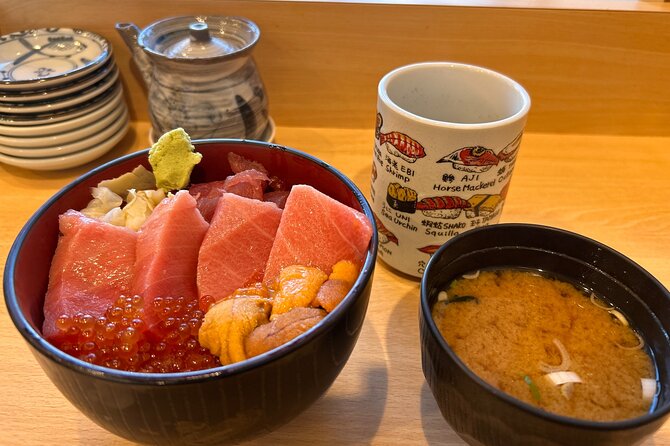
Do not treat the tuna auction as a guaranteed food tasting. The auction is the main cultural and commercial sight, while breakfast comes later and costs extra. If you want sushi afterward, tell your guide what you prefer. Several guides have recommended sushi places near the market, including spots that visitors would be unlikely to find without local help.
Toyosu is more than a tuna photo
Toyosu can look quiet and controlled compared with Tsukiji. That contrast is part of the point. Here you see the wholesale side of the seafood trade, with its glass viewing spaces and purpose-built market layout.
I would pay attention to the guide’s explanations rather than simply taking photographs. The best part of the visit is learning how tuna moves from fishing areas through wholesalers and auctions and eventually onto restaurant plates. You may also hear about the difference between tuna types, seasonal seafood, fishing locations, and the way buyers judge quality.
The market includes seafood, produce, and other food products, although the tuna auction is the main draw for this experience. The tour allocates about 90 minutes to Toyosu, which gives you time to watch the auction and ask questions without rushing straight to the next stop.
The free admission is helpful, but it does not mean the experience has no cost. The tour fee covers a private English-speaking guide, and that guide is doing the work of translating an unfamiliar commercial system into something you can understand. If you only want to look at the auction windows for a few minutes, the price may feel high. If you want context, local food advice, and help moving through both markets, the value is stronger.
Moving from Toyosu to Tsukiji
The tour then continues to Tsukiji Outer Market. The bus fare from Toyosu to Tsukiji is not included, so you should carry money or have a suitable payment method ready. The transportation itself is not the main attraction, but the move between markets helps you see how Tokyo’s seafood scene changed after the wholesale operation left Tsukiji.
Your meeting point is listed at Shijō-mae Station near Toyosu Market, at 6 Chome 3 Toyosu in Koto City. The end point is Tsukiji Outer Market in Chuo City. Some guides have met clients at their hotels and traveled with them to the market, but you should confirm that arrangement rather than assume hotel pickup is included. The details state that a taxi from your hotel is not included.
This is one reason the private format matters. A guide can help you get oriented, keep the morning moving, and answer questions during the transfer. You are not left to work out the market connection alone at the busiest part of your day.
A completely different kind of day out:
- Tokyo Disney Resort – Tokyo Disneyland & Tokyo DisneySea Park Tickets
★ 4.8 · 99,488 reviews - SHIBUYA SKY Ticket
★ 4.7 · 46,509 reviews - JR Whole Japan Rail Pass
★ 4.8 · 29,150 reviews - Mt Fuji and Hakone 1-Day Bus Tour Return by Bullet Train
★ 5.0 · 26,383 reviews
Tsukiji Outer Market brings the food closer
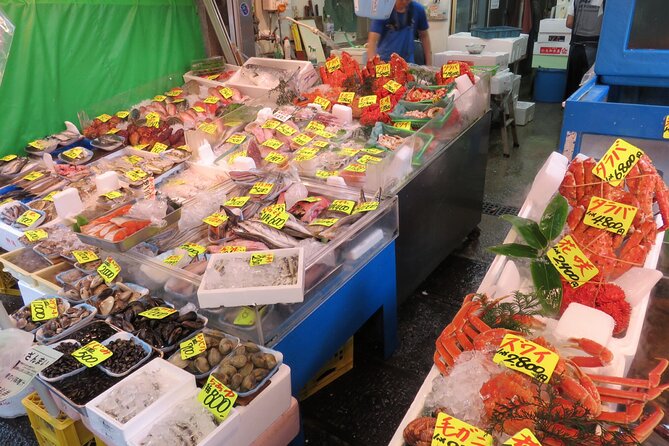
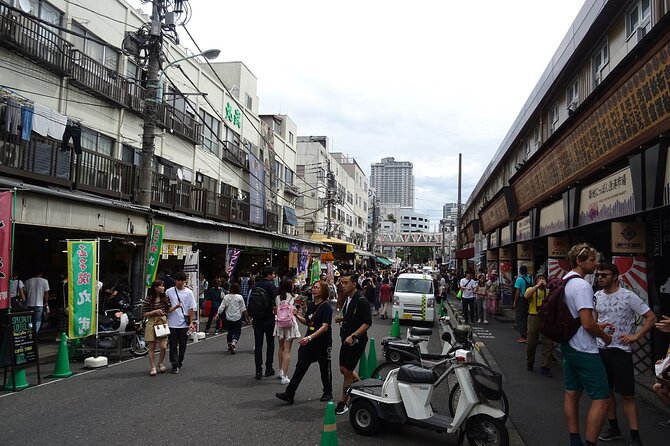
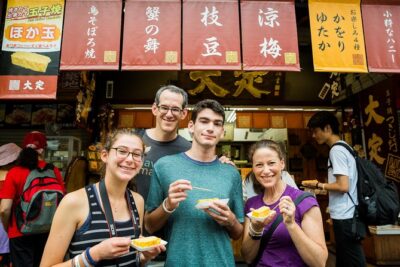
Tsukiji Outer Market is where the morning becomes more hands-on. The market is known for sushi, sashimi, street food, Japanese ingredients, kitchenware, and souvenirs. Unlike Toyosu’s wholesale setting, Tsukiji gives you more chances to stop, look closely, and choose something to eat.
The tour allows about 90 minutes here. That is enough time for a guided walk and a food stop, but it is not an open-ended shopping morning. If you want to sit down for a long meal, browse every knife shop, or buy several gifts, you may need extra time after the official tour ends.
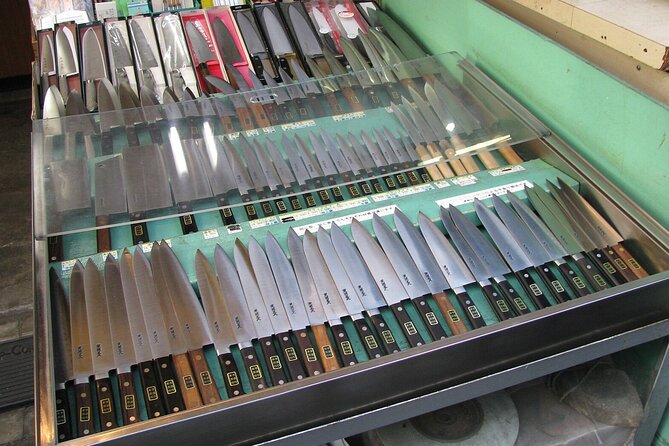
This is also where the private tour earns its keep. Guides have pointed clients toward reasonably priced food, well-regarded sushi, tea shops, and vendors they know personally. Mayumi helped one visitor arrange a custom chef’s knife and shipping to the United States. Nobby has guided people to good meals and even helped them find restaurants later in their Tokyo stay.
You are not pressured to buy. One account specifically appreciated being able to browse without being pushed toward purchases. That makes a difference in a market filled with attractive knives, seafood, seasonings, tea, and cooking tools.
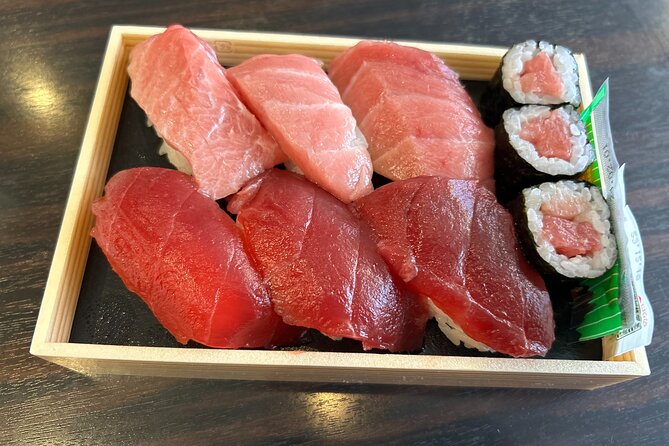
If you want sushi for breakfast, plan on paying separately. Some people describe the post-auction omakase sushi as one of the best meals of their trip, while others simply appreciate the chance to sample fresh seafood. The private guide can adapt the stop to your appetite and interests, but you should budget for the meal.
What the guides add to the morning
The strongest part of this experience is the guide. The names appearing repeatedly in the supplied feedback include Sachiyo, Nobby, Mayumi, Yumi, Tomoko, Yuki, Naomi, Emi, and Mayumi Hatano. Their styles differ, but the common thread is preparation and personal attention.
Sachiyo has been especially good at communicating before the tour, explaining the logistics, helping with the viewing plan, and adapting the route to children or last-minute needs. Nobby is described as punctual, energetic, polite, and easy to understand in English. He has also helped visitors choose food at Tsukiji and find later meals around Tokyo.
Mayumi Hatano offers a broader cultural explanation. Her tours have connected the markets with Edo-era canals, the movement of fresh fish toward the shogun’s residence, Japanese religious traditions, knives, seafood seasons, and the difference between Shinto and Buddhism. She has even helped visitors use the subway after the tour.
That level of conversation is a major advantage of a private booking. You can ask about the auction, then move on to questions about Japanese cooking, market etiquette, food seasons, or where to eat later. With a group tour, the guide has to keep everyone on one track. Here, the morning can follow your interests.
Still, guide quality can vary from person to person. The praise is broad, but your specific guide will determine the tone and depth of the experience. Use the pre-tour communication to explain whether your priority is tuna, sushi, kitchenware, cultural background, or a fast route through the markets.
The hard part: 5:00 am and transport
The early start is not a small detail. You may need to leave your hotel before sunrise, and you are responsible for the taxi fare or other transport to Toyosu. The official meeting point is at Shijō-mae Station, so check your route carefully the night before.
Jet lag can work in your favor. Several people found the early morning easier because they had just arrived in Japan and were already awake. If you are coming from a nearby time zone, this can be a smart first or second-day activity. If you have spent the previous day walking across Tokyo, the alarm may feel less charming.
Wear shoes that are comfortable for walking and standing. The provided information confirms that most people can participate, but it does not describe a fully seated or step-free route. If you have mobility concerns, ask the operator for current details before booking.
The tour lasts about three hours, but some guided outings have stretched to three or four hours when the guide added food, shrine, transport, or subway help. Do not schedule a tight morning appointment immediately afterward. You will want room for a meal or an extra market stop.
Is $154.60 good value?
At $154.60 per person, this is not a cheap market visit. Admission to both markets is free, breakfast is not included, and transportation costs are extra. You can visit parts of the markets independently for much less.
The value comes from the private guide. You are paying for early-morning coordination, English explanations, market orientation, auction context, food recommendations, and the ability to shape the route around your group. For a couple or family that wants a focused introduction to Japanese seafood, the cost can make sense.
It is especially useful if you are nervous about navigating Tokyo before dawn or unsure where to eat after the auction. A guide can help you avoid wasting the short morning, show you where to stand, and explain what you are seeing instead of leaving you with a silent view through a window.
The price is harder to justify if you are comfortable using public transport, mainly want photographs, or have no interest in eating seafood. In that case, an independent visit may suit you better. Group discounts may be available, so check the final price for your party size.
Who should book this experience?
I would recommend it most to seafood lovers, first-time Tokyo visitors, families, and anyone who wants food culture explained rather than simply observed. The private format is also helpful for mixed-interest groups because the guide can balance the auction, food, shopping, and history.
It is a good choice if you want to combine two major food markets in one morning. You will see the modern wholesale side at Toyosu, then the smaller shops and eating spots at Tsukiji. That contrast gives you a fuller picture than visiting either market alone.
I would hesitate if you dislike early mornings, do not want to pay extra for breakfast and transportation, or expect to stand on the tuna auction floor. The standard viewing arrangement is from above, and floor access requires a separate lottery process with limited daily spaces.
Cancellation is free up to 24 hours before the start time. Changes or cancellations made less than 24 hours ahead are not accepted for a refund, so make your plans carefully.
Should you book the Toyosu and Tsukiji tour?
Book it if you want a well-explained, private introduction to Tokyo’s seafood trade and you are happy to start at 5:00 am. The best reasons are the guide’s personal attention, the chance to compare Toyosu with Tsukiji, and the practical food advice at the end.
Before paying, confirm the meeting arrangement, ask about hotel pickup if you need it, and decide how much you want to spend on breakfast. If the auction floor itself is your main goal, investigate the lottery separately. If you are satisfied with an overhead view and want the market story brought to life, this is a strong and unusually personal way to begin a Tokyo morning.
FAQ
How long does the tour last?
The scheduled duration is approximately three hours, with about 90 minutes at Toyosu and 90 minutes at Tsukiji Outer Market.
What time does the tour start?
The listed start time is 5:00 am.
Where does the tour begin?
The listed meeting point is Shijō-mae Station near Toyosu Market, at 6 Chome 3 Toyosu, Koto City, Tokyo.
Where does the tour end?
The tour ends at Tsukiji Outer Market in Tsukiji, Chuo City, Tokyo.
Is hotel pickup included?
Pickup is offered, but the provided details also list the taxi fare from your hotel as excluded. Confirm the exact pickup arrangement with the operator before the tour.
Is breakfast included?
No. Breakfast is not included, so you pay separately for sushi or other food purchased during the morning.
Is transportation between Toyosu and Tsukiji included?
No. The bus fare from Toyosu to Tsukiji is not included.
Is this a private tour?
Yes. Only your group participates, and an English-speaking guide leads the experience.
Just added in Tokyo
- Very popular in Harajuku♡Animal petting zoo★ 4.6 · 39 reviews
- Yokohama Port: Private Customizable Tour with Transfer★ 5.0 · 19 reviews
- Wagyu & Sake 8 Course Tasting Dinner in Shinjuku★ 4.9 · 20 reviews
- Warner Bros. Studio Tour Tokyo – The Making of Harry Potter★ 4.8 · 181 reviews
- Yanaka District: Historical Walking Tour in Tokyo’s Old Town★ 4.8 · 117 reviews
- Tokyo: Classic Tsukiji Food Tour★ 4.9 · 78 reviews
- Tokyo: Tsukiji Fish Market Tour with 6 Stops & Seafood Lunch★ 4.5 · 165 reviews
- Tokyo Wagyu & Sake Pairing Tasting Experience with Local Flavors★ 5.0 · 108 reviews
Markets and Food Halls, compared.
Tokyo Tsukiji Fish Market Food and Culture Walking Tour
Read our review →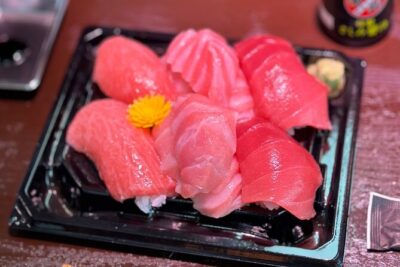
Senkyaku Banrai Toyosu Manyo Club Onsen Experience in Tokyo
Read our review →
Nishiki Market Brunch Walking Tour (7 Tastings + Brunch)
Read our review →
Tokyo Sushi Making Class in Tsukiji with Professional Chef
Read our review →
Tsukiji Fish Market Guided Tour and Sushi Making with Pro Chef
Read our review →Browse the lists this tour appears in