
Reviewed · TEMPLES AND SHRINES
Mt. Fuji & Hakone: Fuji Sengen Shrine, Cruise, and Ramen-Making
Mt. Fuji rewards a flexible plan. This full-day outing packs Lake Ashi’s Hakone Pirate Ship, a hands-on ramen lunch, Oshino Hakkai, and a Fuji-facing shrine into one long day from Tokyo. I like the easy air-conditioned bus ride and the fact that you can see several famous sights without piecing together trains and buses yourself. The main catch is weather: clouds can hide Mt. Fuji, and rain may cancel the cruise without a cash refund.
I also like the ramen-making stop because it gives the day a bit of participation, not just sightseeing from behind a camera. Guides such as Yoko, Mami, Hiro, and Kaori have earned warm praise for being friendly and helpful, though the quality of commentary can vary. Come ready for a 7:40 am start, a possible 11 to 12-hour day, and plenty of walking.
In This Review
- Key points to know before booking
- Why this day trip works for first-time Tokyo visitors
- Lake Ashi and the Hakone Pirate Ship
- Making ramen at the Mt. Fuji Ramen Factory
- Climbing to Arakura Fuji Sengen Shrine
- Oshino Hakkai and Mt. Fuji’s spring water
- The bus ride, timing, and meeting point
- Is $128.69 a fair price?
- Who should book this Mt. Fuji day trip?
- FAQ
- Where does the tour begin?
- What time does the tour start?
- How long does the tour last?
- Is hotel pickup included?
- Is lunch included?
- Can vegetarian, halal, or vegan meals be requested?
- Is the Lake Ashi cruise guaranteed?
- How much walking is involved?
- What happens if I arrive late?
- Should you book it?
Key points to know before booking
- Lake Ashi cruise: The 25-minute Hakone Pirate Ship ride offers a pleasant water-level view of the lake and, when the sky cooperates, Mt. Fuji.
- Ramen from scratch: You make noodles, select soup and toppings, and cook the ramen to your preferred firmness.
- 398 steps or a sloping path: Arakura Fuji Sengen Shrine requires a climb to the Churei-to Pagoda, although a gentler route is available.
- Long day, simple transport: Round-trip bus service from Shinjuku saves you from managing several connections outside Tokyo.
- Weather matters: Fuji views, cherry blossoms, and the cruise are all vulnerable to rain, clouds, and service interruptions.
- Good first-time format: The tour covers Hakone and the Fuji area efficiently, but each stop gets only a limited window.
Why this day trip works for first-time Tokyo visitors
Tokyo is a fine base for Mt. Fuji, but getting from the city to the Fuji Five Lakes area and Hakone by yourself takes planning. These places are not next door to each other, and the most scenic stops are spread out. This tour solves that problem with a reserved air-conditioned bus, an English-speaking guide, and round-trip transportation.
The bus also gives you somewhere to rest between stops. One particularly favorable account praised reclining seats, power outlets, free Wi-Fi, and enough room to stay comfortable during the long rides. That matters here because the day begins early and can end back in Shinjuku after heavy traffic.
The tradeoff is pace. You are not settling into one town for a slow afternoon. You are moving between Hakone, Fujikawaguchiko, Arakura, and Oshino Hakkai, with set times for each stop. I would choose this tour if I wanted a broad introduction to the area in one day. I would not choose it if I wanted a quiet, flexible day built around hiking or lingering at a single shrine.
The group can reach up to 42 people. That is large enough for the trip to feel organized rather than intimate, though the guide’s personal style will affect how much you get from the ride and each stop. Some guides, including Yoko, Mami, and Hiro, have been praised for clear help and warm personalities. At least one account found the commentary too limited, so expectations about guiding should stay practical: this is guided sightseeing, not a full lecture series.
More Boat Trips in Tokyo
- Mt Fuji & Hakone Cruise, Drum Show Bullet Train 1 Day from Tokyo
★ 4.0 · 7,413 reviews - Tokyo Mt Fuji 5th St & Hakone Cruise Bus Tour w/Bullet Train
★ 4.4 · 5,024 reviews - Tokyo: Meiji Shrine, Asakusa, Skytree Bus Tour and Cruise
★ 4.7 · 1,986 reviews
Lake Ashi and the Hakone Pirate Ship
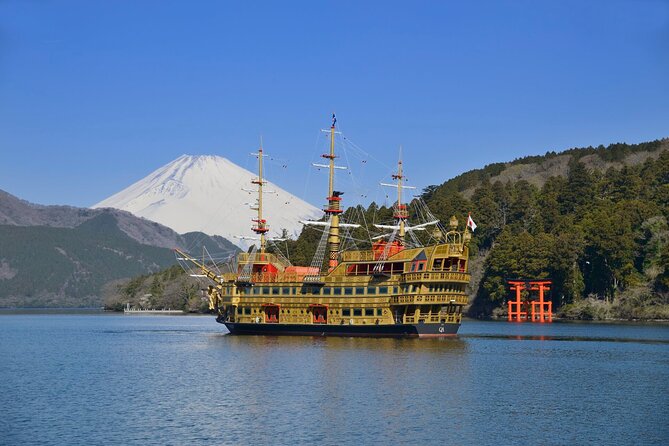
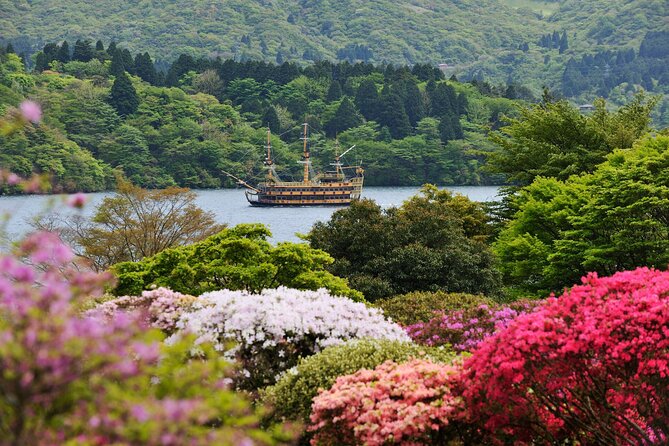
The first major stop is Lake Ashi, also called Lake Ashinoko, where you board the Hakone Pirate Ship for about 25 minutes. The ride is short, but it changes the rhythm of the morning. After leaving Tokyo by bus, you get open views, fresh air, and a chance to photograph the lake from the water.
On a clear day, Mt. Fuji may appear beyond the lake, giving you one of the classic Hakone views. The surrounding scenery shifts with the season, from green hills to cherry blossoms. I like this part because the boat gives you a different angle than the usual roadside lookout.
Do not treat the cruise as guaranteed. Boat service may be suspended because of bad weather, traffic problems, or other operating issues. If that happens, the operator says an alternative facility will be substituted, but there is no refund for the missed cruise. One person also reported missing the original cruise boarding point because of slow traffic, though guide Yoko arranged another pickup location.
That detail captures the practical nature of this day. Traffic and transport problems can happen, but a good guide can help keep the schedule moving. Still, you should avoid booking this tour on a day when the boat is the one thing you absolutely must experience.
Making ramen at the Mt. Fuji Ramen Factory
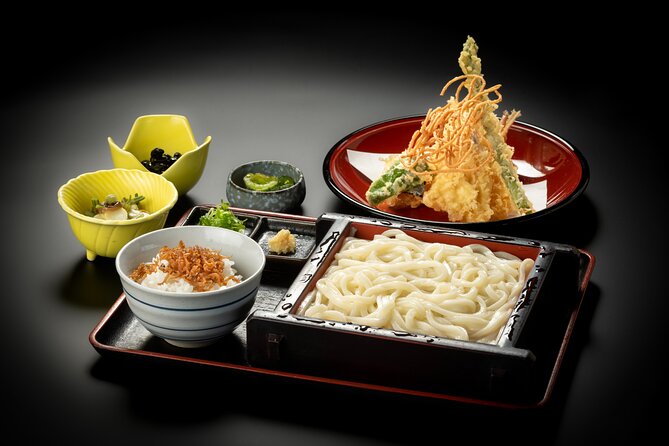
The ramen workshop in Fujikawaguchiko adds a welcome change from standard sightseeing. Instead of simply sitting down for lunch, you make your noodles from scratch and assemble the bowl to suit your taste.
The choices include the soup base, seasonings, toppings, and noodle firmness. You then boil the noodles yourself and eat the finished dish for lunch. The entire activity lasts about an hour, so it is not a lengthy cooking class, but it gives you a clear connection between the meal and the place where you are eating it.
I consider this one of the strongest parts of the tour. It works for people who enjoy food, families, and anyone who wants a hands-on cultural activity during a day otherwise filled with views and photo stops. The meal is included when you select the appropriate option, so check the booking choice carefully rather than assuming every fare includes lunch.
There are dietary limits. Vegetarian requests must be sent to the activity provider at least seven days ahead. Halal and vegan lunches are not available. One account praised the included meal as authentic and satisfying, while another found a provided lunch a little cold and noted that low seating was difficult for some older people. That is useful context: the food experience can be enjoyable, but it may not suit every dietary or mobility need.
Climbing to Arakura Fuji Sengen Shrine
Arakura Fuji Sengen Shrine is the tour’s most famous photo stop. The shrine dates to 705 and is associated with more than 1,500 years of Shinto tradition. You enter through a large red torii gate, pass the main hall, and continue toward the Churei-to Pagoda and its observation deck.
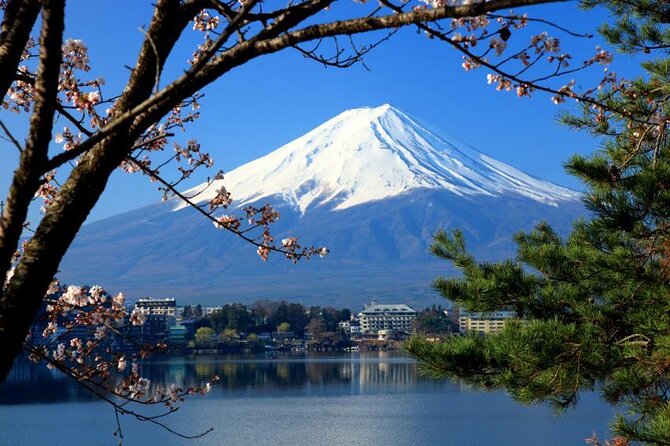
The classic photograph combines the five-story pagoda, Mt. Fuji, and seasonal trees. Cherry blossoms make the view especially popular, but the mountain is never promised. Clouds can cover the peak even when the rest of the shrine grounds are clear.
You have two ways up Mt. Arakura. The Sakuya-Hime staircase involves 398 steps. The sloping path is easier, though it still takes time and effort. Along the route, you pass the Shiogama Shrine, connected with safe childbirth, and the Atago Shrine, associated with protection from fire.
This is not a stop for anyone who has trouble walking 10 to 15 minutes or managing an uphill route. The tour description specifically warns that it involves a significant amount of walking. I would wear shoes with a firm grip and keep your camera gear light. The time allotted is about 1 hour and 20 minutes, which gives you a chance to climb, take photographs, and return to the bus, but not to wander without watching the clock.
The broader tour description also mentions a choice between Arakura Fuji Sengen Shrine and Tenku no Torii as the final shrine visit. The detailed schedule centers on Arakura, so confirm which option applies to your departure date and booking.
More Temples and Shrines in Tokyo
- Tokyo: Asakusa Walking Tour with Sensoji Temple Visit
★ 4.8 · 1,583 reviews - Nikko: Kegon Falls, Lake Chuzenji & Toshogu Temple
★ 4.6 · 1,577 reviews - Tokyo: Nikko Toshogu Shrine and Kegon Waterfall Tour
★ 4.5 · 1,266 reviews - Tokyo Panoramic 1 Day: Meiji Shrine, Asakusa, Odaiba and SKYTREE®
★ 4.5 · 1,222 reviews
Oshino Hakkai and Mt. Fuji’s spring water
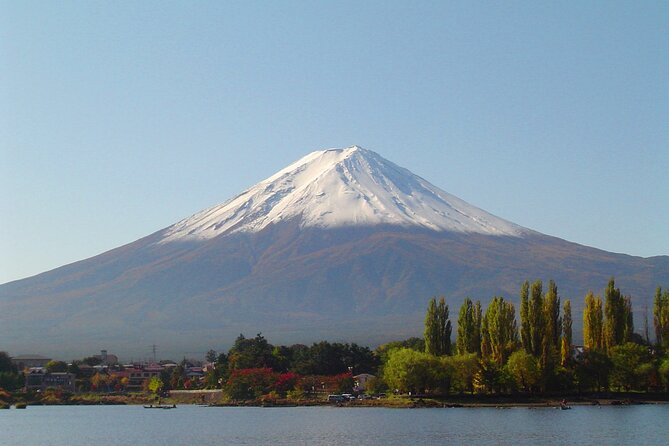
Oshino Hakkai offers a quieter kind of attraction. Its name refers to eight ponds formed by snowmelt from Mt. Fuji. The water passes through volcanic rock over a process said to take about 80 years, leaving the ponds remarkably clear.
The appeal here is not one grand monument. It is the combination of clean spring water, traditional village scenery, local food, and views toward Fuji when the weather is kind. The area includes larger markets and smaller vendors selling fruit, regional treats, souvenirs, and local wine. Yamanashi is known as Japan’s Fruit Kingdom, so this is a good place to look for produce-based snacks and gifts.
You have about 1 hour and 20 minutes. That is enough to see the ponds and browse, though shopping can quickly use up the whole stop. I would decide before arrival whether you care more about photographs, food, or souvenirs. Trying to do all three may leave you rushing back to the bus.
Oshino Hakkai also serves as a useful backup when weather or road conditions disrupt another Fuji-area plan. One less favorable account described reaching a natural spring after Mt. Fuji’s 5th Station was closed on a different version of the day. That experience shows why you should view the schedule as weather-dependent rather than fixed in stone.
The bus ride, timing, and meeting point
The meeting point is the Shinjuku Center Building, about a seven-minute walk from JR Shinjuku Station. Shinjuku is enormous, and that short walk can feel longer if you are unfamiliar with the area or carrying luggage. I would arrive early, locate the building the day before if possible, and allow more than seven minutes from your train platform.
The bus leaves on schedule and does not wait for late arrivals. This is the most important practical warning in the booking information. Shinjuku Station has many exits, buildings, and tour vehicles, so do not expect to find the group casually at the last minute.
The tour starts at 7:40 am and usually runs 11 to 12 hours. The return is to the same meeting point. Traffic can stretch the day, especially on the way back to Tokyo. One account described a two-hour ride in the morning and heavy traffic on the return, while another praised the comfortable bus and the regular chances to stop for food and restrooms.
Wi-Fi and power outlets make the ride more manageable, but you should still bring water, snacks, and layers. Weather can change between Tokyo and the mountain area. A small umbrella or rain jacket is sensible, especially if the cruise and Fuji views matter to you.
Is $128.69 a fair price?

At $128.69 per person, this is not a cheap sightseeing bus, but the price covers a lot of ground. You are paying for round-trip transport from central Tokyo, an English-speaking guide, the ramen-making activity and lunch when selected, and the cruise ticket when that option is included.
The value is strongest if you would otherwise need to arrange several separate train, bus, and sightseeing tickets. You also avoid the stress of driving, parking, and watching road conditions. For a first visit, that convenience has real worth.
The value drops if the weather removes the cruise and hides Mt. Fuji. The operator may provide an alternate stop, but no refund is given for the canceled boat. You should also check whether your chosen fare includes lunch and the cruise, since the inclusions depend on the option selected.
With a 4.8 rating from 124 ratings and 97 percent recommending it, the overall response is strong. I would still read the schedule honestly: this is a wide-ranging day with limited time, not a luxury excursion. The best value comes from treating it as an efficient sampler of the Fuji and Hakone region.
Who should book this Mt. Fuji day trip?
I would recommend it to first-time visitors based in Tokyo who want to see Hakone and the Mt. Fuji area without organizing complicated transport. It also suits couples, families, and food lovers who like having a planned day with several distinct stops.
It may not suit you if you need halal or vegan food, have difficulty walking uphill or over 10 to 15 minutes, or dislike early starts and long bus rides. People who want detailed historical interpretation at every stop may also find the guiding uneven.
The strongest guides seem to make a real difference. Yoko has been praised for calm, polite help, while Mami was appreciated for explaining Mt. Fuji during the drive. Hiro has been described as friendly and professional, and Kaori as warm and well-informed. These personal touches can turn a tightly scheduled day into a pleasant one, but guide assignments are not guaranteed.
The cancellation terms are reasonable: cancel at least 24 hours before the start time for a full refund. Changes or cancellations inside that window are not accepted for a refund.
FAQ
Where does the tour begin?
It begins at the Shinjuku Center Building, 1-chōme-25 Nishishinjuku, Shinjuku City, Tokyo. The building is about a seven-minute walk from JR Shinjuku Station.
What time does the tour start?
The scheduled start time is 7:40 am.
How long does the tour last?
The full experience lasts approximately 11 to 12 hours and ends back at the meeting point in Shinjuku.
Is hotel pickup included?
No. Hotel pickup and drop-off are not included. You must reach the Shinjuku meeting point yourself.
Is lunch included?
Ramen-making and lunch are included when the selected option includes them. Check the exact option when booking.
Can vegetarian, halal, or vegan meals be requested?
Vegetarian requests must be made directly to the provider at least seven days before the tour. Halal and vegan lunches are not available.
Is the Lake Ashi cruise guaranteed?
No. The cruise can be replaced if service is suspended because of weather, traffic, or other operating problems. No refund is given for that reason.
How much walking is involved?
The tour involves significant walking. Reaching Churei-to Pagoda requires either 398 stairs or a gentler sloping path. The activity is not recommended for people who have difficulty walking distances of 10 to 15 minutes.
What happens if I arrive late?
The bus leaves as scheduled and will not wait for late arrivals. Arrive early and allow extra time to find the meeting point inside the busy Shinjuku area.
Should you book it?
Book this tour if you want maximum sightseeing in one organized day and accept the limits of a weather-dependent schedule. The ramen workshop, Lake Ashi cruise, Oshino Hakkai, and Arakura shrine give you a broad look at the region, while the bus removes much of the transport hassle.
Skip it if your main goal is a guaranteed Mt. Fuji photograph, a slow shrine visit, or a flexible day with no long rides. For everyone else, the tour offers solid value at $128.69, especially on a clear day and with a guide who brings the stops to life.
Just added in Tokyo
- Daruma Workshop by Making your Own Japanese Souvenir in Shinjuku★ 5.0 · 25 reviews
- Day Trip to Kamakura & Enoshima: Shrines, Seaside, Temples & Tea★ 5.0 · 32 reviews
- DAIKOKU excursion by car DRIFT automobile encounter★ 4.5 · 19 reviews
- Daikoku Car meet: Tokyo Drift Car Club membership★ 4.5 · 21 reviews
- Real Tokyo Runner Club : Daikoku Car Meet Night Tour with JDM Car★ 5.0 · 25 reviews
- Cosplay Experience with Professional Makeup and Photo Shoot!★ 5.0 · 19 reviews
- Tokyo Toilet Tour★ 5.0 · 18 reviews
- Tokyo Private Tour with Customized Itinerary★ 5.0 · 24 reviews
Temples and Shrines, compared.
![[Kyoto & Nara Day Tour] Sagano Scenic Railway & Nara Park & Fushimi Inari Taisha Thousand Torii Gates & Togetsukyo Bridge & Bamboo Grove & Kimono Forest (Departing from Osaka)](https://media.japanvisits.com/wp-content/uploads/kyoto-nara-day-tour-sagano-scenic-railway-nara-park-fushimi-inari-taisha-thousand-torii-gates-togetsukyo-bridge-bamboo-grove-kimono-forest-departing-from-osaka-k110001-400x257.jpg)
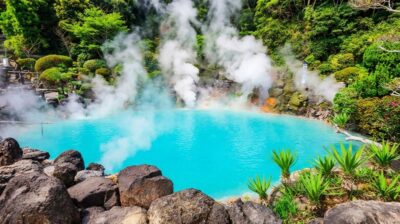
Kyushu One-Day Tour: Yufuin no Mori Train & Yufuin Town & Nyoirin-ji Temple & Dazaifu & Hell Hot Springs (Departing from Fukuoka)
Read our review →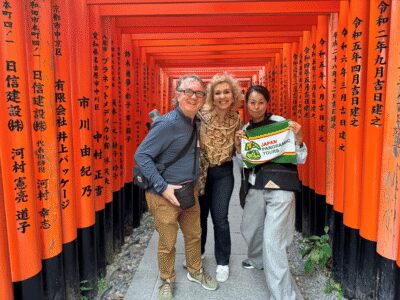
Fushimi Inari, Kinkakuji, Bamboo Grove 1 Day Bus Tour
Read our review →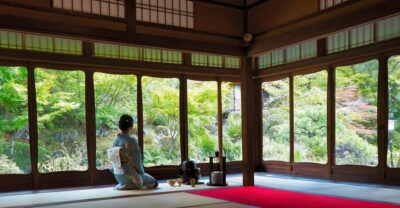
Tea Ceremony in a Traditional Tea House in Kiyomizu
Read our review →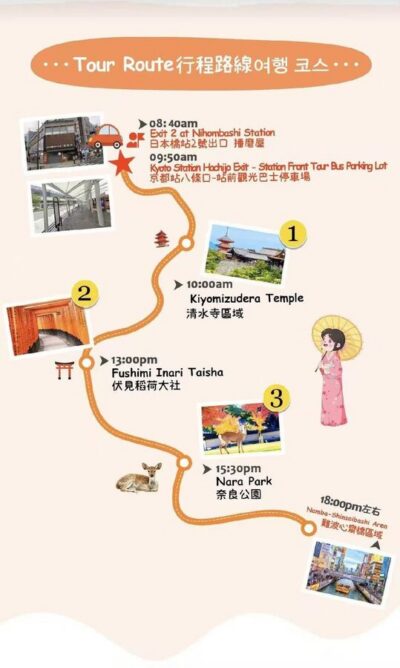
Kyoto Nara Day Trip │ Kiyomizu-dera Temple + Fushimi Inari-taisha Shrine + Nara Park (Departing from Osaka/Kyoto)
Read our review →
Browse the lists this tour appears in