
Reviewed · MARKETS AND FOOD HALLS
Nara, Todaiji Temple & Kuroshio Market Day BUS Tour from Osaka
Three very different stops, one busy day. This 10-hour coach trip links Wakayama Castle and Kuroshio Market with Nara’s deer and Todaiji Temple, places that are difficult to combine by public transport. I like the mix of castle history, fresh seafood, and major Buddhist architecture. I also like that an English or Chinese-speaking guide and air-conditioned transport are included. The main drawback is the road time: some departures have spent close to six hours in transit, leaving the final Nara visit feeling rushed.
You should also budget for extras. Castle and temple admission are not included, and food at Kuroshio Market costs extra, with cash useful at many vendors. The day works best if you want maximum variety from Osaka and accept a brisk schedule rather than a slow, detailed visit to each place.
In This Review
- Key points at a glance
- What this Osaka day trip is trying to do
- Wakayama Castle: a short look at a historic landmark
- Kuroshio Market: seafood, spectacle, and extra spending
- Nara’s deer: the most personal part of the day
- Todaiji Temple and the Great Buddha
- The long bus day and what it feels like
- What the $99 price really covers
- Who should book this route
- Should you book the Wakayama and Nara bus tour?
- FAQ
- How long is the tour?
- Where does the tour start?
- Is transportation included?
- Are Wakayama Castle admission fees included?
- Is Todaiji Temple admission included?
- Is food at Kuroshio Market included?
- What happens if the tour is canceled?
Key points at a glance
- Wakayama Castle opens the day with a compact historic stop, but the 80-minute visit may feel short if you want to enter the keep.
- Kuroshio Market gives you two hours for seafood, including the chance to watch a tuna-cutting demonstration.
- Nara’s sika deer are the most hands-on part of the day, with opportunities to feed them and take photos.
- Todaiji Temple provides the grand finale, centered on one of Japan’s largest wooden temple buildings and its Great Buddha.
- The coach makes an awkward route practical, connecting Osaka, Wakayama, and Nara without separate train trips.
- Guide quality matters here, with especially warm praise for guides named Chan, Poey, and Alan, while some departures had limited commentary.
What this Osaka day trip is trying to do
This is an ambitious route. You meet at 2 Chome-2 Umeda in Osaka at 8:30 a.m., board an air-conditioned vehicle, and return to the same meeting point at the end of the day. The maximum group size is 45, though the actual vehicle can vary, and some departures have used a smaller van.
The route covers western Japan in three distinct chapters. Wakayama offers a castle and city history. Kuroshio Market shifts the focus to the sea and local food. Nara then brings you back to ancient Japan, with free-roaming deer and one of the country’s best-known Buddhist temples.
I like the idea because each stop feels different. You are not spending the whole day looking at similar shrines or shopping streets. The tradeoff is simple: this is a sampler, not a slow cultural study. The bus must cover a lot of ground, and the timetable leaves little room for delays.
Past departures have featured guides named Chan, Poey, and Alan. Chan was praised for being funny, helpful, and professional. Poey was described as friendly and good-humored, while Alan received credit for explaining the sights and helping people along the way. At the same time, some departures had broken English or little commentary, especially in Nara. Ask questions when your guide offers explanations, and keep your own expectations realistic.
More Markets and Food Halls in Osaka
- Kuromon Market Food Walking Tour in Osaka (6 stops, 6 tastes)
★ 5.0 · 550 reviews - Osaka: Kuromon Market Food Walking Tour (6 stops, 6 tastes)
★ 4.6 · 272 reviews - Kuromon Market Tour: All inclusive 6~8 Dishes & 3~4 samplings
★ 5.0 · 103 reviews
Wakayama Castle: a short look at a historic landmark
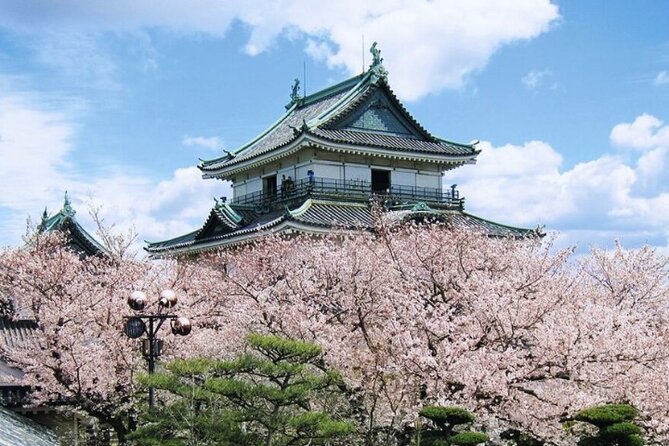
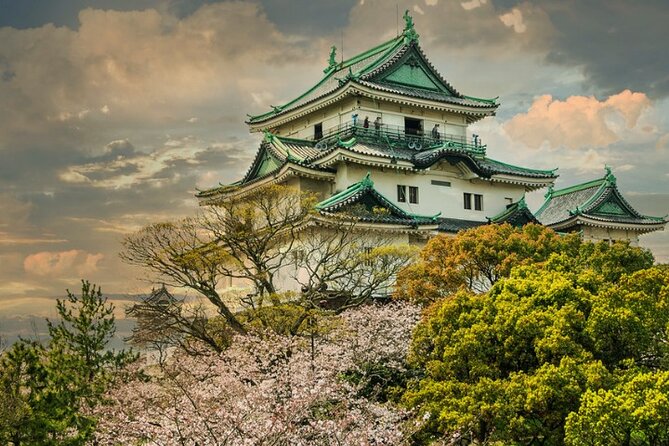
The first stop is Wakayama Castle, with about 1 hour and 20 minutes scheduled. The castle was first built in 1585 by Toyotomi Hideyoshi and later expanded and fortified by Tokugawa Hidetada. That gives the visit real historical weight, even if your time on site is limited.
The castle is the kind of stop that rewards a little preparation. You can take in the grounds, look at the structure, and decide if you want to pay for entry. Adult admission is JPY 410 and child admission is JPY 200. That fee is separate from the tour price.
The biggest concern is timing and opening status. Some departures have found the castle closed, and one account described having only about 25 minutes there instead of enough time to go inside. Since the supplied schedule allows 80 minutes, conditions on the day can matter greatly. If entering the castle is important to you, confirm that it will be open before departure and ask the guide how much time is available for the interior.
I would treat Wakayama Castle as a scenic and historical introduction rather than the main event. You may enjoy it most if you are happy with an overview, exterior views, and a quick look around. If you want a careful castle visit with museum displays and plenty of time inside, this schedule may frustrate you.
Kuroshio Market: seafood, spectacle, and extra spending
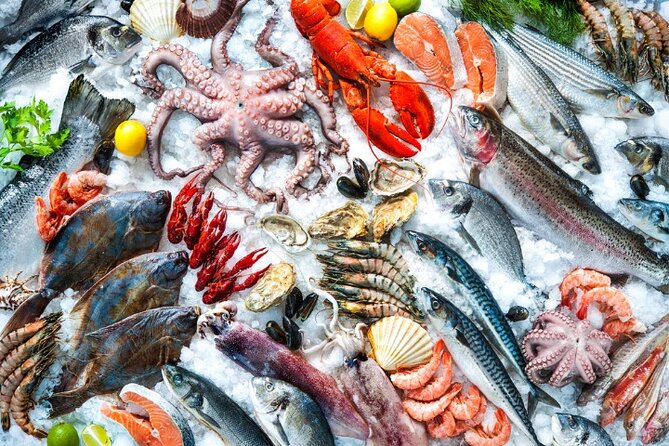
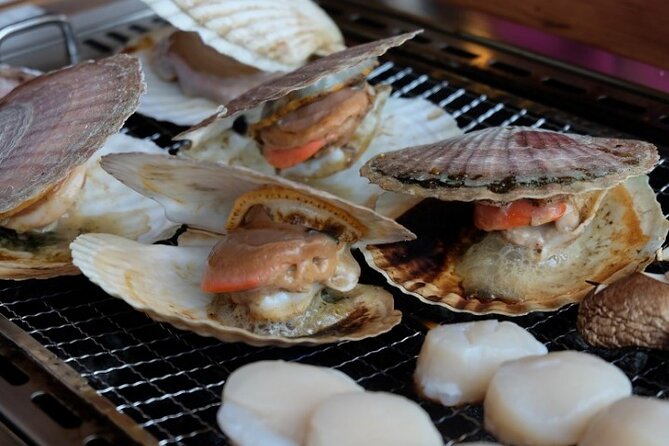
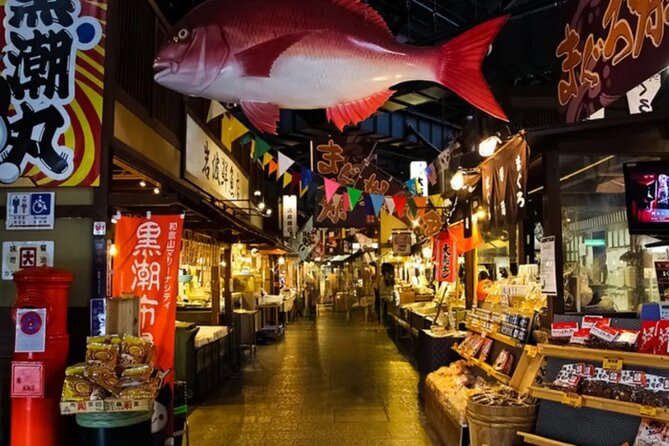
The coach then continues to Kuroshio Market near Wakayama Marina City. You have about two hours here, and entry is free. The market is known for freshly caught seafood and its tuna dismantling show, a lively demonstration that turns food preparation into a public performance.
This is the longest scheduled stop, and the extra time makes sense if you want to eat. You can browse the seafood counters, watch the tuna being cut, and decide what appeals to you instead of rushing through one meal choice. The market gives the day a distinctly local-food angle that you would not get from a castle and temple route alone.
Still, the balance is debatable. Several departures left people wishing for less time at the market and more time with Nara’s deer and Todaiji Temple. Two hours can feel generous if you are not buying a full meal or watching the demonstration at the right moment. It can also feel short if you want to compare seafood, eat slowly, and browse.
Bring cash. Food is not included, and many vendors reportedly accept cash rather than cards. Personal purchases are also excluded, so the low tour price does not cover lunch or snacks. The market entrance costs nothing, but your actual spending depends on what you eat.
I see Kuroshio Market as a strong stop for people who enjoy seafood and food halls. If you are mainly booking this for Nara, the two-hour allocation may feel out of proportion. Ask your guide about the tuna show schedule as soon as you arrive, then plan your meal around it.
Nara’s deer: the most personal part of the day
Nara changes the mood completely. The city is known for its sika deer, and the tour gives you time to interact with them, feed them, and take photographs. For many people, this will be the most memorable part of the day because it is active rather than simply observational.
You should approach this stop with some patience. The deer are the focus, but the schedule also includes Todaiji Temple, and the combined Nara visit can feel compressed. One of the clearest practical complaints about the route is that the time at the deer and temple should be longer.
The guide’s role is especially important here. A strong guide can explain where to go, help you make good use of the limited time, and provide context for the temple area. A weaker departure may leave you with directions but little explanation. One low-rated experience specifically described the guide as directing people without offering enough help in Nara.
I would make the deer your first priority once you arrive. Get your bearings quickly, enjoy the interaction, and keep an eye on the meeting time. You do not want to spend the full visit taking photos and then hurry through Todaiji, which is the cultural centerpiece of the Nara portion.
More Temples and Shrines in Osaka
- Osaka: Minoh, Katsuoji Temple, & Minoh Falls Full-day Tour
★ 4.9 · 172 reviews - Sagano Romantic Train & Arashiyama, Kiyomizudera, Fushimi Inari Taisha Day Tour
★ 4.5 · 171 reviews - Osaka Temple Cool Foot Bath & Matcha Experience〈45min〉
★ 4.9 · 82 reviews - Learning Zen of Japanese Calligraphy in kimono near Osaka Castle
★ 4.5 · 53 reviews
Todaiji Temple and the Great Buddha
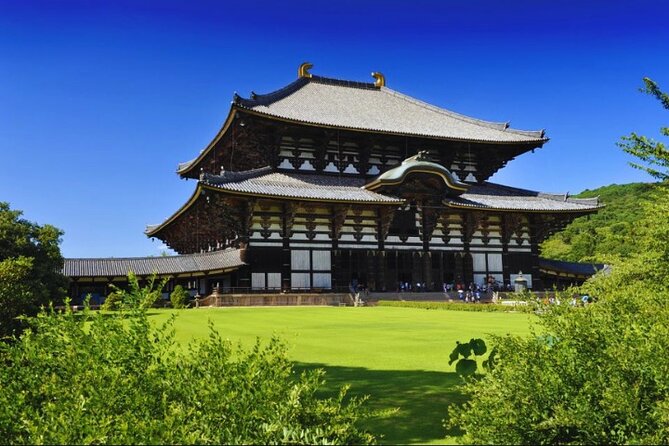
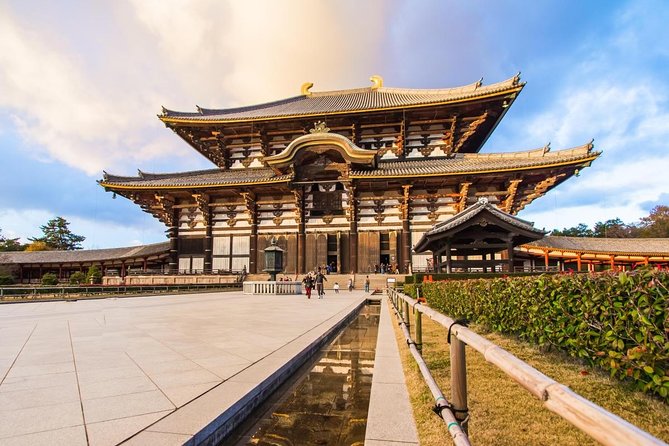
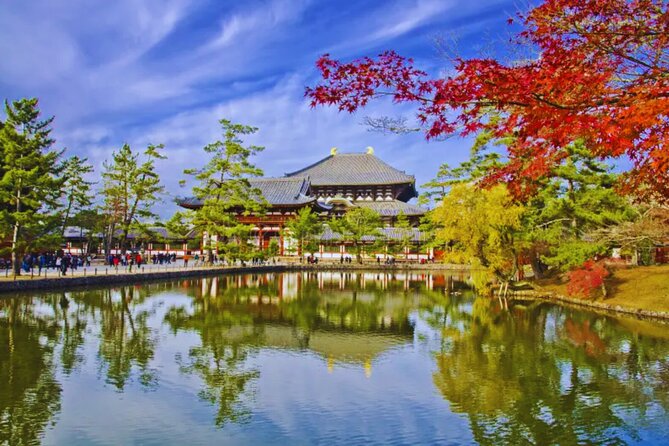
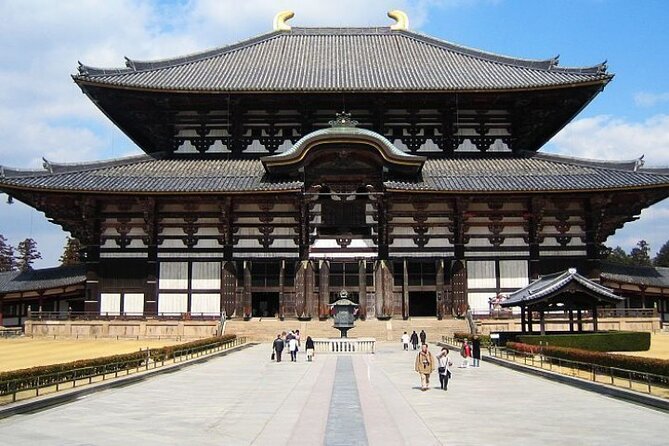
Todaiji is the most imposing stop of the day. Founded in the early eighth century during the Nara period, the temple is one of Japan’s best-known Buddhist sites and a UNESCO World Cultural Heritage site. Its main hall, the Great Buddha Hall, is famous as one of the largest wooden buildings in the world.
The scale is what makes this visit worthwhile. After the informal deer encounter, you enter a solemn religious setting with a much grander sense of space. The Great Buddha gives the temple its visual focus, but the building itself is just as important. Even a short visit can leave a strong impression.
Admission is not included. The stated fee is JPY 600 for adults and JPY 300 for children, with the same JPY 600 figure also given for entry covering the Great Buddha Hall, Hokke-do, Kaidan-do, Senju-do, and the Todaiji Museum. The fee details are presented in slightly different ways, so carry enough cash and confirm the current amount at the entrance.
The time allocation is listed as two hours for Todaiji, but that does not always mean two relaxed hours split between deer and temple. Bus delays, group movement, and the market schedule can reduce your actual time. If the temple matters most to you, tell the guide early and avoid wandering too far before the group gathers.
Some departures have been praised for giving the right amount of time at each stop, while others felt the Nara portion ended too quickly. That difference may come from traffic, vehicle size, guide management, or the day’s exact schedule. The practical lesson is to stay alert and keep your own watch handy.
The long bus day and what it feels like
The bus is the reason this route can work. Combining Osaka, Wakayama, and Nara independently would require separate train journeys, careful connections, and more time spent reading maps. Here, you have one meeting point, one return point, and transport between the major stops.
The same benefit creates the main weakness. The full day lasts about 10 hours, and some accounts estimate that 5.5 to 6 hours can be spent on the bus. The drive to Wakayama is especially long, with one departure reporting about 2.5 hours on the road before the first stop.
Vehicle condition has not been consistent. One account described a van with worn rear shocks, an untidy interior, and an uncomfortable final row for adults. The driver was still described as kind, but a rough ride matters when so much of the day is spent sitting. If you are tall or prone to motion discomfort, try to avoid the very back if seating is assigned or available by choice.
The maximum capacity is 45 people. A large coach may feel more comfortable than a small van, but it can also take longer to load and regroup. Stay close to the meeting instructions, since a late return from the market or Nara can affect everyone’s schedule.
What the $99 price really covers
At $99.04 per person, the tour is priced as a transport-and-guide day rather than an all-inclusive excursion. You receive the air-conditioned vehicle, an English or Chinese-speaking professional guide, and the convenience of a single organized route.
You do not receive lunch, personal purchases, Wakayama Castle entry, or Todaiji admission. Add those costs before deciding if the price works for you. The listed entrance fees total at least JPY 1,010 for an adult if you visit both the castle and the Great Buddha Hall, before food and drinks.
I think the value is strongest for a first visit to Osaka when you want to see beyond the city and do not want to arrange several rail journeys. The value is weaker if you prefer slow sightseeing, dislike long bus rides, or plan to spend most of your day at Nara.
The guide can also change the value of the day. A warm, active guide such as Chan, Poey, or Alan can make transfers and short visits feel far more useful. Limited commentary reduces the tour to transportation with directions, which is not the same experience.
Who should book this route
I would recommend it to you if you want a broad day out with three major themes: a Japanese castle, a seafood market, and ancient Nara. Families may enjoy the deer, food options, and simple coach logistics. First-time visitors can also use the trip as a quick survey of places they might return to later.
It suits you less if your main goal is Todaiji. A direct Nara day trip would likely give you more time for the temple area and deer, though this particular experience is designed to add Wakayama and the market. It also may not suit anyone who needs a relaxed pace or quiet, detailed explanations at every stop.
The trip requires at least eight participants to operate and can carry up to 45. If the minimum is not reached, cancellation notice is given four days ahead, with a different date, another experience, or a full refund offered. The activity also depends on good weather.
For cancellation, you can receive a full refund if you cancel at least 24 hours before the start time. Changes or cancellations inside that window are not accepted for a refund. Keep those terms in mind if your Osaka schedule is still shifting.
Should you book the Wakayama and Nara bus tour?
Book it if variety and convenience matter more than depth. The combination is unusual, and public transport would make the same route much harder in one day. Kuroshio Market adds a welcome food stop, while Nara supplies the day’s most memorable sights.
Skip it if you want a leisurely Nara visit, a guaranteed castle interior, or a tour with admission and lunch already covered. Before booking, confirm the castle’s opening status, prepare cash for fees and food, and ask how much time will be reserved for the deer and Todaiji. With those expectations set, this can be a productive, full day from Osaka, though never a restful one.
FAQ
How long is the tour?
The experience lasts approximately 10 hours. It starts at 8:30 a.m. and returns to the meeting point in Umeda, Osaka.
Where does the tour start?
The meeting point is at 2 Chome-2 Umeda, Kita Ward, Osaka, 530-0001, Japan.
Is transportation included?
Yes. An air-conditioned vehicle is included, along with a professional English or Chinese-speaking guide.
Are Wakayama Castle admission fees included?
No. Wakayama Castle admission is separate and is listed as JPY 410 for adults and JPY 200 for children.
Is Todaiji Temple admission included?
The temple stop is included, but admission to the Great Buddha Hall and the other listed Todaiji areas is not included. The stated fee is JPY 600 for adults and JPY 300 for children.
Is food at Kuroshio Market included?
No. Market entry is free, but seafood, meals, drinks, and other personal purchases are paid separately.
What happens if the tour is canceled?
The tour requires at least eight participants and good weather. If it is canceled because the minimum is not reached or the weather is unsuitable, you can choose another date or experience, or receive a full refund.
Just added in Osaka
- Kyoto & Nara Private customized tour with English speaking Guide★ 4.5 · 99 reviews
- OSAKA:Feel the Power! Learn Taiko Drum from Professionals★ 5.0 · 28 reviews
- Well-balanced BENTO (lunch box) Cooking Class★ 5.0 · 35 reviews
- Volleyball in Osaka & Kyoto with Locals!★ 5.0 · 21 reviews
- Umami Town Street Food Tour★ 5.0 · 120 reviews
- Urban Canvas: Osaka Street Art Bike Tour★ 5.0 · 47 reviews
- 1.5〜2 Hours Traditional Kintsugi Work Shop in Namba Osaka★ 5.0 · 75 reviews
- The Dark Side of Osaka Walking Tour★ 5.0 · 49 reviews
Markets and Food Halls, compared.
Tokyo Tsukiji Fish Market Food and Culture Walking Tour
Read our review →
Nishiki Market Brunch Walking Tour (7 Tastings + Brunch)
Read our review →
Tokyo Sushi Making Class in Tsukiji with Professional Chef
Read our review →
Tsukiji Fish Market Guided Tour and Sushi Making with Pro Chef
Read our review →Tsukiji Fish Market Food and Culture Walking Tour
Read our review →Browse the lists this tour appears in