
Reviewed · WALKING TOURS
Nikko Full-Day Private Walking Tour with Government-Licensed Guide (Tokyo DEP.)
Nikko rewards an early start. This nine-hour private day trip pairs grand Tokugawa shrines with waterfalls, mountain lakes, and quiet forest paths, while your licensed English-speaking guide handles the route. I like the freedom to choose three or four sights, and I like the personal attention from guides such as Seizo, Yoshi, Kazu, Yuki, Nobu, and Mari. The main catch is cost: at $224.02 per person, you still pay for trains, local transport, admissions, and lunch.
This is not a private car tour. You meet your guide on foot in Tokyo, generally around Asakusa Station, then use public transport and walk between sights. That makes the tour feel more like a guided day out than a chauffeured excursion, but it also means you should be ready for a long day with several transport connections.
In This Review
- Five things to know before choosing this Nikko tour
- Why a private guide helps in Nikko
- Starting from Asakusa and getting to Nikko
- Nikko Tosho-gu, the grand historical centerpiece
- Rinno-ji and Taiyu-in, two different views of power
- Futarasan Shrine and Shinkyo Bridge
- Kanmangafuchi Abyss for a quieter walk
- Kegon Falls and Lake Chuzenji
- Senjogahara Field and the mountain route
- Imperial architecture at Tamozawa Villa
- Nikko Botanical Garden and Kanaya Hotel History House
- Kirifuri Waterfall and Akechidaira views
- What the $224.02 price really buys you
- Who will get the most from this day?
- Should you book the Nikko private tour?
- FAQ
- How long does the Nikko private walking tour last?
- Where does the tour begin?
- Is hotel pickup included?
- How many sights can I visit?
- Is private transportation included?
- Is the Nikko All Area Pass included?
- Are admission fees included?
- Can I cancel for a full refund?
Five things to know before choosing this Nikko tour
- Choose only three or four sights: The long list of possible stops gives your guide room to build a day around temples, nature, gardens, or a mix of both.
- Expect a full Tokyo-to-Nikko day: The tour lasts about nine hours, and transport time matters when planning how much you can see.
- Your guide is the main value: Guides such as Yusuke and Nobu have been praised for planning ahead, adjusting routes, and explaining Japanese history and culture clearly.
- Bring money for extras: The tour price excludes transport, the 4,520-yen Nikko All Area Pass, entrance fees, lunch, and personal purchases.
- Best for small private groups: Only your party joins the activity, so you can set the pace and ask questions without keeping up with strangers.
- Check seasonal access: The Akechidaira Ropeway is scheduled to be closed for maintenance from January 16, 2026, through August 31, 2027.
Why a private guide helps in Nikko
Nikko is easy to admire and surprisingly easy to mishandle. The major shrines and temples sit in one area, while Lake Chuzenji, Kegon Falls, Senjogahara, and Akechidaira are farther up in the mountains. Trying to fit both zones into one day requires good timing and a clear sense of priorities.
A private guide gives you a sounding board before the day begins. You can say that you care most about Buddhist temples, imperial architecture, waterfalls, gardens, or autumn scenery. Your guide then selects three or four places rather than rushing through all fourteen possible stops.
That limitation is important. Each listed stop is shown as about 30 minutes, but a half-hour is only enough for a quick look at many of them. Nikko Tosho-gu, Rinno-ji, and the Tamozawa Imperial Villa can each deserve more time. If you choose the mountain sights, road and bus time will reduce the number of stops you can sensibly make.
The strongest part of the experience is the human guide. Yusuke is praised for staying in touch before the trip and adjusting plans around personal preferences. Nobu is noted for building a useful route in advance and managing the transport between sites. Kazu has guided in both English and French, while Yuki and Mari have been praised for their warmth and easy company.
More Private Tours in Tokyo
- Tokyo 6hr Private Tour with Government-Licensed Guide
★ 5.0 · 3,902 reviews - Private Tour to Mt. Fuji and Hakone (Fully Licenced Operator)
★ 5.0 · 1,910 reviews - Tokyo Customized Private Tour (Must See Places in 1 Day)
★ 5.0 · 1,499 reviews
Starting from Asakusa and getting to Nikko
The stated meeting point is Asakusa Station at 1 Chome-4 Hanakawado in Taito City. The tour information also describes meeting your guide on foot within a designated area of Tokyo, so confirm the exact pickup arrangement before the morning of your tour. Hotel pickup is advertised, but the included details specifically identify an on-foot meeting and public transport rather than a private vehicle.
You pay your own transportation fees. The Nikko All Area Pass is listed at 4,520 yen per person, and that cost is separate from the tour price. Since the tour runs from Tokyo, transport is not a minor detail. It affects both your budget and the time available for sightseeing.
The guide can drop you at your hotel or another place in Tokyo at the end. That is useful after a nine-hour day, though the exact finish time will depend on the route, transport conditions, and the sights you select.
Nikko Tosho-gu, the grand historical centerpiece
Nikko Tosho-gu is the obvious choice for a first-time visit. It is the mausoleum of Tokugawa Ieyasu, founder of the Tokugawa shogunate, and the shrine complex is known for ornate decoration, layered gates, and a powerful sense of ceremony.
This is where the familiar idea of Nikko as magnificent begins to make sense. Your guide can explain how the shrine connects to the Tokugawa family and why Nikko became such an important religious and political site.
The stated visit length is 30 minutes, and admission is not included. Treat that time as a short introduction rather than a full exploration. If Tosho-gu is your top priority, tell the guide early and ask whether the itinerary can give it more room.
Rinno-ji and Taiyu-in, two different views of power
Rinno-ji is Nikko’s most important Buddhist temple. The monk Shodo Shonin introduced Buddhism to Nikko in the eighth century, and the temple helps explain the older religious foundation beneath the later Tokugawa monuments.
Its main building, Sanbutsudo, gives the visit a calmer counterpoint to Tosho-gu’s elaborate shrine style. Admission is extra, and 30 minutes may feel brief if you want to study the building and displays carefully.
Taiyu-in is the mausoleum of Tokugawa Iemitsu, Ieyasu’s grandson and the third Tokugawa shogun. It resembles Tosho-gu in layout and decoration, but it has its own atmosphere. The contrast is useful: Tosho-gu projects public glory, while Taiyu-in offers another look at how the Tokugawa rulers shaped sacred spaces around their family.
Both sites require admission fees, so choosing them together has a larger effect on your day’s total cost. Still, this is one of the best pairings for someone interested in Japanese history, religion, and architecture.
More Walking Tours in Tokyo
- Tokyo Tsukiji Fish Market Food and Culture Walking Tour
★ 5.0 · 3,184 reviews - Tokyo: Imperial Palace and Shogun Historical Walking Tour
★ 5.0 · 2,251 reviews - Tokyo: Shinjuku Local Bar and Izakaya Guided Walking Tour
★ 4.9 · 1,794 reviews - Tokyo: Tsukiji Fish Market Food and Walking tour
★ 5.0 · 1,724 reviews
Futarasan Shrine and Shinkyo Bridge
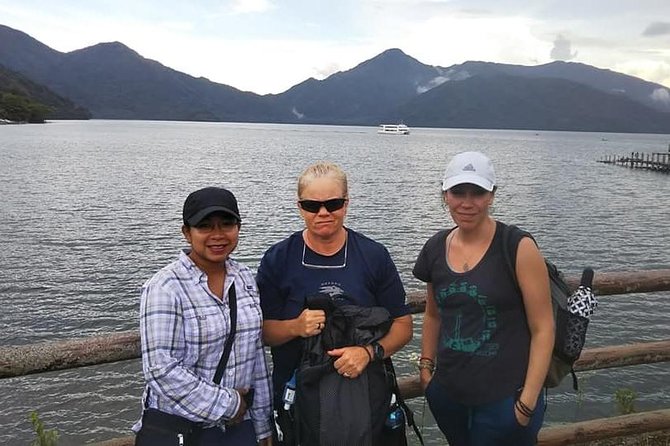
Futarasan Shrine is older and less lavish than Tosho-gu. Founded in 782 by Shodo Shonin, it represents the mountain worship and religious traditions that made Nikko important long before the Tokugawa period.
Because it is next to Tosho-gu, combining the two can be efficient. Admission to Futarasan is listed as free, though some areas or associated sections may have separate rules, so ask your guide what is included on the day.
Shinkyo Bridge marks the entrance to Nikko’s shrine and temple district. It belongs technically to Futarasan Shrine and is counted among Japan’s three finest bridges. Its red form over the river makes a quick stop worthwhile, especially if you want a strong photograph without spending much time.
The bridge is a good example of why a guide helps with route planning. It can be added around the main shrine visits rather than treated as a separate, time-consuming excursion.
Kanmangafuchi Abyss for a quieter walk
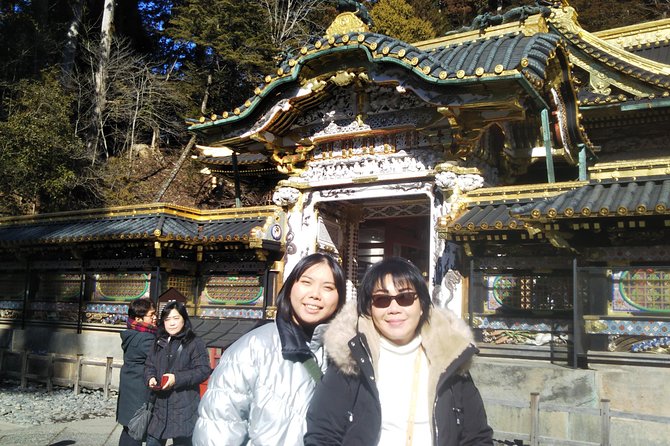
Kanmangafuchi Abyss offers a change of pace. Formed by an eruption of Mount Nantai, this short gorge runs near central Nikko and can be explored along a pleasant riverside trail.
You will not get the grand gates or polished architecture found at Tosho-gu. Instead, you get rushing water, rock, trees, and a quieter path. It is a smart choice if you want your day to include nature without committing to the longer journey toward Lake Chuzenji.
The stop is free, but walking conditions can change with weather. One winter visit was affected by snow and poor footing, so sturdy shoes and sensible pacing matter. Kanmangafuchi is also a good choice for anyone who finds a full day of formal buildings tiring.
Kegon Falls and Lake Chuzenji
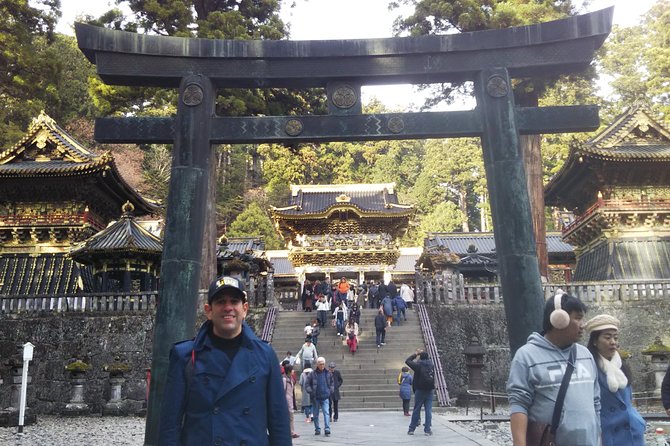
Kegon Falls is Nikko’s best-known waterfall. Water from Lake Chuzenji drops 97 meters, creating a powerful vertical fall below the lake. An observation lift takes visitors closer to the base area, and the lift admission is not included.
The falls are a strong choice for first-time visitors because they give you an immediate sense of Nikko’s mountain setting. The drawback is travel time. Kegon Falls is not a quick add-on to the central temples, especially when combined with Lake Chuzenji and Senjogahara.
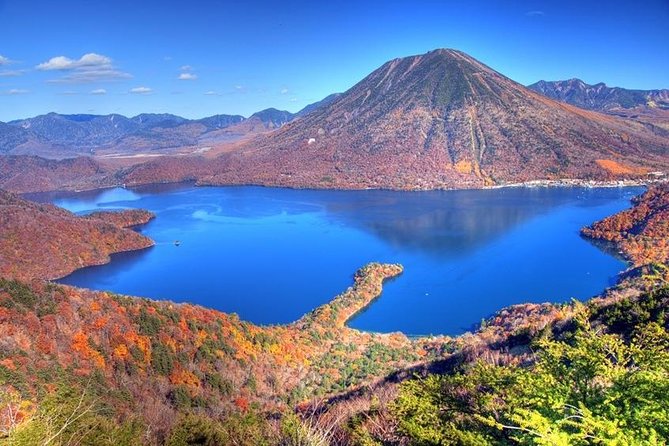
Lake Chuzenji is Tochigi’s largest lake, framed by about 25 kilometers of natural scenery. It also has a cultural layer: foreign residents used the area as a summer resort in the late nineteenth and early twentieth centuries, and villas connected with France and other European countries remain part of the story.
Choose these two stops if you want big natural views and do not mind giving up several central sites. Your guide can help decide if the weather and road conditions make the mountain route sensible that day.
Senjogahara Field and the mountain route
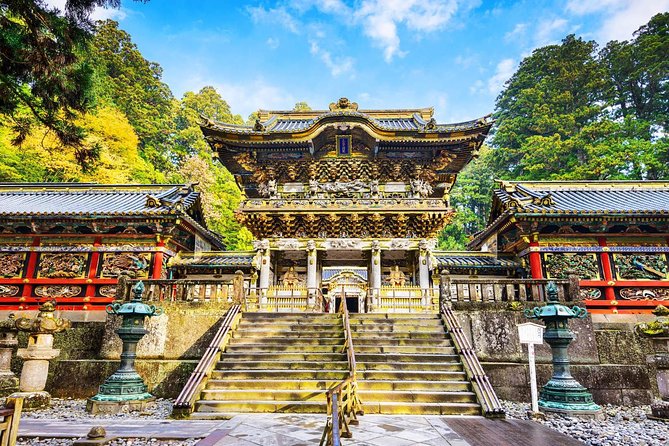
Senjogahara means battlefield, referring to a legend about the gods of Mount Nantai and Mount Akagi fighting over nearby lakes. The area offers open mountain scenery and a different feel from the dense shrine district.
This is a stop for walking and atmosphere rather than a single monument. It pairs naturally with Lake Chuzenji and Kegon Falls, but the combination can make the day tight. You should not expect to see every central temple as well if you choose the full mountain circuit.
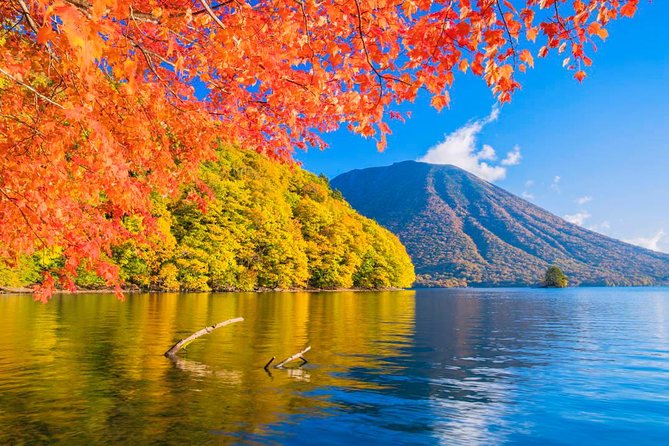
The route is especially appealing in autumn, when colored foliage adds another reason to visit. One guest specifically recommended November for the seasonal display. That period can also bring heavier demand, so the guide’s route planning becomes more useful.
Imperial architecture at Tamozawa Villa
The Nikko Tamozawa Imperial Villa Memorial Park gives you a different look at Japan’s past. The villa combines Edo-period and early modern Meiji architecture across 106 rooms. It was built in Nikko in 1899 using parts of an older residence.
This is a good pick if you enjoy rooms, woodwork, changing architectural styles, and the daily world of Japan’s imperial family. It is less about dramatic scenery and more about seeing how old and new building traditions were joined together.
Admission is extra. With only 30 minutes listed, you will need to keep moving, but a guide can point out the details that might otherwise blur together during a short visit.
Nikko Botanical Garden and Kanaya Hotel History House
The Nikko Botanical Garden is owned and maintained by the University of Tokyo as a branch of its Koishikawa Botanical Garden. It gives the day a more academic and plant-focused angle, with room to appreciate Nikko’s natural setting without the crowds of the main shrine area.
The garden has an admission fee, and it may suit you best if you care about plants, research, and a slower outdoor stop. It is not the right choice if your main goal is to see the famous shrines in limited time.
The Kanaya Hotel History House was the predecessor of the celebrated Kanaya Hotel. It offers a look at the early development of Nikko as an international resort destination. Admission is not included, and this stop will appeal most if you enjoy local social history and historic buildings.
Kirifuri Waterfall and Akechidaira views
Kirifuri Waterfall is a 75-meter, two-tiered fall northeast of the temple district. It is a useful alternative to Kegon Falls if you want a waterfall without building the entire day around Lake Chuzenji.
Akechidaira Observation Area sits near the top of the Irohazaka slope and offers wide views over the winding road and surrounding mountains. The ropeway is scheduled to be closed for maintenance from January 16, 2026, through August 31, 2027, so do not assume the lift will operate during your visit. The observation area itself is listed as a possible stop, but access and timing should be checked with your guide.
These two places are best for a nature-heavy itinerary. They are less useful if you want detailed time inside the central shrines.
What the $224.02 price really buys you
The listed cost is $224.02 per person. That is a serious price when transport, admissions, lunch, and personal expenses are added separately. The tour does not include a private car, and the Nikko All Area Pass alone is listed at 4,520 yen per person.
The value comes from customization and time saved in planning. You get a government-licensed local English-speaking guide, a private group, route advice, and help fitting a difficult Tokyo-to-Nikko day together. If you are traveling as a family or small group and care about making the most of one day, that can be worthwhile.
The value is weaker if you are comfortable using public transport, reading maps, and choosing only the central shrines yourself. In that case, paying for a guide may feel unnecessary. Group discounts are available, which can improve the per-person calculation for larger parties, but you cannot combine separate tour groups.
Who will get the most from this day?
I would choose this tour for a first visit to Nikko, especially if you have only one day and want both cultural sites and nature. It also suits families, older couples who prefer help with route planning, and anyone who wants explanations rather than a quick photo stop.
It is a good fit for people who like flexibility. You can ask for a temple-focused route, a waterfall and lake day, a garden and villa itinerary, or a balance of culture and scenery.
I would think twice if you dislike long public-transport days, want a private vehicle, or expect to visit all fourteen listed sights. The tour includes three or four sites, not the full menu, and some mountain stops require more time than the half-hour labels suggest.
The activity is described as suitable for most travelers, allows service animals, and operates near public transportation. Since it is a walking tour with an on-foot meeting, wear comfortable shoes and be ready for uneven or snowy conditions in colder weather.
Should you book the Nikko private tour?
Book it if you want a guide to shape one busy day around your interests and explain the link between Nikko’s Buddhist temples, Shinto shrines, Tokugawa monuments, and mountain scenery. The strongest praise goes to the guides’ planning, punctuality, kindness, and ability to adjust the day. Seizo, Yoshi, Yusuke, Nobu, Kazu, Yuki, Mari, and others have each earned warm comments for making the day feel personal.
Skip it if you mainly want independent sightseeing at the lowest cost. Before booking, decide whether your priority is Tosho-gu and the temple district or Kegon Falls, Lake Chuzenji, and the mountain route. Then confirm the meeting point, transport plan, expected admissions, and seasonal access. Cancel at least 24 hours before the start time if your plans change, since later cancellations are not refunded.
FAQ
How long does the Nikko private walking tour last?
The tour lasts approximately nine hours.
Where does the tour begin?
The stated meeting point is Asakusa Station at 1 Chome-4 Hanakawado, Taito City, Tokyo. The experience also says that you meet your guide on foot within a designated area of Tokyo.
Is hotel pickup included?
Hotel pickup is offered in the tour description, but the included details specify an on-foot meeting. Confirm the exact pickup location with the provider before the tour.
How many sights can I visit?
The tour includes a customizable itinerary of three or four sites from the listed choices.
Is private transportation included?
No. Private transportation is not included, and you pay your own transportation fees.
Is the Nikko All Area Pass included?
No. The Nikko All Area Pass is listed separately at 4,520 yen per person.
Are admission fees included?
No. Entrance fees are generally extra. Guide entry fees are covered only for sights listed in the tour’s selection, according to the stated conditions.
Can I cancel for a full refund?
Yes. You can receive a full refund if you cancel at least 24 hours before the experience start time. Changes or cancellations made less than 24 hours in advance are not accepted for a refund.
Just added in Tokyo
- Official Street Go Kart Tour Akihabara 2nd★ 5.0 · 19 reviews
- Private Nippori Fabric Town Walking Tour★ 5.0 · 21 reviews
- Nikko Private Day Tour – Temples, Nature & Hidden Gems★ 5.0 · 41 reviews
- Ninja Wire Action Experience★ 5.0 · 29 reviews
- Nikko one day trip GREEN NUMBER PLATES★ 4.5 · 47 reviews
- Nikko Private Tour from Tokyo with Licensed Guide and Vehicle★ 4.5 · 15 reviews
- Nikko Toshogu, Kegon waterfall, Lake Chuzenji One Day Pvt. Tour★ 5.0 · 22 reviews
- Nikko Private Day Tour with Guide by Car (from Tokyo)★ 4.0 · 16 reviews
Walking Tours, compared.
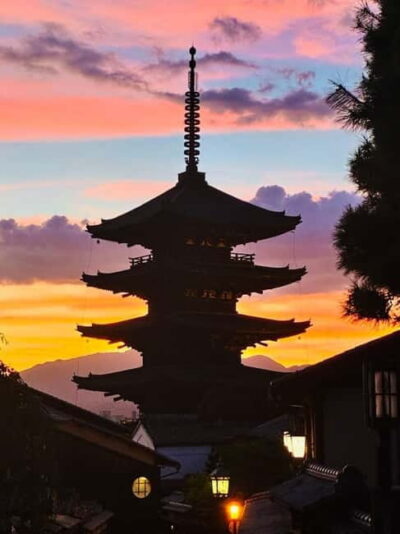
Kyoto Geisha Walking Tour: Gion District & Hidden Gems
Read our review →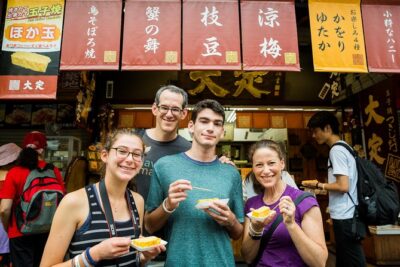
Tokyo Tsukiji Fish Market Food and Culture Walking Tour
Read our review →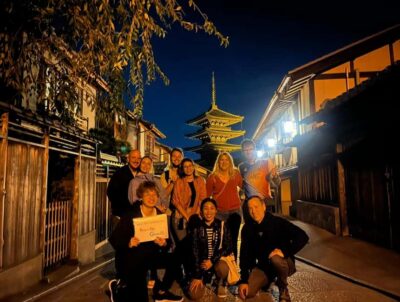
Gion Magical Night Walking Tour with Geisha Trivia
Read our review →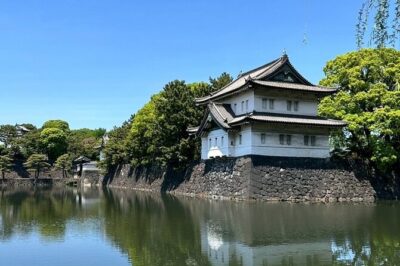
Imperial Palace and Shogun Historical Walking Tour
Read our review →
Gion Geisha District Walking Tour – Stories of Geisha
Read our review →
Shinjuku Local Bar and Izakaya Guided Walking Tour
Read our review →
Browse the lists this tour appears in