
Reviewed · WALKING TOURS
Old and Nostalgic Tokyo: Half-Day Yanaka Walking Tour
Tokyo still has quiet corners. This 3.5-hour walk through Yanaka trades neon and towers for temple lanes, old houses, a vast cemetery, and the everyday pleasures of local sweets and snacks. I like the chance to see Tokyo’s past without leaving the city, and I especially like the small group limit of eight.
I also appreciate the strong English-speaking guides, including Michiko, Kaori, Rie, Sumiko, Mikko, and Yoshimi, who have been praised for their warmth and clear explanations. The main drawback is simple: you will walk for most of 210 minutes, often through cemetery paths, slopes, and narrow streets, so comfortable shoes are essential.
In This Review
- Key points to know before booking
- Why Yanaka feels unlike modern Tokyo
- Starting at Nippori Station
- Walking through Yanaka Cemetery
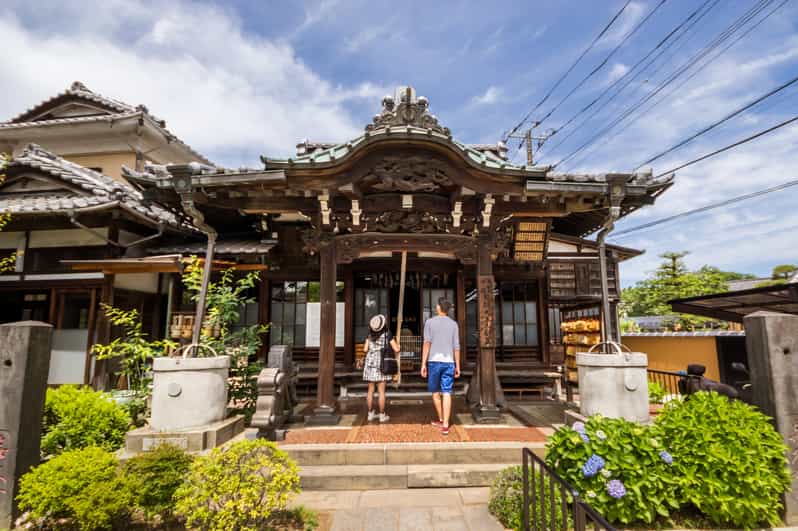
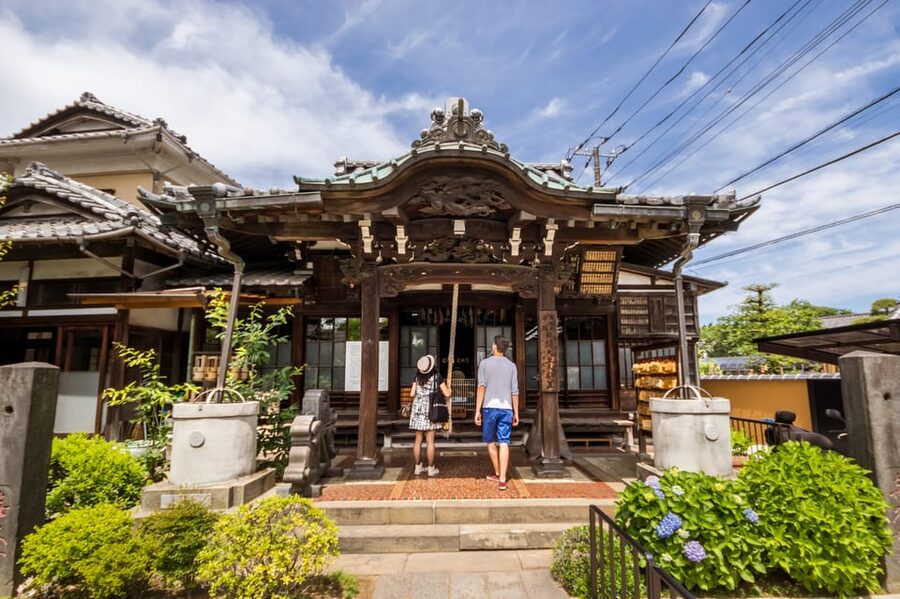
- Tennōji Temple and Yanaka’s religious character
- Nezu Shrine, built in 1706
- Yanaka-Ginza and the pleasure of stopping to eat
- Slopes, writers, and old Tokyo views
- What the $83 price includes
- Is the walking level manageable?
- Best times and best types of visitors
- Booking details that matter
- FAQ
- Where does the Yanaka walking tour meet?
- How long does the tour last?
- Is the tour conducted in English?
- What sights are included?
- Are food and drinks included in the price?
- Can wheelchair users join?
- Should you book the Yanaka walking tour?
Key points to know before booking
- Yanaka Cemetery covers a remarkable 7,000 tombstones, with cherry blossoms making it especially attractive in spring.
- Nezu Shrine dates to 1706, when it was built by the fifth Tokugawa shogun.
- Yanaka-Ginza brings the food break, with chances to sample local treats, bread, pastries, and sweets.
- The tour begins and ends at JR Nippori Station, making it easy to fit into a Tokyo sightseeing day.
- Eight people is the maximum, which gives the walk a more personal feel than a large bus tour.
- The route shows a quieter Tokyo, with temple grounds, small gardens, winding lanes, and views from a hillside slope.
Why Yanaka feels unlike modern Tokyo
Yanaka is part of Yanesen, the historic area formed by Yanaka, Nezu, and Sendagi. The name may sound tidy, but the area itself is a maze of lanes, steps, temple grounds, small homes, shops, and old-fashioned streets.
This is the Tokyo you rarely see in the usual postcard circuit. There are no famous crossing crowds or giant department stores here. Instead, you get a slower neighborhood where temples sit beside homes and a shopping street still serves local daily life.
Yanaka was selected as one of Japan’s top 100 beautiful and historical natural features. That distinction makes sense once you reach the quieter lanes. The appeal is not one grand monument. It is the way many modest details fit together: a slope opening to rooftops, a temple gate behind trees, a tiny garden, or a bakery window filled with fresh pastries.
I like this kind of tour early in a Tokyo visit because it gives you cultural context. Modern Tokyo can feel overwhelming at first. Yanaka shows you another side of the city, one shaped by religious sites, family neighborhoods, writers, food shops, and local customs.
More Walking Tours in Tokyo
- Tokyo Tsukiji Fish Market Food and Culture Walking Tour
★ 5.0 · 3,184 reviews - Tokyo: Imperial Palace and Shogun Historical Walking Tour
★ 5.0 · 2,251 reviews - Tokyo: Shinjuku Local Bar and Izakaya Guided Walking Tour
★ 4.9 · 1,794 reviews
Starting at Nippori Station
The meeting point is the north gate of JR Nippori Station, written as 北改札. You should pay close attention to the exact gate because Nippori is a busy station and a large complex can turn a simple meeting into a mild scavenger hunt.
The tour begins and ends at the same station. That is useful. You do not need to arrange a taxi across town afterward, and you can continue by train once the walk finishes.
From the station, the route leads into Yanaka. The change is gradual rather than theatrical. Tokyo does not suddenly disappear, but the streets become quieter and the scale drops. You begin noticing details that are easy to miss from a train or tour bus.
The small group format matters here. With no more than eight people, your guide can answer questions about the places in front of you and adjust the pace within reason. Guides such as Rie and Sumiko have been praised for explaining Japanese culture as well as the sights themselves. That broader conversation is one of the tour’s best features.
Walking through Yanaka Cemetery
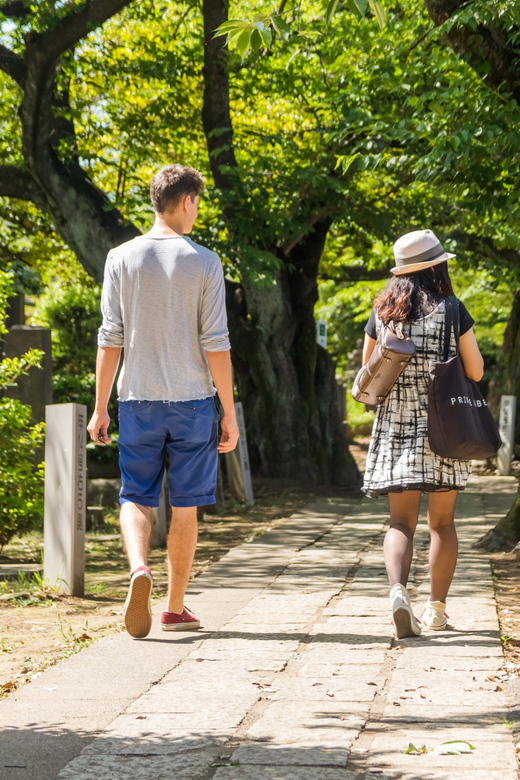
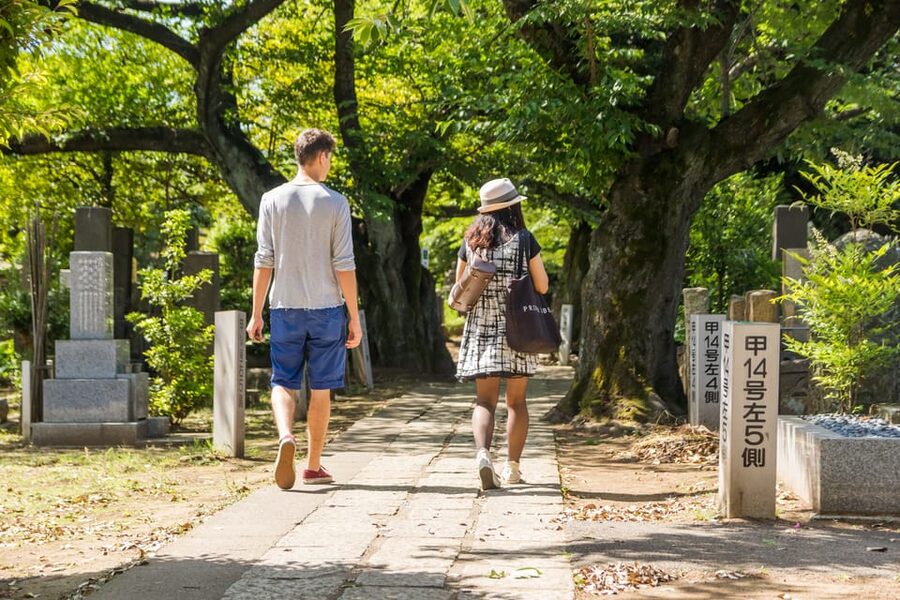
Yanaka Reien, or Yanaka Cemetery, is one of the route’s most memorable sections. With about 7,000 tombstones, it is far more than a quick stop for a photograph.
The cemetery is also part of the neighborhood’s daily rhythm. You are walking through a quiet religious space rather than a museum display. That calls for respectful behavior: keep your voice down, avoid stepping where you should not, and follow the guide’s lead around graves and temple areas.
The cemetery is famous for cherry blossoms in spring. At that time, the tree-lined paths can give the area a very different mood from central Tokyo. Outside blossom season, the cemetery still offers calm, shade, and a sense of the district’s long connection to Buddhist temples and prominent Japanese figures.
One past guide-led route included the grave of the last shogun. The precise stops can depend on the guide and conditions, so you should treat that as a possible part of the historical walk rather than a guaranteed individual sight.
The cemetery also helps explain why Yanaka feels open and spacious in places. Much of Tokyo is tightly built, but these grounds create long views along paths and a quieter sense of distance. From a slope, you may look across a web of lanes and rooftops that feels far removed from the city’s high-rise core.
Tennōji Temple and Yanaka’s religious character
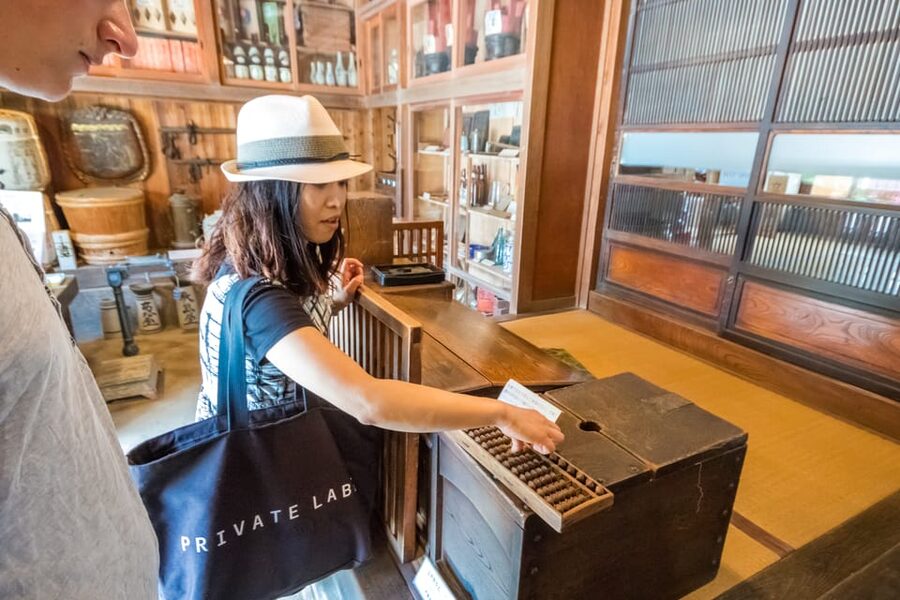
Tennōji Temple is scheduled as a 20-minute visit. That is enough time to see the setting, hear the main background, and take in the atmosphere without turning the tour into a long temple lecture.
This stop works well beside the cemetery because it shows how closely religious sites are woven into Yanaka. The district is not simply an old shopping area with a few temples added for decoration. Buddhist temples and cemetery grounds are part of its structure.
Your guide can help you understand what you are looking at, including customs and architectural details that may otherwise pass unnoticed. The guides praised for this tour have been especially good at answering questions about Japanese life, not just reciting dates.
You should expect a walking visit rather than a formal religious ceremony or hands-on activity. Shoes cannot be worn indoors, so follow the guide’s instructions if the route enters an interior space. The supplied rules also prohibit loud behavior, alcohol, drugs, and pets, which fits the quiet nature of the area.
A completely different kind of day out:
- Tokyo Disney Resort – Tokyo Disneyland & Tokyo DisneySea Park Tickets
★ 4.8 · 99,488 reviews - SHIBUYA SKY Ticket
★ 4.7 · 46,509 reviews - JR Whole Japan Rail Pass
★ 4.8 · 29,150 reviews - Mt Fuji and Hakone 1-Day Bus Tour Return by Bullet Train
★ 5.0 · 26,383 reviews
Nezu Shrine, built in 1706
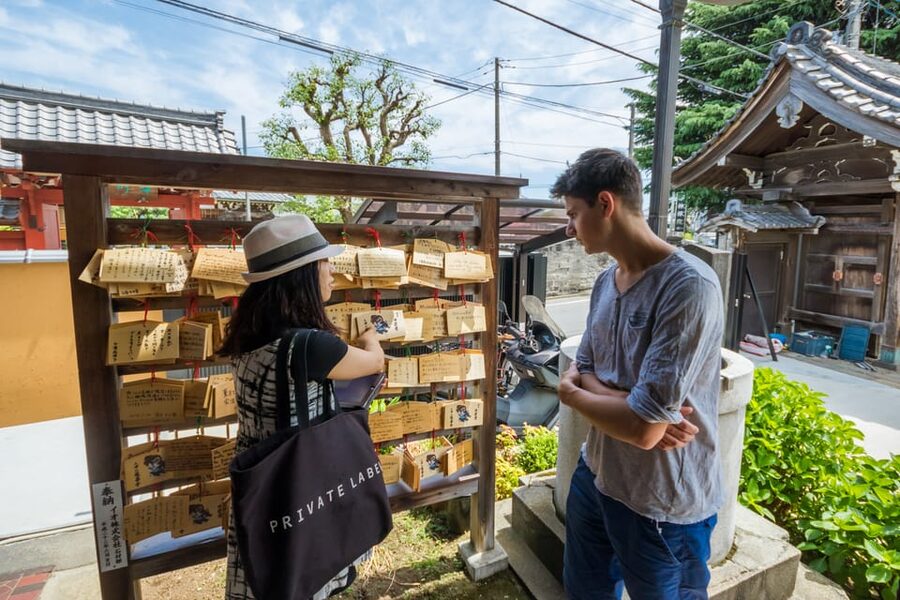
Nezu Shrine is one of the tour’s strongest historical stops. It was built in 1706 by the fifth Tokugawa shogun, placing it firmly in the Edo period, the era when Tokyo was known as Edo and the Tokugawa family ruled Japan.
That date gives the shrine real weight. You are not simply looking at a colorful gate or a pretty garden. You are seeing a place connected to the political and religious world of early modern Japan.
The shrine is also a good reminder that old Tokyo was not built only around the shogun’s castle and major avenues. Neighborhood shrines gave local communities places for worship, seasonal events, and shared identity.
One particularly good time to visit is spring, when the azaleas can be in full bloom. A visit in late April once coincided with spectacular flowers, making the shrine feel especially rewarding. Spring conditions vary, of course, but if you are in Tokyo during the azalea season, this route gives you a strong reason to include Yanaka.
The guide’s explanation adds value here. Without context, you might admire the shrine’s forms and colors, then move on. With a clear English explanation, you can connect the building to Japanese history and local customs.
Yanaka-Ginza and the pleasure of stopping to eat
Yanaka-Ginza is the most relaxed part of the route. This old-style shopping street is made for browsing, tasting, and watching ordinary neighborhood life.
Food and drinks are not included in the $83 price, so bring some yen or another accepted payment method for anything you want to buy. The advantage is choice. You are not locked into one set restaurant or a fixed meal. You can decide if a sweet, pastry, snack, or drink is worth a stop.
Past tours have included opportunities to buy delicious bread and pastries, sample sweets, and browse pottery. The exact food selection will depend on the shops open that day, but the format is clear: this is a tasting-friendly walk rather than a formal food tour with a guaranteed menu.
I like that arrangement for a half-day experience. You can try several small items instead of sacrificing an hour to a single meal. It also lets you notice how food fits into neighborhood life, from small shop displays to traditional sweets and everyday baked goods.
A warning for hungry walkers: because food is purchased separately and the tour keeps moving, you should not expect a full lunch. Eat something before the meeting time if you need a substantial meal, then use Yanaka-Ginza for snacks and local specialties.
Slopes, writers, and old Tokyo views
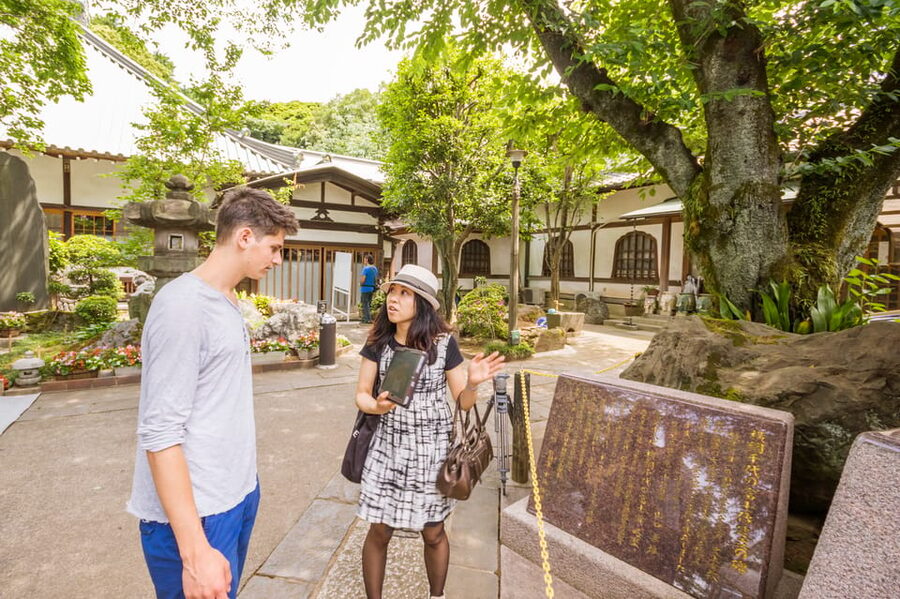
Yanaka has inspired many Japanese writers over the years. You do not need to be familiar with their work to enjoy this part of the walk. The connection helps explain the district’s appeal: quiet lanes, changing views, old homes, temple walls, and a slower pace can give a writer more to observe than a crowded commercial street.
The route includes a vantage point on a slope. From there, you can look across a labyrinth of pathways and feel the character of the district more clearly. It is a useful pause because Yanaka’s charm becomes easier to understand from above.
This is not a tour built around grand panoramic views. You will not get a sweeping Tokyo Tower scene or a skyline platform. The reward is smaller and more personal: a layered view over a neighborhood that still feels lived in.
Several guides have taken groups along back streets that are difficult to find alone. That is where paying for a guide makes a real difference. A map can show Yanaka, but it cannot easily tell you which lane leads to a temple, which slope offers the best view, or why a particular corner matters.
What the $83 price includes
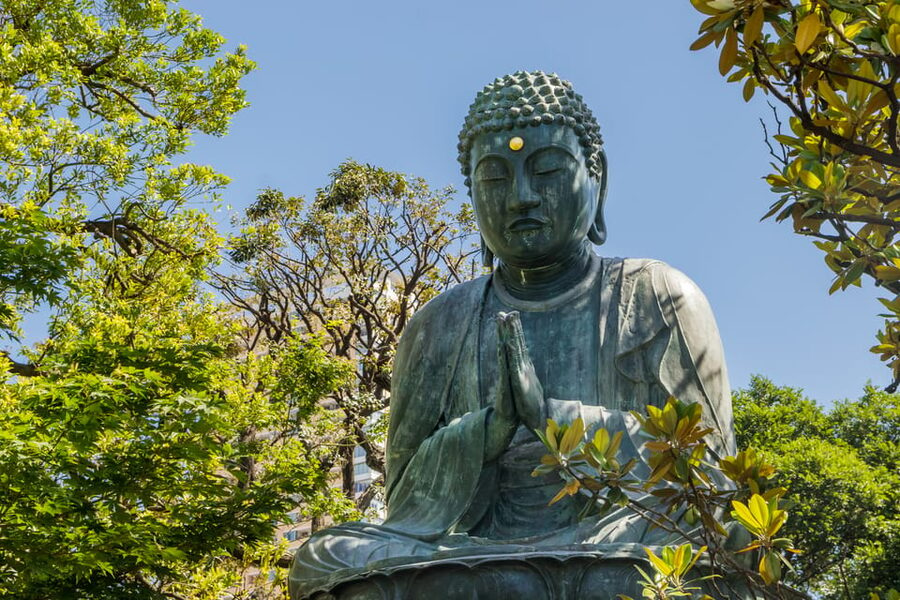
At $83 per person, this is not the cheapest way to walk around Yanaka. You are paying for a professional English-speaking guide, local orientation, historical explanation, and a small group capped at eight people.
The value depends on how you like to explore. If you are happy to wander with a map and read signs through a translation app, you can visit Yanaka independently for much less. If you want the district’s history explained and prefer not to spend time planning a route, the fee is more defensible.
The strongest value comes from the combination of places. The cemetery, Tennōji Temple, Nezu Shrine, Yanaka-Ginza, food stops, and hillside views create a connected story. You are not just checking off one temple.
Past guide experiences have been a major strength. Michiko was praised for being energetic, kind, and patient with children. Kaori earned strong approval, while Arika was described as delightful. Rie and Sumiko were valued for clear explanations and friendly conversation. Mikko was especially effective at showing hidden corners and sharing her passion for the area.
Guide quality can vary from one departure to another, but the pattern here is encouraging. The tour seems to attract guides who care about Yanaka and enjoy talking about Japanese culture.
Is the walking level manageable?
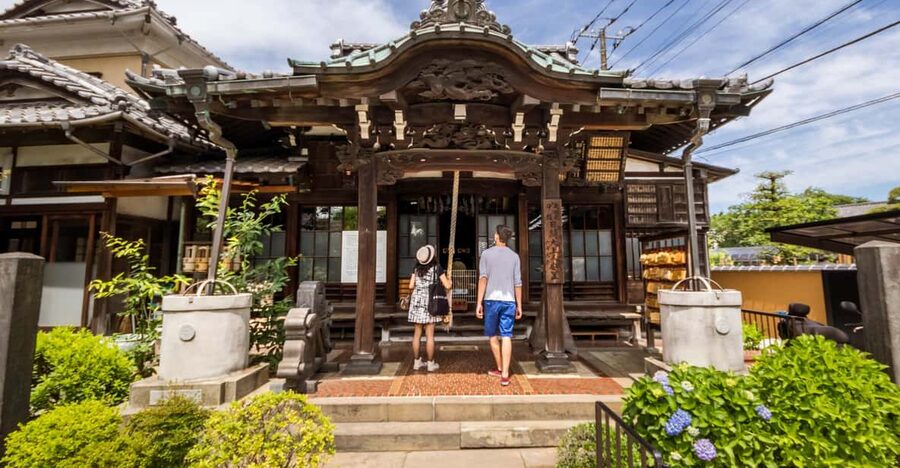
The tour involves a moderate amount of walking over 210 minutes. You should be comfortable standing and walking for much of the afternoon, with possible slopes, uneven surfaces, and cemetery paths.
Wear comfortable shoes. This is the one item the tour specifically asks you to bring, and it is practical advice rather than a formality.
The activity is not suitable for wheelchair users, including people using non-folding or electric wheelchairs. Bikes, oversize luggage, and drones are not allowed. The operator also advises against joining if you have heart problems or another serious medical condition.
The long list of weight restrictions shown with the activity is unusually broad and includes several different limits. If weight or mobility could affect your comfort, check the current booking conditions directly before paying.
Children can enjoy the tour when paired with the right guide. Michiko received especially warm praise for working with kids. Still, the walk has no dedicated child-focused entertainment, so families should be ready for history, temples, quiet spaces, and steady walking.
Best times and best types of visitors
Spring is the obvious choice if cherry blossoms or azaleas are a priority. Yanaka Cemetery is known for cherry blossoms, while Nezu Shrine can be especially beautiful when its azaleas bloom.
The route can also suit visitors who want a break from Tokyo’s busiest areas at any time of year. Yanaka’s appeal is not limited to flowers. Its temples, small gardens, old houses, slopes, and food street provide plenty to notice beyond the blossom calendar.
I would recommend this tour to:
- First-time Tokyo visitors who want cultural context beyond major sights
- Repeat visitors who have already seen Shibuya, Shinjuku, and Asakusa
- Families wanting a slower half-day with a friendly guide
- People who enjoy small food stops rather than one formal meal
- Anyone interested in Edo-period Tokyo, temples, cemeteries, and local neighborhoods
I would skip it if you dislike walking, want a fast list of headline attractions, or need a fully accessible route. This is a neighborhood experience, and its rewards come from paying attention to small details.
Booking details that matter
You need at least two people per booking, and the maximum is eight. That makes it unsuitable for a solo booking unless you can join under the current booking rules or arrange another person in your party.
The tour is offered with a live English-speaking guide. Food and drinks cost extra, and hotel pickup and drop-off are not included.
You can cancel up to 24 hours in advance for a full refund, and the reserve-now, pay-later option gives you some flexibility while finalizing a Tokyo itinerary. Starting times vary, so check availability before building your day around it.
The tour begins and ends at JR Nippori Station. Allow a little extra time to find the north gate, especially if you are unfamiliar with Japanese station layouts.
FAQ
Where does the Yanaka walking tour meet?
The meeting point is the north gate of JR Nippori Station, marked 北改札.
How long does the tour last?
The tour lasts 210 minutes, or 3.5 hours.
Is the tour conducted in English?
Yes. The activity includes a live English-speaking guide.
What sights are included?
The route includes Yanaka Cemetery, Tennōji Temple, Nezu Shrine, Yanaka-Ginza, and views over Yanaka’s old lanes. The Tennōji Temple visit is listed as 20 minutes.
Are food and drinks included in the price?
No. Food and drinks are not included, so you should budget separately for sweets, pastries, snacks, or drinks purchased during the walk.
Can wheelchair users join?
No. The activity is not suitable for wheelchair users, including users of non-folding and electric wheelchairs.
Should you book the Yanaka walking tour?
Book it if you want to understand Tokyo as a historic neighborhood rather than a collection of famous attractions. The combination of a 7,000-tombstone cemetery, a 1706 shrine, temple grounds, old lanes, and local sweets gives you a thoughtful half-day away from the city’s loudest districts.
The $83 fee makes the most sense when you value a strong English-speaking guide and a small group. If you only want to stroll through Yanaka and shop, go independently. If you want the history, local context, and hard-to-find corners explained as you walk, this tour is a very good fit.
Just added in Tokyo
- A One-of-a-Kind Sushi Experience in a Special Place of Japan★ 5.0 · 15 reviews
- Tokyo Cute Bento Cooking Class – Make a Kawaii Character Lunchbox★ 5.0 · 126 reviews
- Japanese Home Cooking Class & Walk in Todoroki Temple Tokyo★ 5.0 · 88 reviews
- Japan Tokyo Tower Observatory Deck E-Ticket★ 4.0 · 34 reviews
- Catch a Baseball Game in Tokyo with a Local – Tickets Included★ 5.0 · 24 reviews
- JDM Experience with Fast&Furious RX-7 (English speaking Driver)★ 5.0 · 57 reviews
- Tokyo Private Day Tour by Car with English speaking Driver Guide★ 4.0 · 29 reviews
- Japan Classic 10 Day – One Life Adventures★ 5.0 · 129 reviews
Walking Tours, compared.
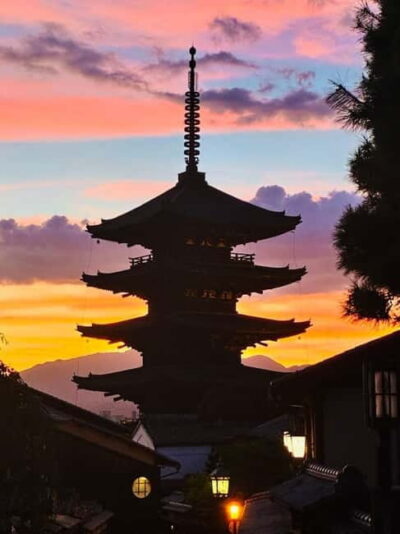
Kyoto Geisha Walking Tour: Gion District & Hidden Gems
Read our review →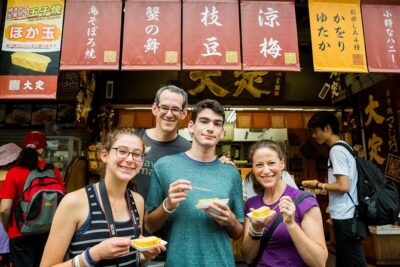
Tokyo Tsukiji Fish Market Food and Culture Walking Tour
Read our review →
Gion Magical Night Walking Tour with Geisha Trivia
Read our review →
Imperial Palace and Shogun Historical Walking Tour
Read our review →
Gion Geisha District Walking Tour – Stories of Geisha
Read our review →
Shinjuku Local Bar and Izakaya Guided Walking Tour
Read our review →
Browse the lists this tour appears in