
Reviewed · COOKING CLASSES
Osaka Cooking Class: Okonomiyaki &Japanese cuisines experience
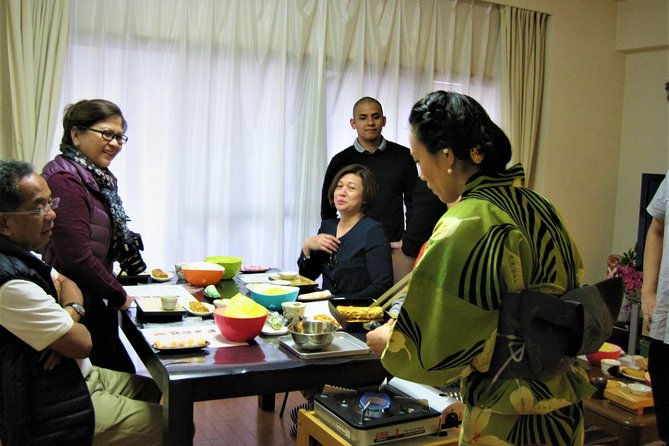
Food brings Osaka into focus. This small cooking class takes you into Yayo’s home to prepare okonomiyaki, takoyaki, miso soup, and sweets, then sit down to eat what you made. I like the personal teaching, especially for first-time cooks, and I like the generous meal, which can be large enough to leave with leftovers. The main consideration is the setting: the cooking studio is a small home kitchen, not a spacious professional school.
The class lasts about two and a half hours and is limited to eight people, though some sessions may be much smaller. You meet outside Noda Station, travel to the cooking studio, and return to the same meeting point afterward. At $104.13 per person, it is not a cheap meal, but it combines instruction, food, an English-speaking host, and a rare look at everyday Japanese cooking.
In This Review
- Key points at a glance
- Meeting Yayo near Noda Station
- A home kitchen instead of a cooking school
- Miso soup shows why technique matters
- Making takoyaki without the usual panic
- Okonomiyaki, Osaka’s flexible savory pancake
- Additional dishes and a sweet finish
- Eating what you cook
- Sake and beer pairing: worth adding?
- Is $104.13 good value?
- Who should book this class?
- Practical details before you book
- Should you book Cooking Class YAYO?
- FAQ
- Where does the Osaka cooking class begin?
- Where does the activity end?
- How long does the cooking class last?
- What dishes will I prepare?
- Is the class taught in English?
- Can I request vegetarian or pescatarian food?
- Is sake included?
Key points at a glance
- Cook in Yayo’s own home: The apartment setting makes the class feel personal and informal rather than commercial.
- Learn Osaka favorites: You prepare okonomiyaki and takoyaki, along with miso soup and other Japanese dishes.
- Expect plenty to eat: The portions are generous, and some people have enough food to take leftovers away.
- Small groups matter: The maximum is eight participants, with hands-on help from the instructor.
- Add sake and beer: A local sake and beer pairing is available if selected when booking.
- Finish with Japanese treats: Taiyaki and matcha tea round out the meal.
Meeting Yayo near Noda Station
The class begins outside Noda Station in Osaka’s Fukushima Ward. The meeting point is at 1 Chome-1 Ohiraki, and the activity ends back there after the cooking and meal.
That central meeting arrangement keeps things simple. You do not need to arrange hotel pickup, and the location is near public transportation. You should still allow time to find the station exit and meeting spot. Arriving more than 10 minutes late can mean losing your place without a refund, so this is not an activity to squeeze between two tight train connections.
From the meeting point, you continue to the cooking studio. The class takes place in Yayo’s apartment, a detail worth knowing before you book. Some people will love the home setting because it feels warm and genuine. Others may prefer a larger kitchen with more room to move around.
Yayo is the host most often praised for making people feel at ease. Her English is described as quite good, and she explains both the food and the everyday customs connected with it. Her light humor and patient manner are useful if you have little or no cooking experience.
More Cooking Classes in Osaka
- Sushi Making Osaka Roll and Authentic Japanese Sushi Class
★ 5.0 · 1,220 reviews - Matcha Making Class in Osaka with Authentic Japanese Sweets Set
★ 5.0 · 509 reviews - Osaka Sushi Making Experience
★ 5.0 · 400 reviews
A home kitchen instead of a cooking school
The apartment setting shapes the whole class. You are not simply watching a chef prepare a demonstration meal from a distance. You take part, ask questions, and receive help as you work through each recipe.
The room is small, so only people with confirmed bookings can join. The maximum group size is eight, but the class may be much smaller. Solo participants have sometimes found themselves in what feels like a private lesson, while couples and families have also had nearly one-on-one instruction.
I see this as one of the strongest reasons to book the class. Japanese cooking can look simple, but small choices affect the final result. The amount of dashi, the texture of the batter, and the timing of the cooking all matter. A small group gives Yayo time to correct your technique and answer questions.
The tradeoff is space. You should expect a close, home-based activity rather than a polished culinary studio. That is part of the charm, but it may not suit someone who wants a formal, restaurant-style cooking school.
Miso soup shows why technique matters
The class begins with miso soup, a useful choice because it introduces the building blocks of Japanese home cooking. Miso soup has few ingredients, but the taste can change with the stock, the amount of miso, and the way the ingredients are combined.
Yayo explains how to make dashi, the savory stock used in many Japanese dishes. One particularly useful takeaway is that dashi is less mysterious than many visitors expect. The class helps turn a familiar restaurant staple into something you can try at home.
This part is more than a quick recipe. It gives you a basic idea of how Japanese cooking often relies on balance and subtle flavor instead of heavy seasoning. If you want to recreate the meal after returning home, this may be one of the most practical lessons.
Vegetarian and pescatarian versions are available if you request them at the time of booking. Make that request in advance. The standard dishes include ingredients such as pork, octopus, bonito flakes, and other items that may not suit every diet.
Making takoyaki without the usual panic
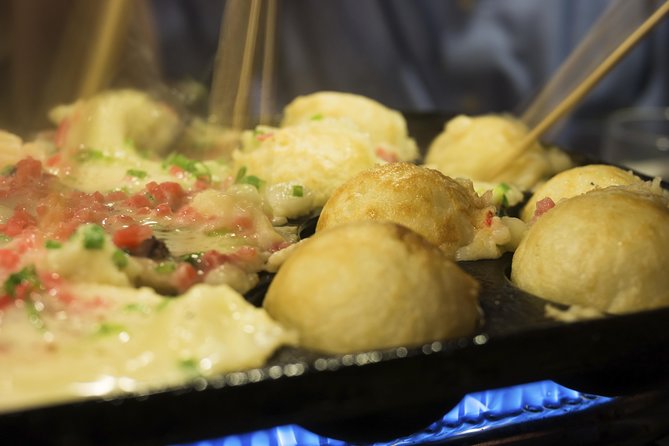
Takoyaki is one of Osaka’s best-known foods: small balls of wheat-flour batter filled with octopus and cooked until browned. The cooking method looks easy until you try to turn the soft balls at the right moment.
That hands-on step is a major part of the fun. You get to handle the batter and fillings instead of simply eating takoyaki from a street stall. The class leader guides you through the process, which takes away much of the pressure for first-time cooks.
Takoyaki also gives you a useful lesson in texture. The outside should cook properly while the inside remains soft, and timing affects both. With Yayo nearby, you can ask questions as the food changes in the pan.
If you are not a confident cook, do not worry too much. The class is structured so that you can participate without being set up to fail. Ingredients and utensils are supplied, and the preparation is arranged to keep the session moving.
More Cooking Classes in Japan:
- Sushi Making Tokyo Roll and Authentic Japanese Sushi Class
★ 5.0 · 3,971 reviews - Tokyo: Roll and Authentic Sushi Making Class in Asakusa
★ 4.9 · 1,957 reviews - Ramen Cooking Class at Ramen Factory in Kyoto
★ 5.0 · 1,937 reviews - Tokyo Shinjuku Chopsticks Making Class
★ 5.0 · 1,763 reviews
Okonomiyaki, Osaka’s flexible savory pancake
Okonomiyaki is the main event for many people. The name refers to a savory pancake made to your preference, and the standard preparation here includes egg, flour, cabbage, pork, and dried bonito flakes.
The dish is a good match for a cooking lesson because it is both distinctly Osaka and reasonably practical to reproduce at home. You learn how the ingredients come together, how to handle the mixture, and how the toppings contribute to the final taste.
I especially like okonomiyaki as a souvenir skill. You do not need a long list of rare ingredients to understand the basic idea, and you can adapt the fillings later. The class helps take the dish out of the restaurant and puts it into an everyday kitchen context.
The meal can be more substantial than you expect. Several participants have found the amount of food difficult to finish, especially when the class includes multiple dishes. Plan to arrive hungry, and avoid scheduling an immediate major meal afterward.
Additional dishes and a sweet finish
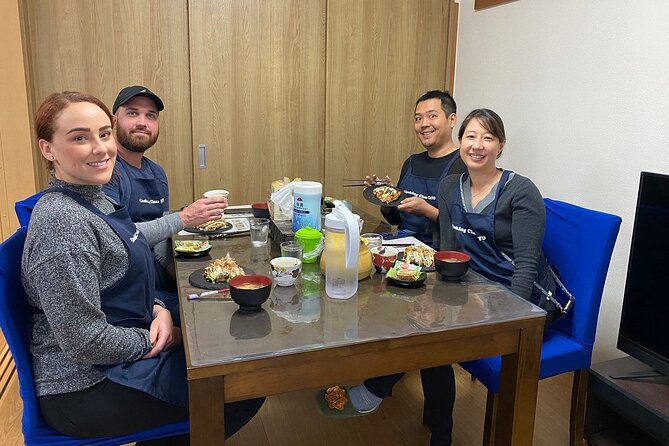
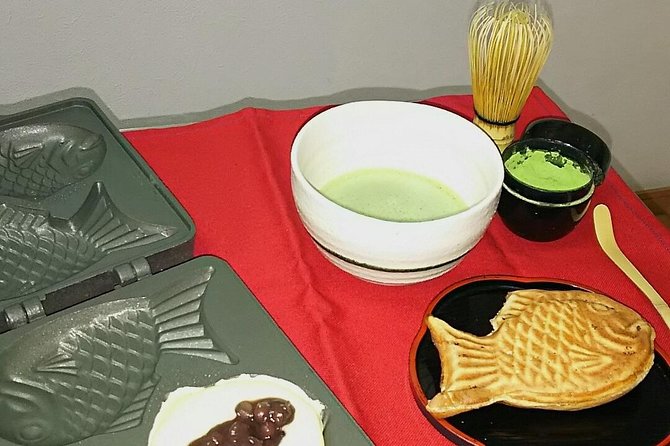
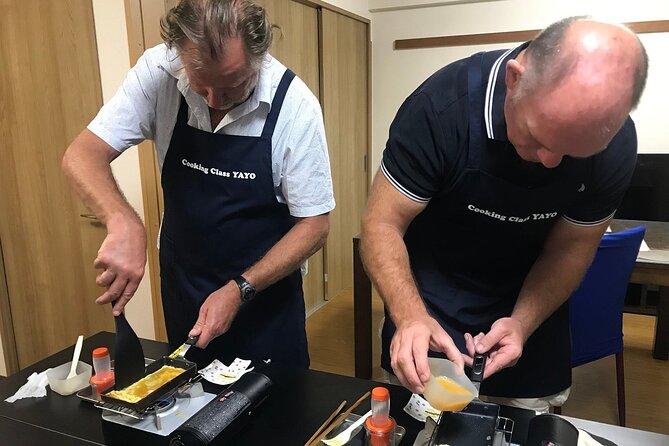
The core itinerary highlights miso soup, takoyaki, and okonomiyaki, but the full class can include more. Past menus have included dashimaki tamago, a Japanese rolled omelet, along with matcha and taiyaki.
Taiyaki is a fish-shaped cake served as a sweet treat. It is a playful way to end the class and gives you one more Japanese food to try beyond the savory dishes.
The schedule also includes matcha tea before you leave. These final items make the class feel like a full food gathering rather than a narrow lesson focused on one recipe.
Because the supplied details describe the menu in slightly different ways, you should not assume every additional dish will appear at every session. The safest expectation is miso soup, takoyaki, okonomiyaki, a full meal from your cooking, and a final taiyaki and matcha tasting.
Eating what you cook
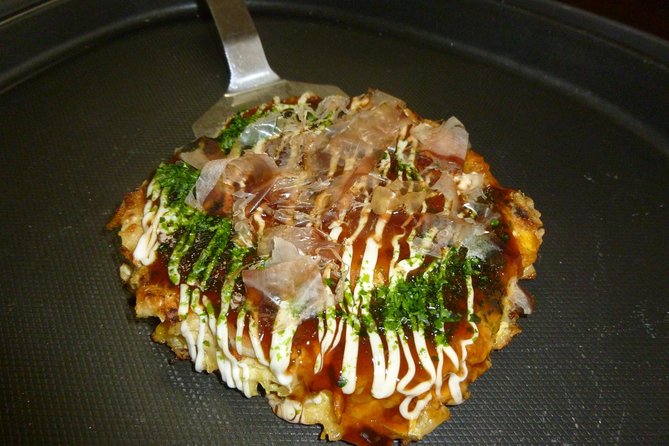
After the preparation, you sit down and eat the finished dishes. Lunch or dinner is included, depending on the class time, so the $104.13 price covers more than a demonstration.
The meal is also a social part of the class. You may be cooking with a solo participant, a couple, or a family, and the small setting encourages conversation. If you are traveling alone, this can add a welcome human connection to a busy Osaka itinerary.
Yayo’s hospitality is a large part of the appeal. She has shared family ingredients and stories, and some sessions have included thoughtful parting gifts such as chopsticks, homemade treats, or paper cranes made from the flags of participants’ home countries. These extras are not the formal promise of the class, so you should treat them as personal touches rather than guaranteed inclusions.
The food itself is plentiful. Some people have taken leftovers with them after trying the dishes. That is a pleasant problem, but it means you may not want to book this immediately before another food tour or restaurant reservation.
Sake and beer pairing: worth adding?
You can add a local sake and beer tasting when booking. This is optional, and extra drinks are not included in the base price unless you select the pairing.
The pairing makes sense if you want a more relaxed meal and an introduction to Japanese drinks alongside the food. It also adds another cultural layer to the class without requiring a separate tasting appointment.
Skip it if you do not drink, if you are traveling with children, or if you want to keep the price lower. The cooking and meal are the main event, so the class remains worthwhile without the alcohol option.
Is $104.13 good value?
At $104.13 per person, this class costs more than simply ordering okonomiyaki or takoyaki in Osaka. You are paying for the food, but also for about two and a half hours of instruction, ingredients, utensils, an English-speaking host, and access to a private home setting.
I think the value is strongest for people who want participation rather than just a meal. You learn several dishes, receive practical advice for cooking them at home, and get enough food to serve as a substantial lunch or dinner.
The price is harder to justify if your main goal is to eat Osaka specialties cheaply. Osaka has plenty of affordable restaurants and street food, so a visitor focused only on tasting should spend the money elsewhere.
Group discounts may be available, which can improve the value for families or larger bookings. Since the class maximum is eight, it remains small even when booked as a group.
Who should book this class?
This is a strong choice for:
- First-time visitors who want a friendly introduction to Japanese food
- Couples looking for a shared activity beyond sightseeing
- Solo visitors who enjoy meeting people in a small setting
- Families with children old enough to take part in a cooking lesson
- Food lovers who want recipes they can try at home
- People who prefer local homes and personal contact over formal tour venues
It is less suitable if you need a large, highly accessible professional kitchen, dislike group activities, or want a fast meal with no cooking involved.
The class also suits people who are not normally interested in cooking. The step-by-step format, generous preparation, and friendly teaching make it approachable. One unusual strength is that the meal does not depend on you producing perfect food. You get enough guidance to take part without worrying about ruining dinner.
Practical details before you book
Confirmation is provided when you book, and mobile tickets are available. You must meet at the stated point outside Noda Station, as hotel pickup and drop-off are not included.
The class is limited to confirmed participants because the studio is small. Do not plan to bring an extra friend at the last minute.
Request vegetarian or pescatarian food when booking. The standard menu includes meat and seafood, including pork, octopus, and dried bonito flakes.
The adult price applies to all participants except children age two and under. Arrive early enough to find the meeting point comfortably. More than 10 minutes late can mean missing the activity, with no refund.
Free cancellation is available up to 24 hours before the local start time. Cancellations or changes made less than 24 hours ahead are not accepted for a refund.
Should you book Cooking Class YAYO?
Book it if you want to understand Osaka food by making it, not just ordering it. The best parts are the small group, Yayo’s warm teaching, the home setting, and the amount of food included. You also leave with techniques that can make Japanese cooking feel less intimidating at home.
Think twice if $104.13 is beyond your food budget or if the apartment setting sounds cramped. For most people who enjoy hands-on activities, though, this is a generous and personal way to spend an afternoon or evening in Osaka. I would place it high on the list for a first visit, especially for solo visitors, couples, and families who want a memorable meal with a real local connection.
FAQ
Where does the Osaka cooking class begin?
The class begins outside Noda Station in Osaka’s Fukushima Ward, at 1 Chome-1 Ohiraki, Fukushima Ward, Osaka, 553-0007, Japan.
Where does the activity end?
The activity ends back at the meeting point near Noda Station.
How long does the cooking class last?
The class lasts approximately 2 hours and 30 minutes.
What dishes will I prepare?
The class includes miso soup, takoyaki, and okonomiyaki. The experience also ends with taiyaki and matcha tea. Some sessions may include additional dishes such as dashimaki tamago.
Is the class taught in English?
Yes. An English-speaking instructor leads the class, and Yayo has been described as quite fluent in English.
Can I request vegetarian or pescatarian food?
Yes. Vegetarian and pescatarian options are available, but you must request them when booking.
Is sake included?
A local sake tasting and beer pairing are available as an optional add-on. Extra food and drinks are not included in the standard booking.
Just added in Japan
- A One-of-a-Kind Sushi Experience in a Special Place of Japan★ 5.0 · 15 reviews
- Tokyo Cute Bento Cooking Class – Make a Kawaii Character Lunchbox★ 5.0 · 126 reviews
- Japanese Home Cooking Class & Walk in Todoroki Temple Tokyo★ 5.0 · 88 reviews
- Japan Tokyo Tower Observatory Deck E-Ticket★ 4.0 · 34 reviews
- Catch a Baseball Game in Tokyo with a Local – Tickets Included★ 5.0 · 24 reviews
- JDM Experience with Fast&Furious RX-7 (English speaking Driver)★ 5.0 · 57 reviews
- Tokyo Private Day Tour by Car with English speaking Driver Guide★ 4.0 · 29 reviews
- Japan Classic 10 Day – One Life Adventures★ 5.0 · 129 reviews
Cooking Classes, compared.
Sushi Making Tokyo Roll and Authentic Japanese Sushi Class
Read our review →
Roll and Authentic Sushi Making Class in Asakusa
Read our review →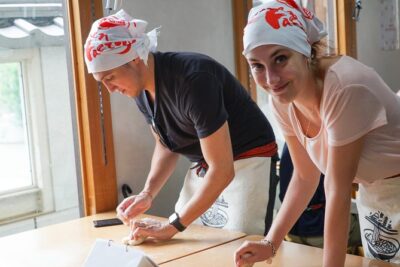
Ramen Cooking Class at Ramen Factory in Kyoto
Read our review →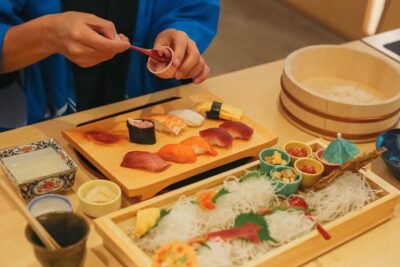
Sushi Making Class in a Happi Coat near a Famous Spot
Read our review →
Sushi Making Osaka Roll and Authentic Japanese Sushi Class
Read our review →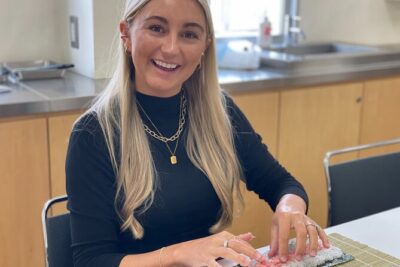
Tokyo Sushi Making Class in Tsukiji with Professional Chef
Read our review →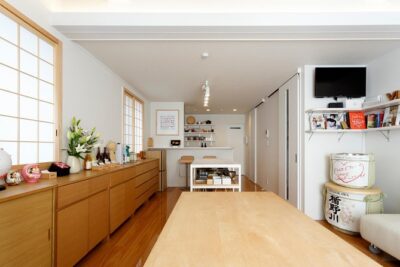
Ramen & Gyoza Cooking Class in Tokyo with Local Supermarket Visit
Read our review →Browse the lists this tour appears in